LIBO (Large Intestinal Bacterial Overgrowth): What The Term Means, And Why The Evidence Does Not Support It Yet
By Jacob Gordon, INHC, FMT-CThis article contains affiliate links. As an Amazon Associate, MyBioHack earns from qualifying purchases at no extra cost to you. We only link products we research and stand behind.
LIBO is a term that borrows the logic of SIBO and applies it to the colon, which is the one place in the body where that logic does not transfer.
In this post, we will discuss where the term came from, why "overgrowth" is close to a category error when applied to the large intestine, what the colonic evidence actually supports, how to test for the real problem, and what to do about it.
Basics Of LIBO
Large Intestinal Bacterial Overgrowth (LIBO) is a proposed condition in which the colon is said to carry too many bacteria, producing bloating, gas, altered stool form, and systemic symptoms.
It is modeled directly on Small Intestinal Bacterial Overgrowth (SIBO), which is a real and reasonably well characterized entity with a guideline-backed density threshold and a consensus breath methodology. R R
The clean version of the claim is that if bacteria can overgrow the small bowel, they can overgrow the large bowel too, and that a stool test showing high total bacterial load or expanded "opportunistic" species is the colonic equivalent of a positive breath test.
The problem is that the term has never been defined in a peer-reviewed diagnostic framework, and there is no agreed definition of a healthy gut microbiome to compare a colonic result against in the first place. R R
The single review that addresses LIBO directly says so in plain language.
The 2023 review by Banaszak and colleagues in Microorganisms states that the term "has emerged in scientific circles and at conferences," that "such a statement has yet to be figured out in any medical article," and that "it may be a catchy title used to attract attention." R
That is not a hostile framing from a skeptic.
That is the closest thing to a formal academic notice the term has received, and it is a notice that the concept does not yet exist as a diagnosis.
This post is the honest counterpart to my post on dysbiosis, because almost everything real that people mean when they say LIBO is better described by that word, imperfect as that word also is. R
Why The Term Is Problematic
"Overgrowth" is a density concept.
It means more organisms per unit volume than the compartment is designed to hold.
That concept works in the small intestine because the small bowel is supposed to be relatively sparse.
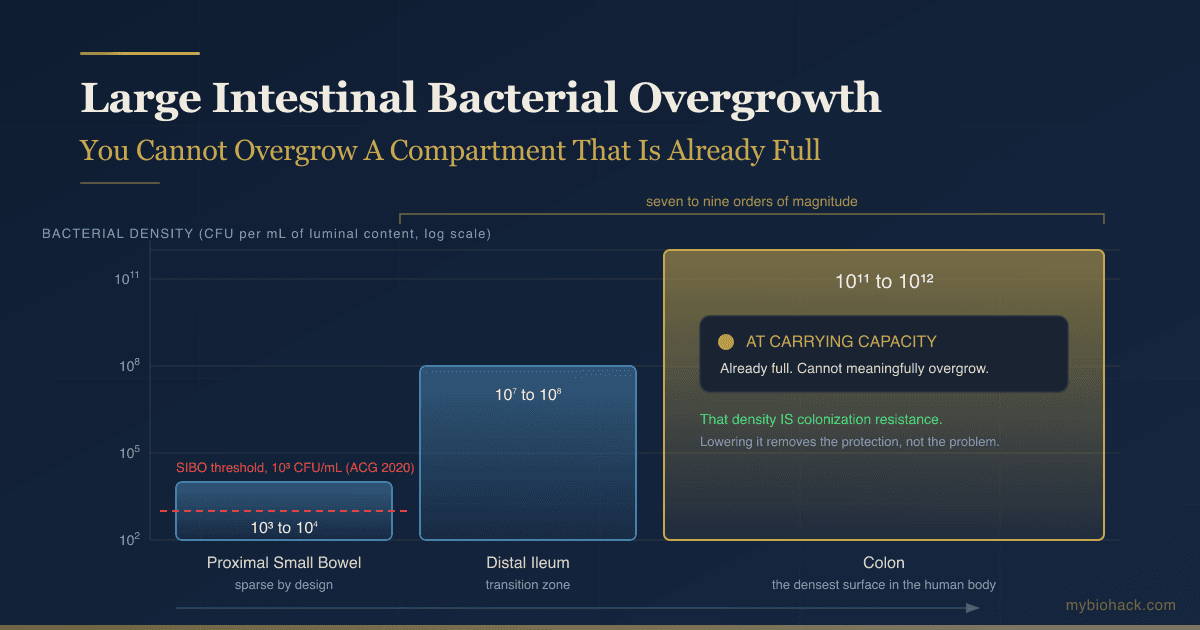
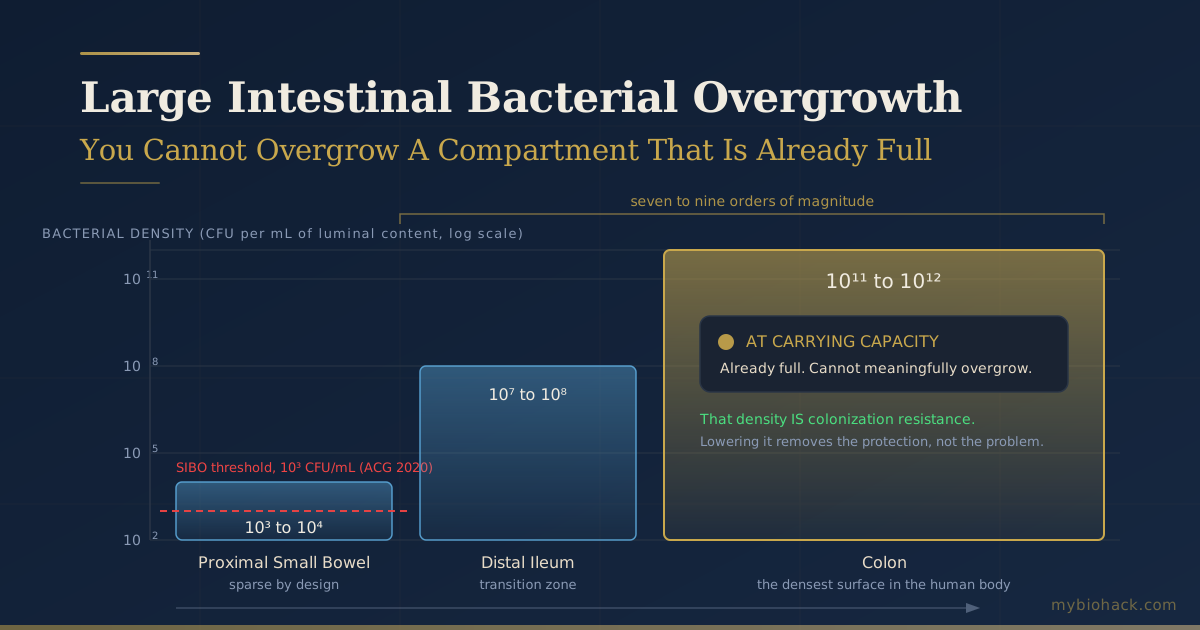
Proximal small bowel counts in healthy people sit around 103 to 104 Colony Forming Units (CFU) per mL, rising to roughly 107 to 108 CFU/mL by the distal ileum. R R
Historically SIBO was called at 105 CFU/mL of jejunal aspirate, and the 2020 American College of Gastroenterology guideline moved the threshold down to 103 CFU/mL based on a collation of normal-subject data. R
Either way, the logic is coherent: there is a defined normal density, and exceeding it is abnormal.
The colon is a different physical situation entirely.
It normally carries on the order of 1011 CFU/mL, and estimates of 1011 to 1012 CFU per gram of luminal content are standard. R R R
That is seven to nine orders of magnitude denser than the proximal small bowel.
The colon is, by design, the most densely colonized surface in the human body, and it is already operating at carrying capacity. R R
You cannot meaningfully "overgrow" a compartment that is already full.
More importantly, that density is not a liability.
It is the mechanism of colonization resistance, which is the community's ability to exclude incoming pathogens by occupying niches, consuming substrate, and producing inhibitory metabolites. R R
So the practical consequence is not subtle.
Aiming an intervention at "reducing colonic bacterial load" is aiming at the thing that is protecting you.
There is a second, broader problem worth naming.
The parent concept of "dysbiosis" is itself criticized as vague, because it implies a single balanced state that has never been defined, and Olesen and Alm argued in Nature Microbiology that the balance metaphor is a holdover from prescientific thought that can distract from useful microbiome research. R
Hooks and O'Malley made the same case in mBio, showing that "dysbiosis" is used inconsistently across the literature and often functions as a label rather than as a measurement. R
LIBO inherits that vagueness and then adds a density claim that the anatomy does not support.
What The Evidence Actually Shows
There is no validated diagnostic criterion for LIBO, no accepted cutoff, no breath test, no aspirate standard, and no treatment trial.
What does exist is a body of evidence that colonic community composition can be disrupted, and that the disruption produces symptoms.
The cleanest natural experiment is colonoscopy preparation.
After patients drink four liters of Polyethylene Glycol (PEG) solution, stool sampling shows a reduction in Clostridia and Firmicutes, an increase in Proteobacteria, a decrease in Lactobacillus, and a significant rise in Enterobacteriaceae. R R
Those patients developed abdominal pain and discomfort for up to 30 days after the procedure, and by 30 days the community composition had largely returned to its pre-colonoscopy state. R
Read that carefully, because it is the whole argument in one study.
Bowel prep does the opposite of an overgrowth.
It strips bacterial load out of the colon.
And it still produces a month of symptoms, because what generated the symptoms was the compositional shift and the loss of the normal community, not a density excess.
Independent work found the same directional pattern, including a decrease in Lactobacillaceae that in some individuals had not normalized a month later. R
Diet produces the same kind of compositional shift without any change in total load, and diets differing only in fermentable carbohydrate content measurably alter the colonic luminal environment in humans. R
In a controlled rodent model, an omega-6 high fat diet fed from weaning to adulthood dropped Firmicutes from 74.2% to 44.5% while enriching Bacteroidetes (19% to 32%), Deferribacteres (1.5% to 7.0%), and Verrucomicrobia (0.1% to 2.8%), with a marked loss of Clostridia and Lachnospiraceae and a parallel rise in colonic inflammation (animal model only). R
Antibiotics do the same thing and do not reliably reverse.
Two courses of ciprofloxacin in healthy humans caused a loss of diversity and a shift in community composition within three to four days, and the return to baseline was often incomplete. R
None of these findings describe an overgrowth.
All of them describe a community that changed shape and lost function.
The Defensible Version Of The Idea
There is a real phenomenon underneath the bad name, and it is worth steelmanning properly.
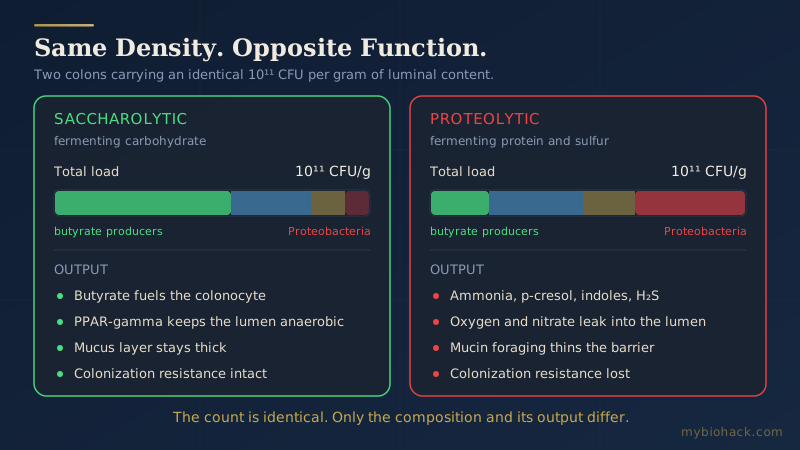
The defensible claim is compositional and functional, not quantitative.
Loss Of Butyrate Producers
Colonocytes are metabolically unusual in that they run primarily on bacterially produced butyrate rather than on glucose from the bloodstream.
Germ-free colonocytes are in an energy-deprived state with reduced expression of key intermediary metabolism enzymes, and adding butyrate rescues their mitochondrial respiration and prevents them from undergoing autophagy. R
Faecalibacterium prausnitzii, one of the dominant butyrate producers, is depleted in Crohn's disease and its supernatant alone exerts anti-inflammatory effects. R
A systematic review and meta-analysis confirmed the depletion across inflammatory bowel disease cohorts rather than in a single study. R
Losing this guild is not an overgrowth of anything.
It is a subtraction, and the downstream consequences are covered in more detail in my post on short chain fatty acids.
The Oxygen And Nitrate Mechanism
This is the best mechanistic content in the entire topic, and it explains why Proteobacteria expand when the community is disturbed.
Butyrate signals through the colonocyte's intracellular sensor Peroxisome Proliferator-Activated Receptor Gamma (PPAR-gamma), which drives the epithelium toward beta-oxidation and consumes oxygen, keeping the lumen anaerobic. R
When butyrate producers are depleted, PPAR-gamma signaling falls, epithelial Inducible Nitric Oxide Synthase (iNOS) expression rises, luminal oxygen and nitrate both become available, and facultative anaerobes such as Escherichia and Salmonella bloom by using them as respiratory electron acceptors. R
This is why Bäumler's group argues that a Proteobacteria expansion should be read as a microbial signature of epithelial dysfunction rather than as a primary infection. R
That framing matters clinically.
The bacteria are the readout, not the cause.
The Shift From Saccharolytic To Proteolytic Fermentation
When fermentable carbohydrate runs out, the community switches to fermenting protein.
Protein fermentation yields branched-chain fatty acids, ammonia, phenol, p-cresol, indoles, and hydrogen sulfide, and higher fecal indole and p-cresol track with lower carbohydrate availability and higher ammonium. R R
This is the metabolic profile people are usually pointing at when they describe "putrefaction," and it is a substrate problem, not a headcount problem.
Mucin Degradation And Barrier Loss
Deprived of dietary fiber, the community turns on the mucus layer itself.
In gnotobiotic mice colonized with a defined human microbiota, fiber deprivation drove expansion of mucin-degrading species, thinning of the colonic mucus barrier, greater epithelial access, and lethal colitis from Citrobacter rodentium (animal model only). R
The inner colonic mucus layer is normally impenetrable to bacteria, and in both murine colitis models and patients with ulcerative colitis bacteria are found in direct contact with the epithelium. R
The thickness and penetrability of that layer are themselves set by which microbes are present, so a compositional change is enough to degrade the barrier without any change in headcount. R
A thinned mucus layer is the first step toward the endotoxin translocation covered in my post on LPS and TLR4, and it interacts with the tight junction biology described in zonulin and gut barrier function.
Bile Acid Dysmetabolism
Secondary bile acid production depends on a small number of colonic species capable of 7-alpha-dehydroxylation.
In human ileal pouches, ulcerative colitis was associated with reduced lithocholic and deoxycholic acid, fewer of the genes needed to convert primary to secondary bile acids, and depletion of the Ruminococcaceae that carry that capability. R
Restoring a single one of them, Clostridium scindens, was sufficient to restore bile-acid-mediated resistance to Clostridioides difficile in mice, which is about as clean a demonstration of functional colonization resistance as exists. R
The Accurate Name
Put these together and the honest label is colonic dysbiosis or loss of colonization resistance.
"Colonization resistance" is the better of the two, because it names a measurable function rather than a departure from an undefined ideal, which is the specific charge leveled against "dysbiosis". R R
Both names describe what is measured.
Neither implies a density excess that the anatomy cannot produce, and neither requires a total-count measurement that routine sequencing does not actually provide. R
Hydrogen Sulfide: The Most Clinically Real Version
If any single mechanism deserves to inherit the attention LIBO gets, it is excess colonic hydrogen sulfide.
Hydrogen sulfide is produced by Sulfate-Reducing Bacteria (SRB) such as Desulfovibrio and Bilophila wadsworthia using sulfate and taurine, and also by bacterial and host catabolism of cysteine and methionine. R
The dietary link is direct.
A milk-fat-rich diet increased taurine conjugation of hepatic bile acids, supplying organic sulfur that expanded Bilophila wadsworthia and drove a Th1 response and colitis in genetically susceptible mice (animal model only). R
Fecal hydrogen sulfide is elevated in ulcerative colitis, and sulfate-reducing isolates from colitis patients induce apoptosis in gastrointestinal epithelial cells. R R
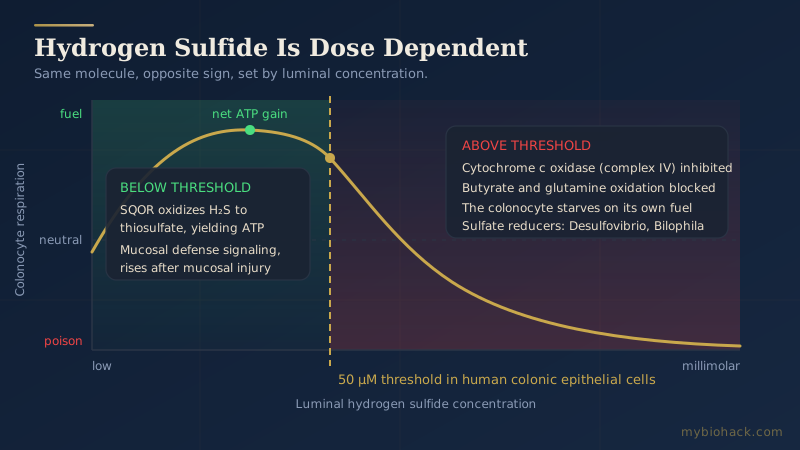
The mechanistic sting is that hydrogen sulfide poisons the exact fuel pathway the colon depends on.
Millimolar sulfide inhibits mitochondrial cytochrome c oxidase and impairs colonocyte butyrate and glutamine oxidation, and below roughly 50 micromolar the colonocyte can oxidize sulfide to thiosulfate and actually generate ATP from it. R R
That 50 micromolar figure is the measured threshold in human colonic epithelial cells, above which respiration falls, and the capacity to stay under it depends on the cell's own sulfide oxidizing unit and respiratory reserve. R
Sustained sulfide exposure does more than throttle respiration, because it also drives a metabolic reprogramming of colon cells rather than a simple dose-linear poisoning. R
So this is a genuine U-shaped story, and there is a big MAYBE about where any individual sits on that curve.
At physiological concentrations hydrogen sulfide is a mucosal defense molecule, and synthesis rises after mucosal injury while inhibiting it delays healing and worsens inflammation. R
At excess it is a butyrate-oxidation poison.
Same molecule, opposite sign, dose dependent.
Intestinal Sulfide Overproduction (ISO) is the newer named entity for the pathological end of this curve, and it is measured on the trio-smart three-gas breath test.
The supporting data is that diarrhea-predominant IBS patients show higher breath hydrogen sulfide alongside lower microbial diversity and a higher relative abundance of hydrogen sulfide producers including Fusobacterium and Desulfovibrio, while constipation-predominant patients instead show higher methane and higher Methanobrevibacter smithii. R
Note the important distinction: ISO has a measurement and a proposed cutoff.
LIBO has neither.
For the sulfur metabolism side of this, see the JD chapter on sulfur and my post on methionine restriction versus addition.
LIBO And Overlapping Conditions
Colonic compositional disruption travels with a predictable set of conditions.
- Candida overgrowth (fungal expansion follows the same loss of colonization resistance that bacterial expansion does), covered in candida overgrowth and systemic mechanisms R
- Inflammatory bowel disease (Proteobacteria expansion and butyrate producer loss are both documented) R
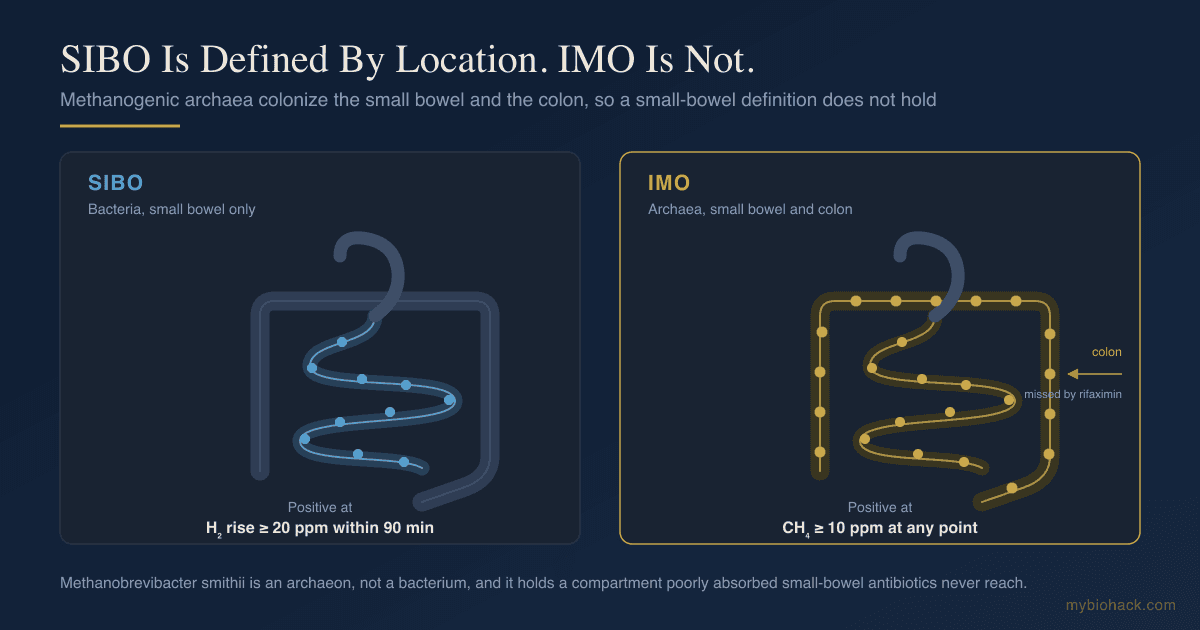
- Intestinal Methanogen Overgrowth (IMO) (methanogens and hydrogen sulfide producers define distinct IBS subtypes), covered in IMO R
- Irritable bowel syndrome (subtype tracks with which gas-producing guild dominates) R
- Post-antibiotic symptom persistence (incomplete recovery of the community after courses of antibiotics) R
- Small Intestinal Bacterial Overgrowth (SIBO) (the genuine density condition this term was modeled on), covered in SIBO R
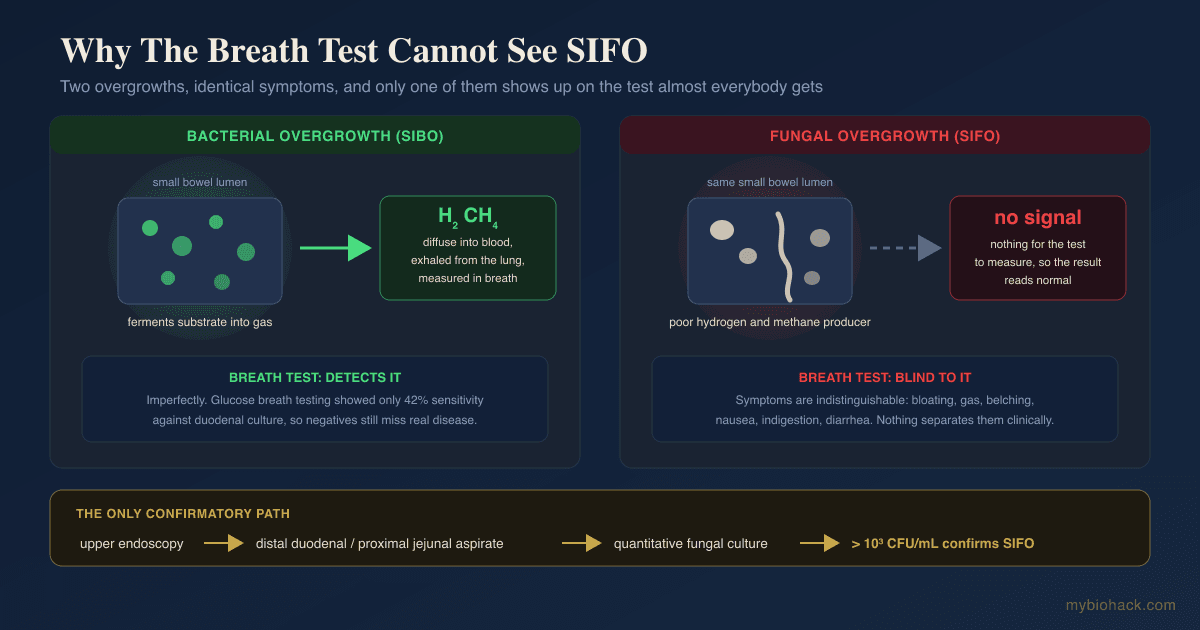
- Small Intestinal Fungal Overgrowth (SIFO), covered in SIFO
Systemic overlap is where this connects to the rest of the site.
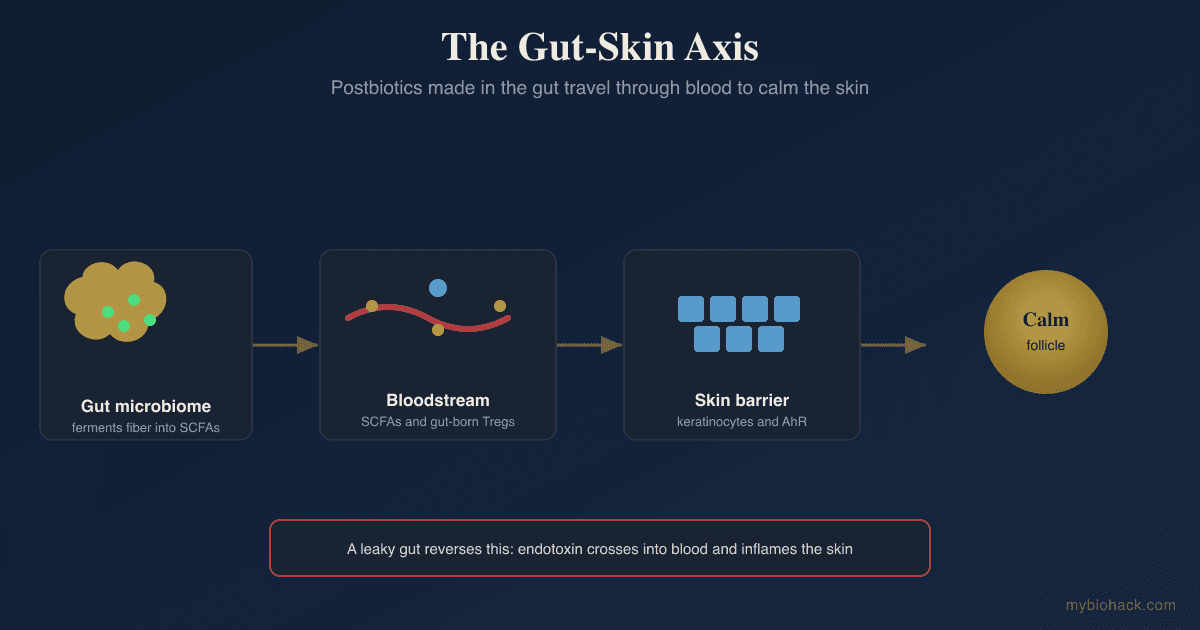
Barrier loss and endotoxin translocation are the bridge to the gut skin axis, the gut brain axis, gut microbiome driven insomnia, and systemic and long-term inflammation.
My hypothesis is that persistent low-grade endotoxin exposure of this kind operates as Micro-Sepsis (MSS), a term I coined for sub-lethal chronic sepsis running below the diagnostic threshold, described in the JD chapter on Junction Dysfunction and Micro-Sepsis.
How To Improve Colonic Dysbiosis
The target is fermentation pattern and community function, not bacterial headcount.
1. Feed The Saccharolytic Side
Fermentable fiber and resistant starch move the community back toward carbohydrate fermentation and away from protein fermentation.
A systematic review of fiber interventions in healthy adults found consistent increases in short chain fatty acid output alongside shifts in community composition. R
A randomized dietary intervention designed specifically to raise colonic and peripheral short chain fatty acids confirmed that the effect is achievable by diet alone in humans. R
Resistant starch supplementation raised fecal butyrate from 8 to 12 mmol/kg in healthy adults, but responses varied widely and the responders were the people whose Ruminococcus bromii or Bifidobacterium adolescentis expanded from about 2% to 9%, while non-responders stayed near 1.5%. R
R. bromii matters disproportionately here because it is a keystone degrader that other species depend on to access resistant starch at all. R
That variability is real and worth stating plainly.
Roughly a third of that cohort did not respond, which is why "just eat more fiber" is not a universal answer. R
A crossover feeding study delivering extra resistant starch as one potato side dish per day shifted the microbiota, including butyrate-producing Roseburia faecis, and still left fecal butyrate unchanged. R
Resistant Potato Starch: Start low, because a rapid increase in fermentable substrate in a sulfide-dominant gut can worsen symptoms before it improves them.
Details on the different types are in my post on resistant starch RS1 through RS5.
Partially Hydrolyzed Guar Gum: Gentler than inulin for people who bloat on fermentable fiber.
Repeated consumption altered fecal characteristics and gut microbiota in a randomized placebo-controlled trial, and a separate randomized trial in irritable bowel syndrome found symptom benefit. R R
2. Supply Butyrate Directly
If the colonocyte is energy starved, giving it fuel while the producers recover is reasonable.
Tributyrin: Butyrate is the colonocyte's primary energy source and rescues mitochondrial respiration in models where it is absent. R
Esterified butyrate does survive to the human large bowel and is released there, which is the delivery premise the whole category rests on, though the human outcome trials for supplemental butyrate remain thin. R
For the distal colon specifically, see my post on butyrate enemas and the evidence behind them.
3. Use Polyphenols
Polyphenols reach the colon largely unabsorbed and act as substrate and as selective modulators of community composition. R
Pomegranate Extract: Ellagitannin sources are among the better studied for Akkermansia support.
4. Support Mucin Turnover
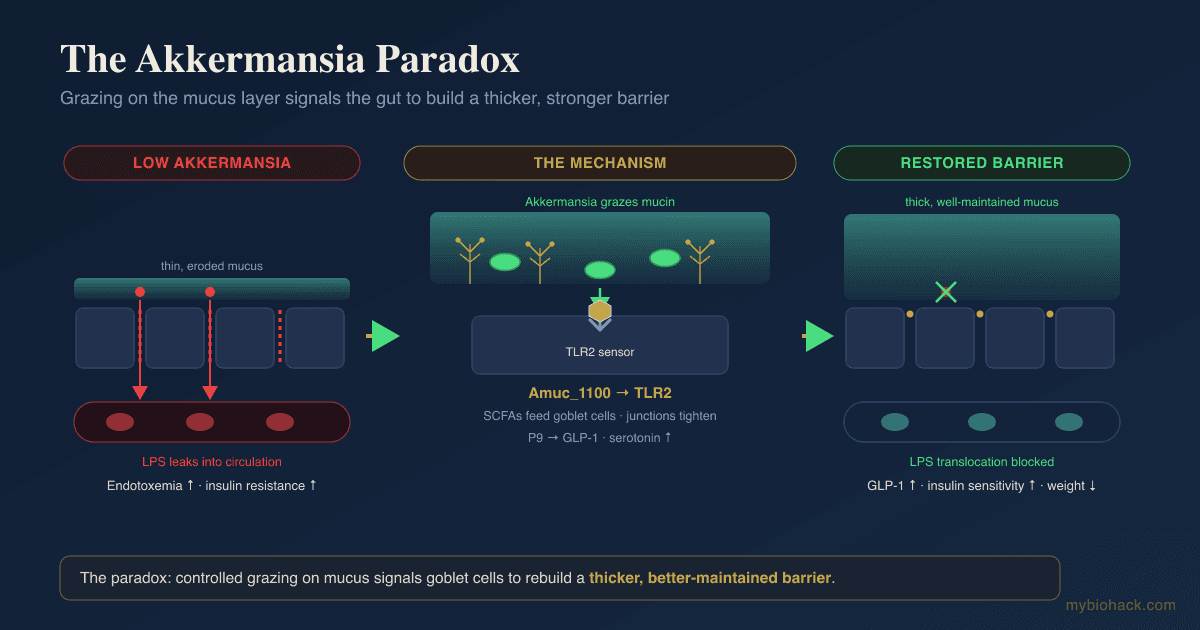
Akkermansia muciniphila lives on mucin and its abundance falls under fiber deprivation. R
Pasteurized Akkermansia supplementation for three months was safe and well tolerated in overweight insulin-resistant volunteers and improved insulin sensitivity in an exploratory trial. R
More on this organism in my post on Akkermansia muciniphila.
5. Reduce Sulfur Load If Hydrogen Sulfide Is The Problem
This one carries a real caveat.
Sulfur amino acids are required for glutathione, and cutting them indiscriminately is a bad trade.
Cysteine availability is the rate-limiting input to glutathione synthesis, so a sustained sulfur amino acid restriction is a direct constraint on antioxidant capacity. R
It is worth being blunt about the strength of this evidence, because there is no randomized trial of a low-sulfur diet for colonic symptoms at all.
What exists is a mouse feeding model plus two observational cohort analyses in which a "sulfur microbial diet" pattern tracked with colorectal cancer and with early-onset adenoma risk, which is association in a different outcome, not a treatment result. R R
The defensible version is a time-limited reduction in taurine, cysteine, and high-sulfate loads (including sulfite preservatives and very high dairy fat) in someone with a confirmed elevated breath hydrogen sulfide, not a permanent low-sulfur diet in everyone with bloating. R
Molybdenum: Cofactor for sulfite oxidase, relevant for the sulfite-sensitive subgroup.
The cofactor relationship is established from the inborn errors of metabolism in which it fails, not from trials in people with bloating. R
Bismuth Subsalicylate: Binds sulfide, which is why it reduces sulfur odor, and is a short-term tool rather than a protocol.
Bismuth subsalicylate markedly decreased hydrogen sulfide release in the human colon, which is a measured gas effect and not a demonstrated symptom outcome. R
6. Rebuild The Community
Standard strain-level work applies here, covered in my guides to Lactobacillus strains and Bifidobacteria strains.
Expect less from probiotics than the category markets, though, because mucosal colonization is person-specific and generic probiotic use after antibiotics actually delayed reconstitution of the native community, while autologous stool restored it fastest. R
That finding fits the argument of this post: what is being repaired is a specific resident community and its functions, not a bacterial headcount. R
If biofilm is holding a dysbiotic structure in place, see biofilms and quorum sensing.
The full sequencing of this is in the JD chapters on rebuilding the gut and the gut-liver axis.
7. Understand Why FMT Is The Proof Of Concept
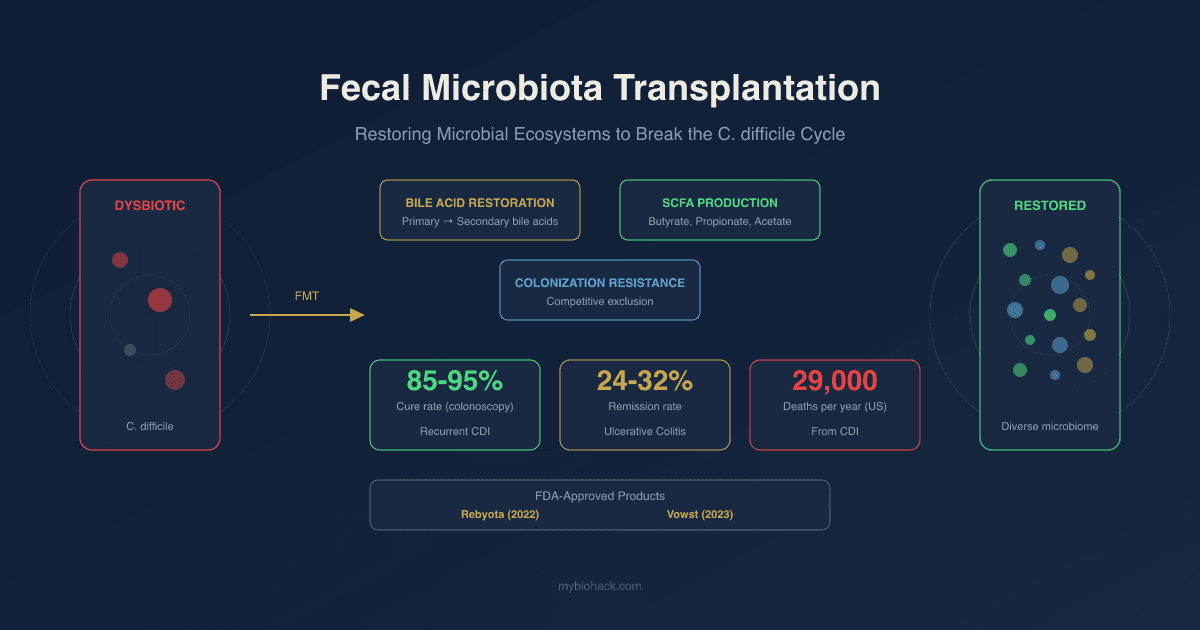
Fecal Microbiota Transplantation (FMT) is the strongest evidence that colonic community structure is causal rather than incidental.
In recurrent C. difficile, donor feces infusion outperformed vancomycin so decisively that the trial was stopped early. R
That result is about restoring a community, not about reducing one.
The proof of concept does not generalize as far as people assume, and that limit is part of the point.
In ulcerative colitis, where there is no single displacing pathogen to out-compete, randomized FMT trials produce real but modest remission rates rather than the near-cure seen in C. difficile. R R
More in my post on fecal microbiota transplantation.
What To Stay Away From
Interventions that make colonic dysbiosis worse (not exclusive list):
- Antibiotics aimed at "reducing colonic bacterial load" (colonization resistance is the load, and two ciprofloxacin courses produced incomplete recovery in healthy people) R
- Fiber-free elimination diets held long term (fiber deprivation drives the community onto the mucus layer) R
- High omega-6 seed oil intake (drove Firmicutes loss and colonic inflammation in a controlled feeding model) R
- Repeated unnecessary bowel purges (PEG prep alone produced up to 30 days of abdominal pain and a Proteobacteria shift) R
- Very high milk-fat intake in the sulfide-dominant subgroup (taurine-conjugated bile acids feed Bilophila wadsworthia) R
One more thing to avoid is a treatment plan built on the wrong noun.
If a practitioner diagnoses you with LIBO from a stool test, what they actually have is a compositional finding.
That finding may be real and may be worth acting on.
It is not a validated diagnosis, and the treatment implications do not follow the way they do for SIBO, where a defined density threshold justifies a targeted antibiotic.
The dietary context matters too, and the elimination approaches in AIP and the carnivore diet both shift colonic fermentation substrate hard, in opposite directions from most fiber-based advice.
Testing
No test diagnoses LIBO, because there is nothing defined to diagnose.
What follows is what each panel actually measures, and where I see the interpretation overreached.
Breath Testing
The North American Consensus standardized hydrogen and methane breath test methodology and interpretation, and it covers the small bowel, not the colon. R
I use the trio-smart Breath Test (Gemelli Biotech) to measure hydrogen, methane, and hydrogen sulfide, which is the only one of these three gases with a plausible colonic story attached. R
Overreach to watch for: a late rise in gas on a lactulose test is frequently read as "colonic bacterial overgrowth," when a late rise is exactly what normal colonic fermentation looks like when the substrate arrives.
Comprehensive Stool Panels
These measure relative abundance and, on some platforms, semi-quantitative copy number.
Sequencing-based analyses quantify taxa as fractions of the sequence library generated from the sample, which is a ratio and not a count. R
That is a compositional data structure, and it carries statistical constraints that make apparent rises and falls in single taxa easy to misread. R
They do not measure total colonic biomass, and none of them has a validated overgrowth cutoff.
Adding an actual cell count changes the answer, and quantitative profiling showed up to tenfold differences in microbial load between healthy people plus at least one widely reported taxonomic trade-off that turned out to be an artifact of relative analysis. R
There is also no consensus definition of a healthy gut microbiome to compare a result against. R R
In a random Swedish population cohort with colonoscopy, no distinct microbiome signature separated irritable bowel syndrome patients from healthy controls, and the heterogeneity between IBS patients was larger than the heterogeneity between healthy individuals. R
I use the Gut Zoomer (Vibrant Wellness) to assess microbiome composition, pathogens, permeability markers, and digestive function in one panel.
That disagreement is documented, not anecdotal.
When NIST ran a standardized human fecal reference material through seven direct-to-consumer gut microbiome services, the results showed major discrepancies both within and across providers, and the variability between providers was on the same scale as the biological variability between different donors. R
A Science policy analysis reached the matching conclusion that this category of test lacks both analytical and clinical validity as currently sold. R
Sampling adds its own noise on top of that, because replicate sampling of the same stool shows substantial variability in absolute abundances. R
Alternatives from other labs, which is worth doing because platforms disagree with each other:
- Comprehensive Stool Analysis with Parasitology (Doctor's Data) for culture-based flora plus parasitology
- GI Effects Comprehensive Profile (Genova) for a three-day collection covering digestion, absorption, inflammation, and metabolite output
- GI Effects Microbial Ecology Profile (Genova) when the question is community composition specifically
- GI-MAP (Diagnostic Solutions) for PCR-based quantification
- GI360 (Mosaic Diagnostics) for a combined PCR, culture, and microscopy panel
- GI360 Microbiome (Mosaic Diagnostics) for the sequencing-only version
- Microbiomix (Genova) for shotgun metagenomic sequencing
- Microbiology Profile (Doctor's Data) and Bacteriology Culture (Doctor's Data) for culture-based work
Overreach to watch for: a "high" total bacterial load or a red bar next to a commensal genus is being interpreted as overgrowth. R
Relative abundance is a proportion, so one taxon rising mathematically requires others to fall, and that is a composition finding, not a count. R R
Function, Not Just Composition
This is where the useful information actually lives.
- Beta-Glucuronidase (Doctor's Data) for bacterial deconjugation activity relevant to bile acid and estrogen recirculation, an activity that measurably tracks with fecal and systemic estrogen levels R
- Calprotectin (Doctor's Data) or Calprotectin, Stool (Quest Diagnostics) to separate inflammatory from functional presentations, which is the one thing in this list with a meta-analyzed diagnostic performance for distinguishing inflammatory bowel disease from irritable bowel syndrome R
- Comprehensive Clostridium Culture (Doctor's Data) when Clostridia species specifically are in question, which matters because secondary bile acid production sits in that group R
- Pancreatic Elastase (Doctor's Data) to rule out exocrine insufficiency, which produces undigested substrate and mimics fermentation problems, with meta-analyzed sensitivity that is good for severe insufficiency and weak for mild R
- Secretory IgA (Doctor's Data) for mucosal immune tone, the adaptive barrier that coats and constrains luminal microbes rather than counting them R
Barrier Integrity
- Intestinal Permeability Assessment (Genova) for the lactulose/mannitol challenge
- Zonulin (Diagnostic Solutions) or Zonulin (Mosaic Diagnostics) for the serum marker
Overreach to watch for: zonulin is a marker with real assay-specificity debate attached, and a single elevated value is not a diagnosis of anything.
Microbial Metabolites In Urine
I use the Organic Acids Test (Mosaic Diagnostics) or the Organic Acids panel (Vibrant Wellness) to look at bacterial and fungal metabolite output rather than at who is present.
Overreach to watch for: elevated microbial organic acids indicate metabolite production somewhere in the gut.
They do not localize it to the colon.
If your results do not fit a clean pattern, that is common with this topic, and it is a reasonable reason to book a consultation rather than to start a protocol aimed at a diagnosis that does not exist.
Mechanisms Of Action
Simple:
- The colon is supposed to be packed with bacteria, so having a lot of them is not the problem.
- The problem is which bacteria are there and what they are making out of your food.
- Fiber-fed bacteria make butyrate, which is the fuel your colon cells run on.
- Protein-fed and sulfur-fed bacteria make ammonia, cresols, and hydrogen sulfide, which at high levels poison the same fuel pathway.
- Once the fuel-making bacteria are gone, oxygen leaks into the gut and a different, less friendly set of bacteria takes the space.
Advanced:
- Butyrate-PPAR-gamma-driven epithelial hypoxia Colonocytes oxidize butyrate through beta-oxidation under PPAR-gamma control, consuming oxygen and maintaining luminal anaerobiosis. Depletion of butyrate producers reduces PPAR-gamma signaling, shifts the colonocyte toward anaerobic glycolysis, and raises epithelial oxygenation. R
- iNOS-derived nitrate respiration Loss of PPAR-gamma signaling elevates epithelial Nos2 expression, generating nitric oxide that oxidizes to luminal nitrate. Facultative anaerobic Enterobacteriaceae use nitrate as a respiratory electron acceptor and outgrow obligate anaerobes, which is why Proteobacteria expansion reads as a signature of epithelial dysfunction rather than as primary infection. R R
- Sulfide inhibition of cytochrome c oxidase Hydrogen sulfide at millimolar concentration inhibits complex IV and blocks colonocyte butyrate and glutamine oxidation, while below roughly 50 micromolar the colonocyte oxidizes sulfide to thiosulfate and derives ATP from it. This produces a genuinely biphasic dose response rather than a linear toxicity curve. R R
- Taurine-conjugated bile acid substrate supply Saturated milk fat increases taurine conjugation of hepatic bile acids, delivering organic sulfur to the colon and selectively expanding sulfite-reducing Bilophila wadsworthia, which links a dietary fat pattern to a specific sulfide-producing guild. R
- 7-alpha-dehydroxylation and bile-acid-mediated colonization resistance A restricted set of colonic Clostridia convert primary to secondary bile acids, and restoration of Clostridium scindens alone re-established resistance to C. difficile, demonstrating that colonization resistance is carried by specific metabolic functions rather than by total biomass. R
- Substrate-driven proteolytic switching Exhaustion of fermentable carbohydrate shifts the community to protein fermentation, raising luminal ammonia, phenol, p-cresol, indoles, and branched-chain fatty acids, with fecal indole and p-cresol tracking inversely with carbohydrate availability. R R
- Mucin foraging under fiber deprivation Fiber-deprived communities upregulate mucin-degrading enzymatic capacity, erode the inner mucus layer, and permit epithelial contact by mucosal pathogens (animal model only). R
Genetics
FUT2 (Highest Population Risk)
FUT2 encodes an alpha-1,2-fucosyltransferase that adds fucose to mucosal glycans and secretes those structures into digestive secretions.
Loss-of-function variants create the non-secretor phenotype, which removes a major carbohydrate food source used by specific commensals.
rs601338 (the A/A genotype) produces non-secretor status, and non-secretors show significantly reduced bifidobacterial diversity, richness, and abundance, with several B. bifidum, B. adolescentis, and B. catenulatum genotypes rarely present at all. R
NOD2
NOD2 encodes an intracellular pattern recognition receptor that senses bacterial muramyl dipeptide and regulates antimicrobial peptide output in the gut.
Loss-of-function variants reduce that sensing and are the strongest known genetic risk factors for ileal Crohn's disease.
rs2066844 (R702W), rs2066845 (G908R), and rs2066847 (L1007fs) are the three classic risk alleles, and NOD2 variant carriage associates with increased Enterobacteriaceae alongside a reduction in obligate anaerobic lineages. R
SQOR
SQOR encodes sulfide quinone oxidoreductase, the inner mitochondrial membrane enzyme that performs the first committed step of hydrogen sulfide oxidation, coupling sulfide disposal to the electron transport chain and producing thiosulfate.
Reduced SQOR function shifts the colonocyte from being able to use sulfide as a fuel to being poisoned by it, which is the mechanistic basis of individual variation in sulfur tolerance.
Intestinal-epithelium-restricted SQOR deficiency perturbs colonic bioenergetics and raises thiosulfate as a biomarker of sulfide oxidation load, and roughly two thirds of systemic hydrogen sulfide metabolism originates in the gut (animal model). R
More Research
- Bowel prep is an underused natural experiment. PEG lavage reduces colonic bacterial load and still produces up to 30 days of symptoms, which is the cleanest available demonstration that symptom generation in the colon is compositional rather than quantitative. R
- Butyrate response is individual, and the non-responders matter. In the resistant starch trial, six of twenty participants were low responders whose R. bromii and B. adolescentis did not expand, which argues for measuring rather than assuming. R
- Hydrogen sulfide has no agreed colonic reference range. Breath cutoffs are exhaled measurements associated with a stool phenotype, not validated luminal concentrations, and the underlying biology is biphasic, so the interpretive gap here is wide. R R
- "Overgrowth" language is spreading faster than the evidence. ISO has a test and a proposed threshold. IMO has a consensus methodology. LIBO has neither, and the only review to address it directly calls it a term that has not been figured out in any medical article. R R
- Proteobacteria expansion may be more useful as a readout than as a target. If the expansion is downstream of epithelial oxygenation, then treating the bacteria without restoring colonocyte beta-oxidation is treating the gauge instead of the engine. R
- The word "dysbiosis" carries its own problems. Olesen and Alm argued that the balance metaphor implies a defined healthy state that microbiome science has not produced, which is worth holding in mind before adopting any newer term built on top of it. R
For microbiome and metabolite testing I use the Gut Zoomer (Vibrant Wellness) alongside the Organic Acids Test (Mosaic Diagnostics), because composition and function answer different questions and neither one alone tells you what the colon is actually doing.
Related reading on adjacent mechanisms: glyphosate and the shikimate pathway, NSAIDs and intestinal barrier damage, H. pylori eradication, prolamine intolerance, molecular hydrogen, and the JD chapters on bacteria ruling the terrain and diet transitions.
Jacob Gordon
INHC, FMT-C
Integrative Nutrition Health Coach
I cover mold illness, post-viral recovery, methylation, and complex chronic disease, drawing on ten years of clinical research, work inside a functional medicine clinic, and my own recovery from all of it. Every claim here is cited.
Book a ConsultationRelated Protocols & Supplements
Deep-dive chapters and recommended supplements for this topic
Spore-Based Probiotics
1 cap with food
L-Glutamine
5g 2x/day on empty stomach
Butyrate
300mg 2x/day with meals