Resistant Starch: RS1, RS2, RS3, RS4, And RS5 Are Not The Same Prebiotic
By Jacob Gordon, INHC, FMT-CThis article contains affiliate links. As an Amazon Associate, MyBioHack earns from qualifying purchases at no extra cost to you. We only link products we research and stand behind.
Most people eating for gut health are consuming far less resistant starch (RS) than the threshold shown to produce meaningful microbiome and metabolic effects, and the type they eat matters as much as the amount.
In this post, we will discuss what makes starch resistant to digestion, the five classified types and their structural differences, how each one behaves in the colon, the microbial hierarchy that ferments it into butyrate, the metabolic effects including glycemic control and satiety hormone signaling, a close look at the two best-studied supplemental sources (Hi-Maize and green banana flour), the second meal effect, the individual variability problem, and practical dosing and sourcing guidance.
What Makes Starch Resistant
All starches are chains of glucose linked together.
The two main structural forms are amylose and amylopectin. R
Amylopectin is a highly branched structure with both alpha-1,4 glycosidic bonds (linear chain) and alpha-1,6 glycosidic bonds (branch points), giving it a loose, open architecture that pancreatic amylase can access and break down readily.
Amylose is predominantly linear, with alpha-1,4 bonds and minimal branching, forming tight helical structures that are more compact and significantly harder for digestive enzymes to hydrolyze. R
Resistant starch is defined as the fraction of starch that escapes enzymatic digestion in the small intestine and reaches the colon intact, where it becomes substrate for microbial fermentation. R
The five mechanisms by which starch becomes resistant are the basis for the five RS type classifications.
Why the type matters:
Different RS types feed different microbial species, produce different short-chain fatty acid (SCFA) profiles, and have different structural stability under heat and processing. R
A cooked-and-cooled potato provides RS3.
Raw green banana flour provides RS2.
Whole grain bread provides RS1.
These are not interchangeable, and treating them as equivalent misses the specificity of the prebiotic effect.
Current average intake:
Americans consume approximately 4.9 grams of RS per day; European surveys find 3.2 to 5.7 grams per day. R
The intake range at which clinical benefits have been consistently demonstrated in human trials is above 20 grams per day. R
The gap between actual intake and effective dose is the practical problem this post addresses.
RS1: Physically Inaccessible Starch
RS1 is starch that is physically trapped within intact cell walls, protein matrices, or fibrous food structures that prevent digestive enzymes from reaching it. R
The starch itself may be fully digestible in terms of its molecular structure; the resistance comes entirely from the food matrix encasing it.
Sources:
- Intact whole grains (wheat berries, whole grain oats, barley)
- Legumes (lentils, chickpeas, beans) when minimally processed
- Seeds
- Partially milled or coarse-ground grain products
Key characteristic:
RS1 content is destroyed by grinding, milling, or prolonged cooking, because these processes break open the cell wall matrix and expose the starch to amylase. R
Whole grain bread provides more RS1 than white bread not because the starch is chemically different, but because more of it remains physically inaccessible inside intact bran and aleurone cell structures.
Gut effects:
RS1 has been associated with improved glycemic control, reduced postprandial insulin response, and gut microbiota modulation through colonic fermentation, though the dose reaching the colon is typically modest compared with RS2 or RS3 interventions. R
Practical takeaway:
RS1 is the form you get from eating minimally processed whole foods.
It is not a supplemental form and its RS content is not easily quantified or maximized through purchasing decisions.
RS2: Native Granular Starch
RS2 is starch that resists digestion due to the physical structure of its native starch granule, before any cooking or processing occurs. R
RS2 granules adopt a B-type or C-type crystalline structure that is densely packed, limiting enzymatic access to the glycosidic bonds that amylase would need to cleave. R
Two distinct RS2 subgroups exist:
The first includes natural B-type crystals from high amylose content: raw green bananas, plantains, and high-amylose corn (amylose content above 50%) adopt B-type crystalline packing because high amylose proportions drive this dense arrangement. R
The second includes natural B-type or C-type crystals from botanical structure rather than amylose content: raw potato starch and some legume starches resist digestion because of their particular granule morphology even without extremely high amylose percentages. R
Sources:
- Raw green bananas and unripe plantains
- Raw potato starch
- High-amylose corn starch (Hi-Maize)
- Raw legume starches
Critical processing caveat:
RS2 is completely destroyed by cooking.
Heating starch granules above their gelatinization temperature causes irreversible loss of the B-type crystalline structure as water penetrates and swells the granule.
A ripe banana has almost no RS2; a raw green banana has up to 50% of its dry weight as RS2. R
This is the most important practical point about RS2 supplementation: it must be consumed uncooked or cold-dissolved to preserve its resistant starch content.
Gut effects:
RS2 is the most extensively studied RS type and the primary source in clinical trials demonstrating glycemic benefits, butyrate production, and Ruminococcus bromii proliferation in the colon. R
RS3: Retrograded Starch
RS3 forms when gelatinized (cooked) starch is cooled and the amylose chains realign into a new crystalline structure, a process called retrogradation. R
The key insight is that RS3 is not present in the original food.
It is created by the cook-cool cycle.
Starch that was 0% resistant after cooking becomes partially resistant after cooling. R
Sources:
- Cooked and cooled potatoes (including potato salad, cold boiled potatoes)
- Cooked and cooled rice (especially day-old rice)
- Cooked and cooled pasta
- Cooked and cooled legumes
- Stale bread (retrogradation occurs during staling)
Degree of retrogradation depends on temperature, cooling duration, and botanical source.
Longer refrigeration (24 to 48 hours) produces more RS3 than brief cooling.
Reheating cooked-and-cooled starchy foods partially destroys RS3 but some persists, making the cook-cool-reheat cycle net positive for RS compared to eating freshly cooked starch. R
Gut effects:
RS3 fermentation in the colon increases butyrate output and supports Bacteroides species alongside Ruminococcus-type primary degraders, with a somewhat different microbial pattern than RS2. R
The RS3 content of foods is practically meaningful: a medium potato baked and eaten hot contains roughly 1 gram of RS; the same potato refrigerated overnight provides roughly 3.6 grams of RS. R
RS4: Chemically Modified Starch
RS4 is starch that has been chemically modified by industrial processes including esterification, etherification, phosphorylation, acetylation, or cross-linking to render it resistant to digestive enzymes. R
These chemical modifications introduce bonds that human amylases cannot cleave, while leaving the starch fermentable by colonic bacteria.
Commercial RS4 products:
- Solnul (MGP Ingredients): cross-linked wheat starch
- Hi-Maize 4800 and other cross-linked corn starches
- Various phosphate-crosslinked starches used as food additives
Gut effects:
RS4 tends to shift the microbial balance toward Bacteroidetes species rather than the Firmicutes-dominant shift seen with RS2. R
RS4 is thermostable, making it suitable for baked and cooked foods in a way that RS2 is not, because the chemical modifications survive cooking temperatures.
Practical caveat:
RS4 is the most commercially flexible form for food manufacturers but the least natural.
It is generally recognized as safe (GRAS) in the United States, but the long-term effects of chemical modification residues at the doses required for microbiome impact are less studied than RS2 or RS3. R
For supplemental use, RS2 from natural sources has a more established safety and efficacy record.
RS5: Amylose-Lipid Complexes
RS5 is a newer category, also called V-type starch, formed when amylose helices encapsulate fatty acid guest molecules through non-covalent interactions after the native starch structure is disrupted. R
The amylose helix wraps around the fatty acid chain, creating an inclusion complex that is resistant to enzymatic digestion.
Formation:
RS5 forms naturally when starchy foods are cooked with lipids (oils, fats) and then cooled.
Extruded or expanded starch products containing fats can also contain RS5. R
Properties:
RS5 has enhanced stability compared with RS3 and is more resistant to retrogradation reversal on reheating.
It slows fermentation compared with RS2 and RS3, producing a more gradual SCFA release profile in the colon. R
Practical status:
RS5 is the least studied of the five types in human intervention trials.
It is not currently available as a standalone supplement.
Its primary relevance is understanding why foods cooked with fats (rice cooked in coconut oil, for example) may provide modestly different RS content than the same foods cooked without fat.
Hi-Maize: The Best-Studied RS2 Supplement
Hi-Maize (Ingredion) is a commercial high-amylose corn starch product with amylose content above 50%, classified as RS2 and the most extensively studied resistant starch in human clinical trials. R
Two main commercial versions exist:
- Hi-Maize 260: approximately 46 to 60% RS on a dry-weight basis, a widely used research and food ingredient form
- Hi-Maize 958: approximately 80% RS on a dry-weight basis, used in higher-dose research protocols
How it works in the colon:
Hi-Maize RS2 granules reach the colon structurally intact because the B-type crystalline packing survives small intestinal transit without enzyme hydrolysis. R
Ruminococcus bromii is the primary keystone species that initiates Hi-Maize fermentation, using its unique amylosome complex (a multi-protein extracellular carbohydrate-active enzyme (CAZyme) assembly with 17 conserved amylases) to break open the B-type granule structure and release malto-oligosaccharides that downstream bacteria can ferment. R R
Human clinical evidence:
A randomized controlled trial (RCT) in overweight and obese men found that 15 to 30 grams per day of HAM-RS2 (high-amylose maize RS2) improved insulin sensitivity (SI) compared with control starch; the effect was significant in men but not in women in this trial. R
A 6-week RCT in overweight adults consuming 30 grams per day of HAM-RS2 in muffins showed significant reductions in postprandial glucose area under the curve (AUC) and leptin AUC, and increased fasting peptide YY (PYY) levels, a satiety hormone. R
In animal models, Hi-Maize 260 (RS2) suppressed high-fructose corn syrup-driven colon tumorigenesis by reshaping the microbial community to increase butyrate production, which in turn suppressed cancer cell glycolysis by downregulating hexokinase 2 (HK2). R
In a rat colorectal cancer model, HAMS (high-amylose maize starch) significantly reduced the proportion of rats developing tumors compared with standard low-amylose starch, and caecal butyrate concentrations were negatively correlated with tumor size. R
Microbiome shifts specific to Hi-Maize:
Human supplementation with Hi-Maize or HAMS consistently increases Faecalibacterium prausnitzii and Ruminococcus bromii, both key butyrate-producing organisms, while reducing Ruminococcus torques, Ruminococcus gnavus, and Escherichia coli. R
F. prausnitzii is reduced in IBD (particularly Crohn's disease), irritable bowel syndrome (IBS), colorectal cancer, and severe COVID-19 infection. R
Increasing it through RS2 supplementation is a pharmacologically relevant prebiotic strategy.
Heat processing caveat:
Hi-Maize is stable enough that it partially survives mild baking, which is why it is used as a food ingredient in commercial products claiming RS enrichment.
However, some RS2 content is lost during baking.
For maximum effect, Hi-Maize should be mixed into cold or room-temperature foods: yogurt, smoothies, overnight oats, protein shakes, or cold sauces.
Green Banana Flour: The Other RS2 Powerhouse
Green banana flour (GBF) is flour made from unripe green bananas (most commonly Cavendish variety, Musa cavendishii) that are harvested before the enzymatic ripening process converts the starch to sugars, dried at low temperatures, and milled. R
Because the bananas are harvested pre-ripening, the starch is overwhelmingly in its B-type crystalline RS2 form.
RS2 content of green banana flour ranges from approximately 44 to 68% on a dry-weight basis depending on the variety, maturity stage at harvest, and processing method. R R
The ripening effect matters enormously:
A ripe yellow banana may have RS content of 1 to 2% of dry weight.
A raw green banana has RS content of approximately 50% of dry weight.
The starch-to-sugar conversion during ripening is driven by amylase and starch-debranching enzymes naturally present in the fruit. R
This is why ripe bananas have a high glycemic index (GI) while green banana flour has a very low GI.
Beyond RS: additional nutritional value of GBF:
Green banana flour is also a source of phenolic compounds, flavonoids, magnesium, zinc, phosphorus, manganese, and inulin-type fructooligosaccharides (FOS), making it a richer prebiotic food than isolated RS2 powder. R
Gut microbiome effects:
In a murine model of antibiotic-induced dysbiosis, green banana flour intervention accelerated restoration of gut microbiota and intestinal barrier integrity faster than natural recovery, enriching Bacteroidales S24-7, Lachnospiraceae, Bacteroidaceae, and Porphyromonadaceae, and increasing mucin secretion to restore the mucosal barrier. R
GBF prebiotic feeding in a mouse model increased Actinobacteriota (particularly Bifidobacteriaceae and Atopobiaceae), which produce SCFAs including acetate and butyrate and support infection prevention and fiber digestion. R
In an in vitro fermentation study using 11 different human fecal inocula, green banana flour (abbreviated Bn) produced among the highest increases in butyrate output of any RS source tested, demonstrating strong individual variability across donors (some responders showed large butyrate increases, others minimal). R
In obese rats fed a high-fat diet, banana RS2 intervention reduced body weight, total cholesterol (TC), and low-density lipoprotein (LDL) cholesterol while enriching Bacteroides species that are negatively associated with inflammatory lipid markers. R
Glycemic effects:
Consuming 38.3 to 40 grams of native banana starch improved postprandial glycemic responses and reduced supplemental meal consumption in clinical studies. R
In ileostomy subjects, the addition of high-RS banana flour to the diet did not interfere with small bowel absorption of most nutrients (including total sterols), except a small increase in iron excretion, confirming that RS2 from banana flour passes through the small intestine functionally intact. R
Heat sensitivity:
Like all RS2 sources, green banana flour loses most of its resistant starch content when cooked above the starch gelatinization temperature (approximately 60 to 70°C for banana starch).
It should be mixed into cold or lukewarm preparations: smoothies, yogurt, overnight oats, protein shakes, or cold salad dressings.
Baking with GBF dramatically reduces the RS content.
Comparison with Hi-Maize:
Both are RS2 sources and mechanistically similar.
GBF brings additional phenolic compounds, flavonoids, and FOS that isolated Hi-Maize does not.
Hi-Maize has more standardized RS content and a longer clinical trial record.
They are complementary, not competitive, and combining them provides microbial diversity from two distinct RS2 structures. R
How RS Is Fermented: The Microbial Hierarchy
RS fermentation in the colon follows a defined microbial food chain, not a free-for-all where all bacteria contribute equally. R
Primary degraders (keystone species):
Ruminococcus bromii is the dominant keystone species for RS2 and RS3 fermentation in the human colon. R
It comprises roughly 3% of fecal bacteria in Europeans and possesses the amylosome, a specialized surface-bound multi-enzyme complex that allows it to mechanically attack and solubilize RS granules that other bacteria cannot penetrate. R
R. bromii liberates malto-oligosaccharides, maltose, and glucose from the RS granule surface, generating far more breakdown products than it can consume itself.
These surplus sugars are cross-fed to secondary fermenting bacteria. R
Critically, R. bromii does not itself produce butyrate.
It produces acetate, ethanol, formate, and propanol. R
The butyrate comes from the downstream cross-feeders.
Bifidobacterium adolescentis is a secondary primary degrader with significant RS utilization capacity; it can degrade RS2 and RS3 in monoculture and shows enhanced activity in co-culture with R. bromii. R
Cross-feeders (butyrate producers):
Eubacterium rectale and Roseburia species (including Roseburia intestinalis and Roseburia faecis) are the primary butyrate producers downstream of RS fermentation.
They cannot efficiently degrade intact RS granules but thrive on the malto-oligosaccharides released by R. bromii and Bifidobacterium, converting them to butyrate via the butyryl-CoA:acetate CoA-transferase pathway. R
Faecalibacterium prausnitzii, the most abundant known human gut butyrate producer, also cross-feeds on RS breakdown products and is consistently increased by high-RS diets. R
Akkermansia muciniphila, a key propionate producer and mucosal barrier protector, is increased by high RS diets. R
The high-RS diet microbiome shift:
A diet high in RS consistently shifts the Firmicutes-to-Bacteroidetes ratio, increasing Firmicutes (specifically butyrate-producing Firmicutes like Faecalibacterium, Roseburia, and Ruminococcus), while an RS4 diet tends to produce the opposite shift. R
This Firmicutes increase on RS2/RS3 diets is driven by the selective advantage conferred on Ruminococcaceae and Lachnospiraceae family members that possess the enzymatic machinery for RS degradation.
Butyrate: Why It Matters
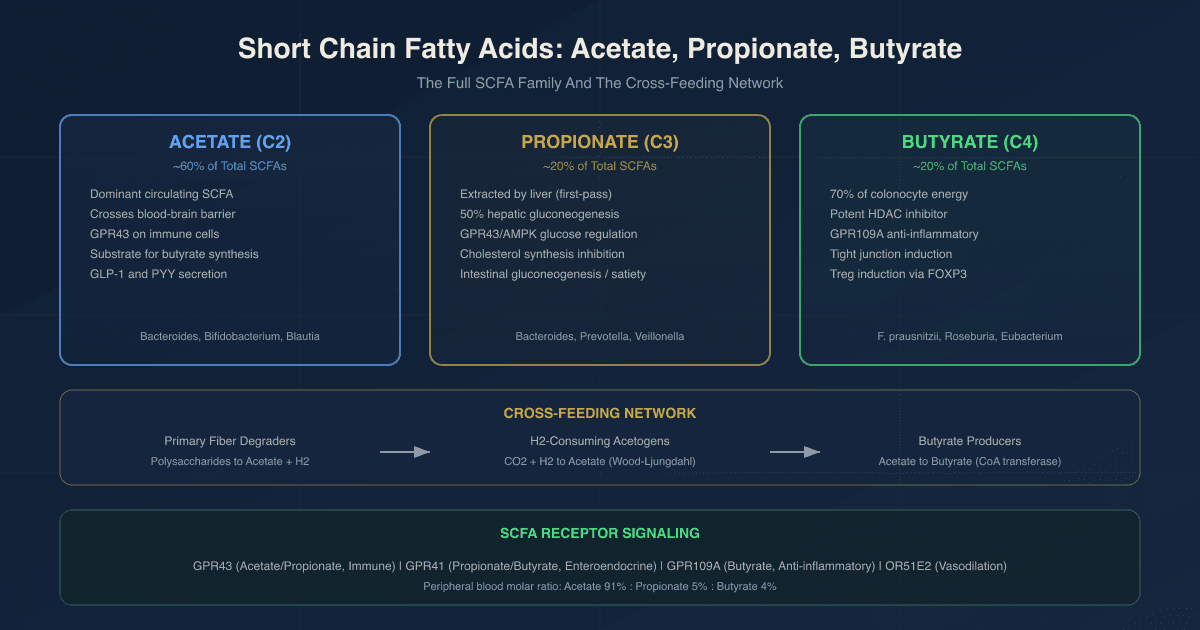
Butyrate, the 4-carbon short-chain fatty acid produced by RS fermentation, is the primary fuel for colonocytes (colon epithelial cells) and one of the most studied microbial metabolites in human health. R
Colonocyte energy:
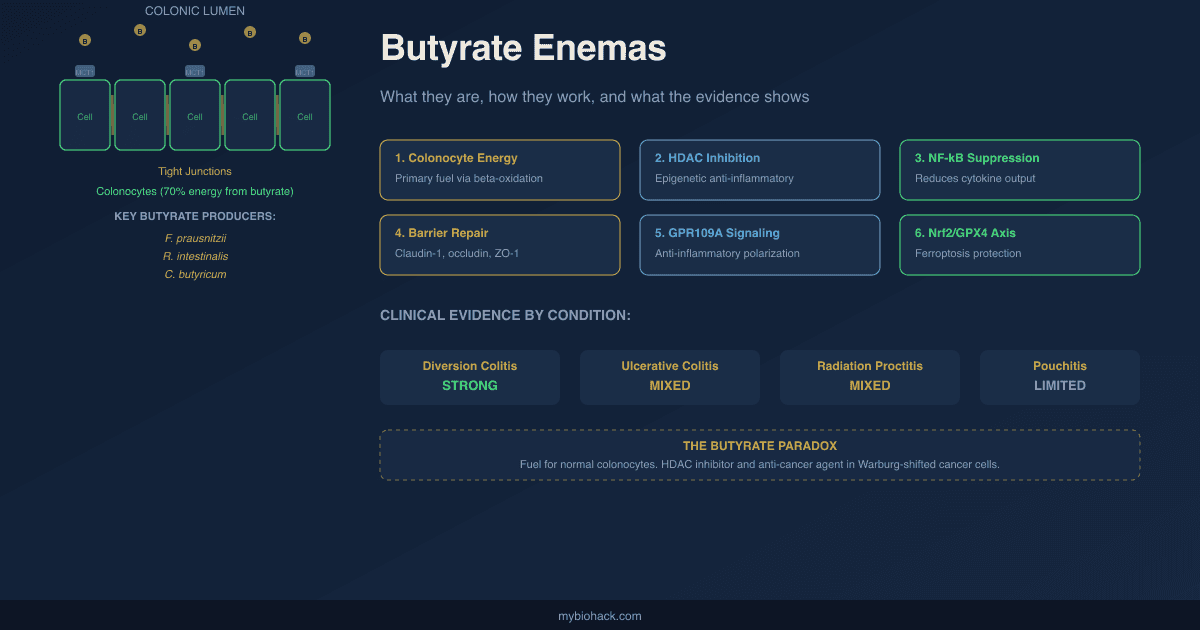
Approximately 70% of the energy used by colonocytes comes from butyrate oxidation, making it more important than glucose or glutamine as a local fuel source. R
Gut barrier function:
Butyrate upregulates expression of tight junction proteins (claudin, occludin, ZO-1) that form the physical seal between enterocytes, reducing intestinal permeability and preventing translocation of lipopolysaccharide (LPS) and bacterial fragments into systemic circulation. R
HDAC inhibition and epigenetic effects:
Butyrate is a potent inhibitor of histone deacetylase (HDAC) enzymes, particularly HDAC1, HDAC3, and HDAC6. R
HDAC inhibition increases histone acetylation at the FoxP3 gene locus, promoting regulatory T cell (Treg) differentiation and reducing Th17-driven intestinal inflammation. R
The same HDAC inhibition mechanism that supports Tregs also activates tumor suppressor gene expression (including p53) in colonocytes, induces apoptosis of genetically damaged colonocytes, and inhibits proliferation of colorectal cancer (CRC) cells. R
Colorectal cancer protection:
The "butyrate paradox" describes how butyrate has opposite effects in normal colonocytes (energy substrate, promotes differentiation) versus cancer cells (inhibits proliferation, promotes apoptosis) via the Warburg effect: cancer cells preferentially use glucose via aerobic glycolysis and suppress butyrate oxidation, allowing butyrate to accumulate intracellularly and act as an HDAC inhibitor rather than a fuel. R
Glycemic Control And Metabolic Effects
RS has two distinct mechanisms for improving glycemic control, operating at different timescales and in different locations.
Mechanism 1: Displacement (acute, immediate).
RS replaces digestible starch in the small intestine, reducing the amount of glucose available for absorption.
This directly blunts postprandial glucose and insulin spikes with the meal in which RS is consumed. R
In healthy subjects consuming raw potato starch (54% RS) versus pregelatinized starch (0% RS), postprandial plasma glucose, lactate, insulin, gastric inhibitory polypeptide (GIP), and GLP-1 were all significantly lower after the RS meal. R
A meta-analysis of 19 RCTs found that RS supplementation produced a significant reduction in fasting plasma glucose compared with digestible starch control. R
Mechanism 2: Fermentation-driven (delayed, systemic).
SCFAs produced by RS fermentation in the colon are absorbed into portal circulation and exert systemic metabolic effects hours after the meal.
Propionate suppresses hepatic gluconeogenesis, reducing the liver's contribution to blood glucose between meals. R
Butyrate and propionate stimulate secretion of glucagon-like peptide 1 (GLP-1) from colonic L cells via free fatty acid receptor 2 (FFAR2/GPR43) and FFAR3 (GPR41) signaling. R
GLP-1 is a major incretin hormone that potentiates glucose-stimulated insulin secretion, suppresses glucagon, slows gastric emptying, and acts centrally to reduce appetite. R
Peptide YY (PYY) (a satiety hormone co-secreted with GLP-1 from L cells) is elevated throughout a 24-hour period in RS-fed animals, independent of meal timing, suggesting fermentation-driven sustained L cell activation rather than an acute nutrient-sensing response. R
SCFAs also suppress hormone-sensitive lipase activity in adipose tissue, reducing free fatty acid (FFA) release into circulation.
Chronically elevated circulating FFAs are a driver of insulin resistance; suppressing them via RS-derived SCFAs provides a lipid-mediated insulin-sensitizing mechanism. R
The Second Meal Effect
One of the most clinically interesting properties of RS is its carry-over effect on glycemic response at a subsequent meal several hours later.
When RS is consumed at breakfast, postprandial glucose and insulin responses at lunch (the second meal) are attenuated even though RS is not present in the lunch. R
The mechanism: RS fermentation in the colon produces SCFAs during the hours after the RS meal.
These SCFAs drive L cell GLP-1 and PYY secretion, improve insulin sensitivity via FFA suppression, and reduce hepatic glucose output via propionate signaling, all of which are still active when the second meal is consumed. R
The second meal effect means the metabolic benefit of RS is not limited to the meal in which it is consumed.
Consuming RS at one meal improves glycemic handling at the next, creating a sustained day-long metabolic environment.
This is consistent with the observation that sustained 24-hour elevation of GLP-1 and PYY occurs in RS-fed animals, not just a post-meal spike. R
Individual Variability: The Biggest Caveat
The most important and underappreciated aspect of RS supplementation is that the same dose of the same product in different people can produce dramatically different SCFA outputs. R
Why variability occurs:
R. bromii abundance at baseline is the single most critical predictor of RS2 fermentation capacity.
Individuals who lack sufficient R. bromii in their gut flora cannot efficiently degrade the RS2 granule regardless of dose.
In two individuals documented to have undetectable R. bromii populations, low RS3 fermentation in vivo was confirmed directly. R
Even with adequate R. bromii, the downstream cross-feeding bacteria (E. rectale, Roseburia, F. prausnitzii) must be present in sufficient abundance to convert the released malto-oligosaccharides to butyrate. R
Baseline dietary fiber intake also predicts response: individuals who habitually eat higher fiber have more established RS-fermenting communities and typically show larger and faster microbiome responses to RS supplementation. R
Population-level variability in clinical trials:
In a study using 11 different fecal inocula in vitro, green banana flour produced large butyrate increases in some donors and minimal or no increases in others, driven entirely by the composition of the starting microbial community. R
A human crossover trial found that at the population level, both RS2 and RS4 treatments decreased total SCFA concentrations compared with control, but with substantial inter-individual variability where some participants showed large increases. R
The practical implication:
If you start RS supplementation and notice no stool changes, gas, or any GI response after 2 to 3 weeks, low R. bromii abundance may be limiting your response.
Stool testing for microbial composition (see the Gut Zoomer at Vibrant Wellness) can identify whether keystone RS-degraders are present.
Pairing RS supplementation with a diverse prebiotic fiber intake and potentially with Bifidobacterium probiotics (which also serve as secondary RS degraders) can help build the degrading community over time.
This variability does not mean RS does not work; it means precision matters, and not everyone responds to the same source or dose. R
Practical Dosing And Sourcing
Target dose:
Clinical benefits for glycemic control, microbiome modulation, and butyrate production have been demonstrated at 15 to 30 grams of RS per day in human trials. R
The average Westerner gets 4 to 5 grams per day from food, meaning supplementation is typically necessary to reach the therapeutic range.
Starting dose and titration:
Start at 5 grams per day (approximately 1 tablespoon of Hi-Maize or green banana flour, though check specific product RS content).
Increase by 5 grams every 3 to 5 days as tolerated.
Expect transient gas and bloating during the first 1 to 2 weeks as the colonic microbiome adapts to the new substrate.
GI symptoms should diminish significantly by week 3 to 4 as the microbial community upregulates.
Target 20 to 30 grams per day for therapeutic effect.
Preservation of RS2:
Mix Hi-Maize or green banana flour into cold or room-temperature preparations only.
Options include:
- Blended into smoothies
- Stirred into yogurt or kefir
- Mixed into overnight oats (not cooked oats)
- Dissolved in cold water, protein shakes, or nut milk
- Stirred into cold sauces, dips, or salad dressings
Do not bake or cook above 60 to 70°C or the RS2 content will be destroyed.
Combining sources for microbial diversity:
Using Hi-Maize and green banana flour together exposes the colon to two structurally distinct RS2 sources, which may support a more diverse RS-degrading community than either alone. R
Cooking and cooling starchy foods (potatoes, rice, pasta, legumes) adds RS3 through the normal diet, complementing the RS2 from supplemental sources.
Eating intact whole grains and legumes adds RS1 from the food matrix.
Realistic food RS content for RS3 sources (approximate):
- Cooked and cooled potato (medium, cold): 3.6 grams RS
- Cooked and cooled white rice (1 cup, cold): 3.5 grams RS
- Cooked and cooled pasta (1 cup, cold): 2.0 grams RS
- Cooked and cooled lentils (1 cup): 5.0 grams RS
- Ripe banana: 0.5 to 1.0 grams RS
- Raw green banana or plantain: 15 to 25 grams RS (not typically eaten raw)
Product links:
Raw potato starch (another RS2 option; native potato starch has approximately 63% RS and is the highest-RS single food source, though butyrate response is variable) R
Mechanisms Of Action
Simple:
- Resistant starch escapes small intestinal digestion because its physical or chemical structure prevents pancreatic amylase from accessing the glycosidic bonds it needs to cleave.
- RS2 is resistant due to dense B-type crystalline packing of the native starch granule; it is completely destroyed by cooking above the gelatinization temperature.
- RS3 forms when cooked starch is cooled and amylose chains retrograde into a new crystalline structure; eating cold cooked starchy foods delivers RS3.
- Ruminococcus bromii is the keystone colonic bacterium that breaks open RS2 and RS3 granules, releasing malto-oligosaccharides that downstream butyrate-producers (E. rectale, Roseburia, F. prausnitzii) ferment to butyrate.
- Butyrate is the primary colonocyte fuel, inhibits HDACs to support Treg differentiation and tumor suppressor gene activation, and reinforces tight junction integrity to reduce intestinal permeability.
- SCFAs from RS fermentation stimulate GLP-1 and PYY secretion from colonic L cells, improving insulin sensitivity, suppressing glucagon, and producing a second meal effect on postprandial glycemia.
- Individual variability in response to RS supplementation is driven primarily by baseline R. bromii abundance and downstream SCFA-producer populations; testing microbiome composition can guide source and dose selection.
- Start at 5 grams per day and ramp to 20 to 30 grams; always consume RS2 sources cold or at room temperature to preserve their resistant starch content.
Advanced:
- Structural basis of RS2 resistance: B-type crystalline starch has a monoclinic unit cell with water molecules in the center of the double helices, producing a denser and more thermostable crystalline lattice than the A-type (food-grade) or C-type (mixed) polymorphs found in most digestible starches. R The B-type structure limits enzymatic access because the compact double helices prevent the catalytic site of pancreatic alpha-amylase from productively binding to the glucan chain; amylase can adsorb to the granule surface but cannot achieve the substrate positioning geometry required for hydrolysis. Gelatinization temperature (60 to 70°C for banana starch, approximately 63 to 70°C for potato) is the thermal threshold above which the lattice melts irreversibly, losing both B-type structure and RS content.
- *Amylosome-mediated RS degradation by R. bromii: R. bromii's amylosome is a multi-protein surface complex anchored to the cell envelope via a scaffoldin protein, containing at least 17 conserved GH13-family amylases (Amy1-17) alongside carbohydrate-binding modules (CBMs 26 and 48) that mediate granule surface attachment. R The scaffold assembly is maintained by calcium-dependent cohesion-dockerin interactions, structurally analogous to the cellulosome used by Ruminococcus champanellensis to degrade cellulose. This architectural complexity allows R. bromii* to maintain high local enzyme concentrations at the granule surface and rapidly solubilize the outermost crystalline layers, releasing malto-oligosaccharides that it exports to the surrounding microbial community in excess of its own metabolic requirements. R
- SCFA signaling to L cells: Colonic L cells express FFAR2 (GPR43) and FFAR3 (GPR41) on their basolateral and luminal surfaces. Butyrate and propionate binding to FFAR2 and FFAR3 triggers intracellular calcium release and PKA activation, leading to secretion of proglucagon-derived peptides GLP-1 and GLP-2, as well as PYY, from intracellular vesicles. R Chronic RS supplementation upregulates proglucagon and PYY gene expression in L cells beyond acute SCFA-receptor signaling, suggesting epigenetic adaptation of the enteroendocrine cell to sustained fermentative substrate availability. R GLP-1 then acts via the portal vein vagus nerve axis to reduce hepatic glucose output and via pancreatic beta cells to amplify glucose-stimulated insulin secretion through cyclic AMP (cAMP)-PKA signaling, while simultaneously acting centrally at the hypothalamic arcuate nucleus via GLP-1 receptor (GLP-1R) to reduce food intake.
- The butyrate paradox at the molecular level: Normal colonocytes preferentially oxidize butyrate over glucose via the TCA (tricarboxylic acid) cycle, consuming it as fuel and keeping intracellular butyrate concentrations low. Colorectal cancer cells exhibit the Warburg effect: they suppress mitochondrial oxidative phosphorylation and preferentially use aerobic glycolysis even in the presence of oxygen, importing less butyrate for oxidation. Butyrate therefore accumulates to HDAC-inhibitory concentrations inside cancer cells. HDAC inhibition hyperacetylates histones H3 and H4 at the promoters of tumor suppressor genes including p21 (CDKN1A, a cyclin-dependent kinase inhibitor that arrests the cell cycle) and p53 target genes, inducing G1 phase arrest, apoptosis via caspase-3/9 activation, and differentiation, while suppressing Wnt-beta-catenin proliferative signaling. R
More Research
- The AMY1 gene (salivary amylase copy number) influences RS fermentation outcomes through an indirect route: high AMY1 copy number individuals begin starch breakdown in the mouth and upper GI tract, potentially altering the malto-oligosaccharide profile arriving in the colon and the substrate available to R. bromii. R Whether AMY1 copy number meaningfully modifies the optimal RS type or dose for an individual is an open research question.
- A clinical trial using a blend of potato, banana, and apple fiber RS demonstrated improved GI symptoms and favorable microbiome shifts, suggesting that combining multiple RS types (RS2 from potato and banana plus pectin from apple) may produce additive microbiome benefits through microbial niche diversification, rather than the same microbiome shift produced by any single RS source. R
- Resistant starch supplementation in chronic kidney disease (CKD) reduces circulating indoxyl sulfate and p-cresyl sulfate, two gut-derived uremic toxins produced by protein fermentation, by shifting the colonic microbial community away from proteolytic bacteria and toward saccharolytic (fiber-fermenting) bacteria. R This is an emerging therapeutic application of RS in CKD independent of its prebiotic and glycemic effects.
- The autism spectrum disorder (ASD) gut-brain connection has generated interest in RS: resistant starch modulation of the gut microbiome and SCFA production may influence serotonin synthesis (90% of serotonin is produced in the gut via enterochromaffin cells) and gamma-aminobutyric acid (GABA) production by gut bacteria, both of which have plausible roles in behavioral and neurological function. Human trial data in this area are preliminary.
- Butyrate produced by RS fermentation from Faecalibacterium prausnitzii has been shown to suppress intestinal inflammation through pathways beyond HDAC inhibition: butyrate activates the GPR109A receptor on dendritic cells and macrophages, driving tolerogenic DC (tDC) phenotypes that promote FoxP3+ Treg expansion and suppress Th17 inflammatory activity, connecting RS fermentation mechanistically to the T helper balance discussed in the immune section of this site.
Jacob Gordon
INHC, FMT-C
Integrative Nutrition Health Coach
I cover mold illness, post-viral recovery, methylation, and complex chronic disease, drawing on ten years of clinical research, work inside a functional medicine clinic, and my own recovery from all of it. Every claim here is cited.
Book a ConsultationRelated Protocols & Supplements
Deep-dive chapters and recommended supplements for this topic
Spore-Based Probiotics
1 cap with food
L-Glutamine
5g 2x/day on empty stomach
Butyrate
300mg 2x/day with meals