380+ Ways To Inhibit Biofilms
By Jacob Gordon, INHC, FMT-CThis article contains affiliate links. As an Amazon Associate, MyBioHack earns from qualifying purchases at no extra cost to you. We only link products we research and stand behind.
Biofilms (sometimes described as "cities for microbes") are glue-like membranes produced by microbes (bacteria, fungi and yeasts) to protect themselves from being discovered by our immune system, among other functions (described below). R
In this post, we're going to go over what diet and supplements (as well as advanced techniques) can be used to prevent and/or kill unwanted biofilms from common bacterial and fungal pathogens.
What Are Biofilms And Why Do They Form?

All microbes either fight each other for survival or work together symbiotically. R R R R R R R
Biofilms serve 4 purposes:
Attach itself to cell surfaces R
Form more colonies and microcolonies (using quorum-sensing, which acts like a language system) R R R
Transfer nutrients in between bacteria (or other microbes) R
Protect the microbes (creating peptides, maintaining oxygen levels, pH, cell density, gene expression) R R
Bacteria's ability to attach to cell surfaces is mediated by surface proteins (pili or fimbriae) and specific exopolysaccharides (EPS). R R
EPS can also act as barrier to protect the bacteria from antimicrobial damage. R
The surface of some bacteria is held together by fibrinogen, fibronectin, and collagen. R
Both Gram-negative and Gram-positive bacteria can form biofilms, as well as some fungi. R
The most common biofilm-forming pathogens include:
Candida albicans R
Borrelia burgdorferi sensu lato R
Enterococcus faecalis R
Escherichia coli R
Klebsiella pneumoniae R
MARCoNs R
Porphyromonas gingivalis R
Proteus mirabilis R
Pseudomonas aeruginosa R
Streptococcus viridans R
They can affect systems and services such as:
How Do Bacteria Communicate?
Bacterial growth is broken into 3 parts: R
Exponential phase (where bacteria accumulate)
Stationary phase (quorum sensing)
Death phase
Quorum sensing (QS) is essentially the way single cell organisms (such as bacteria) use to communicate that there are other bacteria of the same species around.
QS is also one mechanism by which bacteria communicate to make biofilms. R
Through QS, bacteria release signalling molecules, autoinducing peptides (AIPs) for gram-positive bacteria and acyl-homoserine lactones (AHLs) for gram-negative bacteria, that bind to other bacteria's receptors. R
Once there are enough AIPs or AHLs (dependent on S-adenosylmethionine, SAM) that reach a certain threshold of density in the area, then the bacteria collectively can execute gene transcription (release toxins, create biofilms, etc). R R
This can cause a positive feedback loop to keep growing, create more toxins and more biofilms. R
So one way (heavily debated) to inhibit biofilm formation is by inhibiting QS (by either hyperactivating or deactivating mechanisms such as TolC, NorE or AcrAB) and the accumulation of AIPs and the dividing of bacteria. R R R
Benefits Of Biofilms
Biofilms can protect our own commensal bacteria.
They make sure commensal bacteria stick to our mucous lining (like secretory IgA or sIgA).
For example, sIgA influences the composition of the intestinal microbiota (by producing biofilms to protect good bacteria and fighting off bad bacteria). R
They also help bacteria communicate and express genes together (through LuxI/LuxR). R
For example, if commensal bacteria have a pathogen in the system, they all express the same gene to try and create anti-microbial peptides to fight that pathogen. R
Downsides Of Biofilms
Biofilm Resistance
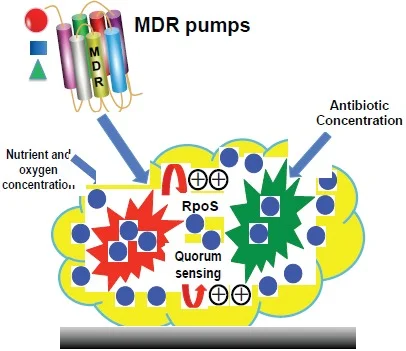
Biofilms can make antibiotics useless. R
Biofilms have increased antibiotic resistance and are involved in many persistent diseases. R
Glycocalyx of both gram-negative and gram-positive bacteria help the bacteria stick to a surface and help bacteria mature, essentially making it a lot easier for bacteria to live in harsh environments. R R R R
Heavy metal exposure may also support biofilm resistance. R
Limiting bacteria to nutrients can also slow their growth, which can cause bacteria to be less susceptible to antimicrobial agents and more resistant to antibiotics. R R R R
That is one reason why a low FODMAP diet doesn't work well during SIBO, since when bacteria don't have food, they can turn dormant and hide in biofilm. R
Bacteria can also go into dormancy and mutate, which can effectively change their intracellular redox potential and make them more resistant to oxidizing agents (like antibiotics) and other stressors. R R
For example, in an adaptive response, inducing E. Coli to heat or starvation can cause it to be resistant to UV or hydrogen peroxide. R
Persister cells if not destroyed can recreate biofilms and cause biofilm/antibiotic resistance. R
Certain antibiotic-resistant bacteria strains can either lack or over express outer membrane proteins, which essentially block anti-microbials action against them. R R
Also, bacterial efflux pumps can become multidrug resistant. R
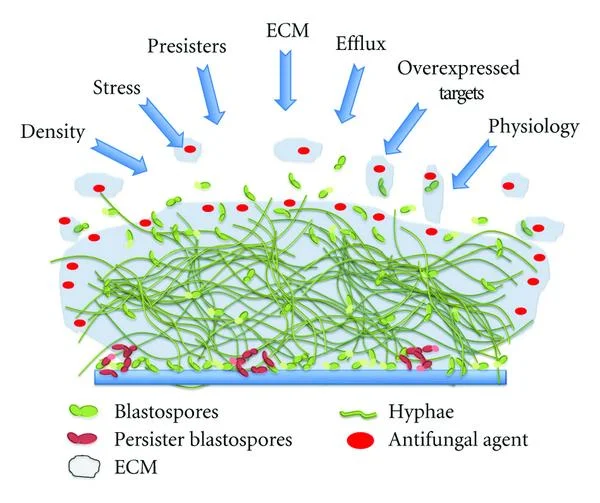
Yeasts and filamentous fungi biofilm have similar mechanisms (density, stress, QS, persisters, ECM, efflux, dormancy, overexpressed targets, and the general physiology) to bacterial biofilms. R R
Immune Response to Biofilms
Bacteria that escape from biofilms can spread to other organ systems and become sources of persistent and chronic infections. R R
Biofilms can persist for long periods of time (months to years) without being detected by the immune system. R
Not properly getting rid of biofilms can lead to chronic infections in:
Bones (causing bone loss) R
Brain (such as Alzheimer's Disease) R
Genitourinary (such as Chronic UTIs and Kidney Disease) R
Nasal Cavity (such as CIRS) R
Nervous System (such as Lyme Disease) R
Oral/Dental (such as Cavities, Gingivitis, Periodontitis, and Tooth Decay) R R
Respiratory (such as Asthma, Bronchitis, sinus infections) R
Spinal Tissue R
Wounds R
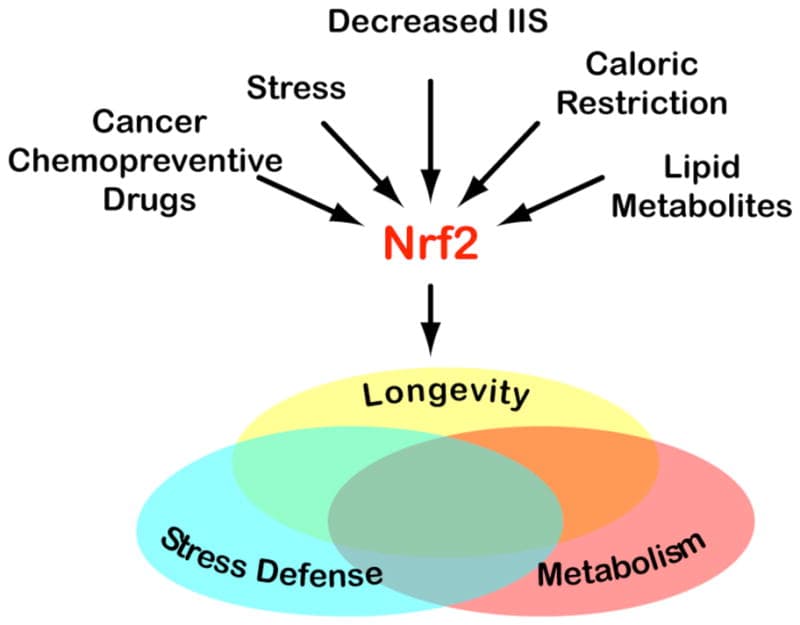
Biofilms may also make our antioxidant system weaker by dampening NRF2 activity. R
Biomarkers
How To Inhibit Biofilms With Diet

Biofilms can be inhibited by a lot of things ranging from foods, supplements, fatty acids, peptides, small molecules, polysaccharides, nitric oxide, anti-biofilm surfaces, and ionic liquids to name a few. R R
Diet
Hydrochloric acid and bile help prevent biofilm formation (depending on bacterial strain pH). R R R
These foods have the active compounds that inhibit biofilms:
found in cruciferous veggies like cabbage, cauliflower, broccoli sprouts, and brussels sprouts R
7-Epiclusianone
found in bacupari fruit R
found in Apple Cider Vinegar and other vinegars R
found in meats R
Caffeic Acid
found in coffee, thyme, sage, spearmint, cinnamon, star anise, sunflower seeds, black chokeberry, lingonberry, yerba mate, and grains R R
Caprylic Acid, Lauric Acid, and Monolaurin
found in coconut oil, palm oil, and MCT oil R R
found in oregano, thyme, pepperwort, and wild bergamot R R R R
Furanone
from cooking corn, oats, or wheat R
Gallic Acid
Isolimonic Acid
found in citrus R
Methylglyoxal and Hydrogen Peroxide
Morin
Non Dialyzable Material
found in cranberry juice R R R R
found in apples and apricots R
Phytochemicals
found in mangos R
found in maple syrup (darker is stronger) R R
Polyunsaturated Fatty Acids (PUFAs)
Raffinose
found in beans, cabbage, brussels sprouts, broccoli, and asparagus R
Resveratrol, Vitisin B, and ϵ-viniferin
Sterols
found in citrus R
Tannic Acid
Probiotics That Inhibit Pathogenic Biofilms
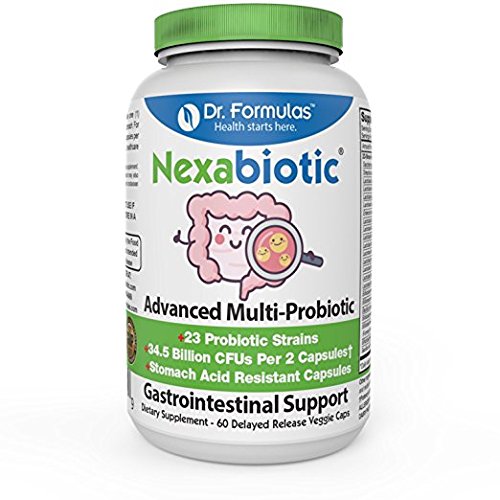
Bacteria that degrade pathogenic bacterial biofilms:
Bacillus amyloliquefaciens (RX7) R
Bacillus arsenicus (AJ606700.1) R
Bacillus coagulans (GBI-30, 6086) R
Bacillus indicus (AJ583158.1) R
Bacillus liceniformis (VPS50.2 producing liceniocin) R
Bacillus pumilus (MTCC 5560) R
Bacillus sonorensis (MT93) R
Bacillus subtilis (AC7 producing TasA and KATMIRA1933 producing subtilosin) R R R
Bifidobacterium animalis subsp. lactis (DSM 15954) R
Bifidobacterium bifidium (NRRL-B41410) R
Ferrimonas balearica (X93021.1) R
Halobacillus trueperi (AY505522.1) R
Lactobacillus acidophilus (DSM 13241) R
Lactobacillus brevis (CV8LAC) R R
Lactobacillus casei (ATCC SD5213) R R
Lactobacillus curvatus (MBSa3) R
Lactobacillus fermentum (B-1840 and UCO-979C) R R R
Lactobacillus paracasei (LMG-P-17806) R
Lactobacillus plantarum (B-4496) RR
Lactobacillus reuteri (B-14172 producing reutericyclin) R R
Lactobacillus rhamnosus GG (ATCC 53103) R
Lactobacillus rhamnosus (LR-32) R
Lactobacillus sakei (CRL1862 producing bacteriocin) R
Lactobacillus salivarius (K35 and K43) R
Lactococcus lactis subsp lactis (C-1-92 and biovar diacetylactis BGBU1-4) R R
Marinobacter hydrocarbonoclasticus (DQ768638.1) R
Saccharomyces boulardii (strong yeast against candida) R R
Streptococcus thermophilus (DSM 15957) R
Weissella viridescens (113) R
How To Inhibit Biofilms With Bioactive Components

Anthocyanins, coumarins, flavanoids, and tannins are all contain powerful bioactive compounds that can inhibit or degrade biofilms. R
Anthocyanins:
Coumarins:
Flavanoids:
Neoeriocitrin R
Sinensitin R
Tannins:
Supplements, Herbs, and Oils That Inhibit Biofilms

Various other natural supplements, herbs, TCM, oils, etc that prevent, inhibit, or degrade/prevent biofilms/QS:
Apple Mint R
Banaba (Pride of India contains Corosolic Acid) R R
Bong (Pauletia rufa) R
Cagaita R
Candle Tree R
Cat's Claw (strong against Lyme) R
Colloidal Silver (strong against E. coli, S. aureus, Klebsiella species, P. aeruginosa, Salmonella typhimurium, and Candida albicans) R R R R
Copaiba R
Coralillo R
Eggfruit R
Lactoferrin (and other Sequestration Molecules) R R R
Leucic Acid (strong) R
Maltodextrin - makes other antimicrobials more effective R R
Methionine (D isoform) R R
Mupundu R
N-Acetyl-L-Cysteine (strong) R R
Orange Climber R
Tassel Hyacinth R
Tryptophan (D and L isoforms) R R R
Usnic Acid (inhibits candida) R
Wooly Abiu R
Xin Yi Qing Feitang R
Drugs That Inhibit Biofilms
Drugs and antibiotics that work on biofilms:
Amphotericin B R
Aryl Rhodanines (MBX-1240, MBX-1246, MBX-1384, and MBX-1427) R
Atranonin R
Bactroban R
Beta-Lactam Antibiotics (not strong and may form biofilms, see below) R
Calcium and Magnesium Chelators R
Caspofungin R
Cefotaxime R
Ceragenin R
Daptomycin (as last resort) R
Farnesol R
Finasteride R
Gentamicin R
Gentian Violet R
Linezolid R
Micafungin R
Minocycline R
Norgestimate (and 17-Deacetyl norgestimate) R
Oxacillin R
Phendione R
Plectasin R
Rifampin R
Scandenin Diacetate R
Simvastatin R
Surfactin R
Tigecycline R
Trimethoprim (Sulfamethoxazole) R
Vancomycin R
Devices And Treatments That Inhibit Biofilms
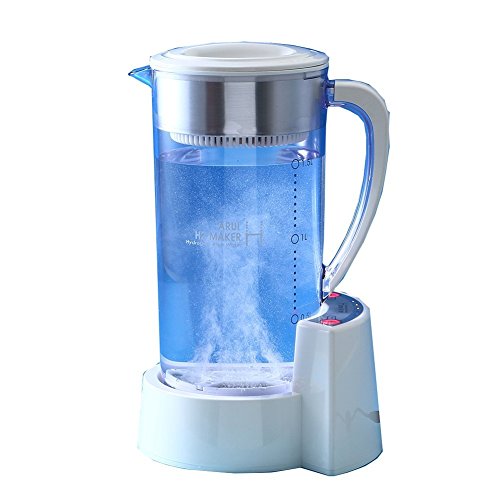
Some devices/technologies that inhibit biofilms:
Pathways To Inhibit Biofilms
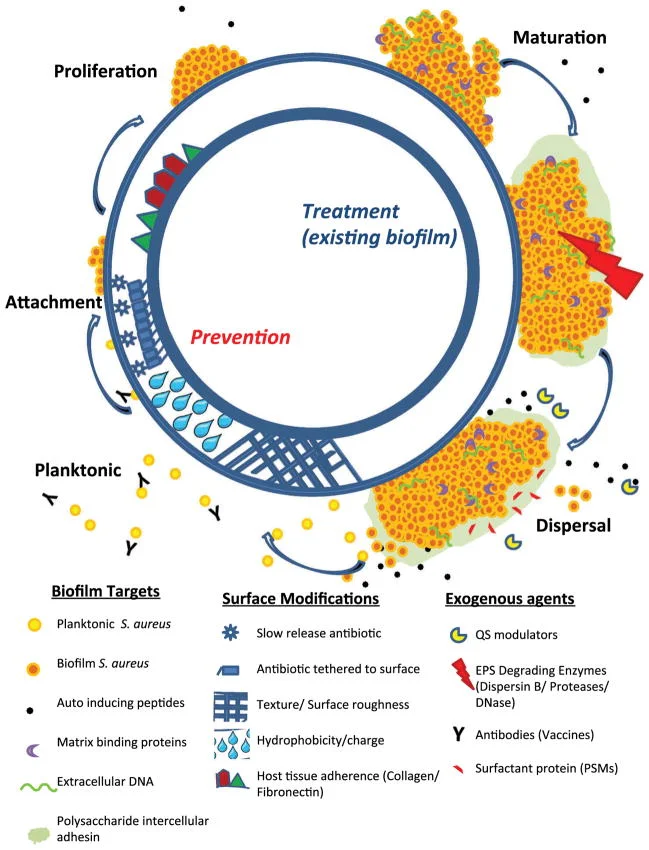
Pathways and mechanisms in either humans or bacteria/fungi:
Increase Acetylcholine R
Increase ClpP R
Increase Dispersin B R
Increase Hep-20 R
Increase LapA R
Increase mTOR R
Increase Nitric Oxide R R R
Increase NRG1 R
Increase PLUNC R
Increase PPAR-gamma R
Increase SAL-2 R
Increase YWP1 (of P. aeruginosa against Candida) R
Inhibit AhpA (only during growth phases) R
Inhibit Autoinducer 2 (AI-2) R
Inhibit bfiS, bfmR and mifR R
Inhibit Cardiolipin R
Inhibit FLO1 R
Inhibit PqsD R
Inhibit relA R
Inhibit spoT R
Inhibit Staphylococcal Accessory Regulators (such as SarABI) R
Other Ways To Inhibit Biofilms
Other ways to inhibit biofilms:
#G43 (inhibits S. mutans) R
5-Benzylidene-4-oxazolidinones (inhibits MRSA) R
Anthraquinone (Emodins also inhibit biofilms found in some plants, molds and lichens) R R R R
Bamboo Fiber R
Bgugaine (found in Arisarum vulgare, may be toxic to the liver though) R
BpiB05 R
Bromide R
Bromoageliferin and Oroidin (from sponges) R
Caripyrin R
Casbane Diterpene (from Croton nepetifolius)_R
Cahuitamycins (from marine algae) R
Chlorine R
Cis-2-decenoic acid (from P. aeruginosa breaks down biofilms from E. coli, K. pneumoniae, P. mirabilis, S. pyogenes, B. subtilis, S. aureus, and C. albicans) R
D-enantiomeric peptides R
Deacylated Lipopolysaccharides (daLPS) R
Decanediol R
Dehydroabietic Acid R
Dpo7 R
Diketopiperazines (strong) R
Dimethylaminohexadecyl Methacrylate (DMAHDM) R R
Gallium R
Kingella kingae (produces galactin which inhibits Aggregatibacter actinomycetemcomitans, K. pneumoniae, S. aureus, S. epidermidis and Candida albicans) R
LL-37 (comes from bacteria) R
Menthyl carbamate R
PelAh (inhibits P. aeruginosa) R
Peptide 1037 R
Petiveria alliacea (contain sulfur derivatives like S-phenyl-l-cystein sulfoxide and diphenyl disulfide) R
Proteinase K R
Pseudomonas aeruginosa (inhibits Aspergillus fumigatus) R
Pyocyanin Demethylase (PodA) R
S. mutans (inhibits Candida) R
Sph3h (inhibits A. fumigatus) R
Thiophenone R
Toluidine Blue R
Titanium and Copper Oxides R
Trimethylsilane R
Urea (and other Anti-Matrix Molecules such as Rhamnolipids) R R
Xanthomonas campestris (Xcc, by increasing endo-beta-1,4-mannanase) R
Zosteric Acid R
What Increases Biofilm Formation?
Jacob Gordon
INHC, FMT-C
Integrative Nutrition Health Coach
I cover mold illness, post-viral recovery, methylation, and complex chronic disease, drawing on ten years of clinical research, work inside a functional medicine clinic, and my own recovery from all of it. Every claim here is cited.
Book a ConsultationRelated Protocols & Supplements
Deep-dive chapters and recommended supplements for this topic
Electrolyte Complex
1 scoop/day
CoQ10
200mg/day
Magnesium Glycinate
400mg at bedtime