The 13+ Benefits Of Chitosan And Chitooligosaccharides
By Jacob Gordon, INHC, FMT-CThis article contains affiliate links. As an Amazon Associate, MyBioHack earns from qualifying purchases at no extra cost to you. We only link products we research and stand behind.
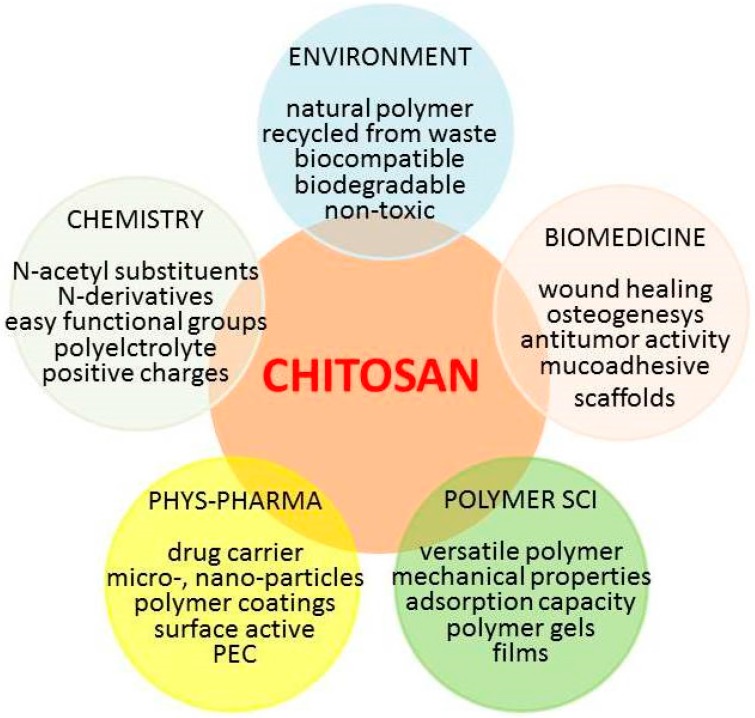
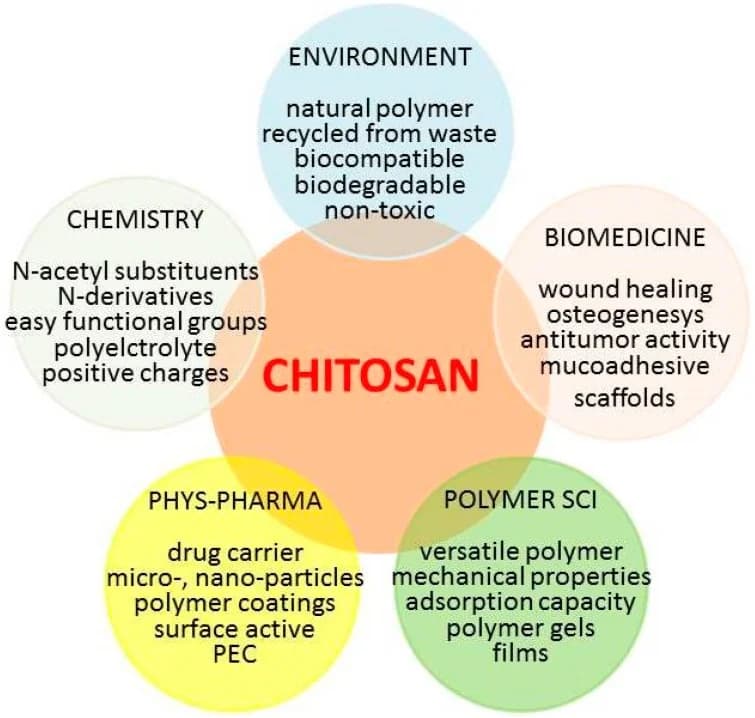
In this post, we will discuss the benefits of chitosan and chitosan derivatives.
Basics Of Chitosan And CHOS
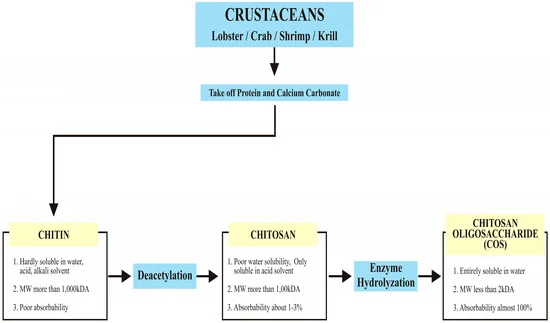
Chitosan is obtained through the deacetylation of chitin. R
Chitin is the structural element in the exoskeleton of insects, crustaceans (mainly shrimps and crabs) and cell walls of fungi (such as mushrooms) and the second most abundant natural polysaccharide after cellulose. R
Chito-oligosaccharide (CHOS) can be produced using chitin or chitosan as a starting material, and is composed of N-acetyl-d-glucosamine and glucosamine units. R R

Benefits Of Chitosan And CHOS
1. Protects The Brain And Repairs The Nervous System
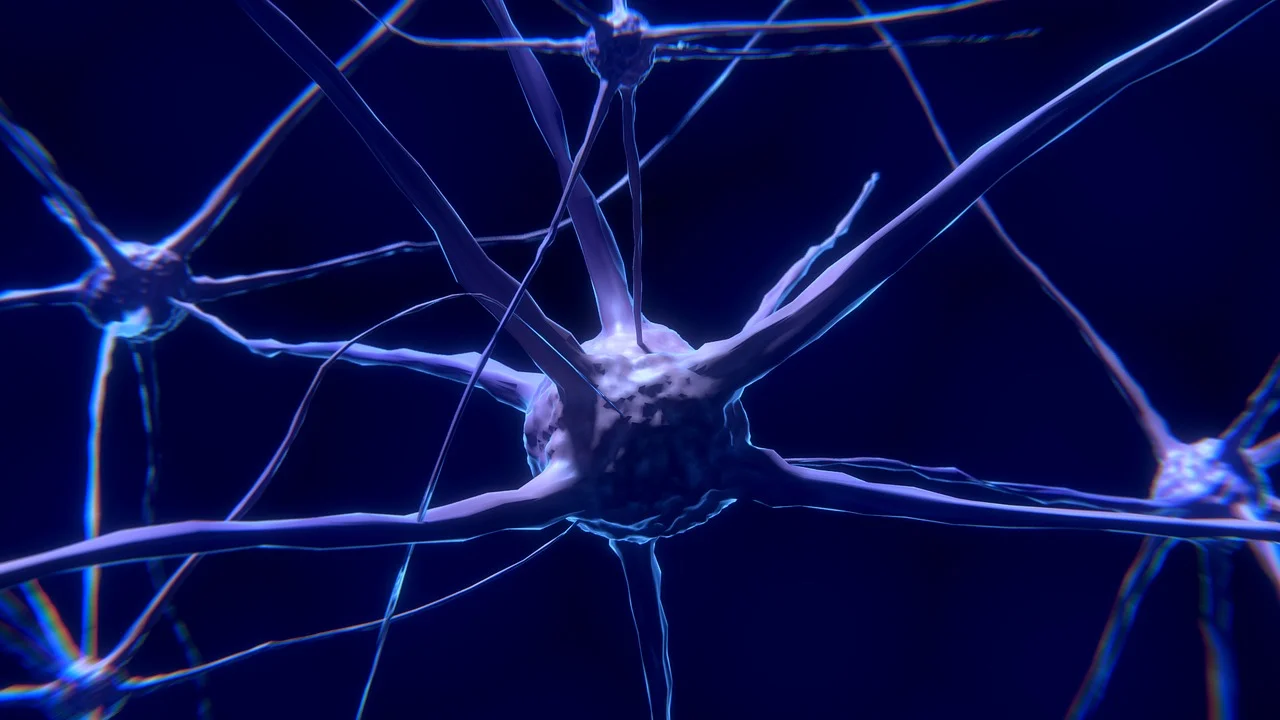
Chitosan and CHOS can prevent neuroinflammation and chronic inflammation (in general). R R
CHOS may help prevent (not limited to) Alzheimer’s Disease (AD), Parkinsons's Disease (PD), Huntington's Disease (HD) and Nerve Injury. R R
For example, it can protect against glutamate-induced death of neurons (strong neuroprotection in the hippocampus) and suppress hyperphosphorylation of tau protein (commonly pathology of in AD). R R R
It also reduce the activity of β-secretase (BACE1) and inhibit the breakdown of the neurotransmitter acetylcholine (ACh) in the brain. R R R
In animal models of AD with beta-amyloid plaques, CHOS administration could improve neuroinflammation, reduce hippocampal injury and increase learning/memory. R R
Chronic neuroinflammation may be tied to infections and chitosan may reduce oxidative stress on the brain from chronic infection. R
In models of PD, chitosan can signficantly increase cell viability and decrease the lactate dehydrogenase (LDH), thus inhibiting cell apoptosis, mitochondrial membrane potential (MMP) disruption, and oxidative stress. R
In models of HD, chitosan can reduce the oxidative stress of copper-induced glutamate toxicity and oxidative stress on the central nervous system (CNS). R
Chitosan can protect nerves from oxidative stress. R
For example, chitosan and CHOS may help with Multiple Sclerosis (MS) as they can help regenerate myelin sheath fibers and thickness. R
It can also repair damaged spinal cord neurons by enhancing neural stem cell differentiation into neurons, oligodendrocytes and astrocytes. R
Human stem cells delivered with chitosan can significantly increase neurotrophic factors Brain Derived Neurotrophic Factor (BDNF), Glial Derived Neurotrophic Factor (GDNF), Nerve Growth Factor (NGF), and Neurotrophin-3 (NT-3). R
When chitosan is combined with Ciliary Neurotrophic Factor (CNTF) or BDNF, it can help with nerve repair and traumatic brain injuries. R R R
Chitsoan + NSAIDs can help with lower back pain and may help with repair of intervertebral disc regeneration (via reduction of IL-6, IL-8, MMP1, MMP3, and PGE2). R
2. Boosts Mitochondria And Exercise Tolerance
CHOS can improve mitochondrial biogenesis by activating AMPK and SIRT1, while increased the cellular NAD+/NADH ratio. R
CHOS can improve exercise tolerance by increasing PGC-1alpha and delaying muscle fatigue. R
3. Binds To Toxins
As a strong binder, chitosan is useful in the decontamination of industrial wastewater. R
For example it can bind to and remove arsenic and manganese from water. R R
Chitosan and CHOS binds to bile in the gut, helping excrete toxins that are built up in fat. R
CHOS can protect the body against bacteria endotoxemia. R R
It can also bind to ochratoxin A, a toxin from mold. R
4. Has Antimicrobial Properties
Chitosan and CHOS has antimicrobial activity against:
Actinobacillus actinomycetemcomitans R
Bacillus cereus R
Bacillus megaterium R
Bacteriodes thetaiotaomicron R
Bacteroides vulgatus R
Blautia coccoides R
Citrobacter rodentium R
Clostridium beijerinckii R
Clostridium paraputrificum R
Corynebacterium R
Enterobacter aerogenes R
Enterococcus faecalis R
Faecalibacterium prausnitzii R
Helicobacter pylori R
Lactobacillus plantarum R
Porphyromonas gingivalis R
Pseudomonas aeruginosa R
Pseudomonas fluorescens R
Proteus mirabilis R
Ralstonia solanacearum R
Roseburia intestinalis R
Salmonella choleraesuis R
Salmonella typhimurium R
Serratia liquefaciens R
Staphylococcus epidermidis
Streptococcus mutans R
N-Acetyl-Cysteine (NAC) can enhance some of chitosan's anti-microbial action. R
Chitosan may help with bacterial infections in the nose, as it can enhance mucus secretion. R
Chitosan can prevent recurrent Urinary Tract Infections (UTIs). R
Chitosan and CHOS have anti-fungal activity against:
Alternaria solani R
Aspergillus flavus R
Aspergillus fumigates R
Aspergillus parasiticus R
Black bread mold R
Botrytris cinerea R
Candida glabrata R
Candida krusei R
Candida parapsilosis R
Colletotrichum lagenarium R
Cryptococcus gatti R
Cryptococcus neoformans R
Fusarium oxysporum R
Fusarium proliferatum R
Geotrichum candidum R
Gray mold R
Hamigera avellanea R
Macrophomina phaseolina R
Mucorpiri formis R
Mycobacterium smegmatis R
Penicillium digitatum R
Penicillium expansum R
Penicillium italicum R
Phytophthora infestans R
Pseudomonas aeroginosa R
Rhizopus stolonifer
Ustilagomaydis R
Chitosan and CHOS have antiviral effects against:
Chitosan added to food can help against bacterial and fungal spoilage. R
Chitosan can also be used as an efficient antifilarial agent. R
5. Improves Dental Hygeine
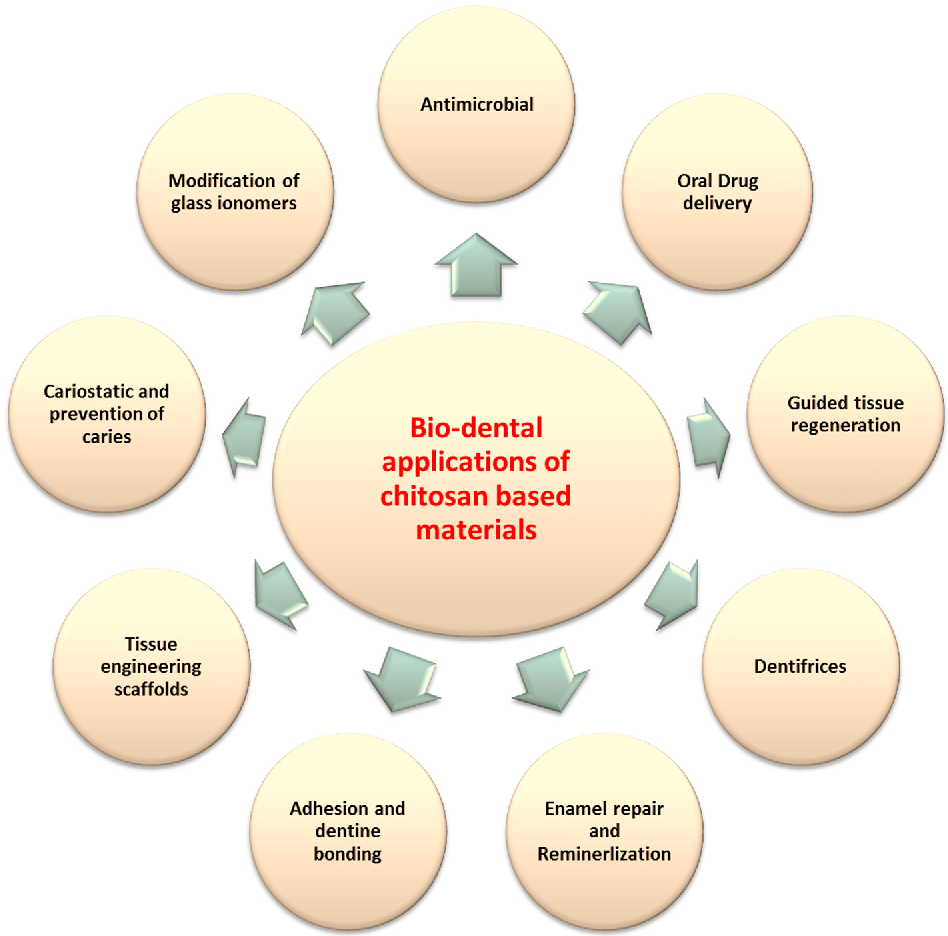
Chitosan can be used for good dental hygiene. R
It can inhibit pathogenic bacteria in the mouth. R R
Chitosan can be put into gum to enhance it's antibacterial effects. R
Chitosan helps with enamel repair and prevents tissue loss of the gums. R R R R
Chitosan is also put into toothpaste to enhance its anti-erosive effects. R
Chitosan may enhance teeth strength. R
6. Enhances Drug Delivery
Chitosan and CHOS is an extremely useful and non-toxic way to enhance oral drug delivery. R
Chitosan can improve the stability and enhance the therapeutic effects of pharmaceutical compounds (ie insulin, hormones, drugs, gene delivery, antioxidants, antibiotics, vitamins, food supplements and vaccines). R R R R R R R
For example, chitosan can enhance the delivery of probiotics containing Lactobacillus acidophilus, Lactobacillus rhamnosus, Lactobacillus reuteri, or Bifidobacterium Longum. R R R
7. Combats Cancer
Chitosan and CHOS are strong chemotherapy alternatives. R
Chitosan can enhance delivery and efficacy of chemo-and radio-therapies (ie Doxorubicin). R R R
It can help against multi-drug resistant (MDR) cancers. R
Chitosan can also inhibit tumor growth and induce chemotaxis by increasing TNF-alpha, IL-1 and IL-2. R R R
CHOS also reduces the development of cancer in cell models, tumor growth, the metastatic potential of gastric cancer while making cancer cells more senstivite to radotherapy. R R
Chitosan and CHOS have activity against:
Bladder Cancer R
Brain Cancer R
Cervical Cancer R
Gastric Cancer R
Leukemia R
Liver Cancer R
Lung Cancer R
Melanoma R
Chitosan can also increase the expression of the P53 tumor suppressor gene. R
8. Stimulates The Immune System
Chitosan is an immunostimulant and may help protect the gut during infections. R
Chitosan may shift a TH1 immune response towards a TH2/TH3 response, and may be beneficial for arthritis. R
Chitosan and CHOS can enhance the immune system's production of antigens during vaccinatons (making them more effective) and enhance the immune system's defense against viruses (as discussed above). R
For example, CHOS can module the immune system and help protect against certain viral and bacterial infections. R R
CHOS can prevent allergic reactions by its ability to (dose dependently) inhibit activation of mast cells and mast cell degranulation. R R R
9. Improves Wounds, Burns, And Bones
CHOS can act on skin stem cells, helping wound healing. R R R
Chitosan with platelet-rich plasma (PRP) have been shown to improve meniscus, rotator cuff and cartilage repair in pre-clinical models. R
Chitosan has been effectively used to treat nerve graft repair. R
It helps with wound repair after surgery as it increases adipose stem cell production in the skin. R
Chitosan may also prevent diabetic ulcers. R
Chitosan and CHOS help enhance collagen production in the skin and helps prevent scarring (via stimulation of hyaluronic acid synthesis). R
For example, the combination of chitosan and honey can significantly increase the rate of burn wounds in animals models. R
Chitosan can also lower the bacterial load of skin infections. R
Chitosan as an adhesive can also help with air leakage from the lung and blood hemorrhages. R R
Chitosan is also useful for bone regeneration. R R
10. Fights Obesity, Diabetes, And Heart Disease
Chitosan can decrease body weight and the ratio of fat to body weight. R
For example, in a clinical trial, chitosan was able to reduce patients weight and lower HbA1C levels. R
In the gut, chitosan swells up and produces the feeling of fullness. R
It can also lower triglyceride, fasting plasma glucose, fasting insulin, free fatty acid, and leptin levels, while increasing fecal lipid levels. R
CHOS can increase high density lipoproteincholesterol (HDLC) and decreased the potential risks of cardiovascular diseases as well as reduce the total cholesterol (TC) levels. R R
In those with diabetes, the combination of selenium and chitosan may improve insulin secretion, insulin receptor expression, glucose uptake, and lower oxidative stress. R
CHOS can prevent hyperglycemia by upregulating adiponectin and PPAR-γ in adipocytes. R
In patients with high cholesterol levels, normalize calcium, magnesium, and iron levels. R
When chitsan is combined with fish oil (DHA/EPA), the combo can reduce oxidative stress on the heart. R
Chitosan and CHOS have anti-coagulant properties. R
Chitosan and CHOS can help lower high blood pressure as it is can inhibit angiotensin converting enzyme (ACE). R R
11. Improves The Gut And Microbiome
Chitosan is a dietary fiber and can improve the diversity of the gut microbiome. R R
CHOS and chitosan can reduce inflammation in the gut. R R
Chitosan increases anti-inflammatory cytokines in the gut (such as T-regs and IL-10). R
Chitosan plus collagen can improve oral tolerance. R
Chitosan may also help with dry mouth. R
12. Has Antioxidant Properties
Chitosan and CHOS can both increase levels of glutathione in the body and reduce levels of oxidative stress. R
For example, Chitosan and CHOS are free radical scavengers, and can reduce oxidative levels. R R
13. Helps With Pain
Chitosan may help reduce pain from:
My Experience And Getting Chitosan
I've used a few types of chitosan/CHOS for binding to toxins and have noticed benefits from both:
Naturally Occurring Chitosan And Synergies
Chitosan or CHOS goes well with:
Gallic Acid R
Insulin and IGF1 R
N-Acetyl-L-Cysteine (NAC) R R
Caveats
Chitosan and CHOS both have low toxicity and excellent biocompatibility and biodegradability. R
The Food and Drug Administration (FDA) has approved chitosan and CHOS as food additives. R
It can be taken orally, intranasally, topically, ocularly, or be injected. R R R R R R
Microwaving chitosan may improve its antioxidant capacity. R
CHOS may be toxic to the kidneys, although chitosan can reduce creatinine levels. R R
Chitosan may hypothetically make allergies worse and allow toxins get into the body through the gut as it opens tight junctions within the gut. R R
By enhancing stem cells, chitosan may promote progression of some cancers. R
Survival of Galleria mellonella increases from chitosan after infection with Candida. R
Mechanism Of Action
Simple
Chitosan:
Increases Bcl-2 R
Increases CAT R
Increases GSH-PX R
Increases IL-4 R
Increases IL-6 R
Increases Lymphokines R
Increases PDGF R
Increases SOD R
Increases T-lymphocytes R
Increases TNF-alpha R
Reduces AP-1 R
Reduces Bax R
Reduces Caspase-3 R
Reduces Caspase-9 R
Reduces Creatinine R
Reduces E-selectin R
Reduces Glucose R
Reduces HbA1c R
Reduces IFN-gamma R
Reduces IL-2 R
Reduces Insulin R
Reduces LDH R
Reduces Leptin R
Reduces Lipase R
Reduces MDA R
Reduces MMP2 R
Reduces NF-kB R
Reduces ROS R
Reduces TG R
Reduces VEGF R
CHOS:
Increases Adiponectin R
Increases AMPK R
Increases CCL4 R
Increases CCL17 R
Increases CCL20 R
Increases CCR6 R
Increases CCR8 R
Increases C3 R
Increases CXCL3 R
Increases CXCL6 R
Increases CXCL13 R
Increases HDL-C R
Increases IL-2 R
Increases JUN R
Increases LTB R
Increases PGC-1alpha R
Increases PPAR-gamma R
Increases p21 R
Increases SIRT1 R
Increases SOD R
Reduces ACE R
Reduces BACE1 R
Reduces C/EBP R
Reduces CCL11 R
Reduces CCL15 R
Reduces CCL16 R
Reduces CCL25 R
Reduces CCR1 R
Reduces CCR4 R
Reduces CCR7 R
Reduces CDK-2 R
Reduces COX-2 R
Reduces Cyclin A R
Reduces IKBKB R
Reduces IL-1a R
Reduces IL-1b R
Reduces IL-4 R
Reduces IL-6 R
Reduces IL-13 R
Reduces iNOS R
Reduces LDH R
Reduces MAPK R
Reduces MDA R
Reduces MMP2 R
Reduces NF-κB R
Reduces PCNA R
Reduces PGE2 R
Reduces PPAR-gamma R
Reduces RELA R
Reduces SOD R
Reduces TC R
Reduces 8-OHdG R
Advanced:
Chitosan is formed by β-glucosamine units as its main component (> 80%) and N-acetyl glucosamine (< 20%) distributed randomly along the chain, forming a very complex chemical web. R
It has a molecular weight average between 50 and 150 KDa, with a pKa value of 6.3 and is soluble in dilute acid solutions. R R
CHOS are formed mainly by units of glucosamine, from 2 to 7 repetition joined by β bonds. R
In the gut chitosan increases TH2 and regulatory cytokines (IL-4, IL-10, Tregs, TGFb1) helping with immune response in mucousal cells. R R R
Low molecular weight (LMW) CHOS does not induce mitochondrial biogenesis while high molecular weight (HMW) does. R
LMW chitosan can penetrate bacterial cell walls, bind with DNA and inhibit DNA transcription and mRNA synthesis, while HMW chitosan can bind to the negatively charged components on the bacterial cell wall and it forms an impermeable layer around the cell, changes cell permeability and blocks transport into the cell. R
In cancer, the percentage of cells in S-phase was diminished and the rate of DNA synthesis was reduced after treatment with chitooligosaccharides. R
The electron spin resonance data demonstrated that medium-molecular-weight hetero-chitooligosaccharides prepared from 90% deacetylated chitosan manifested the highest radical scavenging potency. R
Chitosan promotes activity of polymorphonuclear leukocytes, macrophages and fibroblasts that enhance granulation as well as the organization of the repaired tissues. R
CHOS and PACOs both inhibit glutamate-induced cell death by preventing apoptosis through depressing the elevation of the Bax/Bcl-2 ratio and caspase-3 activation. R
On the skin, chitosan opens tight junctions, and in the gut may be irreversibly opened. R R R
More Research
Jacob Gordon
INHC, FMT-C
Integrative Nutrition Health Coach
I cover mold illness, post-viral recovery, methylation, and complex chronic disease, drawing on ten years of clinical research, work inside a functional medicine clinic, and my own recovery from all of it. Every claim here is cited.
Book a ConsultationRelated Protocols & Supplements
Deep-dive chapters and recommended supplements for this topic
Glutathione (Liposomal)
500mg 2x/day
Activated Charcoal
500mg away from food/meds
NAC
600mg 2x/day