Why NRF2 Activation Can Make You More Sick
By Jacob Gordon, INHC, FMT-CThis article contains affiliate links. As an Amazon Associate, MyBioHack earns from qualifying purchases at no extra cost to you. We only link products we research and stand behind.
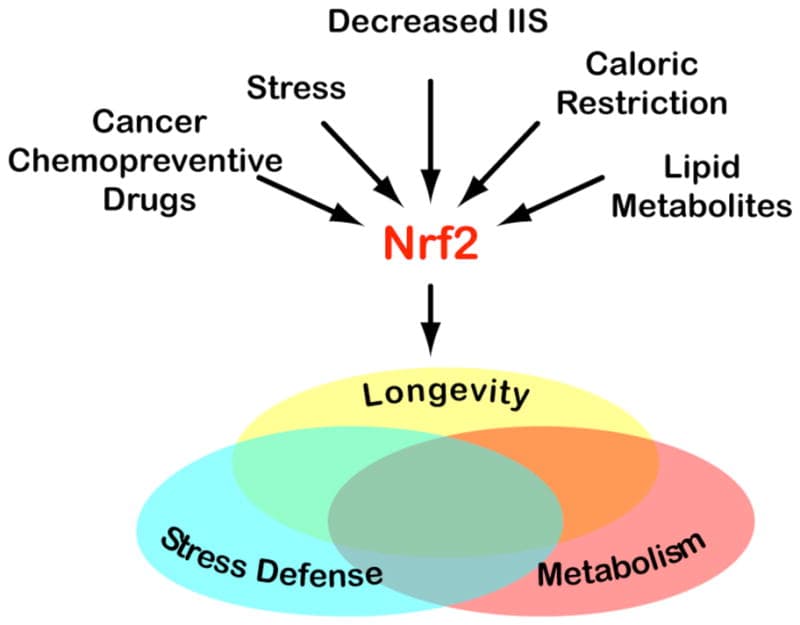
Recent cancer research has helped us understand how the body detoxes.
By studying upregulated genes in tumorous cells, we were able to find the Nuclear Erythroid 2–Related Factor 2 (NRF2) pathway.
NRF2 is a major transcription factor in detoxing the body and keeping it healthy.
In this post, we will discuss the benefits/downsides of NRF2 activation, as well as why NRF2 may be hurting you more than helping you (and what you can do about it).
Basics
NRF2 is paramount to keeping a healthy body as it is a master regulator of the way we handle our day-to-day environment and not get sick from everything.
NRF2 activity is part of the phase II detoxification system. R
Phase II detoxification is paramount for taking lipophilic (fat soluble) toxins:
Turning them into hydrophilic (water soluble) compounds ready for excretion
Inactivating highly reactive metabolites and compounds (as a result of phase I)
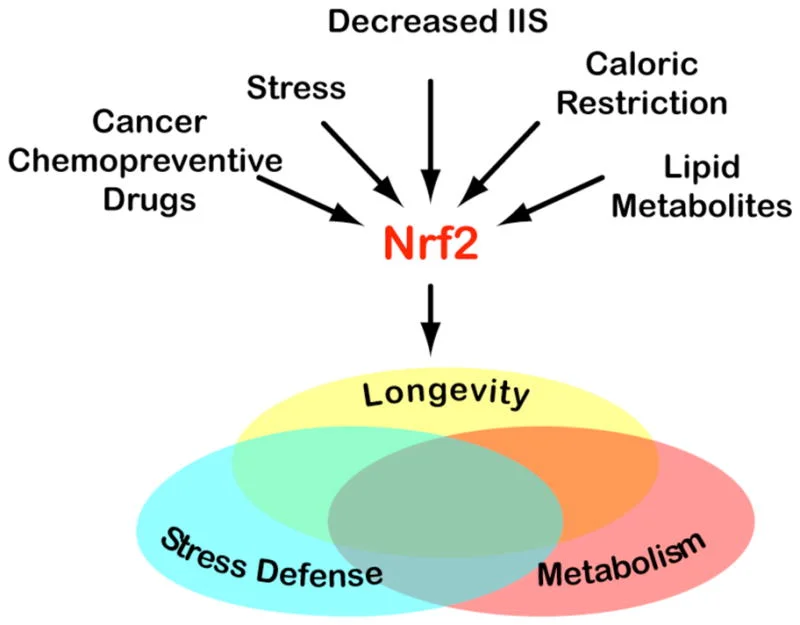
NRF2 activation decreases overall inflammation and oxidation of the body in a hormetic effect.
To activate NRF2, a threshold of an oxidative response (ie inflammation) must be met so the body can create an adaptive response, and thus create antioxidants (ie glutathione).
To break this down extremely basically: Oxidative Stress -> NRF2 -> Anti-Oxidant Response. R
This is great because NRF2 works quickly to balance redox signaling (the balance of oxidant and antioxidant levels in a cell). R
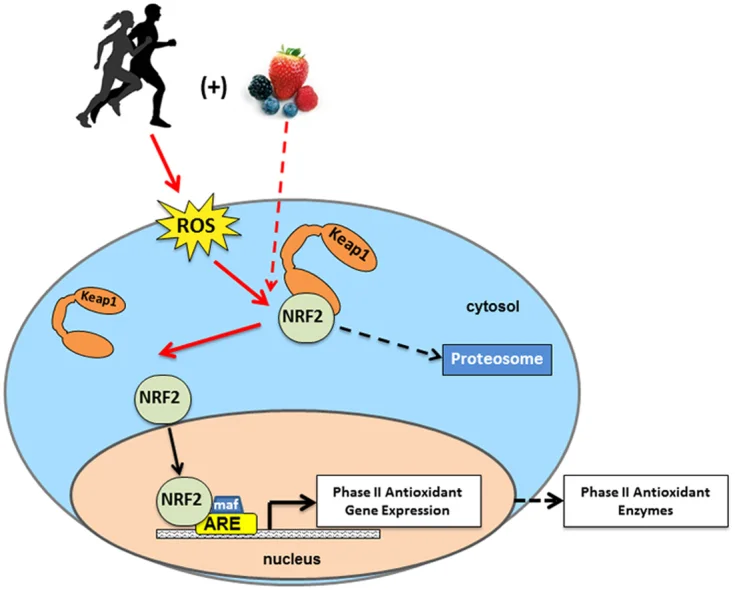
A good example of how this works is exercise - you workout your muscle so it can adapt and can better prepared handle another workout session in the future.
If NRF2 becomes over- or under-expressed from chronic infections/toxins (mold, lyme, EBV, metals), which can be seen in people with Chronic Inflammatory Response Syndrome (CIRS), your problems may get worse after NRF2 activation (see more below).
More importantly, if DJ-1 gets over-oxidized, NRF2 activation dies too quickly (see post on DJ-1). R R
Conditions Associated With NRF2 Activity
NRF2 expression is highly expressed in the lungs, liver, and kidneys. R
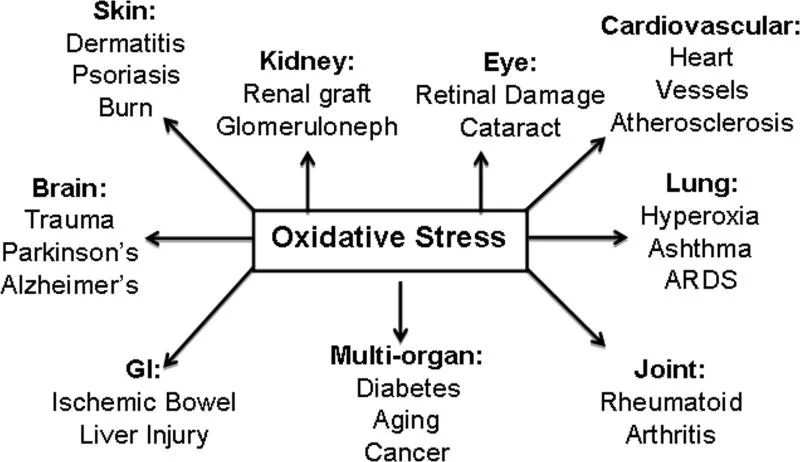
NRF2 counteracts oxidative stress and helps most diseases.
NRF2 Activation Can Help
Periodic activation of NRF2 can help:
Aging (ie Longevity) R
Autoimmunity and Overall Inflammation (ie Arthritis, Autism) R R
Cancer and Chemoprotection (ie EMF Exposure) R R R
Depression and Anxiety (ie PTSD) R
Gut Disease (ie SIBO, Dysbiosis, Ulcerative Colitis) R R R R
Kidney Disease (ie Acute Kidney Injury, Chronic Kidney Disease, Lupus Nephritis) R R R
Liver Disease (ie Alcoholic Liver Disease, Acute Hepatitis, Nonalcoholic Fatty Liver Disease, Nonalcoholic Steatohepatitis, Cirrhosis) R R R R R
Metabolic And Vascular Disease (ie Atherosclerosis, Hypertension, Stroke, Diabetes) R R R
Neurodegeneration (ie Alzheimer's, Parkinson's, Huntington's and ALS) R R
Pain (ie Neuropathy) R
Skin Disorders (ie Psoriasis, UVB/Sun Protection) R R R
Toxin Exposure (Arsenic, Asbestos, Cadmium, Fluoride, Glyphosate, Mercury, Sepsis, Smoke) R R R R R
Vision (ie Bright Light, Sensitivity, Cataracts, Corneal Dystrophy) R R R R R
NRF2 Over-Activation May Worsen
Hyperactivation of NRF2 can worsen:
Benefits Of NRF2
1. Protects The Body Against Toxins
NRF2 is an innate trigger to protect the cells against foreign substances.
NRF2 enhances the body's response to drugs and toxins by increasing multidrug resistance-associated proteins (MRPs, proteins which help push chemicals out of the cell). R R
For example, NRF2 is activated upon cigarette smoke inhalation, as a way for the lungs to detox. R
It's also necessary for the lungs to protect against allergens, viral infections, bacterial endotoxins, hyperoxia, and various environmental pollutants. R
The chronic taxing of this system (via something like chronic smoking) depletes the lungs of glutathione. R
If NRF2 isn't blocked (see below), activation of it is a potent way to protect the liver from toxicity. R
For example, NRF2 can protect the liver against arsenic hepatotoxicity. R
NRF2 protects the brain and liver against alcohol consumption. R
For example, protects against acetaminophen (tylenol) toxicity. R
2. Battles Inflammation And Oxidative Stress
NRF2 protects against inflammation. R
For example, NRF2 activation by astragalus can decrease inflammatory cytokines (such as IL-8) in psoriasis. R
NRF2 can also reduce inflammation in arthritis. R
It can reduce inflammation and fibrosis (such as TGFb1) of the liver, kidney, and lungs. R R R
NRF2 can also help with allergies. R
This is because NRF2 helps with by silencing Th1/Th17 cytokines and increasing TH2 cytokines. R R R
This is beneficial for conditions like asthma. R
NRF2 also protects against cellular damage of blue light and of UVA/B from the sun. R R R R R
For example, if you have problems with NRF2 (see below), then it is a lot easier for you to get sunburnt. R
One reason for this is because NRF2 is able to protect collagen in reaction to UV radiation. R
Advanced Glycation End-Products (AGEs) have been identified as significant in the progression of several diseases including aging, diabetes and neurodegenerative diseases.
NRF2 is able to reduce the oxidative stress of AGEs on the body. R R
NRF2 can also protect the body against high amounts of heat-based stress (40ºC/104ºF or higher). R
3. Enhances Mitochondria And Exercise Performance
NRF2 is a mitochondrial enhancer. R
Activation of NRF2 leads to an increase of energy (ATP) for mitochondria, as well as enhanced utilization of fat and oxygen (citrate). R
Without NRF2, our mitochondria may only be able to run (somewhat efficiently) on sugar (glucose), instead of fat. R
NRF2 is also necessary for mitochondria to grow (biogenesis). R
For example, NRF2 activation is paramount to get the benefits of exercise. R R R R
NRF2's action on cells is one reason why exercise increases mitochondrial function (this effect can be amplified with CoQ10, Cordyceps, and Caloric Restriction). R R R R
Very intensive exercise may be detrimental (controversial) to health, while a moderate exercise or acute exercise induces mitochondrial biogenesis and an increased synthesis of super-oxide dismutase (SOD) and heme-oxygenase-1 (HO-1) via NRF2 activation. R R R
Alpha-Lipoic Acid (ALA) and Dan Shen are also good supplements to increase NRF2 mediated mitochondrial biogenesis. R R
NRF2 may also improve exercise tolerance. R
NRF2 deletion makes exercise unhealthy for the body. R
4. Protects Against Hypoxia
NRF2 can protect the body against cellular oxygen loss/depletion (hypoxia). R
Those with CIRS have low levels of oxygen because NRF2 is blocked leading to low levels of VEGF, HIF1, and HO-1. R
Normally in healthy people with hypoxia, miR-101 (necessary for stem cells) would be overexpressed and improve levels of NRF2/HO-1 and VEGF/eNOS, thus preventing brain damage, but this doesn't seem to happen in CIRS. R
Hypoxia (low HIF1) in CIRS may also lead to a leaky blood brain barrier because of NRF2 dysregulation. R R
Salidroside (found in Rhodiola) acts on NRF2 and helps with hypoxia by increasing VEGF and HIF1. R
NRF2 protects against lactate buildup in the heart. R
NRF2 can also prevent hypoxia-induced Altitude Motion Sickness (AMS). R
5. Slows Aging
Some things that can be deadly in large amounts may increase longevity in very small amounts because of xenohormesis (via NRF2, PPAR-gamma, and FOXO). R
This means a tiny amount of toxin increases the cell to be better equipped for the next time it is challenged with a toxin (this is not an endorsement to ingest toxic substances). R
A good example of this is with caloric restriction. R
NRF2 is able to increase the lifespan of cells by increasing their levels of mitochonrdia, antioxidants and reduce the cells' ability to die. R R R
NRF2 decreases with aging. R
This is because NRF2 stops stem cells from dying and helps them regenerate. R R R
NRF2 also plays a role in improving wound healing. R
6. Improves The Vascular System
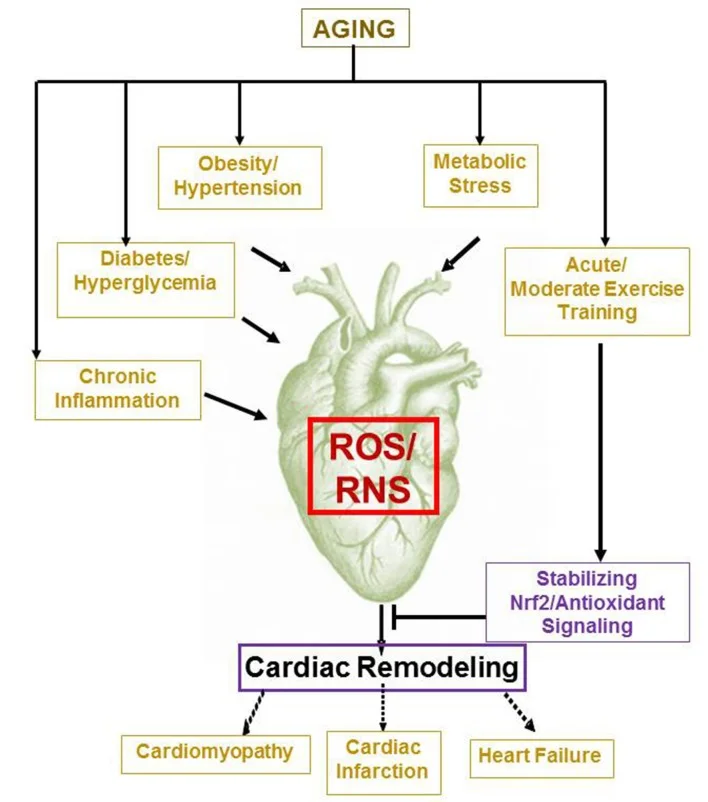
Done properly (with things like sulforaphane), NRF2 activation can protect against heart disease such as high blood pressure (hypertension) and hardening of the arteries (atherosclerosis). R R R
This is because NRF2 can improve Acetylcholine's (ACh) relaxing action on the vascular system while lowering cholesterol-induced stress. R R
Acute activation of NRF2 (such as exercise), can strengthen the heart, although over-activated (see more below) can increase the chance of heart disease. R
This is one mechanism by which statins can prevent or cause heart disease. R
NRF2 also plays a big role in balancing iron and can protect from high levels of iron. R R
For example, Sirtuin 2 (SIRT2) is able to regulate iron homeostasis in cells by activation of NRF2. R
What this means is that proper expression and activation of NRF2 is needed for healthy levels of iron, especially in those that are high in iron. R
NRF2 may also help with Sickle Cell Disease (SCD). R
NRF2 dysfunction may be a reason for endotoxemia (such as having dysbiosis or lectins) induced hypertension. R
It can protect against amphetamine induced damage to the vascular system. R
7. Combats Neuroinflammation
NRF2 can protect against and help with inflammation of the brain (neuroinflammation). R R R R
NRF2 can help with a variety of Central Nervous System (CNS) disorders:
Alzheimer’s Disease (AD) - reduces amyloid beta stress on mitochondria R R R
Amyotrophic Lateral Sclerosis (ALS) R
Huntington's Disease (HD) R
Multiple Sclerosis (MS) R
Nerve Regeneration R
Spinal Cord Injury (SCI) R
NRF2 has shown reduce neuroinflammation in teenagers with Autism Spectrum Disorders (ASD). R
Idebenone may pair well with NRF2 activators against neuroinflammation. R
NRF2 can also enhance the Blood Brain Barrier (BBB). R
For example, NRF2 activation with carnosic acid (from rosemary and sage) can cross the BBB and induce neurogenesis. R R
NRF2 increases Brain Derived Neurotrophic Factor (BDNF). R
NRF2 also regulates some supplements ability to induce Nerve Growth Factor (NGF). R
NRF2 can help with brain fog and glutamate-induced problems by regulating N-Methyl-D-Aspartate (NMDA) receptors. R
It can also reduce the oxidative stress from quinolinic acid (QUIN). R
For example, NRF2 activation (at normal doses) can protect against seizures, although high doses may reduce the threshold of a seizure. R R
At normal doses of activation, NRF2 can improve cognitive ability after a seizure. R
One way it does is by reducing extracellular glutamate in the brain (via upregulation of EAATs) and by it's ability to draw cysteine away from glutamate and make it into glutathione. R
8. Relieves Depression
In depression, it is common to see inflammation in the brain (esp in the prefrontal cortex and hippocampus) as well as decreased BDNF. R
In models of depression, NRF2 may improve depressive symptoms by reducing the stress of inflammation in the brain and increasing BDNF levels. R
For example, agmatine's ability to reduce depression (by increasing noradrenaline, serotonin, dopamine, and BDNF in the hippocampus) is dependent on NRF2 activation. R
For example, the Chinese decoction Free and Easy Wanderer helps with Post Traumatic Stress Disorder (PTSD) through its activation of NRF2. R
9. Has Anti-Cancer Properties
NRF2 is both a tumor suppressor, as well as tumor promoter. R
For example, NRF2 can protect against cancer induced by toxins, but NRF2 overexpression is found in cancer cells (see more below). R
Acute activation (not chronic) of NRF2 may help with most cancers.
For example, the supplement Protandim is able to prevent skin cancer by NRF2 activation. R R
10. Relieves Pain
Gulf War Illness (GWI) is a prominent condition affecting Gulf War Veterans is a cluster of medically unexplained chronic symptoms that can include fatigue, headaches, joint pain, indigestion, insomnia, dizziness, respiratory disorders, and memory problems. R
NRF2 may improve symptoms of GWI by decreasing hippocampal and overall inflammation, as well as pain. R
NRF2 can help with pain from physical nerve injury and improve nerve injury from diabetic neuropathy. R R
11. Improves Diabetes
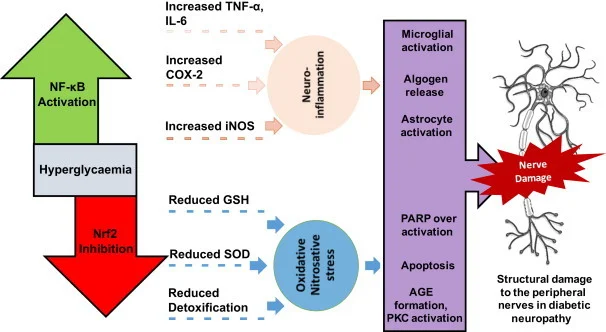
High glucose levels (hyperglycemia) causes oxidative damage the the cells by disruption of mitochondrial function. R
NRF2 activation can protect against hyperglycemia's damage to the cell, thus preventing cell death. R R
NRF2 activation may also protect, restore, and regenerate pancreatic beta-cell function, while decreasing insulin resistance. R R
12. Protects Vision And Hearing
NRF2 may protect against damage to the eye from diabetic retinopathy. R
It may also prevent the formation of cataracts. R R
It can protect photoreceptors against light-induced death. R
NRF2 also protect the ear (cochlea) from stress and hearing loss. R R
13. May Help Obesity
NRF2 may possibly help with obesity by its ability to regulate factors that work on fat accumulation in the body. R
NRF2 activation (with sulforaphane) can increase inhibit of Fatty Acid Synthesis (FAS) and Uncoupling Proteins (UCP), leading to better less fat accumulation and more brown fat (fat that has more mitochondria). R R
14. Protects The Gut
NRF2 can help protect the gut microbiome homeostasis.
For example, lactobacillus probiotics will activate NRF2 to protect the gut against oxidative stress. R R
NRF2 may also help prevent Ulcerative Colitis (UC). R R
15. Protects Sex Organs
NRF2 may protect the testicles and maintain sperm count from damage in those with diabetes. R
NRF2 may help with Erectile Dysfunction (ED). R
Some libido enhancing supplements (such as Mucuna, Tribulus, and Ashwaganda) may improves sexual function through NRF2 activation. R
For me, I notice things that increase NRF2 (ie Sunlight or Broccoli Sprouts) clearly enhance my libido.
16. Regulates Bones And Muscles
Oxidative stress can lead to bone mass and strength loss, which is common in osteoporosis. R
NRF2 activation may be able to enhance antioxidants in bones and prevent bone aging. R R
NRF2 may also prevent muscle loss and improve Duchenne Muscular Dystrophy (DMD). R R
17. Has Anti-Viral Properties
NRF2 activation may help against some viruses. R
For example, in patients with dengue virus, symptoms were not as severe in those who had higher levels of NRF2 vs those who had less levels of NRF2. R
NRF2 may also help those with Human Immunodeficiency-1 Virus (HIV). R
NRF2 may protect against the oxidative stress from Adeno-Associated Virus (AAV) and H. Pylori. R R
Lindera Root can suppresses Hepatitis C virus by NRF2 activation. R
NRF2 Makes Supplements And Drugs Work
Most "natural" supplements (as you will see below) activate NRF2.
Mostly everything that I was told to believe that was an "antioxidant" was actually a pro-oxidant.
That is because most of them are dependent on the NRF2 pathway for them to work, even including the "potent" supplements like curcumin and fish oil. R
For example, cocoa (ligustrazine) will only work to produce antioxidant effects in mice that have the NRF2 gene. R
Ways To Activate NRF2
If you have neurodegeneration (ie Alzheimer's, Parkinson's, Stroke) or autoimmunity, then it is a probably better to have this upregulated, but in a hormetic fashion. R
Combining NRF2 activators have an additive or synergistic effect, as sometimes can be dose-dependent. R
My Top Ways To Increase NRF2 Expression:
Broccoli Sprouts + LLLT on my head and gut
Acupuncture (this is an alternative method, I'll also use laser acupuncture)
Fasting
Cannabidiol (CBD)
PPAR-gamma Activation
This extensive list (over 350 ways) is just a brief guide as to what can activate NRF2. 😂
For the sake of brevity, I have left out (over 500) other chemicals and supplements. R R
Diet:
Alcohol (Red wine is better, especially if there is a cork in it, as protocatechuic aldehyde from corks can also activate NRF2. In general alcohol is not recommended, although acute intake increases NRF2, but chronic intake may decrease NRF2) R R R R
Apples R
Brazil Nuts R
Broccoli Sprouts (and other isothiocyanates, sulforaphane as well as cruciferous veggies like pak choy that have D3T) R R R R
Blueberries (0.6-10 g/day) R R R
Cayenne Pepper (Capsaicin) R
Celery (Butylphthalide) R
Chinese Potato R
Coffee (such as chlorogenic acid, Cafestol and Kahweol) R R R R
Grapefruit (Naringenin - 50 mg/kg/d naringenin) R R R
Legumes R
Milk (goat, cow - via regulation of microbiome) R
Olive Oil (pomace - hydroxytyrosol and Oleanolic Acid R) R R R
Omega 6 Fatty Acids (Lipoxin A4) R
Osange Oranges (Morin) R
Pomegranate (Punicalagin, Ellagic Acid) R R R R
Purple Sweet Potatoes R
Squash R
Watermelon R
Lifestyle And Devices:
Acupuncture and Electroacupuncture (via collagen cascade on ECM) R R R
Brain Games (increases NRF2 in the hippocampus) R
Caloric Restriction R
Exercise (Acute exercise like HIST or HIIT seems to be more beneficial for inducing NRF2, while longer exercise doesn’t induce NRF2 any stronger, but does increase glutathione levels more) R R R R R R R R
High Fat Diet (diet) R
Hyperbaric Oxygen Therapy R
Infrared Therapy (such as Joovv) R
Intravenous Vitamin C R
Ketogenic Diet R
Smoking (not recommended - acutely smoking increase NRF2, chronically smoking decreases NRF2. If you choose to smoke, Holy Basil may help protect against downregulation of NRF2) R R R R
Probiotics:
Bacillus subtilis (fmbJ) R
Clostridium butyricum (MIYAIRI 588) R
Lactobacillus casei (SC4 and 114001) R R
Lactobacillus collinoides R
Lactobacillus gasseri (OLL2809, L13-Ia, and SBT2055) R R
Lactobacillus helveticus (NS8) R
Lactobacillus paracasei (NTU 101) R
Lactobacillus rhamnosus (GG) R
Supplements, Herbs, And Oils:
Acetyl-L-Carnitine (ALCAR) and Carnitine R
Bidens Pilosa R
Black Cumin Seed Oil (Thymoquinone) R
Butein R
Cannabidiol (CBD) R
Carotenioids (like Beta-carotene [synergy with Lycopene - 2 × 15 mg/d lycopene], Fucoxanthin, Zeaxanthin, Astaxanthin, and Lutein) R R R R R R R
Dong Ling Cao R
Elecampane / Inula R R
Fish Oil (DHA/EPA - 3 × 1 g/d fish oil containing 1098 mg EPA and 549 mg DHA) R R R R R
Ginkgo Biloba (Ginkgolide B) R
Holy Basil/Tulsi (Ursolic Acid) R
Horny Goat Weed (Icariin/Icariside) R
Moringa Oleifera (such as Kaempferol) R
Luteolin (high doses for activation, lower doses inhibit NRF2 in cancer though) R
Maximowiczianum (Acerogenin A) R
Nicotinamide and NAD+ R R
Passionflower (such as Chrysin, but chyrisin may also reduce NRF2 via dysregulation of PI3K/Akt signaling) R R R
Pau d’arco (Lapacho) R R
Resveratrol (Piceid and other phytoestrogens essentially, Knotweed) R R R R R
SC-E1 (Gypsum, Jasmine, Licorice, Kudzu, and Balloon Flower) R
Thunder God Vine (Triptolide) R
White Peony (Paeoniflorin from Paeonia lactiflora) R
Xiao Yao Wan (Free and Easy Wanderer) R
Yerba Santa (Eriodictyol) R
Hormones And Neurotransmitters:
Quinolinic Acid (in protective response to prevent excitotoxicity) R
Serotonin R
Thyroid Hormones like T3 (can increase NRF2 in healthy cells, but decrease it in cancer) R R
Drugs/Chemicals:
Acetazolamide R
Amlodipine R
Auranofin R
Benznidazole R
BHA R
CDDO-imidazolide R
Cialis R
Dexamethasone R
Eriodictyol R
Exendin-4 R
Ezetimibe R
Fumarate R
HNE (oxidized) R
Idazoxan R
Letairis R
Melphalan R
Methazolamide R
Nifedipine R
Oltipraz R
Protandim - great results in vivo, but weak/non-existent at activating NRF2 in humans R R R
Probucol R
Reserpine R
Ruthenium R
Sitaxentan R
Tamoxifen R
Tang Luo Ning R
tBHQ R
Tecfidera (Dimethyl fumarate) R
TheophyllineR
Ursodeoxycholic Acid (UDCA) R
Verapamil R
Viagra R
4-Acetoxyphenol R
Pathways/Transcription Factors:
α7 nAChR activation R
Bilirubin R
CDK20 R
CKIP-1 R
CYP2E1 R
Gankyrin R
Gremlin R
GJA1 R
H-ferritin ferroxidase R
HDAC inhibitors (such as valproic acid and TSA, but can cause NRF2 instability) R R R
IL-17 R
IL-22 R
let-7 (knocks down mBach1 RNA) R
MAPK R
Michael acceptors (most) R
miR-141 R
miR-153 R
miR-155 (knocks down mBach1 RNA as well) R
Oxidatives stress (such as ROS, RNS, H2O2) and Electrophiles R
PKC-delta R
Sigma-1 receptor inhibition R
SIRT1 (increases NRF2 in the brain and lungs but may decrease it overall) R R R
SIRT2 R
SRXN1 R
TrxR1 inhibition (attenuation or depletion as well) R
Zinc protoporphyrin R
Other:
Asbestos R
Avicins R
Carbon Monoxide R
Daphnetin R
Gymnaster koraiensis R
Hepatitis C R
Indian ash tree R
Indigowoad Root R
IsosalipurposideR
Isorhamentin R
Monascin R
Omaveloxolone (strong, aka RTA-408) R
PDTC R
Selenium Deficiency (selenium deficiency can increase NRF2) R
Siberian Larch R
Sophoraflavanone G R
Tadehagi triquetrum R
Toona sinensis (7-DGD) R
Trumpet FlowerR
63171 and 63179 (strong) R
Why NRF2 May Not Work
Hormesis
NRF2 needs to be hormetically activated to have its benefits.
That means that you shouldn't activate it every second or every day, so it is a good idea to take breaks from it (ie 5 days on 5 days off or every other day).
NRF2 also needs to meet a certain threshold to activate its hormetic response, so too little of a stressor may not activate it.
DJ-1 Oxidation
Protein deglycase DJ-1 (DJ-1), also known as Parkinson disease protein 7 (PARK7) is a master regulator and sensor of redox status. R
DJ-1 is important for regulating how long NRF2 is available to do its job and create an antioxidant response. R R
If DJ-1 gets overoxidized, then there is less DJ-1 protein available. R
This causes NRF2 activity to die too quickly (see post on DJ-1) as DJ-1 is paramount for keeping NRF2 from being broken down in the cell and allows levels of NRF2 to accumulate. R R
If DJ-1 protein is non-existent or overoxidized, then NRF2 expression will be minimal, even with DIM or other NRF2 activators.
Proper DJ-1 expression is necessary to restore impaired NRF2 activity. R
Read more about DJ-1 here and how to fix its expression.
Chronically Sick With Infections And Metals
Also, you are chronically sick (ie CIRS, chronic infections/dysbiosis/SIBO, heavy metals like mercury built up, root canals) then these can block the systems of NRF2 and phase 2 detoxification.
Instead of oxidative stress turning NRF2 into an antioxidant, NRF2 doesn't become cleaved and the original oxidative stress hangs around and damages the cell - there is no antioxidant reaction.
This a major reason why many people who have CIRS have multiple sensitivities and react to everything.
Some may think that when they take something they are having a herx reaction (herx may be bullshit), but in response you are just damaging your body further.
Once you fix the underlying infection (ie binders such as cholestyramine for CIRS or chlorella/clay for mercury) and allow the liver to properly release toxins into the bile to be fully excreted, then slowly build up the hormetic reaction of NRF2 activation.
If the bile is still toxic and doesn't go out of the body it will reactivate NRF2's oxidative stress and make you feel worse when you reabsorb it in the GI tract. R
This is because lipophilic (fat soluble) toxins need to get converted into hydrophilic (water soluble) compounds before they are excreted.
A good example of this whole scenario is with Ochratoxin A, which can block NRF2 from working. R R R
So other than treating the underlying infection, histone deacetylase inhibitors may block the oxidative response from some of the things that cause NRF2 activation (but may also stop NRF2 from activating in general), which may be a double-edged sword.
DIM may also help if NRF2 is physically blocked. R
Fish Oil (Cholinergic) Dysregulation
Cholinergics are anything that increase acetylcholine (ACh) or choline in the brain (via increasing ACh or inhibiting the breakdown of ACh).
A lot of my clients with CIRS (as well as I) tend to have problems with dysregulation of acetylcholine levels in the body and brain.
I used to have problems with fish oil, as some of my friends as well.
Fish oil activates NRF2, which is how its antioxidant response inside the cell works (works differently on the cell membrane). R
People with chronic infections or chemical sensitivities may have problems with oxidative stress and acetylcholine excitotoxicity (from organophosphate accumulation), which may make fish oil more inflammatory than beneficial. R R
Choline deficiency actually induces NRF2 as well, so eating a diet with some choline (eggs, blueberries, etc) may help mitigate the cholinergic dysregulation. R
Downsides To NRF2 Overexpression
NRF2 can sometimes be a double-edged sword.
It seems balanced level of NRF2 is very important for disease prevention as well as overall improvement.
Usually the reason for NRF2 overexpression is caused by a genetic mutation or a continued a chronic exposure to a toxin or oxidative stress. R
The key word here is "overexpression".
Cancer
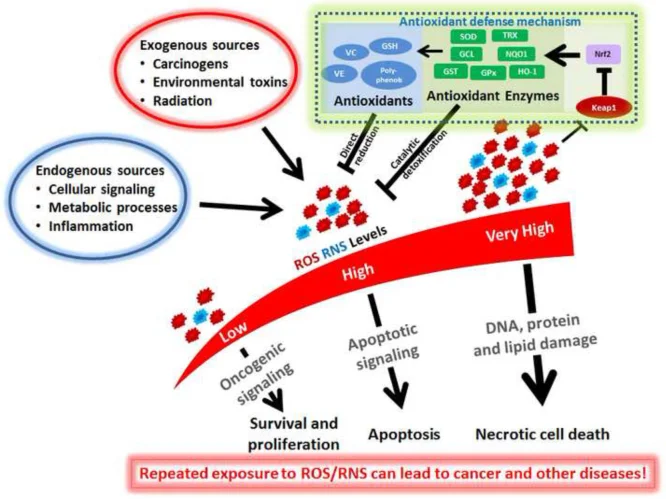
First of all, mice that don't express NRF2 are more prone to develop cancer in response to chemical and physical stimuli. R
Although, NRF2 over-activation (or KEAP1 inactivation) may contribute to exacerbation of cancers, especially if these pathways are broken. R R
One very common way to overactivate (continually) NRF2 is from smoking, and this may be one reason why we see lung cancer in cigarette smokers. R R
This is because constant NRF2 activation may cause cancerous cells not to self-destruct, where as intermittent NRF2 activation may prevent cancerous cells from toxin induction. R
Also, since NRF2 overactivation increases antioxidant capacity beyond redox homeostasis, this promotes cell division and produces an abnormal pattern of DNA and histone methylation. R
This also makes chemotherapy and radiotherapy less effective against cancer. R R
So, inhibiting NRF2 (with things like DIM, Luteolin, Zi Cao, or salinomycin) would be best for those with cancer, but I wouldn't about NRF2 specifically causing cancer. R R R R
Having nutrient deficiencies actually upregulate a lot of genes such as NRF2 so this may be one way how deficiencies lead to tumors.
Liver
NRF2 overexpression may block insulin-like growth factor 1 (IGF-1) in the liver, which is necessary for regeneration of the liver. R
Heart
While acute expression is beneficial, overexpression of NRF2 may produce long term detrimental effects on the heart, such as cardiomyopathy. R R R
NRF2 expression can be increased by high levels of cholesterol (via activation of HO-1) and so that may be one reason for why chronic high levels of cholesterol may cause problems with the vascular system. R
Vitligo
NRF2 overexpression may inhibit the ability to repigment in vitiligo, as it may block Tyrosinase (TYR) activity, which is necessary for repigmentation (via melaninogensis). R
This may one reason as to why people with vitiligo don't seem to activate NRF2 as efficiently. R
What Decreases NRF2?
Decreasing NRF2 expression is better for those with cancer. R
Diet, Supplements, And Common Drugs:
Luteolin (Celery, green pepper, parsley, perilla leaf, and chamomile tea - higher doses may increase NRF2 - 40 mg/kg luteolin three times per week ) RR
N-Acetyl-L-Cysteine (NAC, by blocking the oxidative response, esp at high doses) R R
Orange Peel (have polymethoxylated flavonoids) R
Quercetin (higher doses may increase NRF2 - 50 mg/kg/d quercetin) R R
Salinomycin (drug) R
Pathways And Other:
Bach1 R
BET R
Camptothecin R
DNMT R
DPP-23 R
EZH2 R
Glucocorticoid Receptor signaling (Dexamethasone and Betamethasone as well) R
GSK-3β (regulatory feedback) R
HDAC activation? R
Halofuginone R
Homocysteine (ALCAR can reverse this homocysteine induce low levels of NRF2) R R
IL-24 R
Keap1 R
MDA-7 R
NFκB R
Ochratoxin A(aspergillus and pencicllium species) R
Promyelocytic leukemia protein R
p38 R
p97R
Retinoic acid receptor alpha R
Selenite R
SYVN1 (Hrd1) R
Testosterone (and Testosterone propionate, although TP intranasally may increase NRF2) R R R
Trecator (Ethionamide) R
Trx1 (via reduction of Cys151 in Keap1 or of Cys506 in the NLS region of Nrf2) R R
Trolox R
Vorinostat R
Zinc Deficiency (makes it worse in the brain) R
Caveats
The data on supplementation vs whole foods for NRF2 is not clear as of 2017 and it clearly needs more research with more clinical trials.
It seems that low doses may be better for some of the activators above, whereas high amounts may inhibit NRF2. R
But also, some studies show you have to take 14–23 g each of turmeric, rosemary, and thyme, which is clearly not practical for clinical application, as well as 140–233 g each of coffee, red onion, and broccoli to get the clinical effects. R
So it is probably best to experiment and incorporate with both eating and supplementation. R
If you are Th2 dominant, NRF2 activation may not be the best for you, as NRF2 increases Th2 cytokines. R
NRF2 upregulates the usage of folate and glutamine, so it may be a good idea to supplement those as well. R
Mechanism Of Action
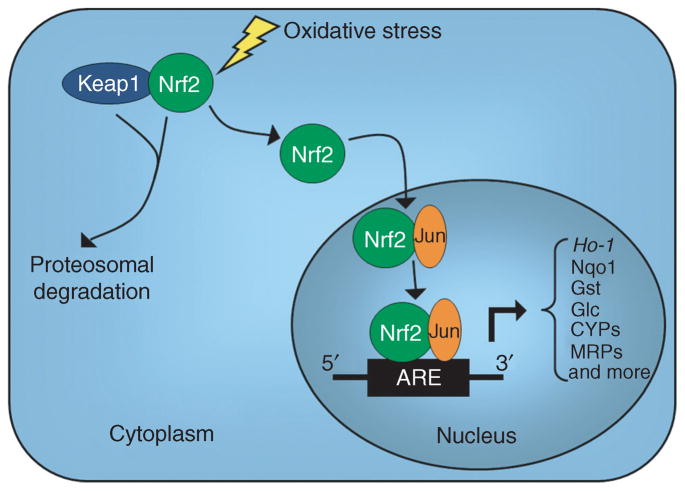
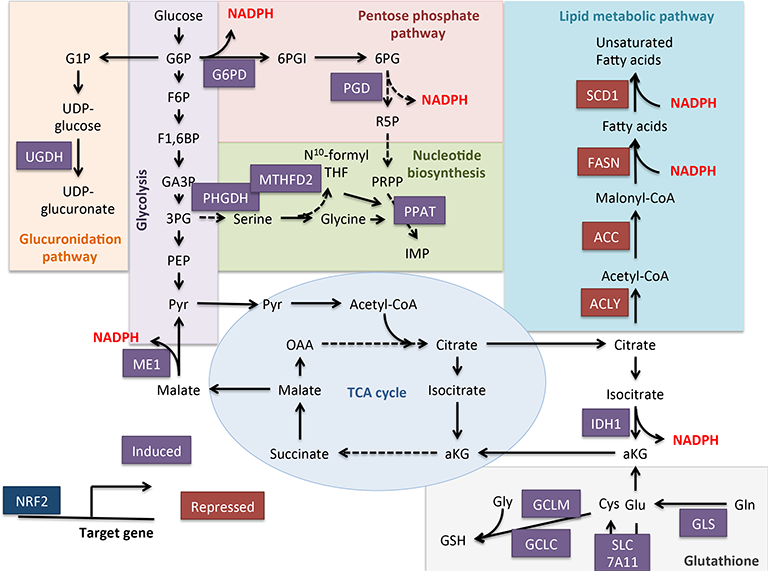
Basically: Oxidative stress cleaves (via CUL3) the NRF2 ball (not dissociated) from KEAP1 (negative inhibitor), which NRF2 then goes into the nucleus of the cells stimulating transcription of the AREs (ie turning sulfides -> disulfides) turning on more antioxidant genes resulting in upregulation of antioxidants (such as GSH, GPX, GST, SOD, etc see more right below).
Simple:
Increases AKR R
Increases ARE R
Increases ATF4 R
Increases Bcl-xL R
Increases Bcl-2 R
Increases BRCA1 R
Increases c-Jun R
Increases CAT R
Increases cGMP R
Increases CKIP-1 R
Increases CYP450 R
Increases Cul3 R
Increases GCL R
Increases GCLC R
Increases GCLM R
Increases GCS R
Increases GPx R
Increases GR R
Increases GSH R
Increases GST R
Increases HIF1 R
Increases HO-1R
Increases HQO1 R
Increases HSP70 R
Increases IL-5 R
Increases IL-10 R
Increases K6 R
Increases K16 R
Increases K17 R
Increases mEH R
Increases NADPH R
Increases Notch 1 R
Increases NQO1 R
Increases PPAR-alpha R
Increases p62 R
Increases Sesn2 R
Increases Slco1b2R
Increases sMafs R
Increases SOD R
Increases Trx R
Increases Txn(d) R
Increases UGT1(A1/6) R
Increases VEGF R
Reduces alpha-SMA R
Reduces ALT R
Reduces AP1 R
Reduces AST R
Reduces Bach1 R
Reduces COX-2 R
Reduces DNMT R
Reduces FASN R
Reduces FGF R
Reduces HDAC R
Reduces IFN-γ R
Reduces IgE R
Reduces IGF-1 R
Reduces IL-1b R
Reduces IL-2 R
Reduces IL-6 R
Reduces IL-25 R
Reduces IL-33 R
Reduces iNOS R
Reduces LT R
Reduces Keap1 R
Reduces MCP-1 R
Reduces MIP-2 R
Reduces MMP-1 R
Reduces MMP-2 R
Reduces MMP-3 R
Reduces NfkB R
Reduces NO R
Reduces SIRT1 R
Reduces TNF-alpha R
Reduces Tyr R
Reduces VCAM-1 R
Advanced:
Encoded by the NFE2L2 gene, NRF2 (Nuclear Erythroid 2–Related Factor 2), is a transcription factor in the basic leucine zipper (bZIP) superfamily with a Cap‘n’Collar (CNC) structure. R
It induces detoxification enzymes, biotransformation enzymes, and xenobiotic efflux transporters. R
It's a crucial regulator in the induction of the phase II antioxidant and detoxification enzyme genes, which protect cells from damage resulting from oxidative and electrophilic attack. R R
During homeostatic conditions Nrf2 is sequestered in the cytosol via physical attachment of the N-terminal domain of Nrf2 to it's negative regulator, Kelch-like ECH-associated protein 1 (Keap1, also called INrf2 or Inhibitor of Nrf2), thereby causing inhibition of Nrf2 activity. R
It can also be regulated by mammalian selenoprotein thioredoxin reductase 1 (TrxR1), which acts as a negative regulator. R
Upon exposure to oxidative or electrophilic stress, Nrf2 dissociates from Keap1, translocates to the nucleus, and heterodimerizes with an array of transcriptional regulatory protein. R
Common interactions include those with transcription regulators Jun and Fos, which are members of the activator protein 1 family of transcription factors.
Following dimerization, these complexes then bind to antioxidant/electrophile responsive elements (ARE/EpRE) and either activate transcription, as is the case with the Jun–Nrf2 complex, or suppress transcription, as with the Fos–Nrf2 complex. R R
The location of the ARE that is activated or inhibited will determine which genes are transcriptionally regulated by these factors. R
Once ARE is activated:
Activation of the synthesis of antioxidants able to detoxify an excess of ROS such as catalase, superoxide-dismutase (SOD), GSH-peroxidases, GSH-reductase, GSH-transferase, NADPH-quinone oxidoreductase (NQO1), Cytochrome P450 monooxygenase system, thioredoxin and thioredoxin reductase and HSP70. R
Activation of the GSH synthase allows a marked increase of the GSH intracellular level, which is very protective. R
The enhancement of the synthesis and levels of phase II enzymes such as UDP-glucuronosyltransferase, N-acetyltransferases and sulfotransferases. R
The upregulation of HO-1 which is a very protective enzyme with a possible increase of CO which in combination with NO allows vasodilation of ischemic tissues. R
Reduction of iron overload via elevated ferritin and bilirubin as a lipophilic antioxidant. Both the II phase proteins and the antioxidants are capable to correct the chronic oxidative stress and to restore a no rmal redox system. R
GSK3β under the control of AKT and PI3K, phosphorylates Fyn leading to Fyn nuclear localization, which then Fyn phosphorylates Nrf2Y568 resulting in nuclear export and degradation of Nrf2. R
NRF2 also dampens the TH1/TH17 response and enhances the TH2 response. R R R
HDAC inhibitors activated the Nrf2 signaling pathway and up-regulated the Nrf2 downstream targets HO-1, NQO1, and glutamate-cysteine ligase catalytic subunit (GCLC) by suppressing Keap1 and promoting dissociation of Keap1 from Nrf2, Nrf2 nuclear translocation, and Nrf2-ARE binding. R
Nrf2 has a half-life of approximately 20 min under basal conditions. R
Reducing the IKKβ pool via Keap1 binding reduces IκBα degradation and may be the elusive mechanism by which Nrf2 activation is known to inhibit NFκB activation. R
Keap1 doesn't always need to be downregulated for NRF2 to work, for example chlorophyllin, blueberry, ellagic acid, astaxanthin, and tea polyphenols can increase NRF2 and KEAP1 (400%). R
Nrf2 regulates negatively the expression of stearoyl CoA desaturase (SCD) and citrate lyase (CL). R
Genetics
KEAP1
rs1048290
C allele - showed a significant risk for and a protective effect against drug resistant epilepsy (DRE) R
rs11085735 (I'm AC)
associated with rate of decline of lung function in the LHS R
MAPT
rs242561
T allele - protective allele for Parkinsonian disorders - had stronger NRF2/sMAF binding and was associated with the higher MAPT mRNA levels in 3 different regions in brain, including cerebellar cortex (CRBL), temporal cortex (TCTX), intralobular white matter (WHMT) R
NFE2L2 (NRF2)
rs10183914 (I'm CT)
T allele - increased levels of Nrf2 protein and delayed age of onset of Parkinson's by four years R
rs16865105 (I'm AC)
C allele - had higher risk of Parkinson's Disease R
rs1806649 (I'm CT)
C allele - has been identified and may be relevant for breast cancer etiology. R
associated with increased risk of hospital admissions during periods of high PM10 levels R
rs1962142 (I'm GG)
T allele - was associated with a low level of cytoplasmic NRF2 expression (P = 0.036) and negative sulfiredoxin expression (P = 0.042) R
A allele - protected from forearm blood flow (FEV) decline (forced expiratory volume in one second) in relation to cigarette smoking status (p = 0.004) R
rs2001350 (I'm TT)
T allele - protected from FEV decline (forced expiratory volume in one second) in relation to cigarette smoking status (p = 0.004) R
rs2364722 (I'm AA)
A allele - protected from FEV decline (forced expiratory volume in one second) in relation to cigarette smoking status (p = 0.004) R
rs2364723
C allele - associated with significantly reduced FEV in Japanese smokers with lung cancer R
rs2706110
G allele - showed a significant risk for and a protective effect against drug resistant epilepsy (DRE) R
AA alleles - showed significantly reduced KEAP1 expression R
AA alleles - was associated with an increased risk of breast cancer (P = 0.011) R
rs2886161 (I'm TT)
T allele - associated with Parkinson's Disease R
rs2886162
A allele - was associated with low NRF2 expression (P = 0.011; OR, 1.988; CI, 1.162–3.400) and the AA genotype was associated with a worse survival (P = 0.032; HR, 1.687; CI, 1.047–2.748) R
rs35652124 (I'm TT)
A allele - associated with higher associated with age at onset for Parkinson's Disease vs G allele R
C allele - had increase NRF2 protein R
T allele - had less NRF2 protein and greater risk of heart disease and blood pressure R
rs6706649 (I'm CC)
C allele - had lower NRF2 protein and increase risk for Parkinson's Disease R
rs6721961 (I'm GG)
T allele - had lower NRF2 protein R
TT alleles - association between cigarette smoking in heavy smokers and a decrease in semen quality R
TT allele - was associated with increased risk of breast cancer [P = 0.008; OR, 4.656; confidence interval (CI), 1.350–16.063] and the T allele was associated with a low extent of NRF2 protein expression (P = 0.0003; OR, 2.420; CI, 1.491–3.926) and negative SRXN1 expression (P = 0.047; OR, 1.867; CI = 1.002–3.478) R
T allele - allele was also nominally associated with ALI-related 28-day mortality following systemic inflammatory response syndrome R
T allele - protected from FEV decline (forced expiratory volume in one second) in relation to cigarette smoking status (p = 0.004) R
G allele - associated with increased risk of ALI following major trauma in European and African-Americans (odds ratio, OR 6.44; 95% confidence interval R
AA alleles - associated with infection-induced asthma R
AA alleles - exhibited significantly diminished NRF2 gene expression and, consequently, an increased risk of lung cancer, especially those who had ever smoked R
AA alleles - had a significantly higher risk for developing T2DM (OR 1.77; 95% CI 1.26, 2.49; p = 0.011) relative to those with the CC genotype R
AA alleles - strong association between wound repair and late toxicities of radiation (associated with a significantly higher risk for developing late effects in African-Americans with a trend in Caucasians) R
associated with oral estrogen therapy and risk of venous thromboembolism in postmenopausal women R
rs6726395 (I'm AG)
A allele - protected from FEV1 decline (forced expiratory volume in one second) in relation to cigarette smoking status (p = 0.004) R
A allele - associated with significantly reduced FEV1 in Japanese smokers with lung cancer R
GG alleles - had higher NRF2 levels and decreased risk of macular degeneration R
GG alleles - had higher survival with Cholangiocarcinoma R
rs7557529 (I'm CT)
C allele - associated with Parkinson's Disease R
More Research
Aldo-keto reductases (ADR) are biomarkers of NRF2 activity and should be used to screen for cancer. R
Jacob Gordon
INHC, FMT-C
Integrative Nutrition Health Coach
I cover mold illness, post-viral recovery, methylation, and complex chronic disease, drawing on ten years of clinical research, work inside a functional medicine clinic, and my own recovery from all of it. Every claim here is cited.
Book a ConsultationRelated Protocols & Supplements
Deep-dive chapters and recommended supplements for this topic
Electrolyte Complex
1 scoop/day
CoQ10
200mg/day
Magnesium Glycinate
400mg at bedtime