All The Different Strains Of Bifidobacteria: A Complete Guide To The Species That Rebuild The Gut
By Jacob Gordon, INHC, FMT-CThis article contains affiliate links. As an Amazon Associate, MyBioHack earns from qualifying purchases at no extra cost to you. We only link products we research and stand behind.
Bifidobacteria are a core commensal genus of the human gut that collapses with age, antibiotics, and a Western diet, and their loss is implicated in nearly every chronic inflammatory condition.
In this post, we will discuss what Bifidobacteria are, the major species and their clinical roles, how they metabolize food, how to increase them naturally, what suppresses them, and how to test them.
What Bifidobacteria Are
Bifidobacterium is a genus of gram-positive, non-motile, non-spore-forming, strict anaerobes in the phylum Actinobacteria. R
The name comes from the Latin bifidus, referring to the characteristic Y-shaped or branched rod morphology many species display under stress or nutrient limitation. R
They were first isolated from the stool of breastfed infants by Henry Tissier at the Pasteur Institute in 1899, who called them Bacillus bifidus communis. R
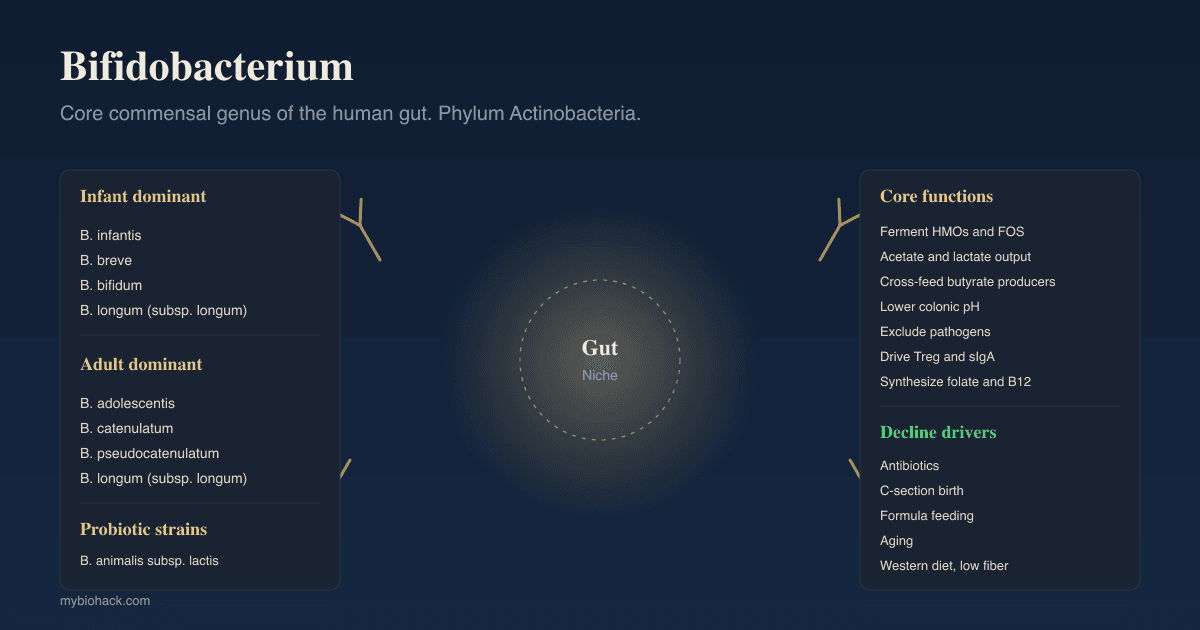
Over 80 species and subspecies have now been validly described, but only about a dozen regularly colonize the human gut at detectable levels. R
They are one of the earliest colonizers of the newborn gut, can account for up to 80 to 90% of all fecal bacteria in breastfed infants, and then progressively decline with age until they make up only a few percent of the adult microbiome. R
In centenarians, Bifidobacterium levels often drop below detection limits, a pattern that correlates with inflammaging and immune senescence. R
A high-G+C genome (55 to 67 mol%), characteristic branched rod morphology, and the presence of fructose-6-phosphate phosphoketolase (F6PPK) are the defining traits of the genus. R
Why Bifidobacteria Matter
Bifidobacteria are not just passive residents.
They perform specific metabolic and immune work that no other genus reproduces at the same scale in humans.
What Bifidobacteria do for you: (not exclusive list)
- Cross-feed butyrate producers (acetate and lactate output from Bifidobacteria is converted to butyrate by Faecalibacterium prausnitzii, Roseburia, and Eubacterium species, which fuels colonocytes) R
- Drive regulatory T cell differentiation (specific strains induce Tregs and raise sIgA in the gut mucosa) R
- Exclude pathogens (by lowering colonic pH, producing bacteriocins, and competing for mucin adhesion sites) R
- Ferment otherwise indigestible carbohydrates (particularly Human Milk Oligosaccharides (HMOs), fructooligosaccharides (FOS), galactooligosaccharides (GOS), inulin, and resistant starch) R
- Lower colonic pH (acetate and lactate production drops pH to inhibit pathogens like E. coli and Clostridium) R
- Modulate the vagus nerve (certain strains like B. longum NCC3001 reduce anxiety and depression scores through vagal afferent signaling) R
- Protect the mucus layer (support MUC2 expression and reduce LPS translocation) R
- Synthesize B vitamins (folate, riboflavin, thiamine, and cobalamin depending on species) R R
This is why Bifidobacterium depletion shows up as a biomarker in inflammatory bowel disease, colorectal cancer, allergy, obesity, diabetes, depression, and autism spectrum disorder. R
The Major Bifidobacterium Species
The species below are the ones actually relevant to human health.
Dozens more exist but colonize animals or insects.
I have kept them alphabetical.
Bifidobacterium adolescentis
B. adolescentis becomes dominant during the weaning transition and is one of the most abundant Bifidobacterium species in the adult human gut. R
It specializes in fermenting complex plant polysaccharides, resistant starch, and xylan, rather than HMOs. R
Certain strains produce gamma-aminobutyric acid (GABA) via glutamate decarboxylase, which is one mechanism by which this species contributes to the gut-brain axis. R
Depletion of B. adolescentis is consistently observed in irritable bowel syndrome, inflammatory bowel disease, and type 2 diabetes. R
It is a strong resistant-starch utilizer and is one of the few Bifidobacterium species that ferments RS1, RS2, and RS3 starches efficiently. R
Bifidobacterium animalis (subsp. animalis and subsp. lactis)
B. animalis subsp. lactis is the single most commercially used Bifidobacterium probiotic in the world, found in yogurts, supplements, and infant formulas under strain names like BB-12, Bi-07, HN019, and DN-173 010. R
It is notable for exceptional bile salt tolerance, oxygen tolerance (for an anaerobe), acid stability in capsules, and survival through the stomach. R
These survival traits are why it is the go-to commercial species even though it is not a dominant native resident of the human gut.
BB-12 is the best-studied strain, with over 300 clinical trials and demonstrated benefits in constipation, antibiotic-associated diarrhea, respiratory infection reduction in infants, and general immune modulation. R
Subsp. animalis is primarily isolated from animal hosts and is less clinically relevant in humans.
Bifidobacterium bifidum
B. bifidum is a classical infant-gut dominant species and one of the first named in the genus. R
It has a unique extracellular enzymatic apparatus for degrading host-derived mucin glycans (including Type 1 HMOs), which most other bifidobacteria cannot do. R
That means B. bifidum makes its living off what the host secretes, rather than competing directly for dietary carbohydrate with the rest of the microbiome.
It strongly stimulates intestinal IgA production and maintains tight junction integrity. R
Depletion is associated with dysbiosis and intestinal barrier failure in both infants and adults.
Bifidobacterium breve
B. breve is another infant-dominant species that persists at lower abundance into adulthood. R
It is one of the most versatile Bifidobacteria in terms of carbohydrate utilization, efficiently fermenting HMOs, plant polysaccharides, and resistant starches. R
The strain B. breve M-16V has been used for decades in Japan in preterm infants and has good evidence for reducing necrotizing enterocolitis risk and atopic eczema when given to high-risk infants. R
B. breve also reduces colitis severity in animal models via IL-10 production. R
Several strains are strong producers of short-chain fatty acids.
Bifidobacterium catenulatum and Bifidobacterium pseudocatenulatum
B. catenulatum and the closely related B. pseudocatenulatum are found primarily in adult guts and are often grouped as the B. catenulatum group due to high genetic similarity. R
B. pseudocatenulatum has been linked to protective effects in NAFLD, obesity, and metabolic syndrome in animal and limited human trials. R
B. catenulatum depletion is associated with childhood asthma and allergic disease, suggesting a role in immune tolerance establishment. R
Both species efficiently ferment inulin and FOS and are responsive to prebiotic supplementation in adults.
Bifidobacterium dentium
B. dentium is the exception in this genus.
It is an oral cavity commensal that is associated with dental caries and is not considered a beneficial gut species. R
It tolerates acid more than most bifidobacteria and survives the low pH of carious lesions, which is why its detection on a gut stool panel is a minor red flag rather than a sign of a healthy microbiome.
Commercial probiotic formulations avoid B. dentium for this reason.
Bifidobacterium longum subsp. infantis (B. infantis)
B. longum subsp. infantis is the single most specialized HMO utilizer on earth. R
Its genome contains a dedicated 43-kb HMO utilization cluster encoding transporters and intracellular glycosidases that import intact HMOs into the cell and digest them internally. R
No other human-gut Bifidobacterium can do this with the same efficiency, which is why B. infantis dominates the breastfed infant gut in populations where it is still culturally transmitted. R
Supplementation with B. infantis EVC001 in preterm and term breastfed infants raises fecal acetate, lowers fecal pH, reduces Enterobacteriaceae, improves intestinal barrier integrity, and reduces the risk of necrotizing enterocolitis. R
In adults, B. infantis 35624 (the strain in Align) has been shown to reduce symptoms of irritable bowel syndrome and lower systemic pro-inflammatory cytokines. R
Modern C-section birth, antibiotic exposure, and formula feeding have decimated B. infantis carriage in Western populations, which many researchers now think is a root cause of the pediatric allergic disease explosion. R
Bifidobacterium longum subsp. longum
B. longum subsp. longum is the species that most successfully colonizes both infants and adults, and it is the most frequently isolated Bifidobacterium in Western adult populations. R
Its genome is unusually large for the genus (around 2.4 Mb) and contains the broadest carbohydrate utilization repertoire, which is why it adapts across life stages. R
The strain B. longum BB536 is one of the most clinically studied probiotics globally, with documented effects on allergic rhinitis, influenza defense in the elderly, ulcerative colitis, and lipid profiles. R
The strain B. longum NCC3001 was the first probiotic shown in a randomized controlled trial to reduce depression scores and amygdala activity on fMRI in IBS patients. R
Other clinically studied strains include B. longum 1714 (cognitive effects) and B. longum R0175 (psychobiotic formulations).
Bifidobacterium pseudolongum
B. pseudolongum is more common in the animal gut but does appear in a subset of humans. R
It has been implicated in TMAO metabolism and secondary bile acid production, giving it a more ambiguous role than the clearly beneficial species above.
Commercial probiotic products rarely include it.
How Bifidobacteria Metabolize Food
All Bifidobacteria share a metabolic pathway that no other gut genus uses.
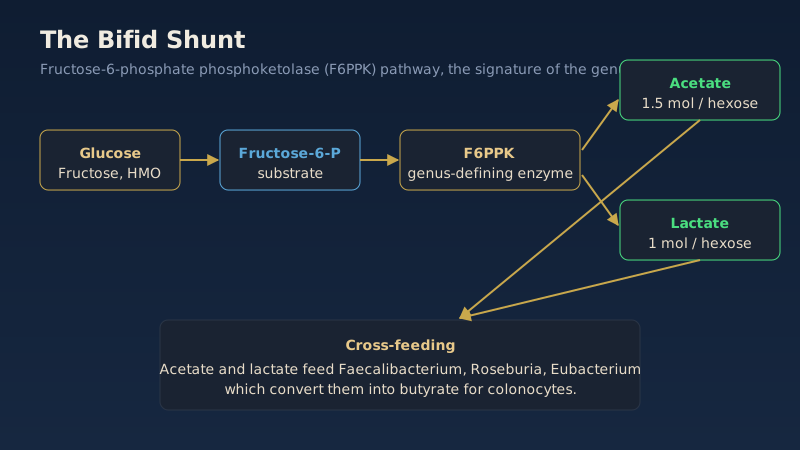
It is called the bifid shunt and it centers on the enzyme fructose-6-phosphate phosphoketolase (F6PPK, encoded by the xfp gene). R
F6PPK cleaves fructose-6-phosphate into erythrose-4-phosphate and acetyl phosphate, which feeds acetate production.
Two molecules of hexose yield three acetates and two lactates at a theoretical 3:2 stoichiometric ratio, which is substantially more ATP and more acetate per sugar than glycolysis alone.
This gives Bifidobacteria a competitive edge in the infant colon where fermentable carbohydrate is the limiting resource. R
The acetate produced by Bifidobacteria is then cross-fed to butyrate producers (Faecalibacterium prausnitzii, Roseburia species, Eubacterium rectale), which convert it into butyrate. R
This cross-feeding loop is why low Bifidobacteria and low butyrate track together in nearly every gut disease.
Key Bifidobacterial substrates: (not exclusive list)
- Arabinoxylans (wheat and rye bran, cereal fibers)
- Fructooligosaccharides (FOS) (onion, garlic, chicory, Jerusalem artichoke)
- Galactooligosaccharides (GOS) (commercial supplements, some fermented dairy) R
- Human Milk Oligosaccharides (HMOs) (breast milk; B. infantis is the specialist) R
- Inulin (chicory root, Jerusalem artichoke, dandelion root)
- Lactose and lactosucrose (dairy and derivative sugars) R
- Mucin glycans (host-secreted; B. bifidum specializes in these) R
- Resistant starch (RS1, RS2, RS3; B. adolescentis is the specialist) R
- Xylooligosaccharides (XOS) (corn cob, bamboo shoot, produced commercially)
Bifidobacteria And Overlapping Conditions
Infant Gut Dysbiosis And Allergic Disease
Western infants now commonly show an early-life Bifidobacterium deficit driven by a combination of C-section delivery, intrapartum antibiotic exposure, formula feeding, and environmental hygiene. R
This deficit directly precedes the onset of allergic sensitization, atopic eczema, asthma, and food allergy in the first three years of life. R
Restoration of B. infantis by EVC001 supplementation in breastfed infants restores the normal Bifidobacterium-dominated gut and is associated with reduced allergic sensitization markers. R
Inflammatory Bowel Disease
Ulcerative colitis and Crohn's disease both show consistent depletion of Bifidobacteria compared to healthy controls. R
The loss is mechanistically linked to reduced butyrate availability via the cross-feeding loop, which impairs colonocyte energy metabolism and the intestinal barrier.
B. breve, B. bifidum, and B. longum strains can reduce disease activity in ulcerative colitis in multiple RCTs. R
Irritable Bowel Syndrome
B. infantis 35624 reduced global IBS symptoms and pro-inflammatory cytokine profiles in a landmark trial published in Gastroenterology. R
Multiple follow-up trials across B. longum, B. breve, and multi-strain formulations show reproducible benefit.
Depression, Anxiety, And The Gut-Brain Axis
B. longum NCC3001 reduced depression scores and altered amygdala reactivity on fMRI in IBS patients with co-morbid anxiety or depression. R
B. adolescentis strains that produce GABA may contribute to anxiolytic effects through vagal afferent signaling, although the human evidence is still thin.
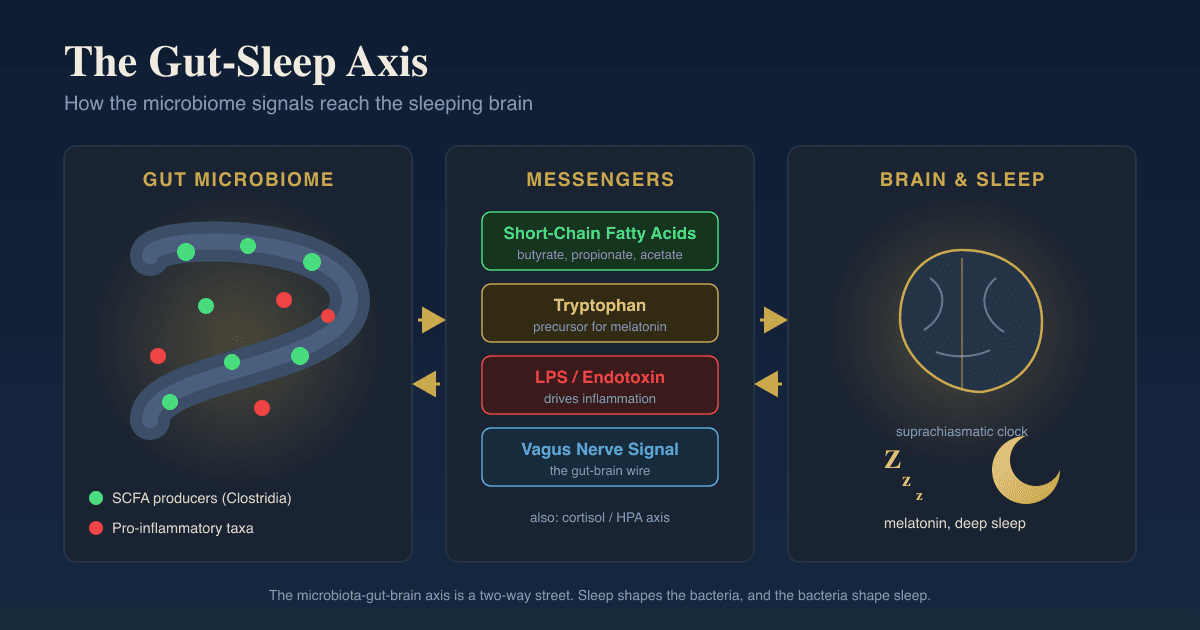
See the full gut-brain axis series for the mechanistic framework.
Histamine Intolerance And Mast Cell Activation
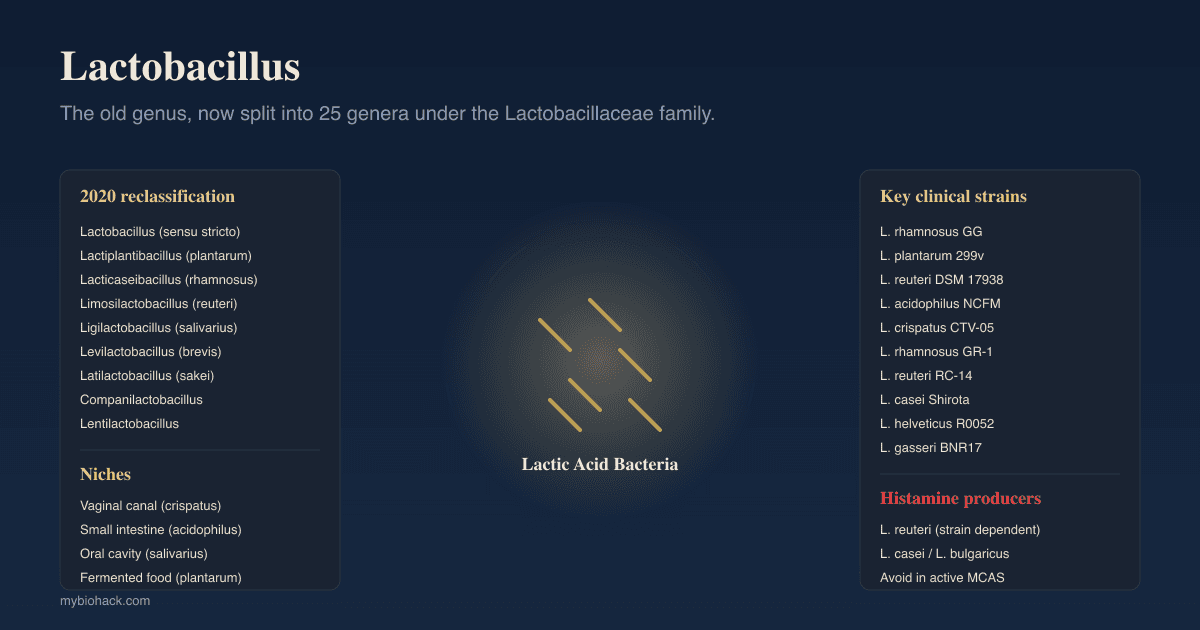
Bifidobacteria are generally considered histamine-safe genera, unlike Lactobacillus casei, L. bulgaricus, and L. reuteri, which produce histamine from histidine.
In histamine intolerance and mast cell activation syndrome, B. infantis, B. longum, and B. lactis are among the most commonly tolerated probiotic species.
There is a big MAYBE here on B. breve, which has been reported as both histamine-neutral and occasionally histamine-promoting depending on strain.
Start low with any Bifidobacteria if MCAS is active.
Obesity And Metabolic Disease
Higher fecal Bifidobacterium abundance is consistently associated with leaner body composition, better insulin sensitivity, and lower postprandial endotoxemia in observational studies. R
B. pseudocatenulatum supplementation has shown metabolic benefit in NAFLD animal models. R
Aging And Immunosenescence
Bifidobacterium abundance declines progressively with age and drops to near-zero in centenarians. R
The decline parallels chronic low-grade inflammation (inflammaging), Treg deficit, and immunosenescence, suggesting the loss is not merely a marker but an active contributor.
How To Increase Bifidobacteria
1. Feed Them With Targeted Fiber
Bifidobacteria are the most bifidogenic-responsive genus in the human gut.
Feeding them the right substrates will expand them within days in a responsive colon.
Inulin is the classic bifidogenic fiber, reproducibly increasing total Bifidobacteria abundance by 2- to 10-fold at 5 to 20g per day in human trials. R
Start low (2 to 3g per day) because inulin is also highly fermentable by other gas-producing microbes.
Scale to tolerance.
Galactooligosaccharides (GOS) are derived from lactose and have been shown to selectively boost Bifidobacteria even more consistently than inulin, particularly in older adults. R
GOS is generally better tolerated than inulin in patients with SIBO or dysbiosis.
FOS (fructooligosaccharides) is similar to inulin but with shorter chain length, and is found naturally in onion, garlic, Jerusalem artichoke, and chicory root.
Partially Hydrolyzed Guar Gum (PHGG) is a slow-fermenting prebiotic that boosts Bifidobacteria with less gas and bloating, which is why it is popular in SIBO protocols.
Raw Potato Starch (a source of RS2 resistant starch) feeds B. adolescentis and cross-feeds butyrate producers.
Start at 1 teaspoon per day and build.
Lactulose is a disaccharide laxative that is also a potent bifidogenic prebiotic at sub-laxative doses.
It is prescription-only in some countries.
2. Supplement With Targeted Bifidobacteria Strains
Not all probiotics are equal.
Match the strain to the goal.
B. infantis EVC001 (Evivo) is the strain of choice for infants and anyone attempting to restore the infant-type microbiome.
B. infantis 35624 (sold as Align) is the best-studied adult IBS strain.
B. longum BB536 (Morinaga) is the most generally studied Bifidobacterium probiotic for respiratory defense, allergic rhinitis, ulcerative colitis, and general immune support.
B. lactis BB-12 is the most survivable, shelf-stable strain and is the default in multi-strain consumer probiotics.
B. longum 1714 (in some psychobiotic products) and B. longum NCC3001 are options for gut-brain axis and mood.
Look for products that disclose the specific strain designation (letters and numbers after the species name).
Generic "B. longum" without a strain code is not meaningful evidence.
3. Add Polyphenols
Polyphenols are bifidogenic beyond what their caloric content would suggest.
Polyphenol-rich foods that boost Bifidobacteria: (not exclusive list)
- Blueberries and wild berries (anthocyanins) R
- Cocoa and dark chocolate (flavanols)
- Cruciferous vegetables (broccoli, kale, brussels sprouts)
- Green tea (EGCG)
- Pomegranate
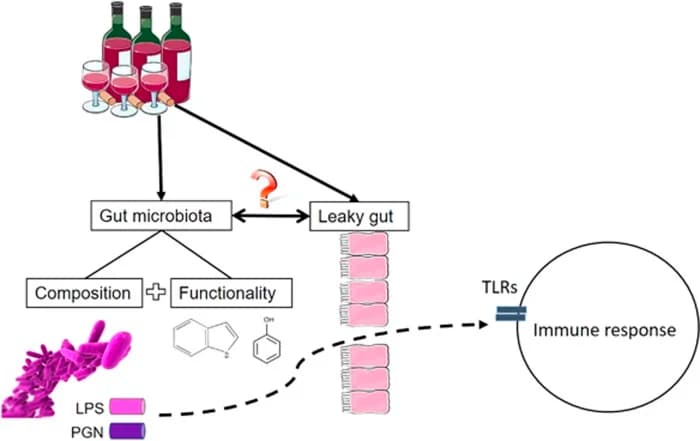
- Red wine and red grape skin
Polyphenols are poorly absorbed in the small intestine and reach the colon intact, where Bifidobacteria and Lactobacilli are among the primary metabolizers. R
4. Increase Breast Milk HMOs (For Infants) Or HMO Supplements (For Adults)
Pure 2'-fucosyllactose (2'-FL) and lacto-N-neotetraose (LNnT) are now available as adult dietary supplements and have shown growth of B. longum and B. adolescentis in adult human trials.
2'-Fucosyllactose (2'-FL) Powder is the most abundant HMO in human milk and the most commonly supplemented.
5. Reduce Bifidobacteria Killers
See the next section for what to stay away from.
What To Stay Away From
- Antibiotics (broad-spectrum) (amoxicillin, clindamycin, clarithromycin, ciprofloxacin, and most beta-lactams collapse Bifidobacteria for weeks to years) R
- Artificial sweeteners (sucralose shifts fecal microbiota in rodents with reductions in Bifidobacteria; aspartame and saccharin have similar signals) R
- Chlorinated drinking water (chlorine and chloramines lower Bifidobacterial viability in oral and colonic exposure)
- Dietary emulsifiers (carboxymethylcellulose, polysorbate-80 thin the mucus layer and reduce Bifidobacteria while promoting pro-inflammatory bacteria) R
- Formula feeding without HMO or synbiotic supplementation (formula-fed infants have 10- to 100-fold lower Bifidobacteria than breastfed infants) R
- Glyphosate residues (suppress beneficial bacteria including Bifidobacteria while sparing Clostridia and Salmonella)
- Low-fiber Western diet (starves Bifidobacteria of their substrate and drives a mucin-degrading shift)
- Proton pump inhibitors (alter upper GI bacterial survival and have been linked to Bifidobacterium reductions in multiple human cohort studies)
- Refined sugar (feeds fast-growing Firmicutes and fungi at the expense of polysaccharide-dependent Bifidobacteria)
Testing
Bifidobacteria are an anaerobic genus and die rapidly on exposure to air, which makes culture-based testing unreliable.
DNA-based (qPCR, 16S rRNA sequencing, metagenomic) methods are the current standard.
Functional Lab Panels
I use the Gut Zoomer (Vibrant Wellness) to assess Bifidobacterium abundance alongside Lactobacillus, Akkermansia, and Faecalibacterium, plus SIBO markers, zonulin (permeability), beta-glucuronidase, and secretory IgA.
This is the test that lets you actually see whether a protocol is moving the Bifidobacteria.
The GI-MAP (Diagnostic Solutions) is a PCR-based alternative with strong pathogen detection, and includes Bifidobacterium at the genus level.
The Comprehensive Stool Analysis + Parasitology (Doctor's Data) reports Bifidobacterium along with other commensals and is useful when a broader digestive function and inflammation panel is needed.
Functional Urine Panels
The Organic Acids Test (Mosaic Diagnostics) reflects overall microbial metabolism indirectly and can reveal SIBO, yeast overgrowth, and bacterial dysbiosis markers that complement direct stool testing.
Ancillary Blood Markers
The Hepatic Function Panel (Quest Diagnostics) and Comprehensive Metabolic Panel (Quest Diagnostics) provide a baseline for the gut-liver axis.
The Homocysteine + B12 + Folate (Quest Diagnostics) is relevant because Bifidobacteria synthesize folate and B12, and depletion can manifest as low folate or elevated homocysteine.
Food Sensitivity And Inflammation
The Food Zoomer (Vibrant Wellness) can identify food sensitivities that drive Bifidobacteria-suppressing inflammation.
Mechanisms Of Action
Simple:
- Bifidobacteria ferment fibers and oligosaccharides into acetate and lactate that lower colonic pH and feed butyrate producers.
- Butyrate from that cross-feeding loop fuels colonocytes and strengthens the intestinal barrier.
- Specific strains train regulatory T cells and raise sIgA in the mucus layer.
- Specific strains talk to the brain through the vagus nerve.
- Without them, pathogens have room to grow, the barrier weakens, and inflammation rises.
Advanced:
- Bifid shunt (F6PPK pathway) cleaves fructose-6-phosphate into erythrose-4-phosphate and acetyl phosphate, producing 3 acetates and 2 lactates per 2 hexoses, which is a higher ATP yield and higher acetate output than standard glycolysis. R
- HMO utilization in B. infantis is encoded by a 43-kb genomic island with dedicated ABC-family transporters and intracellular glycosyl hydrolases (fucosidases, sialidases, beta-galactosidases). This import-then-digest strategy is unique and prevents competing species from stealing monosaccharide intermediates. R
- Cross-feeding occurs because Bifidobacteria lack the butyryl-CoA:acetate CoA-transferase needed to make butyrate directly. They release acetate into the lumen, where Faecalibacterium prausnitzii, Roseburia, and Eubacterium rectale take it up and convert it into butyrate, which is then the primary fuel for colonocytes. R
- Treg induction by specific Bifidobacteria is driven by surface-layer proteins, exopolysaccharides, and cell wall peptidoglycan fragments that signal through C-type lectin receptors and TLR2 on intestinal dendritic cells, biasing them toward IL-10 and TGF-beta secretion. R
- Vagal signaling by B. longum NCC3001 has been mapped to vagal afferent terminals in the intestinal mucosa, with abdominal vagotomy abolishing the anxiolytic effect in rodents. R
- Bile salt hydrolase (BSH) activity varies across Bifidobacterial species. BSH deconjugates primary bile acids (glyco- and tauro-conjugates) into free bile acids, which then become substrates for secondary bile acid production and are signaling ligands at FXR and TGR5.
- Mucin adhesion via B. bifidum's surface-exposed alpha-L-fucosidases and mucin-binding proteins lets it physically dock to the mucus layer and degrade mucin glycans, releasing monosaccharides that feed itself and neighbors. R
- Folate biosynthesis via the de novo pterin pathway is strain-dependent. Some B. adolescentis strains produce up to 80 ng/mL folate in culture, which measurably contributes to host folate status. R
- Cobalamin (B12) production in a subset of B. animalis and B. infantis strains is driven by the cbi operon, a strain-specific trait not universal to the genus. R
- Bile tolerance in B. animalis subsp. lactis is conferred by the bile efflux pump BbbL and specific membrane lipid remodeling, which is why this species survives commercial capsule transit. R
Genetics
FUT2 (Secretor Status) and Major Population Effect
FUT2 encodes a fucosyltransferase that adds fucose to HMO precursors and mucin glycans.
About 20% of the population are FUT2 non-secretors (homozygous for loss-of-function variants), and their breast milk lacks the 2'-fucosylated HMOs that B. infantis specializes in consuming.
Non-secretor infants have significantly lower B. infantis colonization and an altered early microbiome trajectory. R
rs601338: G/A non-secretor variant in populations of European ancestry.
rs281377: additional non-secretor variant in East Asian populations.
LCT (Lactase Persistence)
Lactase persistence into adulthood is conferred by variants upstream of LCT, primarily rs4988235 in European populations.
Lactase non-persistent adults route more lactose to the colon, where Bifidobacteria ferment it, which is why modest dairy consumption can selectively feed Bifidobacteria in this population.
rs4988235: T allele confers lactase persistence.
MTHFR
MTHFR C677T and A1298C variants reduce methylation capacity and raise folate demand.
Because Bifidobacteria are folate producers, MTHFR carriers may benefit disproportionately from bifidogenic interventions, although the effect size is not yet precisely quantified.
rs1801133 (C677T) and rs1801131 (A1298C).
Host Glycosylation Genes
Beyond FUT2, host mucin O-glycosylation enzymes including GCNT3, B3GNT6, and ST3GAL family genes shape the mucin substrate available to mucin-degrading Bifidobacteria (B. bifidum) and indirectly shape colonization.
More Research
- Bifidobacteria are absent or nearly absent in the gut of most wild non-human primates, suggesting humans are an unusually Bifidobacteria-adapted host species, possibly due to our long breastfeeding and HMO-rich milk evolution. R
- B. longum subsp. suis (previously thought animal-only) has been reisolated from human infant stool, expanding the recognized host range and raising the question of how many human isolates have been taxonomically misassigned.
- B. adolescentis strains vary widely in their ability to produce GABA. Only strains carrying a functional gadB allele produce appreciable GABA, which is why results across probiotic products are inconsistent. R
- Cross-feeding of B. infantis acetate drives Faecalibacterium prausnitzii bloom in infant guts, which is a direct mechanism by which early B. infantis colonization shapes long-term anti-inflammatory capacity. R
- For biomarker testing I use the Gut Zoomer to track Bifidobacterium abundance alongside SIBO markers, zonulin, beta-glucuronidase, and sIgA, and the GI-MAP when parasites or specific pathogens are a concern.
- High-dose inulin (>10g/day) does increase total Bifidobacteria but can also promote Prevotella copri and Bacteroidetes bloom, which may not be desirable in every patient. Targeted GOS or low-dose mixed prebiotics are often preferable.
- HMO supplementation (2'-FL) in adult humans has been shown in small RCTs to selectively expand Bifidobacteria without expanding other genera. R
- Most commercial probiotic Bifidobacteria do not permanently colonize the gut. They transit, exert effects while present, and are usually cleared within 2 to 4 weeks after discontinuation. The implication is that probiotics behave more like drugs than like ecosystem rebuilders, which is why persistent prebiotic feeding matters more than intermittent probiotic dosing.
- The Bifidobacterium-to-Enterobacteriaceae ratio is a more informative clinical marker than Bifidobacterium abundance alone, because it captures both the beneficial and the opportunistic state of the microbiome simultaneously. R
Jacob Gordon
INHC, FMT-C
Integrative Nutrition Health Coach
I cover mold illness, post-viral recovery, methylation, and complex chronic disease, drawing on ten years of clinical research, work inside a functional medicine clinic, and my own recovery from all of it. Every claim here is cited.
Book a ConsultationRelated Protocols & Supplements
Deep-dive chapters and recommended supplements for this topic
Spore-Based Probiotics
1 cap with food
L-Glutamine
5g 2x/day on empty stomach
Butyrate
300mg 2x/day with meals