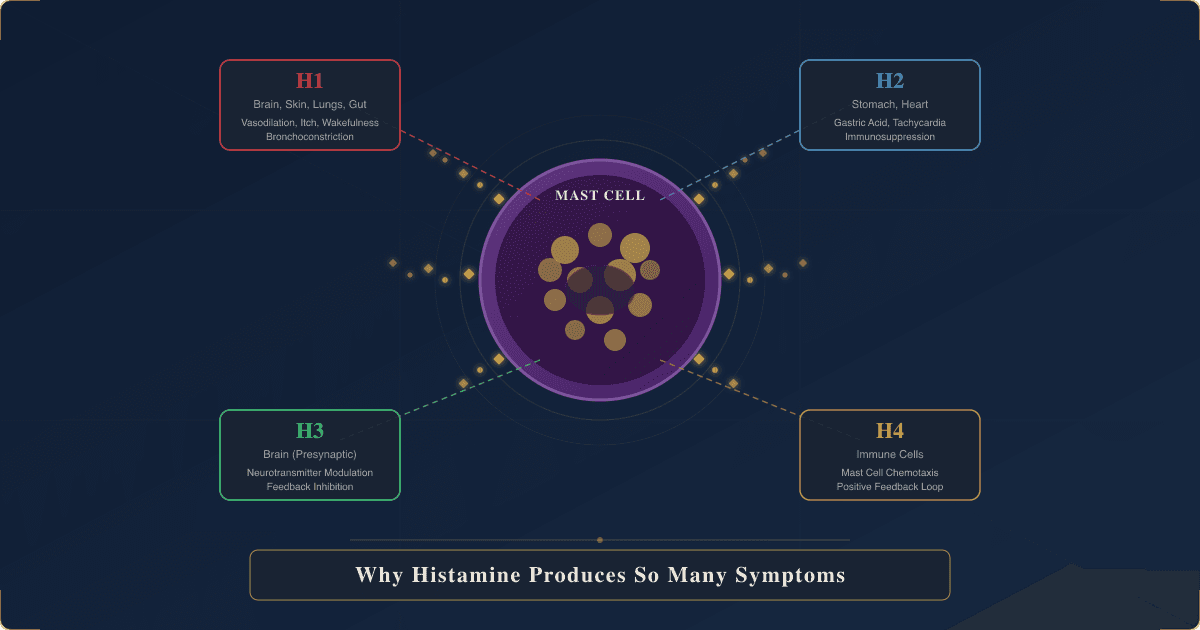
Why Histamine Produces So Many Symptoms: The Complete Guide To Histamine Intolerance
By Jacob Gordon, INHC, FMT-CThis article contains affiliate links. As an Amazon Associate, MyBioHack earns from qualifying purchases at no extra cost to you. We only link products we research and stand behind.
Histamine is a molecule that most people associate with allergies, but for a growing number of people with chronic illness it is the hidden driver behind dozens of unexplained symptoms across nearly every organ system.
In this post, we will discuss what histamine actually does in the body, why some people cannot break it down, how histamine intolerance overlaps with MCAS, POTS, long COVID, and dysbiosis, and what you can do to reduce your histamine burden.
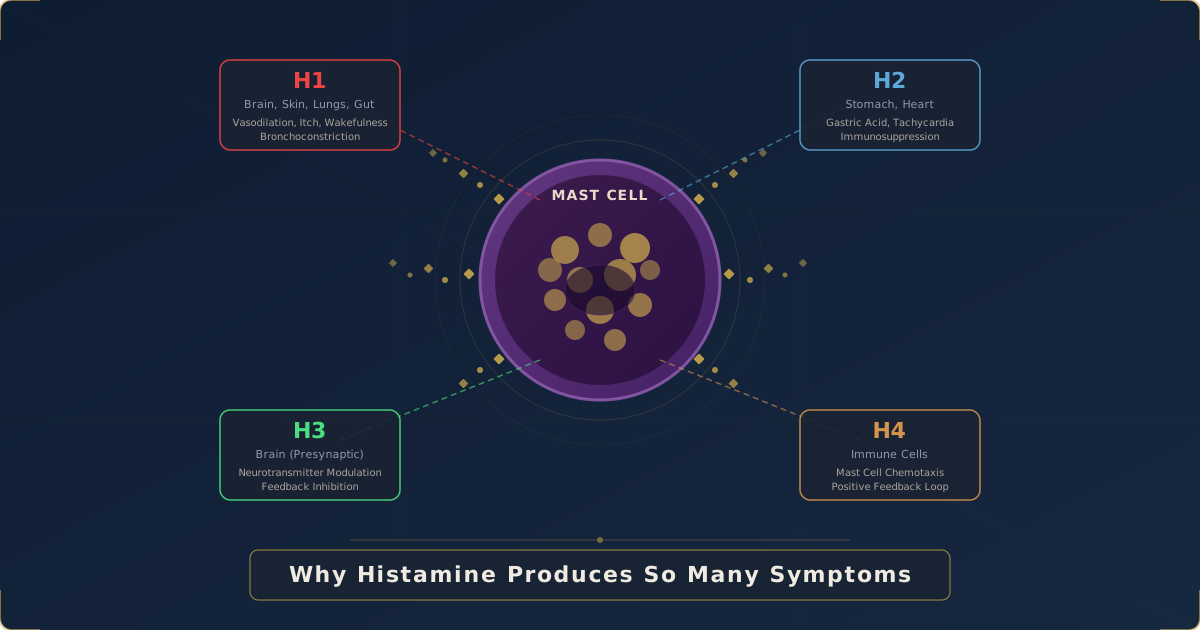
Basics Of Histamine
Histamine is a biogenic amine synthesized from the amino acid L-histidine by the enzyme histidine decarboxylase (HDC). R
It is stored primarily in mast cell granules and basophils, but is also produced by enterochromaffin-like (ECL) cells in the stomach, histaminergic neurons in the hypothalamus, and by certain gut bacteria. R
Histamine is not inherently harmful.
It is essential for gastric acid secretion, neurotransmission, immune surveillance, circadian rhythm regulation, and vascular permeability. R
The problem begins when histamine accumulates faster than the body can degrade it.
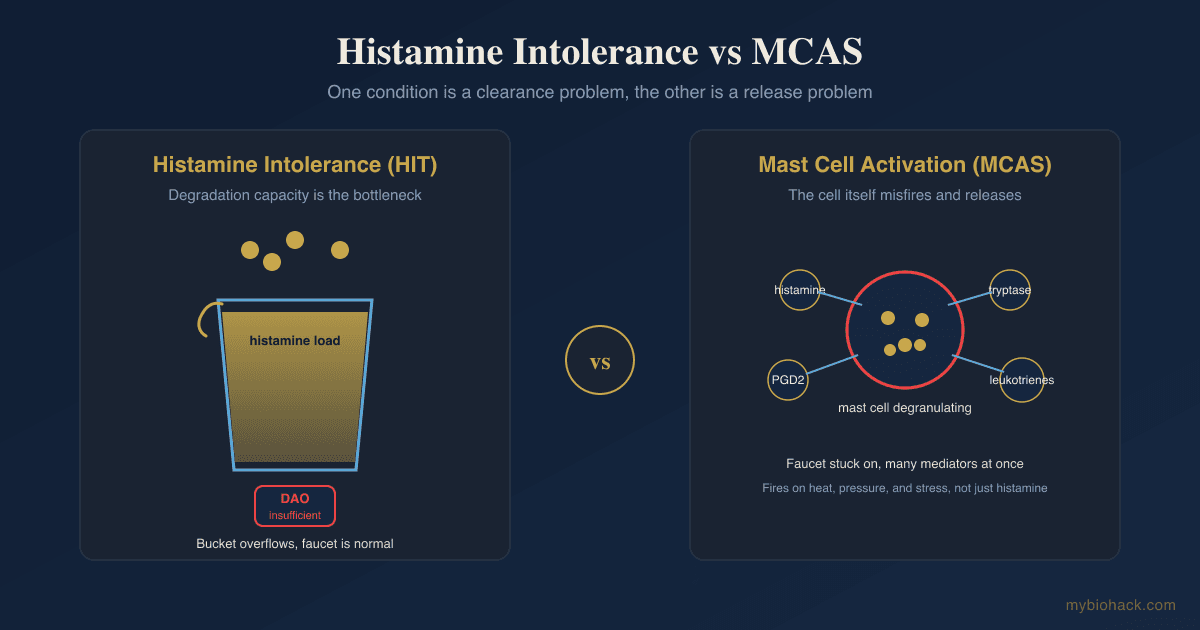
Histamine intolerance (HIT) is not a sensitivity to histamine itself, but a state of disequilibrium between accumulated histamine and the capacity for histamine degradation. R
Estimated prevalence is 1-3% of the population, with roughly 80% of affected individuals being middle-aged women. R
Common symptoms of histamine intolerance include: (not exclusive list)
- Abdominal cramps and bloating (histamine stimulates gastric acid and intestinal smooth muscle contraction)
- Anxiety and panic attacks (H1 and H3 receptor activation in the CNS)
- Diarrhea (H1 and H2 mediated increased intestinal secretion)
- Dizziness and vertigo (histamine's role in vestibular function)
- Flushing (H1 mediated vasodilation in cutaneous blood vessels)
- Headaches and migraines (histamine is a potent cerebral vasodilator via H1 and NO release) R
- Heart palpitations and tachycardia (H2 receptor positive chronotropic effect on cardiac pacemaker cells)
- Hives and urticaria (H1 mediated wheal and flare response)
- Hypotension (H1 + H2 synergistic vasodilation, potentially severe) R
- Insomnia (histamine promotes wakefulness via H1 receptors in the tuberomammillary nucleus)
- Nasal congestion and rhinorrhea (H1 mediated vascular permeability increase in nasal mucosa)
- Nausea (H1 and H3 activation in the area postrema)
- Premenstrual symptom flares (estrogen upregulates HDC and degranulates mast cells)
The reason the symptom list spans so many organ systems is that histamine receptors are expressed in nearly every tissue in the body.
Why Histamine Affects So Many Systems
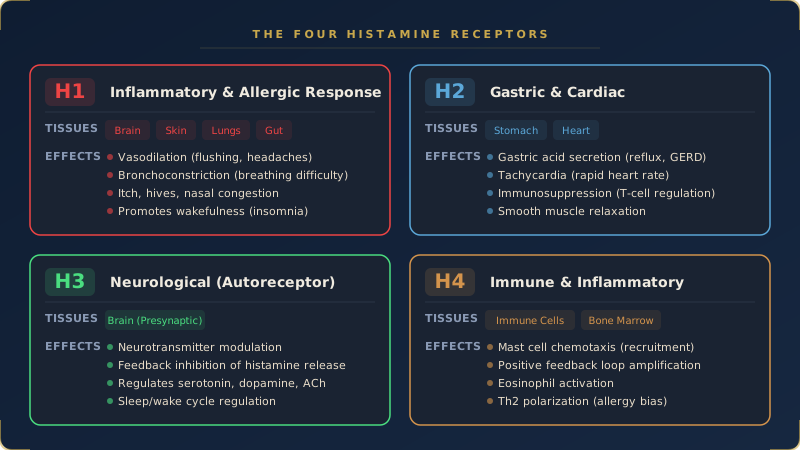
Histamine acts through four G-protein coupled receptors, each expressed in different tissues with different downstream effects.
H1 Receptor (HRH1)
H1 is the classical "allergy receptor."
It mediates vasodilation, bronchoconstriction, vascular permeability, pruritus, pain, and wakefulness. R
H1 activation in the brain promotes arousal and suppresses sleep (this is why first-generation antihistamines like diphenhydramine cause drowsiness by blocking H1). R
In the gut, H1 increases intestinal motility and contributes to visceral hypersensitivity. R
In the skin, H1 drives the wheal, flare, and itch responses.
H2 Receptor (HRH2)
H2 primarily regulates gastric acid secretion from parietal cells.
It also has positive chronotropic and inotropic effects on the heart, meaning it increases heart rate and contractile force. R
H2 contributes to smooth muscle relaxation in the uterus and airways.
H2 stimulation on immune cells generally suppresses pro-inflammatory cytokine production (acting as a negative feedback brake on immune activation). R
H3 Receptor (HRH3)
H3 is the presynaptic autoreceptor that controls histamine release in the CNS.
When H3 is activated, it inhibits further histamine release (negative feedback). R
H3 also modulates release of acetylcholine, dopamine, norepinephrine, serotonin, and GABA, making it a master regulator of neurotransmitter balance. R
Dysfunction of H3 is implicated in cognitive impairment, ADHD, narcolepsy, and obesity.
H4 Receptor (HRH4)
H4 is expressed primarily on immune cells: mast cells, eosinophils, basophils, T cells, and dendritic cells. R
H4 mediates chemotaxis of mast cells and eosinophils to sites of inflammation.
H4 activation creates a positive feedback loop: histamine recruits more mast cells via H4, which then degranulate and release more histamine. R
This is one reason histamine intolerance can become self-perpetuating.
How The Body Breaks Down Histamine
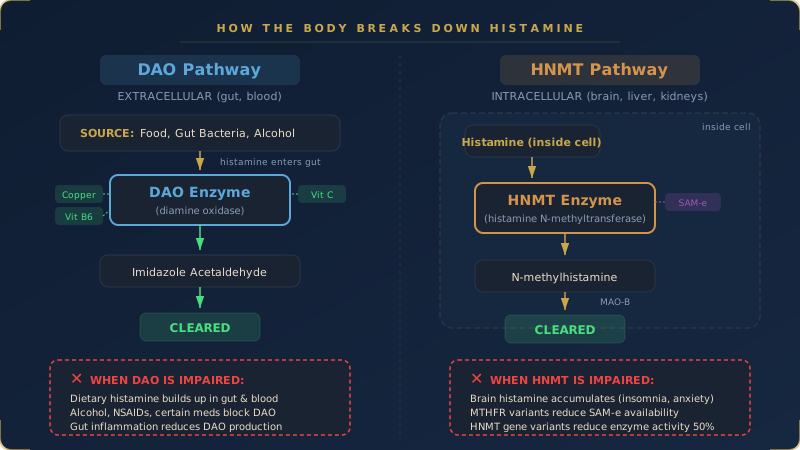
There are only two enzymes responsible for histamine degradation, and impairment of either one is sufficient to cause accumulation.
DAO (Diamine Oxidase)
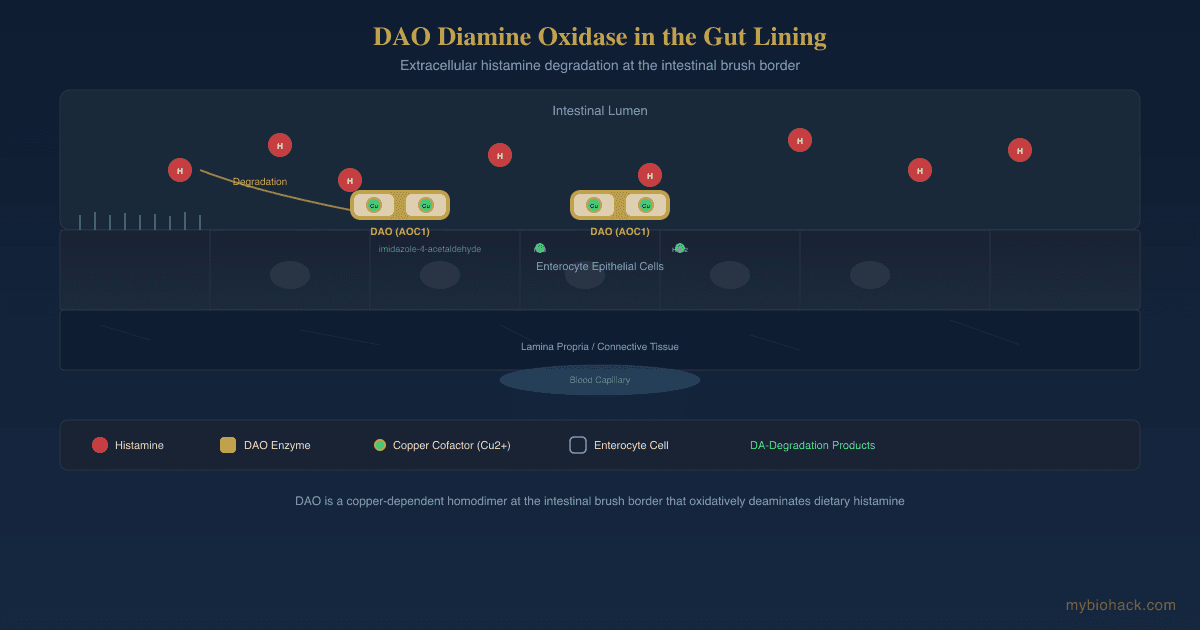
DAO is the primary enzyme for degrading extracellular histamine, particularly histamine ingested from food and histamine released in the gut lumen. R
DAO is produced mainly by enterocytes in the intestinal villi (highest concentrations in the ileum and ascending colon), and is also expressed in the kidneys and placenta (which is why histamine intolerance often improves during pregnancy). R
DAO requires three cofactors to function: copper, vitamin B6 (pyridoxal phosphate), and vitamin C. R
Deficiency of any one of these cofactors impairs DAO activity even when the enzyme protein itself is present.
DAO is secreted into the intestinal lumen and also into the bloodstream.
Serum DAO levels below 10 U/mL are considered indicative of histamine intolerance in multiple studies. R
HNMT (Histamine N-Methyltransferase)
HNMT is the primary enzyme for degrading intracellular histamine, particularly in the brain, liver, and airways. R
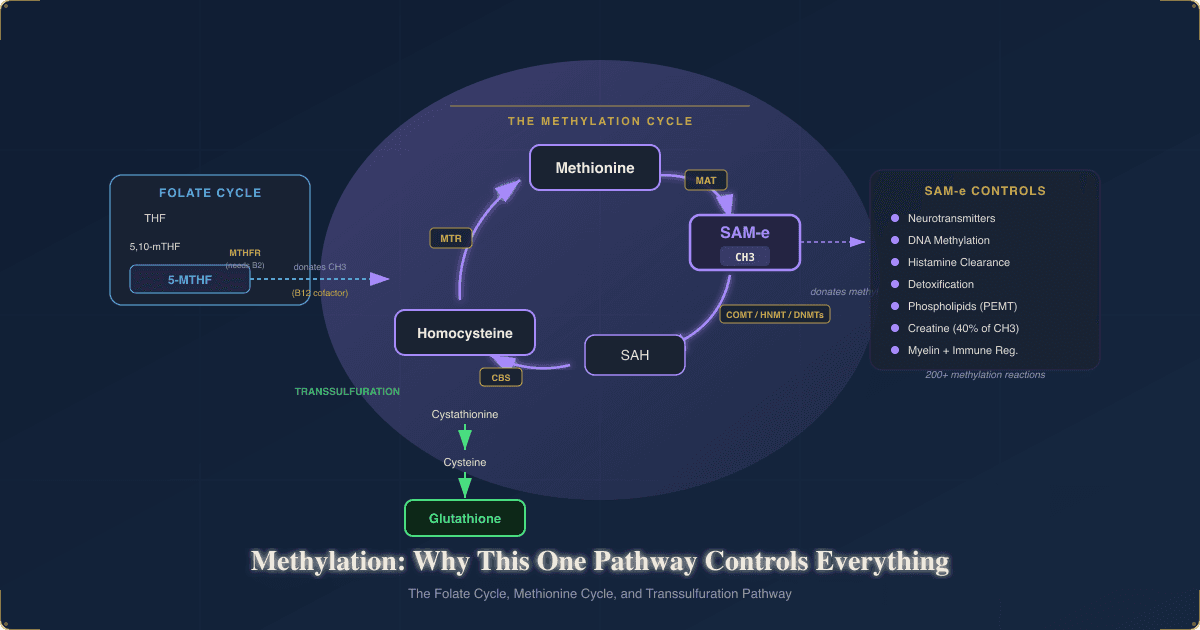
HNMT transfers a methyl group from S-adenosylmethionine (SAM-e) to histamine, converting it to N-methylhistamine. R
This means HNMT is directly dependent on the methylation cycle.
Anything that impairs methylation (MTHFR variants, folate deficiency, B12 deficiency, high homocysteine) will reduce HNMT activity and slow intracellular histamine clearance.
HNMT is the only histamine-degrading enzyme in the brain, so impaired HNMT directly causes CNS histamine accumulation, contributing to insomnia, anxiety, and brain fog.
What Causes Histamine Intolerance
Histamine intolerance results from a mismatch between histamine input (production, ingestion, microbial synthesis) and degradation capacity (DAO + HNMT).
The main causes include: (not exclusive list)
- Bacterial histamine production (histamine-producing gut bacteria, especially certain Lactobacillus, Enterococcus, Morganella, Klebsiella, and E. coli strains, synthesize histamine from histidine via HDC) R
- Copper deficiency (DAO is a copper-dependent amine oxidase; copper deficiency directly reduces DAO catalytic activity) R
- DAO-blocking medications (see "What To Stay Away From" section)
- Dysbiosis (shifts in microbiome composition toward histamine-producing species and away from histamine-degrading species) R
- Estrogen excess (estradiol directly stimulates HDC expression and mast cell degranulation, which is why symptoms often flare premenstrually) R
- Glyphosate exposure (disrupts gut barrier, chelates manganese and minerals, promotes dysbiosis)
- Glycocalyx degradation (the glycocalyx is a protective sugar coating on the endothelium and intestinal epithelium; when degraded by inflammation, heparanase, or hyperglycemia, it exposes mast cells to direct stimulation and increases vascular permeability to histamine) R
- High-histamine diet (aged cheeses, fermented foods, cured meats, wine, fish not eaten immediately after catch) R
- Inflammatory bowel conditions (Crohn's, celiac, infections damage the intestinal villi where DAO is produced, directly reducing enzyme output) R
- Intestinal permeability (leaky gut allows undigested histamine and other biogenic amines to bypass the intestinal DAO barrier and enter systemic circulation) R
- Junction dysfunction (degradation of tight junctions between epithelial and endothelial cells allows histamine and other biogenic amines to bypass the intestinal barrier and enter systemic circulation; this is the structural failure underlying leaky gut)
- Mast cell activation (chronic mast cell degranulation floods the system with histamine faster than DAO/HNMT can clear it) R
- Methylation impairment (MTHFR C677T/A1298C, low folate, low B12, high homocysteine all reduce SAM-e availability, directly impairing HNMT) R
- Mycotoxin exposure (mycotoxins degranulate mast cells and impair hepatic methylation, creating a dual burden)
- Small intestinal bacterial overgrowth (SIBO) (bacterial overgrowth in the small intestine increases local histamine production and damages the DAO-producing epithelium simultaneously) R
- Vitamin B6 deficiency (pyridoxal-5-phosphate is a required DAO cofactor; deficiency is common in the chronically ill) R
- Vitamin C deficiency (ascorbic acid accelerates histamine degradation and is a DAO cofactor; low vitamin C increases plasma histamine) R
- Zinc deficiency (zinc stabilizes mast cell membranes and deficiency promotes degranulation, though zinc is not itself a DAO cofactor)
Histamine And Overlapping Conditions
MCAS (Mast Cell Activation Syndrome)
Mast cell activation is the most direct upstream driver of histamine intolerance.
In MCAS, mast cells degranulate excessively in response to triggers that would not normally cause degranulation (stress, temperature changes, foods, chemicals, vibration, exercise). R
Each degranulation event releases histamine along with tryptase, prostaglandins, leukotrienes, and cytokines.
The histamine overload from MCAS frequently exceeds DAO/HNMT capacity, producing histamine intolerance as a downstream consequence.
Many patients diagnosed with histamine intolerance actually have unrecognized MCAS as the root cause.
For a detailed discussion of the mast cell-glia interaction in chronic inflammation, see that post.
POTS (Postural Orthostatic Tachycardia Syndrome)
POTS and histamine intolerance overlap extensively.
Histamine causes vasodilation (H1) and tachycardia (H2), which are the two central hemodynamic features of POTS.
A subset of POTS patients (sometimes called "hyperadrenergic POTS with mast cell activation") have elevated urinary methylhistamine and plasma histamine levels. R
Mast cell degranulation in the splanchnic vasculature during upright posture contributes to venous pooling and compensatory tachycardia.
Treatment of the underlying histamine excess and mast cell instability can significantly improve orthostatic symptoms in this subset.
Long COVID
Histamine excess is emerging as a central mediator of long COVID symptoms.
Post-COVID patients show persistent mast cell activation, elevated histamine, reduced DAO activity, and increased intestinal permeability. R
SARS-CoV-2 spike protein directly activates mast cells via TLR4 and can persist in tissue reservoirs for months, driving ongoing degranulation. R
COVID-19 also causes gut dysbiosis that shifts the microbiome toward histamine-producing species and away from histamine-degrading bacteria. R
The overlap between long COVID symptoms and histamine intolerance symptoms is so extensive that some researchers have proposed histamine intolerance as a unifying mechanism for long COVID. R
Antihistamines (H1 + H2 combination) have shown clinical benefit in long COVID cohorts. R
Dysbiosis And The Gut
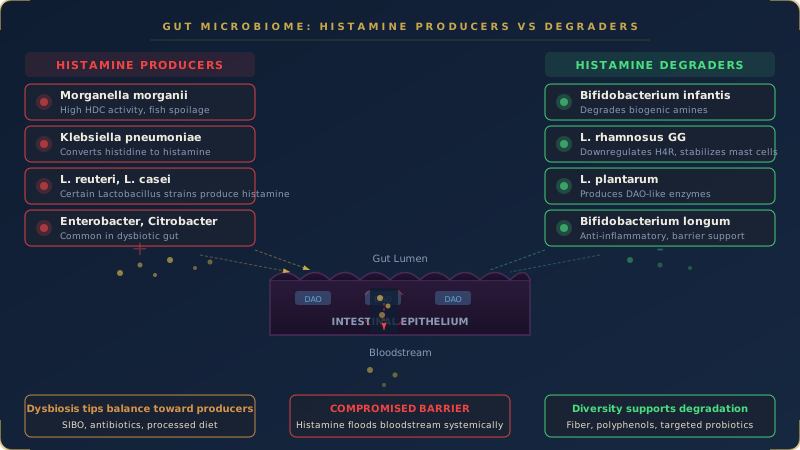
The gut microbiome is a major source of both histamine production and degradation.
Histamine-producing bacteria include certain strains of Lactobacillus reuteri, Lactobacillus vaginalis, Morganella morganii, Klebsiella pneumoniae, Enterococcus faecalis, and Hafnia alvei. R
These species express the bacterial HDC gene and convert dietary histidine to histamine in the gut lumen.
Histamine-degrading bacteria include Bifidobacterium infantis, Bifidobacterium longum, Lactobacillus rhamnosus, and Lactobacillus plantarum. R
When dysbiosis shifts the balance toward histamine-producing species, gut luminal histamine increases, overwhelms intestinal DAO, crosses the impaired gut barrier, and enters systemic circulation.
This is why fixing the gut is often the most impactful intervention for histamine intolerance.
Biofilms can harbor histamine-producing bacteria in protected communities that are resistant to standard antimicrobial interventions.
CIRS And Biotoxin Illness
Mycotoxins and other biotoxins are potent mast cell degranulators.
Chronic mold exposure creates a state of persistent mast cell activation, driving continuous histamine excess. R
The biotoxin accumulation pathway recirculates toxins through enterohepatic circulation, perpetuating mast cell activation until the toxins are bound and eliminated.
This is why many CIRS patients present with histamine intolerance as a prominent feature.
Estrogen And Menstrual Cycle
Estrogen upregulates HDC (increasing histamine synthesis) and directly degranulates mast cells via estrogen receptor alpha.
Progesterone counterbalances this by stabilizing mast cells.
This is why histamine intolerance symptoms often flare in the late luteal phase (when estrogen is high relative to dropping progesterone) and during perimenopause. R
Women on oral contraceptives or HRT may see worsening of histamine symptoms.
Other Linked Conditions
- Alcohol intolerance (alcohol inhibits DAO directly and many alcoholic beverages contain high histamine)
- Body buzzing and internal tremors (neurological histamine excess contributes to paresthesias and tremor)
- Chemical sensitivity and haptens (histamine sensitizes nociceptors, lowering the threshold for chemical and food reactions)
- IBS (histamine drives visceral hypersensitivity and altered motility via H1 in the enteric nervous system) R
- Systemic inflammation (SALI) (histamine activates NF-kB and drives chronic low-grade inflammation)
- Tinnitus (histaminergic neurons in the cochlear nucleus modulate auditory processing)
How To Improve Histamine Intolerance
1. Support DAO Activity
The fastest way to reduce symptoms is to improve the body's ability to degrade histamine.
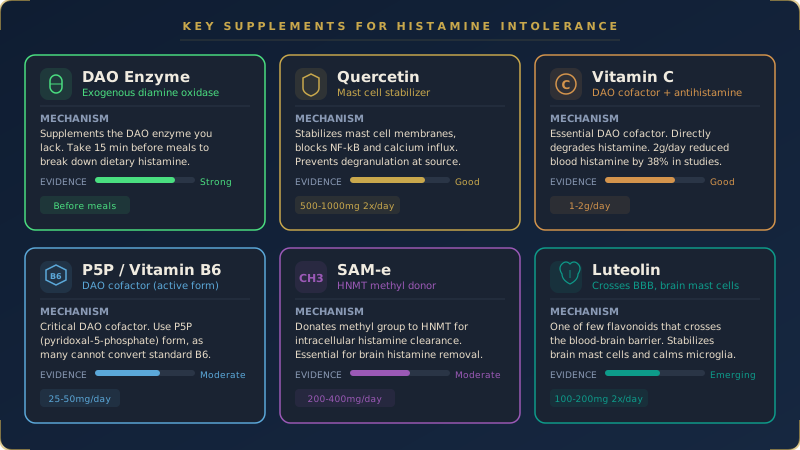
Vitamin B6 (P5P) is a required cofactor for DAO.
Use the active form (pyridoxal-5-phosphate) rather than pyridoxine, as many people with histamine intolerance have impaired conversion. R
Vitamin C accelerates the oxidative deamination of histamine and is a DAO cofactor.
Plasma histamine concentrations are inversely proportional to blood ascorbic acid levels; 2g of vitamin C reduced blood histamine by 38% in one study. R
Copper is the catalytic metal in DAO's active site.
Do not supplement copper without checking serum copper and ceruloplasmin first (copper excess is also harmful).
DAO Enzyme Supplement (exogenous porcine DAO taken 15 minutes before meals).
Clinical trials show DAO supplementation reduces symptom severity scores significantly in histamine intolerant patients. R
This is particularly useful while the underlying causes are being addressed.
2. Support Methylation (For HNMT)
Since HNMT depends on SAM-e, supporting the methylation cycle improves intracellular histamine clearance.
- Methylfolate (5-MTHF, not folic acid; critical for MTHFR variant carriers)
- Methylcobalamin (active B12, supports methionine synthase)
- SAM-e (direct methyl donor, bypasses upstream methylation blocks; particularly useful for brain histamine clearance) R
- TMG (Trimethylglycine) (alternate methyl donor via BHMT pathway)
For a deeper discussion of BH4 and methylation, see that post.
Note: some people with histamine intolerance feel worse when starting methylation support, particularly methylfolate.
This is usually because improved methylation mobilizes stored histamine faster than the body can clear it.
Start at very low doses and titrate slowly.
3. Stabilize Mast Cells
Reducing mast cell degranulation lowers histamine input at the source.
Quercetin inhibits mast cell degranulation by stabilizing the cell membrane and blocking calcium influx.
It also inhibits NF-kB and COX-2, reducing the inflammatory cascade downstream of degranulation. R
Luteolin is another potent mast cell stabilizer that crosses the blood-brain barrier (quercetin does not cross well).
PEA + Luteolin (PeaLut) is a formulation that targets both peripheral mast cells and brain microglia. R
Vitamin D deficiency is associated with increased mast cell burden; repletion reduces mast cell numbers and degranulation. R
Magnesium stabilizes mast cell membranes by competing with calcium at the degranulation step.
4. Fix The Gut
This is the most important long-term intervention.
Address dysbiosis by reducing histamine-producing bacteria and supporting histamine-degrading species.
Probiotics matter here, but strain selection is critical.
Avoid Lactobacillus casei, L. reuteri, L. bulgaricus, and Streptococcus thermophilus (histamine producers).
Use Bifidobacterium infantis, B. longum, Lactobacillus rhamnosus GG, and L. plantarum (histamine degraders or neutral). R
Heal the gut barrier with L-Glutamine, zinc carnosine, and butyrate to prevent systemic histamine entry from the gut lumen.
Address biofilms if standard antimicrobial protocols fail to shift the microbiome.
5. Repair The Glycocalyx And Tight Junctions
The glycocalyx is the sugar-protein mesh that coats the luminal surface of every blood vessel and the intestinal epithelium.
When intact, it acts as a physical barrier that prevents histamine from crossing into the bloodstream and shields mast cells from inappropriate activation.
When degraded (by inflammation, heparanase, hyperglycemia, or oxidative stress), vascular permeability increases dramatically, mast cells become exposed to circulating triggers, and histamine that would normally be contained in the gut lumen enters systemic circulation. R
Tight junctions between intestinal epithelial cells are the second barrier.
Junction dysfunction allows paracellular transport of histamine and other biogenic amines directly into the portal circulation, bypassing DAO entirely.
Fucoidans are sulfated polysaccharides that directly rebuild the glycocalyx by providing the raw glycosaminoglycan substrates the endothelium needs. R
Hyaluronic Acid is a core glycocalyx component; oral supplementation supports glycocalyx density and intestinal barrier integrity.
L-Glutamine is the primary fuel for enterocytes and supports tight junction protein expression (claudins, occludins, ZO-1). R
Zinc Carnosine stabilizes tight junctions and reduces intestinal permeability in human trials. R
Butyrate is a short-chain fatty acid that strengthens tight junctions by upregulating claudin-1 and supporting the intestinal stem cell niche.
For the full protocol on rebuilding the glycocalyx, see that Junction Dysfunction chapter.
6. Reduce Histamine Load
A low-histamine diet is the fastest-acting intervention for symptom relief.
The goal is to reduce exogenous histamine input while the underlying causes are addressed.
Key dietary principles:
- Eat fresh foods, not leftovers (bacterial histamine accumulates in food over time, even in the refrigerator)
- Avoid aged cheeses, cured meats, fermented foods (sauerkraut, kimchi, kombucha, wine, beer), smoked fish, and vinegar-containing products
- Avoid histamine liberators (citrus fruits, strawberries, tomatoes, chocolate, alcohol, shellfish)
- Cook and eat meat the same day (or freeze immediately after cooking)
- Limit high-histidine foods if bacterial conversion is suspected
This diet is not meant to be permanent.
It is a temporary reduction strategy while root causes are resolved.
7. Address Root Causes
Histamine intolerance is almost always a downstream consequence of something else.
- Address MCAS with mast cell stabilizers and trigger avoidance
- Address mycotoxin exposure with binders and detox support
- Address SIBO with targeted antimicrobials and prokinetics
- Address estrogen dominance with DIM, calcium-d-glucarate, and reducing estrogenic chemical exposure
- Correct nutrient deficiencies (B6, B12, folate, copper, zinc, vitamin C, vitamin D)
- Fix methylation impairment
What To Stay Away From
- Alcohol (inhibits DAO activity directly, contains histamine, and increases intestinal permeability) R
- Certain probiotics (L. casei, L. reuteri, L. bulgaricus, S. thermophilus are histamine producers) R
- Cimetidine in isolation (H2 blocker that also inhibits DAO, can paradoxically worsen some patients) R
- DAO-inhibiting medications (aminoguanidine, chloroquine, clavulanic acid, cimetidine, dihydralazine, isoniazid, metoclopramide, verapamil) R
- Fermented foods (high histamine content from bacterial fermentation; contraindicated during active intolerance despite general gut health benefits)
- High-histamine leftovers (cooked food left at room temperature accumulates bacterial histamine rapidly)
- NSAIDs (increase intestinal permeability and impair the gut barrier that DAO depends on)
- Stress (CRH released during stress directly degranulates mast cells via CRH receptors on mast cell surfaces) R
Testing
Blood And Urine Markers
Serum DAO activity is the most direct marker for histamine intolerance.
Levels below 10 U/mL have diagnostic sensitivity of 73-97% depending on the assay. R
Plasma histamine (Quest Diagnostics) can be measured but is unreliable because histamine has a half-life of only 1-2 minutes in blood and levels fluctuate rapidly with food intake and stress.
24-hour urinary methylhistamine (N-methylhistamine) is a more stable marker of total histamine turnover, reflecting both dietary and endogenous histamine load over a full day. R
Serum tryptase (Quest Diagnostics) differentiates histamine intolerance from mast cell activation syndrome (MCAS) and systemic mastocytosis.
Persistently elevated tryptase (above 11.4 ng/mL) suggests a mast cell disorder rather than isolated DAO deficiency. R
Homocysteine + B12 + Folate (Quest Diagnostics) evaluates the methylation cycle that HNMT depends on.
Elevated homocysteine with low B12 or folate indicates impaired SAM-e production and reduced intracellular histamine clearance.
Individual Nutrient Markers (DAO Cofactors)
Vitamin B6, Vitamin C, Copper, and Zinc are all available as individual blood tests through Quest Diagnostics.
These are the four DAO cofactors and mast cell stabilizers that should be checked in every histamine intolerance workup.
Estradiol and Progesterone should be checked in women with cyclical symptom flares, as the estrogen-histamine crosstalk axis drives the 80% female predominance of this condition.
Comprehensive Panels
I use the Gut Zoomer (Vibrant Wellness) to assess dysbiosis contributions to histamine production, identify histamine-producing bacterial species, evaluate intestinal permeability markers (zonulin, anti-LPS antibodies), and check for SIBO patterns.
The GI-MAP (Diagnostic Solutions) is an alternative stool panel that covers similar ground with PCR-based pathogen detection.
The Hormone Zoomer (Vibrant Wellness) or DUTCH Complete (Precision Analytical) evaluates estrogen metabolism (2-OH, 4-OH, 16-OH estrone ratios), progesterone levels, and cortisol rhythm, all of which directly influence mast cell stability and histamine clearance.
The Nutrient Zoomer (Vibrant Wellness) covers the nutrients behind both histamine-clearing enzymes at once: copper and vitamin B6 for DAO, plus the methylation nutrients (folate, B12) that HNMT depends on, alongside vitamin C and zinc.
The Cellular Zoomer (Vibrant Wellness) or Organic Acids Test (OAT) (Mosaic Diagnostics) includes organic acid markers that reflect methylation status, mitochondrial function, and neurotransmitter metabolism relevant to histamine processing.
The Immune Zoomer (Vibrant Wellness) is valuable when MCAS or autoimmune overlap is suspected, mapping systemic and organ-specific autoantibodies across endocrine, neuro-immune, gut, and vascular compartments.
Genetics
The Methylation Genetics panel covers MTHFR, MTR, MTRR, COMT, and other methylation cycle variants that impair HNMT function.
The standalone MTHFR DNA Mutation Analysis (Quest Diagnostics) or MTHFR (Vibrant Wellness) add-ons are also available for targeted screening.
Provocation Testing
A histamine elimination diet followed by controlled reintroduction is the simplest clinical test.
If symptoms resolve within 2-4 weeks on a strict low-histamine diet and return with reintroduction of high-histamine foods, the diagnosis is functionally confirmed regardless of lab values.
This approach has high clinical utility but requires strict compliance to be interpretable.
Mechanisms Of Action
Simple:
- Histamine is produced by mast cells, gut bacteria, and stomach cells, then broken down by two enzymes: DAO (in the gut) and HNMT (in the brain and liver).
- DAO needs copper, B6, and vitamin C to work. Without them, histamine from food and gut bacteria enters the bloodstream.
- HNMT needs SAM-e (a methyl donor) to work. Poor methylation means histamine builds up inside cells, especially in the brain.
- Histamine acts on four different receptor types (H1 through H4) found in nearly every tissue, which is why the symptom list spans so many organ systems.
- Mast cell activation floods the system with histamine faster than the enzymes can clear it, creating a vicious cycle amplified by H4-mediated mast cell recruitment.
- Gut dysbiosis both increases histamine production (from certain bacteria) and decreases histamine degradation (by damaging the intestinal cells that produce DAO).
Advanced:
- DAO catalytic mechanism DAO (EC 1.4.3.22) is a copper-containing amine oxidase that catalyzes oxidative deamination of histamine to imidazole acetaldehyde, using molecular oxygen as electron acceptor and producing hydrogen peroxide as a byproduct. The copper ion at the active site is coordinated by three histidine residues and a topaquinone cofactor derived from tyrosine. Copper deficiency or chelation by drugs directly abolishes catalytic activity. R
- HNMT methylation pathway HNMT (EC 2.1.1.8) transfers the methyl group from S-adenosylmethionine to the tau-nitrogen of the imidazole ring of histamine, producing N-methylhistamine and S-adenosylhomocysteine. N-methylhistamine is then oxidized by MAO-B to N-methylimidazole acetic acid. Any disruption in the methionine-homocysteine cycle (MTHFR, MTR, MTRR, BHMT variants, B12 deficiency) reduces SAM-e regeneration and slows HNMT flux. R
- Mast cell degranulation cascade Crosslinking of IgE bound to FcεRI on the mast cell surface activates Lyn kinase, Syk kinase, and PLCγ, generating IP3 and DAG. IP3 triggers calcium release from the ER; calcium influx through CRAC channels then drives granule-plasma membrane fusion and exocytosis of preformed histamine, tryptase, heparin, and TNF-α. Non-IgE triggers (complement C3a/C5a, neuropeptides like substance P, TLR ligands, physical stimuli) converge on similar calcium-dependent exocytosis pathways. R
- H4-mediated positive feedback H4 receptor activation on mast cells increases intracellular calcium and activates PLC, promoting further degranulation. H4 on eosinophils drives chemotaxis and shape change via Gi protein coupling and actin reorganization. This creates a tissue-level amplification loop where initial histamine release recruits more effector cells, each of which release more histamine. R
- Gut bacterial HDC Bacterial histidine decarboxylase is a pyridoxal-5-phosphate dependent enzyme distinct from the mammalian enzyme (which uses no cofactor). Bacterial HDC activity is highest under acidic conditions (pH 4-5) and in the presence of excess dietary histidine. Species like Morganella morganii can produce toxicologically significant histamine levels (>500 ppm) in protein-rich foods within hours. R
- Estrogen-histamine crosstalk Estradiol binds ERα on mast cells and upregulates HDC gene transcription, increasing histamine synthesis. Simultaneously, histamine stimulates estradiol synthesis by ovarian granulosa cells via H1 receptors, creating a bidirectional amplification loop. This ER-H1 axis explains why histamine intolerance has an 80% female predominance and flares premenstrually. R
Genetics
ABP1 (AOC1) — DAO Gene
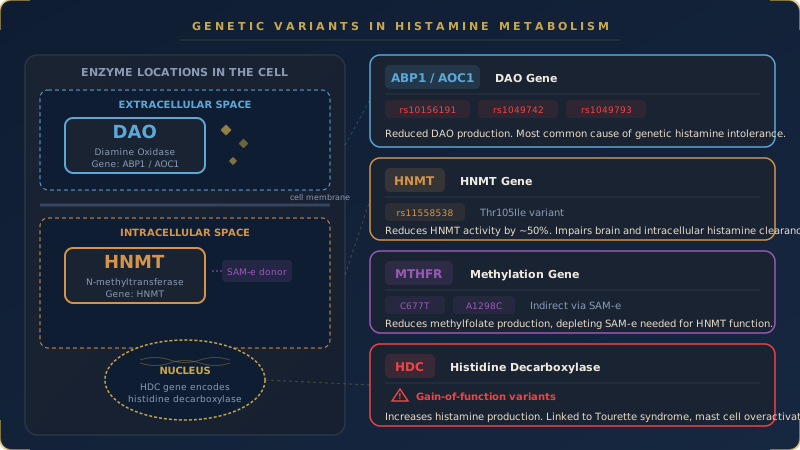
ABP1 (now called AOC1) encodes diamine oxidase.
This is the most important gene for histamine intolerance susceptibility.
Several SNPs reduce DAO enzyme activity:
rs10156191 (T allele) — associated with reduced DAO activity and increased risk of histamine intolerance. R
rs1049742 (C allele) — associated with reduced serum DAO levels. R
rs1049793 (G allele) — associated with reduced DAO activity; the combination of multiple risk alleles is additive. R
Carriers of multiple ABP1 risk variants have significantly higher rates of histamine intolerance, migraine, and GI symptoms.
HNMT
HNMT encodes histamine N-methyltransferase.
rs11558538 (C314T, Thr105Ile) — the most studied HNMT variant.
The Ile105 allele (T) reduces HNMT enzyme activity by approximately 50%. R
This variant is associated with increased risk of asthma, allergic rhinitis, ADHD, and histamine-mediated neurological symptoms.
Carriers have elevated CNS histamine levels and may respond poorly to H3 receptor-targeted therapies.
MTHFR
MTHFR encodes methylenetetrahydrofolate reductase, the enzyme that produces 5-MTHF for the methylation cycle.
MTHFR C677T (rs1801133) reduces enzyme activity in a dose-dependent way, with homozygous carriers more affected than heterozygous carriers, lowering 5-MTHF and downstream SAM-e. R
MTHFR A1298C (rs1801131) — reduces enzyme activity, particularly in compound heterozygotes (C677T + A1298C).
Since HNMT requires SAM-e, MTHFR variants indirectly impair histamine clearance in the brain and other intracellular compartments.
The combination of HNMT Thr105Ile + MTHFR C677T is a particularly high-risk genotype for histamine intolerance.
HDC
HDC encodes histidine decarboxylase, the enzyme that synthesizes histamine from histidine.
Gain-of-function variants or upregulation of HDC increases baseline histamine production.
HDC is also upregulated by estrogen, inflammatory cytokines (IL-1, TNF-α), and certain gut bacteria.
HRH1, HRH2, HRH3, HRH4
Polymorphisms in the four histamine receptor genes can alter receptor sensitivity, expression levels, and downstream signaling.
HRH1 variants may increase sensitivity to histamine-mediated itch, bronchoconstriction, and vasodilation.
HRH3 variants are associated with cognitive impairment, ADHD, and altered sleep architecture. R
HRH4 variants modulate the mast cell recruitment feedback loop.
More Research
- A combination H1 + H2 antihistamine protocol showed clinical improvement in a subset of long COVID patients with persistent symptoms. R
- Approximately 50% of histamine in the body is produced by gut bacteria, not mast cells, making the microbiome the single largest modifiable source of histamine. R
- For biomarker testing I use the Gut Zoomer to assess dysbiosis contributions to histamine production, and the Hormone Zoomer to evaluate estrogen metabolism and methylation markers.
- Histamine intolerance has a roughly 80% female predominance, driven by the estrogen-histamine crosstalk axis. R
- Pregnancy often temporarily resolves histamine intolerance because placental DAO production increases serum DAO activity by 500-fold. R
- Serum DAO levels below 10 U/mL have diagnostic sensitivity of 73-97% for histamine intolerance depending on the cutoff and assay used. R
- The existing post on 6 Steps to Naturally Treat Histamine Intolerance covers a complementary protocol with specific step-by-step implementation.
Jacob Gordon
INHC, FMT-C
Integrative Nutrition Health Coach
I cover mold illness, post-viral recovery, methylation, and complex chronic disease, drawing on ten years of clinical research, work inside a functional medicine clinic, and my own recovery from all of it. Every claim here is cited.
Book a ConsultationRelated Protocols & Supplements
Deep-dive chapters and recommended supplements for this topic
Spore-Based Probiotics
1 cap with food
L-Glutamine
5g 2x/day on empty stomach
Butyrate
300mg 2x/day with meals