6 Steps to Naturally Treat Histamine Intolerance (Science-Based Protocol)
By Jacob Gordon, INHC, FMT-CThis article contains affiliate links. As an Amazon Associate, MyBioHack earns from qualifying purchases at no extra cost to you. We only link products we research and stand behind.
For the full mechanistic deep dive into why histamine produces such varied symptoms across nearly every organ system, how the four histamine receptor types (H1 through H4) drive different symptom clusters, and the connection to POTS, long COVID, and MCAS, see Why Histamine Produces So Many Symptoms.
Is Histamine Intolerance Real?
When we look at components to the body, it’s easy to villify a single "evil" culprit as the problem to a disease.
For example, for the longest time the sugar industry had a majority of Americans (even top doctors at the American Heart Association) convinced that fat consumption itself caused heart disease and obesity. R
We now know that is false, as coronary artery disease (COD) comes from multiple inflammatory factors and obesity is a byproduct of an inflammatory reaction of adipose tissue. R
The takeaway is that there is no single culprit in either of those situations and that's why it is important to look at these diseases from multiple angles.
Histamine has been vilified, but it is naturally produced in the body and is very important for blood vasodilation, immune response, neurotransmitter production, circadian rhythms, etc. R
Histamine intolerance is a phenomenon after an epigenetic switch from:
Drug-induced histamine receptor (hetero/auto) dysfunction (i.e. chronic histamine liberator/blocker use)
Genetics variations in abilities to handle amines (i.e. MAO, DAO, HNMT, VDR)
Improper conversion and utilization of biogenic amines and/or lectin sensitivy (i.e. BH4, TH)
Infectious/allergic nature (e.g. haptens, dysbiosis, biotoxins, broken NRF2, overactive mast cells, lectins)
After this switch becomes turned on/up, most people have trouble turning it back off/down.
In this post, we will discuss scientific ways to improve and fix this histaminergic phenomenon.
Symptoms Of Histamine Overproduction
Most people with histamine intolerance will appear to have allergic reactions to everything, especially foods high in histamine.
Allergic-like symptoms from histamine can vary and may include: (not exclusive list)
Anxiety
Coughing
Diarrhea
Headaches
Insomnia
Itchiness (of eyes, skin, throat)
Migraines
Nausea
Runny nose
Sneezing
Vertigo
Vomiting
Histamine plays a role in: (not exclusive list)
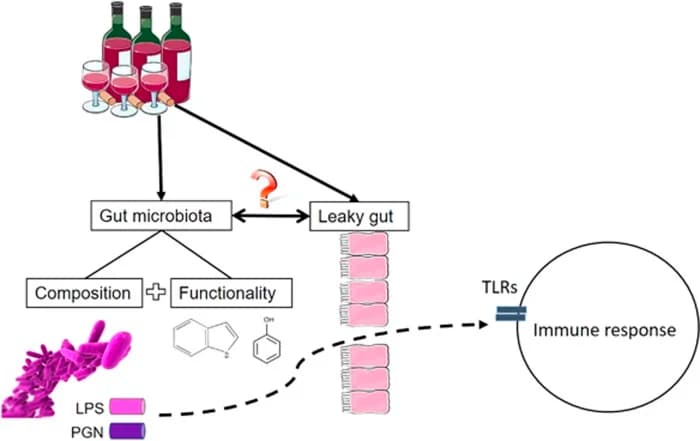
Dysbiosis And SIBO
Dysbiosis, or an imbalance of the gut bacteria, can cause problems with histamine. R
Inflammasomes are sensors that regulate the gut.
When their message gets scrambled or their communication gets damaged, bacterial overgrowth can happen.
One example of communication scrambling is with inflammation, and it hijacks the communication of the bacteria, SIgA, and mast cells (more on mast cells can seen in next section). R R R
If there is an overgrowth of histamine producing bacteria, it may cause excitation in the gut, stimulating mast cells causing further dysregulation.
This is a double edged sword, as histamine is extremely important to keep gastric motility and prevent diseases like Small Intestinal Bacterial Overgrowth (SIBO). R
Mast Cells And Cellular Stress
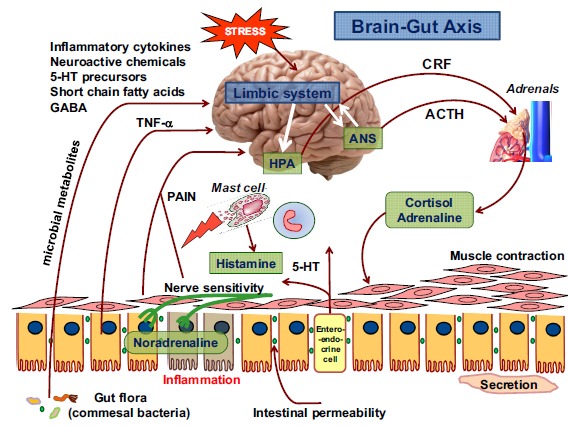
Mast cells are located all over the body and release all sorts of molecules including histamine. R
When mast cells go haywire they can create a variety of effects ranging from inducing inducing/fighting cancer to making one allergic to pretty much everything. R
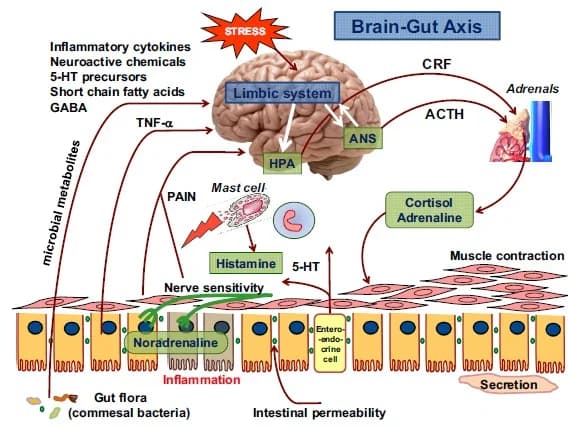
Stress (corticotropin-releasing hormone or CRH) can cause mast cells to degranulate producing excess histamine. R
CRH along with IL-6, IL-8 and other inflammatory cytokines can increase blood brain barrier's (BBB) permeability. R
Lectins (like ConA) can activate mast cells, since they make the gut leakier (easily getting into the blood stream) and exacerbate histamine intolerance, give you an IgE-like response, and activate mast cells via toll-like receptor 4 (TLR4). RR R R R
Leptin and leptin receptors are found in human mast cells (in skin lungs, gut, urogenital tract).
Leptin, which makes you feel full after eating, can be inflammatory by possibly activating mast cells. R R R R
Ghrelin, which makes you feel hungry, can also activate mast cells. R
Nerve growth factor (NGF) can activate of mast cells. R
NGF stimulates histamine release and sensitizes transient receptor potential V1 (TrpV1), which may cause histamine-induced itching. R
Estrogen stimulates mast cells to make more histamine. R
Substance P induces release of histamine via binding to NKR on mast cells. R
VIP, neurotensin and secretin also stimulate histamine release. R
Somatostatin stimulates histamine release from human mast cells. R
Mercury and some heavy metals can cause mast cells to degranulate and release histamine. R
Some wavelengths have shown to also induce histamine levels (405nm and 633nm), which attributes to blue light, sunlight, and LLLT. R
Cellular stress can also activate antioxidant response elements (AREs) and heat shock proteins (HSPs).
When HSPs are activated, they normally block the allergic response of mast cells (increasing HSP70), but if HSPs are broken (as seen in people with chronic infections), HSP increase the activation mast cells and histamine receptors (increasing HSP90). R R
Food Poisoning
Histamine fish poisoning is caused by histamine-producing bacteria as well as other natural dietary toxins. R
Bile flow plays a larger role in histamine intolerance than most people realize.
The liver exports histamine metabolites, mycotoxins, and other mast cell triggers into bile for elimination through the gut.
When the gallbladder is sluggish (from sludge, dysmotility, or thick bile), these compounds recirculate through the gut-liver axis instead of being eliminated.
Each pass through enterohepatic recirculation re-exposes intestinal mast cells to the same triggers, perpetuating degranulation and histamine release.
Supporting bile flow with TUDCA, milk thistle, and curcumin alongside intestinal binders (charcoal, zeolite) can interrupt this recirculation loop and reduce the histamine burden coming from the gut-liver axis.
For example, when you eat fish, it usually takes a couple hours or days before it reaches your plate and you eat it. R
This allows enough time for bacteria to grow and produce histamine, while degrading the meat producing extra histidine. R
Metabolism Of Histamine
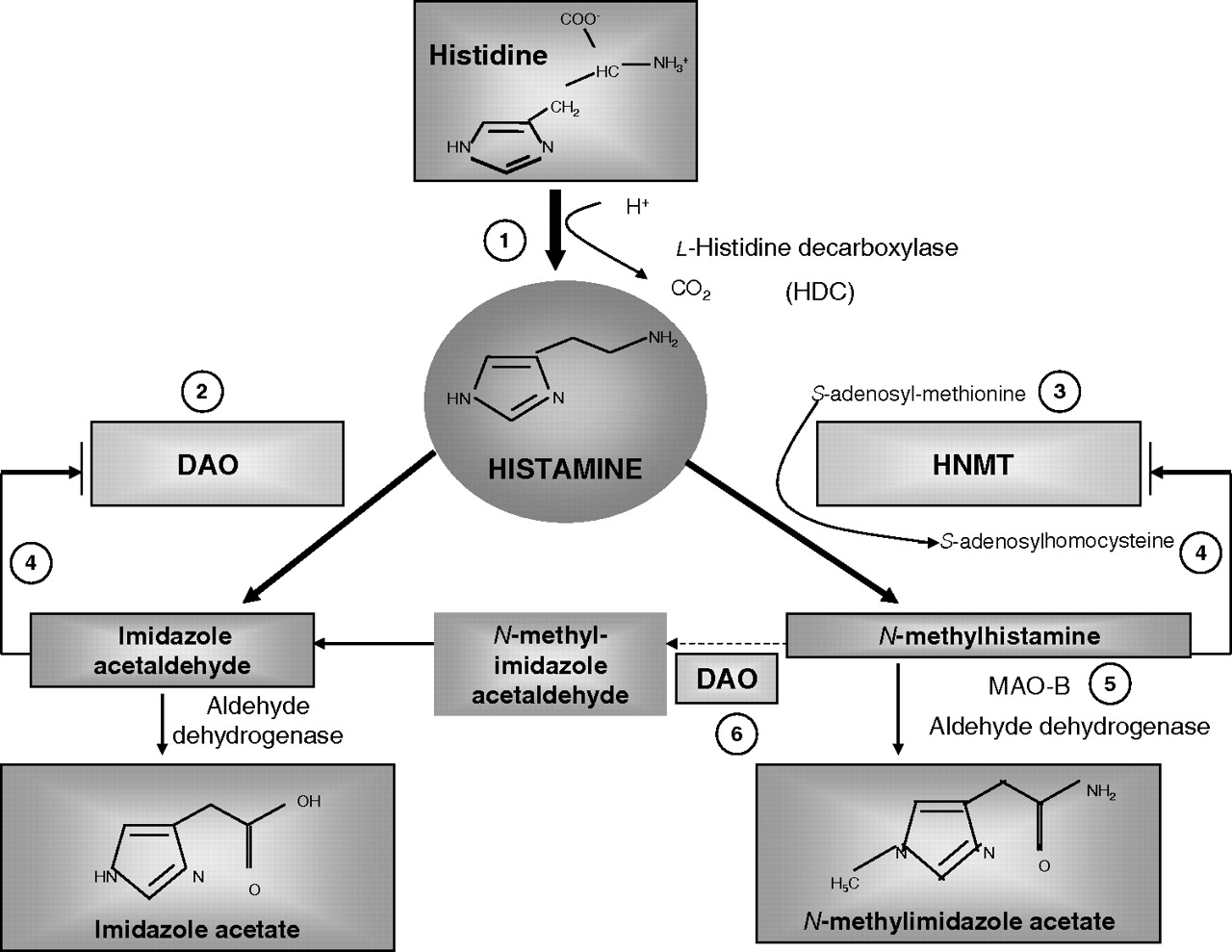
Diamine oxidase (DAO) and histamine n-methyltransferase (HNMT) are two enzymes that breakdown histamine. R
DAO is dependent on P5P and HNMT is dependent on SAM-e to break down histamine. R
Histamine is usually excreted via urine and metabolites (such as n-methylhistamine). R
In the brain, histamine is highly dependent on MAO-B. R
Histamine-Releasing Factor
Histamine-releasing factor (HRF), or B cell growth factor, can stimulate histamine release and IL-4 and IL-13 production from IgE-sensitized basophils and mast cells. R
IL-4 acts on a positive feedback loop causing more release of IL-4 by TH2 cells. R
This makes the body shift towards a TH2 dominant immune system. R
HRF can also stimulate secretion of IL-8 (similar to CRH). R
Biomarkers And Tests
With my clients I will go for the root cause and look at a Gut Zoomer, Organic Acids Test, and a Toxicology test.
N-methylhistamine (urine) is the most prominent marker that will tell you if you have problems with histamine metabolism and very necessary to get to determine if your problem is histamine related or not. R
Common Biomarkers Of Histamine Intolerance:
Alpha-MSH (this is necessary to make sure it's histamine and not overactive a-MSH levels, since MSH can cause flushing similar to histamine) R
Complement C4a R
DAO (in blood) R
IL-6 R
IL-8 (this chemokine causes release of histamine attracting neutrophils) R R
Leptin R
Neurotensin R
N-Methylhistamine R
Progesterone
Tryptase R
TGF-b1 R
Protocol To Treat High Histamine
1. Eat a Low Histamine Diet
Avoid all these:
Additives (in general may cause mast cell response) R
Alcohol R
Casein R
Carnosine R
Cheese R
Chocolate R
Citrus R
Coffee R
Cimetidine R
Fermented foods (lactic acid producing bacteria produce biogenic amines) R R
Fish, Shellfish, and other seafood (crustaceans too, fish oil capsules are fine) R
Imidazoles - such as caffeine (promoting glutamate release in hypothalamus), nicotine, and theobromine R R
Gluten R
Leftover Meats (including long-cooking, cured, crockpot cooking, bone broth, collagen, etc) R
Legumes R
Licorice R
Nightshades (like tomatoes, potatoes, etc) R
Nuts R
Papaya R
Peanuts R
Pineapple R
Red Wine Vinegar R
Sausage R
Soy R
Spices R
Spinach R
Strawberries R
Turmeric (curcumin) R
Yeast R
Essentially, eat very fresh and lower inflammatory foods.
Cooking/browning food with sugar (via Maillard reaction) may help reduce histamine on meats and fish. R R
2. Increase Enzymes to Break Down Histamine
DAO is the main enzyme that helps break down histamine in the gut and blood. R
Increase DAO:
Chronic high doses of Vitamin C (liposomal/IV maybe? - if you have h. pylori, it will inhibit the absorption of vitamin C) R R
Heparin R
Progesterone (to balance estrogen if it is high)
Inhibiting histidine decarboxylase (HDC) will help break down histamine faster, since it is the enzyme that converts histidine into histamine (from strongest to weakest):
Technically being deficient in magnesium (although that would raise blood histamine) R
Urocanic acid R
Increasing MAO-B and HMNT is beneficial, but stay away from MAO inhibitors. R R
Also stay away from:
Estrogen (Histamine also increases estrogen, which causes a positive feedback loop to increase histamine from mast cells and decrease DAO production) R R
3. Stabilize Mast Cells
High corticotropin-releasing hormone (CRH) can degranulate mast cells, increasing histamine, even though coritsol inhibits histamine release. R R
So it's probably best to avoid stress.
Here are all the ways to stabilize mast cells, but I take Brain Gain.
Here the most common mast cell stabilizers that target histamine:
Adrenaline such as Yohimbine/Adrenal glandular R
Palmitoylethanolamide (also naturally produced by microglia) R R
Reishi (beware because mushrooms can be high in histamine and can increase NGF) R
4. Lower Blood Histamine
I take BH4 as it is very powerful for lowering histamine levels and I am homozygous for the a1298c MTHFR allele.
These will all lower blood histamine:
Armbroxol (not natural) R
BH4 (or Increase Nitric Oxide) R
Butyrate + DHA (Fish Oil) R
Cobalt and Emodin (by increasing erythropoietin, which can reduce histamine) R R R
Polydatin (resveratrol precursor)- very strong and activates NRF2 R
SAM-e (if you are an undermethylator -> Tetrahydrafolate [THF] helps make purines to process histidine, SAM-e helps create THF) R
Also, be weary of neurotransmitters substance P and vasoactive intestinal polypeptide (VIP), as they are potent histamine liberators. R
Some environmental toxins like cigarette smoke can make histamine levels even worse. R
Avoid drugs that increase histamine: (non-exclusive)
5. Fix Dysbiosis
Check out here to effectively fix dysbiosis.
Remove SIBO by:
Antibiotics (Xifaxan) or Natural Antibiotics (FC-Cidal + Dysbiocide + ADP)
orElemental diet
orMy Protocol (7-14 days)
Intermittent fasting 3/4 day with coffee (if you can handle caffeine) and high doses of bifidobacterium strains
You'll only eat one meal for the day - taken at night eat a lot of resistant starch (blend in a smoothie of protein powder and hyperimmune egg) and lots of HCL
Before bed take 2-4 magnesium glycinate and 2-4 suntheanine
In gram-positive bacteria, HDC activity is pyruvoyl-dependent, whereas in gram-negative bacteria and in animals, this is a P5P enzyme. R
Avoid histamine (and dysbiotic) producing bacteria:
Bacillus licheniformis A7 R
Bacillus coagulans SL5 R
Candida R
Citrobacter (koseri) R
Clostridium perfringens ATCC 13124 R
C. perfringens R
E. coli (certain types see below) R
Enterobacter R
Enterococcus faecalis CNRZ 238 R
H. pylori R
K. pneumoniae R
Lactobacillus 30a (ATCC 33222) (encoded by hdacA and hdcB) R
Lactobacillus buchneri ST2A R
Lactobacillus delbrueckii bulgaricus R
Lactobacillus casei (controversial) R
Lactobacillus hilgardii (IOEB 0006) R
Lactobacillus reuteri (may actually help long term, still doing research on this) R R R
Micrococcus sp. R
Morganella morganii R
Oenococcus oeni IOEB 9204 (formerly Leuconostoc oenos 9204) R
Proteus mirabilis R
Pseudomonas aeruginosa R
Raoultella planticola R
Raoultella ornithinolytica R
Staphylococcus R
S. thermophilus PRI60 R
Tetragenococcus muriaticus JCM 10006 R
It is also a good idea to add histamine degrading probiotics:
Bacteroides thetaiotaomicron R
Bacteroides fragilis R
Bifidobacterium adolescentis R
Bifidobacterium animalis lactis Bb12 R
Escherichia coli R
Lactobacillus Casei R
Lactobacillus gasseri
Lactobacillus rhamnosus GG R
Lactobacillus rhamnosus Lc705 R
Lactobacillus salivarius
Propionibacterium freudenreichii shermanii JS R
Probiotics without an impact on histamine:
K. oxytoca R
Lactobacillus acidophilus R
Lactobacillus plantarum R
Lactobacillus sakei CRL1862 R
Lactobacillus plantarum Tensia R
Lactococcus lactis R
*Please post in the comments if you know better places to get these probiotics.*
6. Other
Remediate house for pests and dust - bed bugs and dust can cause excess household histamine R
Decrease Nerve Growth Factor (NGF can activate mast cells) R R R
Decrease IL-6 R
Decrease Ghrelin R
Avoid birth control and other things that increase estrogen (like sugar)
ACE inhibitors (such as Aloe, Grape Seed Extract, Bromelain) R R R
Problems With Anti-Histamines
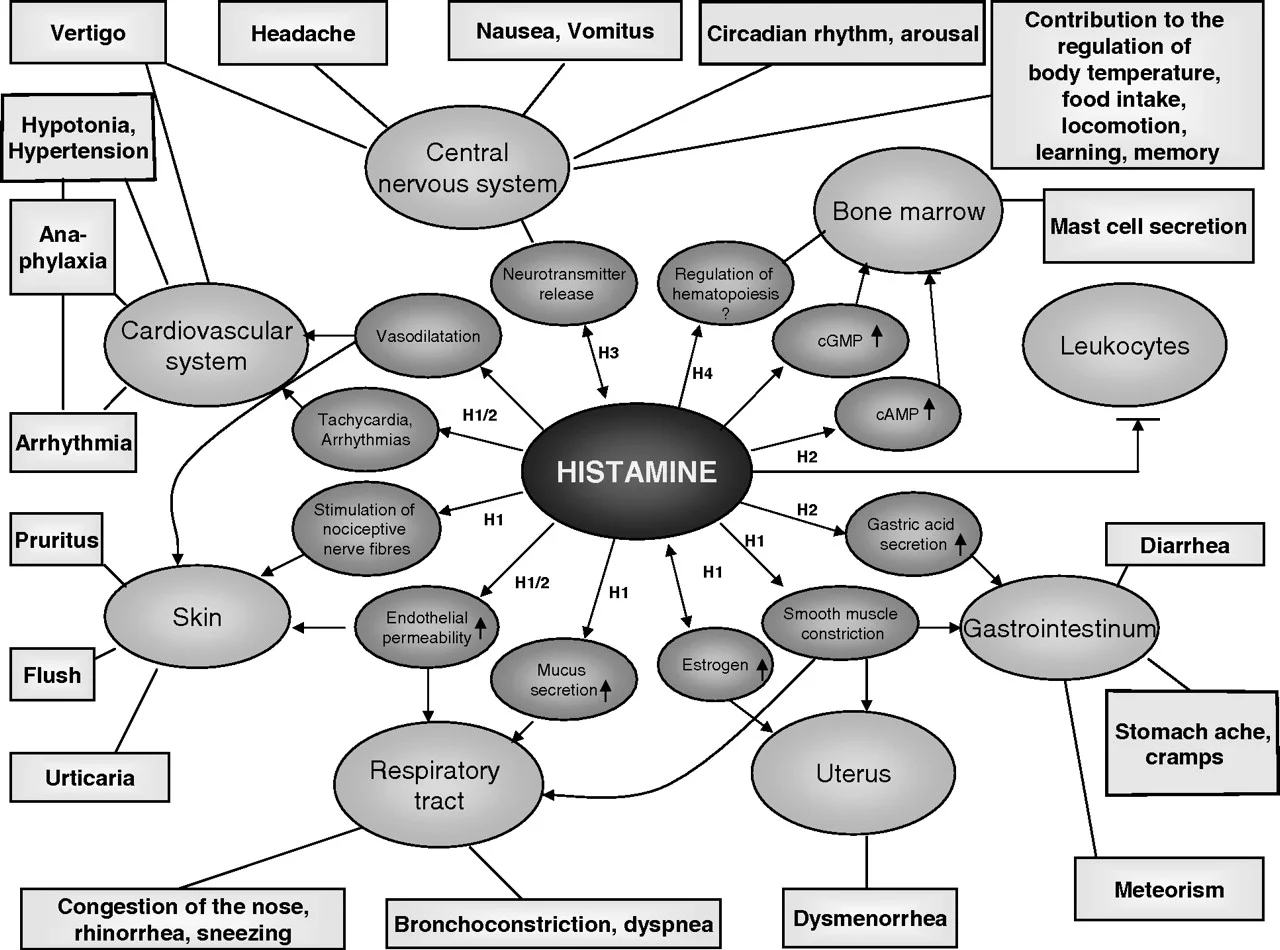
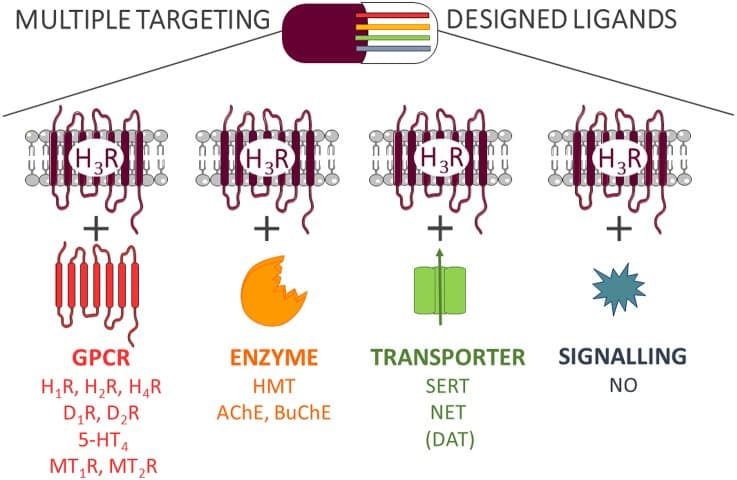
There are four different histamine receptors, named H1R through H4R. R
H1R is involved in the allergic response, smooth and endothelial muscle contraction, and neurotransmission. R R
H2R is expressed in many immune cells, parietal cells and nerve cells. It is mostly targeted for gastric, neurological, and cancer therapies. R R
H3R regulates histamine production in the central nervous system (CNS), regulating neurotransmitters. R R
H4R is regulates the immune system in blood and the CNS. R
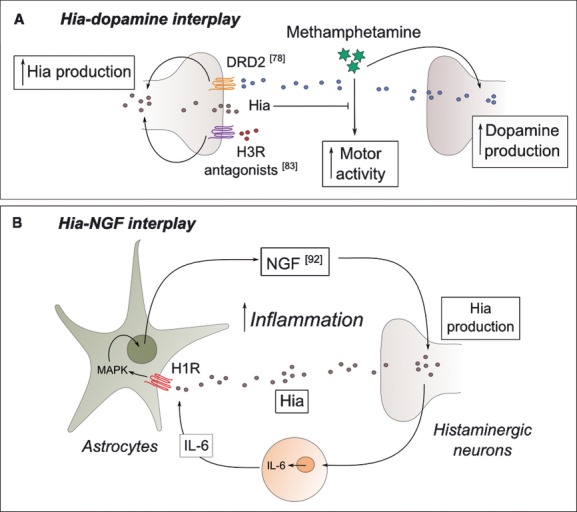
Targeting histamine receptors with anti-histamine need to be specific for the right one - for example increasing antagonizing the 3rd Histamine Receptor (H3R) causes an increase of histamine in the brain, as H3R has auto/hetero-receptor properties.
Technical R
All four receptors belong to class A family of G-protein coupled receptors (GPCRs).
H1R couples Gαq/11 proteins, leading to phospholipase C activation, production of inositol phosphate and calcium mobilization.
H1R is also expressed in nerve cells, vascular smooth and endothelial cells among others, and takes part in neurotransmission and cellular adhesion respectively.
H2R is expressed in many immune cell types, parietal cells and nerve cells.
H2R mediates its effects by coupling GαS proteins, stimulating adenylate cyclase and increasing intracellular cAMP levels.
H2R in regulates histamine synthesis and cytokine production in immune cells.
This prevents stem cells in the bone marrow from differentiating and can even induce stem cells to undergo apoptosis.
Due to its broad localization, antagonists of this receptor have been used for treating gastric and neurological disorders, as well as in antitumour therapy.
H3R, when located in the presynaptic membrane of histaminergic cells, regulates the production of Hia in the CNS.
H3R also regulates the release of many neurotransmitters, acting as a presynaptic heteroceptor.
H3R couples to Gαi/o proteins and inhibits cAMP accumulation.
It has been demonstrated that several active isoforms of this receptor exist in humans, although their function remain unknown.
H4R is expressed in certain immune cells of haematopoietic origin and in the CNS.
H4R couples to Gαi/o proteins and inhibits cAMP formation.
H4R has been recently targeted as a key component of the immune response as well as being responsible for the mobilization of immune cells.
Histamine's regulates both IL-6 production and mRNA expression in mice mast cells via H4R activation.
Ketotifen Fumarate is a H1 antagonist with little side effects. R
Genetics
DAO
D-amino acid oxidase is an enzyme that breaks down histamine into histadine. R
Mutations in this gene are associated with:
Ulcerative Colitis R
Schizophrenia R
Migraines R
Sensitivity to NSAIDs R
Schizophrenia R
Bipolar Disorder R
rs10156191 - Each T allele means you have reduced DAO activity. R
rs1049742 - Each T allele means you have reduced DAO activity. R
rs2052129 R
rs2268999 (reduced activity)
rs2071514 (protective)
rs1049748 (protective)
rs2071517 (protective)
HDC
Histidine decarboxylase converts L-histidine to histamine (via P5P). R
HDC is expressed by mast cells and other immune cells, gastric enterochromaffin-like cells (ECLCs) and histaminergic neurons. R
Mutations in this gene are associated with:
Chronic Heart Failure R
Tourette Syndrome R
Bile Acid Secretion R
Atherosclerosis R
Scleroderma R
Rhinitis (TT allele of rs2073440)
HNMT
Histamine N-methyltransferase regulates histamine methylation. R
SAM-e should help increase this gene as a methyl donor. R
Mutations in this gene are associated with:
Asthma R
Allergic Rhinitis R
Breast Cancer R
Bronchiolitis R
Pick's Disease R
Down Syndrome R
Intellectual disability R
Huntington's Disease R
Better Outcome in Ischaemic Stroke R
Schizophrenia protection R
Myasthenia gravis R
Anxiety R
Aspirin intolerant chronic urticaria R
Alcoholism R
rs1050891 - AA will increase histamine and may worsen ADHD. R
rs758252808
rs17583889
rs1801105
rs11558538
rs745756308
Histamine Receptors
HRH1
HRH2
HRH3
HRH4
Histamine Transporters
SLC18A2/VMAT2
SLC22A3/EMT
MTHFR
Being heterozygous or homozygous for either C677T and/or A1298c will predispose you to further histamine problems.
Each allele for both mutations adds the burden for detoxing excess histamine.
For a deeper look at how the full methylation cycle works, why MTHFR is only one piece of the puzzle, and how to support it, see the complete methylation guide.
The connection between methylation and histamine is direct: HNMT (histamine N-methyltransferase) is the only enzyme that clears histamine inside cells, and it requires SAM-e as its methyl donor.
When SAM-e is depleted (from MTHFR variants, B12 deficiency, or high toxin burden), HNMT slows down and histamine accumulates in the brain, liver, and airways.
This is why so many people with MTHFR mutations present with histamine intolerance as their primary symptom.
Supporting the methylation cycle with methylfolate, methyl-B12, riboflavin, and TMG restores SAM-e production and directly improves histamine clearance through HNMT.
Creatine supplementation also helps: creatine synthesis consumes approximately 40% of all SAM-e methyl groups in the body, so supplementing creatine directly frees up SAM-e for histamine degradation.
VDR
The Vitamin D Receptor acts as a transcription factor and target for H1R (histamine 1 receptor). R
More Research
Jacob Gordon
INHC, FMT-C
Integrative Nutrition Health Coach
I cover mold illness, post-viral recovery, methylation, and complex chronic disease, drawing on ten years of clinical research, work inside a functional medicine clinic, and my own recovery from all of it. Every claim here is cited.
Book a ConsultationRelated Protocols & Supplements
Deep-dive chapters and recommended supplements for this topic
Electrolyte Complex
1 scoop/day
CoQ10
200mg/day
Magnesium Glycinate
400mg at bedtime