Methylation: Why This One Pathway Controls Almost Everything
By Jacob Gordon, INHC, FMT-CThis article contains affiliate links. As an Amazon Associate, MyBioHack earns from qualifying purchases at no extra cost to you. We only link products we research and stand behind.
Methylation is the most interconnected metabolic pathway in the body, and when it fails, the downstream damage touches neurotransmitters, detoxification, immune regulation, DNA repair, histamine clearance, and energy production simultaneously.
In this post, we will discuss what methylation actually is, which enzymes and nutrients drive it, what happens when it breaks down, which conditions overlap with methylation impairment, and what to do about it.
Basics Of Methylation
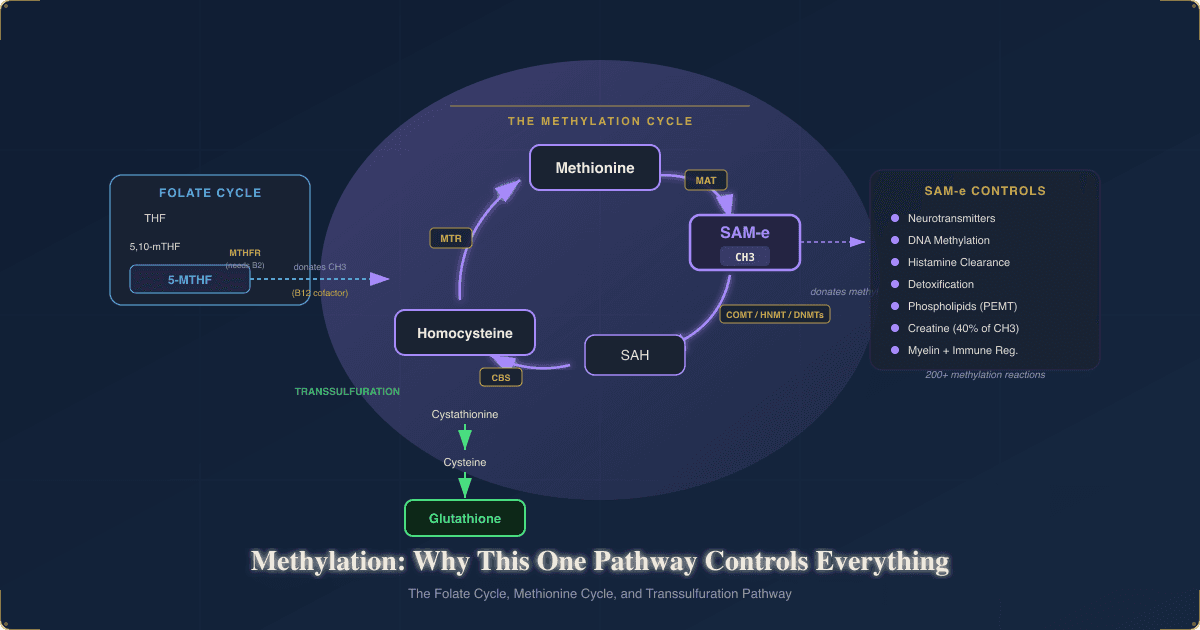
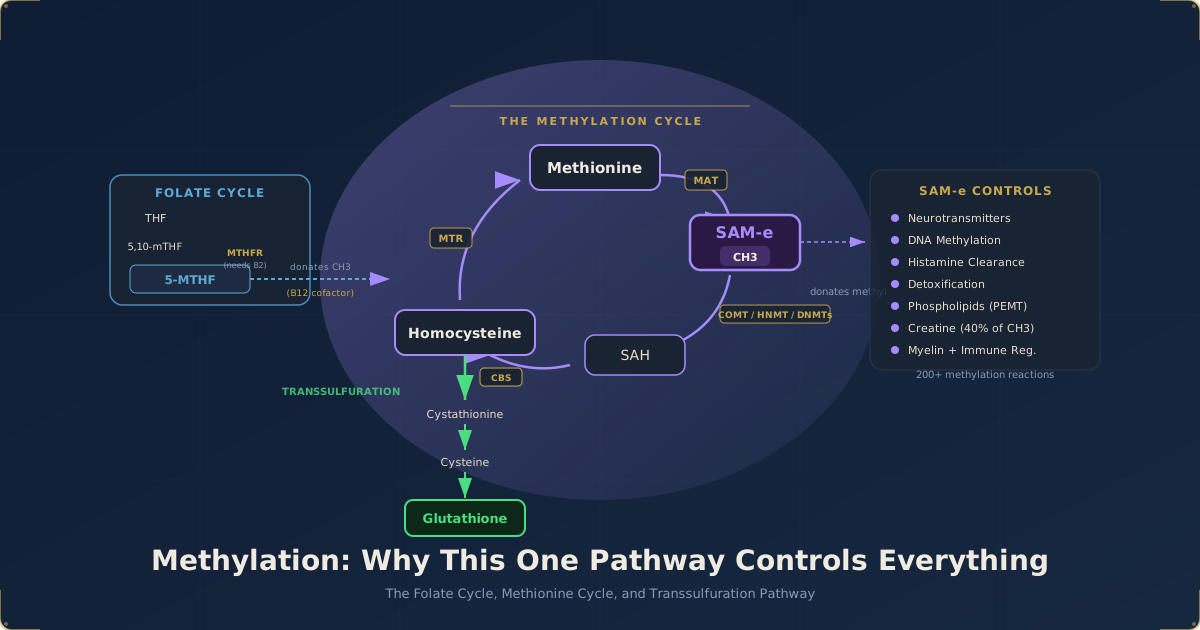
Methylation is the transfer of a one-carbon methyl group (CH3) from a donor molecule to a substrate. R
The primary methyl donor in the body is S-adenosylmethionine (SAM-e), which is produced from the amino acid methionine and ATP by the enzyme methionine adenosyltransferase (MAT). R
SAM-e donates its methyl group to over 200 different methyltransferase enzymes, making it one of the most versatile cofactors in human biochemistry. R
After donating its methyl group, SAM-e becomes S-adenosylhomocysteine (SAH), which is then hydrolyzed to homocysteine.
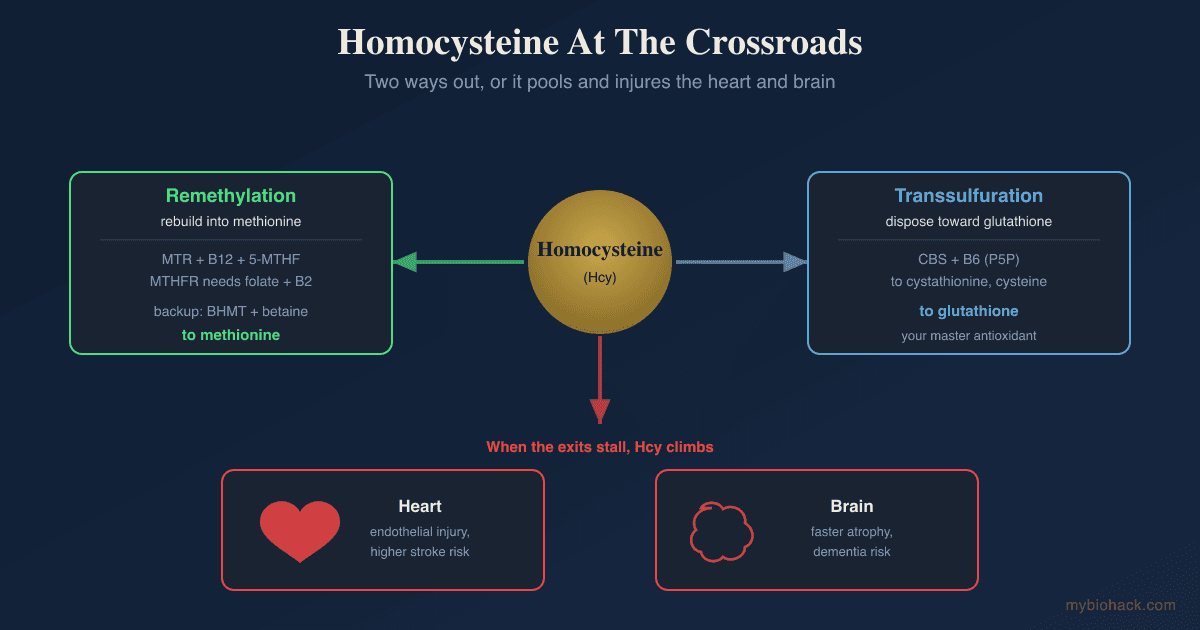
Homocysteine sits at a critical metabolic branch point: it can be remethylated back to methionine (completing the cycle) or it can be shunted into the transsulfuration pathway to produce cysteine, glutathione, and taurine. R
Methylation is not one reaction.
It is a cycle that must keep turning, and every nutrient and enzyme in the cycle affects every other part.
The Methylation Cycle
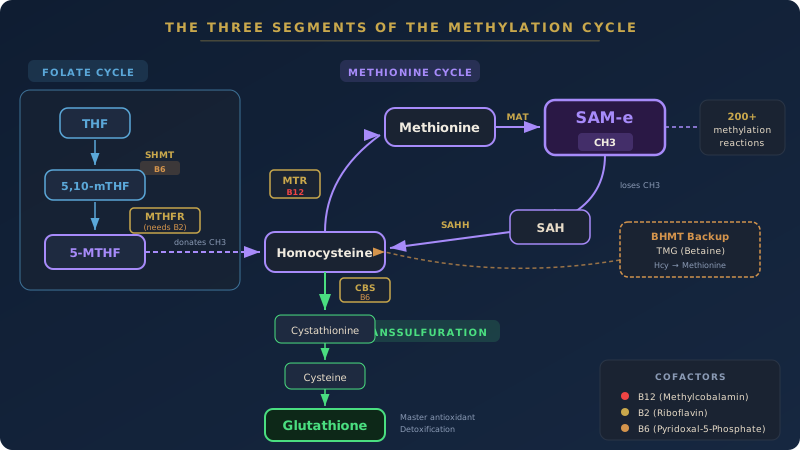
The methylation cycle has three critical segments that must all function for methyl groups to keep flowing.
Segment 1: Folate Cycle (Methyl Group Production)
Dietary folate (or supplemental 5-MTHF) enters the cycle as tetrahydrofolate (THF).
THF is converted to 5,10-methyleneTHF by the enzyme serine hydroxymethyltransferase (SHMT), using vitamin B6 as a cofactor.
MTHFR (methylenetetrahydrofolate reductase) then converts 5,10-methyleneTHF to 5-methylTHF (5-MTHF), the active form of folate. R
This is the rate-limiting step of folate-dependent methylation.
MTHFR requires riboflavin (vitamin B2) as a cofactor.
5-MTHF is the molecule that delivers the methyl group to homocysteine.
Segment 2: Methionine Cycle (Methyl Group Transfer)
Methionine synthase (MTR) transfers the methyl group from 5-MTHF to homocysteine, regenerating methionine. R
MTR requires methylcobalamin (methyl-B12) as a cofactor.
If MTR is impaired (by B12 deficiency, nitrous oxide exposure, or genetic variants), 5-MTHF accumulates and becomes trapped, unable to release its methyl group.
This is called the methyl trap and it creates a functional folate deficiency even when folate levels appear normal. R
Methionine is then activated by ATP to form SAM-e, which donates methyl groups to over 200 substrates.
An alternative remethylation pathway exists via BHMT (betaine-homocysteine methyltransferase), which uses betaine (TMG) as the methyl donor instead of 5-MTHF. R
This BHMT pathway is mainly active in the liver and kidneys and serves as a backup when the folate-dependent pathway is compromised.
Segment 3: Transsulfuration Pathway (Homocysteine Disposal)
When homocysteine is not remethylated, it enters the transsulfuration pathway.
CBS (cystathionine beta-synthase) converts homocysteine to cystathionine, using vitamin B6 as a cofactor. R
Cystathionine is then converted to cysteine, which feeds into glutathione synthesis, taurine production, and sulfate generation.
This pathway is the primary route for homocysteine disposal and the only endogenous source of cysteine.
When CBS is overactive (gain-of-function variants), it drains homocysteine too quickly, depleting methionine and SAM-e and causing methylation deficiency despite normal folate and B12. R
When CBS is underactive, homocysteine accumulates, causing cardiovascular damage and neurotoxicity.
What Methylation Controls
The reason methylation impairment produces such varied symptoms is that SAM-e is required for an extraordinary range of biological processes.
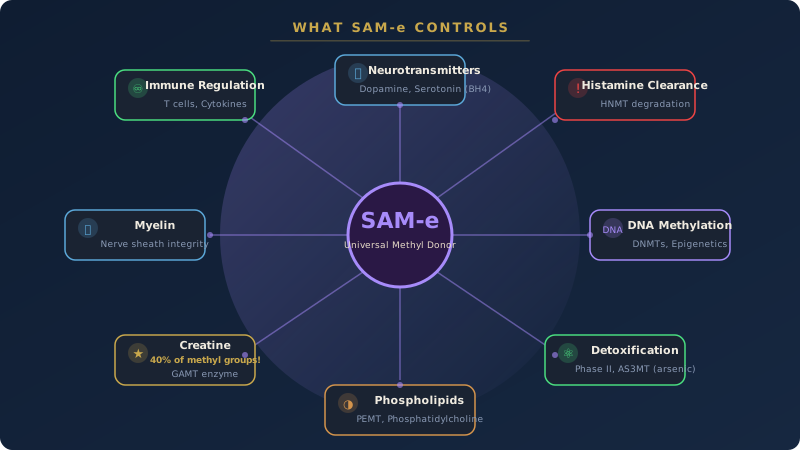
Neurotransmitter Production And Clearance
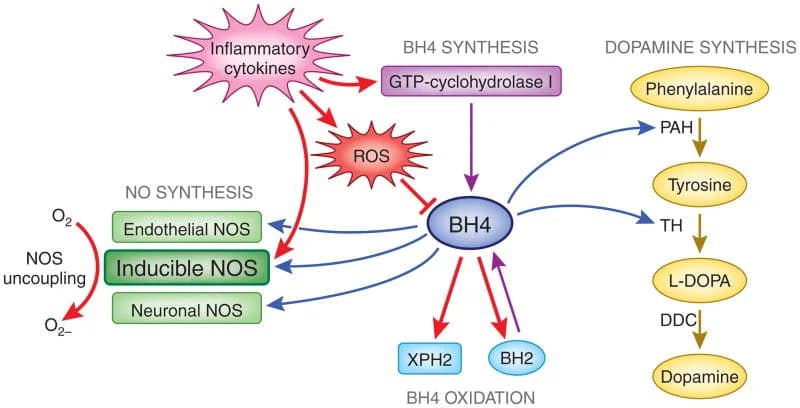
BH4 (tetrahydrobiopterin) synthesis depends on methylation.
BH4 is the essential cofactor for tyrosine hydroxylase (dopamine synthesis), tryptophan hydroxylase (serotonin synthesis), and phenylalanine hydroxylase. R
Without adequate BH4, dopamine, serotonin, and norepinephrine production all decline simultaneously.
COMT (catechol-O-methyltransferase) uses SAM-e to degrade catecholamines (dopamine, norepinephrine, epinephrine) and catechol estrogens.
HNMT (histamine N-methyltransferase) uses SAM-e to degrade intracellular histamine.
Impaired methylation therefore causes simultaneous buildup of catecholamines, estrogen metabolites, and histamine.
Detoxification
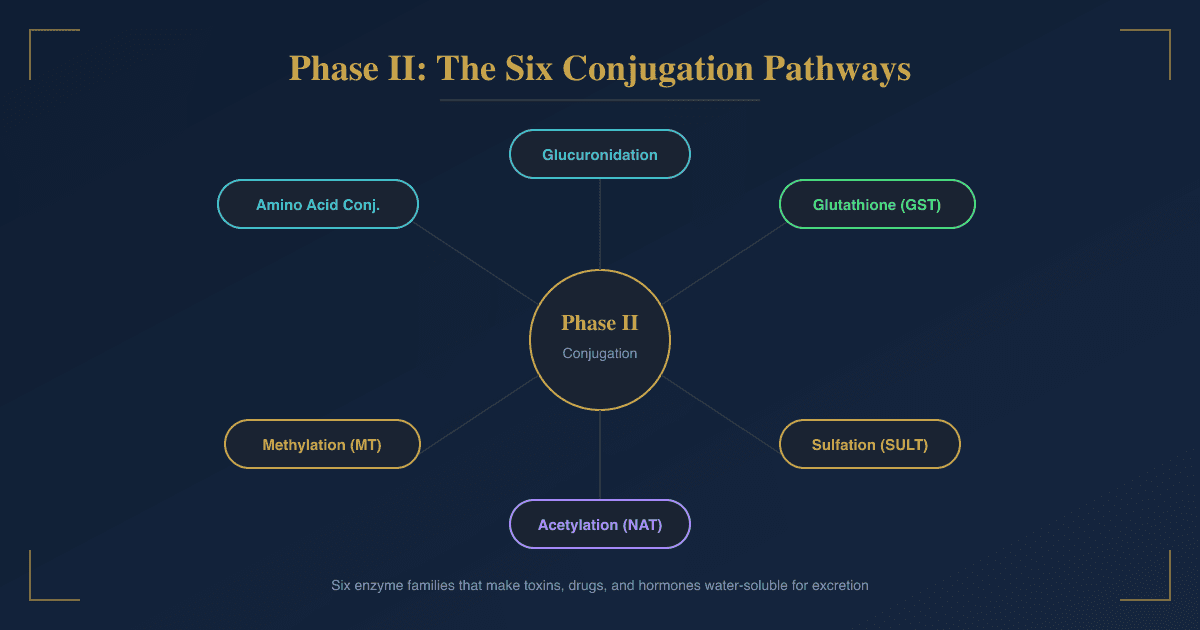
Phase II liver detoxification includes a methylation pathway that conjugates toxins with methyl groups for excretion. R
Arsenic, for example, is primarily detoxified by methylation via AS3MT (arsenite methyltransferase). R
The transsulfuration pathway produces glutathione, the body's primary intracellular antioxidant and Phase II conjugation substrate.
Impaired methylation simultaneously reduces both methylation-dependent and glutathione-dependent detox pathways.
DNA Methylation And Epigenetics
DNA methyltransferases (DNMTs) use SAM-e to add methyl groups to cytosine bases at CpG sites, silencing gene expression. R
This is the primary epigenetic mechanism for controlling which genes are turned on or off.
Hypomethylation of DNA activates genes that should be silenced (including oncogenes and retroviral elements).
Hypermethylation silences genes that should be active (including tumor suppressors).
Global DNA hypomethylation is associated with cancer, autoimmunity, and aging. R
Phospholipid Synthesis
PEMT (phosphatidylethanolamine N-methyltransferase) uses SAM-e to convert phosphatidylethanolamine to phosphatidylcholine in the liver. R
This is the primary endogenous source of phosphatidylcholine, which is essential for cell membrane integrity, bile production, and VLDL export from the liver.
Impaired PEMT activity contributes to NAFLD and gallbladder sludge.
Creatine Synthesis
Creatine synthesis consumes approximately 40% of all SAM-e methyl groups in the body. R
GAMT (guanidinoacetate N-methyltransferase) catalyzes the final step of creatine biosynthesis.
This is the single largest drain on the methyl pool, which is why creatine supplementation can spare SAM-e for other methylation reactions.
Immune Regulation
T cell differentiation, B cell maturation, and cytokine production are all methylation-dependent. R
DNA methylation controls the expression of inflammatory cytokines (IL-6, TNF-alpha, IFN-gamma) and immune checkpoint molecules.
Hypomethylation is associated with autoimmune activation, while targeted methylation controls immune tolerance.
Myelin And Nerve Function
SAM-e is required for myelin basic protein methylation, which maintains the structural integrity of the myelin sheath. R
B12 deficiency-driven demyelination is a direct consequence of methylation failure in the nervous system.
This is why B12 deficiency causes peripheral neuropathy, subacute combined degeneration of the spinal cord, and cognitive decline.
Nitric Oxide
eNOS (endothelial nitric oxide synthase) requires BH4 as a cofactor to produce nitric oxide. R
When BH4 is depleted (from methylation failure), eNOS "uncouples" and produces superoxide instead of NO, causing endothelial dysfunction.
ADMA (asymmetric dimethylarginine), a methylated arginine derivative, is an endogenous eNOS inhibitor cleared by DDAH.
Elevated ADMA from impaired clearance further reduces NO production. R
What Causes Methylation Impairment
- Alcohol (depletes folate, B12, B6, and directly inhibits methionine synthase) R
- Antibiotics (disrupt folate-producing gut bacteria)
- Chronic inflammation (inflammatory cytokines alter expression of methylation enzymes and increase SAM-e consumption) R
- Folic acid supplementation (synthetic folic acid must be reduced by DHFR, which has limited capacity; unmetabolized folic acid can block folate receptors and paradoxically impair methylation) R
- Genetic variants (MTHFR, MTR, MTRR, COMT, CBS, BHMT, MAT, PEMT; see Genetics section)
- Glyphosate (disrupts folate synthesis by gut bacteria, chelates manganese and cobalt)
- Heavy metals (mercury, lead, arsenic, cadmium all impair methyltransferase enzymes and deplete glutathione, increasing methylation demand) R
- High-dose niacin (nicotinic acid) (niacin is methylated for excretion, consuming SAM-e and depleting the methyl pool) R
- Mycotoxin exposure (mycotoxins deplete glutathione and increase methylation demand for detoxification)
- Nitrous oxide exposure (irreversibly oxidizes the cobalt in methylcobalamin, inactivating methionine synthase; a single exposure can precipitate acute methylation failure) R
- Nutrient deficiencies (folate, B12, B6, B2, zinc, magnesium, choline; any single deficiency can bottleneck the entire cycle)
- Oral contraceptives (deplete folate, B6, B12, and zinc) R
- Proton pump inhibitors (reduce B12 absorption by suppressing gastric acid needed for B12 liberation from food)
- Stress (cortisol increases catecholamine production, increasing COMT demand for SAM-e)
Methylation And Overlapping Conditions
Histamine Intolerance And MCAS
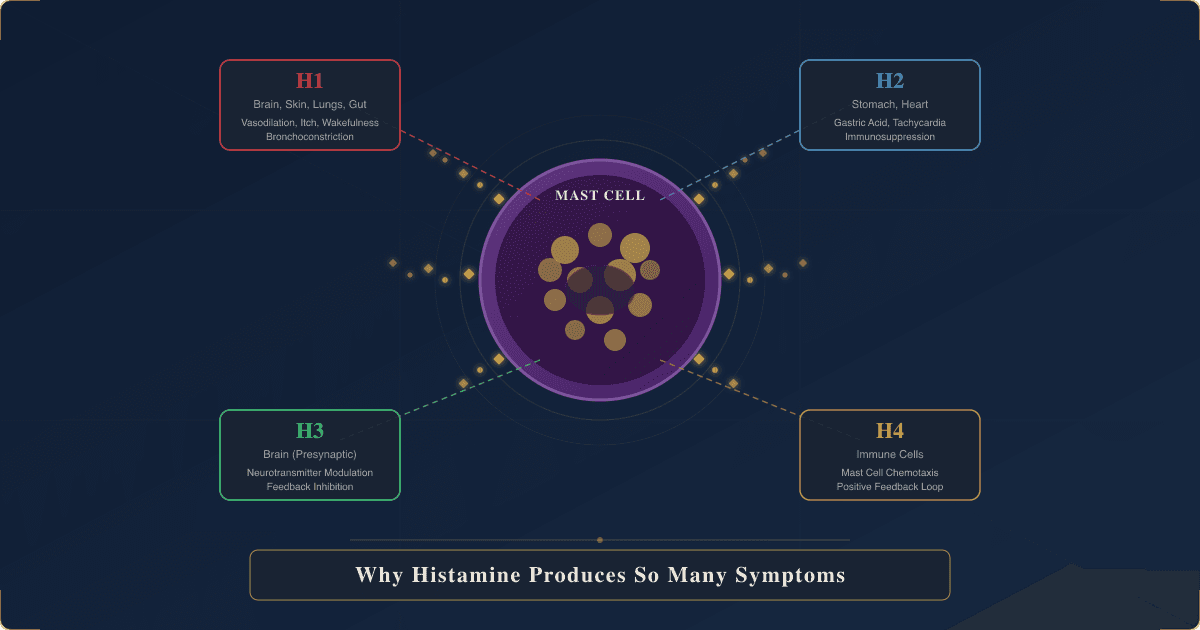
Histamine intolerance is one of the most common clinical presentations of methylation failure.
HNMT is the only enzyme that clears intracellular histamine, and it is entirely dependent on SAM-e.
When methylation is impaired, brain histamine accumulates, causing insomnia, anxiety, brain fog, and headaches.
Mast cells are also regulated by methylation-dependent epigenetic controls, and hypomethylation can increase mast cell reactivity.
For the full histamine protocol, see the 6 Steps to Naturally Treat Histamine Intolerance post.
POTS And Dysautonomia
POTS patients frequently have impaired methylation.
BH4 depletion reduces catecholamine synthesis (worsening orthostatic intolerance), while COMT impairment allows catecholamine excess during stress (driving hyperadrenergic episodes).
Nitric oxide deficit from eNOS uncoupling impairs vasomotor control.
Mood And Neurology
SAM-e is a well-established antidepressant in clinical trials, working by restoring neurotransmitter methylation. R
Low methylation is associated with depression, anxiety, SSRI-resistant mood disorders, schizophrenia, and cognitive decline. R
Alzheimer's disease shows global DNA hypomethylation and elevated homocysteine as consistent features.
Cardiovascular Disease
Elevated homocysteine (hyperhomocysteinemia) is an independent risk factor for atherosclerosis, stroke, venous thrombosis, and peripheral vascular disease. R
Homocysteine damages the vascular endothelium, promotes oxidative stress, and activates inflammatory pathways.
The MTHFR C677T homozygous genotype increases cardiovascular risk by 14-21% through elevated homocysteine. R
Cancer
Global DNA hypomethylation activates oncogenes and retrotransposons, promoting genomic instability. R
Promoter hypermethylation of tumor suppressor genes (p16, BRCA1, MLH1) silences their protective function.
Low folate status is associated with increased risk of colorectal, breast, and pancreatic cancers. R
Estrogen Dominance
COMT methylates and inactivates catechol estrogens (2-OH, 4-OH estrone/estradiol).
When COMT is slow (Val158Met polymorphism or SAM-e depletion), 4-hydroxyestrone accumulates, which is genotoxic and associated with breast cancer risk. R
This links methylation directly to estrogen metabolism and hormone-driven conditions like endometriosis, fibroids, and PCOS.
Biotoxin Illness And CIRS
Biotoxin accumulation is one of the most underrecognized drivers of methylation collapse.
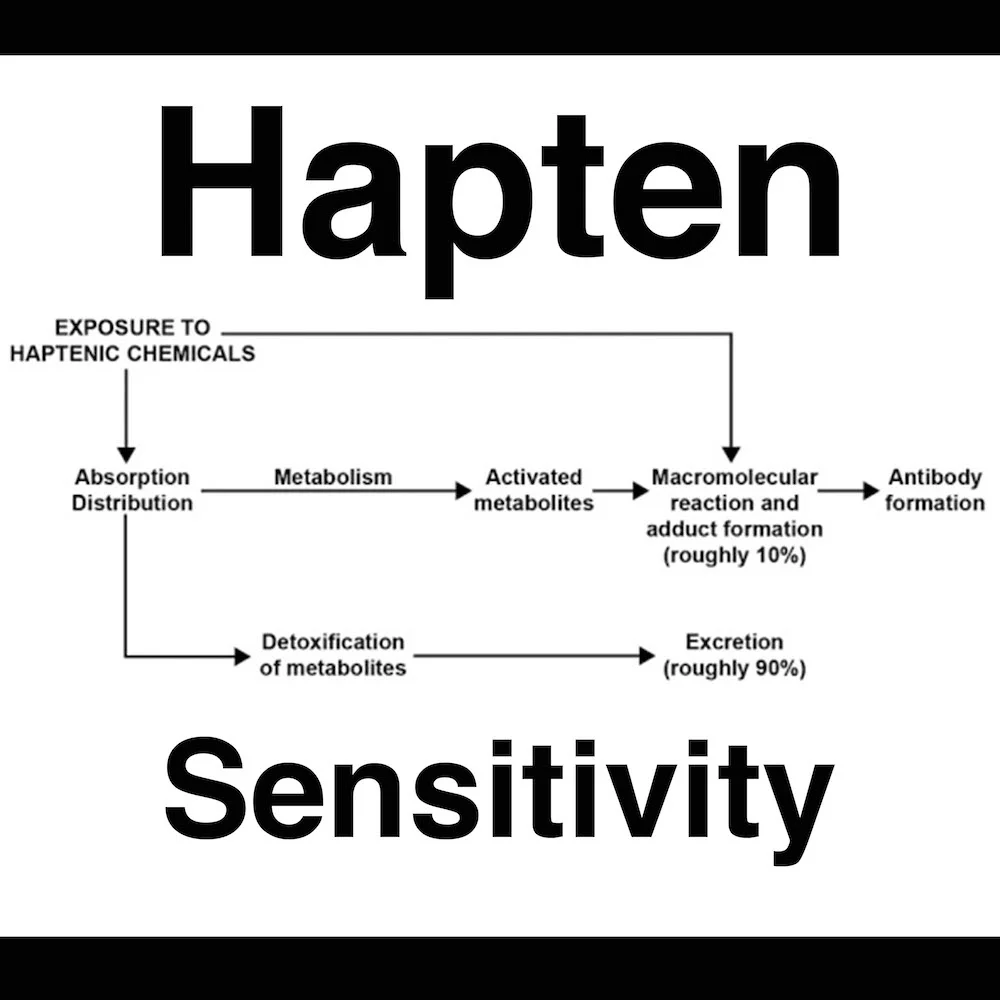
Mycotoxins (aflatoxin, ochratoxin A, trichothecenes), heavy metals (mercury, lead, arsenic, cadmium), and environmental chemicals all place direct demands on methylation at multiple levels simultaneously.
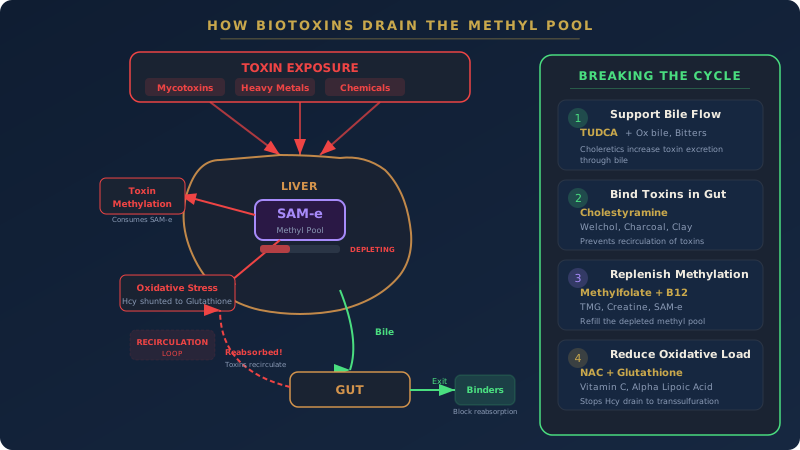
How biotoxins drain the methyl pool:
- Phase II methylation conjugation Fat-soluble toxins are methylated by arsenic methyltransferase (AS3MT), thiol methyltransferase (TMT), and other SAM-e dependent enzymes for excretion. Each toxin molecule methylated consumes one SAM-e molecule. Chronic exposure means continuous SAM-e consumption for detoxification, leaving less available for neurotransmitter clearance, DNA methylation, and phospholipid synthesis. R
- Glutathione depletion and transsulfuration overdrive Toxins generate reactive oxygen species that deplete glutathione. The body compensates by pulling homocysteine into the transsulfuration pathway (via CBS) to synthesize more cysteine for glutathione production. This diverts homocysteine away from remethylation to methionine, reducing SAM-e production. The more oxidative stress, the more the cycle tilts toward glutathione at the expense of methylation. R
- Direct enzyme inhibition Mercury binds to selenium in glutathione peroxidase and to sulfhydryl groups on methyltransferases, directly inactivating them. Lead inhibits ALAD (aminolevulinic acid dehydratase) and disrupts heme synthesis, which is required for cytochrome P450 detox enzymes. Cadmium displaces zinc from BHMT and other zinc-dependent methyltransferases, crippling the backup remethylation pathway. R
- Enterohepatic recirculation Fat-soluble toxins excreted into bile are reabsorbed in the intestine and returned to the liver via the portal vein, creating a recirculation loop that forces the liver to methylate and conjugate the same toxin molecule repeatedly. Without binders (cholestyramine, activated charcoal, zeolite) to interrupt this loop, each pass through the liver consumes additional SAM-e and glutathione.
- NRF2 pathway disruption Chronic toxin exposure can either suppress or over-activate NRF2, the master antioxidant transcription factor. When NRF2 is suppressed, glutathione synthesis genes are downregulated, worsening the glutathione deficit. When NRF2 is constitutively activated, it can paradoxically increase inflammation in certain genetic backgrounds.
- Mast cell degranulation Mycotoxins directly degranulate mast cells, releasing histamine that requires HNMT (a SAM-e dependent enzyme) for clearance. This creates a secondary methylation drain on top of the detoxification drain, which is why biotoxin illness patients so frequently present with histamine intolerance as a concurrent symptom.
The result is a vicious cycle: toxins consume SAM-e for their own detoxification, deplete glutathione (pulling more homocysteine into transsulfuration), inhibit the enzymes that regenerate methyl groups, and trigger mast cells that release histamine requiring even more SAM-e to clear.
This is why patients with chronic mold exposure or heavy metal burden often fail to respond to methylation supplements alone.
The toxin load must be addressed concurrently with methylation support, or the supplements simply get consumed clearing toxins rather than restoring normal function.
The bile flow connection
Bile is the liver's primary excretion route for methylated and glutathione-conjugated toxins.
After Phase II conjugation (which uses SAM-e), the water-soluble metabolite is exported into bile via canalicular transporters (MRP2/ABCC2), flows through the bile ducts, enters the gallbladder for concentration, and is released into the duodenum with meals for fecal elimination. R
When bile flow is sluggish, this entire elimination pathway backs up.
Gallbladder sludge and biliary stasis mean toxins that have already been methylated and conjugated at the cost of SAM-e and glutathione cannot leave the body efficiently.
They sit in thickened bile, get reabsorbed through the intestinal wall, return to the liver via the portal vein, and must be methylated and conjugated all over again.
Each pass through this enterohepatic recirculation loop consumes additional SAM-e and glutathione for what is effectively the same toxin molecule.
This is why improving bile flow is a direct methylation intervention, not just a digestive one.
TUDCA thins bile and improves flow by replacing toxic hydrophobic bile acids with hydrophilic ones, directly increasing the rate at which conjugated toxins are excreted. R
Milk thistle (silymarin) upregulates the bile salt export pump (BSEP), increasing efflux of bile salts and conjugated toxins from hepatocytes into the canalicular space. R
Curcumin contracts the gallbladder via CCK stimulation, physically emptying stored bile (and the toxins in it) into the intestine for elimination.
Phosphatidylcholine (which is itself a methylation product via PEMT) is both a bile component and a methylation-dependent molecule, creating a feedback loop: impaired methylation reduces PC synthesis, which reduces bile quality, which reduces toxin excretion, which increases methylation demand.
In patients with chronic biotoxin accumulation, supporting bile flow (TUDCA, milk thistle, curcumin, artichoke leaf extract) alongside intestinal binders (cholestyramine, activated charcoal, zeolite) can dramatically reduce the methylation burden by preventing toxin recirculation and allowing the methyl pool to recover.
For the full protocol on improving bile flow, see the gallbladder sludge post.
For the full discussion of how biotoxins accumulate and the detoxification pathway for clearing them, see those posts.
Other Linked Conditions
- Alcohol intolerance (impaired ALDH methylation and acetaldehyde accumulation)
- Body buzzing and internal tremors (catecholamine dysregulation from COMT/BH4 impairment)
- Dysbiosis (gut bacteria produce folate and B12; dysbiosis reduces microbial methylation support)
- Gallbladder disease (PEMT impairment reduces phosphatidylcholine, contributing to lithogenic bile)
- Tinnitus (neurotransmitter imbalance from impaired catecholamine and histamine clearance)
How To Improve Methylation
1. Provide The Core Methyl Donors
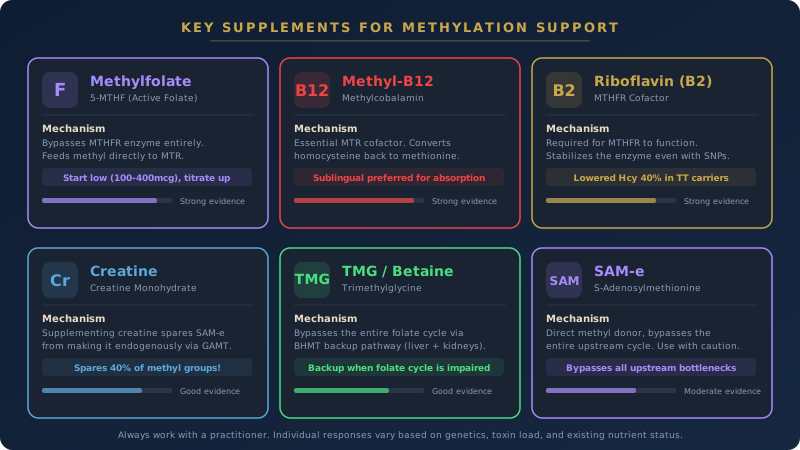
Methylfolate (5-MTHF) is the active form of folate that bypasses MTHFR entirely.
Start low (100-400mcg) and titrate up, as rapid methyl group availability can mobilize stored histamine and cause symptom flares.
Do NOT use folic acid (the synthetic form); it requires DHFR conversion, competes for folate receptors, and can paradoxically block methylation in MTHFR variant carriers.
Methylcobalamin (methyl-B12) is the cofactor for methionine synthase (MTR).
Sublingual or hydroxocobalamin forms are preferred over cyanocobalamin.
Riboflavin (B2) is the cofactor for MTHFR itself.
MTHFR C677T carriers have higher riboflavin requirements because the variant reduces FAD binding affinity.
Riboflavin supplementation alone can significantly lower homocysteine in C677T carriers. R
Pyridoxal-5-Phosphate (P5P) is required by CBS (transsulfuration), SHMT (folate cycle), and multiple aminotransferases.
2. Support Alternative Methyl Pathways
TMG (Trimethylglycine / Betaine) donates a methyl group to homocysteine via BHMT, bypassing the folate cycle entirely.
This is particularly useful when the folate-dependent pathway is genetically compromised (MTHFR + MTR compound variants).
Creatine supplementation spares SAM-e by eliminating the need for endogenous creatine synthesis, which consumes 40% of methyl groups.
This is one of the simplest ways to increase SAM-e availability for other methylation reactions. R
SAM-e itself can be supplemented directly, bypassing the entire upstream cycle.
Effective for depression, liver support, and acute methylation support, but does not fix the underlying cycle impairment.
3. Support Transsulfuration
NAC (N-Acetyl Cysteine) provides cysteine for glutathione synthesis without requiring CBS activity.
This is critical when oxidative stress is high and glutathione demand exceeds transsulfuration capacity.
Magnesium is required by over 300 enzymes including several in the methylation cycle.
Deficiency is extremely common in the chronically ill and is a silent bottleneck for methylation.
Zinc is required by BHMT and multiple methyltransferases.
4. Remove Methylation Blockers
Address heavy metal burden (mercury, lead, arsenic, cadmium) with appropriate chelation or binder protocols.
Address mycotoxin exposure with binders and environmental remediation.
Discontinue folic acid and switch to methylfolate.
Review medications that deplete methylation cofactors (PPIs, OCPs, methotrexate, nitrous oxide).
5. Repair The Glycocalyx And Gut Barrier
The gut is where folate and B12 are absorbed.
Intestinal permeability and glycocalyx degradation impair nutrient absorption and allow endotoxins into the bloodstream, increasing methylation demand.
L-Glutamine supports enterocyte health and tight junction protein expression.
Butyrate strengthens the gut barrier and supports the intestinal stem cell niche.
For the full protocol on rebuilding the glycocalyx, see that Junction Dysfunction chapter.
6. Fix Dysbiosis
Gut bacteria are a significant source of folate and B12 production.
Dysbiosis reduces microbial methylation support and increases endotoxin-driven inflammation that drains the methyl pool.
Biofilm disruption may be necessary if standard probiotics and antimicrobials fail to shift the microbiome.
What To Stay Away From
- Cyanocobalamin (requires cyanide removal and two conversion steps to reach methylcobalamin; use methylcobalamin or hydroxocobalamin instead)
- Excessive niacin (nicotinic acid) (methylated for excretion, depletes the methyl pool at high doses) R
- Folic acid (synthetic form competes with 5-MTHF at folate receptors, inhibits DHFR at high doses, and masks B12 deficiency; use methylfolate instead) R
- Glyphosate-contaminated foods (disrupts gut bacterial folate synthesis)
- Nitrous oxide (irreversibly inactivates methionine synthase; avoid dental and recreational N2O exposure if methylation-impaired) R
- Over-methylation (starting methylfolate or methyl-B12 at high doses can cause anxiety, insomnia, irritability, and histamine flares; always start low and titrate)
- Proton pump inhibitors (chronic use reduces B12 absorption by 65% over 2+ years) R
- Unaddressed heavy metals (mercury and lead directly inhibit methyltransferases; methylation support without metal removal is treating downstream while the upstream block persists)
Testing
Blood And Urine Markers
Homocysteine is the most widely available functional marker of methylation status.
Optimal is below 7 umol/L; levels above 10 indicate impaired remethylation or transsulfuration.
The Homocysteine + B12 + Folate panel (Quest Diagnostics) covers all three in one draw.
Vitamin B12 (Quest Diagnostics) should be checked alongside methylmalonic acid (MMA) for functional B12 status.
Serum B12 alone is unreliable because it includes inactive forms.
Vitamin B6 (Quest Diagnostics) checks pyridoxal phosphate status, the active cofactor for CBS and SHMT.
Comprehensive Panels
The Nutrient Zoomer (Vibrant Wellness) checks folate, B12, B6, B2, zinc, magnesium, copper, and amino acids in one panel, covering nearly every methylation cofactor simultaneously.
The Cellular Zoomer (Vibrant Wellness) or Organic Acids Test (OAT) (Mosaic Diagnostics) includes methylmalonic acid, formiminoglutamic acid (FIGLU, a functional folate marker), and neurotransmitter metabolites that reflect methylation-dependent synthesis.
The Methylation Profile (Doctor's Data) directly measures SAM-e, SAH, SAM/SAH ratio, methionine, cysteine, and homocysteine, providing the most comprehensive snapshot of cycle function.
The Foundation Zoomer (Vibrant Wellness) provides CBC (to detect megaloblastic anemia from B12/folate deficiency), CMP, and liver function markers relevant to transsulfuration capacity.
Genetics
The Methylation Genetics panel (Vibrant Wellness) covers MTHFR, MTR, MTRR, COMT, CBS, BHMT, and other cycle variants in one panel.
The standalone MTHFR (Vibrant Wellness) or MTHFR DNA Mutation Analysis (Quest Diagnostics) are available for targeted screening.
Toxin Burden
The Toxin Zoomer (Vibrant Wellness) or Mycotoxins Profile (RealTime Labs) should be run when methylation impairment persists despite adequate supplementation, as heavy metals and mycotoxins directly inhibit methyltransferases.
Mechanisms Of Action
Simple:
- Methylation is a cycle: folate donates a methyl group to homocysteine (with B12), homocysteine becomes methionine, methionine becomes SAM-e, SAM-e donates methyl groups to 200+ reactions, and the cycle restarts.
- SAM-e is the universal methyl donor. It is needed for making neurotransmitters (dopamine, serotonin), clearing histamine, building cell membranes, repairing myelin, making creatine, producing glutathione, and silencing genes.
- When any part of the cycle breaks (nutrient deficiency, genetic variant, toxin exposure), SAM-e production drops and all downstream reactions slow simultaneously.
- Homocysteine accumulates when the cycle stalls. High homocysteine damages blood vessels and is a reliable blood marker that the cycle is not working.
- The methyl trap occurs when B12 is deficient: folate gets stuck in its methylated form and cannot be recycled, creating a functional folate deficiency.
- Creatine synthesis uses 40% of all methyl groups, so supplementing creatine frees up SAM-e for everything else.
Advanced:
- SAM-e as universal methyl donor SAM-e donates its methyl group to over 200 methyltransferases classified into five structural superfamilies. The reaction produces SAH, which is a potent product inhibitor of most methyltransferases. The SAM/SAH ratio (methylation index) determines the thermodynamic driving force for all methylation reactions; ratios below 4.0 indicate impaired methylation capacity. R
- MTHFR kinetics MTHFR is an FAD-dependent oxidoreductase that catalyzes the irreversible NADPH-dependent reduction of 5,10-methyleneTHF to 5-MTHF. The C677T polymorphism (Ala222Val) destabilizes FAD binding, reducing Vmax by 35% (heterozygous) or 70% (homozygous) at 37C. Riboflavin supplementation partially rescues activity by increasing intracellular FAD availability and stabilizing the variant enzyme. R
- Methionine synthase and B12 MTR uses methylcobalamin (cob(I)alamin) as an intermediate methyl carrier. The cobalamin cycles between Co(I) and Co(III) oxidation states during catalysis. Approximately once every 2000 turnovers, the cobalt is oxidatively inactivated to Co(II). MTRR (methionine synthase reductase) regenerates the active Co(I) form using SAM-e as methyl donor and NADPH as reductant. Nitrous oxide irreversibly oxidizes Co(I) to Co(III), permanently inactivating the enzyme. R
- Transsulfuration regulation CBS is allosterically activated by SAM-e, creating a metabolic switch: when SAM-e is abundant, excess homocysteine is directed to glutathione synthesis; when SAM-e is depleted, homocysteine is preferentially remethylated to conserve methionine. CBS gain-of-function variants override this regulation, constitutively activating transsulfuration even when SAM-e is low, draining the methyl pool. R
- COMT and catechol estrogens COMT catalyzes O-methylation of catechols using SAM-e. The Val158Met polymorphism (rs4680) produces a thermolabile enzyme with 3-4x lower activity. Low-COMT individuals accumulate dopamine (beneficial for cognition, problematic for anxiety), norepinephrine, and 4-hydroxyestrone (genotoxic). This polymorphism has clinically significant interactions with MTHFR variants because both independently drain the SAM-e pool. R
- DNA methylation machinery DNMT1 is the maintenance methyltransferase that copies CpG methylation patterns to the newly synthesized strand during DNA replication. DNMT3A and DNMT3B are de novo methyltransferases that establish new methylation patterns. TET enzymes (TET1/2/3) catalyze active demethylation via oxidation of 5-methylcytosine to 5-hydroxymethylcytosine. The balance between DNMTs and TETs determines the methylation landscape of every cell. R
- Phosphatidylcholine synthesis PEMT catalyzes three sequential SAM-e-dependent methylations to convert phosphatidylethanolamine to phosphatidylcholine, consuming three methyl groups per PC molecule. PEMT activity is highest in the liver and is induced by estrogen. PEMT polymorphisms interact with choline intake: carriers of the PEMT rs12325817 variant have increased dietary choline requirements and are at higher risk for NAFLD. R
Genetics
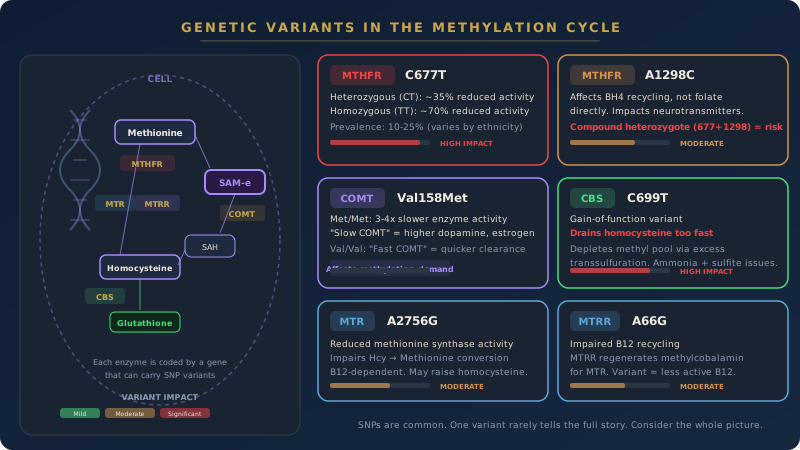
MTHFR — Most Studied Methylation Gene
MTHFR encodes methylenetetrahydrofolate reductase, the rate-limiting enzyme that produces 5-MTHF.
C677T (rs1801133) reduces enzyme activity by ~35% (CT) or ~70% (TT).
The TT genotype affects 10-15% of most populations, with higher prevalence in Hispanic (25%) and Italian populations. R
A1298C (rs1801131) reduces enzyme activity, particularly problematic as a compound heterozygote with C677T.
Carriers require higher folate, riboflavin, and B12 intake to maintain adequate methylation.
MTR (Methionine Synthase)
MTR encodes the enzyme that remethylates homocysteine using methyl-B12.
A2756G (rs1805087) the G allele is associated with reduced enzyme activity, lower homocysteine (paradoxically, due to reduced cycling), and increased risk of neural tube defects when combined with MTHFR variants. R
MTRR (Methionine Synthase Reductase)
MTRR regenerates the active form of methylcobalamin after it is oxidatively inactivated during MTR catalysis.
A66G (rs1801394) the G allele reduces MTRR activity, impairing B12 recycling and increasing the rate of methionine synthase inactivation. R
COMT (Catechol-O-Methyltransferase)
COMT degrades catecholamines and catechol estrogens using SAM-e.
Val158Met (rs4680) the Met/Met genotype has 3-4x lower enzyme activity ("slow COMT"), causing elevated dopamine, norepinephrine, and catechol estrogens. R
Slow COMT individuals tend toward higher cognitive performance but increased anxiety, pain sensitivity, and estrogen-driven conditions.
Fast COMT (Val/Val) clears catecholamines quickly but may be more prone to depression, attention deficits, and reduced pain sensitivity.
CBS (Cystathionine Beta-Synthase)
CBS directs homocysteine into the transsulfuration pathway.
C699T (rs234706) gain-of-function variant that upregulates CBS activity, pulling homocysteine into transsulfuration too aggressively, depleting methionine and SAM-e. R
Carriers may show low homocysteine with paradoxically poor methylation and elevated sulfur metabolites (taurine, sulfate, ammonia).
BHMT (Betaine-Homocysteine Methyltransferase)
BHMT provides the backup remethylation pathway using betaine (TMG).
Variants that reduce BHMT activity remove the safety net for homocysteine remethylation when the folate-dependent pathway is compromised.
MAT1A (Methionine Adenosyltransferase)
MAT1A converts methionine + ATP to SAM-e in the liver.
Variants that reduce MAT1A activity lower hepatic SAM-e production, impairing liver-specific methylation reactions (PEMT, GAMT, Phase II detox).
PEMT (Phosphatidylethanolamine N-Methyltransferase)
PEMT synthesizes phosphatidylcholine from phosphatidylethanolamine.
rs12325817 carriers have increased dietary choline requirements.
Female carriers on low-choline diets are at significantly higher risk for NAFLD and organ dysfunction. R
More Research
- Creatine supplementation reduces the need for endogenous creatine synthesis, which consumes approximately 40% of all SAM-e methyl groups, making it one of the simplest interventions to improve global methylation capacity. R
- For biomarker testing I use the Methylation Profile (Doctor's Data) for direct SAM-e/SAH measurement, the Nutrient Zoomer (Vibrant Wellness) for cofactor status, and the Methylation Genetics (Vibrant Wellness) for the full SNP panel.
- Global DNA hypomethylation is a hallmark of aging and is being investigated as a biomarker for biological age (the "epigenetic clock"). R
- Nitrous oxide from a single dental procedure can precipitate acute megaloblastic anemia and subacute combined degeneration in patients with unrecognized B12 deficiency or MTHFR variants. R
- Riboflavin (B2) supplementation alone lowered homocysteine by 40% in MTHFR 677TT carriers in a randomized controlled trial, making it one of the most underappreciated methylation interventions. R
- The combination of MTHFR C677T + COMT Val158Met is a particularly high-risk genotype because both independently increase SAM-e demand while the former reduces SAM-e production. R
- The SAM/SAH ratio (methylation index) is the single most informative marker of global methylation capacity; a ratio below 4.0 indicates functional methylation impairment. R
Jacob Gordon
INHC, FMT-C
Integrative Nutrition Health Coach
I cover mold illness, post-viral recovery, methylation, and complex chronic disease, drawing on ten years of clinical research, work inside a functional medicine clinic, and my own recovery from all of it. Every claim here is cited.
Book a ConsultationRelated Protocols & Supplements
Deep-dive chapters and recommended supplements for this topic
Spore-Based Probiotics
1 cap with food
L-Glutamine
5g 2x/day on empty stomach
Butyrate
300mg 2x/day with meals