32+ Zeitgebers (Biological Cues) And How To Enhance Your Circadian Rhythm
By Jacob Gordon, INHC, FMT-CThis article contains affiliate links. As an Amazon Associate, MyBioHack earns from qualifying purchases at no extra cost to you. We only link products we research and stand behind.
Right now as I write this, I am watching the morning sun, sitting on a bench in Dolores Park with my shirt off (in 50ºF weather), and typing on my laptop.
Last night, I had no sleep as I just traveled from FL to CA and helping my brother pack until 4am… and I woke up around 5am (8am my normal time… thanks jetlag).
That’s why I believe today’s topic of discussion should be circadian rhythm cues, also called Zeitgebers.
Zeitgebers (the German word for “time givers”) are signals that help synchronize the body's circadian clock with the environment.
In this post, we will discuss the most common zeitgebers, how they affect our circadian rhythm, and how we can use them to enhance our sleep, stress, weight, social life, and more.
What Are Zeitgebers?

Circadian rhythms are necessary for multiple aspects of your daily routine. R
They are driven by internal processes, which are self-sustaining, but highly rely upon circadian time cues (called zeitgebers) to remain appropriately attuned to your environment and desired routine. R
Zeitbergers are environmental cues that help your body sync with Earth’s 24hr light/dark cycle (and 12-month cycle). R
A study at Harvard was able to determine our bodies prefer around a 24 hour day (24 hours and 11 minutes ± 16 minutes), so using zeitbergers are important for chronobiology (biological rhythms). R
Biggest Takeaways (TLDR)
Too Long, Didn’t Read (TLDR) - The 3 biggest takeaways from this post are:
Be consistent in your daily routines
Be active and eat during the daylight hours
When it’s dark outside go to sleep and don’t eat
More takeaways are discussed in the section below about Ways To Hack Zeitbeger Circadian Cues.
Benefits Of Keeping A Circadian Rhythm
Having a strong circadian rhythm has consistently been correlated with a higher quality of life (of all ages). R R
Other benefits include:
Higher social activity (more energy) R
Improved Cognitive Performance - serial search, verbal reasoning, working memory tasks, suppressing wrong answers, and manual dexterity R
IMPORTANT - If your circadian cues are not synced between organs, disease can happen. R
List Of Zeitgebers And Circadian Cues
1. Light Intensity
Light is the most powerful zeitberger and it essentially tells us when to go to sleep and when wake. R
An example of this is sleeping in the dark and being active during light hours. R
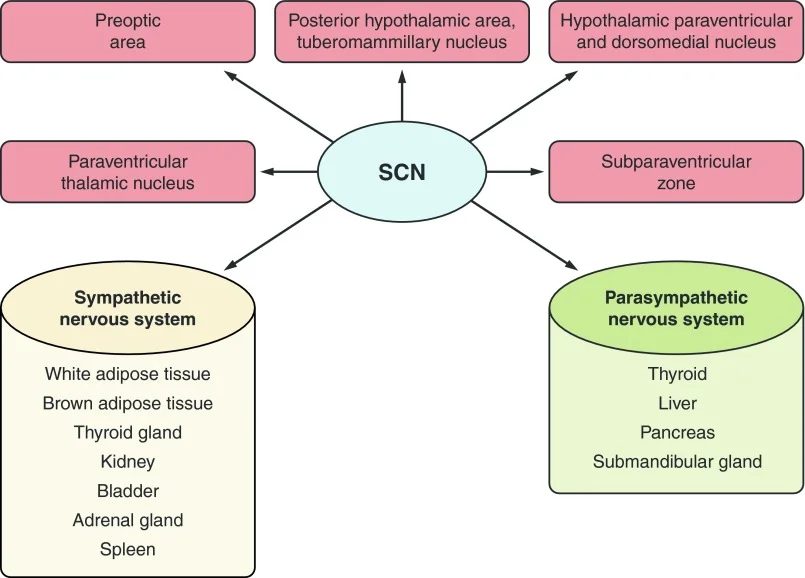
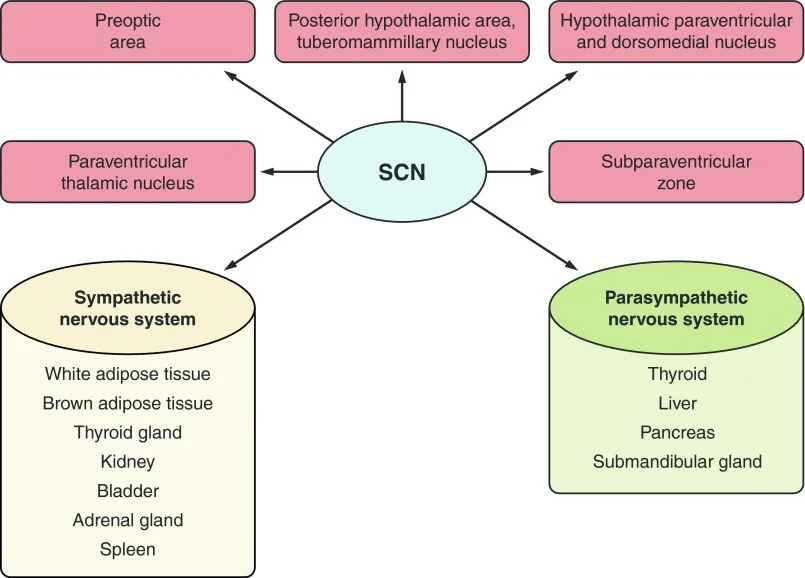
Light is able to activate the Suprachiasmatic Nucleus (SCN), which is our brain’s internal pacemaker, thus starting our day. R
Lack of light can decrease your mood and energy levels, as seen in patients with Seasonal Affective Disorder (SAD) during winter months up north. R
On the opposite spectrum, too much light may keep you awake and disrupt your natural signals to go to sleep. R
For example, in animal models, constant light has shown to affect lactation and cause dysregulation of hormones - VIP, AVP, and PER1 in the SCN. R
It’s important to note that light also works without the need of photoreceptors, as blind can still have their circadian rhythm affected by light. R
TLDR - Get bright light during the morning/day and reduce light intensity in the evening.
2. Sunlight And Moonlight
Depending on the positioning of the sun, sunlight intensity and wavelength can act as a zeitgeber. R
Using sunlight as a zeitgeber can help overcome jet-lag as well as improve mood. R
TLDR - Follow sunlight patterns in your area to keep a proper circadian rhythm.
3. Light Spectrum (Artificial And Blue Light vs Red/Purple Light)
Apart from sunlight and light intensity, the quality of light and its wavelength on the spectrum may act as a zeitgeber. R
For example, blocking blue light (by wearing amber or red glasses) has shown to help those with insomnia. R
Blue light is stimulatory and may keep you awake at night, thus shifting your natural environmental cues. R
For example, blue light (8000k) in offices have shown to have a competing effect on the brain (similar to sunlight) vs those exposed to warmer light (4000k). R
Reducing your amount of artificial light and increasing your amount of natural light may improve metabolic functions, cognitive function, and circadian rhythm. R R
Increasing exposure to other wavelengths (such as red light or purple light) may counteract some circadian dysfunctions from artificial wavelengths. R
TLDR - Get all wavelengths of light during the day, lots of red light in the evening and block out blue at night.
4. Exercise
Exercise sessions can induce phase shifts in circadian rhythm as exercise is a strong zeigeber (independent of light). R
Depending on the time of day, exercise can enhance certain biological functions. R
For example, treadmill exercise (rodent model) in the day or in the evening vs dawn has shown to enhance memory function and synaptic plasticity. R
In humans, melatonin plays a big role in the timing of exercise - morning exercise can enhance parasympathetic activity, while evening exercise activates the sympathetic activity. R
TLDR - Exercise at the same time every day.
5. Water, Drinks, And Fluid Amount

Another common zeitgeber is water intake, which is dependent on the amount of fluid (more discussed in vasopressin below). R
TLDR - Drink water during the day and make sure to have proper amount of sodium/magnesium in the evening before bed.
6. Food Type And Timing

Food intake is a zeitgeber (talks to the brain via ghrelin, leptin, glucose, insulin, etc) and depending on the time of day you eat, food can affects different pathways and metabolic funcitons. R
For example, mice that were delayed in their eating patterns for 2 days had changes in their liver circadian rhythmicity. R
Food intake can also cause disruption of circadian rhythms, body temperature, and immune functions via Lipopolysaccharide (LPS)-endotoxins. R R R
Fasting may combat some detrimental effects of mismatched feeding times, especially for those with dysbiosis. R
TLDR - Eat during the day (when it’s light out) and fast at night. R
7. Latitude And Geomagnetism
Moonlight may act as a zeitgeber by it’s gravitational pull and light-dark cycle. R
Your geographical location has an effect on circadian rhythm by latitude and geomagnetism. R
For example, bipolar patients in India had increased episodes of mania at certain latitudinal gradients. R
Also, geomagnetic storms may influence circadian biology by interacting with melatonin production and CG8198 expression. R
TLDR - Depending on your location on the globe, you may have different circadian patterns than other parts of the world.
8. Social Interaction
Social interaction can act as a zeitgeber and is strongly enhanced if kept to a regular routine (ie work, school, family dinner, listening to music, etc). R
Low amounts of social interaction have been linked to a bipolar disorder (circadian mismatch is a common phenomenon in BD). R
TLDR - Keep social interaction during the day and keep it routine.
9. Sex And Orgasms
As a social stimuli, routine sex and orgasms (as studied with rodents ejaculating) may act as a zeitgeber. R
TLDR - Have sex around the same time every day.
10. Heat And Cold
Core body temperature changes throughout the day (independent of light cues). R
Exposing yourself to cold during the day can raise your internal body temperature, thus increasing metabolic rate and fat oxidation (increased Brown Adipose Tissue, BAT). R
TLDR - Start your day off with a cold shower, then keep (relatively) warmer during the day and colder at night.
11. Gender And Age
Gender and age may play an important role in how zeitgeber’s affect us individually. R
For example, being a night-owl vs morning-person may be influence not only by genetics but also by age and sex. R
TLDR - You may be more susceptible to circadian changes if you are a young woman.
12. Cognitive Performance
Critically thinking and giving deep attention to a task may act as a zeitgeber (via cholinergic signaling). R
Given acetylcholine’s role in learning and memory, it is possible that the basal forebrain’s cholinergic input to the circadian system may contribute to circadian modulation of memory tasks. R
TLDR - Learn during the day and don’t stimulate your brain cognitively in the evening.
13. Fear And Stress
Fear and stress can act as a zeitgeber (independent of light). R
Emotional states, such as fear, anxiety, and depression, can disrupt circadian rhythms. R
These stressors can affect ACTH and cause phase shifts the adrenal clock as well as the HPA axis. R
TLDR - Use destress techniques to protect against circadian rhythm disruptions.
14. Cortisol
Cortisol acts as a zeitgeber-hormone that entrains activities such as metabolism, immune function, and cardiovascular activity. R
Taking steroids or having inflammation may throw cortisol’s cue out of line. R
Being under constant stress can also mess up your circadian rhythm. R
In animal models, having high hypothalamic glucocorticoid levels (incl cortisol and AGRP) has shown to cause obesity. R
TLDR - Stress yourself (with exercise and sunlight) in the morning and day and refrain from stress in the evening.
15. Alcohol
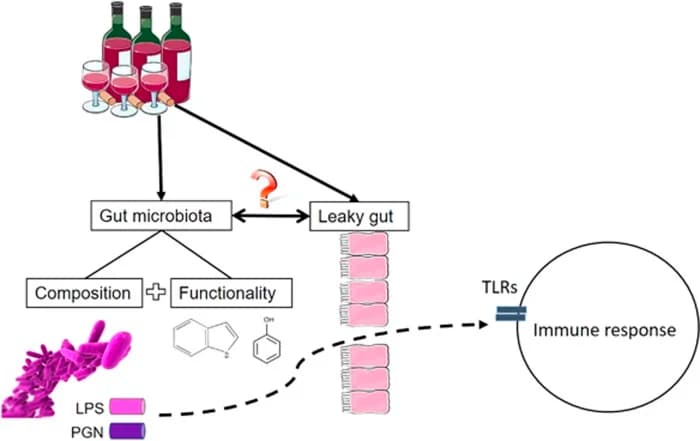
Alcohol intake may act as a common zeitgber for the normal population and can affect your circadian rhythm. R
Time of day and age can change the toxicity of alcohol. R R
TLDR - Refrain from alcohol intake.
16. Melatonin
Melatonin acts as a master zeitgeber. R
Having better melatonin signaling can improve multiple aspects of health such as emotion, cognition, metabolic rate, inflammation and sleep. R R
TLDR - Get sun during day and block light at night and/or take 150-300mcg of melatonin before bed.
17. Nicotine
Nicotine consumption (found in nightshades, such as tomatoes and tobacco) is common and nicotine (via addiction possibly) may as a zeitgeber. R
Nicotinic alpha-9 acetylcholine receptor subunit (alpha-9 nAChR) participate in retinal signaling processes responsible of the positive masking of sleep by light. R
TLDR - As a stimulant, nicotine can program your circadian rhythm.
18. Kynerunine
Kynurenine's metabolite kynuric acid (KYNA) acts on circadian rhythms ability to form memories (affects hippocampal NMDA and NACHR, which may be sex specific). R R
TLDR - The metabolite KYNA changes throughout the day and affects memory formation.
19. Caffeine/Coffee
Caffeinated products such as coffee may act as zeitgebers by working on multiple mechanisms (such as cortisol, adenosine, orexin, histamine, etc) and help entrain a circadian rhythm. R
TLDR - Use coffee to wake yourself up a few hours after getting up.
20. Leptin
Leptin may act as a zeitgeber by affecting energy levels (via hypothalamus). R
TLDR - Leptin as a satiety hormone should be kept at healthy levels to help you maintain a proper circadian rhythm.
21. Insulin And Glucose
Insulin and glucose are controlled by the SCN and act as zeitgeber cues. R
TLDR - Refrain from insulin resistance by not eating after dark.
22. Vasopressin
Vasopressin (ADH) is expressed in the brain, blood, and retinal cells and is reactive to light cues by the SCN. R
ADH controls multiple mechanisms such as water intake, fluid retention, and memory. R
The changes in ADH throughout the day give you the feeling of needing to drink water before bed. R
TLDR - Get light in your eyes in the morning, but not at night.
23. Nitric Oxide
Exposure to Nitric Oxide (NO) inducing agents (such as sunlight and greens) may act as a zeitgeber. R
NO’s effects for promoting wakefulness may be counteracted by melatonin. R
TLDR - Do things such as eat greens or go into the sun during the day, and refrain from it in the evening.
24. Insulin-Like Growth Factor-1 (IGF-1)
Insulin-Like Growth Factor-1 (IGF-1) functions as a zeitgeber for cellular hypothalamic circadian clocks (via GSK-3β/BMAL-1). R
If IGF-1 get off it’s circadian rhythm, cancer can occur. R
TLDR - Exercise in the day and eat carbs in the evening.
25. Activation And Detoxification
The process of Activation/Detoxification of various drugs and chemicals may act as zeitgebers. R
For example, Peroxisome Proliferator-Activated Receptor gamma (Ppar-γ) acts as a circadian rhythm of Cytochrome P450 2a6 (CYP2A6). R
TLDR - Remove toxins from your routine as they can mess up your circadian rhythm (read biotoxin accumulation post).
26. Orexin
Orexin (hypocretin) acts as a zeitgeber affecting sleep, feeding, stress, anxiety, energy levels, reward, and motivation. R
TLDR - Stimulate yourself during the day (with mental games, coffee, sunlight etc) and refrain from it in evening.
27. Histamine
Histamine is a master neurotransmitter that has a circadian rhythm and acts as a zeitgeber. R
Many things influence histamine release - mast cells, allergies, stress, coffee, aggression, etc. R R
Higher levels of histamine in the morning and day can improve cognition and wakefulness, while reducing histamine in the evening (in the brain) can help you sleep. R
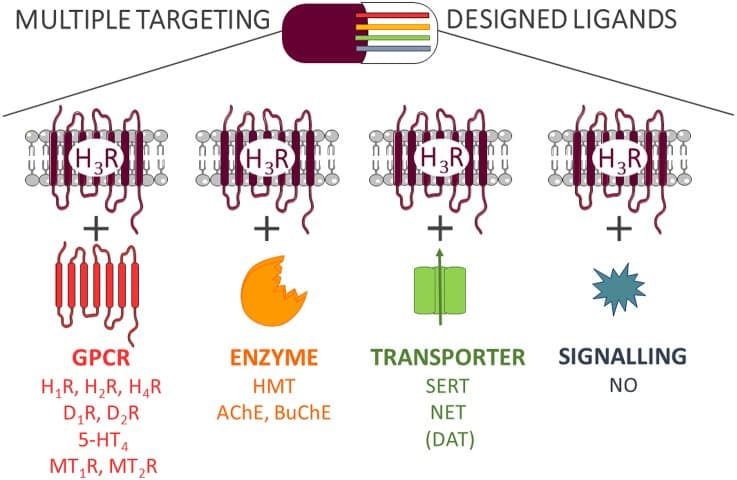
While having high levels of histamine acting on H1 and H2 receptors may cause immune responses (such as Histamine Intolerance), having higher histamine on the H3 receptor may be key to improving cognition. R
TLDR - Increase histamine in the brain during the day and reduce it at night.
28. Serotonin
By acting on the SCN, Serotonin (5-HT) may act as a zeitgeber in response to light. R
This may be why 5-HT is useful in treating sleep and circadian disorders. R
TLDR - Serotonin modulators affect your circadian rhythm.
29. Melanin-Concentrating hormone (MCH)
Melanin-concentrating hormone (MCH) acts as neuromodulator in the lateral hypothalamus and incerto-hypothalamic area. R
MCH fluctuations may help entrain normal circadian rhythms. R
Those who are sleep deprived are may have significantly higher levels of MCH is cerebrospinal fluid (as seen in animal models). R
TLDR - Sleep at the same time everyday.
30. Vagal Stimulations
Apart from proper food timing, the vagus nerve may play a role as a circadian cue. R
For example, chronic intake of a high fat diet without day-specific cues can impair vagal tone. R
TLDR - Keep a healthy vagus nerve (meditation, proper food timing, singing in cold showers, etc).
31. Adenosine
The neurotransmitter adenosine acts as a zeitgeber. R
Adenosine builds up though-out the day and enough of it can make us feel sleepy. R
By affecting the adenosinergic mechanisms, whether exogenous(such as caffeine/coffee) or endogenous, we can circadian timing system as well as cognition. R
TLDR - Use caffeine or sunlight to block adenosine in the morning.
32. Iron
Reverb-a is haem (iron-containing compound in blood) and thus iron may act as a zeitgeber. R
For example, Rev-erb-a and ROR form a secondary circadian loop that interacts with the primary negative feedback loop of CLOCK/ARNTL and PERs/CRYs in which Rev-erb-a represses the expression of ARNTL, whereas ROR stimulates expression. R
TLDR - Healthy iron blood levels are necessary for a good circadian rhythm.
What Can Disrupt Your Circadian Rhythm?
Anesthesia R
Endotoxemia (LPS) R
Flying and jetlag R
Light at night - see post on blue light R
Neuroinflammation - neuroinflammtion leads to desynchronization of primary and subordinate brain oscillators R
Shift Work R
What Happens If You Ignore Zeitgebers?

Some possible downsides to ignoring zeitgebers/your circadian rhythm may include (from acute or chronic ignorance):
Dopamine-Circadian Entrainment
Sleeping With A Partner
Biohacks And Supplements To Enhance Your Circadian Rhythm
It is important that you keep a consistent daily routine so your zeitbegers are rock solid.
The standard for measuring circadian rhythms is via core body temperature and melatonin (salivary or plasma) levels. R
Morning:
Take a cold shower right after waking up to increase your metabolic rate.
Wake with the sunrise and get morning sun on your body (neck and back) and in your eyes
Use a bright light device in the morning
Take forskolin (for cAMP turning down CRY1) and/or horny goat weed (for PDE5) if jetlagged/sleep deprived
Eat protein and fats in the morning
Drink coffee (or caffeine pills) around 1-3 hours after waking or alternatively nicotine (if skipping breakfast and exercisea)
Exercise (cardio) in the morning 2-4 hours after waking in sunlight
Noon:
Get sun during solar noon
Eat high protein and fats during the day
Be socially active during the day
Afternoon:
Exercise (strength) in the afternoon (4-7pm) in sunlight
Evening:
Eat higher amount of carb-rich foods (low glycemic, such as resistant starches) for dinner (3-4hrs before bed)
Watch the sunset
Do not eat after sunset
Block blue light after sunset (wear blue light blocking orange glasses around this time)
Sauna (if available)
Night:
Refrain from bright lights (TV, phone, fluorescent, etc) and use dim/red lights around the house
Wear red glasses
Do not do anything cognitively stimulating
Take hot shower before bed (body temperature)
Take glycine after shower (body temperature)
Participate in intimacy (or orgasm) before sleep (as routine)
Take sublingual melatonin
Sleep fully in the dark (I will wear my red glasses while sleeping or a sleep mask)
Sleep naked
Sleep in cold room (below 76º)
Other Things To Note:
If you choose to use hormetic tools, do your regular amounts in the morning/noon but if you want to use it in the evening, do a little bit extra as the oxidative stress can make you tired - for example HBOT or sauna.
Some stimulants may be okay for some in the morning - ie Modafinil, H3R antagonists, amphetamines, etc, but for others depending on their metabolism may do poorly with them.
Sleep drugs aren’t really recommended although suvorexant or agomelatine may be useful for some, but alcohol really isn’t recommended for sleep.
See alternative sleep hacks in my post about my sleep experiments.
Supplements That Help With Zeitgebers And Circadian Rhythms
Mechanism Of Action
More Research
Carbon monoxide may help with preserving circadian genes in brain. R
Jacob Gordon
INHC, FMT-C
Integrative Nutrition Health Coach
I cover mold illness, post-viral recovery, methylation, and complex chronic disease, drawing on ten years of clinical research, work inside a functional medicine clinic, and my own recovery from all of it. Every claim here is cited.
Book a ConsultationRelated Protocols & Supplements
Deep-dive chapters and recommended supplements for this topic
Quercetin
500mg 2x/day
Vitamin D3 + K2
5000 IU + 200mcg/day
DAO Enzyme
1 cap before meals