Nitric Oxide Modulation of Blood Pressure (Part 1)
By Jacob Gordon, INHC, FMT-CThis article contains affiliate links. As an Amazon Associate, MyBioHack earns from qualifying purchases at no extra cost to you. We only link products we research and stand behind.
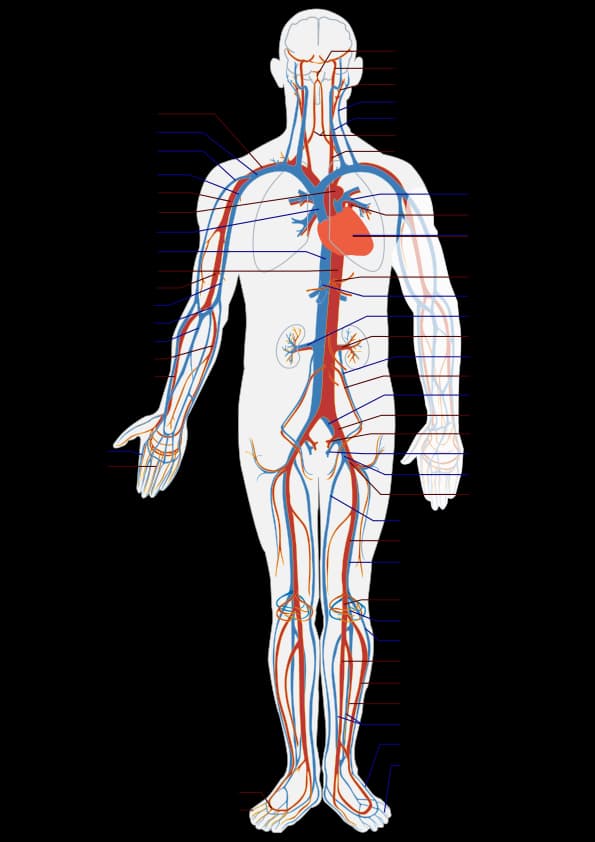
Vascular system problems are associated with arterial disease, venous disease, blood clots, aortic aneurysm, and fibromuscular dysplasia. R
Get your blood pumping for this one.
Basics
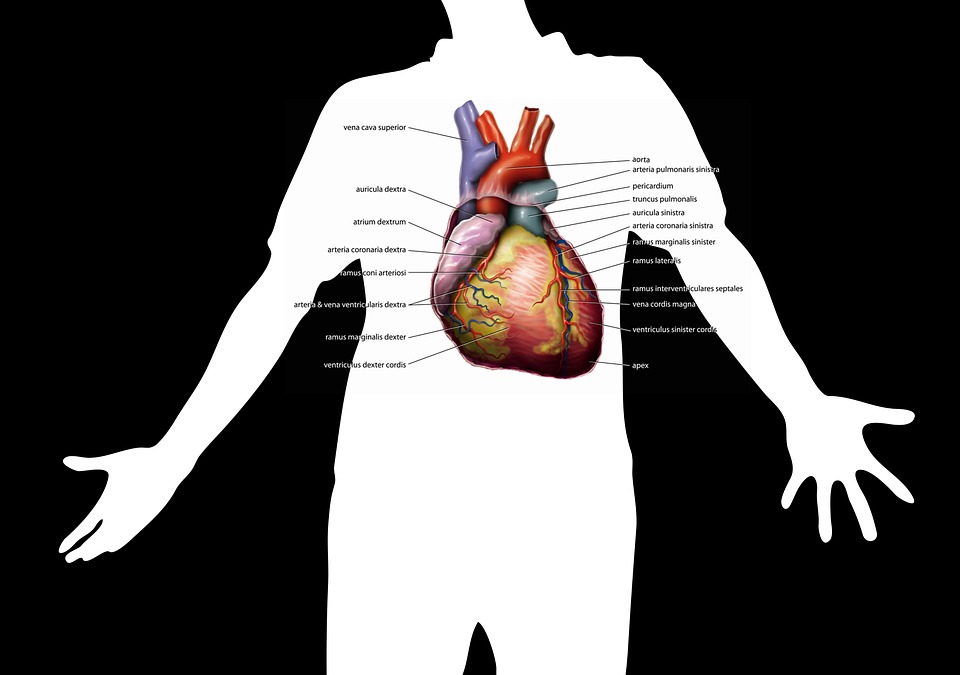
Oxidative stress in the body can cause hypertension. R
One of the key regulators of blood pressure and organ perfusion is vascular resistance, a decrease in the diameter of the blood vessel due to increased sympathetic drive and/or decreased production of vasodilators.
This causes an increased blood pressure upstream, and reduced blood flow downstream of the constriction.
Nitric Oxide
Physiological stimuli and receptor-mediated agonists such as bradykinin, estrogen, and acetylcholine, act on endothelial cells to increase the production of NO (nitric oxide).
The locally produced NO diffuses into the vascular smooth muscle cells of the vessel wall, where it activates multiple second messenger pathways (through the activation of guanylate cyclase and direct S-nitrosylation of cysteine residues.) R
Colonization by specific oral bacteria may contribute to our NO homeostasis by providing nitrite and nitric oxide. R
Nitric Oxide Synthase

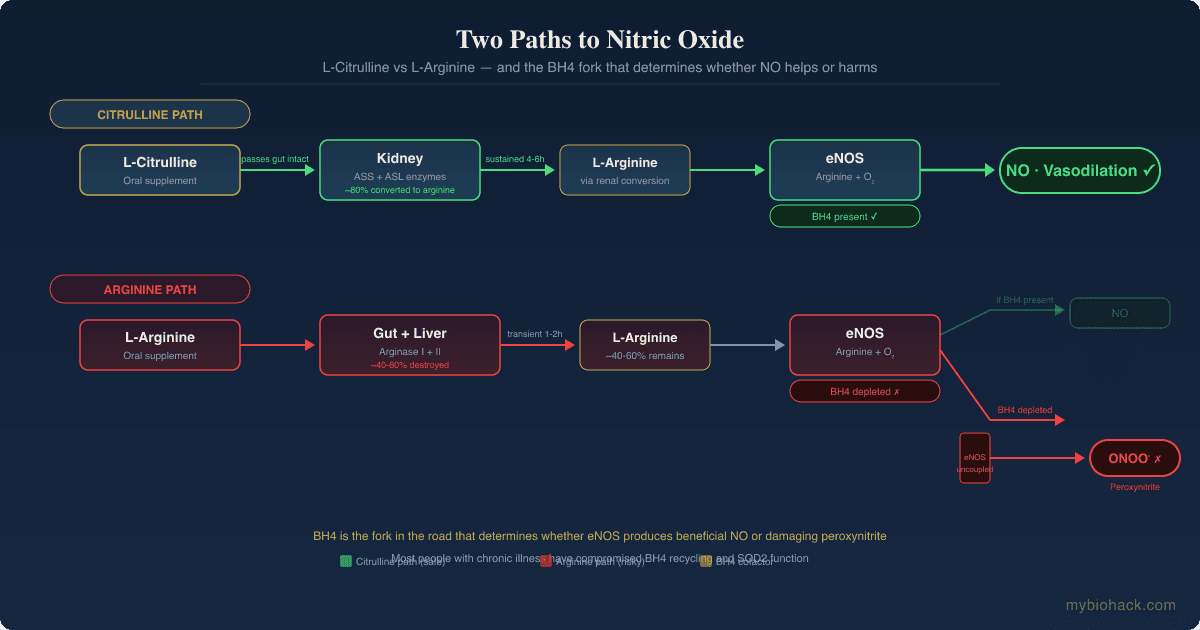
2 L-arginine + 3 NADPH + 1 H+ + 4 O2 = 2 citrulline +2 nitric oxide + 4 H2O + 3 NADP+
Nitric oxide synthases produce NO by catalysing a five-electron oxidation of a guanidino nitrogen of L-arginine (L-Arg)
Oxidation of L-Arg to L-citrulline occurs via two successive monooxygenation reactions producing Nω-hydroxy-L-arginine (NOHLA) as an intermediate
2 mol of O2 and 1.5 mol of NADPH are consumed per mole of NO formed. R
nNOS
Neuronal NOS
Found in cardiomyocytes, in cardiac autonomic nerves, ganglia, and cardiomyocytes. R R
Used for cell communication
Gene - NOS1
iNOS
Inducible isoform of NOS
May be induced under certain stress conditions, such as ischemia. R
Immune system, cardiovascular system
Used for immune defense against pathogens
Gene - NOS2
eNOS
Endothelial isoform of NOS
Found in coronary and endocardial endothelial cells and cardiomyocytes. R
Used for vasodilation, influencing vascular homeostasis and function.
Gene - NOS3
bNOS
Bacterial NOS
Found in various gram-positive bacteria
Used to defend against oxidative stress, antibiotics, and immune attacks
Increase Nitric Oxide

Laughter R
LLLT R
Far-Infrared R
Pramracetam R
Stroke (I do not recommend this) R
IL-6 R
Sildenafil (Viagra) R
NO Inhibitors
Blood Pressure
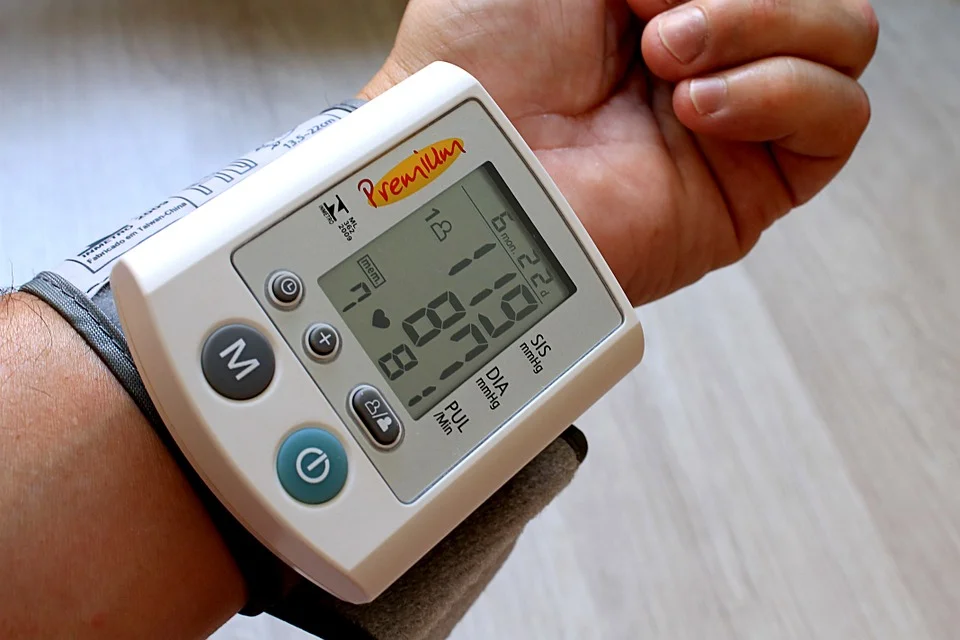
When trying new supplements, I like to monitor my blood pressure, HRV, heart rate and SpO2.
Caveats
Increasing NO may cause reduction in gallbaldder emptying. R
More Research
Increased dietary I- intake, which is recommended in several countries worldwide as an initiative to offset hypothyroidism, does not appear to compromise the blood pressure reduction afforded by increased dietary NO3- intake. R
Cherry concentrate can modulate certain variables of vascular function. R
NOS in the heart protects against cardiac arrhythmia induced by myocardial infarction. R
Intracellular accumulation of cGMP in cardiomyocytes leads to negative inotropy, possibly due to reduced myofilament Ca2+ responsiveness and enhanced relaxation. R R
The enhanced oxidative stress in diabetes promotes iNOS up-regulation, BH4 oxidation, and, consequently, iNOS uncoupling, thus further exacerbating the oxidative/nitrosative stress. R R
Growing evidence suggests that oxidative and nitrosative stresses modulate the transition from adaptive to maladaptive hypertrophy.R
Many cardiovascular disease states, including heart failure and myocardial infarction, are associated with changes in cardiac autonomic function. R
The pathogenesis of pulmonary hypertension (PH), obesity, hypertension and CVD are linked to defects in NO signaling, suggesting a role for commensal oral bacteria (microbiome) to shape the development of PH through the formation of nitrite, NO and other bioactive nitrogen oxides. R
Neurons modulate the growth of blood vessels. R
Jacob Gordon
INHC, FMT-C
Integrative Nutrition Health Coach
I cover mold illness, post-viral recovery, methylation, and complex chronic disease, drawing on ten years of clinical research, work inside a functional medicine clinic, and my own recovery from all of it. Every claim here is cited.
Book a ConsultationRelated Protocols & Supplements
Deep-dive chapters and recommended supplements for this topic
Quercetin
500mg 2x/day
Vitamin D3 + K2
5000 IU + 200mcg/day
Magnesium Glycinate
400mg at bedtime