Table of Contents
Chapter 32
Chapter 32 of 47

6 min readPro Guide

When The Immune System Adapts

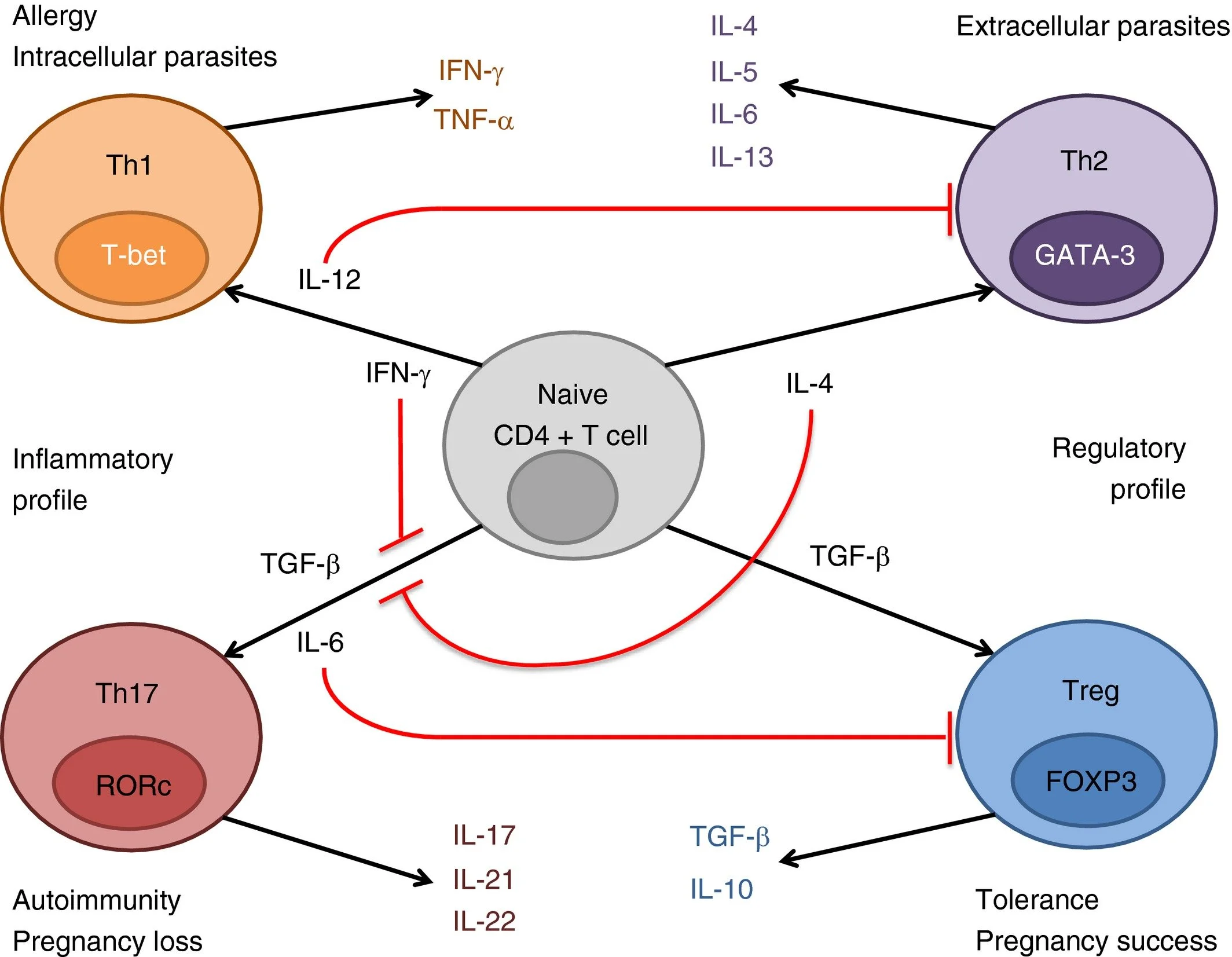
When you have immunosuppression (immune paralysis), your immune system will adapt.

This is classic in microsepsis, where there is acute inflammation, followed by chronic immunosuppression. R

This is because while fighting an infection, there is a lot of inflammation created, and since the body has yet to fully clear the pathogen and heal, it suppresses its pro-inflammatory effect with anti-inflammatory molecules (like IL-10 and TGF-b). R

This leads to too much immune tolerance (Neutrophil Exhaustion and Endotoxin Tolerance) of immune cells that actually need to die (like neutrophils and macrophages). R

This chronic dysregulation of autophagy causes auto-inflammation (TH17) due to the Pattern Recognizing Receptors (PRRs) for Alarmins (PAMPs, DAMPs, and MAMPs). R

Alaramins, like Damage Associated Molecular Patterns (DAMPs), activate what are called Toll Like Receptors (TLRs) and this chronic activation of TLRs in microsepsis lead to an Endotoxin Loop from Endotoxin Tolerance and Neutrophil Exhaustion and continues the cycle of Junction Dysfunction’s Microsepsis and Transient Capillary Leak Syndrome.

DAMPs are responsible for the activation of antibodies (opsonins), essentially acting as “help me over here” signals.

Many conventional practices focus on suppressing the immune system even more, for example in MS, they tried to destroy B and T cells to get them in remission, which essentially is stopping the inflammatory process. R

My philosophy is to remove the things that are currently in your body and in your local environment that suppress your immune system, while enhancing the parts of the immune system that are geared more for immune priming and fighting infections effectively.

Not only that, but I also like to enhance autophagy of senescent immune cells (the ones getting constant IL-10/TGFb signalling). R


There are more than four differentiations, but to keep it simple I focused on the most important differentiation types.

Proper Detoxification Improves Immune Function

So once you cut out all the toxins, the next part is working on how to excrete them effectively.

You really have to know what toxins you're working on first to know how to detox them.

Detoxification has three phases to it:

  1. Phase 1 is called activation in which the toxin is recognized

  2. Phase 2 is called reduction in which the toxin is made more water soluble

  3. Phase 3 is excretion in which the toxin needs to leave the body through respiration, the bile, the stool, urine, or sweating/crying.

You can more about this on my Basics of Activation/Detoxification.


Phase 1

Phase 1 can be kind of dangerous.

It happens in the liver and as a byproduct sometimes there's more oxidative stress.

If you're CYP enzymes have genetic variations, your ability to handle that oxidative load can be more difficult.

This is one reason why some people can drink one cup of coffee and be wired for the whole day as they detox caffeine (xanthine) slowly and other people can drink 6 cups of coffee in a day and fall right to sleep as they detox xanthines much faster.

Things that hinder Phase 1

Toxin examples:

  • Air pollution

  • Alcohol

  • Artificial sweeteners

  • Heavy metals

  • Herbicides

  • Industrial chemicals

  • Mycotoxins

  • Oxidized oils

  • Pesticides

  • Plastics

  • Prescription medications

  • Radioactive elements

Pathogen examples:

  • Amoebiasis

  • Ascariasis (roundworm)

  • Babesiosis

  • Cryptosporidiosis

  • Echinococcosis

  • Giardiasis

  • Leishmaniasis

  • Liver flukes (Platyhelminthes)

  • Malaria

  • Schistosomiasis

  • Toxoplasma gondii

  • Trypanosomiasis

Phase 2

Phase 2 requires cofactors and enzymes to take that dangerous substance and make them more water soluble and thus easier to be excreted later on in phase 3.

These cofactors and enzymes rely on methyl groups, acetyl groups, sulfur groups, glutathine-s-transferase (GSTs), glucoronidation, UGTs, quinone reductase, and epoxide reductase.

When you have an overburden of toxins:

Included in the name, sulforaphane works on this pathway and is one of the strongest I know about.

Sulforaphane happens when glucoraphanin and myrosinase combine.

This can be found in all cruciferous vegetables as they all have glucoraphanin in them, just add mustard on top for its myrosinase, and voila, you get sulforaphane in your delicious meal.

Most Herbs Work On Phases 1/2

Actually, almost every single phenol and flavonoid works on phase one and two.

They create an oxidative reaction (activation) and your body creates an antioxidant response (reduction).

Phase 3

Phase 3 is all about excretion.

I feel like this is where a lot of alternative healthcare providers focus their time on, with binders, liver flushes, coffee enemas (yes I've tried the last two many times, I guess I'm not afraid to stick stuff up my butt LOL).

The reason why the latter two extremes are utilized is because bile can become very sluggish.

An amazing way to reduce this sluggishness on top of those two techniques:

  1. Thinning the bile with things like turmeric and milk thistle

  2. Enhancing bile synthesis with bitters and TUDCA.


One of my favorite ways to bypass (not a replacement) this is with sauna, which I do around 5 days a week.

I would like to mention here that toxic relationships are also a toxin, as creating catecholamines can become oxidized which further enhances your biological burden.

Not All Binders Are Equal

There are two classes of binder's: ones that work on absorption and ones that work on adsorption.

Absorption

Absorption is the ability to engulf something.

Absorption binders generally stay in the gut only.

Absorption binders include:

Adsorption

Adsorption is the ability create ionic or covalent bonds. Ionic bonds can be broken, while covalent bonds don't.

Adsorption binders have a higher propensity to get to the blood when they are smaller particles.

Adsorption binders include:

  1. Fulvic/Humic Acids

  2. Silica.

Full Spectrum

I like using types of binders, but there are good broad spectrum ones too.


Some brands that make good ones:

Supporting The Immune System

Now that you've gotten the things that suppress your immune system out of the way, it's time to support the immune system.

Some of my favorite ways are combining:

You can listen to my song about chaga here…

Viral Remnants

If I believed I still had latent Sars-Cov-2 in my body, I would take CardioImmune for 1-2 months or Tollovid for 1-3 months.

Autophagy

Neutrophils and macrophages get stuck with either over autophagy or not enough, so enhancing their ability to self-destruct and create new ones is great for immune exhaustion (more on this in the next post How Macrophages Get Stuck).

Some ways to do this:

One More Note On Receptors

It's important to note that once your toxic burden is much lower and the receptor sites are more open, replacing nutritional factors, vitamins, cofactors and enzymes are much easier and you don't have to megadose them.

If you sweat a lot you have to replace water soluble vitamins and metals more often.

Complete Mineral Complex is a good blend that I use for minerals.

End of Chapter 32
Up Next
Unlock with Pro