115+ Ways To Increase Tyrosine Hydroxylase (And What Decreases It)
By Jacob Gordon, INHC, FMT-CThis article contains affiliate links. As an Amazon Associate, MyBioHack earns from qualifying purchases at no extra cost to you. We only link products we research and stand behind.

Tyrosine hydroxylase is a necessary enzyme to create neurotransmitters and protect the body against oxidative stress.
In this post, we will discuss its benefits, downsides, and ways to increase its activity.
Basics
Tyrosine Hydroxylase (TH) starts the conversion of L-tyrosine into L-Dopa, and thus is the rate-limiting step in the creation of catecholamines, particularly dopamine. R
It is expressed in both neurons (neurotransmitters) and endocrine (hormonal) cells. R
TH is also dependent on tetrahydrobiopterin (BH4), which is biosynthesized by GTP cyclohydrolase I (GTPCHI). R
Conditions Associated With Tyrosine Hydroxylase Activity
Low Activity Of Tyrosine Hydroxylase:
Alzheimer's Disease R
Autoimmunity R
Chronic Stress R
Depression R
Diabetes R
Eye Problems (such as ptosis and miosis) R
Huntington's Disease R
Impaired Learning/Cognition R
Low Blood Pressure R
Nerve Degeneration R
Parkinson's Disease (including Lewy Bodies and alpha-synuclien) R R R R
Pitx3 deficiency R
Reduced Spacial Memory R
Scurvy R
Tyrosine hydroxylase deficiency R
Withdrawal R
High Activity Of Tyrosine Hydroxylase:
Benefits Of Increased Tyrosine Hydroxylase
1. May Help With Arthritis And Inflammation

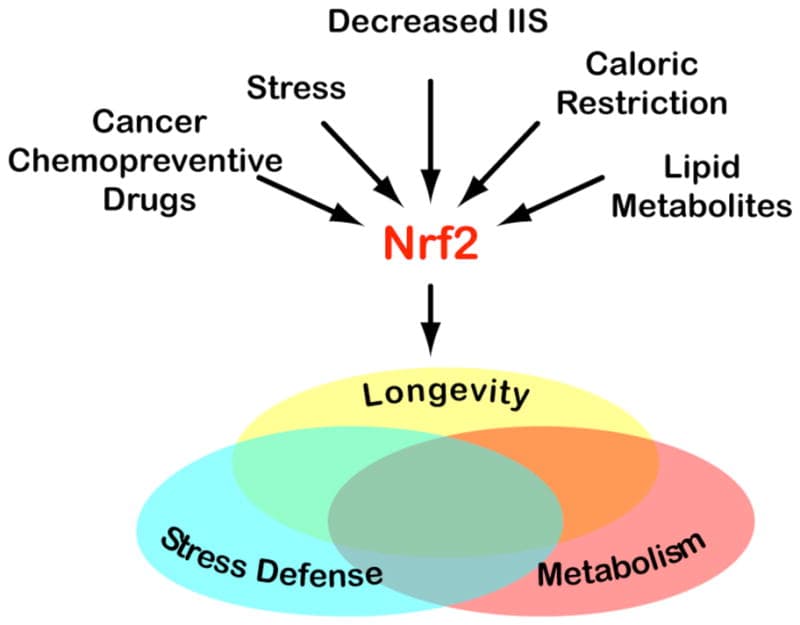
Tyrosine hydroxylase (TH) activity increases in times of (acute) inflammation and stress as one of the body's mechanisms as an antioxidant. R
For example, TH activity may help with arthritis as increasing TH can reduce levels of TH17 inflammatory cytokines and possibly promote the upregulation of T-regulatory helper cells (Tregs). R
Tregs are strong promotors of TH activity. R
2. Promotes Dopamine And Norepinephrine Synthesis
Increasing TH function can help with the synthesis of dopamine and norepinephrine.
It helps with those who genetically have tyrosine hydroxylase deficiency. R
3. Improves Symptoms Of Parkinson's Disease
Loss of TH function is extremely common in Parkinson's Disease (PD). R
Increasing TH can help with Bradykinesia (shaking seen in PD). R
TH also has neuroprotective effects on dopaminergic neurons and GABAergic neurons. R R
One reason for this is because TH activation can increase dopamine levels in the substantia nigra and striatum. R
Another reason is that TH (along with NR4A2 activation) can increase stem cell activity in the hippocampus. R
4. Promotes Skin And Eye Pigmentation

TH activation is necessary for the production of melanin in the skin and eyes. R
It does this by activating the enzyme tyrosinase. R
5. May Help With Depression And Stress
TH may help with depression by regulating levels of Brain Derived Neurotrophic Factor (BDNF) in the brain. R
It may also help with depression by increasing catecholamine levels. R
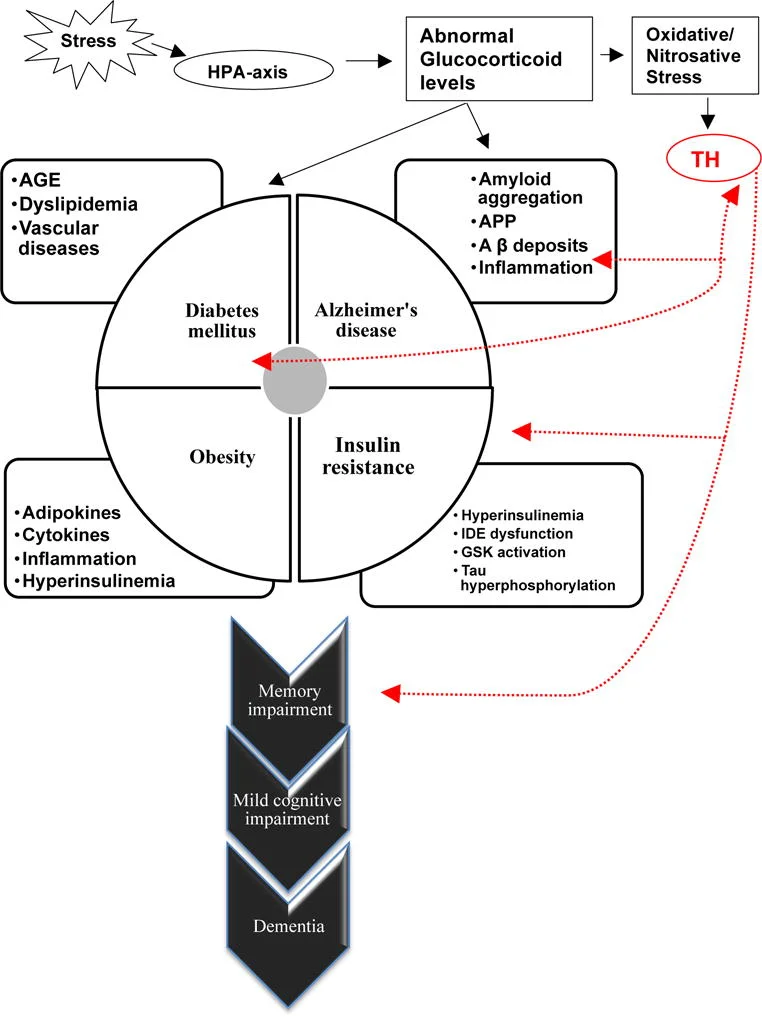
TH expression is lowered by chronic stress and increasing TH expression may help with stress. R
For example, licorice is able to improve spatial learning/memory and reduce stress-induced anxiety by increasing TH activity in animal models. R
6. Helps With TBI And Stroke
Increasing TH activity may help restore dopaminergic function after traumatic brain injuries by altering the HPA axis. R
Increase TH activity can enhance the swallowing reflex, which is useful in preventing pneumonia in chronic stages of stroke. R
7. May Improve Pain And Touch

Nerve injuries (ranging from peripheral nerve injury to vagus nerve dysfunction) decreases TH activity. R
TH activity plays a role in "emotional touch" sensations. R
In the dorsal root ganglion (DRG), TH activity plays a role in visceral pain. R
8. Helps Fight Addictions
TH activity may help with addiction and withdrawal from stimulants such as sugar, cocaine, and amphetamines. R R
Downsides Of Tyrosine Hydroxylase
1. May Increase Blood Pressure
Tyrosine hydroxylase (TH) by acting on DA and NE may increase blood pressure. R
For example, in animals models unable to produce TH, they were resistant to age-associated blood pressure elevation. R
2. May Play A Role In Schizophrenia
Although TH activity doesn't necessarily induce schizophrenia, it may influence suicide in schizophrenics. R
TH also plays a role in IQ levels in those with schizophrenia. R
3. May Increase Headaches And Migraines
Increased TH activity, as well as increased dopamine, norepinephrine and tryptamine are associated with cluster headaches and cluster migraines. R
Ways To Increase Tyrosine Hydroxylase
My Top 5 Ways To Increase TH
Bright Light Device (or I'll use Sunlight and Blue Light)
Exercise R
Music - this is what I listen to R
Diet / Lifestyle / Devices:
Avoid Chronic Stress R
Bright Light (increases TH in eye and hypothalamus, but decreases TH-neurons) R R R
Caffeinated Teas (Green, Black, or Oolong) and Coffee (Super Coffee would stabilize TH) R R
Caloric Restriction (increases in substantia nigra, but reduces it in striatal area) R R
Chronic Hypoxia R
Electroshock Therapy R
Enriched Environments R
Music (possibly) R
Supplements:
Eucommia ulmoides (Du Zhong) R
Ferulic Acid (in striatum) R
Ginkgo Biloba (increases TH neurons) R
Hepad (strong - combo of Cang Zhu, Cnidium, Paeonia japonica, Fu Ling, Gastrodin, and Jujube) R
Horny Goat Weed (Icaarin) R
Jiaogulan (Gynostemma protects TH neurons from oxidative-stress induced death) R
Lion's Mane (prevents TH reduction from oxidative stress, but doesn't increase TH) R
Lithium (increases TH in brain but reduces it in adrenals) R R
Milk Thistle (prevents TH reduction from oxidative stress, but doesn't increase TH) R
Mucuna pruriens + Ashwaganda (they work on TH independently, but the combo is stronger) R R R R
Mulberry (prevents TH reduction from oxidative stress, but doesn't increase TH) R
N-acetylcysteine (NAC - strong) R
Olive Leaf Extract (protective of TH neurons) R
Rhodiola (salidrosides balance TH levels, whereas tyrosol decreases TH, see below) R
Tauroursodeoxycholic acid (TUDCA) R
Thunder God Vine (Triptolide protects TH neurons from neuroinflammation) R R
Toki To (TKT) R
Vitamin B6 (P5P) R
Hormones:
Insulin R
Melatonin (increases it in ventral mesencephalon but not in the hypothalamus) R R
Oxytocin (coexpressed in the hypothalamus) R
Drugs/Chemicals:
Amphetamines R
Bradykinin R
Carbachol R
Cilostazol R
Cocaine (decreases w/ tolerance) R
Dexamethasone R
Hydrocortisone R
Intranasal Testosterone Propionate R
Nomifensine R
Perindopril R
Pathways:
α-Synuclein inhibition R
EGF R
ERK R
FoxO1 inhibition (activation lowers activity) R
HIF1alpha R
Hsc70 R
Increase Tregs cells R
Laminin R
M1 mAChR R
nAChR R
Noggin R
NR4A2 (downstream increases TH, VMAT2, and DAT) R
PDE2 inhibition R
PPAR-γ R
ser40 R
TGF-B1 R
Other:
What Reduces Tyrosine Hydroxylase?
Lifestyle:
Devices:
Deep Brain Stimulation (reduced activity in the PFC) R
Supplements:
Acetyl-L-Carnitine (ALCAR) R
Glutathione (in cancer) R
Nicotinamide (may increase TH in adrenals) R R
Rhodiola (tyrosol, not salidroside, inhibits tyrosinase thus inhibiting melanin production) R
Hormones:
Drugs/Chemicals:
Pathways:
Mechanism Of Action
Simple:
Advanced:
TH activity can be regulated by 2 mechanisms primarily - medium- to long-term regulation of gene expression, or short-term regulation of enzyme activity [cAMP-dependent responsive element (CRE), AP-1, ATF-2, and Nurr1]. R
TH is mainly produced in the adrenals, gut and brain and regulated by iron. R R R R
It can pass the BBB and TH activity is site specific, for example, the ser40 phosphorylation increases TH activity, but so can the site of ser31 and ser19 in different parts of the striatum and substantia nigra. R
You can see different activators targeting these different areas, such as GDNF particularly acts on ser31 phosphorylation. R
TH activity can be regulated by glucocoritcoid receptors in times of stress. R
In the striatum, striatal TH interneurons do not release DA, but instead work on inhibition via GABA. R
In the retina, glutamatergic and GABAergic inputs may stimulate and inhibit dopamine release via TH. R
In the immune system TH in actively increased by Tregs, and in a feedback loop, catecholamines downregulate Tregs (as well as TGF-b1 and IL-10). R
Genetics
TH
rs10770141 (I'm GG)
T allele - predictive of elevated levels of dopamine and norepinephrine had lower scores of novelty seeking than those without this allele R
C-824T - common variation in the proximal TH promoter is functional, giving rise to changes in autonomic function and consequently cardiovascular risk R
C-824T - possibly associated with chronic fatigue syndrome (CFS) R
rs1470750 (I'm GG)
rs2070762 (I'm GA)
rs25531
G allele - almost always in phase with the long (L) allele of the 5-HTTLPR and may be associated with lower levels of serotonin R
G allele - may have a tendency to be optimists and to be more resilient to stress R
A allele - females may be at increased risk for side effects (e.g. headaches) from escitalopram R
Less active 5-HTTLPR genotypes - were nominally significantly associated with increased blushing propensity in patients with social anxiety disorder, and association remained significant even when statistically controlled for he influence of depression R
rs3842727 (I'm TT)
No allele - associated with selective attention variability factor R
rs6356 (I'm TC)
rs689
rs80338892
291delC relation to tyrosine hydroxylase deficiency R
rs998850 (I'm CC)
More Research
Mutations in NR4A2 also contribute to TH deficiency. R
Jacob Gordon
INHC, FMT-C
Integrative Nutrition Health Coach
I cover mold illness, post-viral recovery, methylation, and complex chronic disease, drawing on ten years of clinical research, work inside a functional medicine clinic, and my own recovery from all of it. Every claim here is cited.
Book a ConsultationRelated Protocols & Supplements
Deep-dive chapters and recommended supplements for this topic
Electrolyte Complex
1 scoop/day
CoQ10
200mg/day
Magnesium Glycinate
400mg at bedtime