The Benefits of Lactate - This is Not a Waste Product!
By Jacob Gordon, INHC, FMT-CThis article contains affiliate links. As an Amazon Associate, MyBioHack earns from qualifying purchases at no extra cost to you. We only link products we research and stand behind.
Carl Wilhelm Scheele, an 18th century Swedish chemist, discovered lactic acid (LA) (and the discovery of oxygen). R
Basics

During the 80's, LA was believed to be only a deadend waste product from anaerobic exercise.
The idea that lactate is a waste product of the metabolism and a main cause of fatigue, should no longer be considered as an indisputable truth.
This molecule, instead, can be shuttled among cells and, inside the cells, among different organelles, thanks to specific monocarboxylate carriers, and seems to be a fuel for many cells, including neurons, in conditions of oxygen shortage.
It can behave as a signal, eliciting in the cells’ responses which counteract stress, allowing at least an attempt of adaptive responses.
Every organ in the body is able to produce lactate; muscle and red blood cells (RBCs) are the main tissues responsible for production in physiological conditions. R
Every day, the body produces about 1500 mmol of lactate. The liver (60%) and the kidneys (30%) are the
main organs involved in lactate disposal. R
The truth is:
LA can be shuttled and be a shuttle between both and within cells. R
Because of this, lactate can cross the blood brain barrier (which is mediated by the MCT family). R R
Lactate is delivered to neurons through the MCTs present in both astrocytes and neurons.
Lactate, not glucose, is necessary for neurons during recovery from hypoxic conditions. R R
Lactate can have at the same time a metabolic role and a regulatory role in the control of blood flow and synaptic function, acting as an intercellular messenger R
Lactate can cause a reaction during hypoxia to increase vasodilation to get more oxygen and glucose to the brain. R
Benefits
1. Increases Cell Growth
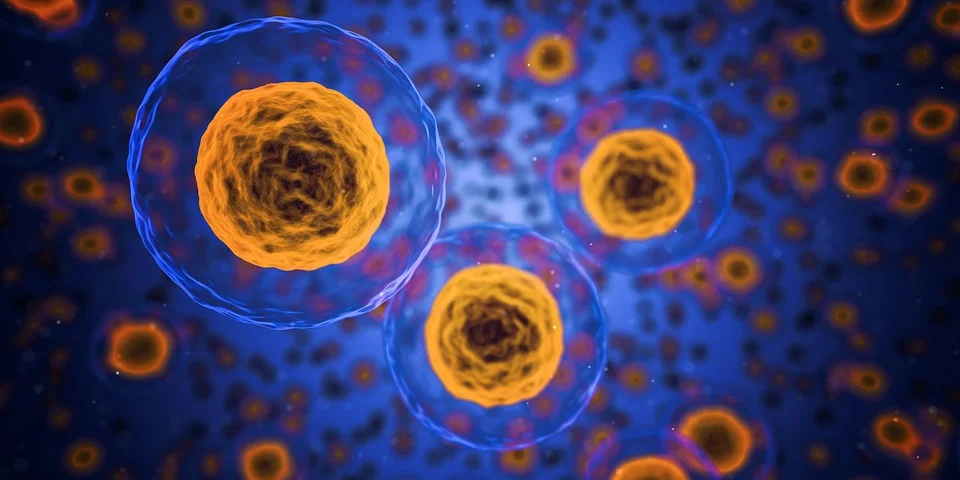
Lactate activates the expression of NDRG3 protein that stimulates the Raf-ERK pathway to promote angiogenesis and cell growth. R
2. Enhances Energy In The Brain
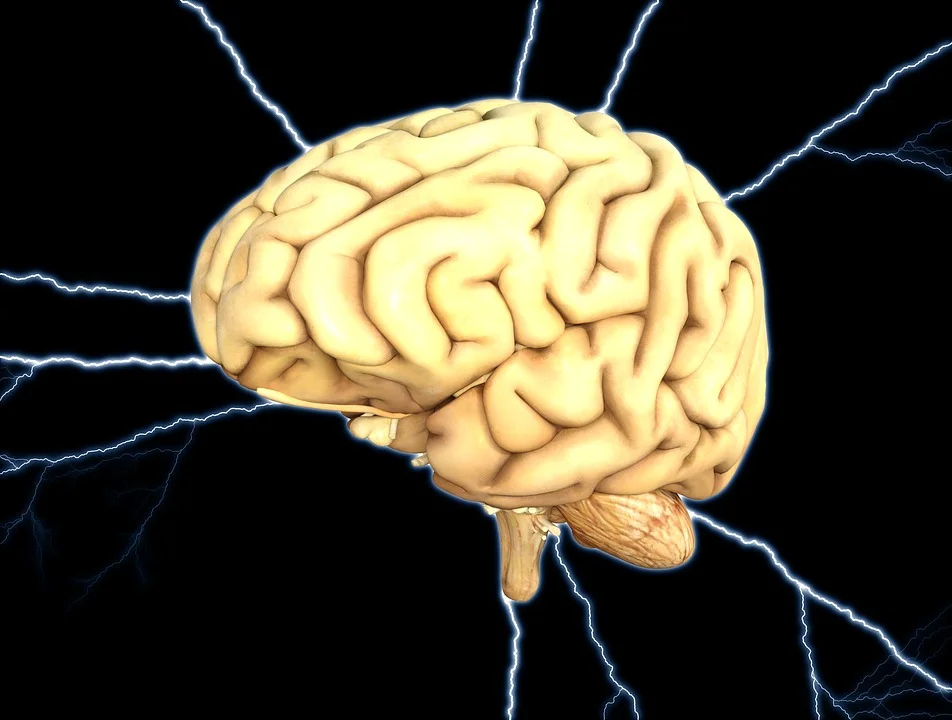
It is suggested that lactate may be the brain's "backup system" for energy, that is preferred over glucose and even ketones. R R
Lactate increases cerebral blood flow (vasodilation) increasing the supply of metabolic (and energy) substrates to the brain. R
3. Protects The Brain

Lactate can cause a reaction during hypoxia to increase vasodilation to get more oxygen and glucose to the brain. R
During TBI (traumatic brain injury), there is an increase in brain glycolysis, with a decrease in oxygen. R
In this situation, lactate can be used (if injected as a glucose sparing substrate) so to not deplete extra oxygen. R R
Also, lactate inhibits excess neuronal activity (reducing glutamate), therefore preventing excitotoxicity. R
Excitoxicity is responsible in: R R
MS (negative correlation between plaque activity and lactate production) R
ALS
PD
AD
HD
Hearing loss
Alcoholism and withdrawal
Benzos withdrawal
Stroke
Spinal cord injury
TBI
Although, it has also been hypothesized that excess lactate in TBI may be toxic, inducing a "lactate storm". R
That is just a hypothesis, as the brain seems to do better preferring extra lactate post TBI, over glucose. R
4. Treats Hypoglycemia


Lactate can increase norepinephrine, which is responsible for concentration, alertness, and brain blood flow. R R
Lactate also increases orexin (hypocretin), a neurotransmitter that regulates arousal wakefulness and appetite. R
Lactate supplies the brain with energy to produce and regulate the orexin system. R
6. Increases Mitochondrial Function

Downsides
1. May Worsen Hepatic Encephalopathy
In studies with rats with chronic liver disease, they developed brain edema. Lactate was shown to be increased. R
2. May Worsen Alzheimer's Disease

The levels of lactate have been reported to be higher in the cerebrospinal fluid of patients with AD. R
Although, regular exercise and physical activity have shown to be protective against many pathologies, such as cardiovascular diseases, and dementia, including AD. R
3. May Signify Brain Tumors
High levels of serum lactate have been reported to be non-invasive biomarkers of malignancy for brain tumors. R
It's probably best not to check these markers after you exercise though.
4. May Enhance Cancer Cells
Several cancer studies have suggested a tumor-to-stroma coupling via a lactate shuttle in cancer cell. R
These studies indicate that over-propagation of cells is strongly dependent upon the anaplerotic role of increased lactate uptake. R
Lowering lactate production into cancerous cells may be beneficial.
5. May Increase Chance of Meningitis
Normally, N. meningitidis is harmless, but it can sometimes invade the body and cause meningitis or blood infection. R
Lactate produced in the upper throat might trigger meningitis-causing bacterial cells to detach from tiny colonies and spread within the body. R
Increase Lactate
Exercise

I believe the high/clear-headedness we get from exercise is from not only endorphins, but from lactate's ability to increase vasodilation and oxygenation of the brain tissue.
Fat cells can produce lactate under anaerobic circumstances, depending on the fat mass. R
Lactate can then enter the brain. R
Also, endurance training increases the number of lactate transporter molecules, making it easier for lactate to reach the brain and give you more energy. R
Exercise also creates more mitochondria via lactate. R
If you want to perform better in a race, train very hard in brief spurts. This increases lactate that improves the muscle's mitochondrial levels, letting them burn more lactic acid. You will be able to work harder and longer. R
In the hippocampus, exercise leads to a burst of extracellular lactate which remains at high levels for at least 50 min and is completely blocked by inhibition of glycogenolysis, which also blocks long-term memory. R
Electrical Stimulation
Upon electrical stimulation, the metabolic activity of the brain could be increased and, as a consequence, more glucose and oxygen were taken from the blood, with a parallel increase of carbon dioxide and lactate released into the blood. R
Electrical stimulation of the brain makes it more susceptible to hypoglycemia.
Hypoxia

I've found the best way to induce hypoxia is HIST (High Intensity Strength Training). I'll do this with a mask to limit oxygen consumption.
Hypoxia increases lactate release from fat cells. R
Hypoxia can also be induced by intense exercise at high altitudes (2300-5700m). R R
Fructose



Probiotics:
Lactobacillus strains have been shown to produce lactic acid R R
Has many lactic acid bacteria R
One problem I find with Kombucha is that it can increase histamine, so beware if you have histamine intolerance. R
Bacteria strains in produce lactic acid. R
Lactobacillus alimentarius 15M
Lactobacillus brevis 14G
Lactobacillus sanfranciscensis 7A
Lactobacillus hilgardii 51B
Fermented milks:
Kefir, Koumiss, laban, yogurt, cottage cheese.
Other Fermented Foods:
Sauerkraut, kimchi, pickled veggies, dosa, ogi, gari, balao, pulque, trahanas, kishk, soy sauce, olives, Sour Beer R
Mechanism Of Action

L-lactate is produced by the host, whereas D-lactate is of bacterial origin. R
In glycolysis:
Glucose is broken down to two molecules of pyruvate
Pyruvate then either enters the mitochondria
It is further oxidized in the TCA (tricarboxylic acid cycle)
Or it is reversibly reduced by NADH(H+)-dependent lactic dehydrogenase (LDH) to lactic acid
This is in order to regenerate NAD+ for glycolysis.
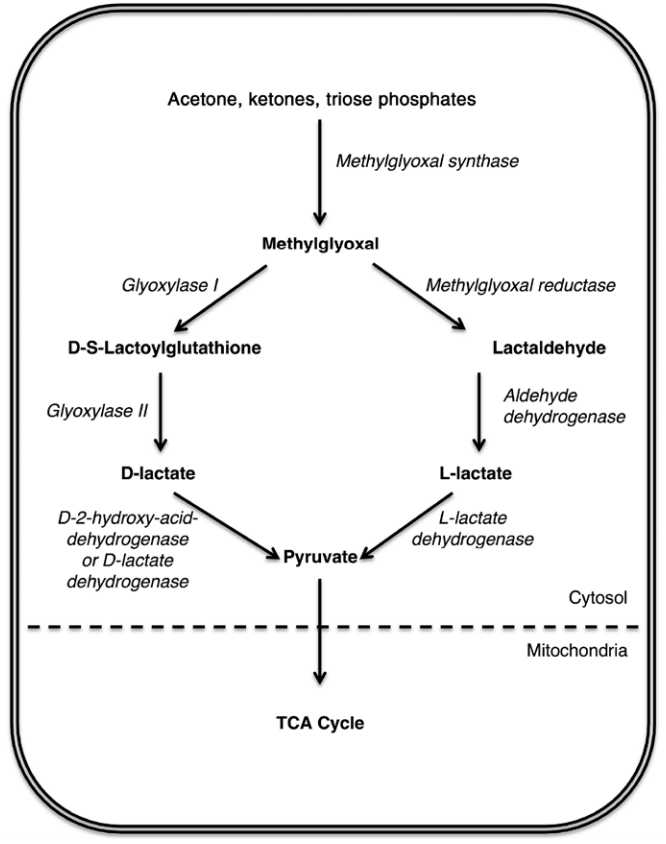
In order to limit acidification in the cell, both lactate and protons have to exit the cell.
During intense exercise, ATP is mainly generated from blood glucose and muscle glycogen to fuel glycolysis. R
ATP is used for muscle contraction. R
Accumulation of pyruvate in anaerobic conditions (hypoxia) should inhibit glycolysis. R
A large part of muscle-derived lactate is transported to the liver where it is used to synthesize glucose through gluconeogenesis.
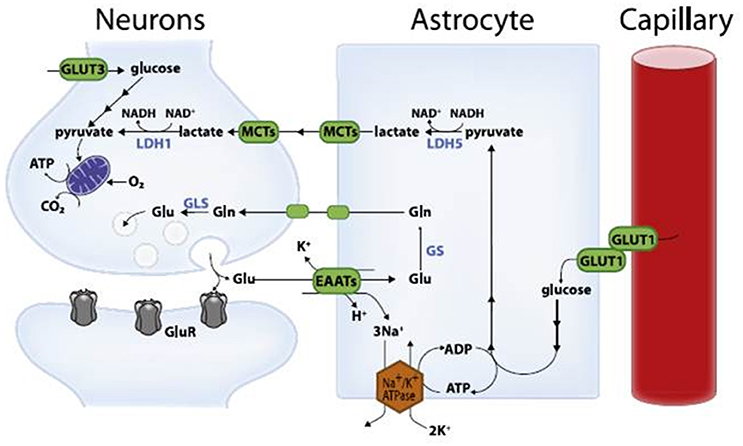
Astrocytes also act as a lactate shuttle. Essentially glutamate is taken up by astrocytes, converted into glutamine, then released to the neuron where it completes a glutamate-glutamine cycle. As a byproduct of this cycle, there is a release of lactate which can be taken up by neuron s to produce ATP. R
Genetics

Lactate has been reported to potentiate NMDA glutamate receptor-mediated currents, which play a central role in neuronal plasticity and memory processes. R
In doing that, lactate activates a cascade of molecular events which ends up with stimulation of the expression of synaptic plasticity-related genes, such as Arc, c-Fos, and Zif268. R
LDHA
Used to inhibit the LDHA enzyme:
More Research
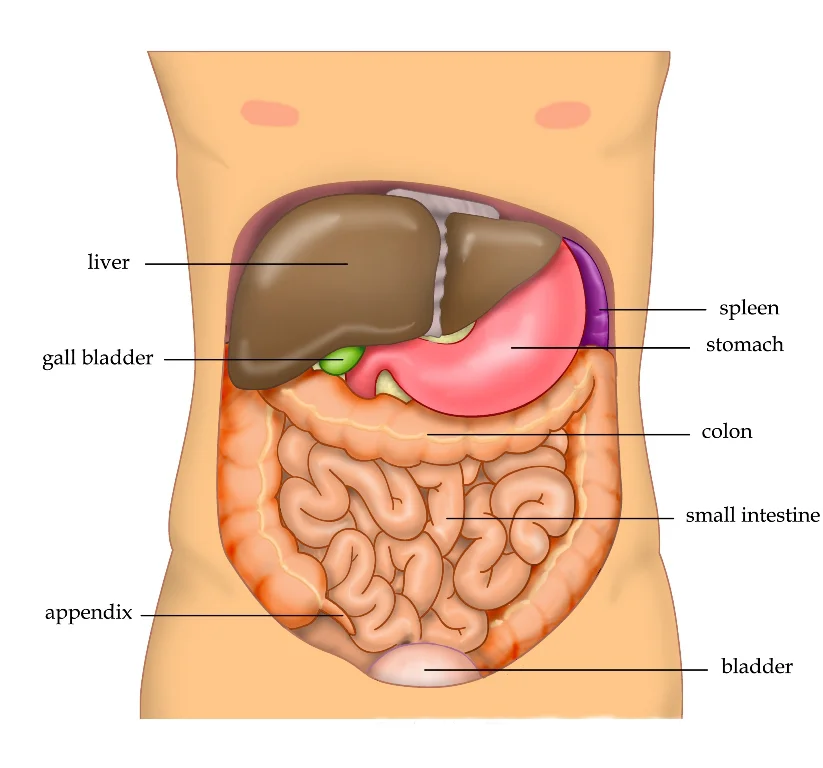
Serum D-lactate levels might be a simple and reliable diagnostic marker for appendicitis (90% accurate). R
Transduction of a signal which decreases cAMP could represent a feedback mechanism, opposing the effect of catecholamines, which induce glycogen breakdown and production of the lactate itself. R R
5 Ways Lactate Can Improve Health and Performance R
Jacob Gordon
INHC, FMT-C
Integrative Nutrition Health Coach
I cover mold illness, post-viral recovery, methylation, and complex chronic disease, drawing on ten years of clinical research, work inside a functional medicine clinic, and my own recovery from all of it. Every claim here is cited.
Book a ConsultationRelated Protocols & Supplements
Deep-dive chapters and recommended supplements for this topic
Spore-Based Probiotics
1 cap with food
L-Glutamine
5g 2x/day on empty stomach
Butyrate
300mg 2x/day with meals