Systemic Candida Overgrowth: Mechanisms, Testing, And Treatment Beyond The Yeast-Free Diet
By Jacob Gordon, INHC, FMT-CThis article contains affiliate links. As an Amazon Associate, MyBioHack earns from qualifying purchases at no extra cost to you. We only link products we research and stand behind.
Systemic Candida overgrowth is what happens when a normally harmless gut yeast shifts its shape, builds a defensive fortress, and starts leaking inflammatory debris into the rest of your body.
In this post, we will discuss what Candida overgrowth actually is, the yeast-to-hyphae switch that turns a commensal into a pathogen, how antibiotics and sugar set the stage, why symptoms show up far outside the gut, how to test for it, and a staged evidence-based protocol that goes well past cutting out bread.
Basics Of Candida Overgrowth
Candida albicans is the most common fungal member of the human gut, mouth, and vaginal tract, and in most people it lives quietly as a commensal.
The problem is not its presence.
The problem is when the local ecosystem changes and Candida is allowed to expand, change morphology, and breach the barriers that normally contain it.
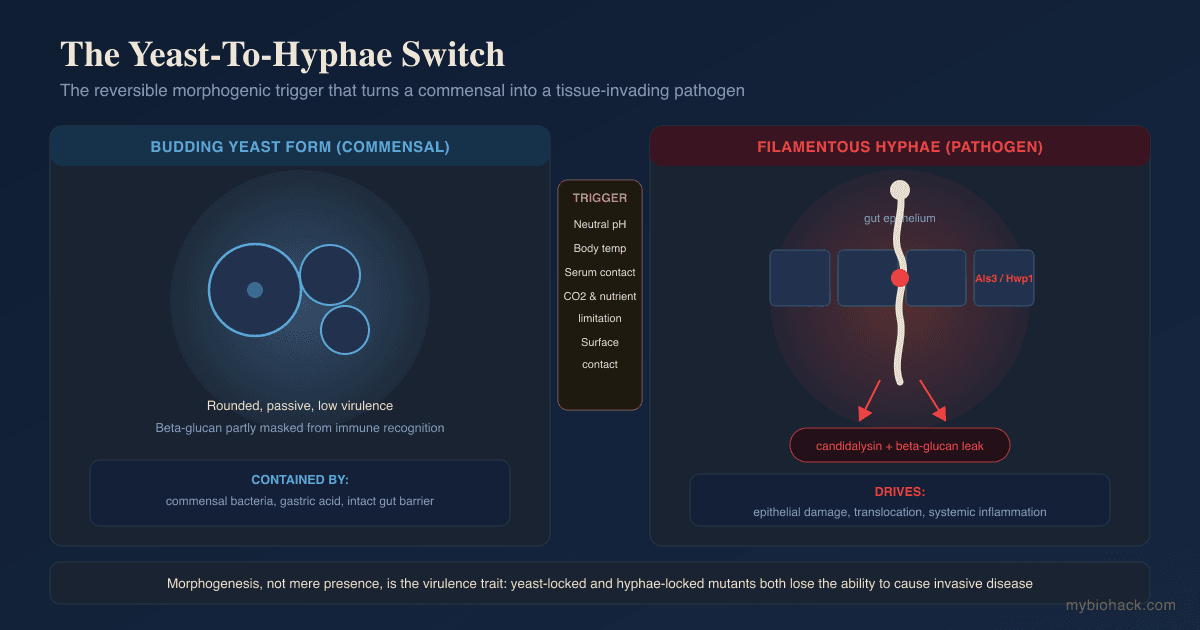
Candida albicans morphogenesis (the ability to switch between rounded yeast and invasive filamentous hyphae) is the single trait that controls whether it behaves as a peaceful colonizer or an invasive pathogen. R
Mutants that are locked in either the yeast form or the hyphal form are unable to cause invasive disease, which tells you the reversible switch itself is the virulence trait. R
This is a real example of pleomorphism, which is Jacob's framing that many "pathogenic" microbes are shape-shifted versions of normal residents responding to a toxic terrain, not inherently evil organisms.
Candida sits on Jacob's list of clinically relevant pleomorphic microbes alongside Borrelia, Bartonella, and H. pylori, which means the terrain that drives the shift matters as much as the organism itself.
The term "systemic Candida" gets thrown around loosely, so it helps to separate three distinct things.
- Frank invasive candidiasis (Candida in the bloodstream and organs) is a life-threatening infection seen mostly in neutropenic, ICU, and immunosuppressed patients, and it is a medical emergency, not the subject of this post
- Mucosal overgrowth (oral thrush, recurrent vaginal yeast infections, gut overgrowth) is common, real, and testable
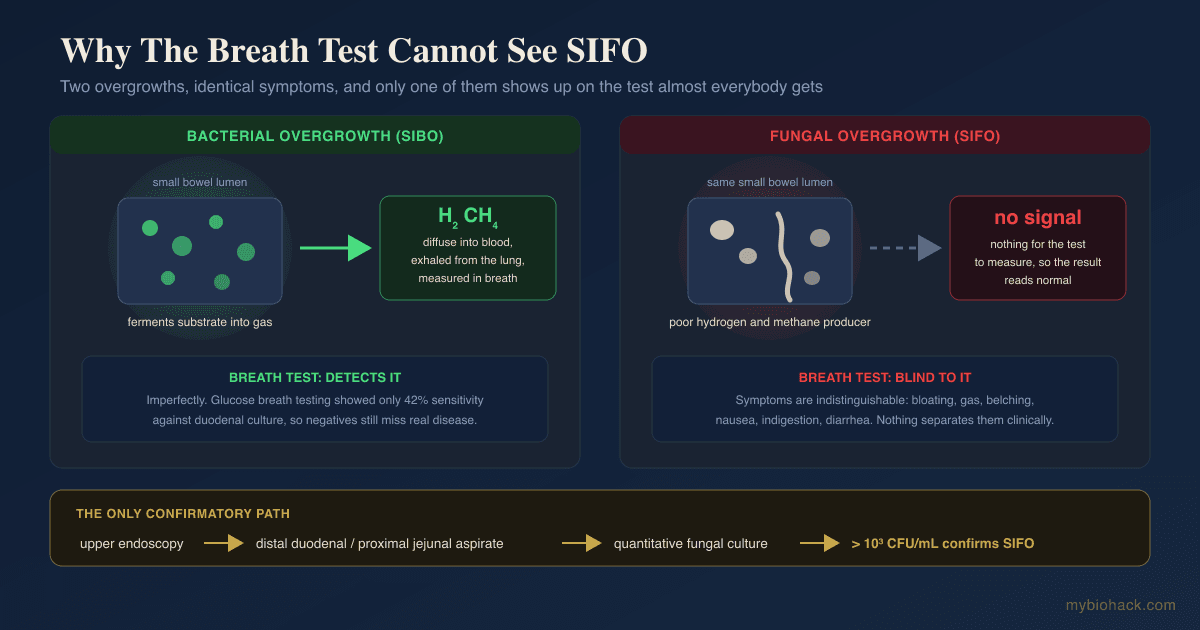
- Small intestinal fungal overgrowth (SIFO) is fungal expansion in the small bowel that produces IBS-like symptoms and may be present in 25 to 40 percent of people with chronic unexplained gastrointestinal complaints R
Most of what people call "Candida" in the functional medicine world is the middle and third categories, driven by a shifted gut terrain rather than an immune collapse.
What Causes Candida Overgrowth
Candida overgrowth is almost always downstream of something that removed the microbial competition, fed the yeast, or opened the barrier.
Root drivers (not an exclusive list):
- Antibiotic overuse (broad-spectrum antibiotics strip the commensal bacteria that normally restrain Candida and shift gut metabolites toward growth-promoting sugars and bile acids) R
- Diabetes and chronically high blood sugar (glucose is the primary carbon source Candida uses to build its cell wall and biofilm)
- High-sugar and refined-carbohydrate diets (a much stronger driver in animal models than in healthy humans, so there is a big MAYBE on how much diet alone matters in an otherwise intact gut) R
- Immunosuppression (corticosteroids, chemotherapy, and untreated HIV remove the Th17 and neutrophil defenses that keep Candida in check)
- Impaired gut barrier and dysbiosis (loss of the commensal bacteria that activate protective host defenses lets Candida colonize and morph) R
- Low stomach acid and proton pump inhibitor use (reduced gastric acid lets more organisms survive transit into the gut)
- Oral contraceptives and hormonal shifts (estrogen exposure is a well-established risk factor for recurrent vaginal candidiasis) R
The antibiotic mechanism is the best documented.
When mice are given broad-spectrum antibiotics, the gut metabolic environment shifts toward carbohydrates, sugar alcohols, and primary bile acids that promote Candida growth, while the protective secondary bile acids and carboxylic acids drop. R
This is why so many people can trace a Candida problem back to a course of antibiotics, and why fixing the underlying dysbiosis is more important than any single antifungal.
How Candida Shifts From Commensal To Pathogen
This is the mechanistic core of the post, and it explains why "just avoid sugar" is an incomplete strategy.
The Yeast-To-Hyphae Switch
In its budding yeast form, Candida is relatively passive.
When it senses the right cues (neutral pH, body temperature, serum, nutrient limitation, CO2, contact with a surface), it launches filamentous hyphae that invade tissue. R
Hyphae express a specific set of virulence factors that yeast cells do not, including the adhesins Als3 and Hwp1, secreted aspartyl proteases, and a pore-forming toxin. R
The two morphologies are also seen differently by your immune system, because the beta-glucan that Dectin-1 recognizes is more exposed on some forms than others. R
Candidalysin, The Fungal Toxin
The pore-forming toxin secreted by hyphae is called candidalysin, and its 2016 discovery reframed how Candida damages tissue. R
Candidalysin is a cytolytic peptide that physically punches holes in epithelial cell membranes, triggers a danger-response signaling pathway, and drives the release of inflammatory cytokines. R
Candida strains engineered to lack this toxin do not damage epithelial cells and are avirulent in mucosal infection models, which makes candidalysin the key molecular determinant of the damage. R
That epithelial damage is exactly how Candida translocates across the gut barrier and starts feeding systemic inflammation. R
Biofilms And Antifungal Resistance
Once Candida attaches to a surface, it builds a biofilm, a structured community wrapped in a self-produced matrix. R
Most Candida infections are associated with biofilm formation, and cells inside a biofilm are dramatically less susceptible to both antifungal drugs and immune attack. R
The resistance is multifactorial and worth understanding, because it is why single-agent antifungals so often fail.
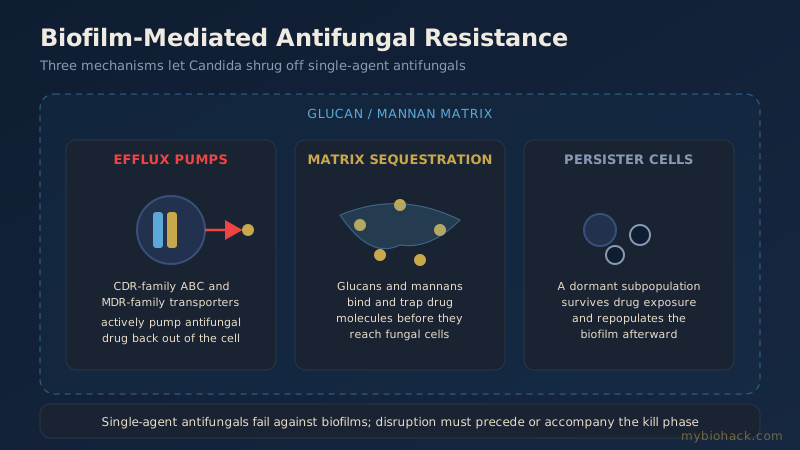
- Drug efflux pumps (the CDR-family ABC transporters and MDR-family pumps actively spit antifungals back out of the cell) R
- Matrix sequestration (glucans and mannans in the biofilm matrix bind and trap antifungal drugs before they reach the cells) R
- Persister cells (a dormant subpopulation survives drug exposure and repopulates the biofilm afterward) R
This is the same logic that applies to bacterial biofilms and quorum sensing, and it is the single biggest reason a Candida protocol has to include biofilm disruption rather than just an antifungal.
The Beta-Glucan Leak Into Systemic Inflammation
Here is where a gut-level problem becomes a whole-body one.
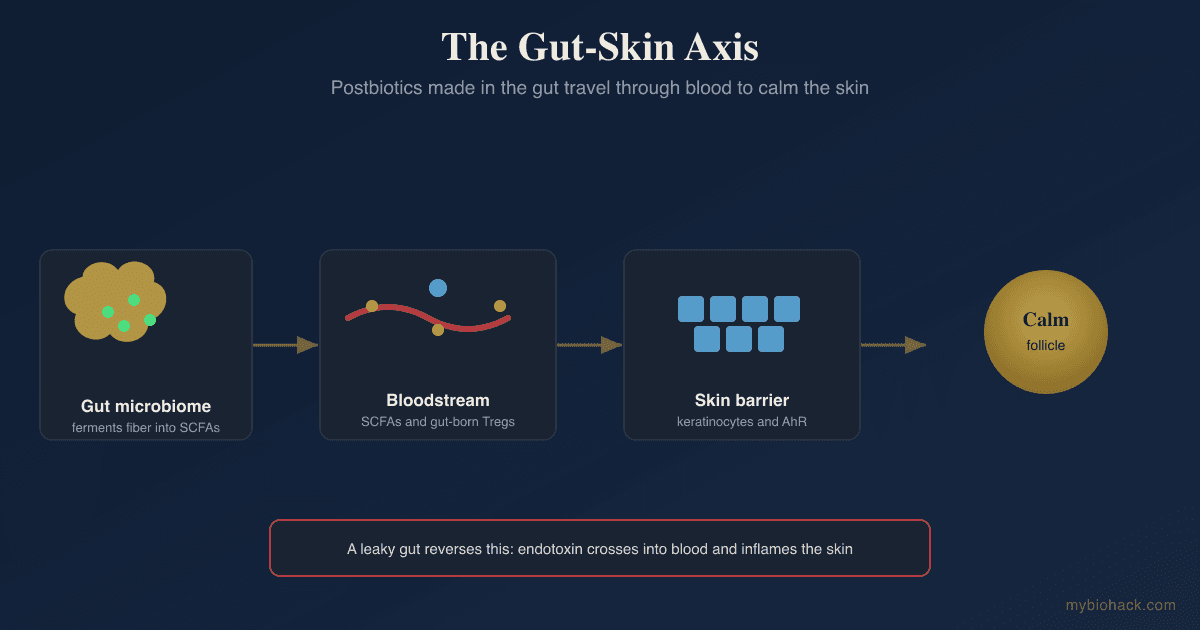
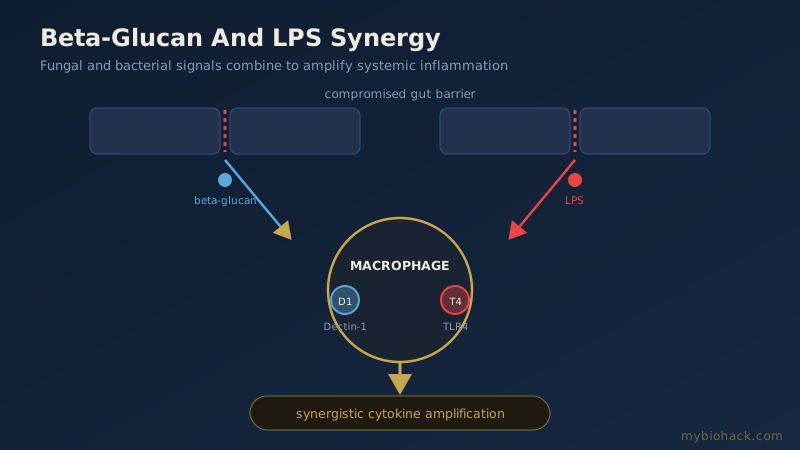
The Candida cell wall is rich in (1,3)-beta-D-glucan, and when the gut barrier is compromised this beta-glucan translocates into circulation alongside bacterial lipopolysaccharide. R
Beta-glucan and lipopolysaccharide (LPS) then synergize through their respective receptors, Dectin-1 and TLR4, to amplify inflammation far beyond what either produces alone. R
In Jacob's Junction Dysfunction (JD) framework, this is a direct feeder into Micro-Sepsis (MSS), the sub-lethal chronic sepsis that runs off LPS auto-intoxication and TLR4 signaling.
Fungal beta-glucan riding along with LPS is fuel for the same TLR-driven inflammasome activation that MSS describes, and it is part of why gut fungal overgrowth can leave people feeling systemically sick rather than just bloated.
It also ties into Endotoxin Looping, Jacob's term for the recirculation of gut-derived endotoxin through the portal vein into systemic circulation.
Candida Overgrowth And Overlapping Conditions
Candida rarely travels alone, and its symptoms extend well past the digestive tract.
Symptoms and overlaps beyond digestion (not an exclusive list):
- Anxiety and mood changes (gut Candida colonization dysregulated the endocannabinoid system and increased anxiety-like behavior and baseline corticosterone in mice, a preliminary but mechanistically interesting finding) R
- Brain fog and cognitive complaints (consistent with the gut mycobiome literature, though causation in humans is not established) R
- Fatigue (overlaps heavily with the systemic inflammation from beta-glucan and LPS translocation)
- Oral thrush (white coating on the tongue, a direct mucosal sign)
- Recurrent vaginal yeast infections (three or more episodes in a year defines recurrent vulvovaginal candidiasis, which involves both fungal virulence and host immune dysregulation) R
- Skin and nail issues (intertrigo, rashes, and fungal nail involvement)
The gut-brain link is worth sitting with honestly.
The strongest data are in mice, where Candida colonization perturbed the gut-brain axis through endocannabinoid signaling, and raising anandamide levels reversed the anxiety phenotype. R
That is a real mechanism, but it is not proof that treating Candida fixes anxiety in humans, so there is a big MAYBE here.
Candida overgrowth also commonly overlaps with the mast cell and biotoxin world.
The same barrier breakdown and systemic inflammation that Candida drives can feed histamine intolerance and mast cell activation, and there is meaningful overlap with the gut-serotonin and mast cell axis.
There is also frequent clinical overlap with mold and CIRS presentations, which Jacob reframes through the JD lens rather than the Shoemaker biotoxin model.
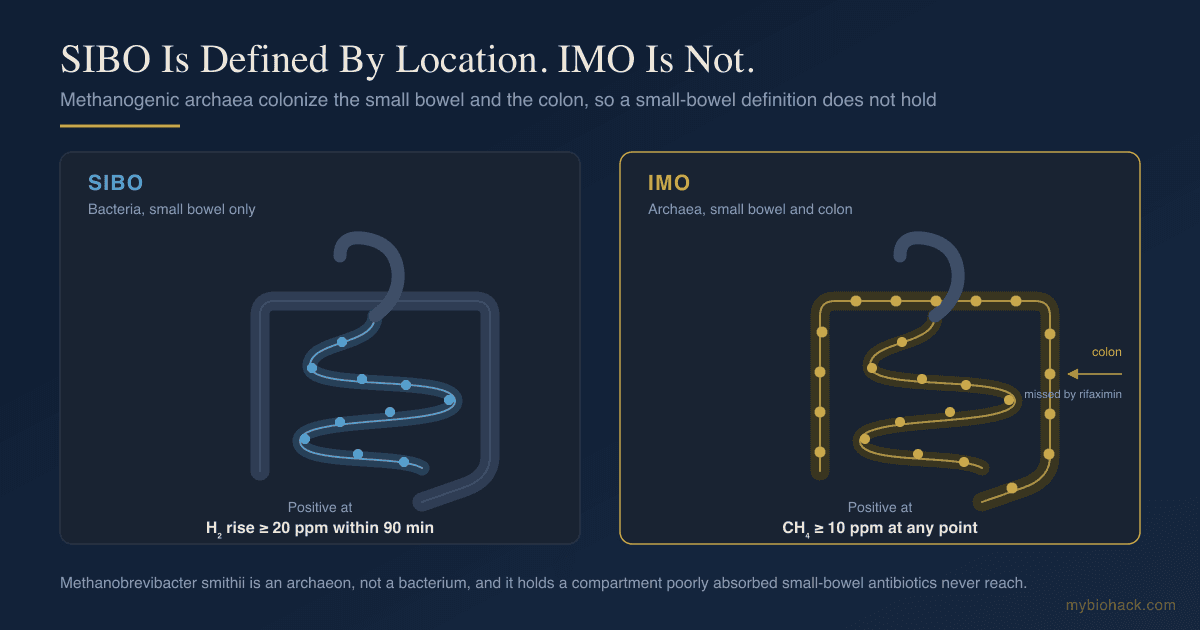
Candida often coexists with bacterial overgrowth as well, so a fungal problem in the small intestine may sit right next to SIBO and share the same root causes. R
How To Improve Candida Overgrowth
The staged logic here mirrors Jacob's broader gut rebuild philosophy.
You do not just kill the yeast.
You remove what is feeding it, break the biofilm that protects it, reduce the population with antifungals, and then rebuild the terrain so it cannot come back.
Killing the organism without fixing the terrain that drove the pleomorphic shift is how people end up in an endless cycle of antifungals.
1. Fix The Terrain First
Before reaching for antifungals, address the drivers from the causes section.
Reduce dietary sugar and refined carbohydrate, since glucose is the yeast's preferred fuel, while keeping in mind that diet alone is a weaker lever in humans than most Candida diets claim. R
Stop unnecessary antibiotics, address low stomach acid, and support the commensal bacteria that naturally restrain Candida. R
This is the step most people skip, and it is the one that determines whether the results last.
2. Break The Biofilm
Antifungals cannot reach cells buried in a biofilm matrix, so biofilm disruption comes before or alongside the kill phase.
See the deeper dive on inhibiting biofilms for the full mechanistic picture and additional biofilm-disrupting recipes.
-
Helps disrupt biofilm matrix and thin mucus.
-
A proteolytic enzyme used to degrade the biofilm matrix on an empty stomach.
3. Reduce The Population With Antifungals
Several botanical antifungals have real mechanistic and in-vitro support against Candida, and they are often rotated to reduce resistance.
-
A medium-chain fatty acid that disrupts the fungal membrane and inhibits the hyphal switch, adhesion, and biofilm formation in laboratory models, and the related capric acid secreted by Saccharomyces boulardii inhibits Candida filamentation and biofilm. R
-
Its main constituent carvacrol shows potent anti-biofilm activity, alters membrane permeability, generates fungal reactive oxygen species, and induces endoplasmic reticulum stress in Candida. R R
-
Beyond its AMPK and blood-sugar effects, berberine downregulates the CDR1 efflux pump and synergizes strongly with fluconazole against resistant Candida through endogenous ROS augmentation. R R
-
The active garlic compound penetrates fungal and mitochondrial membranes, drives oxidative damage, and downregulates biofilm genes including HWP1, ALS1, and ALS3. R R
-
A fatty-acid antifungal that works synergistically with caprylic acid against Candida biofilms.
For a single-agent deep dive, the compound polygodial from horopito kills Candida through membrane and mitochondrial disruption and still works against azole-resistant strains, which makes it a useful rotation option.
4. Repopulate And Rebuild The Barrier
Killing yeast leaves an empty niche, and what fills it determines whether you relapse.
-
A probiotic yeast that inhibits Candida filamentation, adhesion, and biofilm formation and reduced Candida translocation from the gut in animal models, though at least one study found no effect on raw colonization, so the evidence is mixed. R R
-
A short-chain fatty acid that feeds colonocytes and helps restore the barrier and commensal environment that keeps Candida suppressed.
Resistant starches, fermented vegetables, and Bifidobacterium-forward probiotics round out the rebuild by restoring the competition Candida needs to stay in yeast form.
What To Stay Away From
Some choices actively feed the yeast or the terrain that supports it.
- Broad-spectrum antibiotics taken without cause (the single most reliable way to trigger overgrowth) R
- Chronic high-glycemic eating (glucose is the yeast's cell-wall and biofilm feedstock)
- Single-agent antifungals used indefinitely (biofilm persister cells and efflux pumps breed resistance, so rotation and biofilm disruption matter) R
- Unnecessary long-term proton pump inhibitors (suppressing stomach acid removes a first-line barrier)
Testing
Testing for Candida overgrowth is genuinely imperfect, and no single marker is definitive, so the goal is to combine signals.
Blood And Urine Markers
Candida antibodies (IgG, IgA, IgM) rise when the immune system is responding to fungal antigens, and a rising titer can support a clinical picture, though antibodies can persist after resolution.
I use the Candida + IBS Profile (Vibrant Wellness) to assess Candida IgG, IgA, and IgM antibodies alongside IBS-associated biomarkers when fungal overgrowth is on the differential.
The US BioTek Candida Full Panel is an alternative that measures IgG, IgA, and IgM antibodies to Candida albicans.
Urinary D-arabinitol is a Candida metabolite, and an elevated D-arabinitol to L-arabinitol ratio has been used as a marker of invasive candidiasis, with the important caveat that Candida krusei does not produce it and the marker is best validated in immunocompromised patients rather than the general population. R
Functional Lab Panels
I use an Organic Acids test (Vibrant Wellness) to look at urinary D-arabinitol and other microbial and mitochondrial metabolites in one snapshot.
The Mosaic Diagnostics Organic Acids Test is the alternative I reach for when I want the widest panel of fungal and bacterial dysbiosis markers.
I use the Gut Zoomer (Vibrant Wellness) to evaluate the broader microbiome, fungal load, permeability, and digestion, since Candida almost never exists in isolation.
For a PCR-based stool alternative, I use the GI-MAP (Diagnostic Solutions), and the Comprehensive Stool Analysis + Parasitology (Doctor's Data) adds culture-based fungal assessment.
Provocation And Clinical Correlation
Because breath testing does not work for fungi the way it does for bacterial small intestinal bacterial overgrowth, SIFO diagnosis in the small intestine technically requires small-bowel aspirate and culture, which is rarely practical outside research settings. R
For most people, the honest approach is to combine antibody testing, organic acids, a stool panel, and symptom pattern rather than trusting any one result.
Mechanisms Of Action
Simple:
- Candida changes shape from a harmless round yeast into an invasive thread-like form that drills into your gut lining and releases a toxin, and it hides inside a slime layer that shrugs off antifungal drugs.
- When the gut barrier is damaged, pieces of the yeast's cell wall leak into your blood along with bacterial toxins, and together they crank up body-wide inflammation.
Advanced:
- Morphogenic switch and candidalysin Environmental cues trigger a transcriptional program that converts budding yeast into hyphae, which express Als3 and Hwp1 adhesins, secreted aspartyl proteases, and the Ece1-derived pore-forming peptide candidalysin, the latter permeabilizing epithelial membranes, driving calcium influx, and activating a MAPK/c-Fos danger response with downstream cytokine release. R R
- Biofilm-mediated resistance Biofilm cells resist antifungals through CDR-family ABC and MDR-family efflux pumps, beta-glucan and mannan matrix sequestration of drug, elevated FKS1 expression, and a persister subpopulation with increased reactive oxygen species that survives azole exposure and repopulates the community. R R
- Beta-glucan and LPS synergy Gut barrier failure permits translocation of fungal (1,3)-beta-D-glucan and bacterial lipopolysaccharide, which co-signal through Dectin-1 and TLR4 to amplify macrophage activation and systemic inflammation beyond either ligand alone, feeding the LPS-driven TLR4 and inflammasome cascade Jacob describes as Micro-Sepsis. R R
- Commensal restraint and antibiotic collapse Commensal Firmicutes and Bacteroides restrict Candida colonization partly by activating host defenses, and broad-spectrum antibiotics collapse this by depleting those bacteria and shifting the gut metabolome toward carbohydrates and primary bile acids that favor fungal growth and morphogenesis. R R
Genetics
Host genetics strongly influence who develops chronic or recurrent candidiasis, mostly through the beta-glucan sensing and Th17 immune pathways.
CARD9
CARD9 encodes an adaptor protein that relays signals from fungal-recognition receptors to activate the immune response.
Homozygous loss-of-function mutations disrupt the signaling cascade downstream of Dectin-1, impairing Th17 differentiation and antifungal defense.
Biallelic CARD9 mutations cause a severe, sometimes invasive susceptibility to Candida, including central nervous system involvement. R
CLEC7A (Dectin-1)
CLEC7A encodes Dectin-1, the receptor that recognizes fungal beta-glucan on the Candida cell wall.
Loss-of-function variants reduce beta-glucan recognition and increase susceptibility to mucocutaneous Candida infection while leaving defense against other pathogens relatively intact. R
STAT1
STAT1 is a transcription factor central to interferon and IL-17 immune signaling.
Gain-of-function mutations are the most common genetic cause of chronic mucocutaneous candidiasis, because they paradoxically impair IL-17-mediated antifungal immunity and cripple the Th17 response. R
MBL2
MBL2 encodes mannose-binding lectin, a pattern-recognition molecule of the innate immune system.
Polymorphisms in MBL2, along with variants in NLRP3, IL-12, and TLR2, are associated with increased susceptibility to recurrent vulvovaginal candidiasis. R
More Research
- Antibody testing has real limitations, because Candida IgG can persist after the overgrowth resolves and does not always distinguish active infection from prior exposure, which is why I pair it with organic acids and stool testing rather than relying on it alone.
- The gut-brain data are provocative but preliminary, with the strongest anxiety and endocannabinoid findings coming from mouse colonization models rather than human trials. R
- The "die-off" or Herxheimer reaction is poorly validated for Candida. The conventional explanation is that rapid fungal killing dumps endotoxin-like debris and cell-wall components that spike inflammatory cytokines like TNF-alpha, IL-6, and IL-8, and there is a case report of a Jarisch-Herxheimer reaction during fluconazole treatment of candidiasis. R R Jacob's own hypothesis is that much of the "herx" feeling is oxidative stress from neutrophil extracellular traps forming during the kill, not simply toxins entering the blood, which argues for going slow and supporting redox rather than pushing high antifungal doses.
- Diet is a weaker lever in humans than in mice. A high-sugar diet did not increase Candida frequency in healthy subjects, though it did raise fecal counts in people who already had elevated oral Candida, so the yeast-free diet is a reasonable adjunct rather than a cure. R
- For testing I use the Candida + IBS Profile, an Organic Acids test, and the Gut Zoomer together, because the imperfections of each are partly covered by combining them, and I add a stool panel like the GI-MAP when the picture is unclear.
- Terrain matters as much as the kill. Because Candida morphogenesis is a pleomorphic response to its environment, removing the antibiotic pressure, sugar load, and barrier damage that drove the shift is what keeps it in the harmless yeast form long term.
Jacob Gordon
INHC, FMT-C
Integrative Nutrition Health Coach
I cover mold illness, post-viral recovery, methylation, and complex chronic disease, drawing on ten years of clinical research, work inside a functional medicine clinic, and my own recovery from all of it. Every claim here is cited.
Book a ConsultationRelated Protocols & Supplements
Deep-dive chapters and recommended supplements for this topic
Spore-Based Probiotics
1 cap with food
L-Glutamine
5g 2x/day on empty stomach
Butyrate
300mg 2x/day with meals