TRPV Receptors And Proteins: What They Are, What They Do, And Why They Matter For Chronic Illness
By Jacob Gordon, INHC, FMT-CThis article contains affiliate links. As an Amazon Associate, MyBioHack earns from qualifying purchases at no extra cost to you. We only link products we research and stand behind.
TRPV channels are among the most clinically relevant ion channels in the human body, yet most people dealing with chronic pain, chemical sensitivity, mast cell issues, or neurological symptoms have never heard of them.
In this post, we will discuss what TRPV channels are, what each of the six subtypes does, how they drive neurogenic inflammation and chronic sensitization, how they connect to conditions like MCAS and chemical sensitivity, and what modulates them both naturally and pharmacologically.
Basics Of TRPV Channels
TRP stands for transient receptor potential, a superfamily of ion channels found in virtually every tissue and cell type in the human body. R
There are 28 mammalian TRP channels divided into six subfamilies: TRPC (canonical), TRPV (vanilloid), TRPM (melastatin), TRPP (polycystin), TRPML (mucolipin), and TRPA (ankyrin). R
TRPV stands for transient receptor potential vanilloid, named because the first member of the subfamily (TRPV1) is activated by vanilloids, the pungent compounds in chili peppers including capsaicin. R
There are six TRPV subtypes in vertebrates: TRPV1, TRPV2, TRPV3, TRPV4, TRPV5, and TRPV6. R
TRPV channels are calcium-permeable ion channels that open in response to physical stimuli (heat, pressure, osmotic changes), chemical stimuli (capsaicin, endocannabinoids, inflammatory mediators, environmental toxins), and intracellular signals (PKA, PKC phosphorylation).
When a TRPV channel opens, calcium floods into the cell.
This calcium influx triggers downstream signaling: neuropeptide release, membrane depolarization, action potential generation, gene expression changes, and in the case of sensory neurons, the experience of pain, heat, itch, or burning.
TRPV channels are not just pain receptors.
They are polymodal integrators: they simultaneously sense temperature, chemistry, pressure, and internal signaling state, making them central hubs for how the body decides something is threatening.
TRPV1 through TRPV4 are all temperature-sensitive, nonselective cation channels modestly permeable to calcium, with permeability ratios of roughly 1:10 (Ca:Na). R
TRPV5 and TRPV6 are structurally distinct: they are highly selective calcium channels (permeability ratio greater than 100:1 Ca:Na), are not thermosensitive in the same way, and function primarily as calcium gatekeepers in epithelial tissue rather than as pain sensors. R
The Six TRPV Subtypes
TRPV1
TRPV1 is the founding member of the subfamily and the most extensively studied. R
It is activated by: heat above 43 degrees C, capsaicin, acidic pH (below 6.7), and a growing list of endogenous mediators including anandamide (AEA), N-arachidonoyl dopamine (NADA), protons, bradykinin, prostaglandins, and certain mycotoxins. R
It is expressed predominantly on C-fiber and A-delta-fiber sensory neurons (nociceptors), with expression confirmed in the dorsal root ganglion (DRG), trigeminal ganglion (TG), and nodose ganglion. R
TRPV1 is also expressed in the brain: hippocampal CA1/CA3 pyramidal neurons, hypothalamus, amygdala, caudate putamen, periaqueductal grey, and locus coeruleus. R
This central expression is clinically relevant for anyone with limbic dysfunction or nervous system dysregulation, as TRPV1 in limbic structures intersects with pain, stress, and emotional processing.
Beyond sensory neurons, TRPV1 is expressed in keratinocytes, mast cells, dendritic cells, and endothelial cells, where it acts as a nociceptive sensor and potentiates local inflammatory processes. R
Key function: Detection and integration of noxious chemical and thermal stimuli; primary driver of neurogenic inflammation through neuropeptide release.
Primary disease relevance: Chronic pain, neurogenic inflammation, chemical sensitivity, MCAS, itch, asthma, IBD, GERD, migraine, fibromyalgia.
Temperature threshold: Greater than 43 degrees C (lowered to body temperature by inflammatory sensitization).
TRPV2
TRPV2 is most highly expressed in the lungs, spleen, and a subpopulation of large-diameter sensory neurons. R
It is a noxious thermosensor with a higher activation threshold than TRPV1 (greater than 52 degrees C), making it relevant to intense or tissue-damaging heat stimuli rather than the low-grade warning signals that TRPV1 handles. R
It is also activated by mechanical stretch and hypo-osmolarity, functioning as both a thermosensor and a mechanosensor. R
TRPV2 is expressed in macrophages and immune cells and has a documented role in the regulation of apoptosis via the Fas/Fas ligand pathway. R
Overexpression of TRPV2 in cancer tissue is associated with resistance to apoptosis and unregulated cell proliferation. R
THC (delta-9-tetrahydrocannabinol) acts most potently at TRPV2, making it the primary TRP channel through which THC's effects on inflammation and immune function may operate. R
CBD also activates and desensitizes TRPV2. R
Temperature threshold: Greater than 52 degrees C.
TRPV3
TRPV3 is highly expressed in keratinocytes and other skin epithelial cells, and is considered essential for several skin functions including skin barrier formation and hair morphogenesis. R
It is activated by innocuous warm temperatures (30-33 degrees C), making it a warmth sensor rather than a pain sensor per se. R
It is also activated by camphor, borneol, menthol (at warm temperatures), thymol, carvacrol (from thyme and oregano), and by cannabinoids including CBD. R
TRPV3 is expressed in the brain, spinal cord, and skin. R
Mutations in TRPV3 cause Olmsted syndrome, a rare disorder characterized by palmoplantar keratoderma and alopecia, illustrating how critical this channel is for skin barrier integrity. R
TRPV3 knockout mice show wavy hair, curling whiskers, and impaired warm temperature preference. R
Clinical relevance: Dermatological conditions (atopic dermatitis, eczema, psoriasis), itch, thermosensation, hair health.
Temperature threshold: 30-33 degrees C (innocuous warmth).
TRPV4
TRPV4 is a polymodal channel that senses moderate warmth (above 24 degrees C), osmotic stress, mechanical pressure, and certain lipid mediators. R
It is widely expressed in brain, sensory neurons, kidney, urinary system, skin, musculoskeletal tissue, vascular endothelium, and lung epithelium. R
Unlike the other thermo-TRPVs, TRPV4 is not activated by capsaicin. R
TRPV4 plays a critical role in regulating osmotic pressure in the brain and is activated by cell swelling via the endogenous lipid mediator 5',6'-epoxyeicosatrienoic acid (5',6'-EET). R
More than 50 pathogenic mutations in TRPV4 have been described, associated with diverse channelopathies including skeletal dysplasia (brachyolmia, metatropic dysplasia), peripheral neuropathies, and Charcot-Marie-Tooth disease type 2C. R
In the lung, TRPV4 is involved in edema formation: excess activation of TRPV4 in pulmonary endothelium increases vascular permeability. R
Its sensitivity is modulated by inflammation and arachidonic acid metabolites, like TRPV1. R
Clinical relevance: Chronic obstructive pulmonary disease (COPD), pulmonary edema, joint inflammation, osmosensing, skeletal diseases, peripheral neuropathy.
Temperature threshold: Greater than 24 degrees C (mild warmth).
TRPV5
TRPV5 is a highly calcium-selective channel (PCa/PNa greater than 100) expressed predominantly in the kidney, specifically in the distal convoluted tubule and connecting tubule of the nephron. R
Its primary function is active transcellular calcium reabsorption from the glomerular filtrate back into blood.
When calcium enters a cell through TRPV5, intracellular calcium rapidly increases, triggering calmodulin-mediated inactivation (a fast feedback mechanism that prevents calcium overload). R
TRPV5 expression is regulated by:
- Parathyroid hormone (PTH): Increases TRPV5 expression, increasing calcium reabsorption (relevant in hyperparathyroidism and low vitamin D states)
- Calcitriol (active vitamin D): Upregulates TRPV5, increasing renal calcium retention
- Estrogen: Increases TRPV5 expression (explains part of why postmenopausal estrogen loss accelerates bone calcium loss)
- Klotho: The anti-aging protein Klotho modulates TRPV5 activity at the luminal membrane
TRPV5 is not expressed in the CNS. R
Clinical relevance: Calcium homeostasis, osteoporosis, kidney stone disease, hypercalciuria, vitamin D metabolism.
TRPV6
TRPV6 is structurally the most similar to TRPV5 (75% sequence identity) and is the primary calcium absorption channel in the small intestine, specifically in the duodenum and jejunum. R
Together with TRPV5, it constitutes the epithelial calcium transport system: TRPV6 absorbs dietary calcium from the gut, and TRPV5 recovers filtered calcium in the kidney.
TRPV6 expression is strongly upregulated by calcitriol and is the primary driver of increased intestinal calcium absorption when vitamin D status is adequate. R
TRPV6 overexpression has been reported in multiple cancers including prostate, breast, colon, and ovarian cancer, where it facilitates calcium influx needed for proliferation and apoptosis resistance. R
It is regulated by calmodulin and phosphatidylinositol 4,5-bisphosphate (PIP2), both of which contribute to the tight calcium-dependent inactivation that prevents calcium overload in absorptive epithelial cells. R
Clinical relevance: Intestinal calcium absorption, vitamin D-dependent calcium transport, cancer cell calcium signaling, bone metabolism.
TRPV1 In Depth: The Most Clinically Relevant Subtype
TRPV1 deserves a full section because it sits at the intersection of almost every condition the MyBioHack audience is dealing with.
Structure
TRPV1 is a tetrameric channel: four identical subunits assemble around a central ion-conducting pore. R
Each subunit has six transmembrane domains (S1-S6), with the pore loop between S5 and S6.
The vanilloid binding pocket (VBP) sits between transmembrane helices S3/S4 of one subunit and S5/S6 of the adjacent subunit.
Capsaicin, anandamide, NADA, and other agonists bind here.
The ankyrin repeat domain at the N-terminus regulates channel sensitivity and serves as a scaffold for intracellular regulatory factors.
Both the N-terminus and C-terminus are intracellular, containing multiple phosphorylation sites for PKA and PKC, calmodulin binding sites, and ATP binding sites.
Activation Modalities
TRPV1 is a polymodal sensor that integrates multiple signals simultaneously: R
- Heat: Greater than 43 degrees C under normal conditions
- Acidic pH: Below 6.7 (explains why ischemic and inflamed tissues are painful even without temperature change)
- Capsaicin and pungent vanilloids
- Anandamide (AEA): The primary endogenous TRPV1 agonist, binding at the VBP in a "tail-up, head-down" configuration, similar to but distinct from capsaicin R
- NADA (N-arachidonoyl dopamine): Another potent endogenous agonist
- Bradykinin, prostaglandins, NGF (nerve growth factor): These sensitize TRPV1 via PKC and PKA phosphorylation, lowering its activation threshold
Sensitization: When The Threshold Falls
Under normal conditions, TRPV1 requires temperatures above 43 degrees C or strong chemical stimuli to open.
Sensitization occurs when inflammatory mediators (bradykinin, prostaglandins, NGF, cytokines) phosphorylate TRPV1 via PKC and PKA, lowering the activation threshold. R
A sensitized TRPV1 can open at body temperature (37 degrees C), producing spontaneous burning pain, heat allodynia, and mechanical hyperalgesia without any actual noxious stimulus.
This is the cellular basis of much of what we call central sensitization: it often starts peripherally as TRPV1 sensitization in inflamed tissue, which then drives sustained input to the dorsal horn spinal cord and eventually alters central pain processing.
PKC phosphorylation of TRPV1 is one of the most important sensitization mechanisms.
This is why prostaglandins and cytokines make everything hurt more, why sunburn makes warm showers painful, and why inflammatory bowel conditions produce hypersensitivity in tissues far from the gut.
Desensitization: The Paradox
TRPV1 also undergoes tachyphylaxis (rapid desensitization) upon sustained or repeated activation.
When TRPV1 opens and calcium floods in, calmodulin binds to the C-terminal calmodulin binding site and initiates channel closure and internalization. R
This desensitization renders the channel refractory to further stimulation, creating a paradoxical analgesic effect.
This is exactly why capsaicin cream relieves chronic pain: it activates TRPV1, which then undergoes desensitization, leaving the nerve terminal functionally depleted and unable to respond to subsequent stimuli.
At very high doses (resiniferatoxin, RTX), TRPV1 agonists can produce ablation of TRPV1-expressing nerve terminals entirely, producing very long-lasting analgesia. R
CBD and CBDV (cannabidivarin) also activate and rapidly desensitize TRPV1 and TRPV2, which is one mechanism through which CBD exerts analgesic and anticonvulsant effects. R
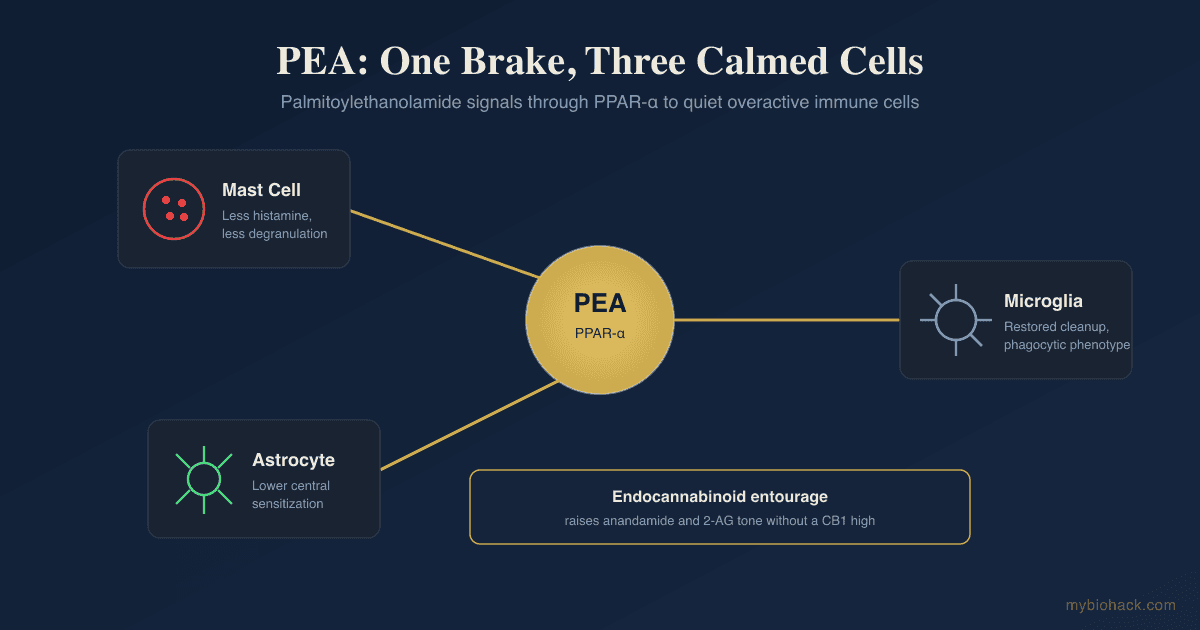
PEA (palmitoylethanolamide) activates and desensitizes TRPV1 through PPAR-alpha-dependent pathways, and notably produces a higher degree of TRPV1 desensitization compared to capsaicin, contributing to its effectiveness in reducing central sensitization in chronic pain conditions. R
How TRPV Channels Drive Neurogenic Inflammation
Neurogenic inflammation is inflammation that originates from nerve terminals rather than from immune cell activation. R
When TRPV1 (and TRPA1) on C-fiber and A-delta-fiber nociceptors are activated, the nerve releases substance P (SP) and calcitonin gene-related peptide (CGRP) from its peripheral terminals. R
These neuropeptides diffuse into local tissue and produce:
- Vasodilation (CGRP-mediated)
- Plasma extravasation and edema (SP-mediated via NK-1 receptor)
- Mast cell degranulation (SP activates MRGPRX2 and NK-1 receptors on mast cells)
- Immune cell recruitment
- Amplification of local inflammation
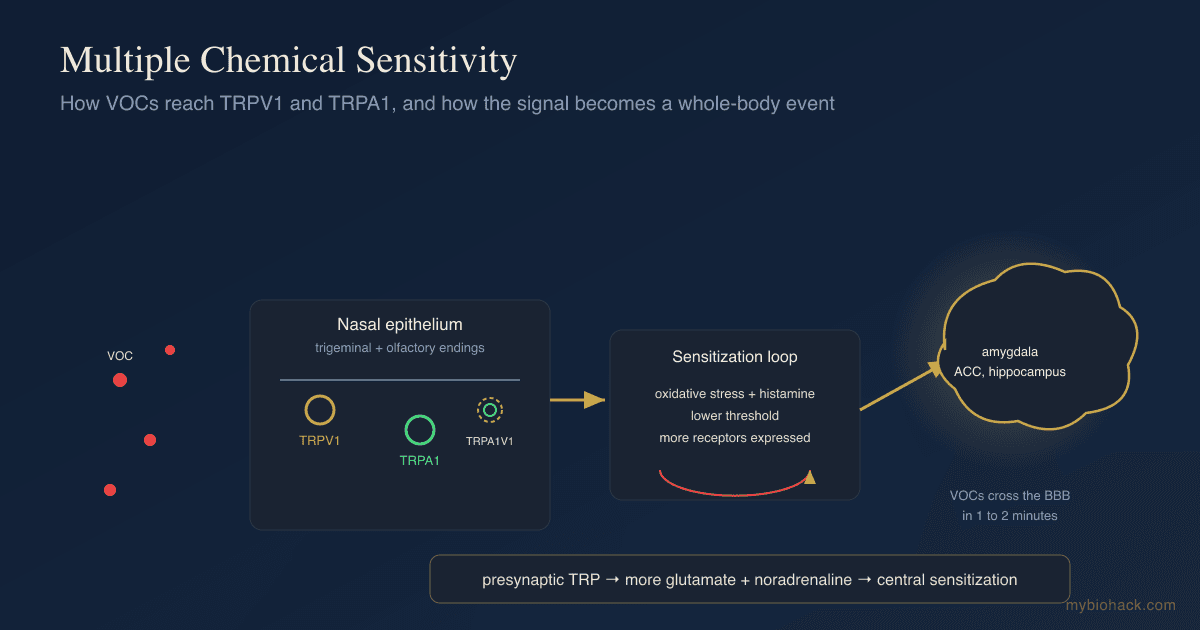
Neurogenic switching means that chemical stimulation at one site (such as the nasal mucosa from an inhaled irritant) can trigger neurogenic inflammation at distant sites via the CNS, causing symptoms in the airways, gut, skin, or vascular system simultaneously. R
This is the cellular basis for why someone with chemical sensitivity develops headaches, GI symptoms, and cardiac palpitations from a single smell.
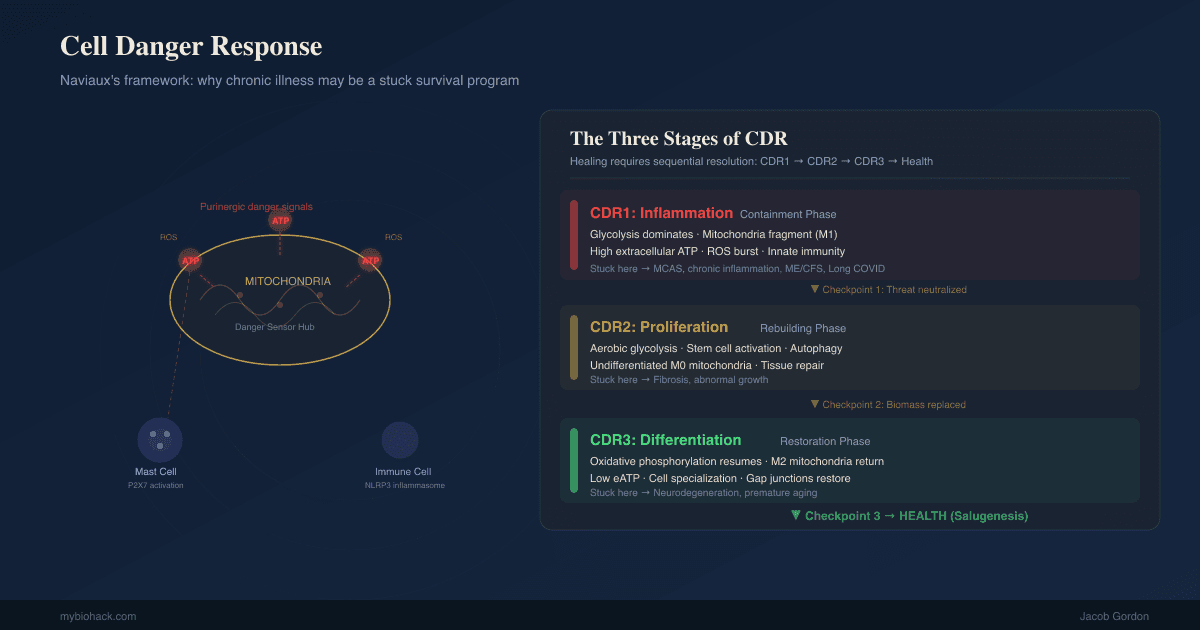
The mast cell-TRPV1 feedback loop is bidirectional. R
TRPV1 activation releases SP, which degranulates mast cells.
Mast cell tryptase then cleaves PAR-2 receptors on sensory neurons, which sensitizes TRPV1 further via PKC. R
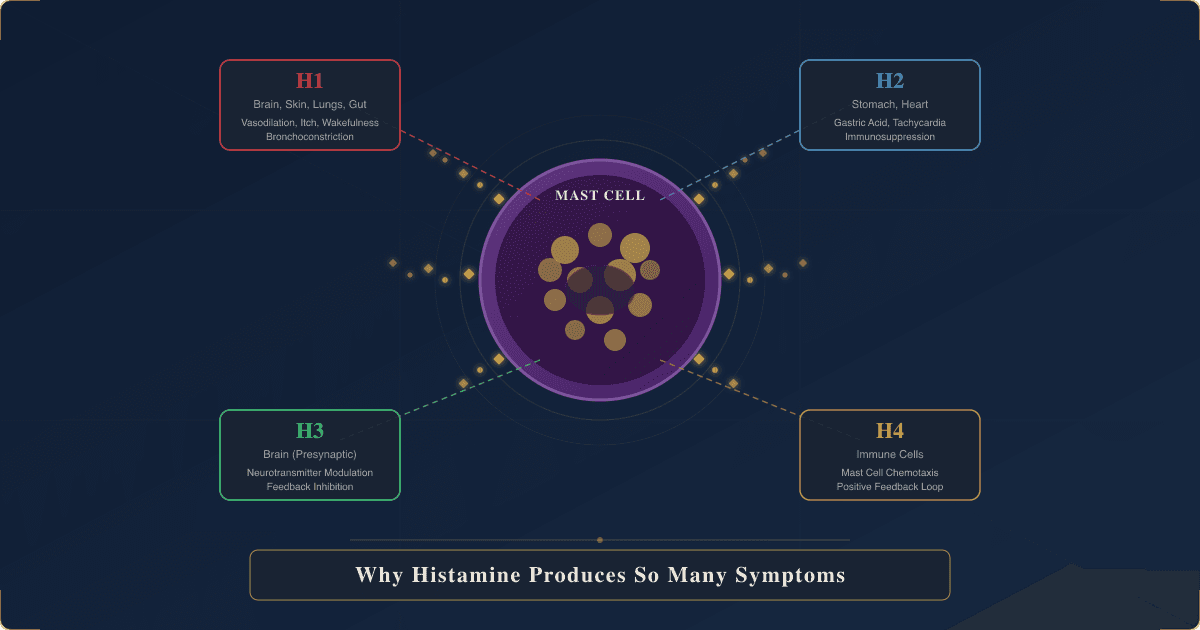
Histamine released from mast cells further sensitizes TRPV1.
The result is a self-perpetuating cycle of neurogenic inflammation and mast cell activation that can sustain for weeks or months without any ongoing external trigger.
Mast cell tryptase also directly activates TRPV1 and TRPV4 on sensory neurons via PAR-2, contributing to arthritis-type synovial inflammation and visceral hypersensitivity. R
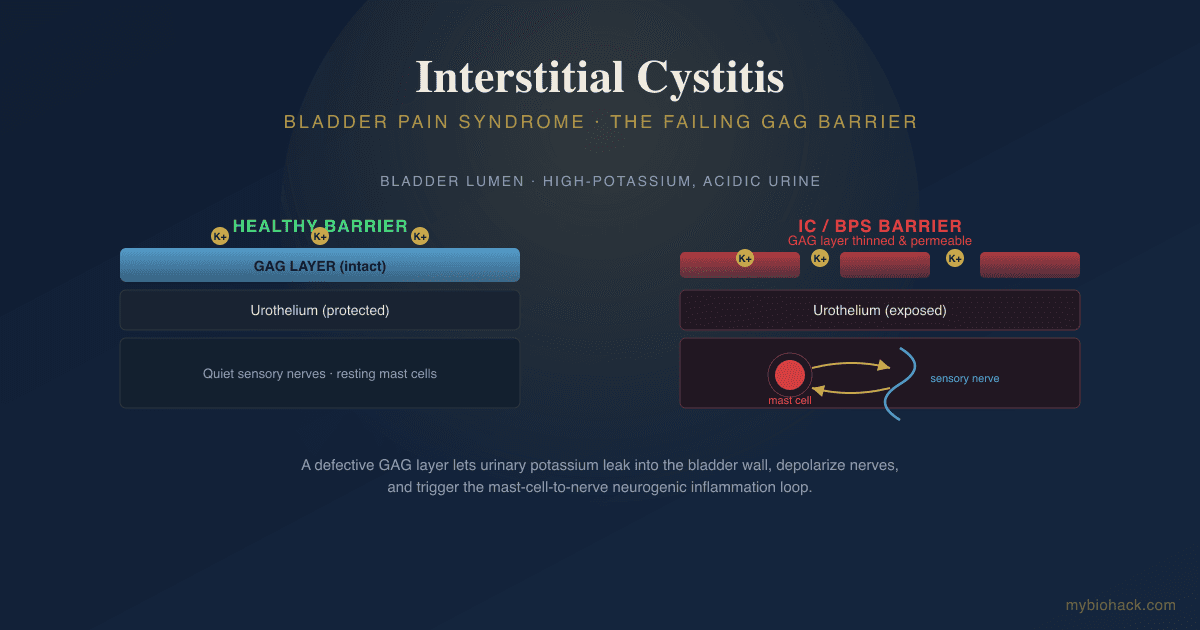
In inflammatory bowel conditions, colitis-driven TRPV1 activation in DRG neurons triggers CGRP and SP release in the urinary bladder via spinal cord cross-sensitization, explaining the common clinical picture of pelvic pain syndromes co-occurring with gut inflammation. R
TRPV Channels And Overlapping Conditions
Chemical Sensitivity And Hyperosmia
TRPV1 and TRPA1 are the primary molecular targets on C-fiber sensory neurons that respond to volatile organic compounds (VOCs) inhaled from chemicals, fragrances, and solvents. R
When these channels are sensitized by prior inflammation, biotoxin exposure, or limbic kindling, they fire at concentrations of airborne chemicals far below what would activate a normal threshold.
This is one of the primary cellular mechanisms underlying MCS and hyperosmia.
Mast Cell Activation Syndrome
MCAS and TRPV1 activity are bidirectionally amplifying.
TRPV1-expressing nociceptors are in close proximity to mast cells throughout the skin, gut, airway, and dural membranes.
SP released from TRPV1 activation degranulates mast cells.
Mast cell mediators (histamine, tryptase, prostaglandins, bradykinin) then sensitize TRPV1, lowering its threshold further.
Research specifically identifies mast cell tryptase as activating TRPV1 via PAR-2, and proposes that a significant subset of MCAS may be mechanistically driven by TRPV1-mast cell interactions. R
Fibromyalgia
Fibromyalgia involves abnormal central sensitization with diffuse pain hypersensitivity. R
TRPV1 upregulation and sensitization in peripheral nociceptors is one proposed peripheral driver of the sustained central sensitization, alongside NMDA receptor hypersensitivity.
PEA shows efficacy in fibromyalgia trials in part through TRPV1 desensitization and mast cell stabilization. R
CIRS And Biotoxin Illness
CIRS patients frequently present with widespread pain, chemical sensitivity, and neurological symptoms consistent with TRPV1 sensitization and neurogenic inflammation.
Mycotoxins, particularly trichothecenes from Stachybotrys, and other biotoxins activate TRP channels directly, and the sustained neuroinflammation from CIRS maintains TRPV1 in a chronically sensitized state.
Chronic Pain Conditions
TRPV1 is centrally involved in: R
- Inflammatory bowel disease and visceral hypersensitivity
- Interstitial cystitis and overactive bladder
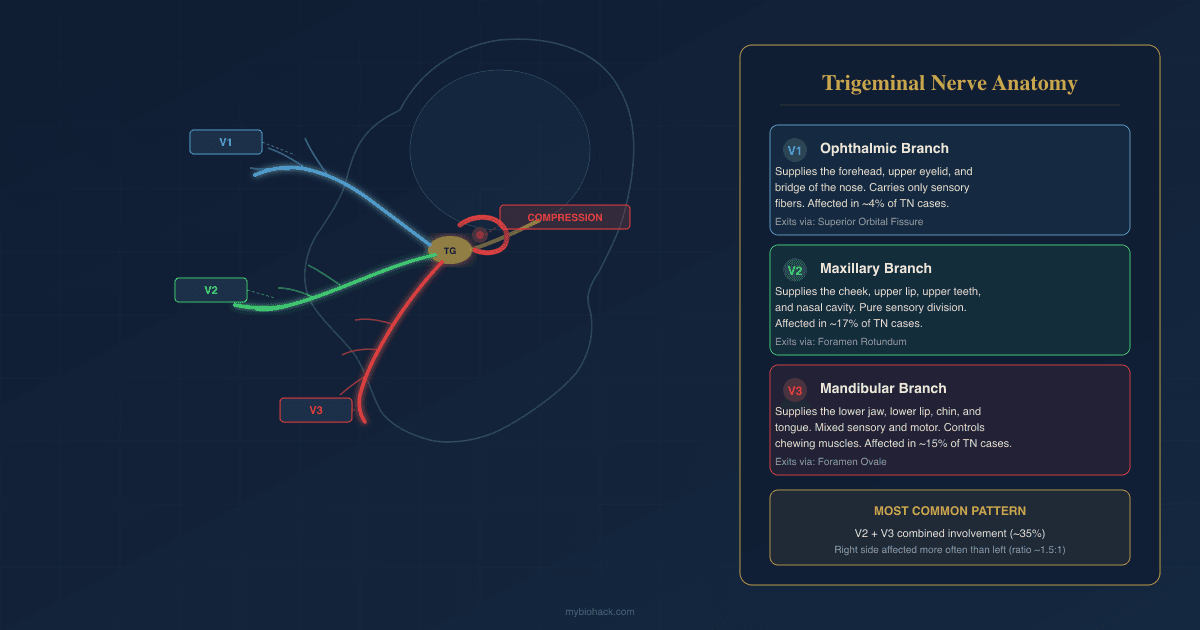
- Migraine (via trigeminal CGRP/SP release)
- Neuropathic pain
- Osteoarthritis and joint pain (mast cell tryptase-TRPV1 loop in synovium)
- Pancreatitis pain
TRPV4 mutations specifically are associated with Charcot-Marie-Tooth disease type 2C and several skeletal dysplasias, illustrating that TRP channel dysfunction extends well beyond sensory pain into structural disease. R
Skin Conditions
TRPV1 and TRPV3 are expressed in keratinocytes and directly regulate skin barrier function and inflammatory responses. R
TRPV1 activation in keratinocytes drives thymic stromal lymphopoietin (TSLP) release, which is a major driver of atopic dermatitis, eczema, and allergic sensitization. R
TRPV3 mutations cause Olmsted syndrome and hyperkeratosis phenotypes, confirming its role as an essential skin barrier protein. R
Calcium Metabolism And Bone
TRPV5 and TRPV6 together regulate systemic calcium homeostasis.
Impaired TRPV5 function leads to hypercalciuria (excess calcium loss in urine) and reduced bone mineral density.
This is part of why vitamin D, PTH, estrogen, and Klotho all connect to bone health: they all regulate TRPV5 in the kidney.
How To Modulate TRPV Activity
The goal in most chronic illness contexts is to reduce pathological TRPV1 sensitization without completely blocking TRPV1, since normal TRPV1 function is protective.
Complete TRPV1 blockade has failed in clinical trials for pain because it also blocks the body's ability to detect genuinely dangerous heat and tissue-damaging stimuli, causing thermal burns and elevated core body temperature in trials. R
The better strategy is soft modulation: reducing sensitization, promoting desensitization, and addressing the upstream inflammatory drivers that keep TRPV1 in a perpetually sensitized state.
1. Promote TRPV1 Desensitization
Capsaicin (topical) at low concentrations applied topically activates TRPV1 and drives desensitization in peripheral nerve terminals.
Low-dose topical capsaicin (0.025-0.075%) applied regularly to painful areas produces progressive desensitization over 2-4 weeks.
High-concentration capsaicin (8%, Qutenza, prescription) applied once produces deep and prolonged desensitization in neuropathic pain conditions. R
CBD (Cannabidiol) activates and rapidly desensitizes TRPV1 and TRPV2 without producing pungency. R
CBD's desensitization of TRPV1 in hippocampal tissue is one of its proposed anticonvulsant mechanisms.
CBD also antagonizes TRPM8 and modulates TRPA1, providing broad TRP channel modulation from a single compound.
PEA (Palmitoylethanolamide) is an endogenous lipid mediator that activates TRPV1 via PPAR-alpha and produces desensitization exceeding that of capsaicin in direct comparison. R
It simultaneously stabilizes mast cells, reducing the SP-mediated mast cell degranulation that drives TRPV1 re-sensitization. R
Ultramicronized PEA (umPEA) has superior bioavailability.
Clinical evidence shows PEA at 600-1200mg/day reduces pain intensity in fibromyalgia, migraine, neuropathic pain, and musculoskeletal pain, with a 35% reduction in chronic pain intensity in the first month. R
2. Raise The TRPV1 Activation Threshold (Reduce Sensitization)
Quercetin reduces paclitaxel-induced neuropathic pain by stabilizing mast cells and blocking PKC-epsilon-dependent activation of TRPV1. R
This is one of the most direct demonstrations of a natural compound blocking TRPV1 sensitization at the kinase phosphorylation step.
Magnesium Glycinate modulates NMDA receptors, reducing the glutamatergic drive that contributes to central sensitization involving TRPV1. R
Luteolin is a mast cell stabilizer and anti-inflammatory flavonoid that reduces the prostaglandin and bradykinin production that sensitizes TRPV1. R
Anti-inflammatory diet (reducing arachidonic acid, prostaglandins, and cytokines) reduces the inflammatory milieu that keeps TRPV1 sensitized.
Fish Oil / DHA+EPA reduces arachidonic acid-derived prostaglandins that sensitize TRPV1 via PGE2-EP receptors. R
3. Reduce Mast Cell-TRPV1 Amplification
Breaking the SP-mast cell-tryptase-PAR2-TRPV1 feedback loop requires mast cell stabilization alongside TRPV1 modulation.
See the mast cell stabilization protocol for the full intervention list.
Key interventions specific to the TRPV1-mast cell axis:
- PEA (direct mast cell inhibitor via CB2 and DAGL pathway, simultaneously desensitizes TRPV1) R
- CBD (desensitizes TRPV1, anti-inflammatory in mast cells and microglia) R
- Quercetin (both mast cell stabilizer and TRPV1 kinase pathway blocker) R
4. Support TRPV5 And TRPV6 (Calcium Absorption)
For TRPV5 and TRPV6, the clinical goal is usually optimization of calcium homeostasis, particularly when dealing with bone density loss, hypercalciuria, or impaired gut calcium absorption.
Vitamin D3 + K2 (calcitriol upregulates TRPV5 and TRPV6 expression directly; K2 directs calcium to bone rather than soft tissue) R
Magnesium (cofactor for vitamin D activation; affects PTH regulation; impaired magnesium impairs vitamin D-mediated TRPV expression)
Estrogen support (physiological estrogen upregulates TRPV5 expression; relevant in perimenopause and post-menopause)
Klotho support (emerging area; caloric restriction, exercise, and phosphate restriction support Klotho levels, which in turn maintain TRPV5 function)
What To Stay Away From
- Alcohol (sensitizes TRPV1 by making the channel more responsive to heat and acid stimuli; explains why alcohol makes people flush and feel warm; also suppresses desensitization by interfering with PKC regulatory pathways)
- Capsaicin at high dietary doses in already-sensitized individuals (can worsen symptoms before desensitization occurs; start with topical rather than dietary when TRPV1 is in a highly activated state)
- COX-2 inhibitors and NSAIDs used without addressing TRPV1 sensitization (reduce prostaglandins but leave the upstream sensitization mechanism intact; do not solve neurogenic inflammation; deplete glutathione and worsen gut permeability in parallel) R
- Dietary arachidonic acid excess (arachidonic acid is the precursor to prostaglandins and leukotrienes that sensitize TRPV1; found in high concentrations in conventionally-raised meat, eggs without omega-3 enrichment, and vegetable oils high in omega-6)
- Estrogenic chemicals / xenoestrogens (alter TRPV5/V6 regulation in epithelial tissue, potentially contributing to calcium dysregulation in estrogen-sensitive individuals)
- Fluoride (activates mast cells, driving SP release that further sensitizes TRPV1)
- Haptens from personal care products and cleaning chemicals (activate TRPV1 on airway and skin nociceptors and drive neurogenic inflammation) R
- Mycotoxin exposure (trichothecenes and other mycotoxins activate TRP channels directly and maintain TRPV1 in a sensitized state; remediate mold first)
- Nicotine (activates nociceptors and sensitizes TRPV1 via nicotinic receptor-mediated calcium influx and downstream PKC activation)
- Proton pump inhibitors long-term (PPIs reduce gastric acid, but TRPV1 in the upper GI tract requires appropriate pH to maintain normal function; chronically elevated gastric pH can alter TRPV1 gating in the esophagus and contribute to non-acid reflux hypersensitivity) R
Testing
Objective Measures Of Neurogenic Inflammation And Sensitization
Quantitative sensory testing (QST) measures heat pain thresholds, mechanical pain thresholds, and wind-up (temporal summation), providing functional readouts of peripheral and central sensitization that reflect TRPV1 activity states.
Nerve conduction studies and skin punch biopsy for intraepidermal nerve fiber density can quantify the peripheral nociceptor burden in neuropathic conditions.
Inflammatory Mediators (Proxies Of TRPV1 Sensitization)
Tryptase (elevated mast cell activation, drives PAR-2/TRPV1 sensitization) is included in the Immune Zoomer.
N-methylhistamine (urine) (marker of mast cell degranulation driven in part by substance P) is included in the Immune Zoomer.
Substance P (direct product of TRPV1 nociceptor activation; elevated in MCAS, fibromyalgia, and neurogenic inflammation conditions) is included in the Immune Zoomer.
Prostaglandin E2 (urine) (a primary TRPV1 sensitizer; elevated in inflammatory states) can be measured via specialty functional panels.
TGF-beta 1 and C4a (CIRS inflammatory markers that reflect the biotoxin-driven neuroinflammatory environment that keeps TRPV1 sensitized) are included in the Immune Zoomer.
Calcium Homeostasis (TRPV5/V6 Relevant)
Vitamin D (25-OH) is included in the Nutrient Zoomer.
PTH (Parathyroid Hormone) and serum calcium, urinary calcium are included in the Foundation Zoomer.
Magnesium (RBC) is included in the Nutrient Zoomer.
Toxicology (Upstream TRPV1 Activators)
The Toxin Zoomer from Vibrant Wellness assesses mycotoxins, heavy metals, and environmental chemicals that activate TRP channels and drive chronic sensitization.
Mechanisms Of Action
Simple:
- TRPV channels are gated calcium channels that open in response to heat, chemicals, pressure, and inflammatory mediators.
- When TRPV1 opens on a nerve ending, calcium floods in, the nerve fires, and releases substance P and CGRP into surrounding tissue, causing vasodilation, edema, and mast cell activation without any immune cell involvement.
- This nerve-driven inflammation (neurogenic inflammation) sustains itself because SP from the nerve degranulates mast cells, and mast cell mediators re-sensitize the same nerve, lowering its threshold for next time.
- Inflammation lowers the temperature at which TRPV1 opens (from 43 degrees C to as low as 37 degrees C), meaning body temperature alone triggers nociceptor firing, which is why inflamed tissue hurts constantly.
- Capsaicin exploits this system: it activates TRPV1 so strongly that the channel desensitizes and the nerve terminal depletes its neuropeptides, producing temporary analgesia.
- TRPV5 and TRPV6 do the opposite of pain-sensing: they quietly and continuously absorb calcium from the kidney and gut back into blood, keeping bone from demineralizing.
Advanced:
- TRPV1 tetrameric structure and VBP: TRPV1 assembles as a homotetramer with C4 symmetry. Each subunit contributes one vanilloid binding pocket (VBP) located at the intramembrane interface between S3/S4 of one subunit and S5/S6 of the adjacent subunit. Capsaicin, anandamide, and NADA all bind here in a "tail-up, head-down" configuration, with the polar head group forming hydrogen bonds with residues T551 (S4-S5 linker) and E571 (S4-S5 linker). Endocannabinoids differ from capsaicin at the Y512 residue interaction, explaining their distinct pharmacological profile. R
- PKC sensitization pathway: Bradykinin activates B2 receptors on nociceptors, which couples to Gq, activating phospholipase C (PLC). PLC hydrolyzes PIP2 to DAG and IP3. DAG activates PKC-epsilon, which phosphorylates TRPV1 at S502 and S800, reducing its activation threshold from 43 degrees C to approximately 37 degrees C. NGF similarly activates TrkA, which via PLC-gamma drives PKC-mediated TRPV1 phosphorylation. This is the primary molecular mechanism of inflammatory thermal hyperalgesia. R
- Desensitization cascade: Sustained TRPV1 activation raises intracellular calcium above threshold for calmodulin (CaM) binding. CaM binds to the C-terminal CaM binding site on TRPV1, promoting channel inactivation and triggering receptor internalization to lysosomes for degradation. Calcineurin (protein phosphatase 2B), which is also calcium-activated, dephosphorylates TRPV1 at the PKC sites, returning it to a lower-sensitivity baseline. This is why desensitization works as an analgesic strategy: the same calcium that drives the pain signal initiates the shutdown pathway. R
- PEA's TRPV1 desensitization via PPAR-alpha: PEA binds PPAR-alpha, a nuclear receptor. PPAR-alpha activation regulates gene expression for anti-inflammatory proteins and fatty acid metabolism enzymes. However, PEA also activates TRPV1 directly and, via PPAR-alpha-mediated regulation of phospholipid turnover, promotes TRPV1 desensitization. Additionally, PEA inhibits DAGL in mast cells, reducing 2-AG synthesis, which in turn reduces CB2-mediated mast cell amplification of the TRPV1-SP feedback loop. R
- TRPV4 cell-swelling activation via EET: TRPV4 is often described as a mechanosensor, but it is not directly mechanosensitive. Instead, cell swelling triggers phospholipase A2 (PLA2) to release arachidonic acid from membrane phospholipids, which cytochrome P450 epoxygenase converts to 5',6'-epoxyeicosatrienoic acid (5',6'-EET). EET then binds and activates TRPV4. This indirect mechanosensing mechanism means that any state increasing arachidonic acid liberation or P450 epoxygenase activity can pathologically activate TRPV4, including inflammatory states and some environmental chemicals. R
- TRPV5/V6 calcium-dependent inactivation: When calcium enters via TRPV5 or TRPV6, intracellular calcium rapidly rises. Calmodulin, which is tightly associated with the C-terminus of these channels, binds calcium and changes conformation, directly occluding the channel pore and halting calcium entry within milliseconds. This tightly regulated negative feedback prevents calcium overload in epithelial cells while still allowing sustained net calcium absorption because channel turnover at the membrane is continuously replenished by transcytosis and recycling. R
Genetics
TRPV1 (Gene: TRPV1)
Multiple single nucleotide polymorphisms in TRPV1 affect receptor expression, sensitivity, and desensitization rate.
rs8065080 (I585V) is the most studied functional TRPV1 variant.
The valine (V) allele reduces TRPV1 function, and individuals carrying it show reduced cold pressor pain responses and may be less prone to thermal hyperalgesia.
Conversely, this variant is associated with reduced anandamide-mediated TRPV1 activation, potentially affecting the endocannabinoid-TRPV1 interface relevant to mood and pain regulation. R
rs222747 (M315I) is associated with increased TRPV1 function and is linked to greater pain sensitivity in human association studies.
rs222749 is associated with altered TRPV1 expression in peripheral neurons and has been studied in inflammatory bowel disease susceptibility.
High-sensitivity TRPV1 genotypes may predispose individuals to chronic pain, MCS, and MCAS by maintaining TRPV1 in a lower-threshold state. R
TRPV4 (Gene: TRPV4)
More than 50 dominant mutations in TRPV4 cause skeletal channelopathies (brachyolmia, spondylometaphyseal dysplasia, metatropic dysplasia) and peripheral neuropathies including Charcot-Marie-Tooth disease type 2C and scapuloperoneal spinal muscular atrophy. R
These gain-of-function mutations result in constitutively open or easily opened channels that drive calcium overload in chondrocytes, neurons, and other affected cell types.
TRPV5 (Gene: TRPV5)
A563T (rs4236480) affects the calcium-dependent inactivation of TRPV5.
The T allele reduces calmodulin-mediated inactivation, resulting in more sustained calcium reabsorption in the kidney.
This variant has been studied in relation to kidney stone risk and bone mineral density.
rs7805747 in the TRPV5 gene region is associated with calcium excretion rates in African and European populations, with significant implications for hypercalciuria risk. R
TRPV6 (Gene: TRPV6)
C157R (rs4987682) and related TRPV6 coding variants affect calcium channel conductance in intestinal epithelial cells.
The ancestral (higher-function) TRPV6 variant is associated with higher intestinal calcium absorption and may influence susceptibility to hypercalcemia and calcium-driven conditions including certain hormone-sensitive cancers. R
More Research
- A 2021 study in Nature Communications identified epoNADA and epoNA5HT (epoxidation products of NADA and N-arachidonoyl serotonin) as potent dual modulators of the endocannabinoid-TRPV1 axis with anti-inflammatory effects on microglial cells. R
- Asivatrep, a topical TRPV1 antagonist, showed significant reductions in pruritus VAS scores compared to vehicle in a phase 3 atopic dermatitis trial, confirming TRPV1 as a viable dermatological target. R
- CBD and CBDV both activate and rapidly desensitize TRPV1 and TRPV2, suggesting part of CBD's anticonvulsant, analgesic, and anti-inflammatory activity operates through TRP channel desensitization. R
- Complete pharmacological blockade of TRPV1 has repeatedly failed in clinical pain trials due to thermal insensitivity (patients burned themselves) and elevated core body temperature, pushing the field toward partial or soft modulation rather than full antagonism. R
- PEA produces greater TRPV1 desensitization than capsaicin in direct comparison and reduces central sensitization in randomized controlled trials for chronic pain, with a 35% reduction in pain intensity in the first month of treatment. R
- Pelvic organ cross-sensitization via TRPV1 explains the clinical co-occurrence of IBD and interstitial cystitis: colonic inflammation drives TRPV1-mediated CGRP and SP release in the urinary bladder via spinal cord convergence. R
- Quercetin blocks PKC-epsilon-dependent phosphorylation of TRPV1, providing a mechanistically specific natural intervention that reduces TRPV1 sensitization at the kinase step rather than through general anti-inflammation. R
- THC acts most potently at TRPV2 rather than TRPV1, making TRPV2 the probable channel through which THC modulates immune cell function, macrophage activity, and inflammation. R
Jacob Gordon
INHC, FMT-C
Integrative Nutrition Health Coach
I cover mold illness, post-viral recovery, methylation, and complex chronic disease, drawing on ten years of clinical research, work inside a functional medicine clinic, and my own recovery from all of it. Every claim here is cited.
Book a ConsultationRelated Protocols & Supplements
Deep-dive chapters and recommended supplements for this topic
Quercetin
500mg 2x/day
Vitamin D3 + K2
5000 IU + 200mcg/day
DAO Enzyme
1 cap before meals