Lithium Orotate: Low-Dose Neuroprotection, Mood, And Longevity
By Jacob Gordon, INHC, FMT-CThis article contains affiliate links. As an Amazon Associate, MyBioHack earns from qualifying purchases at no extra cost to you. We only link products we research and stand behind.
Lithium is best known as a high-dose psychiatric drug, but at doses a thousand times lower it is being studied for neuroprotection, mood stability, and cognitive resilience.
In this post, we will discuss what lithium actually is, how lithium orotate compares to prescription lithium carbonate, the drinking-water epidemiology and its real limits, the full mechanism stack behind lithium's neuroprotective effects, what the Alzheimer's and mild cognitive impairment trials actually show, how to think about elemental lithium dosing, when low-dose lithium does and does not need medical monitoring, and the genetics that shape individual response.
What Is Lithium
Lithium (Li) is the lightest metal on the periodic table and exists in the body as the monovalent cation Li+.
It occurs naturally in soil, groundwater, and food crops, which is why trace amounts show up in drinking water supplies almost everywhere on earth.
At psychiatric doses it has been a first-line mood stabilizer for bipolar disorder for over 70 years, prized for its anti-suicidal effect independent of its mood-stabilizing effect.
At those doses it also has a narrow therapeutic window and requires blood level monitoring, which is the main reason most people never consider it outside of a psychiatric context.
At doses roughly 30 to 100 times lower than the psychiatric range, lithium is being studied as a nutritional or geroprotective agent for neuroprotection, cognitive aging, and possibly longevity.
I think the low-dose case is genuinely interesting, but it is also genuinely unsettled, and I want to walk through both the promising mechanistic data and the trials that failed to confirm it.
Lithium Orotate Versus Lithium Carbonate
Lithium Carbonate
Lithium carbonate (Li2CO3) is the standard FDA-approved form used in psychiatry.
Elemental lithium makes up a fixed fraction of any lithium compound's molecular weight, close to 19% for lithium carbonate based on its known formula, which is why comparing raw milligrams of two different lithium salts is misleading and elemental content is the number that actually matters.
Standard bipolar maintenance dosing runs 900 mg to 1,800 mg of lithium carbonate per day, which works out to roughly 170 mg to 340 mg of elemental lithium per day, targeting a serum level of 0.6 to 1.2 mmol/L. R
At that dose range, lithium carries real risks to the kidney and thyroid, which we cover in the Monitoring And Safety section below.
Lithium Orotate
Lithium orotate is lithium salted to orotic acid, a compound naturally involved in pyrimidine metabolism.
It was developed and heavily promoted in the 1970s by German physician Hans Nieper, who filed a patent claiming orotic acid acts as a Trojan-horse carrier that lets the intact lithium orotate molecule cross cell membranes and the blood-brain barrier without dissociating into free ions first, in theory raising brain lithium while keeping blood lithium low. R
I want to be direct about this claim because it gets repeated constantly in supplement marketing.
Ionic salts dissociate into their component ions in aqueous, physiological solution, and there is no accepted pharmacological mechanism by which an intact lithium orotate molecule would survive that process to cross a membrane as a neutral unit. R
A 2021 peer-reviewed review of the evidence for lithium orotate found the delivery claim itself remains unverified, human clinical data are almost nonexistent, and the only dedicated human trial is a 1986 open-label study of 42 people using 150 mg of lithium orotate daily for alcohol cessation, not a controlled psychiatric or neuroprotection trial. R
What the same review does find, in rodents given equimolar intraperitoneal doses, is that lithium orotate produced higher brain and serum lithium concentrations than lithium carbonate, which at least keeps the orotate-superiority hypothesis alive at the animal-data level even though the original mechanism Nieper proposed is not supported. R
My honest read is this: orotate may or may not have a real pharmacokinetic edge over carbonate, but if it does, it is not for the reason Nieper claimed, and nobody has run the human trial that would settle it.
The Drinking Water Epidemiology
The public interest in low-dose lithium started with a simple observation: regions with more lithium naturally occurring in the tap water tend to report lower rates of suicide, and this became one of the most studied topics in psychiatric epidemiology.
A 2020 systematic review and meta-analysis pooling 13 ecological studies across 939 regions, plus one cohort study of over 3.7 million people, found a statistically significant inverse relationship between drinking-water lithium and suicide mortality, with lithium exposure roughly halving the odds of suicide in the pooled estimate (OR 0.42, 95% CI 0.27-0.67). R
The protective association has shown up repeatedly, including in Japan's Oita prefecture. R
It has also not shown up, or shown up only partially.
A 2013 study in a separate Japanese prefecture found lithium levels were inversely associated with suicide only in women, and only before statistical adjustment, with the relationship weakening once confounders were accounted for. R
A 2020 study of Miyazaki prefecture found no association at all between tap water lithium and suicide mortality in either sex, after adjusting for elderly population share, rainfall, and economic indicators. R
A pre-registered 2024 Swiss study covering 1,043 municipalities over four decades found no significant correlation between drinking-water lithium and suicide rates (r = -0.03, p = 0.33), and the authors were explicit that this was designed as a stronger test than the earlier ecological literature because it was registered in advance to avoid publication bias. R
A 2025 Portuguese study went a step further and measured urinary lithium directly in 311 residents rather than only inferring exposure from municipal water data, and found no significant difference in actual lithium body burden between the highest-suicide-risk and lowest-suicide-risk regions, despite a real difference in tap water lithium levels between those regions. R
That last study gets at the core problem with this entire literature, which I think is underappreciated.
Ecological studies compare population-level averages (regional lithium levels, regional suicide rates), not individual exposure and individual outcomes, so they cannot show that the specific people who died by suicide had lower lithium levels than the specific people who did not.
Most people also do not drink only their municipal tap water anymore, and food, bottled water, and supplements can all contribute more to an individual's actual lithium intake than the water report for their zip code, which is exactly what the Portuguese biomonitoring data suggests is happening. R
The dementia literature has the same shape.
A 2024 systematic review of five studies concluded that trace lithium levels in water, in some cases as low as 0.002 mg/L, were associated with lower dementia incidence or mortality. R
A large Scottish cohort study following 37,597 people from the 1932 Scottish Mental Survey found the opposite in a subgroup, with water lithium levels associated with a higher risk of dementia in women (HR 1.17 at moderate exposure) and no relationship in men. R
A different kind of study, this one looking at actual lithium prescriptions rather than water levels, followed 29,618 UK mental health patients (548 of them lithium-exposed) for up to 15 years and found lithium use was associated with a lower risk of dementia overall (adjusted HR 0.56) and specifically lower Alzheimer's disease (HR 0.55) and vascular dementia (HR 0.36). R
That prescription-based study is a meaningfully stronger design than the water studies because it tracks individual exposure rather than a regional proxy, but it studied lithium at therapeutic psychiatric doses in people already receiving mental health care, not the low-dose nutritional exposure this post is about.
Taken together, I think the honest summary is that there is a real, biologically plausible signal here, but the water-supply data specifically is weaker than the headlines suggest, and anyone telling you drinking-water lithium is a settled protective factor for suicide or dementia is skipping past a lot of null and contradictory studies.
Neuroprotective Mechanisms
Independent of the epidemiology, lithium has one of the best-characterized neuroprotective mechanism profiles of any single compound, largely because it has been studied as a drug for 70 years.
Lithium's best-known target is glycogen synthase kinase-3 beta (GSK-3β), a kinase lithium inhibits both directly, by competing with the magnesium ion (Mg2+) GSK-3β needs as a cofactor, and indirectly, by increasing inhibitory phosphorylation of GSK-3β through the Akt pathway. R
GSK-3β overactivity is implicated in glutamate excitotoxicity, tau hyperphosphorylation, and apoptotic signaling, and lithium's inhibition of it protects cultured neurons from glutamate-induced excitotoxicity and reduces infarct volume and neurological deficits in rodent stroke models. R
Lithium's second major target is inositol monophosphatase (IMPase), which it inhibits uncompetitively, reducing the recycling of inositol needed for phosphoinositide signaling. R
This inositol-depletion mechanism is still debated in the literature, because total brain inositol levels do not reliably fall after lithium treatment the way the simplest version of the hypothesis predicts, so IMPase inhibition and GSK-3β inhibition are best understood as two parallel, only partially independent mechanisms rather than one clean story. R
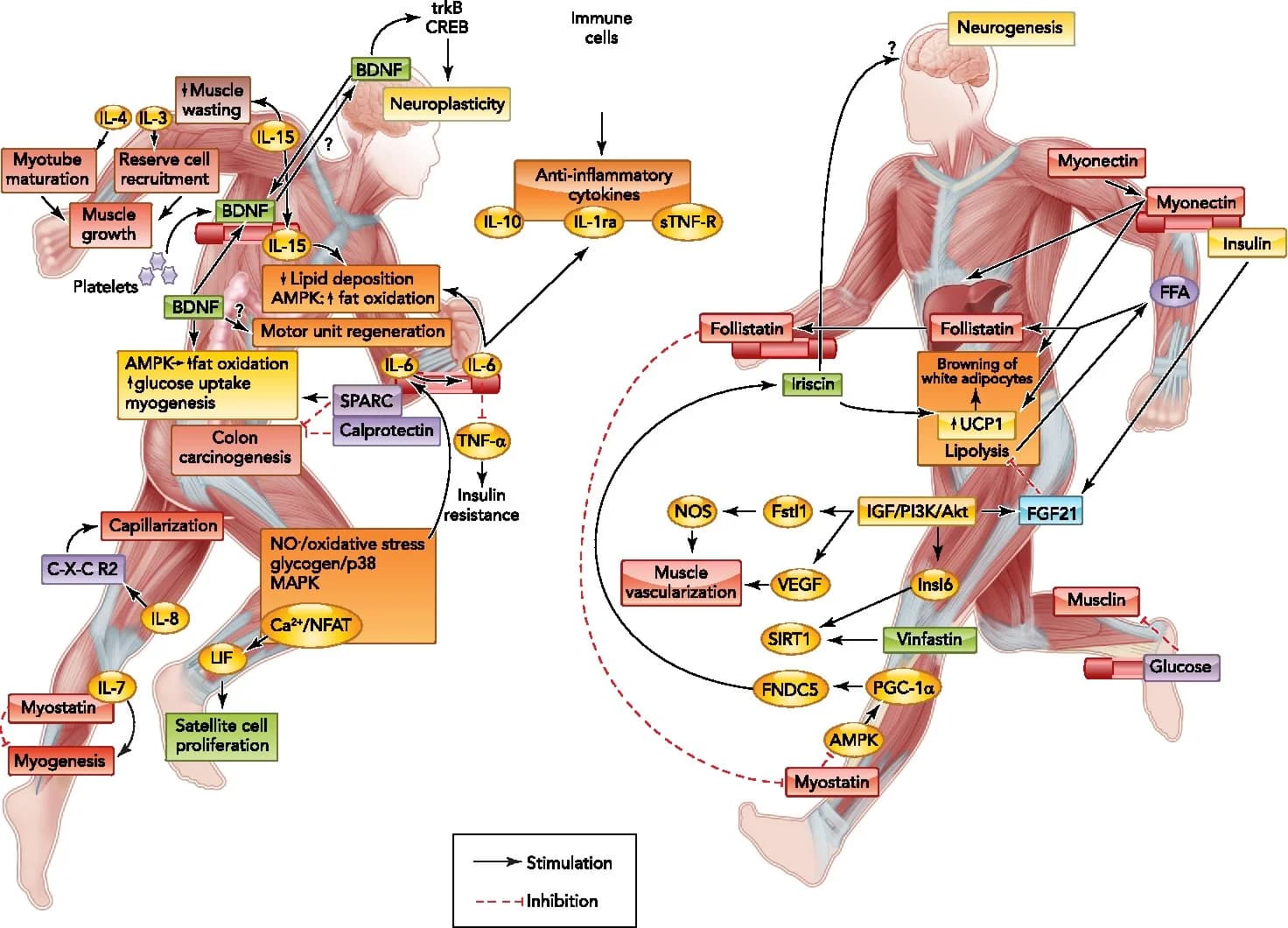
Lithium reliably increases brain-derived neurotrophic factor (BDNF), the growth factor central to synaptic plasticity and neurogenesis, with chronic dosing raising BDNF expression in the hippocampus, frontal cortex, and temporal cortex in rodent studies. R
BDNF induction appears to be required, not incidental, for lithium's protective effect against excitotoxic neuronal death, since blocking BDNF signaling removes the protection even when GSK-3β is still inhibited. R
Lithium also induces autophagy, the cellular process for clearing damaged proteins and organelles, and it does this through an mTOR-independent pathway driven by IMPase inhibition, distinct from the mTOR-dependent autophagy induction used by compounds like spermidine. R
This autophagy pathway is specifically relevant to clearing misfolded proteins like mutant huntingtin and alpha-synuclein in preclinical models, and it overlaps with the mTOR/AMPK signaling axis that governs cellular stress adaptation more broadly. R
Lithium activates NRF2 (nuclear factor erythroid 2-related factor 2), the master transcription factor for the body's endogenous antioxidant response, at least partly downstream of GSK-3β inhibition, since GSK-3β normally promotes NRF2 degradation. R
In neuronal cell culture, this GSK-3β to NRF2 pathway protects against paraquat-induced oxidative neurotoxicity, increasing the anti-apoptotic protein BCL2 and decreasing the pro-apoptotic protein BAX. R
Jacob's hypothesis is that this fits the broader pattern he sees across chronic illness recovery, where a system under chronic load (what he frames as an overloaded Self-Reorganizing Complexification System, or SRCS) benefits from a small, controlled hormetic stressor that switches on its own Antioxidant Response Enzymes rather than from a large dose of any single antioxidant.
That framing is consistent with lifespan data in *Drosophila*, where lithium extended lifespan specifically through GSK-3 inhibition and NRF2 activation, a hormetic pathway rather than a direct antioxidant effect. R
Finally, lithium protects the blood-brain barrier itself, at least in the context of injury.
In a mouse model of intracerebral hemorrhage, lithium activated endothelial Wnt/β-catenin signaling, which increased tight junction proteins (claudin-5, occludin, ZO-1) and reduced blood-brain barrier breakdown and edema. R
I think this mechanism is worth knowing about on its own merits, separate from the orotate delivery debate, because it means lithium may support the brain's vascular barrier directly rather than only protecting neurons behind it.
Alzheimer's And Mild Cognitive Impairment
This is the area with the most direct human trial data, and it is genuinely mixed, which I want to walk through trial by trial rather than as a single verdict.
The trial most often cited by low-dose lithium advocates is a small 2013 study by Nunes and colleagues, which gave 113 people with Alzheimer's disease either placebo or an extremely low microdose of 300 micrograms of elemental lithium daily for 15 months. R
The placebo group's Mini-Mental State Examination scores declined progressively starting around month three, while the microdose group's scores stayed essentially flat over the full 15 months, a difference the authors framed as lithium preventing further cognitive loss rather than reversing existing decline. R
A separate and more clinically standard trial, run by Forlenza and colleagues in Brazil, gave 45 people with amnestic mild cognitive impairment either placebo or standard-range low-dose lithium carbonate (serum level 0.25-0.5 mmol/L, well below the psychiatric target) for 12 months, and found a significant reduction in cerebrospinal fluid phosphorylated tau (P-tau) along with improved attention task performance. R
A follow-up from the same research group extended treatment to roughly four years in elderly patients and found no significant impairment of renal function, but did document a cluster of other effects worth flagging honestly, including increased neutrophils, elevated TSH, weight gain, higher diabetes incidence, and arrhythmia cases in the lithium group. R
Then there is the negative data, which deserves equal weight.
A 2026 pilot randomized trial out of the University of Pittsburgh gave 80 people with mild cognitive impairment either placebo or lithium carbonate at planned doses of 150 or 300 mg per day (actual average dose about 195 mg/day) for two years, and found no significant benefit on cognition, brain atrophy, or blood BDNF levels, though verbal memory showed a non-significant trend favoring lithium. R
A 2022 network meta-analysis comparing lithium to the FDA-approved amyloid drug aducanumab across available randomized trial data found lithium significantly outperformed aducanumab on MMSE outcomes, a striking result given aducanumab costs roughly $28,000 per year against lithium's roughly $40 per year, though the authors flagged real methodological limitations in making that indirect comparison. R
A separate 2019 meta-analysis of five randomized controlled trials (568 patients total) of GSK-3 inhibitors, including lithium, for Alzheimer's disease and MCI found no significant overall difference in cognitive scores between GSK-3 inhibitors and placebo, though the lithium-only subgroup did show a modest but statistically significant effect (SMD -0.41, p = 0.04). R
There is a big MAYBE sitting in the middle of this literature.
Every trial that used a genuinely low, close-to-nutritional dose (Nunes' 300 micrograms, Forlenza's sub-therapeutic serum range) reported a positive signal on some cognitive or biomarker outcome, while the largest and most recent standard-low-dose trial (Gildengers, 150-300 mg/day) reported a clean negative result on its primary outcomes.
I do not think that pattern is proof of anything on its own, the trials differ in dose, population, and duration in ways that could explain the discrepancy without any real dose-response relationship, but it is the honest shape of the evidence as it stands in 2026.
Dosing And Elemental Lithium Content
The single most important number in this entire topic is elemental lithium content, not the milligram figure printed on the label, because that number is what actually determines exposure.
Elemental lithium makes up only a few percent of lithium orotate's molecular weight, since orotic acid is a relatively large carrier molecule, which is why most commercial lithium orotate capsules are formulated in the 100 mg to 150 mg range to land in a 5 mg to 20 mg elemental lithium dose.
Compare that to the standard psychiatric dose of 900 mg to 1,800 mg of lithium carbonate per day, targeting a serum level of 0.6 to 1.2 mmol/L, and even accounting for lithium carbonate's much higher elemental fraction, the two doses are not remotely the same intervention despite both technically being "lithium." R
A 5 mg elemental dose sits closer to a nutritional or trace mineral intake, in the same conceptual category as the magnesium or trace mineral doses most people already take, than to a psychiatric drug dose.
A preclinical toxicology study of lithium orotate in rats found no genotoxic effects and no clear signs of organ damage at doses up to 400 mg/kg body weight per day for 28 days, which is reassuring for the low end of the supplement range, though it does not substitute for a controlled human trial. R
I generally start people at the low end of the range, 5 mg of elemental lithium daily, and would only consider moving toward 10 to 20 mg with a clear reason and, ideally, periodic labs, which I cover in the Testing section below.
Monitoring And Safety
At psychiatric doses, lithium requires routine serum level monitoring, plus periodic kidney and thyroid function testing, because of its narrow therapeutic index.
At true low-dose, nutritional-range intake (roughly 5 mg elemental lithium per day), that same level of monitoring is not medically necessary in most healthy adults, because the dose is far below what causes the renal and thyroid effects seen in psychiatric dosing. R
That does not mean low-dose lithium is monitoring-free for everyone, and I think several specific factors should change that calculus.
- ACE Inhibitors: this drug class impairs lithium elimination and has been documented to raise serum lithium concentrations by an average of 36%, with the interaction sometimes delayed by up to two months after starting the ACE inhibitor. R
- Diuretics, specifically thiazides: these reduce lithium clearance and have been shown to raise lithium concentrations by 25% to 40% after initiation. R
- Duration of use: chronic, years-long lithium exposure carries meaningfully higher renal risk than short-term use, with irreversible concentrating defects reported almost universally in patients on lithium for more than 18 years. R
- Kidney disease: baseline kidney function is the reference point every lithium safety guideline is built around, since clearance and accumulation risk both scale with how well the kidneys are working going in. R
- NSAIDs: nonsteroidal anti-inflammatories reduce renal lithium clearance and have been associated with lithium toxicity, with large individual variation depending on which specific NSAID is used. R
- Total daily dose: the further someone moves up toward the 20 mg elemental ceiling, or stacks multiple lithium-containing products without realizing it, the more the risk profile starts to resemble sub-therapeutic psychiatric dosing rather than a trace mineral.
If any of those apply to you, I think periodic kidney and thyroid labs are a reasonable precaution even at low dose, not because low-dose lithium is dangerous by default, but because these are exactly the variables that erode the safety margin that makes low-dose lithium different from psychiatric-dose lithium in the first place.
What To Stay Away From
At the therapeutic doses used in psychiatry, not the low doses this post focuses on, lithium carries two organ-specific risks worth understanding even if you will never approach that dose range.
- Thyroid effects. Lithium impairs thyroid hormone synthesis and release through several mechanisms, including decreased iodine uptake, impaired iodination, and reduced peripheral conversion of T4 to active T3, and biochemical hypothyroidism develops in an estimated 5% to 35% of patients on long-term therapeutic lithium, most often within 6 to 18 months of starting. R
Risk is higher in women, in people with a family history of thyroid disease, and in people who already carry thyroid autoantibodies, which is part of why lithium is thought to increase autoimmune propensity via effects on B lymphocyte activity. R
- Renal effects. Nephrogenic diabetes insipidus, a loss of the kidney's ability to concentrate urine because lithium blocks aquaporin-2 water channels in the collecting duct, is the most common renal side effect of chronic therapeutic lithium and has been reported in up to 40% of long-term users. R
Frank chronic kidney disease from lithium is less common, occurring in roughly 1.5% of long-term users, almost always after more than 15 years of therapeutic exposure, and it does not typically reverse fully even after stopping the drug, though it generally stops progressing if lithium is discontinued and other nephrotoxic exposures like NSAIDs are minimized. R
None of this describes what happens at a 5 mg elemental low dose, and I want to be clear that I am not aware of case reports of thyroid failure or nephrogenic diabetes insipidus from supplement-range lithium orotate use.
But these are the two organ systems worth watching if anyone chooses to move up toward the higher end of the nutritional range, or has any of the risk factors listed in the Monitoring And Safety section above.
Testing
I do not think healthy adults taking 5 mg of elemental lithium daily need routine labs, but I do think it is worth having a baseline, especially if you plan to stay on it long-term or move toward the higher end of the dosing range.
For kidney function, I use the Comprehensive Metabolic Panel (Quest Diagnostics) to check creatinine, eGFR, and electrolytes before starting and periodically thereafter.
For baseline thyroid status, I use the Thyroid Panel (TSH, T3, T4) (Quest Diagnostics), and for anyone with a personal or family history of autoimmune thyroid disease, I move up to the Comprehensive Thyroid Panel w/ Antibodies (Precision Point Diagnostics) to catch TPO and thyroglobulin antibodies before they become clinically obvious.
For trace mineral status generally, I use the Micronutrients, Mineral/Element Panel (Quest Diagnostics), which covers zinc, copper, selenium, manganese, and chromium alongside whatever lithium testing a provider chooses to add.
For a broader nutrient baseline, I use the Nutrient Zoomer (Vibrant Wellness) to check vitamin and mineral status together rather than piecing it together one marker at a time.
If someone wants a single starting point that covers kidney, thyroid, and general metabolic markers in one draw, I use the Foundation Zoomer (Vibrant Wellness).
Given the mitochondrial and NRF2 mechanisms discussed above, I sometimes add the Cellular Zoomer (Vibrant Wellness) for people who want to see organic acids and oxidative stress markers alongside their lithium protocol.
For anyone using lithium specifically for a neurological or cognitive concern, I use the Neural Zoomer (Vibrant Wellness) to screen for brain-reactive autoimmunity and blood-brain barrier markers as part of the broader workup.
Mechanisms Of Action
Simple:
- Autophagy: lithium helps brain cells clear out damaged internal proteins and structures.
- BDNF: lithium raises levels of a growth factor that helps brain cells form new connections.
- Circadian rhythm: lithium may help stabilize the body's sleep-wake clock.
- GSK-3β: lithium blocks an enzyme involved in brain aging, tau buildup, and mood instability.
- Inositol: lithium changes a signaling pathway thought to be overactive in bipolar disorder.
- NRF2: lithium switches on the brain's own built-in antioxidant defenses.
- Wnt/blood-brain barrier: lithium may help keep the blood-brain barrier intact after injury.
Advanced:
- Autophagy Induction. Lithium induces autophagy through an mTOR-independent pathway driven by inositol monophosphatase inhibition, distinct from mTOR-dependent inducers, and this pathway promotes clearance of aggregation-prone proteins like mutant huntingtin and alpha-synuclein in preclinical models. R
- BDNF Upregulation. Chronic lithium significantly increases BDNF expression in the hippocampus, frontal cortex, and temporal cortex, and this upregulation is required for lithium's protective effect against glutamate-induced excitotoxic neuronal death. R
- Circadian Rhythm Modulation. Lithium amplifies circadian oscillations in a manner that depends on the calcium channel gene CACNA1C, with knockdown of CACNA1C eliminating lithium's ability to amplify circadian rhythms in fibroblast models. R
- GSK-3β Inhibition. Lithium inhibits glycogen synthase kinase-3β both directly, by competing with its magnesium cofactor, and indirectly, via Akt-mediated inhibitory phosphorylation, reducing tau hyperphosphorylation and glutamate excitotoxicity downstream. R
- Inositol Monophosphatase Inhibition. Lithium uncompetitively inhibits IMPase, reducing recycled inositol available for phosphoinositide signaling, though whether this fully explains lithium's clinical effects remains actively debated. R
- NRF2 Activation. GSK-3β inhibition by lithium reduces NRF2 degradation, increasing NRF2-driven antioxidant gene transcription and protecting neuronal cells from oxidative neurotoxicity in culture. R
- Wnt/β-Catenin Signaling At The Blood-Brain Barrier. Lithium activates endothelial Wnt/β-catenin signaling, upregulating the tight junction proteins claudin-5, occludin, and ZO-1, which reduces blood-brain barrier breakdown and edema after intracerebral hemorrhage in mouse models. R
Genetics
ACCN1
ACCN1 (amiloride-sensitive cation channel 1 neuronal) encodes a sodium channel on chromosome 17q12 that is also permeable to lithium ions.
A genome-wide association study in 204 Sardinian bipolar disorder patients found a SNP in intron 1 of ACCN1 showed the strongest association with lithium treatment response of any variant tested, suggesting the channel lithium physically moves through may also shape how well someone responds to it. R
BDNF
BDNF encodes the brain-derived neurotrophic factor lithium upregulates.
The Val66Met (rs6265) variant substitutes methionine for valine and reduces activity-dependent BDNF trafficking and secretion in neurons.
Early pharmacogenetic studies linked the Val allele to poorer long-term lithium response, but a combined meta-analysis found Val66Met did not reliably predict lithium prophylaxis outcomes across populations, likely because allele frequency and gene-gene interactions with other variants like 5-HTTLPR vary too much between cohorts to isolate a clean effect. R
CACNA1C
CACNA1C encodes a subunit of an L-type calcium channel strongly linked to bipolar disorder risk.
The rs1006737 variant has been reported to predict lithium's ability to amplify circadian rhythms in cellular models, but clinical studies on whether it predicts lithium treatment response in actual bipolar patients have been inconsistent, with some populations showing an association and others, including at least one Indian cohort, showing none. R
GSK3B
GSK3B encodes glycogen synthase kinase-3 beta, lithium's primary molecular target.
The rs334558 promoter variant affects GSK-3β transcriptional strength, and in a study of 138 Taiwanese bipolar I patients, the TT genotype at rs334558 was associated with significantly poorer lithium treatment response than the CC genotype. R
A separate meta-analysis of 1,251 cases and 1,804 controls found this same promoter variant showed no significant association with bipolar disorder susceptibility itself in any genetic model tested, which suggests its main relevance is to treatment response rather than disease risk. R
More Research
- Aging biomarkers. A 2024 UK Biobank study of 591 people with lithium prescriptions found no evidence that longer duration of lithium use correlated with telomere length, frailty, metabolomic age, or all-cause mortality, directly contradicting the idea that lithium's longevity effect in model organisms translates cleanly into a measurable human anti-aging signal. R
- Comparative nootropics. For people specifically chasing the BDNF and mitochondrial angle rather than the lithium-specific mechanisms, it's worth knowing there are other compounds targeting overlapping pathways, including J147, a curcumin derivative studied for BDNF and mitochondrial effects through a different mechanism than lithium.
- Mitochondrial effects. In *C. elegans*, lithium increased both lifespan and healthspan and improved mitochondrial function with age, but paradoxically accelerated the age-related decline in mitochondrial DNA copy number, an effect the researchers modeled as selective autophagy clearing damaged mitochondria faster than the population could replace them, which ties back to the broader mitochondrial picture of hormetic interventions having a ceiling past which the same mechanism that helps starts to hurt. R
- Sleep and circadian timing. Given lithium's circadian effects noted in the Mechanisms section, anyone experimenting with it alongside other sleep support or melatonin should introduce one variable at a time so it is clear what is actually driving any change in sleep quality.
- Testing for a broader nutrient and methylation picture. Lithium interacts with pathways that overlap methylation and homocysteine metabolism at the level of overall neurotransmitter and one-carbon metabolism support, and I generally recommend anyone building a broader cognitive protocol get that baseline rather than adding lithium in isolation.
For low-dose supplementation, I generally point people toward lithium orotate dosed to deliver 5 mg of elemental lithium daily as the conservative starting point, and given its role competing with lithium at the GSK-3β binding site, I also make sure people are not simultaneously deficient in magnesium glycinate, since low magnesium status could theoretically change how lithium behaves at that shared binding site.
Jacob Gordon
INHC, FMT-C
Integrative Nutrition Health Coach
I cover mold illness, post-viral recovery, methylation, and complex chronic disease, drawing on ten years of clinical research, work inside a functional medicine clinic, and my own recovery from all of it. Every claim here is cited.
Book a ConsultationRelated Protocols & Supplements
Deep-dive chapters and recommended supplements for this topic
Lion's Mane
1000mg/day
Omega-3 (DHA)
2g/day
Phosphatidylserine
100mg 3x/day