The 21+ Benefits Of Beta-Caryophyllene (The Common Cannabinoid)
By Jacob Gordon, INHC, FMT-CThis article contains affiliate links. As an Amazon Associate, MyBioHack earns from qualifying purchases at no extra cost to you. We only link products we research and stand behind.
β-caryophyllene is a FDA-approved food additive that can activate the endocannabinoid system. R
It is found in many plants, fragrances, preservatives, additives, and flavoring agents. R R


Basics
The endocannabinoid system consists of cannabinoid receptor type 1 (CB1) and CB2 receptors. R
Cannabis (THC and CBD) as well arachidonic acid are common endocannabinoids that bind nonselectively to both CB1 and CB2 receptors. R
CB1 receptors are primarily responsible for the psychomodulatory effects of cannabis (marijuana), whereas CB2 receptors are powerful at treating inflammation, pain, atherosclerosis, and osteoporosis. R
Beta-Caryophyllene (BCP) can bind to CB2 receptors (strong) and activate many of benefits of the endocannabinoid system. R
Some Of The Key Takeaways About BCP:
It improves metabolism (by increasing mitochondrial function)
It protects against neurodegeneration (by reducing a leaky blood-brain barrier and inflammation)
It reduces pain (by upregulating natural endorphins)

Benefits Of Beta-Caryophyllene
1. May Increase Longevity And Mitochondrial Function
BCP may increase longevity. R R
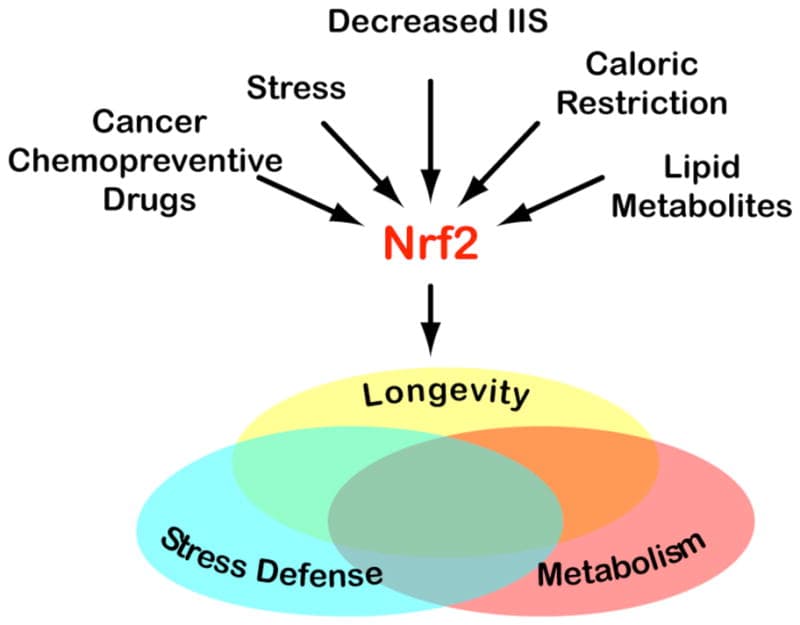
For example, in worms, BCP can modulate stress and prolong lifespan (by 11-22%). R
BCP can also increase SIRT1, CREB, PGC-1α, and PPAR-gamma, 4 genes that improve mitochondrial function. R R
2. Protects The Brain
BCP can reduce neuroinflammation (inflammation in the brain) and increase antioxidant levels in the brain. R R
For example, BCP can activate the pathway Nuclear Factor Erythroid 2-Related Factor 2 (NRF2) to increase glutathione levels which can protect against glutamate-induced oxidative stress. R
By regulating glutamate and CB2 activation, BCP can protect against N-Methyl-D-Aspartate (NMDA)-induced excitotoxicicity. R
For example, BCP can reduce seizures in animal models of epilepsy. R
3. May Improve Stroke Outcome
BCP can decrease brain damage after stroke. R
During stroke, BCP can reduce swelling, neuronal damage and mitochondrial dysfunction in the brain. R R
It can also help a leaky blood-brain barrier after stroke. R
BCP can also help with hypoxia-induced neuroinflammation by upregulating NRF2 and Heme Oxygenase-1 (HO-1). R R
4. Protects The Vascular System
By improving blood flow to the brain, BCP can help with Vascular Dementia (VD). R
BCP can also reduce high levels of cholesterol (hypercholesterolemia). R R
It can also reduce stress to the heart. R
It may also suppress the development of atherosclerosis. R
5. May Prevent Alzheimer's Disease
BCP may help prevent Alzheimer's Disease (AD). R
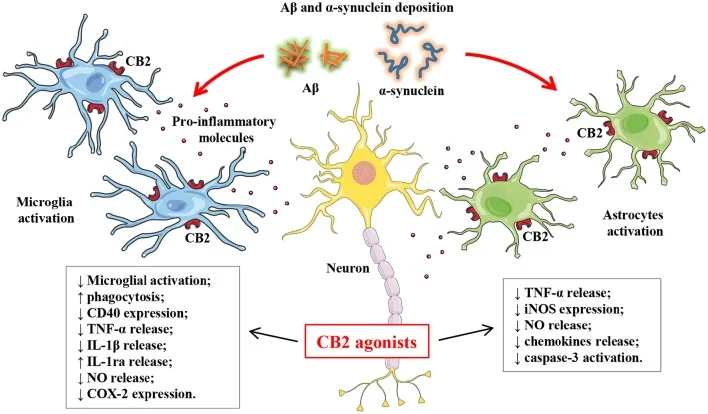
By activating CB2 receptors and upregulating PPAR-gamma, BCP can reduce amyloid beta-plaques and immune-induced inflammation in the brain, thus mitigating cognitive dysfunction. R R
It can pass the blood-brain barrier and induce neurogenesis by increasing Brain-Derived Neurotrophic Factor (BDNF) levels. R
BCP also has other ways increasing neurogenesis independently of BDNF (and NGF). R
6. May Help With Parkinson's Disease
In Parkinson's Disease (PD), loss of dopamine and oxidative stress are hallmarks of the disease. R
By activating CB2 receptors, BCP can inhibit dopamine loss and oxidative stress in the brain. R
For example, BCP can protect against MPTP (a toxin used to destroy dopamine neurons in animal studies)-induced damage to the substantia nigra (the part of the brain most sensitive to dopamine loss in PD). R
7. May Help Multiple Sclerosis
BCP may also help with Multiple Sclerosis (MS) by reducing TH1 and TH17 pro-inflammatory cytokines. R R R
By increasing Treg anti-inflammatory cytokines (such as IL-10), BCP may help reduce the progression and symptoms of MS, such as neuropathy and pain. R
8. Protects The Gut
BCP may help with Inflammatory Bowel Diseases (IBD). R R
For example, BCP can reduce inflammation in the colon by activating CB2 and PPAR-gamma receptors. R R
These anti-inflammatory effects can be enhanced when combined with Curcumin, EGCG or Baicalin. R
9. Lightens The Skin
BCP can reduce melanin synthesis and may help with skin-whitening. R
10. May Improve Oral Hygiene

BCP may inhibit dental plaque buildup. R
It may also prevent gingivitis. R
11. Is An Anti-Microbial
BCP has anti-bacterial activity against:
Aerococcus viridans R
Enterococcus faecalis R
Fusobacterium nucleatum R
Haemophilus haemoglobinophilus R
Lactobacillus casei R
Lactococcus lactis R
Mycobacterium bovis R
Porphyromonas gingivalis R
Proteus vulgaris R
Salmonella typhimurium R
Streptococcus mitis R
Streptococcus mutans R
Streptococcus sobrinus R
Streptococcus sanguinis R
Yersinia enterocolitica R
Vibrio parahaemolyticus R
BCP has anti-fungal activity against:
Acrophialophora fusispora R
Aspergillus flavus R
Aspergillus fumigates R
Aspergillus niger R
Aspergillus parasiticum R
Aspergillus tubingensis R
Candida parapsilosis R
Fusarium solani R
Penicillium madriti R
Penicillium purpurogenum R
Penicillium viridicatum R
BCP has anti-parasitic activity against:
Leishmania amazonensis R
Termites R
BCP may also help prevent tick bites (from malaria) and mosquito bites (from the virus Aedes aegypti), reducing the chances of developing Yellow Fever, Dengue Fever and Chikungunya. R R
12. May Reduce Depression And Anxiety
BCP may reduce depressive and obsessive-compulsive symptoms. R
It may also reduce anxiety (without affecting motor coordination) and may help with General Anxiety Disorder (GAD). R
13. Helps With Sleep
BCP can decrease the time it takes to get to sleep and increase sleep time. R
14. Relieves Pain

BCP may help relieve chronic pain and neuropathy. R
By working on the opioid system and endocannabinoid system, BCP can increase natural endorphins and reduce inflammation. R R R
It may also be applied topically and locally to areas of pain. R
BCP can help reduce muscle spasms and muscle pain. R R R
It may have synergistic effects with DHA against pain. R
It may also potentiate the analgesic action of morphine. R
Also, BCP may increase testosterone and estrogen levels in those with chronic pain. R
15. May Prevent Cancer
BCP may help prevent cancer. R R
For example, in an animal study where mice were fed a high fat diet, BCP could inhibit tumor growth. R
Its anti-cancer effects may be stronger if BCP is oxidized. R R
Oxidized BCP (CPO) can inhibit the growth of cancer cells and induces apoptosis (self destruction) by suppressing PI3K, AKT, mTOR, and S6K1 and increasing MAPK. R
CPO/BCP have beneficial effects against:
Brain Cancer (BCP and CPO) R
Cervical Cancer (CPO) R
Colon Cancer (BCP) R
Gastric/Stomach Cancer (CPO) R
Multiple Myeloma (CPO) R
Ovarian Cancer (CPO) R
Pancreatic Cancer (BCP) R
Prostate Cancer (CPO) R
Skin Cancer/Melanoma (BCP) R
BCP and CPO can enhance the effects of some anti-cancer drugs, such as paclitaxel and doxorubicin. R R R R
BCP can also help with pain and neuropathy from chemotherapy. R
16. Helps With Alcohol Addiction
BCP may help with alcohol addiction. R
For example, in a study where mice were addicted to alcohol, BCP administration could reduce the mice's dependence to alcohol. R
17. May Improve Bone Density And Improve Weight Loss

BCP may help with weight loss by activation of PPAR-gamma. R
It may do this by increasing bone mineralization (beneficial for osteoporosis) and reducing adipogenesis (beneficial against obesity). R R
18. Protects The Kidneys
By activation of CB2 receptors, BCP may protect the kidneys from inflammation and oxidative stress. R
19. Protects Against Diabetes
High doses of BCP (orally) may have beneficial effects on glucose levels. R
For example, BCP has been found to balance glucose levels in diabetic rats, similar to glibenclamide, a standard anti-diabetic drug. R
BCP may stop the development of insulin resistance by protection of pancreatic beta-cells from hyperglycemia and by enhancement of insulin/glucose signaling. R R R
20. Improves Liver Function
By activation of ACC1, AMPK, CB2 and PPAR-gamma, BCP may help with:
General Liver Inflammation: R
Liver Scarring due to alcohol R
Non-Alcoholic Fatty Liver Disease (NALFD) R
Reducing High Levels of Triglycerides (Hypertriglyceridemia) R R
BCP combines well with Milk Thistle to improve liver function. R
21. May Affect Sex Organs
Endometriosis is when tissue abnormally grows outside lining of the uterus. R
In animal studies, BCP has shown to improve symptoms of endometriosis without affecting fertility. R
Although, in studies with male mice, BCP may act as a male contraceptive by decreasing sperm viability and sperm count (but not decreasing overall sperm production). R
Natural Sources Of Beta-Caryophyllene
Diet:
Arugula R
Black Pepper (BCP is what makes pepper spicy) R R
Blood Oranges R
Cow's Milk (if the cow eats a BCP rich diet) R
Madarin Oranges R
Malabathrum R
Pomelo
Tangarines R
Herbs, Supplements, And Oils:
Drugs:
Other:
Boenninghausenia albiflora R
Cajeput oil (from fish) R
Golden Trumpet R
Hansfordia sinuosae (Sponge-Associated fungus) R
Inula cappa R
Lion's Heart R
Marsypianthes chamaedrys R
Mikania micrantha R
Moluccella spinosa R
Peperomia serpens R
Perovskia abrotanoides R
Pestalotiopsis (from endophytic fungus) R
Phoebe lanceolata R
Pokeweed (toxic to humans) R
Polyalthia cerasoides R
Pterodon emarginatus R
Pulicaria sicula R
Pycnocycla caespitosa R
Rumphella antipathies (Formosan Gorgonian Coral has Rumphellols A and B) R
Spiranthera odoratissima R
Caveats
BCP is "generally regarded as safe" by the FDA and is safe even in high doses. R R R R
BCP combined with DIM works well to shift the CB1/CB2 activation ratio away from CB1 receptor activation. R
Paradoxically, CB2 activation may make eczema worse (in mice). R
This may be because if BCP becomes oxidized into BCP oxide, it may cause moderate allergies and oxidative stress (so that may be good against cancer). R R
Make sure to limit BCP's exposure to open air, as it may autoxidize when exposed to air (supplements may have a better ability to reduce oxygenation vs oils/fruits). R
Like all CB2 agonists, BCP may cause TH2 polarization (which may be good depending on your immune system). R
BCP may accumulate in fat tissue, which may be partly the reason why why some people feel better after burning off fat. R
Mechanism Of Action
Simple:
Increases ACC1 R
Increases AMPK R
Increases Arf6 R
Increases CAT R
Increases Cdc42 R
Increases Claudin-5 R
Increases Endorphins R
Increases FOXO3 R
Increases GPx R
Increases GSH R
Increases GST R
Increases HO-1 R
Increases IL-4 R
Increases Occludin R
Increases PGC-1alpha R
Increases PPAR-alpha R
Increases PPAR-gamma R
Increases Rac1 R
Increases SIRT1 R
Increases Synapsin R
Increases Synaptophysin R
Increases Testosterone R
Increases ZO-1 R
Reduces α7-nAChRs R
Reduces Bax R
Reduces BACE1 R
Reduces cAMP R
Reduces CD14 R
Reduces Col1a1 R
Reduces COX-2 R
Reduces E-Selectin R
Reduces Erk1/2 R
Reduces FAAH R
Reduces FOXO1 R
Reduced GFAP R
Reduces HMG-CoA reductase R
Reduced Iba-1 R
Reduces ICAM-1 R
Reduces IFN-gamma R
Reduces IKKα/β R
Reduces IL-1beta R
Reduces IL-6 R
Reduces IL-17 R
Reduces JNK1/2 R
Reduces KC R
Reduces Ki-67 R
Reduces LDL R
Reduces LTB4 R
Reduces MAPK R
Reduces MCP-1 R
Reduces MD2 R
Reduces MDA R
Reduces Melanin R
Reduces MIP2 R
Reduces MMP9 R
Reduces MPO R
Reduces MITF R
Reduces NAG R
Reduces NF-kB R
Reduces NOX-2 R
Reduces NOX-4 R
Reduces P-Selectin R
Reduces PGE2 R
Reduces SREBP-1c R
Reduces TGF-b1 R
Reduces Timp1 R
Reduces TLR4 R R
Reduces TNF-alpha R
Reduces TRP-1 R
Reduces TRP-2 R
Reduces Tyrosinase R
Reduces T-bet R
Reduces VCAM-1 R
Reduces 3-NT R
Reduces 4-HNE R
Advanced:
β-caryophyllene (BCP) selectively binds to and (fully) agonizes the CB2 receptor. R
It selectively binds to the CP55,940 binding site (i.e., THC binding site) in the CB2 receptor, leading to cellular activation and anti-inflammatory effects. R
Upon binding to the CB2 receptor, BCP inhibits adenylate cylcase, leads to intracellular calcium transients and weakly activates the mitogen-activated kinases Erk1/2 and p38 in primary human monocytes. R
BCP inhibits lipopolysaccharide (LPS)-induced proinflammatory cytokine expression in peripheral blood and attenuates LPS-stimulated Erk1/2 and JNK1/2 phosphorylation in monocytes. R
BCP is a potent antagonist of homomeric nicotinic acetylcholine receptors (α7-nAChRs) and devoid of effects mediated by serotonergic and GABAergic receptors. R
BCP may prevent cleavage of amyloid-beta plaque by inhibiting beta-secretase (BACE1). R
In the colon, BCP can reduce keratinocyte-derived chemokine (KC)/CXCL1, macrophage-inflammatory protein-2 (MIP2) N-acetyl-glucosamine (NAG), caspace-3, and Ki-67 via induction of CB2 and Peroxisome Proliferator-Activated Receptor-Gamma (PPARγ) and possibly by an increase in CD4+ FoxP3+ regulatory T cells (T-regs), but no effect on IL-10 or TGF-b1. R
In kupffer cells, BCP inhibits activation of toll-like receptor 4 (TLR4) and receptor for advanced-glycation end products (RAGE). R
In stroke, BCP suppresses apoptosis via PI3K/AKt signaling pathway activation. R
BCP pre-treatment before stroke decreases BBB permeability and neuronal apoptosis, mitigates oxidative stress damage and the release of inflammatory cytokines, down-regulates Bax expression, metalloproteinase-9 activity (MMP-9) and expression, and up-regulates claudin-5, occludin, ZO-1, growth-associated protein-43 and Bcl-2 expression. R
In animal models of AD, BCP reduces neuroinflammation in the cerebral cortex, but not the hippocampus. R
In models of stroke, BCP can increase AMPK and CREB, thus increasing BDNF. R
In models of MS, BCP selectively increases the infiltration/differentiation of Treg and inhibits Th1 myelin-specific cells in the CNS through activation of the CB2 cannabinoid receptor and reduce CD4+ and CD8+ T cells. R
In models of melanoma, BCP reduces melanin production by decreasing MITF, TRP-1, TRP-2 and tyrosinase expression. R
In the liver, β-caryophyllene prevents the translocation of sterol regulatory element-binding protein-1c (SREBP-1c) into the nucleus and forkhead box protein O1 (FoxO1) into the cytoplasm through AMPK signaling, and consequently, induces a significant downregulation of fatty acid synthase (FAS) and upregulation of adipose triglyceride lipase. R
It also was able to significantly improve liver structure, and reduced fibrosis and the expression of Col1a1, Tgfb1 and Timp1 genes. R
In worms, BCP was able to mimic caloric restriction (via insulin regulation), reduce ROS and lipofuscin in cells (regulating cellular stress), and increasing SOD-3, SKN-1 and GST-4 by binding to SIR-2.1, SKN-1 392 and DAF-16, and modulating eat-2. R
In worms BCP upregulated mRNA of daf-16,, sod-2, sod-3, hsp-70, sir-2.1, skn-1, gst-4, and gst-7. R
Oxidized BCP (CPO) down-regulates the expression of various downstream gene products that mediate cell proliferation (cyclin D1), survival (bcl-2, bcl-xL, survivin, IAP-1, and IAP-2), metastasis (COX-2 and c-Myc), angiogenesis (VEGF), invasion (MMP 9 and ICAM-1) and STAT3, but increases the expression of p53, p21, and tyrosine phosphatase SHP-1. R R
CPO can also reduce T-cell differentiation, IFN-γ production, and Th1-assocaited genes (T-bet, and IL-12Rβ2). R R
More Research
Jacob Gordon
INHC, FMT-C
Integrative Nutrition Health Coach
I cover mold illness, post-viral recovery, methylation, and complex chronic disease, drawing on ten years of clinical research, work inside a functional medicine clinic, and my own recovery from all of it. Every claim here is cited.
Book a ConsultationRelated Protocols & Supplements
Deep-dive chapters and recommended supplements for this topic
Electrolyte Complex
1 scoop/day
CoQ10
200mg/day
Magnesium Glycinate
400mg at bedtime