The 8+ Benefits Of J147: A Potent Curcumin Derivative (And How To Make T-006)
By Jacob Gordon, INHC, FMT-CThis article contains affiliate links. As an Amazon Associate, MyBioHack earns from qualifying purchases at no extra cost to you. We only link products we research and stand behind.
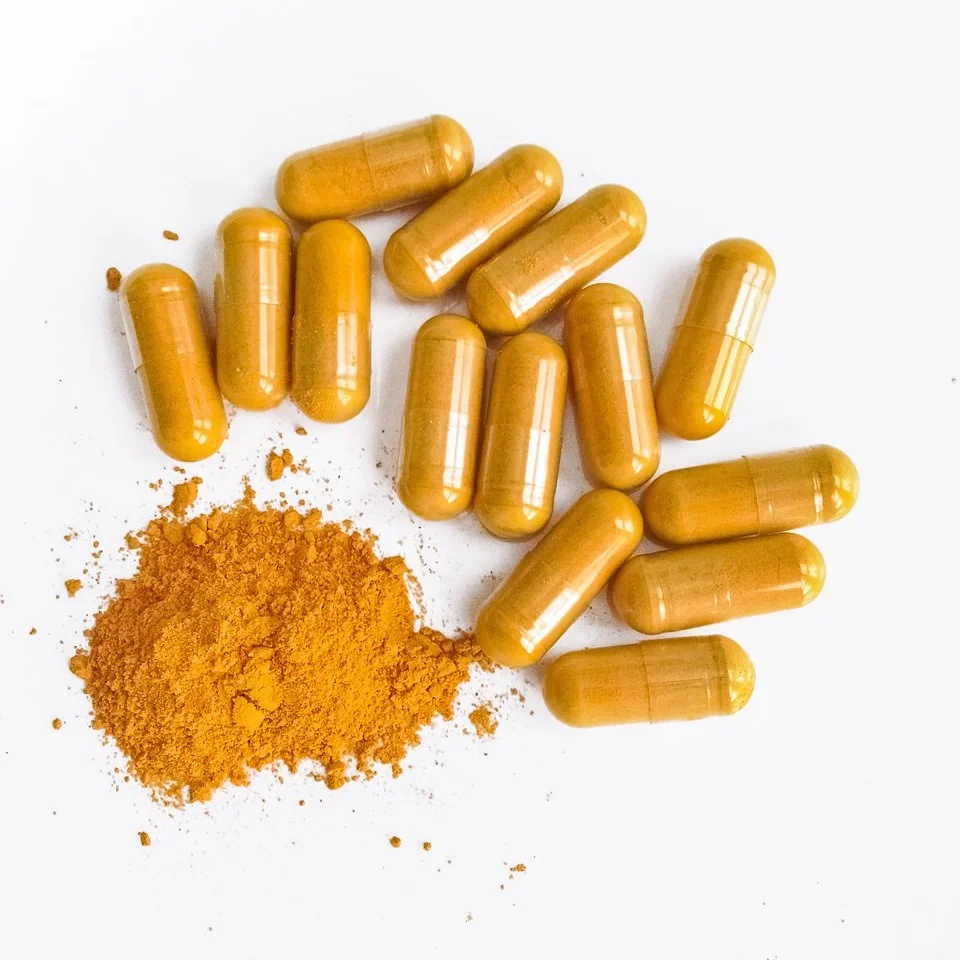
Unlike the current drugs approved for Alzheimer's Disease, J147 is neither an acetylcholinesterase inhibitor nor a phosphodiesterase inhibitor, yet it enhances cognition with a short-term treatment.
In this post, we will discuss how the curcumin derivative J147 improves memory and I'll explain a very powerful alternative way to get its benefits.
Basics Of J-147
Basically, J147 (CAD-031) is a Curcumin and Cyclohexyl-Bisphenol A (CBA) derivative that is a potent neurogenic and neuroprotective drug. R R
It was developed for the use of treating neurodegenerative conditions associated with aging. R
Curcumin is a polyphenol and the active component of Turmeric and Ginger.
Curcumin has many proven benefits in treating numerous diseases, but due to its poor ability to cross the Blood-Brain Barrier (BB), there are clear limitations.
J147 can cross the BBB into the brain (strong) and induce neuronal stem cell production. R R
Benefits Of J-147
1. Improves Mitochondrial Function And Longevity

J147 is very effective in preventing oxidative stress and improving mitochondrial function. R
For example, J147 increases mitochondrial function by improving ATP levels (inhibiting ATP synthase, specifically ATP5A). R
By inhibiting ATP synthase, J147 can reduce toxic metabolites that cause excitotoxicity. R
This allows for more healthy/younger mitochondria (on a molecular level by modulating the AMPK/mTOR pathway). R
For example, fruit flies that were given J147 had a longer lifespan (9.5-12.8%) due to the effects on mitochondria. R
J147 can also reduce aging of the brain from use of γ-glutamyl amino acids and BCAAs. R
2. Prevents Alzheimer's Disease
J147 reverses cognitive impairment in a mouse model of Alzheimer’s Disease (AD). R
J147 can improve Amyloid-Beta (Aβ) metabolism and reduce levels in the brain by reducing protein levels of β-Secretase (BACE). R
In animal models of AD, J147 can protect BBB permeability homeostasis and improve vascular function in the brain. R
J147 can also significantly increase levels of Docosahexaenoic Acid (DHA) in the brain. R
It can also restore Glutamate levels (synthesized from the TCA intermediate α-ketoglutarate) in the brain. R
3. Improves Memory
It enhances memory in both AD mice and normal aged animal models. R
Even in very old animal models, J147 can reverse severe cognitive deficits. R
J147 can also improve spatial memory and enhance Long-Term Potentiation (LTP). R
4. Grows The Brain

J147 can improve synaptic plasticity in the brain and induce its growth. R
J147 improves synaptic plasticity by maintaining the expression of Synaptophysin (a synaptic vesicle protein that is reduced in both aging and AD and is considered a biomarker for synapse loss). R
J147 grows the brain by increasing levels of both Nerve Growth Factor (NGF) and Brain-Derived Neurotrophic Factor (BDNF). R
A synthetic derivative of J147, T-006 (more discussed below on how to make it), can also improve neurite outgrowth by regulating the PI3K/AKT pathway and increasing NGF levels. R
5. Protects Neurons
J147 does not specifically need BDNF to be neuroprotective. R
J147 also rescues neurons Glutathione (GSH) depletion. R
J147 is also neuroprotective against glucose starvation. R
In AD brain's, Heme Oxygenase 1 (HO-1) as a pro-oxidant, instead of an antioxidant, while 5-Lipoxygenase (5-LOX) recruits other immune cells to induce an inflammatory response. R
J147 is able to reduce HO-1 levels and inhibit 5-LOX. R
T-006 at very low concentrations can rescue neurons from death (prevents reactive oxidative/nitrogen species stress in brain and glutamate-induced excitotoxicity). R
T-006 also inhibits NMDA overactivation, making it 100 times more potent than Memantine. R
6. May Improve Diabetes
In animal models, J147 has shown to decrease blood Glucose and HbA1c levels by increasing AMPK. R
Although not significant, J147 may also enhance the function of residual beta cells in diabetes. R
7. Fights Pain And Neuropathy
In an animal model with type 1 diabetes, J147 was shown to effective in treating Diabetic Neuropathy. R
It was also able to significantly improve diabetes-induced motor nerve dysfunction, peripheral sensitivity, and pain levels. R
8. May Improve Anxiety

In animal models with AD, J147 was able to improve anxiety levels during maze tests. R
Where To Get J-147
J147 can be bought online from certain vendors, but as far as I know, none of the reasonably priced ones are are trustworthy.
I am doing my due diligence to acquire a good source for a reasonable price and will update in the future on a place to buy it.
If you do want to spend $$$ on J147, it goes for around 10 mg / $165, but since this is a biohacking website, let's talk about my biohacked alternative: T-006.
T-006: How To Make This Improved Alternative To J-147
A more effective version called T-006 when combining tetramethylpyrazine and J147 (taking a methoxyphenyl group of J147 replacing it with tetramethylpyrazine). R
So here is what you need to make my more effective alternative to J147:
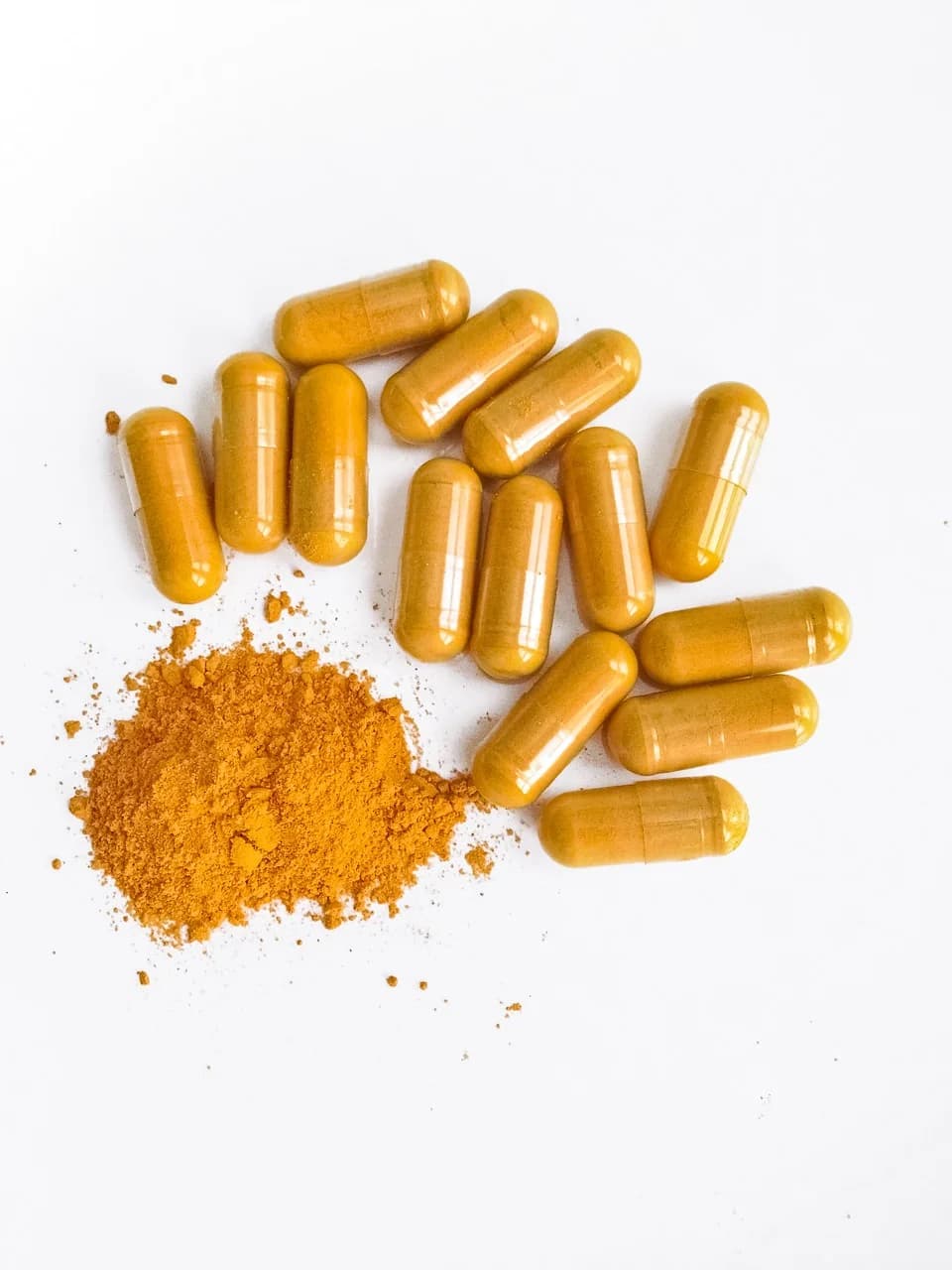
- Curcumin (as Turmeric and Ginger) - I like to use this combo as a supplement
- Tetramethylpyrazine (as Ligusticum wallichii or Chocolate and Natto)
- Other Ingredients If Making Food-Version (Black Pepper, Stevia, Salt)
You can either supplement both or make them into a food (both have different effects for me).
If you are going to supplement:
- J147 metabolizes into CAD-31 in the brain.
- CAD-31 enhancing the use of free fatty acids for energy production by shifting of the metabolic profile of fatty acids toward the production of ketone bodies, a potent source of energy in the brain when glucose levels are low. R
- Thus you could supplement Ketones (empty stomach in morning) or go on a Ketogenic Diet
To make the food version (1 week supply):
- Melt 3 bars of Dark Chocolate with 3 tbsp of Coconut Oil in pot or saucepan
- Add 2 tbsp of this specific powdered Natto to chocolate
- Add 2 tbsp of Turmeric, 2 tbsp of Ginger, 2tsp of Black Pepper powder (can add pinch of Salt or Stevia for sweetness)
- Let cool (and eat) or freeze then eat/snack
My Experience With J-147 And T-006
Effects of supplementing for T-006 (exp over 1 month):
- Increased mental clarity
- Increased memory
- Improved vision and smell
Effects from food version of T-006 (exp over 3 months):
- Reduced brain fog
- Increased overall energy
- Increased verbal fluency/acuity
- Calmer stomach
- Better stools
Caveats And Safety
Mechanism Of Action
Simple:
- Increases APP R
- Increases AMPK R
- Increases BAX (T-006 only) R
- Increases BCL-2 (T-006 only) R
- Increases BDNF R
- Increases CAMP R
- Increases CREB R
- Increases Drebrin R
- Increases Egr1 (2.5x) R
- Increases Egr3 (8.0x) R
- Increases Ketones Levels R
- Increases NGF (2.8x) (as well as T-006) R R
- Increases LTP R
- Increases PKA R
- Increases Spred2 (2.7x) R
- Increases Synapsin 1 R
- Increases Synaptophysin R
- Increases TRKB R
- Reduces AKT (T-006 only) R
- Reduces BACE R
- Reduces ERK (T-006 only) R
- Reduces GFAP R
- Reduces Glucose R
- Reduces GSK3β (T-006 only) R
- Reduces HbA1C R
- Reduces HO-1 R
- Reduces HOP R
- Reduces HSP70 R
- Reduces HSP90 R
- Reduces iNOS R
- Reduces JNK R
- Reduces MAPK (T-006 only) R
- Reduces MEK (T-006 only) R
- Reduces mTOR R
- Reduces NMADR (T-006 only) R
- Reduces RNS (T-006 only) R
- Reduces ROS (T-006 only) R
- Reduces SAPK R
- Reduces TNFa R
- Reduces TSPO R
- Reduces 5-LOX R
Advanced:
- J147 is a phenyl hydrazide derived from the natural compound curcumin.
- J147 has a half-life of 2.5 hrs in the brain, 1.5 hrs in plasma, 4.5min in human microsomes, and <4min in mouse microsomes. R
- Chronic oral treatment with J147 protected the sciatic nerve from progressive diabetes-induced slowing of large myelinated fiber conduction velocity while single doses of J147 rapidly and transiently reversed established touch-evoked allodynia.
- J147 treatment down-regulated BACE, thus increasing APP (improper APP cleavage eventually gives rise to Aβ). R
- The mitochondrial α-F1 subunit of ATP synthase (ATP5A) as a high affinity molecular target of J147, a protein previously studied in the context of aging...has dose dependent inhibition on ATP5a. R
- J147 restored the levels of acylcarnitines suggesting a positive effect on mitochondrial dynamics. R
- In NMDA receptors, T-006 inhibits excessive Ca2+ influx. R
- T-006 has a protective role in this system through both inhibiting MAPK/ERK pathway and restoring PI3-K/Akt pathway. R
More Research
- Other derivatives such as 3j (dicyanovinyl-substituted J147 analogue) can inhibit oligomerization and fibrillation of β-amyloid peptides and protects neuronal cells from β-amyloid-induced cytotoxicity. R
Jacob Gordon
INHC, FMT-C
Integrative Nutrition Health Coach
I cover mold illness, post-viral recovery, methylation, and complex chronic disease, drawing on ten years of clinical research, work inside a functional medicine clinic, and my own recovery from all of it. Every claim here is cited.
Book a ConsultationRelated Protocols & Supplements
Deep-dive chapters and recommended supplements for this topic
Electrolyte Complex
1 scoop/day
CoQ10
200mg/day
Magnesium Glycinate
400mg at bedtime