The Lymphatic Systems
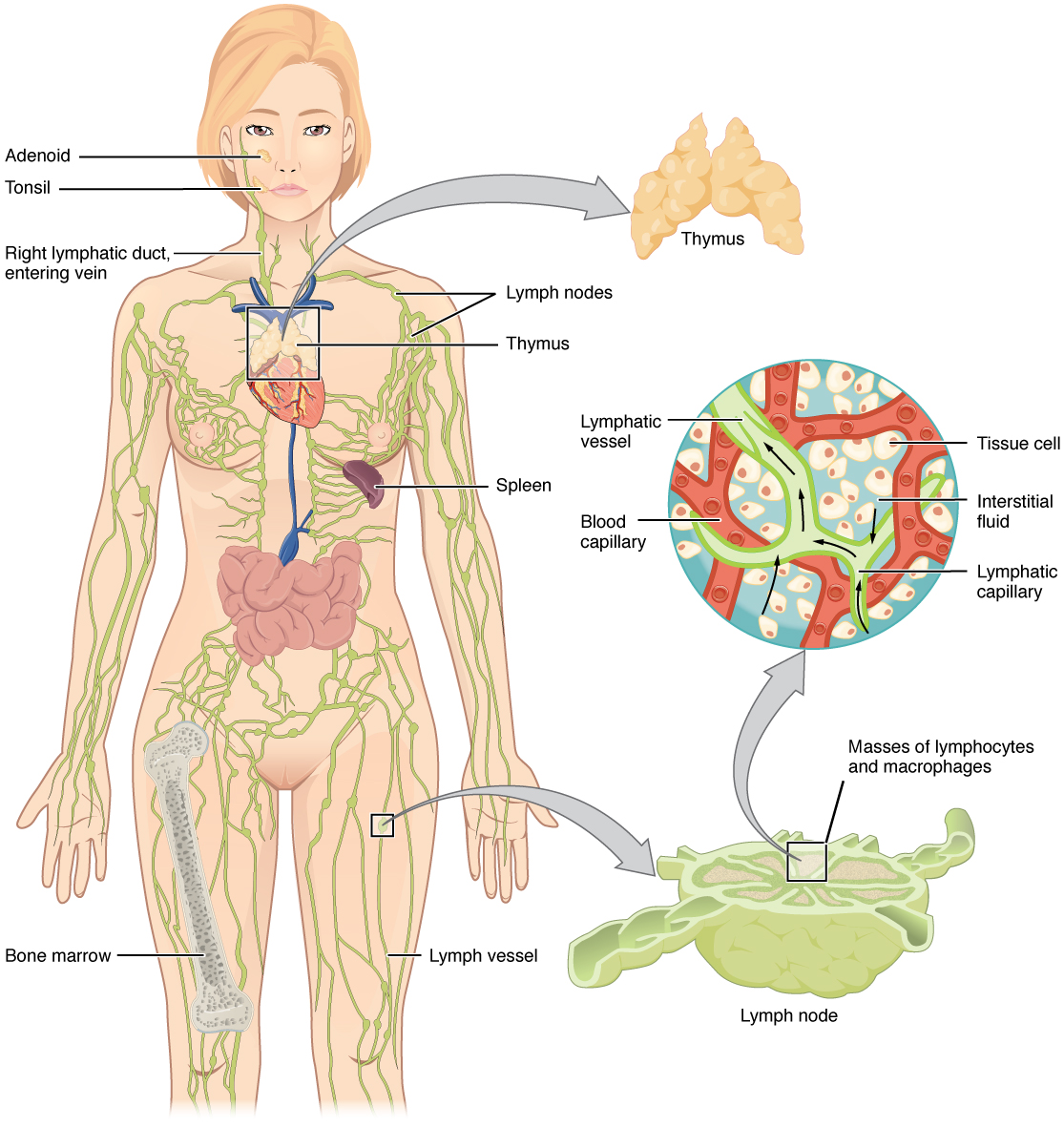
The lymphatic system is a network of tissues and organs that runs throughout your body, playing a vital role in immunity and maintaining fluid balance.
It works tirelessly to maintain your body's fluid balance, nutrient absorption, and immune defense.
By understanding its functions and components, you can appreciate the intricate network that keeps you healthy.
TLDR, if you have stagnant lymph:
You have a higher rate of endotoxins build up in your system and it’s easier to acquire 2ndary infections
You have more proteopathies (like tau tangles and alpha synuclein)
You can get swelling of your tissue (lymphedema)
You have trouble absorbing fat soluble vitamins (A, D, E, K, choline, etc)
You wake up feeling groggy or brain fogged
You are more reactive to immunostimulating/oxidative events
Functions of the Lymphatic System
Maintaining Fluid Balance
The lymphatic system collects excess fluid that leaks out of capillaries and tissues, preventing swelling and ensuring proper fluid distribution throughout the body.
It takes that excess fluid and looping it back to the circulatory system.
Fat and Vitamin Absorption
In the small intestine, the lymphatic system absorbs fats and fat-soluble vitamins (like vitamins A, D, E, and K) and transports them to the bloodstream.
Defense Against Invaders
The lymphatic system acts as your body's defense network.
It filters lymph fluid through lymph nodes, which contain lymphocytes (immune cells) that fight off bacteria, viruses, and other pathogens.
Components of the Lymphatic System
Lymph
A fluid similar to blood plasma, but with lower protein content.
Lymph is formed from excess fluid that collects in tissues.
Lymph Vessels
A network of thin tubes that collect lymph fluid and transport it throughout the body.
They resemble veins but have thinner walls and valves to prevent backward flow.
Lymph Capillaries
Microscopic vessels that pick up excess fluid and protein from tissues.
Lymph Vessels
Merge to form larger collecting vessels.
Lymph Trunks
Drain lymph from larger regions of the body.
Lymph Ducts
Two main ducts collect lymph from all over the body and empty it back into the bloodstream:
Right Lymphatic Duct: Drains lymph from the upper right quadrant of the body.
Thoracic Duct: Drains lymph from the rest of the body.
Lymph Nodes
Bean-shaped organs located along lymph vessels that filter lymph fluid, trapping pathogens and debris. They house lymphocytes that attack and destroy foreign invaders.
Lymphatic Organs
Glymphatic System
The glymphatic system is a waste clearance system in the brain.
It's name comes from combining the words Glia (brain cell) + lymphatic.
Tonsils
Clusters of lymphatic tissue located in the throat and behind the nose that help trap pathogens entering through the mouth and nose.
Spleen
The largest lymphatic organ, located in the abdomen. It filters blood, removes old blood cells, and stores blood cells.
Thymus
Located in the chest, the thymus plays a crucial role in the development of T-lymphocytes (a type of white blood cell).
Proteopathies and Plaques
The Glymphatic System and Neurodegenerative Diseases
It is believed that malfunction of the glymphatic system contributes to the development of neurodegenerative diseases like Alzheimer's and Parkinson's.
Studies suggest that improving glymphatic function may be a therapeutic strategy for these diseases.
Tau and Alpha-Synuclein Proteins
Tau and alpha-synuclein are proteins that can accumulate in the brain and form clumps.
These clumps are believed to contribute to the development of neurodegenerative diseases.
These misfolded proteins (called proteopathies) are naturally occurring in the brain.
The problem comes with being unable to clear those proteopathies, due to poor clearance performed by the glymphatic function.
Aquaporins and the Glymphatic System
Aquaporins (AQP) are proteins found in the membranes of brain cells.
They function as channels that allow water to pass through the cell membrane.
Aquaporin 4 (AQP4), plays a role in the glymphatic system's ability to clear waste products from the brain, including tau protein.
Blocking AQP4, a protein in the brain, disrupts the glymphatic system's ability to clear tau, a protein linked to Alzheimer's disease, while enhancing it may improve clearance of tau.
Notch
Notch is a signaling system that connects blood and lymphatic vessels, and plays a role in lymphangiogenesis, or the growth of lymphatic vessels.
Lymphatic/Glymphatic Hacks
My 3 favorite lymphatic/glymphatic supplements are:
In terms of lifestyle:
Aquaporin Hacks
Avoid spiking your adrenaline - Noradrenaline blocks the function of glymphamatic system by modulating astrocytic functions R
Omega 3’s and Plasmalogens R
Fasting (and intermittent fasting) R
Notch Hacks
Sleep
Sleeping on your side can enhance glymphatic clearance. R
If you have poor sleep, you have a poor glymphatic system and need to kick up the lymphatic support significantly.
If you don’t, you may get overloaded with toxins quickly.