Lyme Disease (Borrelia burgdorferi): Chronic Infection, Testing, And Treatment Approaches
By Jacob Gordon, INHC, FMT-CThis article contains affiliate links. As an Amazon Associate, MyBioHack earns from qualifying purchases at no extra cost to you. We only link products we research and stand behind.
Lyme disease is a tick-borne infection caused by the spirochete bacterium Borrelia burgdorferi sensu lato that can persist in the body through morphological shifts, biofilm formation, and immune evasion.
In this post, we will discuss the microbiological basics of Borrelia, how tick transmission works, acute and chronic/persistent infection patterns, the pleomorphism debate, testing limitations and options, antibiotic and herbal treatment strategies, biofilm considerations, overlapping conditions, and how this all fits into the Junction Dysfunction framework.
Basics Of Lyme Disease
Lyme disease is caused by spirochete bacteria of the Borrelia burgdorferi sensu lato (Bb sl) complex. R
In North America, nearly all human Lyme disease is caused by Borrelia burgdorferi sensu stricto (Bb ss), while in Europe and Asia, Borrelia afzelii and Borrelia garinii are the dominant genospecies, along with less common species including Borrelia spielmanii, Borrelia lusitaniae, Borrelia bavariensis, and Borrelia valaisiana. R
Each genospecies is associated with different clinical presentations: Bb ss tends toward arthritis, B. garinii toward neurological disease, and B. afzelii toward skin manifestations. R
The bacteria are transmitted primarily by hard-bodied ticks of the genus Ixodes: Ixodes scapularis (black-legged tick) in the eastern and upper midwestern United States, Ixodes pacificus in the western US, Ixodes ricinus in Europe, and Ixodes persulcatus in Asia and eastern Europe. R
The Ixodes scapularis tick has a two-to-three-year life cycle with four stages: egg, larva, nymph, and adult, each taking a single blood meal per stage. R
Larvae hatch uninfected because transovarial transmission of B. burgdorferi does not occur. R
Larvae acquire the infection by feeding on a reservoir-competent host, most commonly the white-footed mouse (Peromyscus leucopus). R
After molting to the nymph stage, the infected tick can transmit Borrelia to the next host during its blood meal. R
Nymphs are the primary vector for human infection because they are small enough to go unnoticed during feeding. R
The tick must generally be attached for 36 to 48 hours before Borrelia transmission occurs, because the bacteria need time to migrate from the tick midgut to the salivary glands. R
Borrelia Pleomorphism: Spirochete, Cyst, L-Form, Bleb, Biofilm
Borrelia burgdorferi is not a static organism.
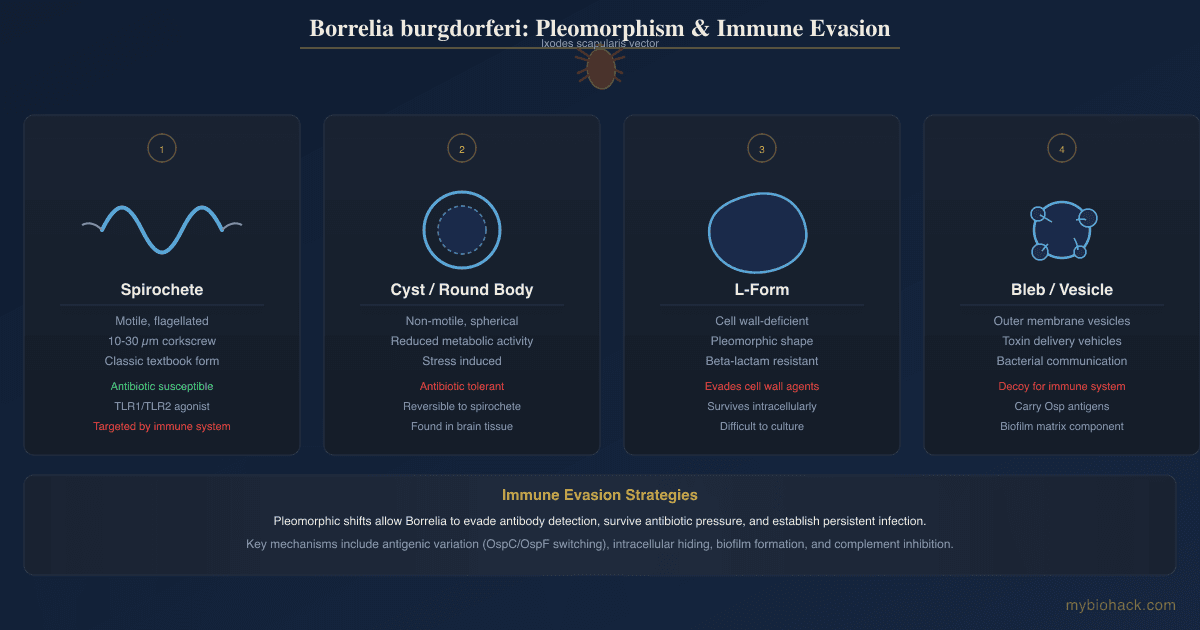
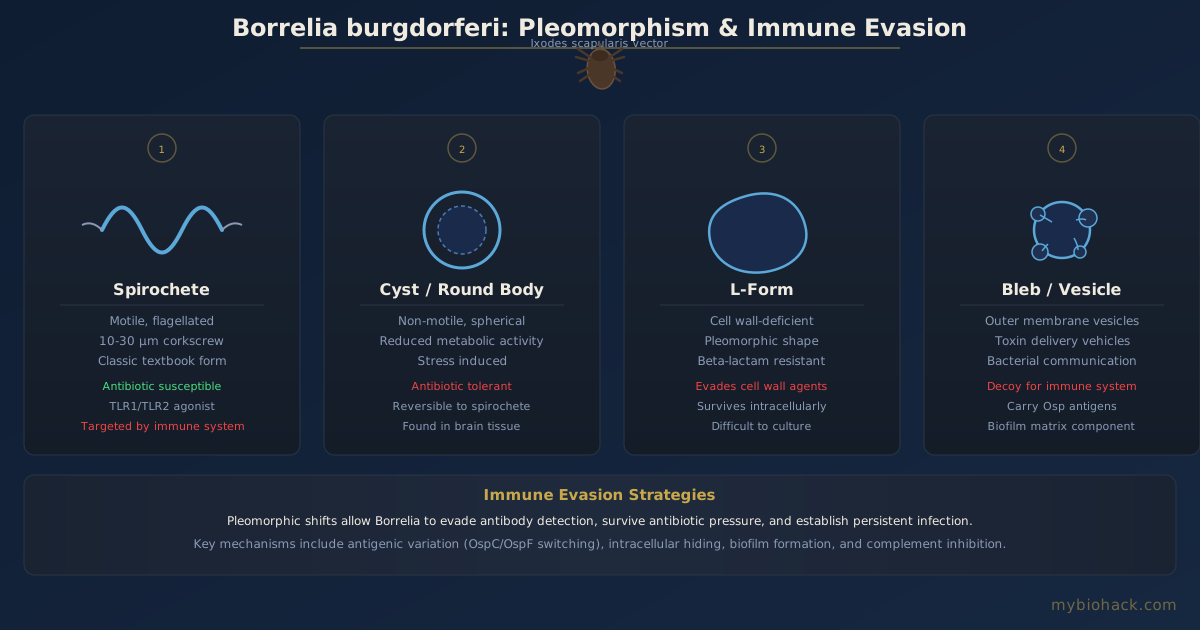
It shifts between multiple morphological forms in response to environmental stress: the classic motile spirochete, round bodies (cysts), cell wall-deficient L-forms, membrane blebs, and biofilm-like microcolonies. R
This phenomenon is called pleomorphism, and it is arguably the most important and most contested concept in understanding persistent Lyme disease. R
The textbook Borrelia morphology is a motile spirochete approximately 10 to 30 micrometers long with 7 to 11 periplasmic flagella that produce a characteristic flat-wave corkscrew motion. R
When exposed to stress including antibiotics, serum starvation, temperature fluctuation, osmotic shock, or pH changes, the spirochete transforms into a round body (cyst form). R
Round bodies are non-motile, spherical structures with an intact but flexible cell envelope, and they display lower metabolic activity compared to spirochetes. R
These forms have been induced in vitro by exposure to the beta-lactam antibiotics ceftriaxone and penicillin G, which are standard treatments for Lyme disease. R
Round bodies can revert back to motile spirochetes when transferred to favorable growth media. R
In vivo, atypical cystic and granular forms of Borrelia burgdorferi have been identified in brain tissue from patients with chronic Lyme neuroborreliosis. R
L-forms (cell wall-deficient variants) and membrane blebs (outer membrane vesicles) represent additional pleomorphic variants that may contribute to immune evasion. R
The clinical significance of these variant forms is debated.
A systematic review by Lantos et al. concluded that there is insufficient evidence to ascribe a pathogenic role to morphologic variants in chronic
Lyme disease or to justify specific treatment of these forms. R
However, more recent work including the 2015 study by Merilainen et al. demonstrated that round bodies are metabolically active, have unique biochemical signatures, and should be considered clinically relevant. R
Jacob's position on this is terrain-leaning but not denialist, consistent with his broader Béchamp-leaning framework described in the JD guide.
Pleomorphic shifts do not make a bacterium pathogenic; a toxic environment drives the shift, and the same organism can revert when the environment is restored.
Borrelia Biofilms
Borrelia burgdorferi forms biofilm-like microcolonies in vitro and in vivo, characterized by an alginate-rich extracellular matrix with calcium and DNA that creates a protective physical barrier. R
These microcolonies are more resistant to antibiotics than planktonic spirochetes and round bodies. R
In a mouse model, infection with biofilm-like microcolonies caused more severe arthritis than infection with log-phase spirochetes and could not be eradicated by doxycycline, ceftriaxone, or vancomycin alone or in two-drug combinations. R
Biofilm formation in Borrelia appears to involve the RpoN-RpoS alternative sigma factor pathway and quorum sensing mechanisms. R
Borrelia biofilms have been detected in the midgut of infected tick nymphs during blood-feeding and in human skin biopsies from tick-bite lymphocytoma lesions. R
The ability to form biofilms is one mechanism by which Borrelia establishes persistent infection that evades both the immune system and standard antibiotic therapy. R
For a deeper dive on biofilm mechanisms and inhibitors, see the dedicated biofilms post.
What Causes Lyme Disease
Lyme disease requires three elements: the pathogen (Borrelia burgdorferi sensu lato), the vector (an infected Ixodes tick), and exposure to a tick-occupied environment.
Transmission Cycle
The enzootic cycle of Borrelia burgdorferi involves wild reservoir hosts, primarily small mammals and birds, that maintain the spirochete in nature.
The white-footed mouse (Peromyscus leucopus) is the most important reservoir host in North America, infecting approximately 75 to 90 percent of larval ticks that feed on it. R
Shrews may be equally or more important than mice as reservoir hosts in some regions, particularly in the northeastern US. R
Eastern chipmunks, gray squirrels, and some bird species also serve as competent reservoirs. R
White-tailed deer are the primary reproductive host for adult ticks but are reservoir-incompetent (they do not infect feeding ticks). R
Acorn mast years (high acorn production) predict increased Lyme disease risk two years later because abundant acorns boost mouse populations, which then feed more larval ticks. R
Expanding deer populations and suburban development into forested areas have driven the geographic spread of Ixodes scapularis and Lyme disease across the northeastern and midwestern United States. R
How Borrelia Causes Tissue Damage
Borrelia burgdorferi does not produce classic exotoxins.
Instead, it causes tissue damage through several mechanisms: direct invasion and adhesion to host tissues, triggering of host inflammatory responses, and induction of immune-mediated pathology.
The spirochete binds to host extracellular matrix components, endothelial cells, and neural tissues via surface adhesins including OspA, OspC, DBP (decorin-binding proteins), and BBK32. R
Host inflammatory responses to Borrelia lipoproteins generate large amounts of TNF-α, IL-1ß, IL-6, and IL-8 via TLR1/TLR2 heterodimer signaling. R
This inflammatory cascade is what causes the symptoms of Lyme disease, not direct bacterial toxicity. R
Persistent inflammation even after the bacteria are cleared (or reduced to very low levels) is one hypothesized mechanism for Post-Treatment Lyme Disease Syndrome (PTLDS). R
The Junction Dysfunction Link
Chronic Borrelia infection feeds into the Junction Dysfunction (JD) framework through multiple pathways.
The chronic inflammatory response to Borrelia generates Micro-Sepsis (MSS), Jacob's coined term for sub-lethal chronic sepsis driven by TLR activation, LPS auto-intoxication, and inflammasome signaling.
Borrelia lipoproteins are potent TLR1/TLR2 agonists, and in the context of Lyme-induced gut dysbiosis and intestinal permeability, additional LPS from gram-negative bacteria enters the portal circulation and drives Endotoxin Looping.
This creates the stuck immune state Jacob describes: acute innate hyperactivation followed by chronic immunosuppression, neutrophil exhaustion, and endotoxin tolerance.
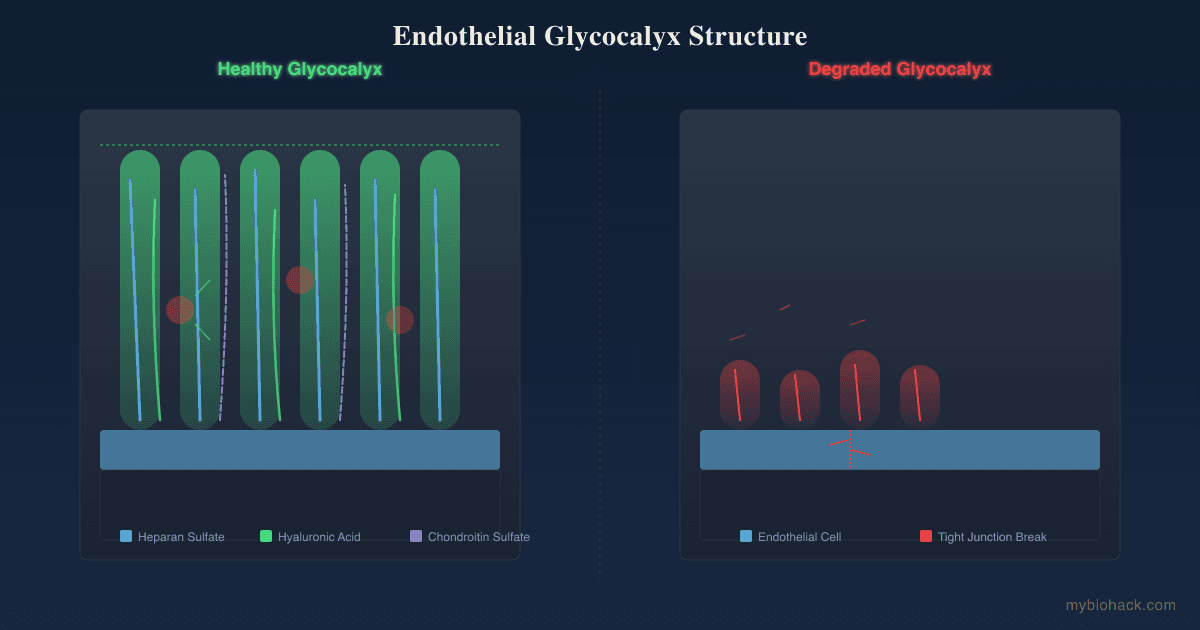
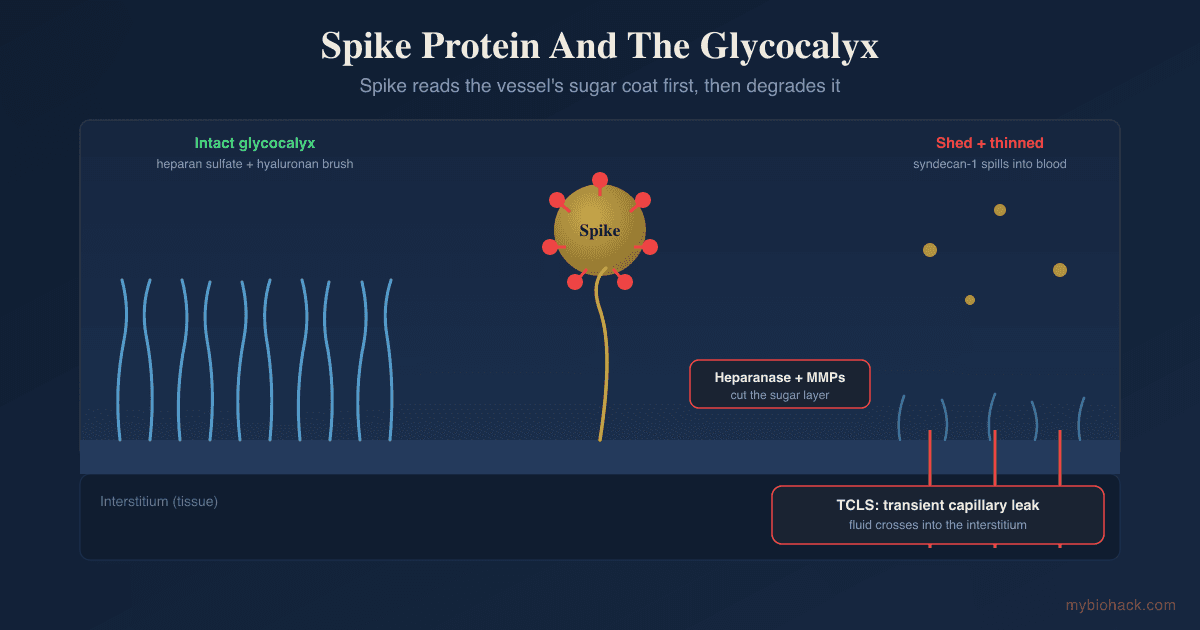
The chronic inflammation depletes BH4, uncouples eNOS, and generates peroxynitrite (ONOO-), which directly damages the glycocalyx and opens tight junctions, causing Transient Capillary Leak Syndrome (TCLS).
TCLS on the microcapillary level causes blood and immune stasis, poor vaso-adaptation, and hypoxia-response gene activation, which is why many chronic Lyme patients develop POTS-like symptoms.
For the full mechanistic chain, see the Junction Dysfunction and TCLS chapter and the glycocalyx chapter.
Acute Vs Chronic/Persistent Lyme Infection
Acute Lyme Disease
Early localized Lyme disease typically appears 3 to 30 days after the tick bite.
The classic sign is erythema migrans (EM), a rapidly expanding red rash at the tick-bite site that often develops a bullseye appearance as it clears centrally (though this classic presentation occurs in fewer than 50 percent of cases). R
Early symptoms are nonspecific and flu-like: fever, chills, fatigue, muscle aches, joint pain, and swollen lymph nodes. R
If treated promptly with a 2-to-4-week course of appropriate antibiotics, the prognosis for complete recovery is excellent for most patients. R
Early Disseminated Lyme
Days to weeks after infection, Borrelia spreads hematogenously to secondary tissues.
Symptoms may include multiple secondary EM rashes, cranial nerve palsies (most commonly facial nerve/Bell palsy), meningitis, radiculoneuritis, atrioventricular heart block, and migratory joint pain. R
Lyme neuroborreliosis can present as lymphocytic meningitis, cranial neuritis, or painful radiculitis (Bannwarth syndrome). R
Late/Persistent Lyme
Months to years after initial infection (treated or untreated), a subset of patients develop late manifestations.
Lyme arthritis is the most common late manifestation, presenting as intermittent or persistent swelling and pain in one or a few large joints, most commonly the knee. R
Lyme encephalopathy presents with cognitive deficits including short-term memory loss, slowed processing speed, brain fog, and executive dysfunction. R
Peripheral neuropathy can present as numbness, tingling, burning, or shooting pain in the extremities. R
Post-Treatment Lyme Disease Syndrome (PTLDS)
Approximately 10 to 20 percent of patients treated for Lyme disease with standard 2-to-4-week antibiotic therapy continue to experience persistent symptoms including fatigue, musculoskeletal pain, and cognitive impairment. R
This constellation is called Post-Treatment Lyme Disease Syndrome (PTLDS).
The cause of PTLDS is unknown and hotly debated.
The possible explanations include: persistent low-level infection with Borrelia persisters, residual antigenic debris driving ongoing inflammation, autoimmune or post-infectious immune dysregulation, neural network dysfunction and central sensitization, and dysbiosis from antibiotic treatment. R
Standard testing (ELISA, Western blot) is typically negative in PTLDS because serology reflects prior exposure, not active infection. R
This creates a diagnostic stalemate where patients have symptoms but no serological evidence of ongoing infection using standard assays.
Jacob's Framing Of Chronic Lyme
Jacob's position on chronic Lyme is consistent with his broader Béchamp-leaning framework.
He does not deny that Borrelia can persist in tissues after antibiotic treatment; the animal evidence for this is strong. R
But he also does not attribute all persistent symptoms to ongoing bacterial replication.
The JD framework proposes that the inflammatory and immune dysfunction triggered by Borrelia persists through TCLS and MSS even after the pathogen is reduced or cleared, creating a self-sustaining loop of glycocalyx damage, microcapillary loss, immune paralysis, and Endotoxin Looping.
Pleomorphic shifts are not the bacteria "turning into a monster."
They are an adaptive survival response to a toxic environment.
If you fix the terrain (the glycocalyx, the gut, the redox environment), the bacteria may revert to less pathogenic forms or the immune system may be able to clear them.
This is why Jacob's treatment philosophy emphasizes terrain restoration (glycocalyx repair, vagal tone, detoxification, limbic retraining) alongside any direct antimicrobial strategy, rather than purely attempting to "kill" Borrelia with years of antibiotics.
Lyme And Overlapping Conditions
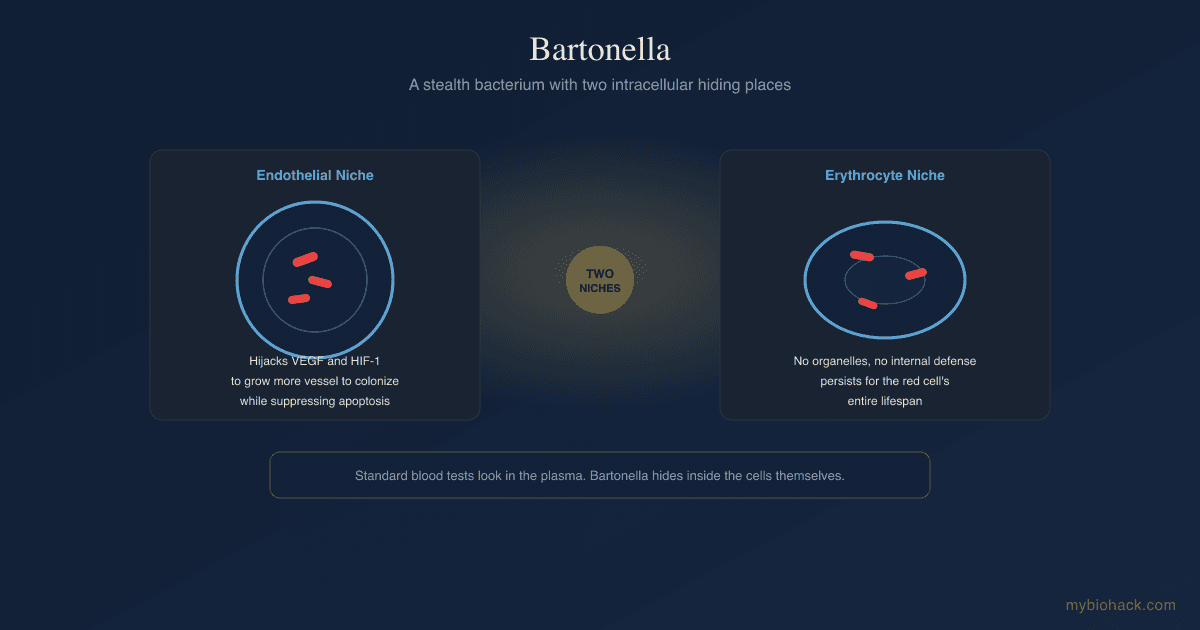
Bartonella (bartonellosis): A common stealth co-infection transmitted by the same Ixodes ticks and also by fleas, lice, and cat scratches. R
Bartonella lives inside endothelial cells and red blood cells, evading immune detection, and shares many symptoms with Lyme including fatigue, neurological symptoms, and joint pain.
See the full post on Bartonella.
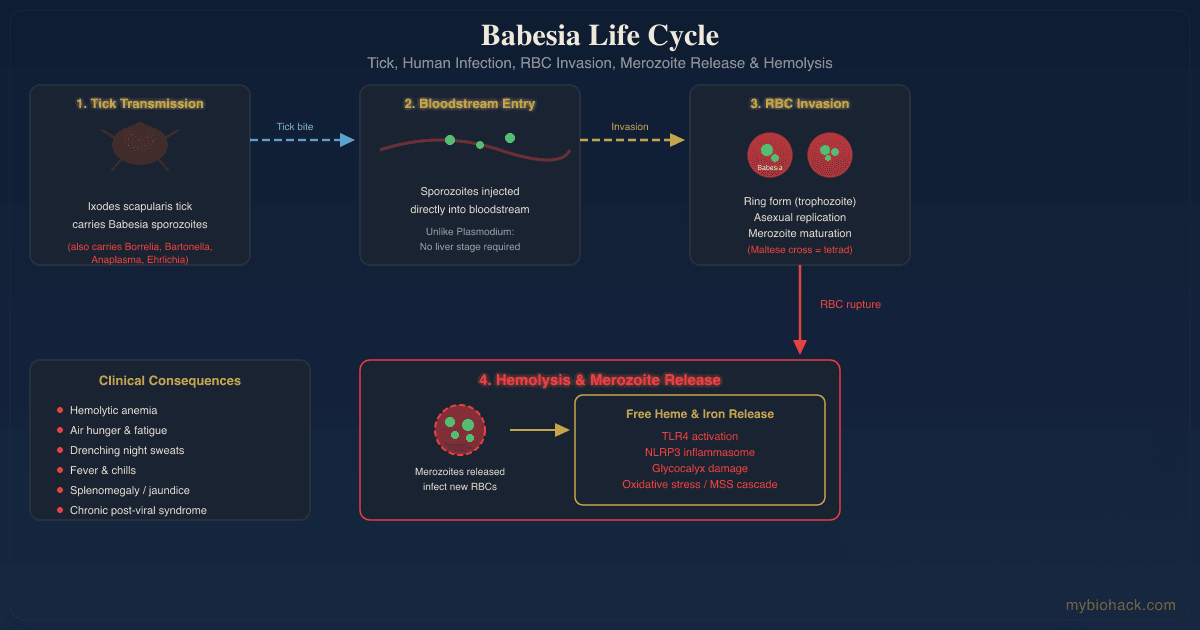
Babesia (babesiosis): A malaria-like protozoan parasite transmitted by Ixodes ticks that infects red blood cells and causes hemolytic anemia, fatigue, sweats, and air hunger. R
Mast Cell Activation Syndrome (MCAS): Chronic infections including Borrelia can drive mast cell degranulation via TLR activation and neurogenic inflammation pathways, contributing to flushing, histamine intolerance, and allergic-type symptoms.
See Mast Cells, Substance P, And Neurogenic Inflammation.
Small Fiber Neuropathy (SFN): Borrelia infection can trigger small fiber nerve damage through inflammatory and immune-mediated mechanisms, causing burning pain, tingling, and autonomic dysfunction. R
See the full post on Small Fiber Neuropathy.
Postural Orthostatic Tachycardia Syndrome (POTS) / Vaso-Adaptive Disorder (VAD): Lyme disease is a recognized trigger for POTS, likely through glycocalyx damage, microcapillary loss, and autonomic dysregulation. R
Jacob reframes POTS as VAD (Vaso-Adaptive Disorder) in the JD framework.
Histamine Intolerance: Lyme-associated gut dysbiosis and mast cell activation can impair the DAO enzyme, leading to histamine buildup from food.
See Histamine Intolerance vs MCAS.
CIRS (Chronic Inflammatory Response Syndrome) / Mold Illness: The stuck immune state from chronic Borrelia infection parallels and amplifies the immune dysfunction from biotoxin exposure.
Both involve endotoxin tolerance, neutrophil exhaustion, and pseudo-M2 macrophage polarization.
See Why NRF2 Activation Can Make You More Sick.
Internal Tremors / Body Buzzing: Many chronic Lyme patients report internal vibrations, buzzing, or trembling sensations that Jacob's framework attributes to adrenergic activation, microcapillary loss, and chronic latent infection. R
See Body Buzzing And Internal Tremors.
Iron Overload / Ferritin Dysregulation: Chronic infections including Borrelia can dysregulate iron metabolism through hepcidin and ferritin responses, creating an environment that favors bacterial persistence while causing oxidative stress. R
See Iron Overload And Ferritin Dysregulation.
Mold Illness: The same immune dysfunction that allows chronic Borrelia persistence (endotoxin tolerance, TLR dysregulation) also impairs clearance of mycotoxins and biotoxins, creating overlap syndromes between chronic Lyme and CIRS/mold illness.
For more, see the NRF2 post.
Psychiatric Manifestations: Borrelia burgdorferi infection can present with depression, anxiety, panic attacks, irritability, and psychosis. R
The mechanism involves neuroinflammation, IDO1-driven tryptophan shunting (away from serotonin toward the kynurenine pathway), and direct CNS infection.
Testing
Lyme disease testing is among the most controversial areas in infectious disease medicine.
Standard two-tiered testing recommended by the CDC has known sensitivity limitations, particularly in early infection and possibly in chronic/persistent presentations.
Standard Two-Tiered Serology (CDC Recommended)
The current CDC-recommended algorithm begins with a first-tier enzyme immunoassay (EIA) or immunofluorescence assay (IFA), followed by confirmation of positive or equivocal results with a Western blot (immunoblot) for IgM and IgG. R
Early infection sensitivity of EIA is poor (approximately 30 to 50 percent in the first two weeks) because antibody production has not yet occurred. R
Sensitivity improves to 70 to 90 percent in later stages once the immune response has matured. R
Western blot interpretation uses strict CDC criteria: at least 5 of 10 specified IgG bands or at least 2 of 3 IgM bands. R
The two-tiered approach prioritizes specificity (approximately 99 percent) over sensitivity, which means false negatives are far more common than false positives. R
IgM Western blots should not be used alone for diagnosis beyond the first 4 to 6 weeks of infection because IgM can persist for months or years after treated infection, leading to false attribution of current symptoms to active Lyme. R
IGeneX Immunoblot
The IGeneX Lyme Immunoblot uses proprietary recombinant antigens from multiple Borrelia species and strains, including both US and European genospecies, and applies expanded interpretive criteria. R
In one comparison study, IGeneX criteria (requiring 2 of 6 specified bands) demonstrated sensitivity of 89 percent for combined IgG and IgM compared to 76 percent for standard CDC criteria, with specificity of greater than 95 percent. R
I use the IGeneX Lyme Immunoblot (IgG + IgM) to assess serological evidence of Borrelia exposure with higher sensitivity than standard two-tiered testing.
IGeneX also offers Lyme PCR (Blood) to detect Borrelia DNA (indicating active infection), though sensitivity is limited by the transient nature of spirochetemia (Borrelia does not circulate continuously in the blood). R
The IGeneX Lyme Panel 1 combines immunoblot, PCR, and the IgXSpot assay (T-cell ELISPOT) for a multi-method assessment.
The IGeneX Broad Lyme Panel includes testing for multiple Borrelia species plus common co-infections.
Vibrant Wellness Tickborne Panels
Vibrant Wellness offers comprehensive tick-borne disease testing using microarray technology capable of detecting antibodies against multiple Borrelia species, Babesia, Bartonella, Ehrlichia, Anaplasma, and other tick-borne pathogens.
I use the Tickborne Diseases 2.0 (Blood) for a complete serological assessment of Lyme and co-infections.
The Tickborne Diseases 1.0 covers the most common tick-borne pathogens at a lower price point.
For a focused Borrelia-only assessment, the Lyme + TBRF test detects antibodies against Lyme genospecies and tick-borne relapsing fever Borrelia.
The Coinfections 1 and Coinfections 2 panels expand coverage to less common tick-borne pathogens.
Culture And PCR
Borrelia culture from human specimens is technically difficult and not available through commercial labs, but specialized research labs can culture Borrelia from skin biopsies of EM lesions with moderate success. R
PCR from blood has limited sensitivity because Borrelia spirochetemia is intermittent and low-density, but PCR from skin biopsy of EM lesions is more reliable. R
PCR from synovial fluid or CSF can be useful in specific clinical contexts (arthritis, neuroborreliosis). R
Functional Immune And Inflammation Markers
Borrelia infection leaves an inflammatory signature that can be assessed with functional lab markers.
I use the Immune Zoomer to evaluate systemic immune activation patterns, including T-cell, B-cell, and cytokine markers relevant to chronic infection.
The Cellular Zoomer provides organic acids analysis including markers of mitochondrial function, oxidative stress, and microbial metabolites that can indicate dysbiosis from antibiotic treatment and infection-induced mitochondrial dysfunction.
The Toxin Zoomer evaluates mycotoxin and heavy metal burden, which is important because biotoxin accumulation compounds the immune dysfunction in chronic Lyme patients and can represent a hidden driver of persistent symptoms.
The Foundation Zoomer provides comprehensive metabolic and inflammatory baselines including liver function (relevant to antibiotic safety and detox capacity), fasting glucose, and immune markers.
The Gut Zoomer assesses microbiome composition and intestinal permeability (zonulin), which is critical in chronic Lyme because antibiotic treatment frequently causes dysbiosis, and Lyme-associated inflammation increases gut permeability, driving Endotoxin Looping.
The Nutrient Zoomer evaluates vitamin and mineral status, relevant because chronic infection depletes B vitamins, vitamin D, magnesium, zinc, and other nutrients essential for immune function and detoxification.
The Neural Zoomer detects autoantibodies against neural, myelin, and blood-brain barrier antigens, which can be relevant in Lyme neuroborreliosis and overlapping conditions like small fiber neuropathy.
Quest / Labcorp Standard Testing
Standard commercial labs offer Lyme Antibody (first-tier EIA screening) and confirmatory Lyme Immunoblot through Fullscript.
The Labcorp Lyme Reflex and Labcorp Lyme Line Blot provide the standard two-tiered testing algorithm.
These tests are adequate for confirming classic late-stage Lyme arthritis but will miss a significant number of early or atypical presentations.
Clinical Pearl On Testing Interpretation
Negative serology does not rule out Lyme disease, particularly in early infection (first 4 to 6 weeks) or in patients who received early antibiotic treatment that aborted the antibody response.
Positive IgG serology indicates prior Borrelia exposure, not necessarily active infection.
Positive IgM serology beyond 6 weeks of illness may reflect a persistent immune response to residual antigen rather than active infection, making IgM an unreliable marker for chronic active Lyme. R
The most clinically useful approach combines a high-sensitivity immunoblot (IGeneX or Vibrant), PCR for active infection where feasible, and a comprehensive functional assessment of immune, inflammatory, and metabolic markers to build a clinical picture.
Treatment Approaches
Treatment of Lyme disease must be stratified by stage: early localized, early disseminated, late/persistent, and PTLDS.
The evidence base for treatment differs substantially across these categories.
Standard Antibiotic Treatment (Acute Lyme)
For early localized Lyme disease presenting with erythema migrans, the Infectious Diseases Society of America (IDSA) recommends:
Doxycycline 100 mg twice daily for 10 to 21 days is the preferred oral regimen for adults and children older than 8 years. R
Amoxicillin 500 mg three times daily for 14 to 21 days is an alternative for patients who cannot take doxycycline. R
Cefuroxime axetil 500 mg twice daily for 14 to 21 days is another alternative. R
For early disseminated Lyme with neurological involvement (meningitis, cranial neuritis, radiculopathy), IV ceftriaxone 2 g daily for 14 to 28 days is standard. R
IV ceftriaxone is also the standard for high-grade cardiac involvement. R
The prognosis for complete recovery after standard treatment of early disease is excellent, with clinical trials showing approximately 90 percent success rates. R
Persistent Infection And PTLDS Treatment
When symptoms persist after standard treatment, the approach becomes substantially more complex and evidence-based guidance is limited.
There is no FDA-approved or IDSA-endorsed protocol for treating persistent Lyme disease or PTLDS with prolonged antibiotics.
Several NIH-funded clinical trials of prolonged antibiotic therapy for PTLDS showed modest or no benefit and significant adverse effects from long-term IV antibiotics. R
However, these trials have been criticized for enrolling heterogeneous patient populations, using short treatment durations (30 to 90 days), and excluding patients with evidence of ongoing infection. R
The International Lyme and Associated Diseases Society (ILADS) recommends a more individualized approach with extended treatment based on clinical response, acknowledging the evidence limitations. R
Disulfiram
Disulfiram (Antabuse) is a repurposed FDA-approved drug for alcohol use disorder that has gained attention for its potent in vitro activity against Borrelia burgdorferi.
A high-throughput screening of 4,000 FDA-approved compounds identified disulfiram as the most effective compound against stationary-phase B. burgdorferi, achieving 99.8 percent inhibition of metabolic activity at 0.38 µg/mL. R
A mouse study found that disulfiram treatment cleared Borrelia from most tissues and reduced cardiac inflammation. R
A 2025 pilot study of disulfiram in 9 patients with persistent Lyme symptoms found that 6 of 9 showed clinically meaningful improvement in fatigue, but tolerability was poor: only 3 of 9 completed the full course, and side effects included fatigue, psychiatric symptoms, peripheral neuropathy, and elevated liver enzymes. R
A retrospective analysis of 71 patients treated with disulfiram reported that 92.5 percent had meaningful symptom reduction and 17.9 percent achieved enduring remission of greater than 6 months, but all responders in the remission category had received high-dose treatment (greater than or equal to 4 mg/kg/day). R
Disulfiram carries meaningful risks: idiosyncratic liver injury, peripheral neuropathy that can be slow to resolve, psychiatric side effects, and drug interactions (disulfiram inhibits CYP3A4, CYP2E1, and aldehyde dehydrogenase). R
It should only be used under the supervision of a clinician experienced with the drug and with regular monitoring of liver enzymes, neurological status, and mental health.
Daptomycin Combination Therapy
In vitro studies have identified the triple combination of daptomycin + doxycycline + ceftriaxone (or cefuroxime) as the most effective regimen for eradicating Borrelia persisters, including biofilm-like microcolonies. R
Daptomycin alone at clinically achievable concentrations showed potent activity against stationary-phase Borrelia but could not eliminate the most resistant microcolony forms. R
Adding daptomycin to doxycycline plus a beta-lactam (cefoperazone, ceftriaxone, or cefuroxime) achieved complete eradication of biofilm-like microcolonies with no regrowth after 21-day subculture. R
These findings are in vitro and have not been validated in human clinical trials, nor do they represent a recommended treatment protocol. R
They suggest that if persistent Borrelia infection plays a role in PTLDS, combination anti-persister therapy may be more effective than monotherapy.
Herbal Antimicrobials
Several botanical medicines demonstrate in vitro activity against Borrelia burgdorferi, including against stationary-phase persister forms that tolerate standard antibiotics.
A landmark 2020 screening study by Feng et al. tested 12 botanical medicines and 3 natural antimicrobial agents against growing and non-growing forms of
B. burgdorferi. R
Seven herbal extracts at 1 percent concentration showed good activity against stationary-phase Borrelia compared to doxycycline and cefuroxime controls. R
The top two active herbs were Cryptolepis sanguinolenta with MIC of 0.03 to 0.06 percent and Japanese knotweed (Polygonum cuspidatum) with MIC of 0.25 to 0.5 percent, both showing strong activity against growing and non-growing forms. R
Only Cryptolepis sanguinolenta at 1 percent achieved complete eradication in subculture studies (no regrowth after 21 days), while doxycycline, cefuroxime, and other botanicals all showed regrowth. R
Other active botanicals included: Artemisia annua (Sweet wormwood), Cat's claw (Uncaria tomentosa), Black walnut (Juglans nigra), Cistus incanus (Rock rose), and Scutellaria baicalensis (Chinese skullcap). R
Andrographis paniculata showed little or no activity against B. burgdorferi in this study, contrary to common use in the Lyme community. R
Samento (a tetracyclic oxindole alkaloid-free extract of Uncaria tomentosa) and Banderol (extract from Otoba parvifolia) have demonstrated activity against all morphological forms of Borrelia burgdorferi in vitro, including round bodies and biofilms, and are commonly used in Lyme-literate practice. R
A 6-month prospective cohort study of 28 patients with advanced Lyme borreliosis found that treatment with TOA-free cat's claw (5400 mg/day) plus supportive measures produced significantly greater improvement than conventional antibiotics, with 85 percent of patients in the experimental group showing marked improvement versus no patient in the antibiotic group showing comparable improvement. R
Baicalein (from Scutellaria baicalensis) has demonstrated activity against spirochetes, round bodies, and biofilm forms of Borrelia burgdorferi and Borrelia garinii in vitro. R
Cis-2-decenoic acid, a natural fatty acid and biofilm dispersal agent, and monolaurin also showed activity against multiple morphological forms of Borrelia in vitro. R
Sida Acuta
Sida acuta is a tropical plant used in traditional medicine for its antimicrobial and anti-inflammatory properties.
While not included in the Feng et al. 2020 screening study,
Sida acuta has demonstrated antimicrobial activity against other pathogens and is used in some Lyme-literate protocols as a general antimicrobial and immune-supportive herb, but direct in vitro data against B. burgdorferi is lacking.
Biofilm Disruption
Because Borrelia can form protective biofilm-like microcolonies, addressing the biofilm matrix is a logical adjunct to antimicrobial treatment.
Agents used for Borrelia biofilm disruption include:
- Cis-2-decenoic acid: A natural fatty acid and biofilm dispersal agent that demonstrated activity against Borrelia spirochetes, round bodies, and biofilm forms in vitro R
- Lactoferrin: Iron-chelating glycoprotein that disrupts biofilms by sequestering iron and binding to biofilm matrix components R
- Nattokinase: Fibrinolytic enzyme that may disrupt the protein component of Borrelia biofilms
- Xylitol: Sugar alcohol that can disrupt biofilm polysaccharide matrix
For a comprehensive list of biofilm-inhibiting agents, see the biofilms post.
Terrain Restoration
Jacob emphasizes that antimicrobial treatment alone is rarely sufficient for chronic Lyme patients.
The Junction Dysfunction framework proposes that the inflammatory environment (TCLS, MSS, glycocalyx damage) must be addressed for durable improvement.
Key terrain interventions include:
Glycocalyx repair: The glycocalyx is the negatively charged sugar layer on endothelial cells that becomes damaged in chronic infection, contributing to TCLS and microcapillary loss.
See the chapter on Improving The Glycocalyx.
Supportive agents include both HMW and LMW sulfated polysaccharides, glucosamine, chondroitin sulfate, berberine, and SOD.
Vagal tone restoration: Chronic Borrelia infection and the associated inflammatory state impair parasympathetic signaling through the IDO1/kynurenine pathway, which reduces acetylcholine availability and α7nAChR stimulation.
Vagal tone interventions include cold exposure, slow breathing, chanting, and limbic retraining.
Limbic retraining: Jacob observes clinically that people rarely recover from chronic infection without addressing the limbic system and subconscious behavioral patterns.
Programs like DNRS, Gupta Programme, or NLP address the HPA axis dysregulation, glucocorticoid receptor desensitization, and TRPV1/TRPA1 sensitization that maintain the stuck state.
Detoxification support: Chronic infection and antibiotic treatment burden the liver's detoxification pathways.
Supporting Phase 1, Phase 2, and Phase 3 detoxification (including bile flow) is critical for clearing endotoxins, antibiotic metabolites, and biofilm debris.
Gut restoration: Antibiotic treatment disrupts the gut microbiome, and the resulting dysbiosis and intestinal permeability create Endotoxin Looping, which amplifies MSS.
Probiotics, prebiotics (resistant starch, butyrate), and gut-healing nutrients (glutamine, zinc, colostrum) are foundational.
For Jacob's comprehensive protocol framework, see the Long COVID Natural Treatment Protocol, which shares substantial mechanistic overlap with chronic Lyme treatment.
Low Dose Naltrexone (LDN)
Low Dose Naltrexone (LDN) is an opioid receptor antagonist used off-label at 1.5 to 4.5 mg daily for its immunomodulatory and anti-inflammatory effects. R
LDN works through two primary mechanisms: transient blockade of opioid receptors leading to rebound endorphin/enkephalin production, and TLR4 antagonism on microglia and macrophages, reducing neuroinflammation. R
LDN may be particularly useful in chronic Lyme for reducing neuroinflammation, fatigue, and pain without directly interacting with antimicrobial therapy. R
For a detailed discussion, see Low Dose Naltrexone.
What To Stay Away From
Prolonged single-antibiotic monotherapy without biofilm consideration: Doxycycline or amoxicillin alone for months to years may select for persister forms and may not address biofilm-protected Borrelia. R
There is no high-quality evidence supporting monotherapy beyond 4 to 6 weeks for PTLDS, and the risks of antibiotic side effects, dysbiosis, and Clostridium difficile increase with duration.
Blind L-arginine supplementation: In the JD population, BH4 depletion from chronic inflammation causes eNOS uncoupling, where L-arginine generates peroxynitrite (ONOO-) instead of NO.
Peroxynitrite damages the glycocalyx.
L-arginine also reactivates latent viruses (EBV, HSV) in Jacob's clinical observation.
Prefer L-citrulline if NO support is needed, but Jacob advises caution with all NO boosters in this population.
Excessive immune stimulation during active inflammation: NRF2 activators (sulforaphane, high-dose curcumin) can backfire if the antioxidant response system is already overloaded and dysfunctional. R
See the post on NRF2 In CIRS And Sensitivities.
NGF boosters: Nerve Growth Factor increases pain signaling and mast cell degranulation.
In chronic Lyme patients with neuropathic pain or MCAS overlap, NGF-increasing agents (Lion's mane in high doses, certain growth factors) can worsen symptoms.
IV ozone without clinician supervision: While IV ozone can be an effective adjunct, it is a potent pro-oxidant that can trigger herx reactions, mast cell degranulation, and oxidative stress in patients with compromised redox capacity.
It should only be done by a trained clinician with proper pre-assessment.
Killing without terrain preparation: Aggressive antimicrobial treatment (whether pharmaceutical or herbal) without supporting detoxification pathways, glycocalyx repair, and gut health can produce severe herx reactions and may worsen the underlying TCLS/MSS state.
Jacob's clinical observation is that many patients feel worse on "kill-only" protocols because the die-off debris amplifies the existing inflammatory cascade.
Blaming all persistent symptoms on active infection: Not every symptom that persists after Lyme treatment is ongoing Borrelia replication.
The inflammatory damage to glycocalyx, microcapillaries, mitochondria, and neural tissue creates independent pathological loops (TCLS, MSS, Wallerian degeneration, IDO1 shunt) that require their own interventions.
Mechanisms Of Action
Simple:
Borrelia burgdorferi infection triggers a prolonged inflammatory response that damages the protective glycocalyx layer on blood vessels, causes fluid leakage into tissues (TCLS), and creates a chronic low-grade sepsis-like state (MSS), all of which perpetuate inflammation, immune dysfunction, and symptoms even after the bacteria are reduced.
Advanced:
- Biofilm Formation And Persister Induction: Borrelia burgdorferi transitions from motile spirochetes to round bodies and biofilm-like microcolonies via the RpoN-RpoS alternative sigma factor pathway in response to environmental stress including antibiotics, nutrient depletion, and immune pressure. R
- TLR1/TLR2 Lipoprotein Signaling: Outer surface lipoproteins (OspA, OspC, and others) activate heterodimeric Toll-like Receptor 1/TLR2 complexes on macrophages, dendritic cells, and endothelial cells, triggering MyD88-dependent NF-κB signaling and production of TNF-á, IL-1ß, IL-6, and IL-8. R
- Glycocalyx Degradation Via Heparanase And MMP Release: Chronic TLR activation from Borrelia lipoproteins stimulates immune cells to release hyaluronidase and matrix metalloproteinases (MMPs) to cut through the glycocalyx. R
- eNOS Uncoupling And Peroxynitrite Generation: Chronic inflammation depletes tetrahydrobiopterin (BH4), the essential cofactor for endothelial nitric oxide synthase (eNOS). R When BH4 is depleted, eNOS uncouples and produces superoxide instead of NO. R Superoxide combines with residual NO to form peroxynitrite (ONOO-), a highly reactive oxidant that damages the glycocalyx, endothelial cells, and mitochondrial proteins. R
- IDO1-Driven Tryptophan Shunting: Interferon-gamma signaling from chronic Borrelia infection activates indoleamine 2,3-dioxygenase 1 (IDO1), which shunts tryptophan from serotonin/melatonin/NAD synthesis into the kynurenine pathway. R
- Mast Cell Degranulation And Neurogenic Inflammation: Borrelia lipoproteins and the inflammatory environment activate mast cells via TLR and complement receptors, causing release of histamine, tryptase, prostaglandins, and substance P. R Substance P activates TRPV1 receptors on sensory nerves, driving neurogenic inflammation and creating a positive feedback loop where nerve activation causes more mast cell degranulation. R This is the mechanistic basis for the overlap between chronic Lyme and MCAS. See Mast Cells, Substance P, And Neurogenic Inflammation.
- Innate Immune Exhaustion And Endotoxin Tolerance: Persistent TLR activation from Borrelia (and LPS from Lyme-induced gut dysbiosis) drives neutrophils through three states: primed (beneficial during infection), tolerant (suppressed, preventing excessive inflammation), and exhausted (pathogenic with excessive inflammation AND immunosuppression). R
Genetics
TLR1
TLR1 forms heterodimers with TLR2 to recognize Borrelia lipoproteins, and genetic variants in TLR1 alter the strength of the inflammatory response to Borrelia. R
rs5743618 (I602S) : The serine (S) variant impairs TLR1 trafficking to the cell surface, reducing IL-6 and TNF-á production in response to Borrelia lipoproteins. R
TLR2
TLR2 is the primary pattern recognition receptor for Borrelia outer surface lipoproteins.
rs5743704 (R753Q) : This rare variant impairs TLR2 signaling in response to bacterial lipoproteins and is associated with increased risk of severe staphylococcal infections and potentially Lyme arthritis. R
SOD2
SOD2 encodes mitochondrial superoxide dismutase, the enzyme that quenches superoxide produced by the electron transport chain and by eNOS uncoupling. R
rs4880 (Ala16Val) : The valine (Val) variant impairs SOD2 transport into the mitochondrial matrix, reducing superoxide scavenging capacity by approximately 30 to 40 percent. R
Jacob observes that most of his clients with chronic infection and redox imbalance carry this variant, including himself. R
This variant increases vulnerability to peroxynitrite damage and glycocalyx degradation in chronic Borrelia infection.
IRF7
IRF7 is a master regulator of type I interferon production, and autosomal recessive inborn errors of IRF7 (and other interferon pathway genes) are associated with severe viral infection susceptibility. R
rs12252 (in IFITM3, not IRF7 itself) : The variant is associated with severe COVID-19, and IFITM3 polymorphisms may influence immune responses to intracellular pathogens relevant to Lyme and co-infections. R
CCL5/RANTES
CCL5 encodes RANTES, a chemokine involved in recruiting inflammatory cells to sites of Borrelia infection.
rs2107538 : This promoter variant affects CCL5 expression levels, potentially altering the inflammatory response to Borrelia and contributing to persistent neuroinflammation. R
AGER (RAGE)
AGER encodes the Receptor for Advanced Glycation End-products, which binds AGEs from diet, S100 proteins from damaged cells, and may also interact with Borrelia components. R
rs2070600 (Gly82Ser) : This variant increases RAGE binding affinity and downstream NF-κB signaling, potentially amplifying the inflammatory response to Borrelia and creating a more severe inflammatory state. R
ACE2 And ACE1
ACE2 and ACE1 encode key components of the renin-angiotensin system, and their variants influence vascular health and inflammatory susceptibility.
rs2285666 (ACE2) : Affects ACE2 expression levels; lower expression may reduce the ability to counterbalance Angiotensin II, increasing vascular vulnerability in chronic Lyme. R
rs4646994 (ACE1 I/D) : The D allele is associated with higher Angiotensin II levels, which combined with ACE2 depletion from inflammation-driven shedding may increase AT1R activation.
This is relevant to the TCLS mechanism in the JD framework.
FUT2
FUT2 encodes the fucosyltransferase enzyme that determines secretor status and influences gut microbiome composition.
rs601338 (W154X) : The non-secretor variant is associated with altered gut microbiome composition and may affect susceptibility to gut dysbiosis during and after antibiotic treatment for Lyme disease. R
More Research
Borrelia mayonii: A newly recognized Lyme disease genospecies identified in the upper midwestern United States that causes an illness similar to B. burgdorferi infection but with higher spirochetemia and potentially different clinical features (nausea, vomiting, and higher fever). R
Jacob Gordon
INHC, FMT-C
Integrative Nutrition Health Coach
I cover mold illness, post-viral recovery, methylation, and complex chronic disease, drawing on ten years of clinical research, work inside a functional medicine clinic, and my own recovery from all of it. Every claim here is cited.
Book a ConsultationRelated Protocols & Supplements
Deep-dive chapters and recommended supplements for this topic
Quercetin
500mg 2x/day
Vitamin D3 + K2
5000 IU + 200mcg/day
DAO Enzyme
1 cap before meals