Small Fiber Neuropathy: Causes Beyond Diabetes, and How to Find the Root
By Jacob Gordon, INHC, FMT-CThis article contains affiliate links. As an Amazon Associate, MyBioHack earns from qualifying purchases at no extra cost to you. We only link products we research and stand behind.
Small fiber neuropathy is damage to the tiniest sensory and autonomic nerves, and diabetes is only one of dozens of things that can cause it.
In this post, we will discuss what small fiber neuropathy actually is, what drives it beyond diabetes, how the small nerve fibers get damaged at a mechanistic level, which conditions overlap with it, how to find and treat the root cause, and how to test for it properly.
Basics Of Small Fiber Neuropathy
Small Fiber Neuropathy (SFN) is a peripheral neuropathy that selectively damages the small-diameter nerves: the thinly myelinated A-delta fibers and the unmyelinated C fibers. R
These are the fibers that carry pain and temperature sensation and run the autonomic nervous system, which is why SFN produces such a strange mix of symptoms.
The large fibers that control strength, vibration sense, and reflexes are spared, so a standard neurology workup with nerve conduction studies and electromyography often comes back completely normal.
This is the central frustration of SFN.
Patients are in obvious distress, and the routine tests say nothing is wrong.
The symptoms cluster into two buckets.
Sensory symptoms include burning pain, electric or stabbing pain, paresthesia (tingling, pins and needles), allodynia (pain from light touch), and a feeling of socks or gloves that are not there.
The pain is usually worse at night and often starts in the feet because the longest nerves fail first, a pattern called length-dependent neuropathy.
Autonomic symptoms include orthostatic intolerance, abnormal sweating, dry eyes and dry mouth, gut dysmotility, bladder issues, and palpitations, because the same small fibers run the blood vessels, sweat glands, and viscera.
Many people have both, and the autonomic piece is the part most clinicians miss.
SFN is common and underdiagnosed.
Population estimates put the minimum prevalence around 53 per 100,000, and that figure almost certainly undercounts the autonomic-predominant and patchy presentations.
What Causes Small Fiber Neuropathy
Diabetes and prediabetes are the most cited causes, but they are far from the whole story.
In the largest standardized cohort, 921 patients with pure SFN were worked up with a comprehensive diagnostic algorithm, and an underlying condition was identified in only 47% of them. R
That leaves roughly half labeled idiopathic, and a large fraction of those turn out to be either undiagnosed channelopathies or undiagnosed autoimmune disease once you look harder.
The point is that "idiopathic" usually means "the standard workup stopped too early," not "there is no cause."
The causes worth screening for, alphabetically:
- Alcohol use and nutritional depletion (chronic alcohol intake plus the B-vitamin and thiamine loss that comes with it)
- Autoimmune and connective tissue disease (Sjogren's syndrome, lupus, celiac disease, sarcoidosis, and antibody-mediated SFN) R
- Celiac disease and gluten-related neuropathy (88% of one celiac-plus-neuropathy series had reduced nerve fiber density on skin biopsy) R
- Chemotherapy and other neurotoxic drugs (platinum agents, taxanes, and others)
- Diabetes, prediabetes, and metabolic syndrome (impaired glucose tolerance often shows up first as a pure small-fiber pattern) R
- Heavy metals and environmental toxins (a body-burden problem more than a single exposure)
- Post-viral and post-COVID injury (new-onset SFN after even mild SARS-CoV-2 infection) R
- Sarcoidosis (about a third of sarcoidosis patients have small-fiber involvement) R
- Sjogren's syndrome (small A-delta fiber neuropathy was found in 38% of one Sjogren's cohort) R
- Sodium channel mutations (gain-of-function variants in SCN9A, SCN10A, and SCN11A, covered in the Genetics section)
- Vitamin B12 deficiency (reduced nerve fiber density appears even before classic symptoms) R
The autoimmune slice is bigger than most workups assume.
Up to 21% of SFN patients have an immune-mediated disease or carry potentially pathogenic autoantibodies, and antibodies against trisulfated heparin disaccharide (TS-HDS), fibroblast growth factor receptor 3 (FGFR3), or Plexin D1 show up in 44 to 55% of cryptogenic cases. R
Whether those antibodies are the cause or a downstream marker is genuinely unsettled, and I come back to that tension in the Mechanisms and More Research sections.
How Small Nerve Fibers Work And How They Get Damaged
A-delta and C fibers are the most metabolically exposed nerves in the body.
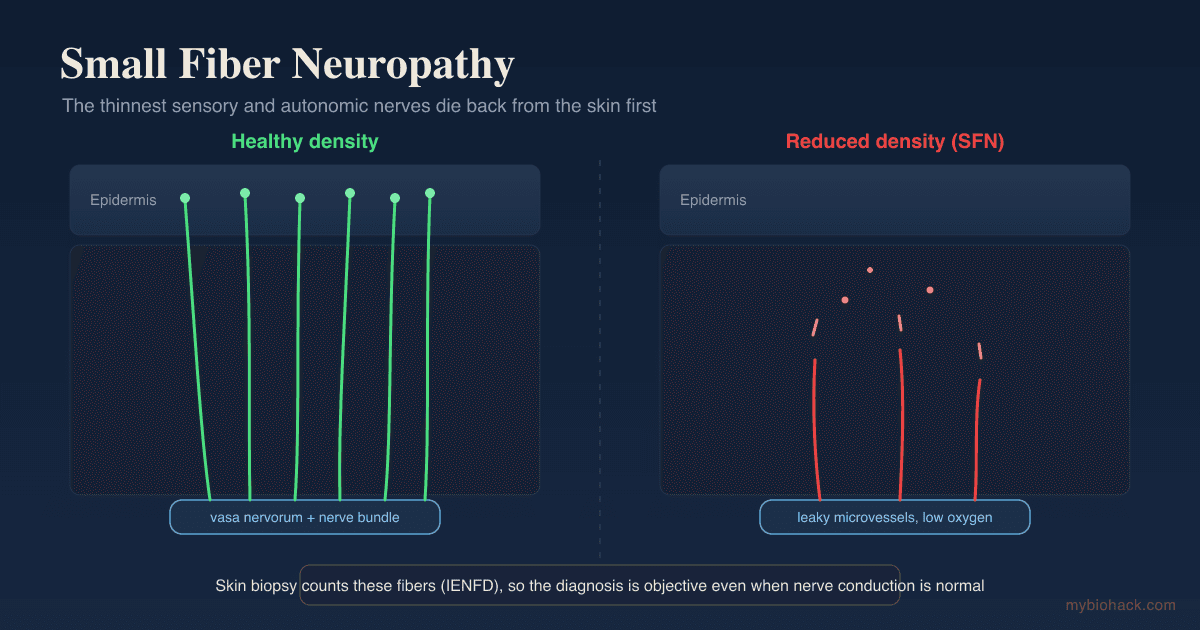
The C fibers have no myelin sheath, the A-delta fibers have only a thin one, and both have free nerve endings that climb up into the epidermis where they are counted on a skin biopsy.
Because they are tiny, distal, and unmyelinated, they depend heavily on their own microcirculation and on a healthy redox environment to survive.
Anything that starves them of oxygen, floods them with oxidative stress, or makes them electrically unstable will preferentially injure them first.
There are three broad ways the fibers get hurt, and most chronic cases involve more than one.
The metabolic route is the diabetic and prediabetic mechanism.
Excess glucose and lipid flux into the nerve overwhelms mitochondrial capacity, generates reactive oxygen species, glycates proteins, and degrades the microvessels (the vasa nervorum) that feed the nerve.
The nerve ending is at the far end of a long supply line, so it degenerates from the tip backward.
The immune route is the autoimmune and post-viral mechanism.
Chronic interferon and cytokine signaling, complement deposition, and antibodies targeting nerve or perineural structures drive inflammation right at the small fibers.
This is the pattern in Sjogren's, sarcoidosis, celiac disease, and the post-COVID cases, and it is why some of these respond to immunotherapy.
The channelopathy route is the genetic mechanism.
Gain-of-function mutations in the sodium channels that the small fibers use to fire make the neurons hyperexcitable, and that chronic over-firing appears to be neurotoxic over time, causing the fibers to degenerate. R
The Junction Dysfunction View
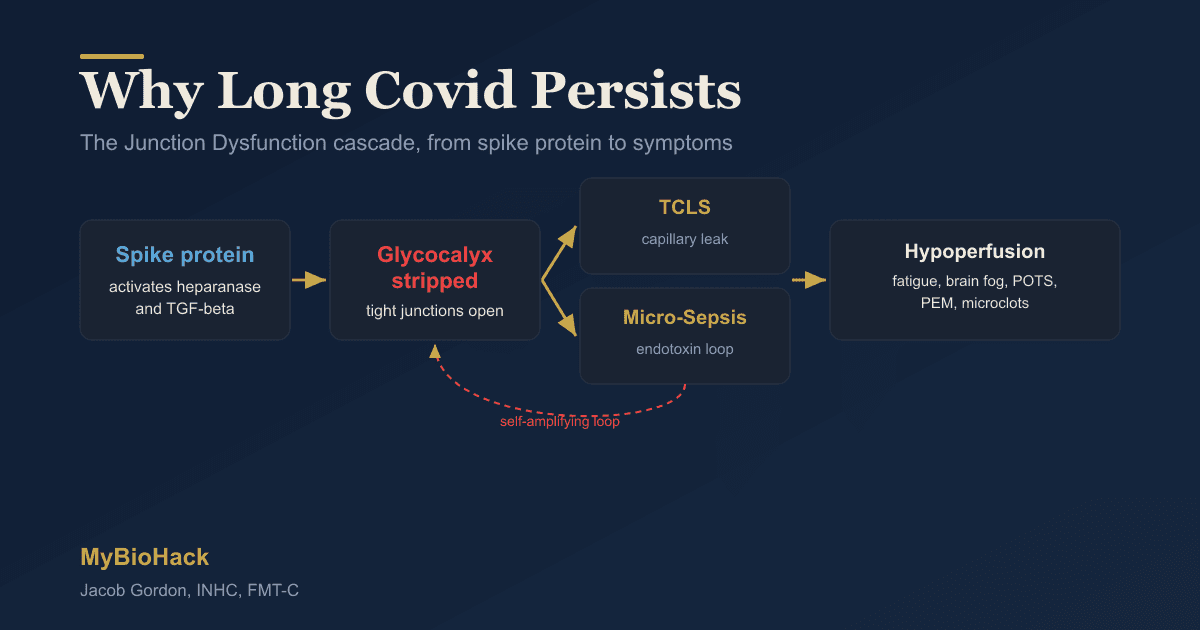
These small fibers are a near-perfect example of why I built the Junction Dysfunction (JD) framework, because they are nerves and microvessels bundled together, both wrapped in the same fragile glycocalyx that fails first in chronic illness.
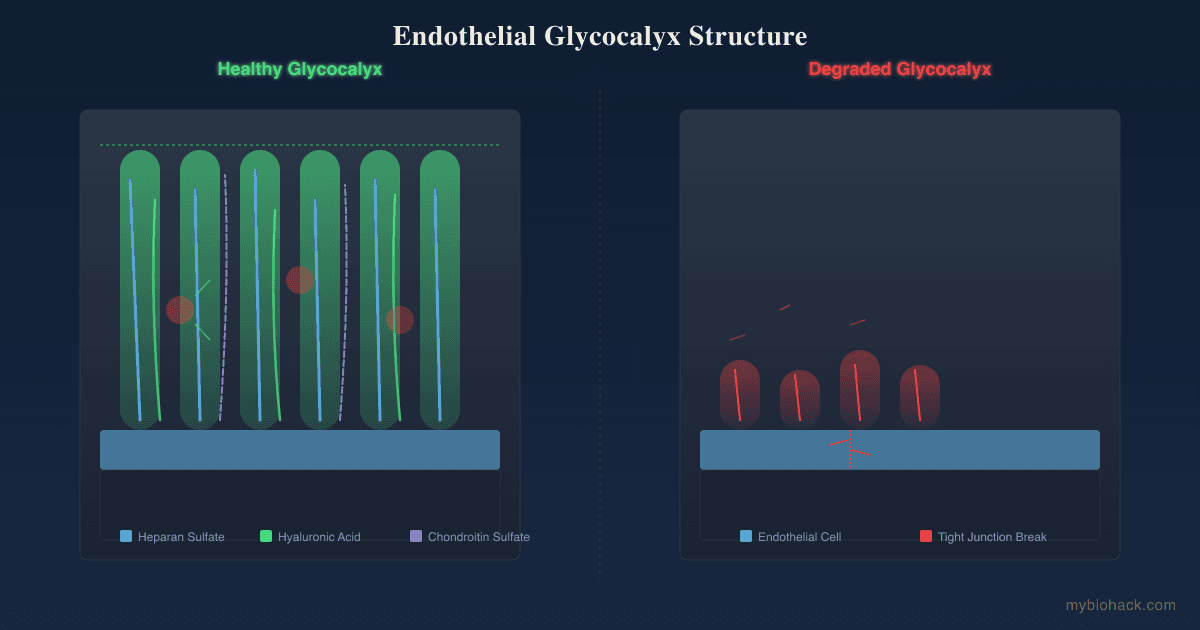
JD is the umbrella pathology that develops when the glycocalyx, the sulfated sugar coating on the inside of your vessels and around your cells, breaks down.
Two sub-pathologies I coined sit underneath it.
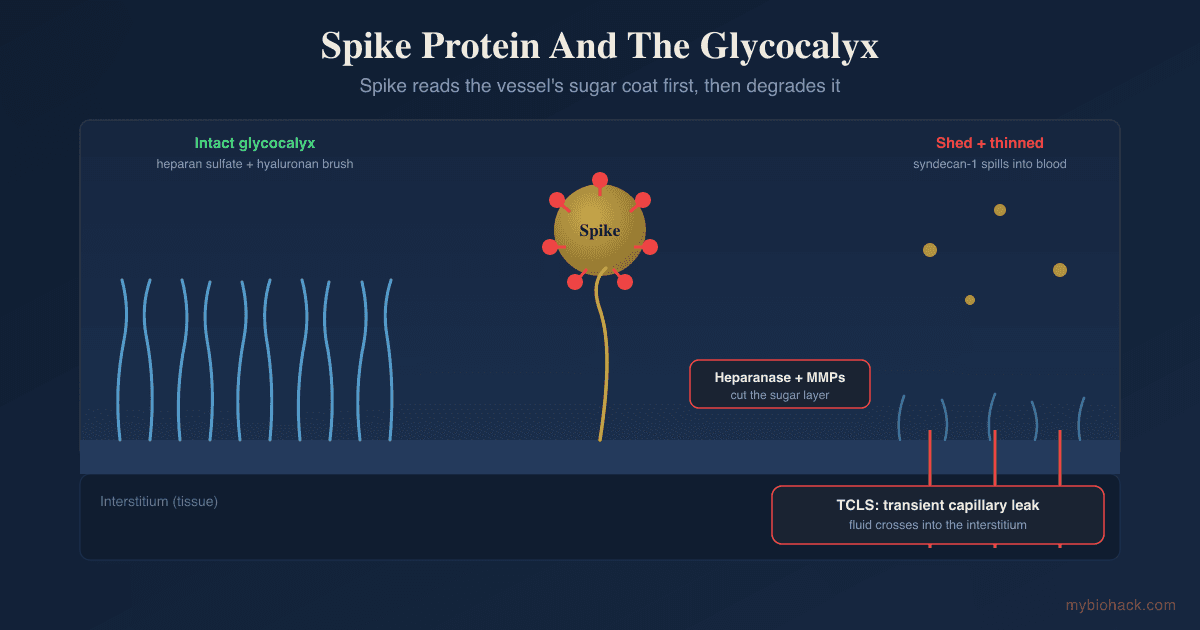
Transient Capillary Leak Syndrome (TCLS) is the micro-level leak of fluid out of the capillaries into the tissue, which causes local hypoxia and starves the nerve endings of oxygen.
Micro-Sepsis (MSS) is the chronic, sub-lethal endotoxin and inflammation load that keeps the immune system stuck and the nerve environment toxic.
My hypothesis is that small fibers degenerate in post-viral illness because the glycocalyx on the vasa nervorum and on the nerves themselves is shed, which lets toxins in and chokes off oxygen, and because the kynurenine shunt floods the area with neurotoxic metabolites.
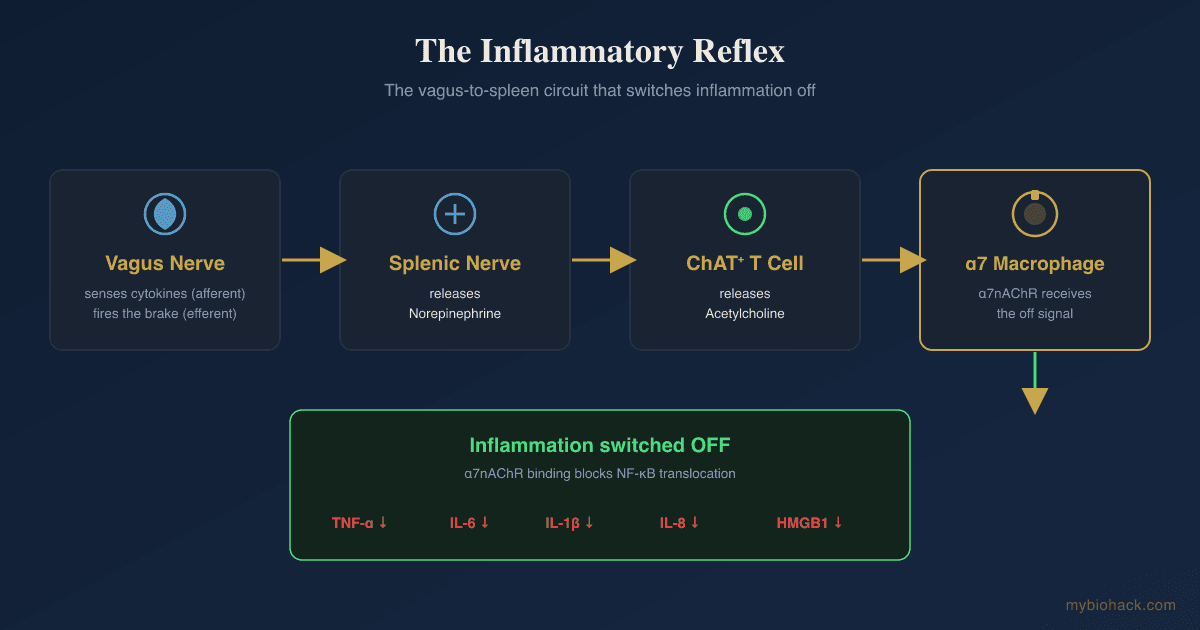
When chronic interferon signaling turns on the IDO1 enzyme, tryptophan is pulled away from serotonin and melatonin and pushed into quinolinic acid, an NMDA agonist that is directly neurotoxic to these fibers.
I go through this entire cascade in the JD chapter on tryptophan, the kynurenine pathway, and the vagus nerve, and the actual fiber breakdown sequence in the chapter on nerve injury and Wallerian degeneration.
The mainstream calls this "idiopathic" or "autoimmune." I think a large share of it is glycocalyx failure plus a stuck wound healing cycle, and the antibodies are showing up to clean the debris, not to start the fire.
That last point is my framing, not settled science, so hold it loosely.
Small Fiber Neuropathy And Overlapping Conditions
SFN does not stay in its lane, and it shows up inside several conditions that are usually treated as separate diagnoses.
This overlap is the single biggest reason it gets missed.
Postural orthostatic tachycardia syndrome (POTS) is the clearest example.
A meaningful subset of POTS is neuropathic, meaning these patients have measurable small-fiber loss on skin biopsy and abnormal autonomic testing that explains their orthostatic tachycardia. R
In the JD framework I argue POTS is misnamed and should be split into Vaso-Adaptive Disorder (VAD) and Adrenergic-Based VAD (ABVAD), because the core problem is loss of microvascular adaptation, not a primary heart-rate disorder.
The autonomic small fibers that fail in SFN are the same ones that should be constricting your vessels when you stand up.
I cover this in the post on root causes of POTS and the JD chapter on microcapillaries and vascular POTS.
Fibromyalgia is the most contested overlap.
Multiple skin-biopsy studies have found that roughly 30 to 50% of fibromyalgia patients have reduced nerve fiber density, and the reduction extends to the autonomic small fibers as well. R
This does not mean fibromyalgia is "just" SFN, and the IENFD loss is usually milder than in classic SFN, but it does mean that a chunk of people carrying a fibromyalgia label have objective small-fiber pathology that is worth confirming. R
Long COVID brought SFN into the mainstream conversation.
In a long COVID cohort, 63% of skin biopsies confirmed small fiber neuropathy, the onset was usually within a month of infection, and many patients responded to immunotherapy. R
A later case-control study found the same SFN signal after both COVID-19 infection and, in some cases, vaccination, which fits the spike-protein and glycocalyx mechanism I have written about elsewhere. R
This is the same population I describe in the long COVID natural treatment protocol and the JD chapter on rebuilding the glycocalyx.
Mast cell activation syndrome (MCAS) overlaps more than people expect.
In one study, small fiber neuropathy was found in 81% of MCAS patients and 80% of those with hereditary alpha tryptasemia, alongside reduced orthostatic cerebral blood flow. R
Mast cells sit right next to nerve endings, degranulate in hypoxic connective tissue, and release mediators that both sensitize and damage small fibers, which is why I treat the gut serotonin and mast cell axis as part of the same problem rather than a separate one.
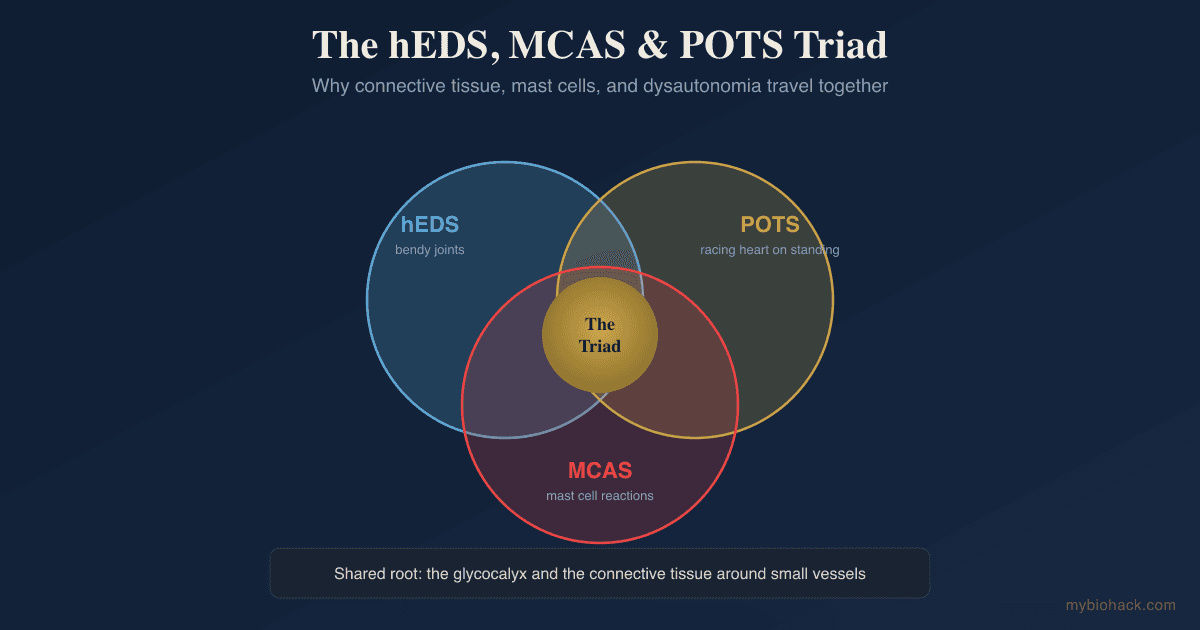
The thread connecting POTS, fibromyalgia, long COVID, and MCAS is autonomic small-fiber damage on a background of microvascular and glycocalyx dysfunction.
That is the JD lens, and it is why I do not treat these as four unrelated diagnoses.
How To Improve Small Fiber Neuropathy
The first rule is that the protocol is downstream of the root cause.
SFN is a final common pathway, so a B12-deficiency case, a prediabetic case, a Sjogren's case, and a channelopathy case need different primary moves even though they share supportive care.
Find the cause with the testing below, fix that, and then layer on the regenerative and symptomatic support.
1. Treat The Root Cause First
If glucose handling is the driver, the highest-yield intervention is metabolic, not a supplement.
Restoring insulin sensitivity through a low-glycemic, low-lectin diet, time-restricted eating, and exercise within tolerance has been shown to improve small-fiber function in prediabetic neuropathy. R
If B12 is low, parenteral or high-dose methylcobalamin corrects the deficiency, since absorption is usually the problem, not intake. R
If celiac or gluten reactivity is driving it, a strict gluten-free approach is the actual treatment, and I cover why gluten is only part of the problem in the post on prolamine intolerance.
If an autoimmune disease is found, that disease gets treated, and the SFN often follows.
2. Alpha-Lipoic Acid
Alpha-lipoic acid is the best-studied antioxidant for neuropathy.
Across randomized trials it reduces neuropathic symptoms and improves nerve function, working by lowering oxidative stress and improving the microcirculation that feeds the nerve. R
The strongest data are intravenous, but oral dosing of 600 mg daily is the practical version, and the original multicenter trials established its safety. R
I wrote about a more bioavailable R-form approach in the post on alpha-lipoic acid and ALAnerv alternatives.
3. Acetyl-L-Carnitine
Acetyl-L-carnitine is one of the few agents that has shown actual nerve fiber regeneration rather than just symptom relief.
In two 52-week randomized placebo-controlled trials it improved pain and increased sural nerve fiber numbers and regenerating fiber clusters. R
It also supports mitochondrial fatty-acid metabolism, which matters because these distal fibers are energy-starved.
4. B Vitamins, Done Correctly
Beyond fixing an outright B12 deficiency, the methylated B vitamins support myelin, axonal repair, and the methylation cycle that keeps homocysteine from rising.
A B-complex with methylfolate and P5P plus benfotiamine, a fat-soluble thiamine that addresses the glucose-driven damage pathways, is the standard supportive stack.
If you have methylation variants, get the form right, which I explain in the complete methylation guide.
5. Mitochondrial And Anti-Inflammatory Support
The supportive layer, alphabetical:
- CoQ10 for mitochondrial electron transport in the energy-starved distal axon
- Curcumin to lower NF-kB-driven neuroinflammation
- Magnesium L-threonate for NMDA modulation and central pain dampening
- Omega-3 fish oil because DHA supports nerve membranes and has shown corneal nerve regeneration signals in diabetic neuropathy
- Palmitoylethanolamide (PEA), an endogenous fatty-acid amide that calms mast cells and glia and has reasonable neuropathic pain data
6. Address The Autonomic And Glycocalyx Layer
If your SFN is autonomic-predominant or overlaps POTS, the vascular and glycocalyx work matters as much as the nerve work.
That means rebuilding the glycocalyx, supporting the vagus and parasympathetic tone, and treating the microvascular leak, which is the entire focus of the glycocalyx rebuild chapter.
For autoimmune and antibody-positive cases, immunotherapy such as IVIG is used clinically and helps some patients, although the evidence is genuinely mixed, and I detail that in More Research.
7. Limbic And Nervous System Retraining
I do not see people with chronic neuropathic pain get fully better with supplements and modalities alone.
Central sensitization is real, and the longer the pain runs the more the brain amplifies it.
Limbic retraining, vagal work, and nervous-system down-regulation are foundational here, not optional add-ons.
What To Stay Away From
- Alcohol, which is directly neurotoxic to small fibers and depletes the B vitamins they need
- Blind L-arginine and nitric-oxide boosters, which can drive peroxynitrite formation and oxidative nerve damage when your BH4 and redox enzymes are already strained, and can reactivate latent viruses
- High-glycemic and high-AGE diets, which feed the exact glucose and glycation pathways that degrade the nerve and its microvessels
- NGF-raising agents in a sensitized state, since nerve growth factor amplifies pain signaling and mast cell degranulation in already-irritated tissue (see the post on nerve growth factor and what to avoid)
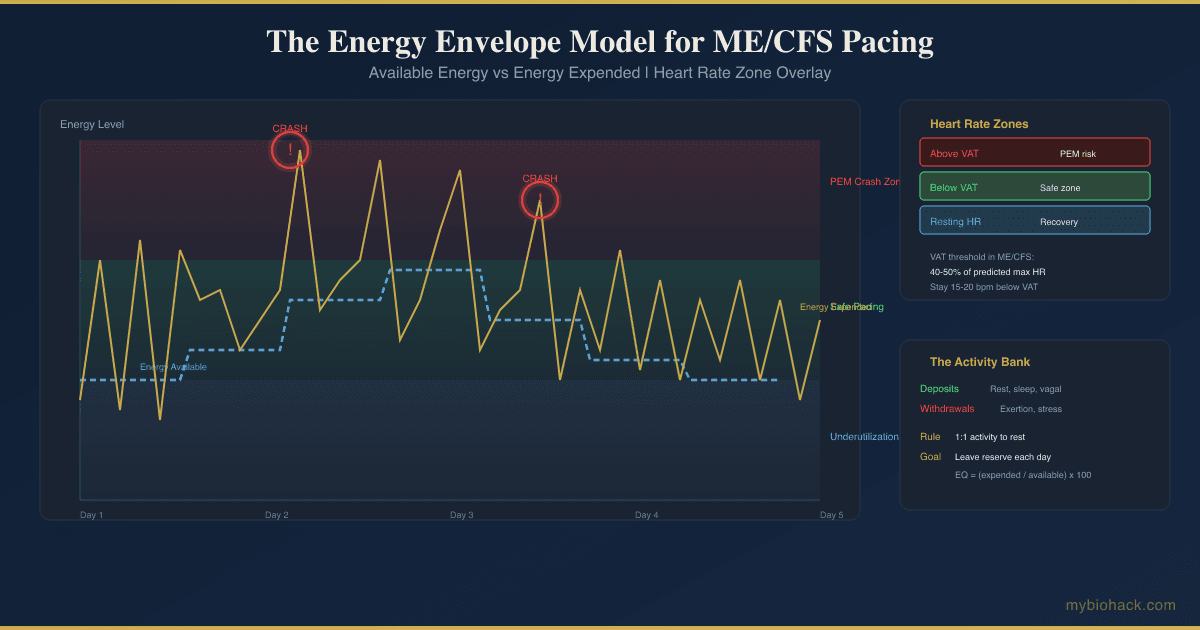
- Overexertion and push-crash exercise, which worsens post-viral and autonomic SFN rather than reconditioning it
- Smoking and nicotine via combustion, which constricts the microvessels that feed the nerve
- Statin and chemotherapy neurotoxicity ignored, meaning if a drug started your neuropathy, that needs an honest conversation with the prescriber rather than stacking supplements on top
Testing
The goal of testing is two-fold: confirm the small fibers are actually damaged, and find the cause so the treatment is targeted instead of generic.
Confirming The Neuropathy
The gold standard is a 3 mm punch skin biopsy from the distal leg with Intraepidermal Nerve Fiber Density (IENFD) quantification, which counts the small fibers climbing into the epidermis and reaches a sensitivity up to 94% and specificity up to 97%. R
A second biopsy from the proximal thigh helps establish whether the pattern is length-dependent or non-length-dependent, and the non-length-dependent pattern points more toward an immune cause. R
These biopsies are run through specialized neuropathology labs such as Therapath through a neurologist, and this is exactly the kind of workup I help clients organize on a consult.
Autonomic and functional confirmation comes from the Quantitative Sudomotor Axon Reflex Test (QSART), which measures postganglionic sweat-nerve function, alongside quantitative sensory testing and tilt-table testing when POTS overlaps. R
Corneal confocal microscopy is a promising noninvasive alternative that images the small nerves of the cornea, though it is not yet widely available.
Blood And Urine Markers For The Cause
Every one of these maps to a comprehensive panel in the store so you can run them in bundles rather than one at a time.
I use the Cardio Zoomer (Vibrant Wellness) to assess fasting insulin, HOMA-IR, ApoB, triglycerides, and the metabolic markers behind prediabetic and metabolic-syndrome SFN, with the Insulin Resistance Panel (Quest) as a focused alternative.
I use the Nutrient Zoomer (Vibrant Wellness) to assess B12, folate, B6, and copper status, and the Homocysteine plus B12 and Folate (Quest) panel when I want to confirm a functional B12 deficiency, since methylmalonic acid and homocysteine rise before serum B12 falls. R
I use the Immune Zoomer (Vibrant Wellness) to assess systemic autoantibodies including the Sjogren's markers (SSA/SSB), ANA, and the autoimmune drivers found in roughly a fifth of SFN patients. R
I use the Neural Zoomer (Vibrant Wellness) to assess blood-brain-barrier integrity, demyelination, and peripheral nerve autoantibodies.
I use the Foundation Zoomer (Vibrant Wellness) for the baseline CBC, metabolic panel, and thyroid, with the Thyroid Panel (Quest) as a standalone option.
I use the Toxin Zoomer (Vibrant Wellness) to assess heavy metals, mycotoxins, and environmental chemicals when a toxic body burden is on the table.
For the genetic and methylation layer, the Methylation Genetics panel covers MTHFR, MTR, MTRR, and COMT, which informs which B-vitamin forms to use.
Specialty Autoimmune And Genetic Testing
The TS-HDS, FGFR3, and Plexin D1 autoantibodies associated with immune-mediated SFN are run through specialty labs and are worth ordering in non-length-dependent or rapidly progressive cases. R
Sodium channel sequencing for SCN9A, SCN10A, and SCN11A is the test for the channelopathy cases described in the Genetics section, especially when symptoms began early in life or run in the family. R
Provocation Testing
An oral glucose tolerance test catches the impaired glucose tolerance that a normal fasting glucose and even a normal A1c can miss, and this is the single most commonly overlooked reversible cause. R
If gut symptoms or gluten reactivity are present, evaluate for celiac disease with tissue transglutaminase and gliadin antibodies before committing to a lifelong gluten-free diet.
Mechanisms Of Action
Simple:
- Small nerve fibers are tiny, unmyelinated, and live at the far end of a long supply line, so they are the first to die when oxygen drops, oxidative stress rises, or they are forced to fire too much.
- Diabetes kills them with sugar and oxidative stress, autoimmunity kills them with inflammation and antibodies, and genetics can make them fire themselves to death.
- Fixing the cause and then feeding the nerve with antioxidants and mitochondrial support is how the fibers grow back.
Advanced:
- Metabolic oxidative injury. Hyperglycemia and lipotoxicity overload the polyol and hexosamine pathways and the mitochondrial electron transport chain in distal axons, generating reactive oxygen species, advanced glycation end products, and microangiopathy of the vasa nervorum, producing length-dependent dieback. Alpha-lipoic acid intervenes by regenerating glutathione and improving endoneurial blood flow. R
- Sodium channelopathy hyperexcitability. Gain-of-function variants in Nav1.7, Nav1.8, and Nav1.9 shift channel activation to hyperpolarized potentials, impair inactivation, and increase resurgent current, rendering dorsal root ganglion neurons hyperexcitable, and the resulting sustained depolarization and calcium loading appears to drive degeneration of the very fibers expressing the channel. R
- Immune and kynurenine-mediated injury. Chronic interferon signaling activates IDO1, shunting tryptophan toward quinolinic acid, an NMDA agonist that is excitotoxic to small fibers, while complement and antibodies against perineural targets add direct immune injury, which is the mechanism I tie to glycocalyx loss on the vasa nervorum in the Wallerian degeneration chapter.
- Glycocalyx and TCLS-driven hypoxia. In the JD model, shedding of the endothelial glycocalyx on the microvessels feeding the nerve opens tight junctions, produces transient capillary leak and local hypoxia, and lets neurotoxins reach the axon, which I frame as a primary upstream driver rather than a consequence, and which remains my hypothesis rather than consensus.
Genetics
The voltage-gated sodium channels expressed preferentially in small-fiber neurons are the genetic core of SFN, and gain-of-function variants make the neurons hyperexcitable and prone to degeneration.
SCN9A (Highest Population Risk)
SCN9A encodes the Nav1.7 sodium channel, a threshold channel that amplifies depolarization in nociceptive neurons.
Gain-of-function mutations cause the channel to activate too easily and fail to fully inactivate, leaving the neuron chronically over-excited.
Gain-of-function Nav1.7 variants were found in 28.6% of patients meeting strict criteria for idiopathic SFN, making this the most common identifiable genetic cause. R
SCN10A
SCN10A encodes the Nav1.8 sodium channel, which carries most of the inward current during the action potential upstroke in these neurons.
Gain-of-function variants shift activation to more hyperpolarized potentials and increase excitability of dorsal root ganglion neurons.
SCN10A mutations have been identified in a smaller subset of painful SFN, on the order of a few percent of cases. R
SCN11A
SCN11A encodes the Nav1.9 sodium channel, which sets resting potential and subthreshold excitability.
Gain-of-function variants depolarize the resting membrane and lower the firing threshold, and they have been linked to painful peripheral neuropathy. R
Other SCN11A variants paradoxically cause insensitivity to pain, which shows how sensitive these neurons are to the exact biophysical effect of a given mutation.
More Research
For autoantibody testing I use the immune and neural panels noted above, because the antibody-positive cases are the ones most likely to respond to immunotherapy, and I want that information before recommending anything aggressive.
Antibodies in SFN may be cleanup signatures rather than the primary attack, which is my framing across the JD work, where I argue that antibodies like anti-myelin and anti-GPCR tag debris from an inflammatory cascade rather than initiating it.
The mainstream position is that TS-HDS, FGFR3, and Plexin D1 antibodies may be directly pathogenic, and both views can partly be true.
Hold the cleanup framing as a hypothesis, not as settled science.
Corneal confocal microscopy is emerging as a noninvasive way to track small-fiber regeneration over time, which matters because it lets you measure whether a protocol is actually rebuilding nerves rather than just masking pain.
IVIG evidence is genuinely mixed.
In antibody-positive and non-length-dependent cases, open-label series report substantial improvement in nerve fiber density and pain, with one series showing a 55% mean improvement in epidermal nerve fiber density. R
A double-blind placebo-controlled pilot in TS-HDS and FGFR3 antibody-positive patients failed to show a benefit on nerve fiber density, although it was underpowered for pain. R
The honest read is that immunotherapy helps a real subgroup but is not a blanket answer, and patient selection by antibody status and biopsy pattern is the deciding factor.
Mast cell disorders deserve a closer look in unexplained SFN, since small fiber loss was found in roughly 80% of MCAS and hereditary alpha tryptasemia patients in one cohort, which suggests mast-cell-directed therapy may be part of the protocol in that overlap group. R
Metabolic drivers extend beyond glucose.
Dyslipidemia, obesity, and the full metabolic syndrome are independent neuropathy risk factors, so a "normal" A1c does not rule out a metabolic cause, and the oral glucose tolerance test plus a lipid and insulin panel catches what fasting glucose misses. R
Post-viral SFN is reframing how we think about long COVID and post-vaccination syndromes, because the same small-fiber signal appears after both, and the early, often immunotherapy-responsive course points to infection-triggered immune dysregulation on a background of the glycocalyx injury I describe in the JD framework. R R
Jacob Gordon
INHC, FMT-C
Integrative Nutrition Health Coach
I cover mold illness, post-viral recovery, methylation, and complex chronic disease, drawing on ten years of clinical research, work inside a functional medicine clinic, and my own recovery from all of it. Every claim here is cited.
Book a ConsultationRelated Protocols & Supplements
Deep-dive chapters and recommended supplements for this topic
Electrolyte Complex
1 scoop/day
CoQ10
200mg/day
Magnesium Glycinate
400mg at bedtime