CoQ10 And Ubiquinol: Mitochondrial Energy, Statin Depletion, And Aging
By Jacob Gordon, INHC, FMT-CThis article contains affiliate links. As an Amazon Associate, MyBioHack earns from qualifying purchases at no extra cost to you. We only link products we research and stand behind.
Coenzyme Q10 is one of the most widely recommended mitochondrial supplements, and it is also one of the most oversold, with an entire marketing industry built around the claim that one form of it is dramatically better than the other.
In this post, we will discuss what CoQ10 actually does, whether ubiquinol is really superior to ubiquinone, why formulation matters more than the redox form on the label, how statins deplete it, what the strongest cardiovascular trials actually found, and where the evidence for migraine, fertility, exercise, and mitochondrial disease genuinely stands.
What Is CoQ10
Coenzyme Q10 (CoQ10) is a fat-soluble, vitamin-like compound present in the membranes of nearly every cell in the body. R
It is concentrated in the inner mitochondrial membrane, where it functions as a required cofactor for the electron transport chain. R
Endogenous CoQ10 synthesis and tissue concentrations peak around age 20 and decline progressively afterward. R
Blood CoQ10 levels track the same downward trend with age. R
Dietary intake contributes only a small fraction of total body CoQ10, so most of what determines someone's status is biosynthesis, not food, which is why disease, drugs, and aging move the needle far more than diet does. R
Ubiquinone Vs Ubiquinol
CoQ10 exists in two interconvertible redox states, the oxidized Ubiquinone and the reduced Ubiquinol, and the body shuttles between them continuously. R
Because the two forms interconvert in circulation, a single blood draw captures a moving equilibrium, not a fixed identity, which already complicates the marketing claim that one form is simply "the active one." R
Ubiquinol is also chemically unstable and oxidizes to ubiquinone on contact with air, light, and stomach acid, so a meaningful fraction of an oral ubiquinol dose converts to ubiquinone before it is ever absorbed. R
An entire supplement category was built on the claim that ubiquinol absorbs dramatically better than ubiquinone, and I want to be direct that the review most often cited for that "75% less bioavailable" figure was written by employees of a company that manufactures CoQ10 supplements, which does not make it wrong but does mean it should not be treated as neutral. R
The best independent head-to-head human trial I found, in healthy elderly adults, compared several commercial CoQ10 products across both redox forms and found that formulation technology explained far more of the variance in plasma absorption than which redox form the product started as. R
A separate review comparing ubiquinone and ubiquinol supplementation for cardiovascular disease prevention across 28 clinical trials found no consistent advantage for ubiquinol over ubiquinone on hard cardiovascular outcomes. R
Notably, both of the largest cardiovascular outcome trials in this field, Q-SYMBIO and KISEL-10, used plain ubiquinone, not ubiquinol, which undercuts the idea that ubiquinol is the only form with real clinical evidence behind it. R R
My honest read of this evidence is that ubiquinol is not proven inferior to ubiquinone, but the absorption advantage most brands advertise is a much larger claim than the comparative human data actually supports, and the outcome trials that matter most were run on the cheaper form.
Formulation Matters More Than Redox Form
Bioavailability depends heavily on how the CoQ10 crystal is dispersed within the capsule, independent of whether it started as ubiquinone or ubiquinol. R
Powdered, dry-filled CoQ10 in a capsule is the worst-absorbed format because CoQ10 crystals are essentially insoluble in water, and the gut has almost no way to access them without a lipid carrier to dissolve them first. R
Oil-based softgel suspensions, where CoQ10 is pre-dissolved in an oil carrier before it reaches the capsule, outperform dry powder because the digestive tract absorbs dissolved CoQ10 through the same lymphatic pathway it uses for dietary fat. R
Solubilized, crystal-free formulations that use surfactants or self-microemulsifying delivery systems to keep CoQ10 dispersed in a liquid state before ingestion show meaningfully higher absorption than standard oil suspensions in direct pharmacokinetic testing. R
In practical terms, a well-formulated ubiquinone softgel can outperform a poorly formulated ubiquinol capsule, and the redox form printed on the label tells you less about expected blood levels than the delivery technology does. R
When I am choosing a product, I look for CoQ10 Softgels or Ubiquinol that state a solubilized or oil-suspension formulation on the label rather than a plain powder-filled capsule.
Statin-Induced CoQ10 Depletion
Statins work by inhibiting HMG-CoA Reductase, the rate-limiting enzyme of the mevalonate pathway. R
The mevalonate pathway does not only make cholesterol, it is also the same pathway the body uses to synthesize CoQ10, so blocking it upstream of cholesterol synthesis reduces CoQ10 output at the same time. R
This part is not controversial; what remains genuinely disputed is how much clinical impact that depletion has.
Multiple meta-analyses confirm that statin therapy measurably lowers circulating CoQ10 concentrations. R
The leading hypothesis for statin-associated muscle symptoms (SAMS) is that reduced intramuscular CoQ10 impairs mitochondrial energy production in skeletal muscle, though this remains a hypothesis rather than a proven mechanism. R
Multiple meta-analyses of CoQ10 supplementation in statin users found it reduced muscle pain scores and improved adherence to statin therapy. R R R
A more recent 2025 meta-analysis reached a similar conclusion, with pooled trial data continuing to lean toward benefit. R
Individual trials are messier than the pooled meta-analyses suggest.
A 2014 randomized trial found CoQ10 reduced mild-to-moderate statin-related muscle symptoms. R
A 2022 double-blind, placebo-controlled trial in statin-treated patients also found a symptom benefit. R
But a well-controlled 2015 trial that specifically enrolled patients with confirmed statin myopathy on rechallenge found no evidence that CoQ10 reduced muscle pain compared to placebo. R
This is a real MAYBE, not a settled recommendation.
The pooled meta-analyses lean positive, but the single highest-rigor trial in patients with confirmed myopathy was null, and much of the positive literature comes from smaller or open-label studies.
In my own practice, CoQ10 is worth trying in statin users reporting muscle symptoms because the downside risk is low and the mechanism is biologically plausible, not because the trial evidence guarantees it will resolve the symptoms.
Heart Failure And Cardiovascular Disease
Heart failure is where CoQ10 has its strongest human outcome data of any indication.
The Q-SYMBIO trial randomized 420 patients with moderate-to-severe chronic heart failure to ubiquinone 100 mg three times daily or placebo, added on top of standard heart failure therapy, and followed them for two years. R
The results were substantial: cardiovascular mortality was 9% in the CoQ10 group versus 16% on placebo, all-cause mortality was 10% versus 18%, and the composite of major adverse cardiovascular events occurred in 15% of the CoQ10 group versus 26% on placebo. R
Hospital admissions for heart failure and NYHA functional class also improved significantly in the CoQ10 group. R
A subgroup analysis restricted to the European cohort found results consistent with the full trial. R
A 2024 meta-analysis pooling 33 randomized trials of CoQ10 as adjunctive heart failure therapy found reduced all-cause mortality (RR 0.64), fewer heart failure hospitalizations (RR 0.50), lower BNP, and improved left ventricular ejection fraction, without a significant safety signal. R
Separately, the KISEL-10 trial combined selenium with CoQ10, not CoQ10 alone, in 443 healthy elderly adults from a rural Swedish municipality, and found a 49% relative reduction in cardiovascular mortality (HR 0.51) that persisted through 10 years of follow-up, four years of which happened after supplementation had already stopped. R
The protective signal was still detectable at 12-year follow-up, nearly a decade after the intervention ended. R
The KISEL-10 authors themselves describe the study as small and call the findings hypothesis-generating rather than definitive, which I think is the correct level of confidence to hold. R
Because rural Sweden sits on selenium-poor soil, I read KISEL-10 as evidence for correcting a regional selenium deficiency at least as much as it is a pure CoQ10 trial, and I would not assume CoQ10 alone replicates this result in someone with normal selenium status. R
For anyone using CoQ10 specifically for heart failure, the outcome trials tested ubiquinone at 300 mg per day split into three doses, not the 30 to 100 mg total found in most general "energy" formulas, and I would not expect a low-dose product to reproduce these results. R
Migraine Prophylaxis
CoQ10 has decent, underappreciated evidence for migraine prevention.
The first placebo-controlled trial, published in Neurology in 2005, gave 42 migraine patients CoQ10 300 mg per day and found that 47.6% achieved at least a 50% reduction in attack frequency by the third month, compared to 14.4% on placebo, a number needed to treat of about 3. R
A later double-blind trial combining CoQ10 with L-Carnitine found the combination outperformed what either component achieves alone. R
One of the most-cited trials in this space tested a fixed combination of riboflavin, magnesium, and CoQ10, and found it reduced migraine days versus placebo, though because the intervention was a fixed combination it cannot isolate CoQ10's independent contribution. R
A 2021 meta-analysis pooling the available randomized trials concluded that CoQ10 supplementation reduces migraine frequency, duration, and severity in adults, with a favorable safety profile. R
The proposed mechanism ties back to the same mitochondrial and oxidative pathways covered throughout this post: migraine is increasingly understood as having a mitochondrial energy-deficit component, which is also part of why Magnesium shows up alongside CoQ10 in the same combination trials. R
For migraine prophylaxis specifically I lean toward CoQ10 at 300 mg per day, the dose used in the strongest single trial, rather than the lower "maintenance" doses found in most multivitamins.
Fertility: Sperm And Oocyte Quality
CoQ10's fertility case rests on reducing oxidative damage to gametes, which are unusually vulnerable to reactive oxygen species because of their high mitochondrial density and comparatively limited antioxidant reserve. R
In men, a 2013 meta-analysis found CoQ10 supplementation improved sperm concentration and motility in men with idiopathic infertility. R
A more recent 2025 systematic review and meta-analysis reached similar conclusions on semen parameters, though effect sizes vary widely across the included trials. R
A comparative randomized trial found that L-Carnitine, CoQ10, and vitamin E produced broadly similar improvements in semen parameters, which suggests these interventions may be acting on overlapping oxidative pathways rather than fully independent mechanisms. R
In women, CoQ10 pretreatment before IVF has mostly been studied in poor ovarian responders and women with diminished ovarian reserve.
A randomized trial in young women with poor ovarian reserve found CoQ10 pretreatment improved ovarian response and embryo quality. R
Mechanistically, CoQ10 reduces oocyte DNA damage and apoptosis associated with reproductive aging in animal and cell models. R
An early human pilot study found CoQ10 supplementation reduced the rate of meiotic aneuploidy in oocytes retrieved during IVF-ICSI cycles. R
A 2023 network meta-analysis of CoQ10 pretreatment in poor responders undergoing IVF found improved pregnancy outcomes compared to no pretreatment, though the authors flag uneven trial quality across the field as a limitation. R
For fertility protocols, I typically see CoQ10 or Ubiquinol paired with Vitamin E and L-Carnitine, reflecting how these were combined in several of the trials above.
Exercise, Aging, And Mitochondrial Disease
Exercise
The evidence for CoQ10 improving exercise performance in healthy, non-deficient people is genuinely mixed, and I want to be honest about that rather than fold it into the more impressive heart failure data above.
An early systematic review of exercise trials found roughly half showed a modest improvement and half showed no effect at all. R
More recent dose-response meta-analyses report a small but statistically significant reduction in exercise-induced muscle damage and oxidative stress markers, without necessarily improving raw performance output. R
One of the earliest controlled trials in trained endurance athletes found no improvement in aerobic capacity with CoQ10 supplementation, and a subset of athletes performed slightly worse, a finding that has never been fully explained. R
I do not use CoQ10 as a performance supplement for healthy athletes.
The honest read of the exercise literature is closer to "probably neutral for performance, possibly helpful for recovery markers" than "probably helpful."
Aging
CoQ10 biosynthesis and tissue concentration both decline with age, tracking a broader age-related decline in mitochondrial respiratory chain efficiency. R
Complex I activity specifically has been shown to decline with age in animal models, which is directly relevant given CoQ10's role accepting electrons from Complex I. R
Mitochondrial Disease
In genetically confirmed primary and secondary mitochondrial disorders, CoQ10 is used as a cofactor replacement rather than a general antioxidant, and response depends heavily on which step of biosynthesis or mitochondrial function is impaired, which I cover in more depth in Genetics below. R
This is also the piece I connect back to Junction Dysfunction.
Jacob's hypothesis is that in long COVID, POTS, and ME/CFS, chronic hypoxic signaling driven by capillary-level dysfunction, which his framework calls Transient Capillary Leak Syndrome (TCLS), drives much of the downstream mitochondrial impairment these patients report as post-exertional malaise, rather than the mitochondria being the primary lesion.
CoQ10 and the other anaerobic respiration cofactors are supportive tools inside that picture, not a fix for the upstream capillary problem, which is why I treat pacing and the long COVID protocol as the foundation and CoQ10 as an adjunct rather than the other way around.
Dosage And Absorption
Clinical trial doses of CoQ10 typically range from 100 mg to 300 mg per day, with the heart failure and migraine outcome trials both landing at the upper end of that range. R
Doses up to 1,200 mg and even 2,400 mg per day have been used in neurodegenerative disease trials with a strong safety record and no dose-limiting toxicity, even though those particular trials did not show clinical benefit. R
Absorption follows a saturable, non-linear curve.
Increasing the dose increases total absorption, but the percentage absorbed falls as the dose rises, which means there is a practical ceiling past which additional CoQ10 mostly passes through unabsorbed. R
Because of this ceiling, splitting a daily dose into two or three smaller doses taken alongside meals that contain fat produces higher steady-state plasma levels than taking the same total dose all at once. R
A dose-ranging pediatric trial found that CoQ10 absorption scaled predictably with body weight and that even comparatively high doses were well tolerated. R
Because CoQ10 is fat-soluble, taking it on an empty stomach substantially reduces absorption regardless of dose or formulation, which is the single most common mistake I see people make with this supplement. R
Testing
I do not treat CoQ10 as a supplement to take blindly.
I prefer to have some evidence that mitochondrial or oxidative stress markers are actually off before committing to it long-term, and to recheck cardiovascular and lipid markers if it is being layered on top of a statin.
I use the Organic Acids Test (OAT) (Mosaic Diagnostics) to look at urinary markers of mitochondrial energy metabolism, including markers tied to CoQ10-dependent electron transport function.
I use Oxidative Stress 2.0 (Genova Diagnostics) when I want a direct read on urinary oxidative damage markers rather than inferring oxidative stress indirectly.
I use the Cellular Zoomer (Vibrant Wellness) when I want organic acids, oxidative stress, and antioxidant-related genetics combined in a single panel.
For anyone starting a statin and weighing whether to add CoQ10 preemptively, I use the Comprehensive Metabolic Panel (CMP) and Lipid Panel (Quest Diagnostics) at baseline, or the Cardio IQ Advanced Lipid Panel with Inflammation (Quest Diagnostics) when I want ApoB and inflammatory markers included in the same draw.
I use the Cardio Zoomer (Vibrant Wellness) for a broader cardiovascular and lipoprotein picture in anyone with a heart failure or cardiovascular history who is considering CoQ10.
Given how much of the KISEL-10 outcome data depends on selenium status, I check Selenium, Blood (Quest Diagnostics) rather than assuming adequacy before recommending the CoQ10-plus-selenium combination that trial actually tested.
I use the Micronutrients, Antioxidants Panel (Quest Diagnostics) or the Foundation Zoomer (Vibrant Wellness) as a general baseline before recommending long-term antioxidant supplementation.
Mechanisms Of Action
Simple:
- CoQ10 shuttles electrons through the mitochondrial electron transport chain to help generate ATP.
- It acts as a fat-soluble antioxidant inside cell membranes, protecting fats from oxidative damage.
- It supports the highest-energy-demand tissues in the body, including the heart, brain, and skeletal muscle.
Advanced:
- Electron Transport Chain Shuttle. CoQ10 accepts electrons from Complex I (NADH dehydrogenase) and Complex II (succinate dehydrogenase) and delivers them to Complex III (cytochrome bc1), a step required for the proton gradient that drives ATP synthase. R
- Lipid Peroxidation Defense. In its reduced ubiquinol form, CoQ10 neutralizes lipid peroxyl radicals within the phospholipid bilayer before they can propagate oxidative chain reactions across the membrane. R
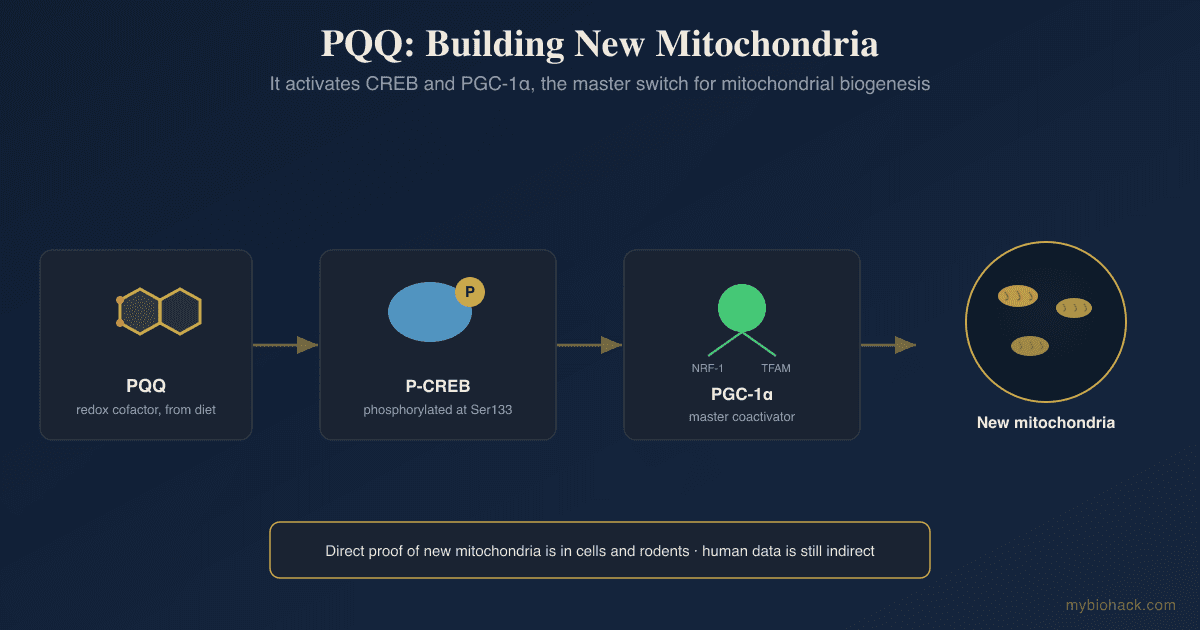
- Mitochondrial Biogenesis Signaling. CoQ10 supplementation upregulates PGC-1alpha-linked biogenesis signaling in cell and animal models, increasing mitochondrial density in response to metabolic stress. R
- NQO1-Mediated Regeneration. The enzyme NQO1 (NAD(P)H quinone oxidoreductase 1) regenerates ubiquinol from ubiquinone at the plasma membrane, functioning as an antioxidant recycling system outside the mitochondria. R
Genetics
COQ2
COQ2 encodes para-hydroxybenzoate-polyprenyltransferase, a key enzyme in the CoQ10 biosynthesis pathway.
Mutations in COQ2 were the first identified cause of primary CoQ10 deficiency, producing a severe multisystem disease combining encephalopathy, nephropathy, and myopathy. R
Genotype-phenotype correlation studies show that COQ2 variant severity predicts disease severity, and some patients respond meaningfully to high-dose CoQ10 supplementation while others do not. R
COQ6
COQ6 encodes a flavin-dependent monooxygenase required for CoQ10 biosynthesis.
COQ6 mutations cause a distinct syndrome combining steroid-resistant nephrotic syndrome with sensorineural deafness. R
This combination of kidney and hearing findings is considered a clinical clue that should prompt CoQ10 biosynthesis pathway testing rather than a standard nephrology workup alone. R
COQ8A (ADCK3)
COQ8A, formerly known as ADCK3, encodes an atypical kinase required for CoQ10 biosynthesis, even though it does not directly catalyze a biosynthetic step itself. R
COQ8A mutations cause an autosomal recessive cerebellar ataxia, sometimes accompanied by exercise intolerance, seizures, or stroke-like episodes. R
Because this represents a biosynthesis defect rather than a transport or absorption defect, high-dose CoQ10 supplementation has shown genuine clinical benefit in a subset of these patients, unlike most of the neurodegenerative uses of CoQ10 discussed in More Research below. R
NQO1 rs1800566
NQO1 encodes NAD(P)H quinone oxidoreductase 1, the enzyme that regenerates ubiquinol from ubiquinone outside the mitochondria. R
The variant rs1800566, also called C609T or Pro187Ser, destabilizes the NQO1 protein and reduces its enzymatic activity. R
Carriers of this variant have measurably lower CoQ10 status than non-carriers, which is one of the few genetic findings that plausibly predicts who benefits most from supplementation rather than relying on symptoms alone. R
More Research
- Diabetes. Meta-analyses of CoQ10 in type 2 diabetes report modest improvements in fasting glucose and HbA1c, though individual trials vary widely in dose and duration. R
- Diabetes, blood pressure. An early randomized trial found CoQ10 improved both blood pressure and glycemic control in people with type 2 diabetes. R
- Huntington's disease. A large phase 3 trial (2CARE) testing high-dose CoQ10 in early Huntington's disease found no evidence that it slowed functional decline, and the trial was stopped early after a planned futility analysis. R
- Huntington's disease, earlier trial. An earlier, smaller trial of CoQ10 combined with remacemide found only a non-significant trend toward benefit. R
- Parkinson's disease. The largest Parkinson's trial, testing CoQ10 at 1,200 mg and 2,400 mg per day in early disease, found no evidence of clinical benefit on disease progression and was stopped early for futility. R
- Parkinson's disease, ubiquinol. A smaller Japanese pilot trial of reduced CoQ10 (ubiquinol) reported some benefit on motor symptoms, but the study was small and has not been replicated at scale. R
- Secondary CoQ10 deficiency. Beyond the genetic primary deficiencies covered above, CoQ10 status is reduced in a range of acquired conditions, including statin use, aging, and several inherited metabolic disorders, and secondary deficiency is likely under-recognized because its symptoms overlap heavily with other diagnoses. R
I read the neurodegeneration data as a genuine negative for CoQ10 as a disease-modifying therapy in sporadic Parkinson's and Huntington's disease, which stands in real contrast to the clearly positive genetic biosynthesis-defect cases covered in Genetics above.
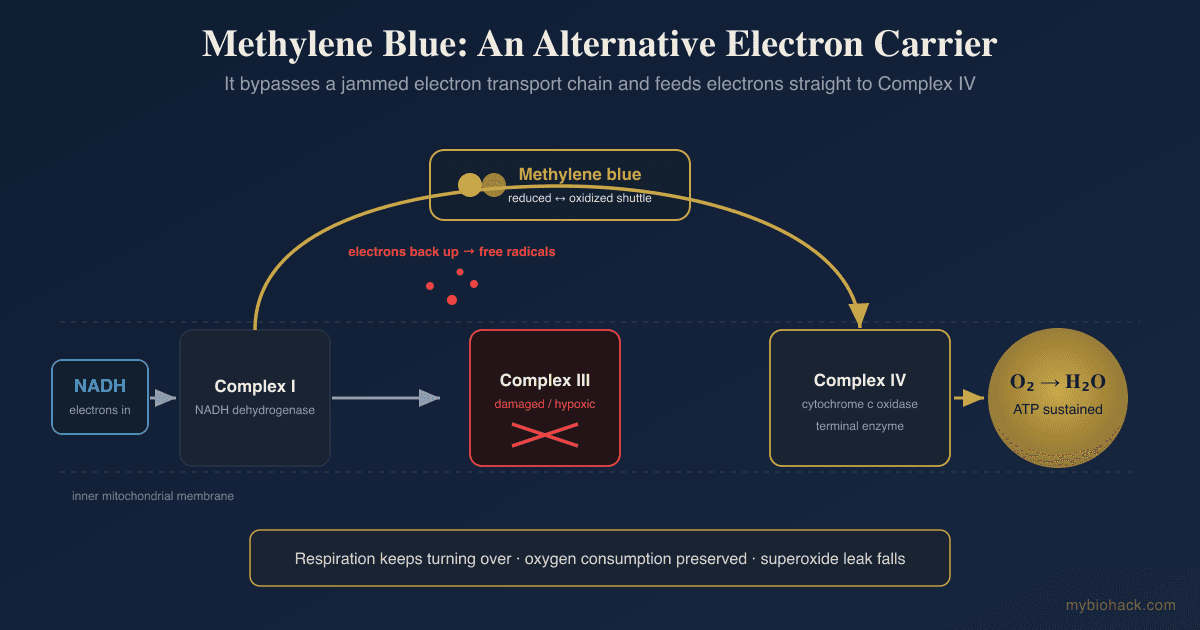
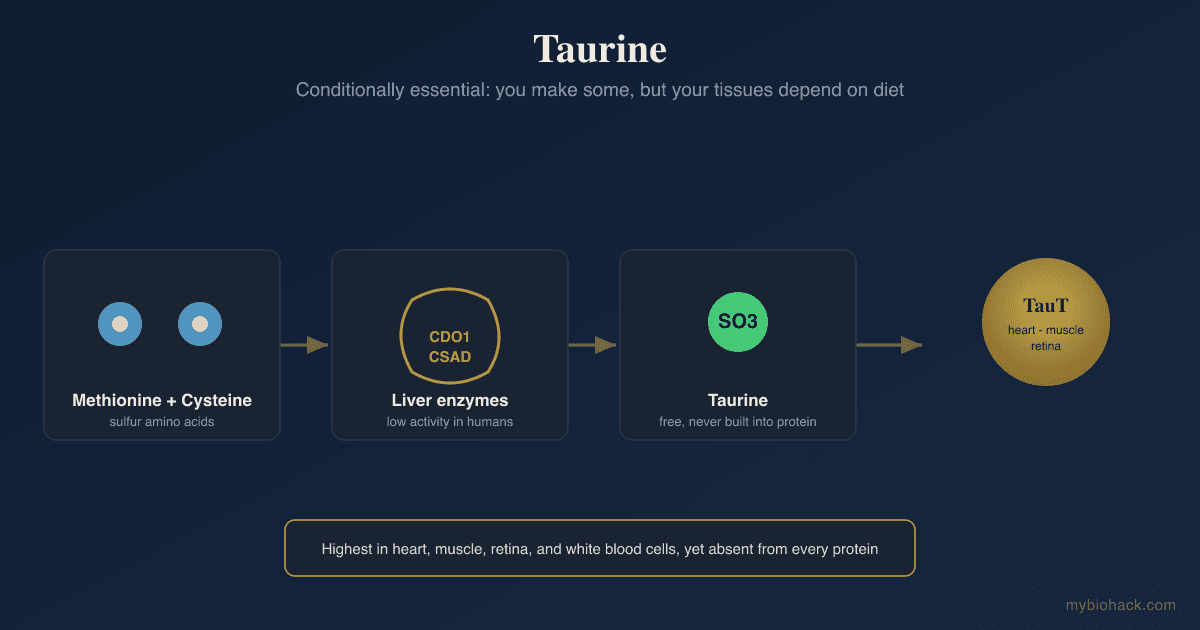
For anyone tracking mitochondrial support more broadly, I also cover PQQ, Methylene Blue, MOTS-c, Alpha Lipoic Acid, Taurine, and Creatine as adjacent tools, and the glutathione and NAC posts cover the cytosolic antioxidant side that CoQ10 does not touch directly.
For a broader look at how I think about mitochondrial dysfunction as a downstream finding rather than a root cause in chronic illness, see Mitochondrial Psychobiology.
Jacob Gordon
INHC, FMT-C
Integrative Nutrition Health Coach
I cover mold illness, post-viral recovery, methylation, and complex chronic disease, drawing on ten years of clinical research, work inside a functional medicine clinic, and my own recovery from all of it. Every claim here is cited.
Book a ConsultationRelated Protocols & Supplements
Deep-dive chapters and recommended supplements for this topic
Quercetin
500mg 2x/day
Vitamin D3 + K2
5000 IU + 200mcg/day
Magnesium Glycinate
400mg at bedtime