Selenium: Thyroid, Glutathione Peroxidase, And Viral Defense
By Jacob Gordon, INHC, FMT-CThis article contains affiliate links. As an Amazon Associate, MyBioHack earns from qualifying purchases at no extra cost to you. We only link products we research and stand behind.
Selenium is a trace mineral that most people only hear about in the context of thyroid health, but it runs 25 distinct selenoproteins that touch antioxidant defense, viral immunity, fertility, and endoplasmic reticulum function.
In this post, we will discuss the full selenoprotein map, why the thyroid guards its selenium supply harder than any other organ, the honest state of the Hashimoto's antibody research, the iodine and mercury interactions almost nobody explains correctly, the U-shaped safety curve, and how to test and dose selenium without overshooting a genuinely narrow window.
---
- What Is Selenium
- The 25 Selenoproteins
- The Selenoprotein Hierarchy
- Thyroid Function
- Glutathione Peroxidase And Antioxidant Defense
- Viral Defense
- The Iodine-Selenium Interaction
- The Mercury-Selenium Antagonism
- Forms Of Selenium Compared
- Deficiency And Toxicity
- Dosage And Food Sources
- Testing
- Mechanisms Of Action
- Genetics
- More Research
What Is Selenium
Selenium is a trace element that the body uses almost exclusively by building it into selenoproteins, a family of proteins that carry the 21st amino acid, selenocysteine (Sec). R
Selenocysteine is inserted at a UGA codon, the same codon that normally signals "stop," using a dedicated tRNA, a specialized elongation factor, and a stem-loop structure called a SECIS element in the messenger RNA. R
The human genome encodes exactly 25 selenoproteins, and that number was settled by comparative genomic screening, not an approximation. R
Because selenium's biology runs entirely through this synthesis machinery, a person can be selenium-replete on a blood test and still have a functional selenoprotein problem if the biosynthesis apparatus itself is mutated. R
The 25 Selenoproteins
Most selenium content online stops at "it helps the thyroid and it's an antioxidant."
That skips 20 of the 25 selenoproteins, so here is the actual map.
- DIO1, DIO2, DIO3 (iodothyronine deiodinases): DIO1 and DIO2 activate thyroid hormone by converting T4 into T3, while DIO3 inactivates both T4 and T3. R
- GPX1, GPX2, GPX3, GPX4 (glutathione peroxidases): These reduce hydrogen peroxide and lipid hydroperoxides using glutathione, protecting membranes, proteins, and DNA from oxidative damage. R
- SELENOF / SEP15 (selenoprotein F): An endoplasmic reticulum protein involved in protein folding quality control alongside the UDP-glucose:glycoprotein glucosyltransferase system. R
- SELENOK (selenoprotein K): An ER membrane protein that palmitoylates the IP3 receptor calcium channel, and without it, T cells, neutrophils, and macrophages can only reach about half their normal calcium-dependent activation. R
- SELENON (selenoprotein N): A sarcoplasmic reticulum protein that acts as a redox-sensitive calcium sensor for the SERCA pump in skeletal muscle. R
- SELENOP (selenoprotein P): The liver-made transport protein that carries selenium through the bloodstream to the brain, testis, and kidney, and the single best circulating biomarker of whole-body selenium status. R
- SELENOS (selenoprotein S): An ER-resident protein, also called VIMP, SEPS1, or Tanis, that helps export misfolded proteins out of the ER for degradation (ERAD) and is directly tied to inflammatory cytokine output. R
- TXNRD1, TXNRD2, TXNRD3 (thioredoxin reductases): TXNRD1 is cytosolic, TXNRD2 is mitochondrial, and both are essential for embryonic development; TXNRD3 is testis-restricted and supports sperm redox maturation. R R
The Selenoprotein Hierarchy
Selenium deficiency does not degrade all 25 selenoproteins equally.
When intake drops, the body runs a strict priority order: the brain and the thyroid gland hold onto their selenium supply, and the liver and skeletal muscle give theirs up first. R
Thyroid selenoprotein expression is so protected that it stays relatively stable even when circulating SELENOP falls, which tells you the thyroid is not simply waiting in line behind other organs for the transport protein to deliver selenium. R
This is the mechanistic reason a mildly selenium-deficient person can have a completely normal-looking thyroid panel while their liver antioxidant capacity and muscle selenoenzyme activity are already falling. R
In Jacob's framing, this hierarchy is a small, concrete example of the Self-Reorganizing Complexification System (SRCS) triaging a limited resource under stress the same way the body triages blood flow, redox capacity, and immune bandwidth during Junction Dysfunction (JD).
Thyroid Function
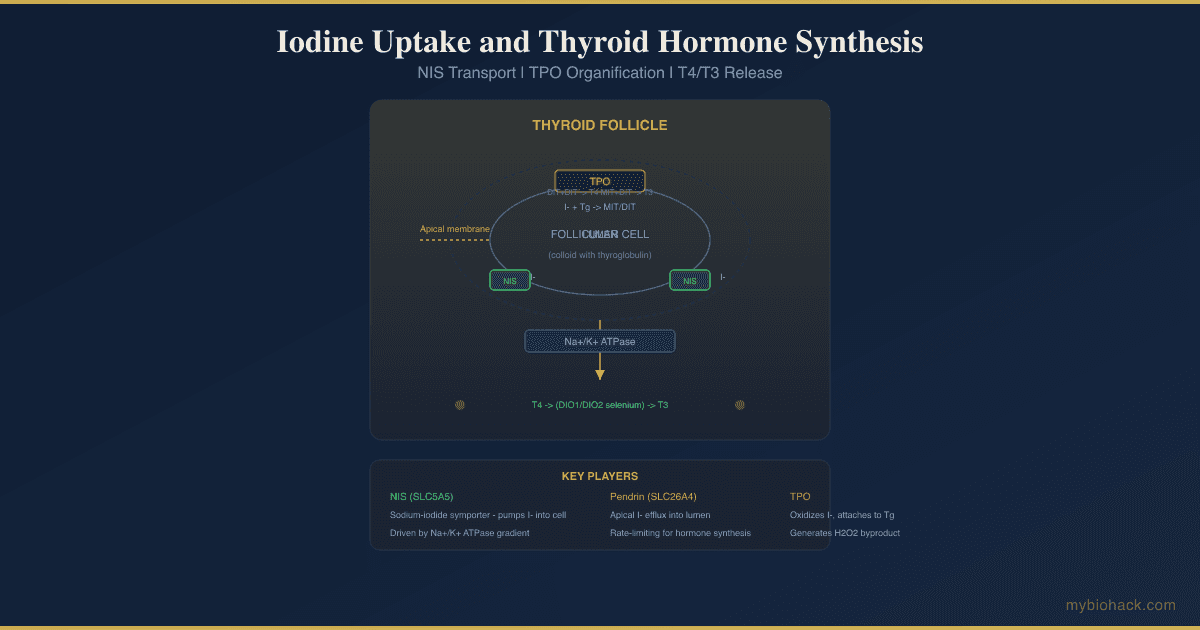
Per gram of tissue, the thyroid gland holds more selenium than any other organ in the body, which is a strong signal of how selenium-dependent thyroid biology actually is. R
Thyroid hormone synthesis itself generates hydrogen peroxide as a byproduct, and that peroxide has to be neutralized on-site or it will damage the thyrocytes making it. R
The deiodinase enzymes then do the conversion work: DIO1 and DIO2 strip an iodine atom from T4 to make the active hormone T3, while DIO3 removes a different iodine atom to inactivate T4 and T3 into reverse T3 and T2. R
Selenium deficiency measurably shifts this balance, producing a high free T4 to free T3 ratio because the activating conversion step is impaired while the hormone is still being made. R
This is the same conversion bottleneck discussed in Denis Wilson's Temperature Syndrome protocol, where people feel hypothyroid on paper-normal labs because peripheral T4-to-T3 conversion, not thyroid output, is the broken step.
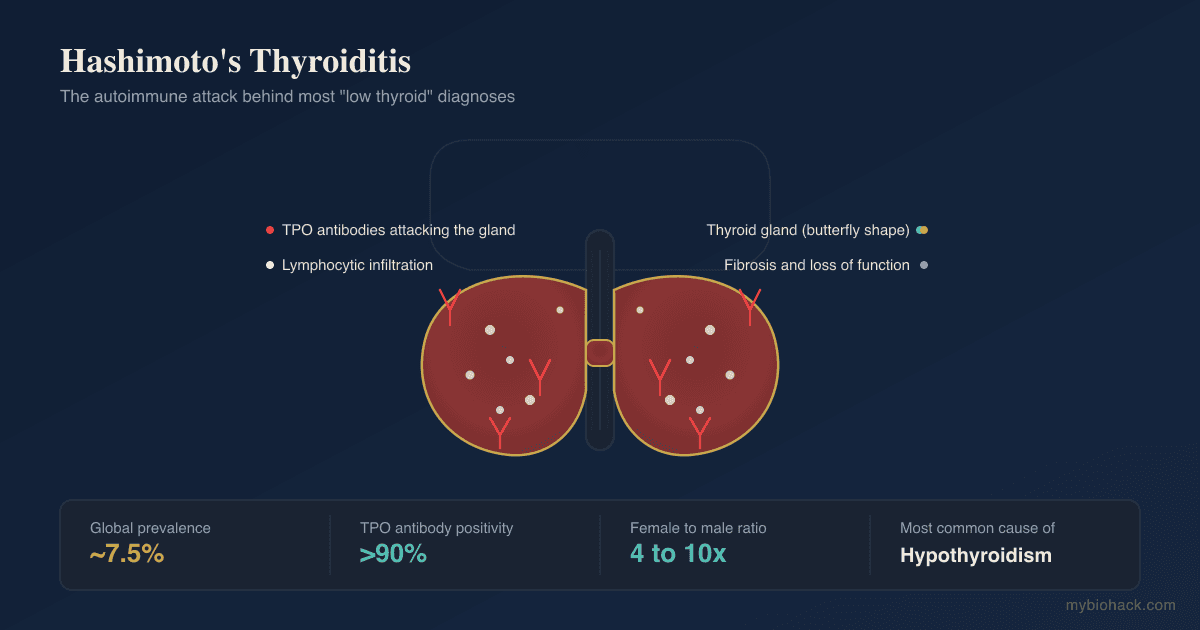
In Hashimoto's thyroiditis, selenium supplementation reliably lowers thyroid peroxidase antibody (TPOAb) titers, and a 2024 systematic review and meta-analysis of randomized trials confirmed the antibody-lowering effect at both 3 and 6 months. R
A larger 2024 to 2025 meta-analysis pooling 21 trials and over 1,600 subjects reproduced the same finding, with TPOAb reduction holding up across studies. R
Here is the honest part almost no supplement article includes: the best-designed trial to date, CATALYST, randomized 412 people with autoimmune thyroiditis to 200 mcg of selenium-enriched yeast or placebo for 12 months, and while TPOAb dropped significantly in the selenium group, quality of life, levothyroxine dosage, and the free T3 to free T4 ratio were unchanged compared to placebo. R
That is a real dissociation between a biomarker moving and a patient feeling or functioning any differently, and it deserves more attention than it gets in most selenium write-ups.
Jacob's hypothesis, discussed in the antibody-as-cleanup framing of the Junction Dysfunction guide, is that TPO antibodies are not the attacking agent in Hashimoto's, they are opsonins tagging thyrocyte debris generated by an inflammatory cascade for cleanup.
Under that framing, a falling antibody titer without a change in how someone feels is exactly what you would expect: selenium is helping the cleanup crew work more efficiently, but it is not addressing whatever upstream process is generating the debris in the first place.
Glutathione Peroxidase And Antioxidant Defense
Glutathione peroxidases are the selenoprotein family most people associate with selenium's antioxidant reputation, and for good reason. R
GPX1 is the most abundant isoform, found in the cytosol and mitochondria of nearly every tissue, and it was the first selenoprotein ever discovered. R
GPX2 is concentrated in the gut epithelium, where it limits inflammation-driven carcinogenesis in healthy tissue while, paradoxically, supporting the growth of tumors that have already formed. R
GPX3 circulates extracellularly, and its deficiency promotes platelet aggregation by disinhibiting thromboxane synthesis. R
GPX4 is the odd one out mechanistically: instead of only reducing hydrogen peroxide, it directly reduces lipid hydroperoxides inside membranes, and losing GPX4 function is one of the defining triggers of ferroptosis, an iron-dependent form of cell death. R
All four isoforms depend on glutathione as the actual reducing agent, which is why glutathione depletion and selenium deficiency produce overlapping clinical pictures even though they are separate nutrients.
Raising NAC to support glutathione synthesis without addressing selenium status is treating half of the enzyme system.
Without adequate selenium, GPX activity falls even when glutathione itself is abundant, because the enzyme cannot be built without its selenocysteine active site. R
Selenoprotein expression is itself partly governed by NRF2 signaling, which is why blunted NRF2 activity and low selenium tend to show up together in chronic illness rather than independently.
Viral Defense
Selenium status changes how a host handles a viral infection at the level of the viral genome itself, not just the immune response to it.
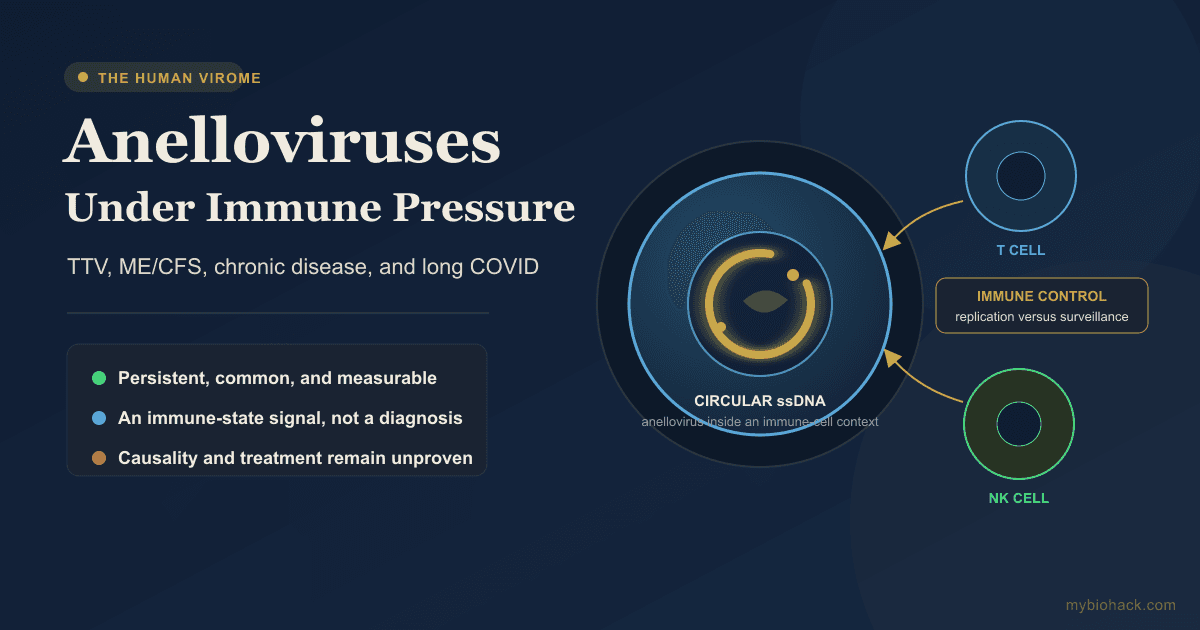
The clearest evidence comes from Keshan disease, an endemic cardiomyopathy in selenium-deficient regions of China that researchers eventually traced to coxsackievirus B3 (CVB3) infection in a selenium-deficient host. R
Melinda Beck's laboratory showed that an amyocarditic (non-heart-damaging) strain of CVB3, when passed through selenium-deficient mice, converted into a virulent, heart-damaging strain, and sequencing found six point mutations separating the new virulent isolate from its harmless parent strain. R
The same six mutations appeared independently when the experiment was repeated in vitamin E-deficient mice, which means host antioxidant status, not selenium specifically, is what is pressuring the virus to mutate toward virulence. R
Selenium-deficient mice infected with coxsackievirus also develop chronic myocarditis that persists well past the acute infection, consistent with a host that cannot clear the virus efficiently the first time. R
In HIV, the data is more mixed than most summaries let on.
A randomized trial in antiretroviral-naive adults found that 200 mcg of daily selenium slowed the rate of CD4+ T-cell decline over 24 months. R
A separate randomized trial found daily selenium suppressed HIV-1 viral load and produced an indirect improvement in CD4 counts. R
But a trial in HIV-positive pregnant women in Tanzania found no significant effect on maternal CD4 count or viral load at all, so the benefit looks population and context dependent rather than universal. R
COVID-19 data follows a similar pattern of association without settled causation.
Selenium status was significantly higher in surviving COVID-19 patients than in non-survivors, and levels recovered over time in survivors while staying low or falling further in patients who died. R
A systematic review of the broader literature reached the same directional conclusion, that low selenium tracks with worse COVID-19 outcomes, while flagging that the available studies are still limited and heterogeneous. R
A later meta-analysis of serum selenium levels in SARS-CoV-2 infection confirmed the pattern held up across a larger pooled sample. R
None of this establishes that selenium supplementation prevents or treats COVID-19, only that deficiency correlates with worse outcomes, which is a much weaker claim and should be presented as one.
For readers working through post-viral recovery, selenium belongs in the nutrient repletion layer of the long COVID protocol rather than as a standalone antiviral.
This viral genome instability mechanism is also relevant to Jacob's Micro-Sepsis (MSS) framing and to how SARS-CoV-2 exploits weak points in a host with already-depleted redox capacity, since a hyperoxidized, selenoprotein-poor terrain is exactly the kind of environment where his framework predicts persistence, not clean clearance, of a viral or bacterial threat.
The Iodine-Selenium Interaction
Selenium and iodine are not independent inputs to thyroid health, and treating them as separate supplement decisions can backfire.
The clearest demonstration comes from a combined iodine-and-selenium-deficient region of northern Zaire, where researchers documented endemic cretinism and traced selenium levels seven times lower than in non-deficient reference populations. R
In that same population, giving selenium supplementation to people who were still iodine-deficient and clinically hypothyroid caused thyroid function to fall further within two months. R
The proposed mechanism is that selenium restores deiodinase activity, which accelerates the breakdown of whatever residual thyroid hormone the gland can still make from a limited iodine supply, effectively unmasking a hypothyroidism that selenium deficiency had been partially buffering. R
The practical takeaway is not "avoid selenium," it is "do not correct iodine and selenium in isolation" when both are suspected to be low, and if you are working through thyroid support broadly, check both minerals before pushing either one aggressively.
The Mercury-Selenium Antagonism
Mercury and selenium bind each other with extremely high affinity, and that single fact explains most of mercury's selenium-related toxicity. R
When methylmercury sequesters selenium into an inert mercury selenide complex, selenium is no longer available to build selenoproteins, which is a major mechanism by which mercury exposure produces functional selenium deficiency even when total dietary selenium looks adequate. R
This is the basis for the Selenium Health Benefit Value (HBV), a risk metric that weighs the molar ratio of selenium to mercury in a given fish species rather than looking at mercury content alone. R
Fish with a selenium-to-mercury molar ratio above 1 are generally considered net protective for selenoenzyme activity despite carrying measurable mercury, which is why blanket "avoid all fish" advice misses real species-level variation. R
If you are actively working through mercury detoxification, selenium status is not incidental to that process, it is a direct determinant of how much free mercury is circulating versus sequestered.
Forms Of Selenium Compared
Not all selenium supplements behave the same way in the body, and the differences matter for both efficacy and safety margin.
- Methylselenocysteine: An organic, non-protein-incorporated form studied mainly for its distinct cancer-prevention signaling rather than for building selenoprotein reserves, since it is metabolized differently than selenomethionine.
- Selenium-enriched yeast: A mixed-form supplement dominated by selenomethionine but also containing smaller amounts of methylselenocysteine and other selenospecies, and it showed 144 percent relative bioavailability compared to sodium selenite based on selenium content, and 272 percent based on total selenomethionine delivered. R
- Selenomethionine: An organic form that gets non-specifically incorporated into any protein wherever methionine would normally go, which creates a large, slow-turnover body pool, and it is transported across intestinal cells more efficiently than the inorganic forms in direct comparison studies. R
- Sodium selenite: An inorganic form that is absorbed differently and is more directly cytotoxic at high doses than the organic forms, which is part of why it is the form used in most therapeutic high-dose selenium research rather than in routine supplementation. R
Selenomethionine's non-specific incorporation into body proteins is also why it clears the body more slowly than selenite, a property that raises its bioavailability but also narrows its margin for error at high intakes.
Deficiency And Toxicity
Deficiency Signs
Frank selenium deficiency is uncommon in well-nourished populations but does occur with malabsorption, restrictive diets, chronic illness, or reliance on food grown in low-selenium soil. R
Signs of deficiency include:
- Cardiomyopathy (Keshan disease, the clearest and best-documented deficiency syndrome) R
- Fatigue
- Hair and nail changes
- Impaired immune function (reduced calcium-dependent T-cell, neutrophil, and macrophage activation) R
- Muscle weakness or pain
Toxicity
Selenium's therapeutic window is genuinely narrow compared to most trace minerals, which is why dosing precision matters more here than for something like magnesium or vitamin C.
The largest selenosis outbreak in U.S. history happened in 2008, when a liquid dietary supplement called Total Body Formula was manufactured with a labeling error that put selenium at 200 times its intended concentration, up to 40,800 mcg per serving instead of 200 mcg. R
Across a median of about 30 doses, affected individuals consumed roughly 670,000 to 965,000 mcg of selenium over the course of a month, against a monthly RDA of around 1,650 to 2,100 mcg. R
At follow-up 2.5 years later, hair and nail loss was still present in 76 to 93 percent of affected people, muscle and joint pain in 75 percent, and fatigue in 71 percent, with 43 percent reporting symptoms that were unchanged or worsening rather than resolved. R
A separate case series of selenium toxicity from a nutritional supplement documented the same core symptom cluster in a different cohort, confirming this was not an isolated reporting artifact. R
Selenosis signs at chronic high intake include:
- Brittle nails
- Fatigue
- Garlic-like breath (from volatile dimethyl selenide excreted through the lungs)
- Gastrointestinal distress
- Hair loss
- Neurological abnormalities
Brazil nuts deserve their own toxicity caveat here rather than a passing mention, which is covered in the food sources section below.
Dosage And Food Sources
The U.S. RDA for selenium is 55 mcg per day for adults, and the tolerable upper intake level (UL) set by the U.S. Institute of Medicine is 400 mcg per day, though the European Food Safety Authority has more recently proposed a tighter UL of 255 mcg per day based on newer risk modeling. R
Supplemental protocol doses typically range from 100 to 200 mcg per day, most often as selenomethionine or selenium-enriched yeast, which is the dose range used in essentially every Hashimoto's trial discussed above. R
Food sources, alphabetically:
- Brazil nuts (extremely high but wildly inconsistent; seed-to-seed variation within the same batch can span up to 8-fold, and selenium content across growing regions has been measured from as low as 0.03 ppm to as high as 512 ppm) R
- Eggs
- Fish (tuna, sardines, halibut)
- Meat (beef, chicken, turkey)
- Sunflower seeds
The popular "eat two Brazil nuts a day" advice is not as reliable as it sounds given that variability, and depending on the nut and the growing region, two nuts could deliver anywhere from a trivial amount of selenium to a meaningful fraction of the UL in one sitting. R
That said, controlled studies do show Brazil nuts work when dosed consistently: one Brazil nut (roughly 5 grams) daily for 3 months raised both blood selenium and GPX activity in hemodialysis patients, and Brazil nut butter raised serum selenium and SELENOP as effectively as a standard supplement in both vegan and omnivore subjects, with a larger SELENOP response in the vegan group. R R
If precise dosing matters for your situation, a standardized selenomethionine or selenium yeast supplement removes the guesswork that comes with Brazil nut variability.
Selenium also competes with other trace minerals for absorption and transport, so it is worth reading the zinc and copper picture before adding another isolated mineral to a stack.
Testing
Selenium Status
I use the Selenium, Serum test (Quest Diagnostics) as a baseline check, but serum selenium reflects recent intake more than long-term body stores.
For a longer-window read on status, the Selenium, RBC test reflects average status over the roughly 120-day lifespan of a red blood cell rather than the last few days of diet.
For a broader antioxidant capacity picture that includes selenium-dependent enzyme function, the Genova Oxidative Stress Panel (Genova Diagnostics) captures glutathione and lipid peroxidation markers alongside selenium-relevant oxidative load.
The Micronutrient Panel, Antioxidants and Micronutrient Panel, Minerals are useful when you want selenium in context with the other cofactors (zinc, copper, vitamin C) that its enzyme systems depend on.
Thyroid Panels
Since selenium and thyroid function are inseparable in practice, I pair selenium testing with a full thyroid workup rather than TSH alone.
The Thyroid Panel (Quest Diagnostics) covers TSH, T4, and T3, and the Comprehensive Thyroid Panel (Genova Diagnostics) adds free hormone fractions and reverse T3.
The Thyroid Antibodies Panel (Precision Point) covers TPOAb and thyroglobulin antibodies directly, which is the marker the Hashimoto's trials above actually measured.
The Reverse T3 test (Precision Point) is worth adding specifically if you suspect a DIO2-driven conversion bottleneck rather than a straightforward thyroid output problem, tying back to the Denis Wilson framing discussed above.
Iodine Status
Because of the iodine-selenium interaction covered above, do not correct one mineral without checking the other.
The Iodine, Serum test (Quest Diagnostics) and the Iodine, Urine test (Doctor's Data) offer two different windows on iodine status, serum for a snapshot and 24-hour urine for a functional excretion picture.
Mercury And Heavy Metals
Given the direct antagonism between mercury and selenium, anyone with significant fish intake, amalgam exposure, or unexplained fatigue and cognitive symptoms should pair selenium testing with metals testing.
The Heavy Metals Panel, Comprehensive (Quest Diagnostics) and the Toxic Metals, First Morning Void (Doctor's Data) both capture mercury alongside other toxic metal exposures, which pairs naturally with the cadmium and mitochondrial burden picture if you are working through a broader detox protocol.
Comprehensive Panels
For a wider evaluation, I use the Foundation Zoomer (Vibrant Wellness) to establish baseline thyroid, immune, and metabolic markers before narrowing in on selenium specifically.
The Nutrient Zoomer covers selenium alongside the other vitamins, minerals, and amino acids its enzyme systems depend on in one panel.
The Toxin Zoomer is the broader option if mercury or other heavy metal exposure is suspected as the driver of a functional selenium deficiency.
The Immune Zoomer is worth adding in an autoimmune thyroid picture, since it screens organ-specific autoantibodies beyond TPO and thyroglobulin alone.
Mechanisms Of Action
Simple:
- Selenium gets built into 25 different proteins that act as antioxidants, thyroid hormone regulators, calcium channel modulators, and protein-folding quality control in the endoplasmic reticulum.
- Under a limited selenium supply, the body prioritizes the brain and thyroid over the liver and muscle.
- Deiodinase enzymes convert inactive T4 into active T3, and selenium is the required cofactor for that conversion.
- Glutathione peroxidases neutralize hydrogen peroxide and lipid peroxides using glutathione as the actual reducing agent.
- A selenium-deficient host puts evolutionary pressure on RNA viruses that can push a harmless strain toward a mutated, more virulent one.
- Mercury and selenium bind each other tightly enough that mercury exposure can create a functional selenium deficiency independent of dietary intake.
Advanced:
- Selenocysteine incorporation. Selenocysteine is inserted co-translationally at an in-frame UGA codon via a dedicated Sec-tRNA, the elongation factor EEFSEC, the SECIS-binding protein SBP2, and a 3' UTR SECIS stem-loop, a synthesis pathway unique among the 20 canonical amino acids. R
- Hierarchical selenoprotein expression. Under dietary selenium restriction, hepatic SELENOP synthesis and non-thyroid, non-brain selenoprotein mRNAs fall first, while thyroid and brain selenoprotein expression is preferentially maintained through tissue-autonomous regulatory mechanisms independent of circulating SELENOP concentration. R
- Deiodinase catalysis. DIO1 and DIO2 perform outer-ring deiodination of T4 to generate the transcriptionally active hormone T3, while DIO3 performs inner-ring deiodination to generate the inactive metabolites reverse T3 and T2, and selenium availability directly modulates the balance between activating and inactivating flux. R
- GPX4 and ferroptosis. Unlike the other glutathione peroxidases, GPX4 reduces phospholipid hydroperoxides directly within membranes rather than relying solely on soluble hydrogen peroxide as substrate, and loss of GPX4 activity is a defining trigger for ferroptosis, an iron-dependent, lipid-peroxidation-driven form of regulated cell death. R
- SELENOK-dependent calcium signaling. SELENOK acts as an obligate cofactor for the palmitoyl acyltransferase DHHC6, which palmitoylates the IP3 receptor calcium channel; SELENOK loss halves receptor-mediated calcium flux in T cells, neutrophils, and macrophages, blunting proliferation, migration, and Fc-gamma-receptor-mediated oxidative burst. R
- SELENOS and ER-associated degradation. SELENOS complexes with Derlin-1 and the p97 ATPase to retrotranslocate misfolded ER proteins into the cytosol for proteasomal degradation, and downregulating SELENOS increases IL-6 and TNF-alpha release from macrophages, directly linking selenium status to cytokine output. R
- Glycocalyx redox coupling. Endothelial glycocalyx sialic acids regulate NRF2-mediated antioxidant signaling in response to shear stress, and NRF2 activation transcriptionally upregulates thioredoxin reductase 1 and GPX2 among other selenoprotein-dependent antioxidant response enzymes, connecting selenium status to the glycocalyx barrier Jacob's JD framework centers on. R
Genetics
GPX1
GPX1 encodes the most abundant cytosolic and mitochondrial glutathione peroxidase isoform.
The Pro198Leu (rs1050450) variant reduces enzyme activity and mRNA stability, and the Leu allele has been associated with altered risk across multiple cancers and cardiovascular disease, though the direction of effect is not consistent across every condition studied. R
DIO1
DIO1 encodes the deiodinase that supplies a significant fraction of circulating T3 in euthyroid people, expressed mainly in the liver, kidney, and thyroid.
rs2235544 reached genome-wide significance for its effect on the free T3 to free T4 ratio, and carriers of the C allele show higher DIO1 activity, reflected as higher free T3 and lower free T4 and reverse T3 relative to T allele carriers. R
DIO2 (Highest Clinical Relevance For Levothyroxine Response)
DIO2 encodes the deiodinase responsible for local T4-to-T3 conversion in the brain, pituitary, brown fat, and skeletal muscle.
Thr92Ala (rs225014) reduces DIO2 catalytic activity and lowers serum T3 in thyroid-deficient patients, and carriers on levothyroxine monotherapy are more likely to report persistent hypothyroid symptoms despite a normal TSH, with some studies showing measurable improvement when liothyronine (T3) is added to their regimen. R
This is the variant most relevant to anyone who feels chronically undertreated on levothyroxine alone, and it dovetails directly with the Denis Wilson conversion framework referenced earlier.
SELENOP (SEPP1)
SELENOP encodes the hepatic transport protein responsible for delivering selenium to the brain, testis, and kidney, and it is the strongest circulating biomarker of whole-body selenium status.
rs3877899 causes an amino acid substitution and predicts how well an individual maintains selenium status when intake is limited, with A-allele carriers better able to hold onto selenium status under restriction, while rs7579, located in the 3' UTR, affects baseline SELENOP mRNA expression and plasma concentration, with the CC genotype running lower than T-allele carriers. R
SELENOF (SEP15)
SELENOF, formerly named SEP15, is an ER-resident selenoprotein involved in protein folding quality control.
rs5845 and rs5859, both located in a SECIS-like structure in the 3' UTR, have been linked to altered cancer risk in a population and sex-specific pattern, including a documented association with breast cancer risk in African-American but not Caucasian women, and with lung cancer risk that depends on smoking status and selenium intake interacting with genotype. R
TXNRD2
TXNRD2 encodes the mitochondrial thioredoxin reductase, essential for embryonic development and mitochondrial redox balance.
Multiple TXNRD2 SNPs, including rs1005873, rs9605031, and rs3804047, interact with circulating selenium concentration to modify prostate cancer risk, with some genotypes showing increased risk specifically under selenium supplementation rather than under low selenium status, underscoring that gene-nutrient interaction, not selenium dose alone, determines outcome. R
SELENOS (Inflammatory Cytokine Link)
SELENOS encodes the ER-resident protein involved in unfolded protein clearance and inflammatory signaling described in the Mechanisms section above.
rs34713741 alters SELENOS expression specifically under ER stress conditions, and because SELENOS downregulation increases macrophage IL-6 and TNF-alpha release, this variant is a plausible modifier of baseline inflammatory tone independent of selenium intake itself. R
More Research
- Autoimmune thyroid disease and stress. Selenium status interacts with psychological stress response markers in autoimmune thyroid disease patients, suggesting the antibody-lowering effect of selenium may be partly mediated through stress-immune crosstalk rather than a pure nutrient-deficiency correction. R
- Cancer prevention, the U-shaped curve. The Nutritional Prevention of Cancer (NPC) trial found selenized yeast did not prevent its primary endpoint of nonmelanoma skin cancer recurrence, but secondary analysis found a striking reduction in total cancer incidence and mortality, particularly prostate, lung, and colorectal cancer, in the selenium arm. R
- Cancer prevention, the SELECT trial. The follow-up SELECT trial, with over 35,000 men, found no protective effect of selenium against prostate cancer, and a subsequent analysis found selenium supplementation was associated with a statistically nonsignificant increase in type 2 diabetes risk, a result serious enough that some researchers now flag high-dose selenium supplementation in already-replete populations as a genuine metabolic risk rather than a free hedge. R R
- Cardiovascular disease. Selenium deficiency is clearly linked to cardiomyopathy (Keshan disease), but supplementation trials in selenium-replete populations have not consistently reduced cardiovascular events, reinforcing that this is a repletion strategy, not a general cardioprotective supplement. R
- Graves' orbitopathy. Selenium has shown benefit for mild Graves' orbitopathy in some trials, extending the autoimmune thyroid disease evidence beyond Hashimoto's specifically. R
- Selenoprotein biosynthesis disorders. Rare inborn errors affecting the Sec-tRNA machinery or SBP2 produce a distinct multisystem phenotype (growth failure, photosensitivity, muscle and thyroid dysfunction together) that looks nothing like dietary selenium deficiency and does not respond to selenium supplementation, a distinction worth knowing if a case does not fit the typical deficiency picture. R
- Testing. For biomarker testing beyond selenium itself, I pair status testing with the panels listed in the Testing section above, and for readers tracking labs longitudinally, the Health Hub inside Pro membership is built for exactly this kind of repeated-panel tracking over time.
Jacob Gordon
INHC, FMT-C
Integrative Nutrition Health Coach
I cover mold illness, post-viral recovery, methylation, and complex chronic disease, drawing on ten years of clinical research, work inside a functional medicine clinic, and my own recovery from all of it. Every claim here is cited.
Book a ConsultationRelated Protocols & Supplements
Deep-dive chapters and recommended supplements for this topic
Quercetin
500mg 2x/day
Vitamin D3 + K2
5000 IU + 200mcg/day
Magnesium Glycinate
400mg at bedtime