Semax: How The Nootropic Peptide Works, Its Legal Gray Zone, And Natural Ways To Raise BDNF
By Jacob Gordon, INHC, FMT-CThis article contains affiliate links. As an Amazon Associate, MyBioHack earns from qualifying purchases at no extra cost to you. We only link products we research and stand behind.
Semax is a Russian regulatory-approved nootropic peptide with essentially no Western clinical trials behind it, and most of what evidence exists is Russian-language, small, and hard for an outside reader to appraise.
In this post, we will discuss what Semax actually is and how it is proposed to work, the melanocortin system and the BDNF and NGF pathways it targets, the Russian clinical trial record and its real limitations, the N-Acetyl Semax and Selank variants sold online, the legal and sourcing risk of buying it in the United States, and the natural tools with real human evidence for raising BDNF instead.
---
- What Semax Is
- How Semax Works
- The Russian Clinical Trial Record
- N-Acetyl Semax, N-Acetyl Semax Amidate, And Selank
- Legal Status And Sourcing Risk In The United States
- Natural Ways To Raise BDNF And NGF
- What To Stay Away From
- Testing
- Mechanisms Of Action
- Genetics
- More Research
- Where To Go From Here
What Semax Is
Semax is a synthetic heptapeptide built from a fragment of Adrenocorticotropic Hormone (ACTH), developed in Russia in the early 1980s as a proposed neuroprotective and nootropic agent. R
Full ACTH is a 39-amino-acid hormone, and the numbering "4-10" refers to a seven-residue stretch, positions 4 through 10, that classic pharmacology work found could be separated from the rest of the molecule.
That separation matters because ACTH's behavioral and central nervous system effects on learning, motivation, and attention were shown to reside mainly in this N-terminal stretch, dissociated from ACTH's peripheral corticotrophic (cortisol-driving) effect. R
Semax is not simply ACTH(4-10) with an addition, it is a redesign of it.
The peptide keeps the first four residues of that fragment, Met-Glu-His-Phe, corresponding to ACTH(4-7), and replaces the natural residues 8 through 10 (Arg-Trp-Gly) with a synthetic Pro-Gly-Pro tripeptide cap. R
That swap does two things at once: it removes the exact site the natural fragment gets cleaved at, and it makes the resulting molecule meaningfully more resistant to the blood enzymes that break down unmodified ACTH(4-10) within minutes. R
That added stability is the entire reason Semax exists as a distinct molecule rather than researchers just using ACTH(4-10) itself.
It is still a peptide, so oral administration destroys it in the digestive tract, which is why it is formulated and sold as a nasal spray.
I want to state the evidence problem plainly and up front rather than bury it in a caveats section at the end.
A 2026 peer-reviewed review of the unregulated peptide market classifies Semax, alongside Selank, as an "experimental and wellness" peptide whose online visibility exceeds its human evidence and safety characterization. R
That is an accurate description of what I found researching this post.
Almost everything written about Semax in English, including most of what you will find on vendor sites and nootropic forums, traces back to a small number of Russian-language trials and animal studies that are difficult for anyone outside that research tradition to independently appraise.
I am not saying Semax does nothing.
I am saying the confidence level you should assign to its claimed effects should be much lower than the confidence with which it is usually marketed.
How Semax Works
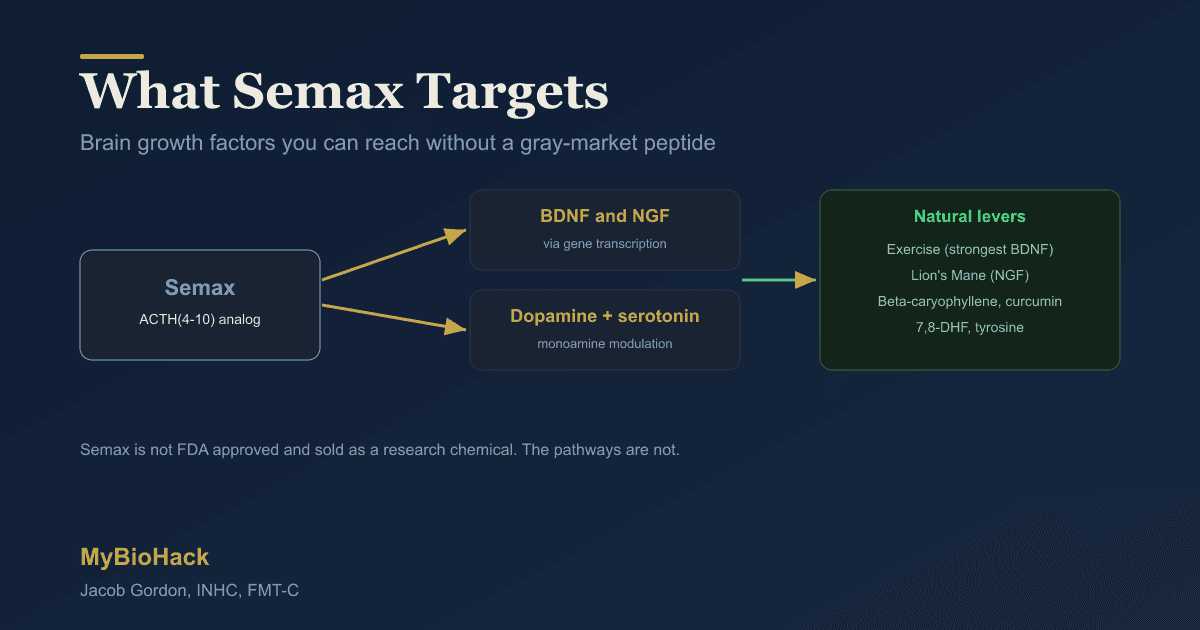
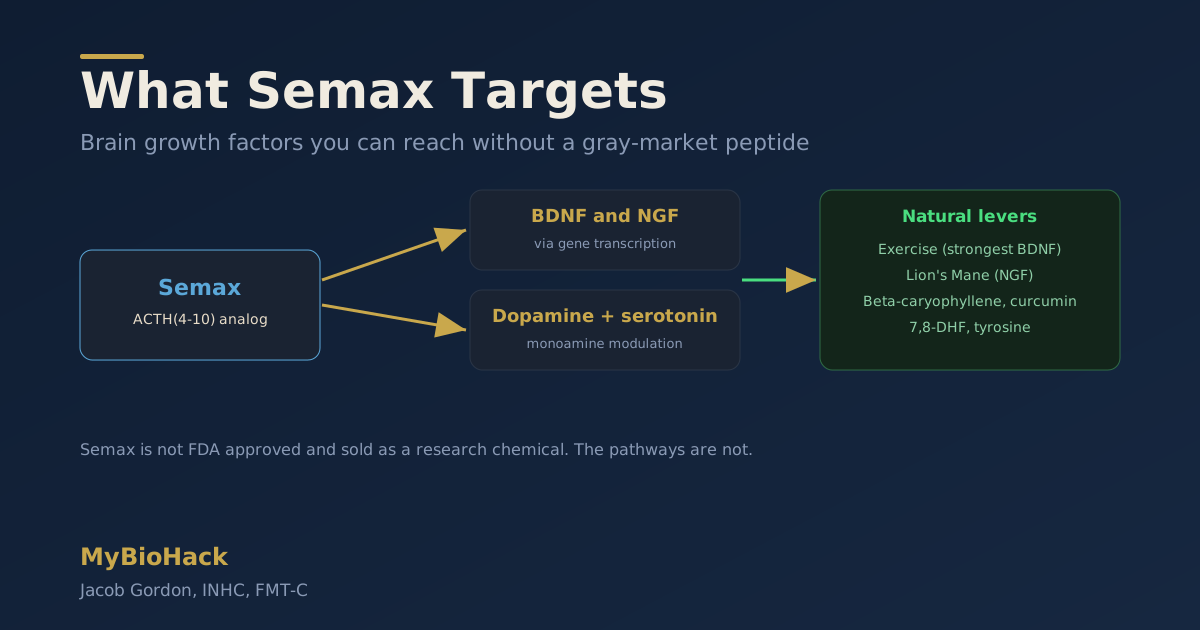
The interesting part of Semax is not the peptide itself, it is what it targets, because those targets have natural levers you can pull without it.
Full ACTH activates two separate things: the adrenal cortisol response, and a set of central nervous system effects tied to learning and memory that were noticed decades before anyone isolated which fragment caused them.
An analog built on this same ACTH(4-9) core, tested well before Semax existed, was found to be roughly 1,000 times more potent than plain ACTH(4-10) on avoidance-learning behavior while carrying roughly 1,000 times less melanotropic (pigmentation-driving) activity, along with markedly reduced steroidogenic and opiate-like activity. R
That is the structure-activity relationship this entire drug class is built on: potency on the central nervous system effect and potency on the classical hormonal effect move independently, so a fragment can be redesigned to keep one and drop the other.
This is where the melanocortin system enters the picture.
Melanocortins are a family of peptide hormones, including ACTH and Alpha-Melanocyte-Stimulating Hormone (alpha-MSH), that signal through five G-protein-coupled melanocortin receptors, MC1R through MC5R, to control everything from pigmentation to appetite to systemic inflammation.
I cover that whole system, including alpha-MSH's role as an anti-inflammatory switch, in my post on the melanocortin system.
Some vendor and forum sources describe Semax as an agonist at the Melanocortin 4 Receptor (MC4R) specifically, and I want to be honest that the actual receptor-binding literature does not support that specific claim.
MC4R itself is a real, well-characterized target expressed in brain regions that regulate eating behavior and, through variants near the gene, measurably associated with structural differences in the amygdala and hippocampus. R
That establishes MC4R as a plausible candidate sitting in the right neuroanatomy, not as confirmation that Semax actually binds it.
Radiolabeled Semax does bind a specific, saturable, calcium-dependent site in rat forebrain tissue with a dissociation constant around 2.4 nanomolar, which tells you the binding is real and receptor-like. R
A follow-up study confirmed the same specific binding characteristics in the same brain region. R
Neither study identifies that binding site as MC4R, or as any named melanocortin receptor subtype.
The honest description is that Semax binds a specific, unidentified site in the brain that is hypothesized, but not confirmed, to sit somewhere in the melanocortin receptor family.
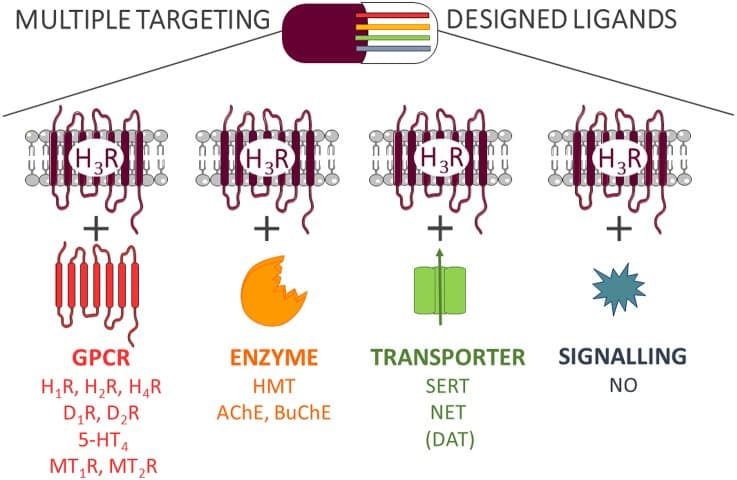
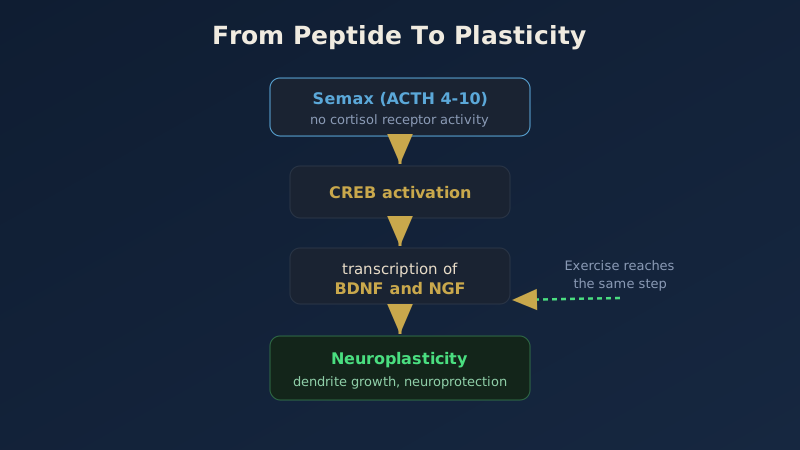
Downstream of that binding, the proposed central mechanism is that Semax raises Brain-Derived Neurotrophic Factor (BDNF) and Nerve Growth Factor (NGF) through gene transcription rather than through simple receptor agonism.
A single intranasal dose of Semax in rats produced a 1.4-fold rise in hippocampal BDNF protein and a 3-fold rise in BDNF exon III mRNA within hours, along with increased phosphorylation of the BDNF receptor TrkB. R
In a rat stroke model, Semax also increased NGF gene transcription in the injured hemisphere at 24 and 72 hours post-occlusion. R
Both of those are rodent hippocampal or peri-infarct studies, not human brain measurements, and I want that caveat attached every time this claim gets repeated online without it.
Semax also modulates the monoamine systems tied to focus and mood.
In mice, Semax raised extracellular serotonin metabolite levels directly, and it potentiated dopamine release when given before amphetamine, though it did not raise dopamine on its own. R
That last distinction matters: Semax is not a standalone dopamine booster in that dataset, it amplifies a dopaminergic stimulus that is already present, which is a meaningfully different claim than the ones usually made about it.
I cover the tools that reliably raise dopamine on their own, without needing a stimulant already on board, in my post on increasing dopamine naturally.
At the cellular level, Semax delayed the onset of calcium dysregulation in rat neurons under glutamate toxicity in a dish, consistent with a neuromodulatory rather than a stimulant mechanism. R
Separately, in a rat stroke model, Semax increased active cAMP Response Element-Binding Protein (CREB) in the brain regions surrounding the injury. R
CREB is the transcription factor that sits upstream of the BDNF exon III promoter measured in the hippocampal study above, so the mechanistic story (Semax activates CREB, and separately, Semax raises CREB-responsive BDNF transcription) is built from two different experiments in two different injury models, not one experiment showing the full chain in a single animal.
The delivery question is the part I find most underexplained in Semax content.
Intranasal peptides are marketed on the assumption that they travel directly along the olfactory and trigeminal nerves into the brain, bypassing the blood-brain barrier, and that route does exist and is used clinically for a small number of approved drugs. R
But the field's own recent reviews are candid that the underlying mechanisms of nose-to-brain delivery remain poorly characterized in general, and that limited metabolic stability and bioavailability are unresolved obstacles for peptide drugs specifically, Semax included. R
The one pharmacokinetic study that actually measured this for Semax found that only 0.093 percent of the total administered radioactivity per gram reached rat brain tissue at two minutes after intranasal dosing, with roughly 80 percent of that fraction still being intact Semax rather than breakdown products. R
That is a genuinely small fraction of the dose, measured at a single early timepoint, in rats, not humans.
It does not mean intranasal Semax does nothing, since a small fraction of a milligram-scale dose can still be pharmacologically active, but it means the "goes straight to your brain" framing common in Semax marketing overstates both what has actually been measured for this specific peptide and how well-understood the delivery route is in general.
The Russian Clinical Trial Record
Semax has been studied in Russian stroke and cognitive-impairment populations for decades, and this is the part of the evidence base that gets cited most confidently online while being the hardest to verify independently.
The foundational stroke trial enrolled 30 patients with acute hemispheric ischemic stroke on Semax at doses of 12 to 18 milligrams per day for 5 to 10 days, compared against 80 patients on standard conventional therapy. R
The published abstract does not describe randomization or blinding, and the comparison group received standard care rather than a placebo nasal spray, so this reads as an open-label comparative trial rather than a blinded randomized controlled trial.
A later Russian trial followed 110 stroke patients across early and late rehabilitation timepoints, using two 10-day Semax courses separated by a 20-day gap, and tracked plasma BDNF alongside functional recovery scores. R
Again, the abstract gives no randomization or blinding detail, which reads as a cohort comparison rather than a controlled trial in the sense a Western reviewer would expect before citing it as proof of efficacy.
A separate Russian trial in 187 patients with chronic cerebrovascular insufficiency, the closest Russian diagnostic category to what Western literature would call vascular cognitive impairment, reported clinical improvement and reduced stroke and TIA risk with Semax, including in elderly patients. R
That trial's abstract similarly does not specify a placebo arm or blinding procedure.
I could not find an English-language systematic review or Cochrane-style methodological appraisal of the Semax trial literature specifically, which is itself informative.
The closest available comparison is the Cochrane review of Cerebrolysin, an unrelated Russian and Eastern European-origin neuropeptide drug marketed for stroke recovery through a similar clinical and commercial ecosystem.
That review found randomization was rated low risk of bias in only one of seven trials, blinding in only three of seven, the manufacturer supplied placebo, randomization codes, or statisticians in three of the trials, and the pooled conclusion was probably no benefit on mortality with a possible increase in serious adverse events. R
I am not claiming that finding applies to Semax, Semax and Cerebrolysin are different molecules with different proposed mechanisms.
I am pointing at it because it shows what happens when this specific evidentiary ecosystem, industry-adjacent trials from the same regional research tradition, gets subjected to independent, rigorous methodological review: the numbers that looked promising in the original trial reports did not hold up cleanly.
There is a second problem worth naming directly.
Every Semax trial I could locate on PubMed, spanning three decades, comes from the same small circle of Russian investigators and the same handful of Russian-language journals, and I could not find a single trial run by an independent group outside that circle, in Russia or anywhere else.
That does not automatically make the results wrong, but a treatment effect that has never been tested by a group with no stake in the outcome is a materially weaker form of evidence than the same effect replicated independently, and Semax content aimed at Western readers almost never mentions that distinction.
That is the honest baseline you should bring to the Semax stroke and cognitive-impairment literature until an equivalent independent review exists for Semax itself.
N-Acetyl Semax, N-Acetyl Semax Amidate, And Selank
Research-chemical vendors sell several Semax variants, and the claims attached to them deserve more scrutiny than the parent molecule gets.
N-Acetyl Semax and N-Acetyl Semax Amidate are marketed with claims of longer duration and higher potency than standard Semax.
I searched PubMed and PMC directly for these compound names and found zero indexed studies under either term, including a full-text search of the compound name inside every paper that mentions Semax.
There is no published pharmacological or clinical trial data on these specific variants that I could locate.
The chemistry behind the marketing claim is at least a real, general phenomenon in other peptide drugs: acetylating the free N-terminal amino group of a peptide can block the exact site aminopeptidase enzymes latch onto, which is a documented way to extend a peptide's half-life in blood plasma for other, unrelated peptide drugs. R
That gives the N-Acetyl Semax marketing claim a plausible chemical mechanism in principle, which is different from having any evidence that it actually happens for this specific molecule, at this specific dose, in a living animal or person.
No one has published that experiment for Semax, so the potency and duration claims attached to these variants remain vendor marketing, not trial data, and you should treat them accordingly.
Selank is a related heptapeptide from the same Russian research lineage, built as an analog of Tuftsin rather than ACTH, and marketed as Semax's anxiolytic sibling.
I cover Tuftsin's own biology, including where Selank fits into it, in my post on Tuftsin.
In rats, Selank produced an anxiolytic effect on the elevated plus maze comparable to the benzodiazepine diazepam. R
A gene-expression study in rat frontal cortex found Selank altered dozens of genes involved in GABAergic signaling within one to three hours, proposing allosteric GABA system modulation as the mechanism, though this is indirect evidence rather than a direct receptor-binding study. R
A separate rat study confirmed Selank's identity as a Tuftsin analog while testing it against opioid withdrawal signs. R
Selank's human trial record has the same pattern as Semax's.
A 62-patient trial compared Selank against the anxiolytic drug medazepam for generalized anxiety and neurasthenia, with no placebo arm described. R
A 60-patient trial compared Selank against phenazepam for phobic-anxiety and somatoform disorders, finding the anxiolytic effect lasted roughly a week after the last dose, again without a placebo arm. R
A third trial combined Selank with phenazepam in 70 patients and found the combination reduced the sedation, memory impairment, and sexual dysfunction that phenazepam alone caused, with no placebo comparison. R
The best-designed human study of either peptide that I found is a randomized, placebo-controlled functional MRI study of 52 healthy volunteers given Semax, Selank, or placebo, which found distinct changes in amygdala-to-temporal-cortex connectivity within 20 minutes of dosing. R
That study is genuinely well-designed by the standard you would want, and it is also measuring brain connectivity, not a clinical or behavioral outcome, so it tells you these peptides do something measurable to brain activity quickly, without telling you whether that translates into a meaningful clinical benefit.
Legal Status And Sourcing Risk In The United States
This is the section most Semax content skips, and it is the reason my position on this peptide is caution rather than endorsement.
As of 2026, Semax has never been submitted to the FDA for review and is not approved for any indication in the United States.
It is not a scheduled controlled substance, and it is not a legal dietary supplement, so it exists in the same regulatory gray zone as most research peptides: sold labeled "not for human consumption" while being marketed and used as exactly that.
Buying from a research-chemical vendor means the formulation, sterility, and actual peptide content are not independently guaranteed by any regulatory body, and contamination or mislabeling in that market is a documented, real risk rather than a theoretical one. R
There is also no FDA-regulated manufacturing chain behind any of it, no batch-level testing requirement, and no recall mechanism if a vendor's product turns out to be underdosed, overdosed, or contaminated, all of which are the ordinary protections a prescription drug or a regulated supplement carries by default.
The human dosing data that exists comes from short courses, generally 5 to 20 days, so there is no established safety profile for extended or repeated use. R
None of this means Semax has zero biological activity, the rodent mechanistic data is real.
It means the risk-to-evidence ratio of buying an unregulated peptide from a gray-market vendor is poor when the underlying pathways, BDNF, NGF, dopaminergic and serotonergic tone, respond to tools that are legal, studied in humans, and do not carry sourcing risk.
That is the honest tradeoff, and the rest of this post is about those tools.
Natural Ways To Raise BDNF And NGF
I already have a dedicated post covering more than 140 ways to raise BDNF, and I am not going to reproduce that catalog here.
For the full list, go read BDNF: 140+ Natural Ways To Increase Brain-Derived Neurotrophic Factor.
What follows is the short version, the handful of interventions with the strongest human evidence behind them, chasing the same pathways Semax is chasing without the sourcing risk.
Exercise
Exercise is the single strongest lever here, by a wide margin.
A meta-analysis of 22 human studies (552 participants) found high-intensity exercise raised blood BDNF more than no exercise and more than light-intensity exercise, though it was not significantly different from moderate-intensity exercise. R
A separate meta-analysis of 55 studies confirmed that a single acute bout of exercise transiently raises blood BDNF, with longer sessions producing larger increases. R
In older adults specifically, resistance and combined training significantly raised peripheral BDNF, while low-to-moderate intensity aerobic training alone did not, which inverts the usual assumption that aerobic exercise is always the stronger BDNF driver. R
Deep Sleep
BDNF-driven synaptic plasticity is tied to sleep architecture, not just total sleep time.
People with the fully functional BDNF genotype (Val/Val at rs6265) show significantly higher slow-wave activity during deep non-REM sleep than Met-allele carriers, linking BDNF's own activity-dependent secretion to how much restorative deep sleep the brain generates. R
I want to flag something honestly here: the common claim that sleep deprivation lowers BDNF is not what the direct human evidence shows, a 36-hour total sleep deprivation study found serum BDNF significantly increased, not decreased, under acute deprivation, the opposite of the popular narrative. R
I am not going to repeat the "deprivation lowers BDNF" claim as settled fact when the one human study I could verify shows the reverse in the acute setting, what the data does support is prioritizing deep sleep quality itself, which I cover in how I get 3 to 4 hours of deep sleep every night.
Fasting And Ketone Bodies
A randomized controlled trial of 56 women found two months of time-restricted feeding significantly raised serum BDNF compared to controls. R
The mechanism behind this is genuinely interesting.
Beta-Hydroxybutyrate (BHB), the primary ketone body your liver produces during fasting or ketosis, directly inhibits the histone deacetylases HDAC2 and HDAC3 in mouse hippocampal neurons, which relieves transcriptional suppression at the Bdnf promoter and drives Bdnf gene expression as a direct epigenetic mechanism, not just a downstream metabolic side effect. R
That gives fasting and ketosis a mechanistic reason to raise BDNF independent of exercise, even though the two often overlap in practice.
I go into the broader fasting and fasting-mimetic literature in my post on calorie restriction and fasting mimetics.
Supplements With The Strongest Human Signal
I am ordering these alphabetically, and I am keeping the evidence-quality caveats attached to each one rather than presenting them as equally strong.
- Curcumin: a dose-response meta-analysis of 4 randomized trials (139 participants total) found short-term curcumin supplementation significantly raised serum BDNF, a real but thin pooled evidence base. R See my full post on curcumin for absorption and safety detail.
- Lion's Mane: the best-known natural NGF promoter, though the named hericenone compounds themselves did NOT induce NGF gene expression in the study that identified this pathway, other constituents did. R A small double-blind, placebo-controlled human trial (n=30, mild cognitive impairment) found significant cognitive improvement over 16 weeks, though the benefit faded after stopping supplementation. R See my dedicated posts on Lion's Mane and NGF.
- Magnesium L-Threonate: raised brain magnesium and synaptic density in the foundational rat study. R A human randomized, placebo-controlled trial (n=44, cognitive impairment) found a significant improvement over placebo, though the same senior researcher is publicly tied to the commercialized Magtein ingredient, a real conflict-of-interest consideration to know about. R See magnesium forms and dosing for how threonate compares to other forms.
- Omega-3 (EPA/DHA): a systematic review and meta-regression found omega-3 supplementation significantly raised serum BDNF, strongest at durations over 10 weeks and doses at or under 1500 milligrams per day. R See my post on omega-3s for dosing and form detail.
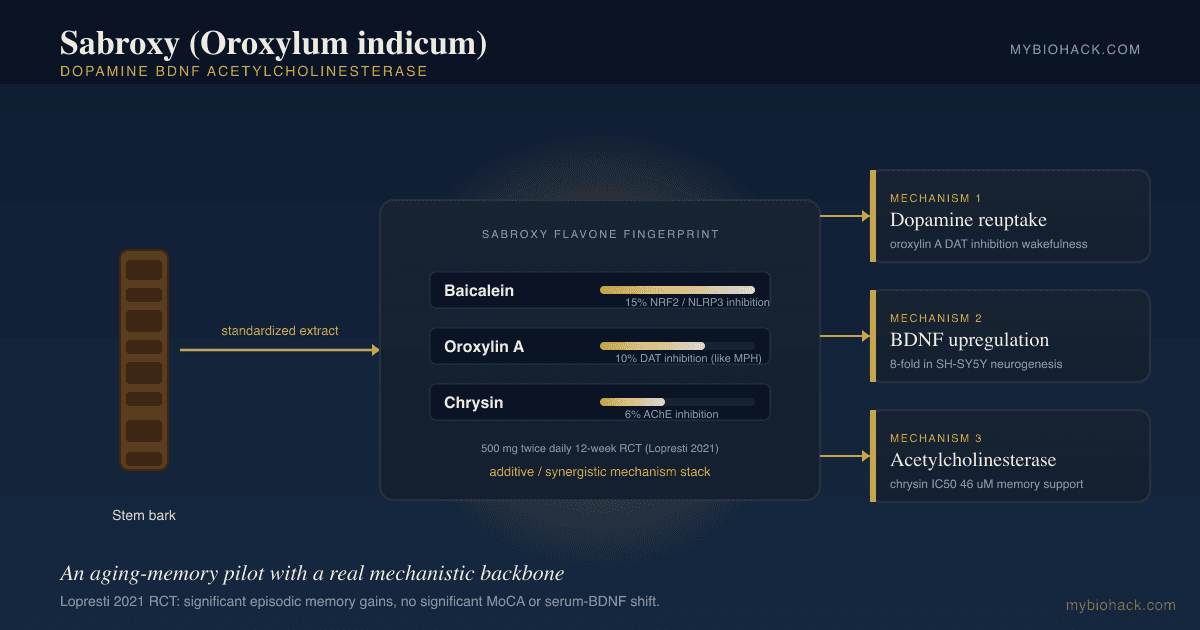
- Sabroxy (*Oroxylum Indicum* bark extract): a distinct botanical with its own dopamine, BDNF, and aging-memory evidence base, worth its own read rather than a summary here, see my post on Sabroxy for the full mechanism and trial detail.
What To Stay Away From
- Buying N-Acetyl Semax or N-Acetyl Semax Amidate based on potency claims (no published pharmacological or clinical data exists on these specific variants, the claims are vendor marketing, not trial data)
- Gray-market research-chemical peptides generally (unknown purity, sterility, and actual dose, with no regulatory guarantee of any of it)
- Stacking multiple unverified peptides at once (you cannot attribute a benefit or an adverse effect to anything specific)
- Treating a nootropic peptide as a substitute for sleep, exercise, and fasting (those are the tools with the strongest human evidence for the exact pathways Semax targets)
Testing
I do not think most people need lab testing to act on anything in this post, exercise, sleep, and fasting do not require a blood draw to start.
Where testing adds real value is confirming the nutrient status that several of the natural BDNF levers above depend on.
I use the Nutrient Zoomer (Vibrant Wellness) to check vitamin D, magnesium, and B-vitamin status together, since deficiencies in any of these can blunt the BDNF-supporting strategies in this post before you ever get to the supplement layer.
For vitamin D specifically, Vitamin D, 25-Hydroxy (Quest Diagnostics) is a faster standalone option if you do not need the full nutrient panel.
Homocysteine, B12, and folate status are relevant to the same methylation and neurotransmitter synthesis pathways this post touches on, and I use Homocysteine, B12, and Folate (Quest Diagnostics) to check that together.
If mitochondrial or oxidative stress issues are part of what is driving cognitive symptoms in the first place, the Cellular Zoomer (Vibrant Wellness) or the Organic Acids Test (Mosaic Diagnostics) assess energy metabolism and oxidative stress markers that sit upstream of how well any of these BDNF-raising strategies will actually work for you.
For a broader genetic picture that includes methylation-cycle variants relevant to how you process several of the nutrients discussed here, I use the Nutrient Genetics (Vibrant Wellness) panel.
Mechanisms Of Action
Simple:
- Semax tells the brain to make more of its own growth factors, BDNF and NGF, and nudges dopamine and serotonin signaling, but the human trial evidence behind it is thin, Russian, and mostly not blinded or placebo-controlled.
- Exercise, deep sleep, fasting, and a handful of supplements raise the same growth factors through pathways that are studied in humans, legal, and do not carry sourcing risk.
- Beta-hydroxybutyrate, the ketone your body makes while fasting, directly turns on the BDNF gene by blocking the enzymes that normally keep it switched off.
- The BDNF Val66Met gene variant changes how much BDNF your neurons release when they're active, which changes how strongly some of these interventions work for you specifically.
Advanced:
- Melanocortin binding without receptor identification Radiolabeled Semax binds a specific, saturable, calcium-dependent site in rat forebrain (Kd approximately 2.4 nM), consistent with receptor-mediated action, though neither binding study identifies the receptor as MC4R or any named melanocortin receptor subtype. R R
- CREB-to-BDNF transcriptional axis Semax activates CREB in peri-infarct rat brain tissue, and separately raises transcription at the CREB-responsive BDNF exon III promoter in rat hippocampus, evidence drawn from two separate injury and non-injury models rather than one unified experiment. R R
- HDAC inhibition by beta-hydroxybutyrate BHB selectively inhibits histone deacetylases HDAC2 and HDAC3 in mouse hippocampal neurons, relieving repressive chromatin marks at the Bdnf promoter and driving activity-dependent Bdnf transcription, a direct epigenetic mechanism linking fasting and ketosis to neurotrophin expression. R
- Monoamine potentiation, not standalone elevation Semax raises extracellular serotonin metabolites directly in mouse striatum, but only potentiates dopamine release when paired with an existing stimulant challenge (amphetamine), rather than raising dopamine independently. R
- Low fractional brain penetration after intranasal dosing Only 0.093 percent of total administered radioactivity per gram of tissue reached rat brain at 2 minutes post-intranasal Semax dosing, roughly 80 percent of it still intact peptide, meaningfully lower brain delivery than "goes straight to your brain" framing suggests. R
Genetics
BDNF (rs6265, Val66Met)
BDNF encodes the brain's primary activity-dependent growth factor, the exact molecule Semax and every natural intervention in this post is trying to raise.
The rs6265 variant, commonly called Val66Met, sits in the pro-domain of the BDNF protein and changes how the mature protein gets trafficked and secreted from neurons, not how much BDNF gets made in total.
In the foundational human study, cells expressing the Met variant showed abnormal intracellular trafficking and reduced activity-dependent secretion of BDNF, and human Met carriers showed worse episodic memory along with abnormal hippocampal activation on fMRI. R
A separate study of 36 healthy volunteers found Met allele carriers had roughly 11 percent smaller hippocampal volume than Val/Val carriers. R
The same genotype also predicts sleep architecture: Val/Val carriers generate more slow-wave activity during deep sleep than Met carriers, tying this variant directly to the sleep mechanism discussed above. R
I want to include a genuinely mixed finding here rather than present Met as simply "the bad allele."
A study of 56 university students found Met carriers actually performed BETTER on attention and working memory tasks, and showed more resilience to mild chronic stress, than Val/Val carriers. R
That runs directly against the more commonly cited Met-as-risk-allele narrative, and both findings are real, peer-reviewed, and worth holding at the same time rather than picking whichever one fits a cleaner story.
The practical takeaway is that Met carriers, who release less BDNF per unit of neural activity, may see a proportionally larger benefit from interventions that push BDNF expression and secretion higher, exercise and fasting in particular, since there is simply more room for those interventions to move the needle.
More Research
- Cerebrolysin as a cautionary parallel. The Cochrane review of Cerebrolysin, a different but comparably-marketed Russian and Eastern European stroke-recovery peptide drug, found low risk-of-bias randomization in only 1 of 7 trials and probably no mortality benefit once independently reviewed, which is the standard of scrutiny the Semax literature has not yet received in English. R
- N-Acetyl Semax Amidate has no published data at all, despite being sold with specific potency and half-life claims, a search of PubMed and PMC full text under the compound name returns zero results.
- Selank and Semax together change resting-state brain connectivity within 20 minutes in the one randomized, placebo-controlled human study that exists for either peptide, though the outcome measured is functional connectivity, not a clinical endpoint. R
- The coffee fruit extract BDNF claim has never been independently replicated. A single 10-person, industry-affiliated study reported a 143 percent acute BDNF spike in 2013, and in the more than 12 years since, no independent replication or published critique exists in the indexed literature. R
- The direction of the sleep-deprivation-BDNF relationship is more complicated than commonly claimed. Acute 36-hour total sleep deprivation in humans raised, rather than lowered, serum BDNF, GDNF, and VEGF. R
Where To Go From Here
Raising BDNF and NGF is one piece of a larger picture that also depends on neuroinflammation, mitochondrial function, and sleep quality working together, not any single peptide or supplement in isolation.
For how these pieces connect in chronic illness and persistent brain fog, the Junction Dysfunction guide covers the neuroinflammatory and mitochondrial mechanisms in depth, and it is included with the Path plan at $120 a year.
If you want to track your own cognitive and inflammatory biomarkers over time rather than guess, the Health Hub does that and comes with the Pro plan at $180 a year, along with unlimited use of the Biohacking Bot to help you build a stack around your actual goals and labs.
The cheapest, best-evidenced, and least risky BDNF tool covered in this entire post is still a hard workout.
Jacob Gordon
INHC, FMT-C
Integrative Nutrition Health Coach
I cover mold illness, post-viral recovery, methylation, and complex chronic disease, drawing on ten years of clinical research, work inside a functional medicine clinic, and my own recovery from all of it. Every claim here is cited.
Book a ConsultationRelated Protocols & Supplements
Deep-dive chapters and recommended supplements for this topic
Lion's Mane
1000mg/day
Omega-3 (DHA)
2g/day
Phosphatidylserine
100mg 3x/day