Curcumin: Anti-Inflammatory Mechanisms, Absorption, And Safety
By Jacob Gordon, INHC, FMT-CThis article contains affiliate links. As an Amazon Associate, MyBioHack earns from qualifying purchases at no extra cost to you. We only link products we research and stand behind.
Curcumin is one of the most studied natural anti-inflammatory compounds, yet its benefits are consistently overstated and its absorption problem is consistently ignored.
In this post, we will discuss what curcumin actually is versus turmeric and curcuminoids, why plain extract percentages on a label mislead you, why bioavailability is the central problem in interpreting every positive trial, how the major delivery systems actually compare head to head, why curcumin is a notorious pan-assay interference compound in lab research, which clinical benefits genuinely hold up in humans versus which ones are still hype, the tetrahydrocurcumin metabolite question, and where the real safety limits are.
What Is Curcumin
Curcumin is the primary curcuminoid in turmeric (*Curcuma longa*), the yellow rhizome used in curry and in Ayurvedic and Traditional Chinese Medicine for inflammatory and digestive complaints for centuries. R
These three words, turmeric, curcuminoids, and curcumin, are not interchangeable, and conflating them is where most supplement marketing goes wrong.
Turmeric is the whole spice, mostly starch and fiber, with a small fraction of its dry weight made up of the pigmented compounds that give it color and most of its studied activity. R
Curcuminoids are that pigmented fraction, a family of three related molecules: curcumin itself, demethoxycurcumin, and bisdemethoxycurcumin. R
Curcumin is the single most abundant and most studied of the three, which is why it gets the name on the label even though a "curcumin" extract is really a curcuminoid mixture. R
This is where the label math gets misleading.
A bottle claiming "95% curcuminoids" is describing the purity of the extract relative to inert plant material, not how much of that curcumin ends up doing anything in your bloodstream. R
You can take a technically pure, well-standardized extract and still absorb almost none of it, which is the entire subject of the next section.
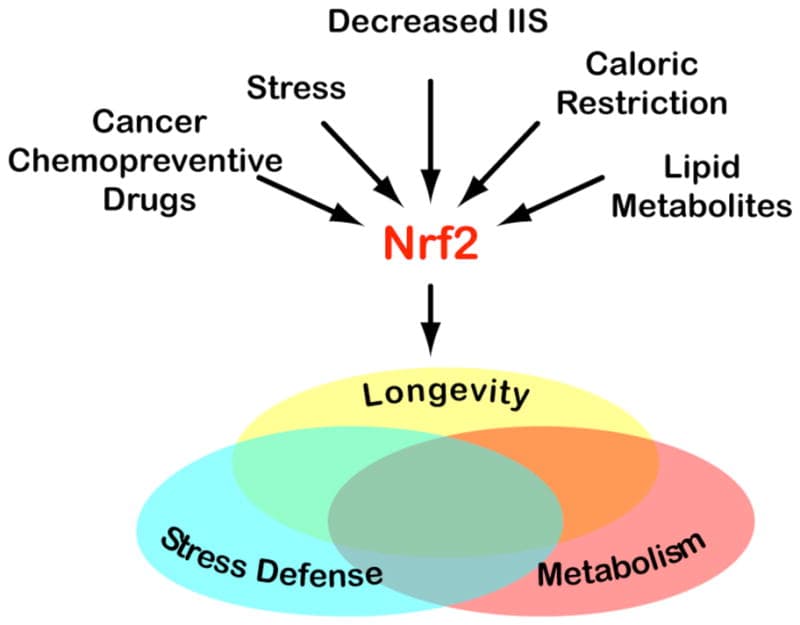
Modern research on curcumin focuses on Nuclear Factor-Kappa B (NF-kB) inhibition, Cyclooxygenase-2 (COX-2) suppression, Nrf2 (nuclear factor erythroid 2-related factor 2) activation, and effects on the gut microbiome, all covered later in this post. R
The Bioavailability Problem
Plain curcumin has notoriously poor oral bioavailability, and this single fact should color how you read every clinical trial claiming a benefit. R
Three separate problems compound each other.
First, curcumin is poorly soluble in water, so a meaningful fraction of an oral dose never crosses the gut wall in the first place. R
Second, whatever does get absorbed is rapidly conjugated in the gut wall and liver by glucuronidation and sulfation, converting active curcumin into inactive glucuronide and sulfate metabolites before it ever reaches systemic circulation. R
Third, what little free curcumin remains is eliminated from plasma quickly, so peak levels are both low and short-lived. R
The practical result is that people swallowing large amounts of plain turmeric powder or unformulated 95% curcuminoid capsules often produce plasma curcumin levels close to the detection limit of the assay. R
This matters enormously for interpreting the clinical literature.
A trial using unformulated curcumin at a modest dose and finding a benefit is either detecting an effect from curcumin's gut-level or gut-microbiota-mediated activity (which does not require systemic absorption), an effect from one of the inactive-looking conjugated metabolites that turns out to have activity of its own, or an underpowered result that will not replicate. R
A trial using an enhanced-absorption formulation and finding a benefit is more mechanistically plausible, but it also means the result may not generalize to the cheap curcumin capsule sitting on a pharmacy shelf.
Read every curcumin headline with the formulation in mind, not just the milligram number.
Delivery Systems Compared
Several delivery technologies exist specifically to get around the bioavailability wall described above. R
The honest caveat up front: most of the head-to-head comparison data for these formulations comes from studies funded, designed, or co-authored by the manufacturer of the formulation being tested.
That does not make the pharmacokinetic numbers wrong, absorption is absorption, but it means you should treat the specific fold-increase claims as directional rather than as a precise, reproducible constant across labs and populations.
- BCM-95 / Piperine (Bioperine): Piperine, the pungent alkaloid in black pepper, inhibits the glucuronidation and sulfation enzymes that normally clear curcumin, and in the original human trial it increased curcumin bioavailability by roughly 2,000%. R A broader look at curcuminoid metabolism confirms piperine acts by inhibiting UDP-glucuronosyltransferase and sulfotransferase enzymes, while being a relatively selective CYP3A4 inhibitor itself, which is also the source of its drug interaction risk. R
- Cyclodextrin complexes: In a four-way human crossover trial, a gamma-cyclodextrin curcumin complex produced a 39-fold increase in relative bioavailability compared to unformulated curcumin, the largest increase of the formulations tested in that specific study. R
- Longvida (Solid Lipid Curcumin Particle): This formulation encapsulates curcumin in a solid lipid matrix; in the pharmacokinetic study behind the brand, a 650 mg dose produced measurable peak plasma curcumin, while an equivalent dose of unformulated curcumin was undetectable in the same healthy volunteers. R Its lipid-based design is also the rationale for marketing it toward central nervous system applications, since lipid solubility helps compounds cross the Blood-Brain Barrier (BBB).
- Meriva / Phytosome: This curcumin-phosphatidylcholine complex, which binds curcumin to a phospholipid carrier, produced roughly 29-fold higher absorption than unformulated curcuminoids in a direct human comparison, though the authors noted plasma levels still fell below concentrations needed for some of the anti-inflammatory targets studied in cell culture. R
- Micellar solubilization (the NovaSOL approach): This technology solubilizes curcumin inside nanoscale phospholipid micelles rather than a solid particle or complex; in a Caco-2 intestinal cell transport model, micelle-solubilized curcumin showed nearly a 9.5-fold increase in transport across the cell layer compared to native curcumin, a laboratory proxy for the kind of absorption gain marketed formulations claim in humans. R
- Theracurmin: This nanoparticle dispersion technology produced substantially higher plasma curcumin exposure than unformulated curcumin in a phase I pharmacokinetic study in cancer patients, which is the basis for its use in several of the human trials cited later in this post. R
None of these formulations are identical, and "bioavailability enhanced" on a label is not a single, standardized claim.
If a trial result matters to you, check which specific formulation it used before assuming a cheaper product will replicate it.
The Assay Interference Problem
This is the section most curcumin content skips, and it is a real scientific objection, not a fringe one.
Curcumin has been formally classified as both a PAINS (Pan-Assay Interference Compound) and an IMPS (Invalid Metabolic Panaceas) candidate in the medicinal chemistry literature. R
In plain terms, curcumin is chemically unstable and reactive enough that it produces false-positive "activity" signals in a wide range of standard laboratory assays, independent of any real, specific interaction with the biological target the assay is designed to measure. R
The authors of the definitive review on this problem state it bluntly: the likely false activity of curcumin in vitro and in vivo has driven more than 120 clinical trials of curcuminoids against a wide range of diseases, and as of that review, no double-blinded, placebo-controlled clinical trial of curcumin had been successful by the strict, pre-registered standard the authors applied. R
More than 230 clinical trials of curcumin have now been registered or completed across conditions ranging from oncology to psychiatry, which tells you the compound generates enormous research interest regardless of this critique. R
I am not telling you to dismiss curcumin research wholesale.
I am telling you that a positive result in an isolated cell assay, a cell-free enzyme assay, or a mouse model carries less weight for curcumin specifically than it would for a chemically well-behaved molecule, and that the trials worth trusting are the human, randomized, placebo-controlled ones described in the next section, not the mechanism papers alone.
Benefits That Hold Up In Human Trials
These are the areas where randomized human data, not just cell culture or animal work, shows a real signal.
Osteoarthritis
A systematic review and meta-analysis of randomized trials found that turmeric extract, at roughly 1,000 mg per day of curcumin, produced statistically significant pain reduction compared to placebo in knee osteoarthritis. R
The same meta-analysis found no significant difference in pain scores between turmeric or curcumin and conventional pain medication across the five studies that made that direct comparison. R
A separate randomized, open-label trial comparing a bioavailability-enhanced curcumin (BCM-95) directly against diclofenac in knee osteoarthritis found similar pain and function outcomes between the two arms, but meaningfully better tolerability in the curcumin group, with 13% of curcumin patients reporting adverse effects versus 38% on diclofenac, and zero curcumin patients needing a gastroprotective H2 blocker versus 19 in the diclofenac arm. R
I consider osteoarthritis the single best-supported use case for curcumin in adults, specifically because the effect size is comparable to a real drug in a head-to-head trial, not just a placebo comparison, and I often pair it with boron for broader joint support.
Ulcerative Colitis
A randomized, multicenter, double-blind trial found that curcumin added to standard mesalamine maintenance therapy significantly reduced relapse rates in Ulcerative Colitis (UC) patients in clinical remission, compared to mesalamine plus placebo. R
This is a genuinely encouraging result, but a subsequent Cochrane systematic review of curcumin for UC remission maintenance concluded the overall quality of the available evidence was low, driven by a small number of trials and small sample sizes. R
There is a real signal here, but it is not yet the kind of evidence base that should replace a gastroenterologist's maintenance plan, and I treat curcumin as adjunctive in UC, not a substitute for mesalamine or biologic therapy.
Metabolic And Lipid Markers
A randomized, double-blind, placebo-controlled trial in patients with metabolic syndrome found that curcumin supplementation significantly lowered triglycerides and LDL cholesterol relative to placebo. R
Effect sizes in this literature are modest, and they vary with baseline metabolic status, curcuminoid dose, and formulation, so I would not use curcumin as a primary lipid-lowering strategy, only as a supporting piece alongside diet and, when indicated, medication.
Depression
A randomized, double-blind, placebo-controlled trial found that curcumin reduced depressive symptom scores over eight weeks compared to placebo, with the effect strongest in patients with an atypical depression subtype. R
A meta-analysis pooling six placebo-controlled trials and 377 patients found a statistically significant reduction in depression scores with curcumin, with three of those trials also reporting reduced anxiety and no adverse events across any study. R
The consistent limitation across this whole body of evidence is duration: every included trial ran 4 to 8 weeks, so nobody has good data on whether the antidepressant effect holds up over months. R
The Tetrahydrocurcumin Question
Tetrahydrocurcumin (THC, not to be confused with the cannabinoid of the same abbreviation) is the primary reduction metabolite your body produces from curcumin, and it is the compound actually circulating in your blood at meaningfully higher concentration than curcumin itself after an oral dose. R
This raises a genuinely open question that most curcumin marketing does not engage with: if tetrahydrocurcumin is what actually reaches your tissues in appreciable amounts, how much of curcumin's documented antioxidant and anti-inflammatory benefit is really tetrahydrocurcumin's benefit, credited to the wrong molecule. R
Tetrahydrocurcumin lacks the alpha, beta-unsaturated diketone structure that makes curcumin chemically reactive and partly responsible for the PAINS problem described above, which is itself an argument that some of curcumin's cleaner, more reproducible antioxidant signals may trace back to this metabolite rather than to curcumin directly. R
Standalone tetrahydrocurcumin supplements exist, but the human clinical trial base for THC specifically is far smaller than for curcumin, so I treat it as a mechanistic curiosity worth knowing about rather than a product recommendation at this point.
Dosage And Safety
Clinical trials showing benefit generally use 500 to 2,000 mg per day of a standardized curcuminoid extract, most commonly 95% curcuminoids, taken with food. R
"With fat and black pepper" is the popular advice, and it is directionally correct, dietary fat improves solubility and piperine inhibits the enzymes that clear curcumin, but it is only part of the absorption story. R
It does not solve curcumin's underlying water solubility problem, and piperine's own enzyme-inhibiting mechanism is the same broad mechanism responsible for curcumin's drug interaction risk, discussed below, so "more pepper" is not a free upgrade. R
If you are using curcumin for a specific, evidence-backed goal, match the formulation to the goal rather than defaulting to the cheapest plain extract: a bioavailability-enhanced formulation such as Curcumin Phytosome, Longvida Curcumin, or Theracurmin for joint or systemic inflammation goals, and a simple Turmeric With Black Pepper product for general dietary use where you are not relying on a specific clinical trial dose.
Curcumin is generally recognized as safe (GRAS) by the FDA, and dose-escalation studies have used up to 12 grams per day over three months without serious toxicity in that short window. R
Common side effects at higher doses are gastrointestinal: nausea, diarrhea, and stomach upset.
What To Stay Away From
Gallstones And Biliary Obstruction
Curcumin has a cholekinetic effect, meaning it stimulates gallbladder contraction; a dose-ranging human study found 40 mg produced roughly a 50% reduction in gallbladder volume within two hours. R
If you have known gallstones, biliary sludge, or a biliary obstruction, this contraction can trigger biliary colic or dislodge a stone, so avoid curcumin unless you are supervised by a clinician who has ruled this out. R
Hepatotoxicity And HLA-B*35:01
This is a newer and honestly underappreciated risk.
The Drug-Induced Liver Injury Network documented ten cases of clinically significant, typically hepatocellular liver injury tied to turmeric or curcumin supplement use, with a latency of one to four months from starting the product, and identified a strong association with the HLA-B*35:01 genetic marker in the affected patients. R
A separate case report describes a patient who developed drug-induced autoimmune-like hepatitis after restarting a black-pepper-enhanced turmeric supplement, six years after a first, milder suspected episode with a similar product, which resolved with corticosteroid treatment. R
The pattern across the case literature specifically implicates piperine-enhanced and phytosome-style high-bioavailability products more than plain turmeric powder, which tracks with the bioavailability discussion above: the formulations designed to get more curcumin into your bloodstream are also the ones capable of delivering a hepatotoxic dose.
If you have any history of unexplained liver enzyme elevation, I would get baseline liver function checked before starting a high-bioavailability curcumin product, not after, and readers already managing bile flow or liver support more broadly may find TUDCA useful background.
Bleeding Risk
Curcumin has antiplatelet activity, inhibiting thromboxane formation and platelet calcium signaling, which is a real if mild mechanism for interacting with anticoagulant and antiplatelet medications. R
Use caution, and talk to your prescriber, if you take warfarin, clopidogrel, or aspirin, or if you have surgery scheduled.
Iron Status
Curcumin is a biologically active iron chelator, a property studied specifically for its chemopreventive potential in iron-driven oxidative damage. R
There is a genuine tension in the newer literature here: a 2025 study of curcumin co-administered with supplemental iron found that a formulated curcumin actually increased cellular iron uptake and ferritin levels in an intestinal cell model, protecting against iron-induced barrier damage rather than blocking absorption. R
I do not think this is fully resolved, chelation and improved uptake are not automatically contradictory once you account for formulation and dose, but if you are actively iron deficient, I would not add high-dose curcumin on top of iron repletion without checking ferritin partway through.
CYP-Metabolized Medications
Curcuminoids inhibit multiple human cytochrome P450 enzymes along with UDP-glucuronosyltransferase and sulfotransferase enzymes, the same detox machinery responsible for clearing curcumin itself. R
This matters for any medication cleared primarily through CYP3A4 or CYP2C9, since curcumin can raise or lower effective drug levels depending on the specific pathway.
If you are on a narrow-therapeutic-index medication, check with your prescriber before starting a high-dose or bioavailability-enhanced curcumin product.
Testing
I use the hs-CRP (High-Sensitivity C-Reactive Protein) test (Quest Diagnostics via Fullscript) to see whether curcumin's anti-inflammatory effect is actually showing up systemically in a given client rather than assuming it from symptoms alone.
I use the Hepatic Function Panel (Quest Diagnostics via Fullscript) to check liver enzymes before starting, and again a few weeks into, any piperine-enhanced or phytosome-style high-bioavailability curcumin product, given the hepatotoxicity signal documented above.
I use the Ferritin test (Quest Diagnostics via Fullscript) to establish baseline iron status before recommending ongoing high-dose curcumin, especially in clients who are already borderline low.
I use the Cardio Zoomer (Vibrant Wellness) to track lipid and broader metabolic markers when curcumin is being used specifically for metabolic syndrome support, so the supplement's effect can be measured against a real baseline rather than assumed.
Mechanisms Of Action
Simple:
- Curcumin blocks NF-kB, a master switch that turns on inflammatory genes.
- It suppresses COX-2 and 5-LOX, two enzymes that produce inflammatory prostaglandins and leukotrienes, without the same COX-1 disruption that causes NSAID stomach damage.
- It activates Nrf2, boosting the body's own antioxidant enzyme production rather than just mopping up free radicals directly.
- Most of this evidence comes from cell culture and animal models, not human tissue, which is worth remembering given the assay interference issue described above.
Advanced:
- NF-kB Pathway Inhibition. Curcumin prevents IkB-alpha phosphorylation and p65 nuclear translocation, blocking transcription of TNF-alpha, IL-1beta, IL-6, and COX-2 downstream. R
- Nrf2 Activation. Curcumin promotes dissociation of Nrf2 from its repressor Keap1, allowing Nrf2 to translocate to the nucleus and upregulate antioxidant response element genes including heme oxygenase-1 and glutathione S-transferase. R The broader class of Nrf2-activating pro-electrophilic compounds shares this same Keap1-dissociation mechanism, which is why curcumin is often studied alongside other Nrf2 inducers rather than as a unique case. R
- COX-2 And 5-LOX Dual Inhibition. Computational and biochemical studies rank curcumin among the strongest dual inhibitors of COX-1/2 and 5-lipoxygenase found in common dietary spices, reducing both prostaglandin and leukotriene synthesis from the arachidonic acid pathway. R
- JAK/STAT Suppression. Curcumin interferes with Janus kinase phosphorylation and downstream STAT3 activation, a pathway implicated in chronic inflammatory signaling and in several cancer cell lines' migration and invasion capacity. R
- AMPK Activation. In hepatic cell and animal models, curcumin activates AMP-Activated Protein Kinase (AMPK), a cellular energy sensor, contributing to its studied hepatoprotective and metabolic effects. R
Genetics
CYP3A4 (Curcumin And Drug Metabolism)
CYP3A4 encodes a major cytochrome P450 enzyme responsible for clearing a large share of prescription medications.
Curcuminoids inhibit CYP3A4, and variants that already run this enzyme slower can compound curcumin's effect on any co-administered CYP3A4 substrate drug. R
CYP2C9 (Curcumin And Drug Metabolism)
CYP2C9 metabolizes warfarin and several other narrow-therapeutic-index drugs.
Curcumin's inhibition of CYP2C9, alongside its independent antiplatelet activity, is a second, distinct reason to be cautious combining curcumin with warfarin specifically. R
NFE2L2 (Nrf2 Regulation)
NFE2L2 encodes Nrf2, the transcription factor curcumin activates to induce antioxidant enzyme expression.
Baseline variation in NFE2L2 activity may explain some of the individual variability in how strongly a given person's antioxidant response reacts to curcumin, though direct curcumin-genotype interaction trials in humans are still lacking. R
HLA-B*35:01 (Hepatotoxicity Risk)
HLA-B*35:01 is a human leukocyte antigen variant strongly associated with turmeric and curcumin-induced liver injury in the Drug-Induced Liver Injury Network case series described in the safety section above. R
This is one of the clearer pharmacogenomic red flags in the supplement space, an HLA type that predisposes to a specific, identifiable drug reaction, and it is worth knowing if you have access to HLA typing and a personal or family history of unexplained liver injury on turmeric.
More Research
- Alzheimer's Disease. An 18-month, double-blind, placebo-controlled trial of a bioavailable curcumin formulation (Theracurmin) in non-demented older adults found improvements in verbal and visual memory along with reduced amyloid and tau signal on brain imaging in the amygdala and hypothalamus. R This is a genuinely interesting single trial, not a replicated finding, and I would not treat it as proof curcumin prevents or treats Alzheimer's disease; readers interested in the broader multi-domain approach to Alzheimer's risk reduction should see the Dale Bredesen Protocol and the role APOE genotype plays in individual risk.
- Autoimmunity. Curcumin has been explored in rheumatoid arthritis, lupus, and inflammatory bowel disease, with the strongest positive signal in rheumatoid arthritis trials, though most autoimmune conditions beyond UC still lack large, well-controlled human trials. R Readers dealing with autoimmune thyroid disease specifically may also find Hashimoto's Thyroiditis useful background on root-cause drivers.
- Boswellia Combination. Curcumin and boswellia extracts act on distinct, complementary anti-inflammatory pathways in human chondrocyte studies, curcumin primarily through Nrf2-driven antioxidant genes and boswellia through Nrf1 and PPAR-alpha signaling, which is the mechanistic rationale for combining them rather than just a marketing pairing. R I generally recommend Boswellia alongside curcumin for joint-focused protocols rather than curcumin alone.
- Cancer. Preclinical studies show curcumin inhibiting proliferation, invasion, and angiogenesis across multiple cancer cell lines, but this large body of cell and animal work has not translated into successful human clinical trials, a gap the authors attribute directly to the bioavailability problem described earlier in this post. R A synthetic curcumin-derived analog called J147 was developed partly to work around these same absorption and stability limitations.
- Combining With Other Antioxidant Compounds. Curcumin is sometimes stacked with quercetin or resveratrol for broader antioxidant and anti-inflammatory coverage, though rigorous human trials of these specific combinations, as opposed to curcumin alone, remain limited.
- Gut Microbiome. Curcumin shifts gut microbiota composition toward a profile enriched in short-chain fatty acid producing bacteria and supports intestinal barrier function through tight junction protein modulation, though the review authors note poor bioavailability remains a major barrier to how much of this is a direct curcumin effect versus a metabolite or microbiome-mediated one. R Readers interested in the broader microbiome picture may also want Akkermansia muciniphila.
- NSAID Alternatives Context. For readers comparing curcumin specifically against pharmaceutical anti-inflammatories, my breakdowns of COX-2 inhibitors and natural COX-2 and NSAID alternatives cover that comparison in more depth than fits here.
- Systemic Inflammation Framing. Curcumin is one tool among many for the kind of low-grade, systemic and long-term inflammation I see driving a huge range of chronic symptoms in clients, and it should generally be paired with root-cause work, not used as a standalone fix.
Jacob Gordon
INHC, FMT-C
Integrative Nutrition Health Coach
I cover mold illness, post-viral recovery, methylation, and complex chronic disease, drawing on ten years of clinical research, work inside a functional medicine clinic, and my own recovery from all of it. Every claim here is cited.
Book a ConsultationRelated Protocols & Supplements
Deep-dive chapters and recommended supplements for this topic
Spore-Based Probiotics
1 cap with food
L-Glutamine
5g 2x/day on empty stomach
Butyrate
300mg 2x/day with meals