Omega-3 Fatty Acids: EPA, DHA, And The Inflammation-Resolving Story
By Jacob Gordon, INHC, FMT-CThis article contains affiliate links. As an Amazon Associate, MyBioHack earns from qualifying purchases at no extra cost to you. We only link products we research and stand behind.
Omega-3 fatty acids are one of the most researched supplement categories on the internet, and also one of the most confused.
In this post, we will discuss why ALA barely converts to the forms your body actually uses, why the omega-6 to omega-3 ratio is the wrong lens, the Omega-3 Index as the biomarker that actually matters, how EPA and DHA resolve inflammation instead of just suppressing it, an honest read of the cardiovascular trials (including the ones that failed), the depression evidence, forms and bioavailability, and why a large share of retail fish oil is already rancid before you open the bottle.
ALA, EPA, And DHA
There are three omega-3 fatty acids that matter, and they are not interchangeable.
Alpha-Linolenic Acid (ALA) is the plant form, found in flax, chia, walnuts, and hemp seed.
Eicosapentaenoic Acid (EPA) and Docosahexaenoic Acid (DHA) are the long-chain forms found in fatty fish, krill, and algae, and they are the forms your tissues actually build inflammation-resolving molecules and cell membranes out of.
Your body can convert ALA into EPA and DHA using the delta-5 and delta-6 desaturase enzymes, but the conversion is inefficient.
Classic tracer studies put ALA-to-EPA conversion in the range of 5 to 8%, with DHA conversion running lower still, often under 4%.
Women convert ALA to EPA and DHA more efficiently than men, most likely because estrogen upregulates the desaturase enzymes and shifts ALA away from beta-oxidation and toward long-chain synthesis.
That means a man eating only flax and walnuts for his omega-3s is working with a meaningfully worse conversion rate than a woman doing the same thing, before genetics even enter the picture.
This is why I do not treat ALA-rich foods as a substitute for EPA and DHA in anyone with an inflammatory or cardiovascular concern.
Relying on ALA alone rarely raises tissue DHA to a useful level, and the FADS1/FADS2 genotype someone carries can make this gap much wider or, less often, close it almost entirely.
The Omega-6 To Omega-3 Ratio Debate
The omega-6 to omega-3 ratio (often cited as "you should be 4:1, not 16:1") is one of the most repeated numbers in nutrition media, and it is also somewhat misleading on its own.
The ratio framing implicitly treats omega-6 as the villain, but linoleic acid, the dominant dietary omega-6, does not reliably raise inflammatory markers in controlled feeding trials, and some trials show it lowering them.
What the ratio gets right indirectly is that a diet drowning in omega-6 seed oils and starved of EPA/DHA will, in absolute terms, be omega-3 deficient, and that is the part that matters.
Two people can have an identical 10:1 omega-6:omega-3 ratio and have very different outcomes depending on whether their absolute EPA+DHA intake is 200 mg a day or 2 grams a day.
The enzymes that convert both omega-6 and omega-3 precursors into long-chain fatty acids do compete for the same delta-5 and delta-6 desaturases, so a diet extremely high in linoleic acid can modestly suppress ALA conversion.
But chasing a specific ratio number is a worse use of attention than simply raising absolute EPA and DHA intake and measuring it directly, which is what the Omega-3 Index is for.
The Omega-3 Index
The Omega-3 Index is the percentage of EPA and DHA in red blood cell membranes, and it was proposed by William Harris and Clemens von Schacky as a biomarker of cardiovascular risk rather than a rough proxy from a food frequency questionnaire.
An index below 4% was associated with the highest risk of fatal coronary heart disease, and an index at or above 8% was associated with the lowest risk in their original cohort work.
A pooled analysis across 10 prospective cohorts later confirmed the inverse relationship between the Omega-3 Index and fatal coronary heart disease risk, with each percentage point increase associated with meaningfully lower risk.
Most Americans test in the 4 to 5% range, well under the 8% target, and it is a number you can move with 6 to 12 weeks of consistent EPA and DHA intake.
This is the actual number I care about with clients, not dietary recall, not a ratio calculation, a direct measurement of what made it into the membrane.
I use the OmegaCheck test (Quest Diagnostics, via Fullscript) to establish a baseline Omega-3 Index and re-test after a supplementation period to confirm the dose is actually working for that individual.
Resolvins, Protectins, And Maresins
Calling omega-3s "anti-inflammatory" undersells what they do.
EPA and DHA are the raw material for a family of lipid signaling molecules called Specialized Pro-Resolving Mediators (SPMs), which include resolvins, protectins, and maresins.
Anti-inflammatory compounds like NSAIDs work by blocking inflammatory signaling.
SPMs do something different: they actively signal immune cells to stop recruiting more inflammatory cells, clear cellular debris, and terminate the inflammatory response on a schedule.
Resolution of inflammation is not the absence of an inflammatory signal, it is its own biosynthetically active program, and SPMs are the molecules that run it.
E-series resolvins are derived from EPA, while D-series resolvins, protectins, and maresins are derived from DHA.
Maresins in particular are produced by macrophages during the cleanup phase of tissue injury and promote repair rather than simply damping the initial signal.
This is why a diet chronically short on EPA and DHA does not just run "hotter," it runs an inflammatory response that never properly finishes.
Membranes, Lipid Rafts, And GPR120
EPA and DHA are not just precursor molecules waiting to become SPMs, they are structural fats that get built directly into cell membranes.
DHA in particular is concentrated in neuronal membranes and synaptic vesicles, and increasing dietary DHA changes the physical fluidity of those membranes.
Membrane omega-3 content also reorganizes lipid rafts, the cholesterol- and sphingolipid-rich microdomains that cluster signaling receptors together.
DHA-enriched membranes produce looser, more disordered raft domains than the tightly packed rafts found in omega-3-poor membranes, and this changes how efficiently immune and neuronal receptors cluster and signal.
Separate from SPM production, EPA and DHA also signal directly through GPR120 (also called FFAR4), a G protein-coupled receptor on macrophages and other immune cells that dampens inflammatory signaling when activated by long-chain omega-3s.
Knocking out host GPR120 blunts the anti-inflammatory benefit of dietary omega-3s in animal models, which is decent evidence this receptor is doing real mechanistic work and not just correlating with it.
The Cardiovascular Evidence, Honestly
This is the part of the omega-3 story that gets flattened into a single headline in either direction, and it deserves better than that.
REDUCE-IT: Positive, But Contested
The REDUCE-IT trial tested 4 grams a day of icosapent ethyl, a purified prescription EPA ethyl ester, in statin-treated patients with elevated triglycerides.
The primary composite cardiovascular endpoint occurred in 17.2% of the treatment group versus 22.0% of the placebo group, a 25% relative risk reduction.
That is a large effect for a lipid-adjacent intervention, and it is the strongest positive cardiovascular trial in the omega-3 literature.
The honest caveat is the placebo.
REDUCE-IT used mineral oil as the inert comparator, and mineral oil modestly raised LDL cholesterol and inflammatory markers in the placebo arm relative to baseline, which means part of the apparent benefit in the EPA group could be an artifact of the placebo doing harm rather than EPA doing exclusive good.
This has been debated in cardiology circles since publication, and it is a legitimate weakness in an otherwise well-run trial.
STRENGTH: Null, With A Cleaner Comparator
The STRENGTH trial tested a high-dose EPA/DHA combination against corn oil, a comparator with a much smaller track record of biological interference than mineral oil.
The primary endpoint occurred in 12.0% of the omega-3 group versus 12.2% of the corn oil group, no significant difference.
This is the trial that complicates the REDUCE-IT story: same general patient population, similarly high cardiovascular risk, no benefit.
The two most likely explanations are that the benefit in REDUCE-IT is specific to high-dose, EPA-only formulations rather than mixed EPA/DHA, or that the REDUCE-IT effect size was partly a placebo artifact.
Both explanations have defenders in the literature, and neither is fully settled.
VITAL And ASCEND: Null On The Primary Endpoint, Mixed Underneath
The VITAL trial gave 840 mg a day of EPA+DHA to over 25,000 generally healthy adults and found no significant reduction in the primary composite cardiovascular endpoint (hazard ratio 0.92, not significant).
Buried in the secondary analyses was a real reduction in myocardial infarction specifically (hazard ratio 0.72), which the authors were careful to flag as unadjusted for multiple comparisons and therefore not something to over-read.
The ASCEND trial, in over 15,000 people with diabetes and no prior cardiovascular disease, found essentially the same null result on serious vascular events (rate ratio 0.97).
Atrial Fibrillation: A Real Dose-Dependent Signal
The least discussed part of the cardiovascular story is that high-dose omega-3 supplementation increases atrial fibrillation risk, and the effect is dose-dependent.
A meta-analysis of RCTs found an overall hazard ratio of 1.25 for AFib with omega-3 supplementation, with the risk concentrated in trials using doses above 1 gram a day (hazard ratio 1.49) versus 1 gram a day or less (hazard ratio 1.12).
This is not a reason to avoid standard 1 to 2 gram doses, but anyone taking prescription-level 4 gram doses of EPA, or with a personal or family history of AFib, should know this signal exists and is not hypothetical.
The Honest Summary
Triglyceride lowering is the one omega-3 cardiovascular benefit that is not in serious dispute.
Hard cardiovascular outcome reduction is real in specific populations at specific doses (REDUCE-IT), null in others at similar doses with a different comparator (STRENGTH), and null-to-modest in general healthy populations at typical supplemental doses (VITAL, ASCEND).
There is a big MAYBE here about whether high-dose purified EPA is genuinely superior to mixed EPA/DHA for cardiovascular risk, or whether the differences across these trials come down to trial design.
I do not treat omega-3s as a guaranteed cardiovascular intervention, and I would rather see someone's own Omega-3 Index, ApoB, and Lp(a) than assume a fish oil bottle is doing the job.
Brain, Mood, And Pregnancy
DHA And Brain Structure
DHA is a structural fat in neural membranes, not just a signaling molecule, and this is where the evidence is genuinely strong rather than merely popular.
Maternal DHA status during pregnancy directly determines fetal brain DHA accretion, since the developing brain cannot synthesize meaningful amounts of DHA on its own.
This structural role in a developing brain is well established.
What is not well established is a comparable benefit for cognitive performance in already-healthy adults.
A systematic review across the lifespan found consistent benefit in developmental and clinical-deficit populations but did not find n-3 PUFA supplementation reliably improved cognition in healthy, non-deficient adults.
A separate meta-analysis focused specifically on memory did find a positive association between DHA status and memory performance in adults, so this is genuinely mixed territory rather than a settled null.
I tell clients DHA is close to non-negotiable in pregnancy and early childhood, and a reasonable but unproven bet for adult cognitive maintenance.
Depression: Formulation Matters More Than People Realize
The formulation question is the single most under-discussed variable in the omega-3 and depression literature.
A meta-analysis of 35 randomized trials found that EPA-predominant formulations (greater than 50% EPA) produced a real clinical benefit against placebo in people with diagnosed depression, while DHA-predominant formulations did not.
Many earlier trials that reported "omega-3s don't work for depression" used DHA-heavy or roughly 1:1 EPA/DHA products, which this analysis suggests was the wrong formulation for that outcome.
If someone is using omega-3s specifically for mood, I look for a product where EPA clearly dominates DHA on the label and the total EPA is at or above roughly 1 gram a day, not a generic 1000 mg fish oil capsule with EPA and DHA split evenly.
Pregnancy
Higher omega-3 intake during pregnancy is associated with longer gestation and a lower risk of early preterm birth in the Cochrane review of this literature.
A more recent analysis specifically confirmed the association between omega-3 supplementation and reduced risk of preterm delivery.
Given the structural DHA requirement described above, I consider this one of the more clear-cut cases for supplementation rather than food alone.
Dry Eye And Joint Pain
Dry Eye: A Genuine Null Result
The DREAM study, the largest and best-controlled trial of omega-3s for dry eye disease, gave 3 grams a day of EPA+DHA against an olive oil placebo in over 500 patients with moderate to severe dry eye and found no significant difference in symptom scores between groups.
This runs against a lot of retail marketing around fish oil and dry eye, and it is one of the cleaner negative trials in this space, worth stating plainly rather than hedging around.
A separate meta-analysis pooling smaller, more heterogeneous trials did find symptom improvement, so the picture is not unanimous, but the single largest and most rigorous trial we have is negative.
Joint Pain And Rheumatoid Arthritis
The joint pain evidence is more consistent than the dry eye evidence.
A meta-analysis of omega-3 supplementation for inflammatory joint pain found a real analgesic effect and a reduction in NSAID use among rheumatoid arthritis patients specifically.
A more recent systematic review of RCTs in rheumatoid arthritis confirmed omega-3 supplementation lowers disease activity indicators.
A crossover trial using microalgae-derived DHA specifically (2.1 grams a day) against sunflower oil in RA patients also showed benefit, which is a useful data point for anyone avoiding fish-derived sources.
Forms And Bioavailability
Not all fish oil capsules deliver the same EPA and DHA to your bloodstream, and the chemical form matters more than most labels make obvious.
- Ethyl Ester (EE): the cheapest form to concentrate and the most common in mass-market and prescription products. Ethyl esters are more prone to oxidation than the natural triglyceride form and are absorbed less efficiently without co-ingested dietary fat. R
- Free Fatty Acid (FFA): the most bioavailable form on a milligram basis but rarely used commercially because it is unstable and expensive to produce at scale. R
- Phospholipid (krill oil): the form omega-3s naturally take in krill, marketed heavily on a "crosses cell membranes more easily" claim. A four-week head-to-head bioavailability trial found plasma EPA+DHA levels within 24% between fish oil ethyl ester, fish oil triglyceride, and krill oil, with no statistically significant difference in red blood cell incorporation. R
- Triglyceride (TG) and Re-Esterified Triglyceride (rTG): the natural form found in whole fish, generally better absorbed than ethyl ester and more oxidatively stable in the capsule. R
My honest read on the krill oil premium is that the bioavailability advantage marketed heavily by krill brands is smaller in head-to-head testing than the marketing implies.
If cost is a factor, a good rTG or TG fish oil captures most of the benefit for less money.
If oxidation resistance during storage is the priority, TG and rTG forms are the more defensible choice over ethyl ester.
Oxidation: The Practical Buying Problem
This is the part of the omega-3 conversation that gets the least attention relative to how much it actually matters.
Long-chain polyunsaturated fats oxidize easily, and a rancid capsule is not just less effective, oxidized lipid byproducts are themselves a source of oxidative stress rather than a source of resolution.
An analysis of fish oil supplements sold in New Zealand found that only 8% of the products tested met international recommendations for both oxidation limits and labeled EPA+DHA content, meaning the large majority of products tested were already oxidized, underdosed relative to the label, or both.
This is not a New Zealand-specific problem, it reflects how the entire industry handles a genuinely unstable raw material with inconsistent quality control.
Practical buying advice that actually follows from this data:
- Batch testing: prefer brands that publish third-party TOTOX (total oxidation) and peroxide value results per batch rather than a generic purity claim.
- Refrigeration: refrigerate the bottle after opening regardless of what the label says, oxidation accelerates with heat and light exposure once the seal is broken.
- Smell test: a strong fishy or paint-like smell on opening is a sign of oxidation, not a sign of "high potency" as some marketing implies. A properly fresh product should smell mild.
- TG or rTG form: prefer triglyceride-form products over ethyl ester where cost allows, given the oxidative stability difference noted above.
Algae Oil For Vegans
Algae are the original source of marine omega-3s, fish accumulate EPA and DHA by eating algae, not by synthesizing it themselves, so algae oil is not an inferior substitute, it is the upstream source.
In a randomized trial of healthy vegetarians, roughly 1 gram a day of microalgae-derived DHA for eight weeks raised the Omega-3 Index from an average of 4.8% to 8.4%, and 69% of the supplemented group crossed the 8% target versus none of the placebo group.
That is a meaningfully larger response than most fish oil trials report at similar doses, likely because vegetarians and vegans typically start from a lower baseline.
Algae-derived DHA also lowered plasma triglycerides by 23% in normolipidemic vegetarians over eight weeks in a separate trial from the same research group.
Most algae oil products on the market are DHA-dominant with little to no EPA, so anyone using algae oil specifically for the EPA-predominant depression benefit described above should check the label for an EPA-forward or EPA-only algae product, since these exist but are less common than DHA-only formulations.
Dosing By Goal
- Cardiovascular support (statin-treated, elevated triglycerides): 2 to 4 grams a day of EPA-predominant omega-3, ideally under medical supervision given the REDUCE-IT dosing and the atrial fibrillation signal at this dose range.
- Depression: 1 gram a day or more of EPA specifically, from an EPA-predominant formulation rather than a generic balanced EPA/DHA product.
- General maintenance / anti-inflammatory support: 1 to 2 grams a day combined EPA+DHA, re-tested against the Omega-3 Index after 8 to 12 weeks rather than assumed.
- Joint pain / rheumatoid arthritis: 2 to 3 grams a day combined EPA+DHA, consistent with the doses used in the positive RA trials cited above.
- Pregnancy: 200 to 300 mg a day of DHA minimum, per the doses used in the trials showing gestational length benefit, and higher with practitioner guidance.
- Triglyceride lowering specifically: 2 to 4 grams a day, this is the most dose-responsive and best-established use case of all of these.
Bleeding Risk And Surgery
The instruction to stop fish oil a week or two before surgery is common and, based on the actual trial data, mostly overstated.
A randomized trial of over 1,500 cardiac surgery patients given 8 to 10 grams of fish oil preoperatively and 2 grams daily postoperatively found no increase in perioperative bleeding, and actually found fewer blood transfusions in the omega-3 group.
This does not mean bleeding risk is zero in every context, someone already on anticoagulant or antiplatelet therapy should still tell their surgical team they are taking fish oil, but the blanket "stop two weeks before any procedure" advice is not well supported by the largest trial that has actually tested it.
Mechanisms Of Action
Simple:
- EPA and DHA get built directly into cell membranes, where they change how fluid the membrane is and how signaling receptors cluster together.
- They are converted into resolvins, protectins, and maresins, molecules that actively shut down inflammation rather than just blocking one signal.
- They lower triglycerides by reducing how much the liver packages and releases into the bloodstream.
- They activate a receptor called GPR120 on immune cells that turns down inflammatory signaling directly.
Advanced:
- SPM Biosynthesis. Phospholipase A2 releases EPA and DHA from membrane phospholipids, and lipoxygenase and cyclooxygenase enzymes convert them into resolvins, protectins, and maresins during the resolution phase of an immune response. R
- Lipid Raft Reorganization. DHA incorporation into membrane phospholipids produces looser, more disordered lipid raft domains than saturated or omega-6-rich membranes, altering the clustering efficiency of receptors that depend on raft localization to signal. R
- GPR120/FFAR4 Signaling. EPA and DHA act as endogenous ligands for GPR120 on macrophages, triggering beta-arrestin-2 recruitment that inhibits TAK1 and downstream NF-kB and JNK inflammatory signaling. R
- VLDL-Triglyceride Suppression. EPA and DHA reduce hepatic secretion of VLDL-triglyceride, with controlled feeding studies showing roughly 30% reductions in VLDL-TAG secretion rate independent of changes in clearance. R
- Transcription Factor Modulation. Omega-3s act as ligands for PPAR-alpha and suppress SREBP-1c, shifting hepatic gene expression away from lipogenesis and toward fatty acid oxidation. R
Genetics
FADS1 (rs174546)
FADS1 encodes delta-5 desaturase, the rate-limiting enzyme step in converting dietary ALA toward EPA and, downstream, DHA.
The minor allele at rs174546 is associated with lower long-chain PUFA levels in blood and less efficient conversion from ALA.
Carriers of this variant get comparatively little cardiovascular or inflammatory benefit from flax or chia alone and need direct EPA/DHA intake to reach the same tissue levels as a non-carrier eating an identical ALA-rich diet.
FADS2
FADS2 encodes delta-6 desaturase, working alongside FADS1 in the same conversion pathway, and variants in this gene cluster similarly predict red blood cell DHA levels in the population studied, including in pregnant women where the effect has direct fetal consequences.
FADS1/FADS2 haplotypes were also identified as the primary genetic determinant of circulating PUFA composition in genome-wide association work, ahead of any other locus tested.
APOE (rs429358, the epsilon 4 allele)
APOE encodes apolipoprotein E, the primary lipid transport protein in the brain, and the epsilon 4 variant is the strongest common genetic risk factor for Alzheimer's disease.
In a study measuring plasma n-3 fatty acid response and cognitive performance, better cognitive scores tracked with higher blood EPA+DHA only in people who did not carry the epsilon 4 allele, with no comparable relationship found in carriers.
Jacob's clinical observation is that epsilon 4 carriers in his practice often need a broader neuroprotective stack than omega-3s alone, which lines up with why the Bredesen ReCODE protocol treats DHA as one input among many rather than a standalone intervention for this genotype.
More Research
- Endothelial And Glycocalyx Relevance. DHA appears in the repopulation phase of the glycocalyx repair sequence Jacob uses with clients working through vascular junction issues, alongside butyrate and glutamine, though the evidence here is clinical experience rather than a dedicated RCT. Jacob's hypothesis connecting glycocalyx integrity to chronic illness is laid out in the Junction Dysfunction framework, with the repair-focused chapter at Improving The Glycocalyx. Readers dealing with post-viral or long COVID inflammation should read the SPM section above in that context, since unresolved inflammation is a recurring theme across chronic systemic inflammation generally.
- Cofactor Nutrients. EPA and DHA synthesis and antioxidant protection of these fragile fats depend on adequate glutathione, selenium (as a cofactor for glutathione peroxidase, which limits lipid peroxidation of PUFA-rich membranes), and magnesium, so a supplementation plan built around fish oil alone while ignoring these cofactors is incomplete.
- Krill Oil Astaxanthin. Krill oil's natural astaxanthin content gives it a pink color and some oxidative stability advantage in the capsule itself, independent of the phospholipid bioavailability question addressed above.
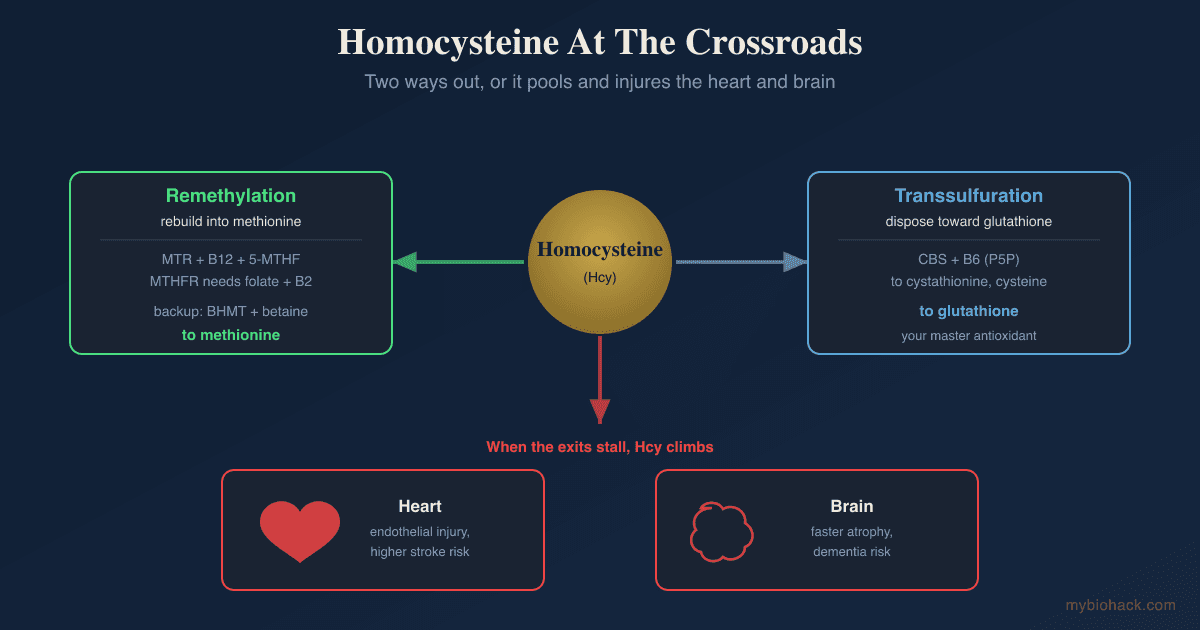
- Methylation Overlap. Methylation status and homocysteine are frequently assessed alongside omega-3 status in cardiovascular risk workups, since both pathways independently affect vascular inflammation and are commonly deficient together.
- Testing. I use the OmegaCheck test (Quest Diagnostics, via Fullscript) to establish a baseline Omega-3 Index before recommending a dose, and the Cardio IQ Advanced Lipid Panel With Inflammation (Vibrant Wellness) to see triglycerides, ApoB, and inflammatory markers in the same context described in the ApoB and Lp(a) post. For anyone weighing prescription-level EPA against the atrial fibrillation signal discussed above, I recommend pairing lab testing with a consultation rather than self-titrating a 4 gram dose alone.
Supplements referenced in this post, for reference: fish oil, re-esterified triglyceride omega-3, krill oil, algae oil DHA, and cod liver oil.
Jacob Gordon
INHC, FMT-C
Integrative Nutrition Health Coach
I cover mold illness, post-viral recovery, methylation, and complex chronic disease, drawing on ten years of clinical research, work inside a functional medicine clinic, and my own recovery from all of it. Every claim here is cited.
Book a ConsultationRelated Protocols & Supplements
Deep-dive chapters and recommended supplements for this topic
Electrolyte Complex
1 scoop/day
CoQ10
200mg/day
Magnesium Glycinate
400mg at bedtime