VEGF: Why You Should Not Reflexively Try To Lower It
By Jacob Gordon, INHC, FMT-CThis article contains affiliate links. As an Amazon Associate, MyBioHack earns from qualifying purchases at no extra cost to you. We only link products we research and stand behind.
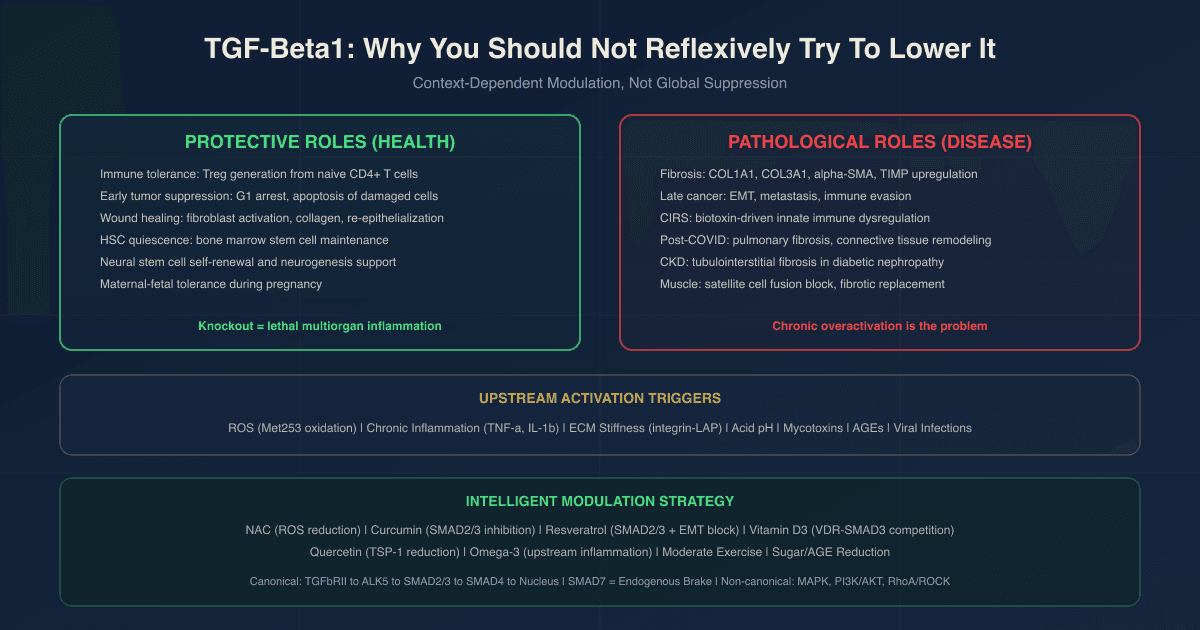
VEGF (vascular endothelial growth factor) is the body's master regulator of blood vessel formation, and like TGF-beta1, it occupies both sides of the line between essential biology and pathological disease depending entirely on where, when, and how much of it is active.
In this post, we will discuss what VEGF is, why suppressing it wholesale is dangerous and creates predictable toxicities, what it does in healthy physiology, what happens when it becomes chronically dysregulated, which conditions involve pathological VEGF activity, how to modulate it intelligently rather than block it bluntly, and the genetics behind individual variation.
 CIRS, and context-dependent modulation" width="1200" height="630" loading="eager" />
What VEGF Is
VEGF is not a single molecule.
It is a family of five related glycoproteins: VEGF-A, VEGF-B, VEGF-C, VEGF-D, and placental growth factor (PlGF).
When clinicians and researchers say "VEGF" without qualification, they almost always mean VEGF-A, which is the primary driver of blood vessel angiogenesis and the primary target of all anti-cancer and anti-retinal-disease VEGF therapies currently in clinical use. R
Each family member has distinct biology:
- VEGF-A: the primary pro-angiogenic ligand; binds VEGFR-1 and VEGFR-2; drives endothelial cell proliferation, migration, tube formation, and vascular permeability; exists in multiple splice isoforms (VEGF121, VEGF165, VEGF189, VEGF206) with different ECM-binding affinities and tissue distributions R
- VEGF-B: binds VEGFR-1 and neuropilin-1; roles in cardiac energy metabolism and fatty acid uptake; expressed highly in cardiomyocytes; VEGF-B knockout mice are viable with cardiac conduction abnormalities R
- VEGF-C: binds VEGFR-2 and VEGFR-3; primary driver of lymphangiogenesis (lymphatic vessel growth); VEGF-C null mice die in utero with failed lymphatic development; also relevant to immune cell trafficking via lymphatics R
- VEGF-D: binds VEGFR-2 and VEGFR-3; similar lymphangiogenic roles to VEGF-C; VEGF-D null mice are viable and fertile, suggesting VEGF-C can compensate R
- PlGF (placental growth factor): binds VEGFR-1 only; modulates inflammation and vascular homeostasis; involved in placental vascularization and in the pathophysiology of preeclampsia R
The three receptors:
VEGFR-1 (Flt-1): has the highest binding affinity for VEGF-A but the weakest downstream signaling activity; in the physiological environment it often functions as a decoy receptor that limits VEGFR-2 activation; in pathological conditions (including some cancers) it can activate downstream signaling directly. R
VEGFR-2 (KDR/Flk-1): the primary pro-angiogenic signaling receptor; VEGF-A binding drives endothelial cell proliferation, survival, migration, and vascular permeability through downstream PI3K/AKT, MAPK/ERK, and eNOS pathways; the primary target of approved anti-cancer VEGF therapies. R
VEGFR-3 (Flt-4): expressed primarily on lymphatic endothelial cells; binds VEGF-C and VEGF-D to drive lymphangiogenesis; VEGFR-3 knockout mice die at embryonic day 9.5 from cardiovascular failure; in humans, inactivating mutations in the catalytic loop of VEGFR-3 cause Milroy disease, the hereditary lymphedema condition. R
Neuropilins (NRP-1, NRP-2) are non-signaling co-receptors that enhance VEGFR-2 binding affinity and modulate receptor trafficking; certain VEGF-A isoforms (particularly VEGF165) require NRP-1 for full receptor activation. R
VEGF-A isoforms and the ECM depot:
VEGF165 is the most prevalent isoform in humans and is considered the classical pro-angiogenic form.
Longer isoforms (VEGF189, VEGF206) contain heparin-binding domains that anchor them to heparan sulfate proteoglycans in the extracellular matrix, creating a tissue-bound reservoir that can be mobilized by proteases (plasmin, MMPs) during injury or inflammation.
Shorter isoforms (VEGF121) are freely soluble and diffuse away from their source.
The balance between ECM-bound and soluble VEGF determines the steepness and directionality of the VEGF gradient that guides tip-cell sprouting angiogenesis. R
Why You Do Not Want To Fully Suppress VEGF
The most important fact about VEGF is established by two 1996 Nature papers that demonstrated heterozygous embryonic lethality.
Mice with deletion of only a single copy of the VEGF-A gene die in utero, around embryonic day 11. This is not a lethal phenotype in most gene knockout experiments.
Losing half the normal gene dose of VEGF-A is sufficient to kill the embryo from failed vascular development.
Over-expression of VEGF-A is similarly lethal in embryos, causing fatal vascular malformation.
VEGF-A expression must sit within a tight biological window during development, and this requirement persists throughout life. R
What anti-VEGF drugs teach us about suppressing VEGF in adults:
Bevacizumab (Avastin) is the most studied VEGF-A blocking antibody.
From its clinical use, the field learned exactly what happens when you pharmacologically suppress VEGF in adult tissues.
The side effect profile of bevacizumab is not a drug-specific toxicity.
It is a class effect that directly reveals what VEGF is doing in normal adult physiology.
Hypertension: VEGF-A acting through VEGFR-2 continuously activates endothelial nitric oxide synthase (eNOS), driving production of vasodilatory nitric oxide (NO).
VEGF blockade reduces NO production, causing sustained vasoconstriction.
Hypertension develops in nearly all patients on VEGF inhibitors, with grade 3 or higher hypertension (requiring medical intervention) in up to 10 to 26% of patients depending on the agent. R
The clinical picture mirrors preeclampsia almost exactly, which is also caused by excess circulating soluble VEGFR-1 (sFlt-1) sequestering VEGF and reducing endothelial NO in pregnancy. R
Proteinuria and kidney damage: In kidney podocytes, VEGF-A maintains the fenestrated endothelium of glomerular capillaries.
Podocyte-specific deletion of the VEGF-A gene in mice produces hypertension, proteinuria, and thrombotic microangiopathy, identical to what is observed with bevacizumab in humans.
Pharmacological VEGF inhibition in animals reduces glomerular capillary fenestrations within days. R
Impaired wound healing: VEGF-A is required for angiogenesis in healing wounds.
Patients receiving bevacizumab who undergo surgery within 60 days of the last dose have wound healing complication rates of 13% compared to 3.4% in those who had surgery more than 60 days out.
Wound dehiscence, bowel perforation, fistula formation, and abscess are documented complications. R
Capillary regression in normal tissues: In normal adult mice, just 2 to 3 weeks of VEGF signaling inhibition causes regression of 34 to 46% of capillaries in intestinal villi.
While this does not immediately impair function, it demonstrates that VEGF is not merely a growth signal.
It is continuously required for the maintenance of existing capillary beds in healthy tissue. R
Cardiovascular events: VEGF inhibition increases risk of arterial thromboembolic events (myocardial infarction, stroke) by 1.5 to 2.5-fold for bevacizumab and 2.3 to 4.6-fold for tyrosine kinase inhibitors targeting VEGF receptors.
The mechanism involves loss of VEGF-driven endothelial NO and PGI2, which normally inhibit platelet aggregation and leukocyte adhesion. R
The takeaway:
VEGF suppression in the context of cancer treatment or active ocular neovascularization is clinically justified when pathological angiogenesis is directly causing disease progression or vision loss.
In the functional medicine context, aggressively stacking natural VEGF-reducing compounds in someone without confirmed pathological angiogenesis and active disease risks recreating a milder version of the bevacizumab side effect profile: rising blood pressure, impaired wound healing, and accelerated vascular aging.
The goal is context-specific modulation, not global suppression.
What VEGF Does In Health
Vascular development:
VEGF-A is expressed in virtually every tissue from early embryogenesis.
It drives the formation of the primary vascular plexus (vasculogenesis) and the growth of new vessels from existing ones (angiogenesis).
The HIF-1alpha-VEGF axis ensures that any tissue becoming hypoxic can signal for new vessel growth to restore oxygen delivery. R
Wound healing:
Platelets are the first cells to deliver VEGF to a fresh wound, releasing it immediately upon activation.
Within 2 to 3 days of injury, macrophages at the wound site become the dominant VEGF source, maintaining the angiogenic gradient.
VEGF drives endothelial cell proliferation, tube formation, and new capillary sprouting into the wound bed, restoring perfusion and oxygen tension.
Beyond angiogenesis, VEGF directly stimulates keratinocyte migration (accelerating re-epithelialization) and supports collagen production by fibroblasts.
Chronic wounds are chronically low in VEGF activity, which is one reason ischemic diabetic foot wounds fail to close. R
Bone formation and repair:
VEGF is indispensable for normal bone development and fracture healing.
In developing cartilage (endochondral ossification), hypertrophic chondrocytes express high levels of VEGF that trigger invasion of blood vessels, osteoclasts, and osteoblast precursors into the cartilage template, initiating bone formation.
After fracture, VEGF concentrations in the fracture hematoma can be 15-fold higher than in plasma.
Osteoblasts release VEGF via the HIF-1alpha pathway in response to the local hypoxia of the fracture site, coupling angiogenesis to osteogenesis and ensuring new bone receives adequate perfusion during mineralization. R
Endothelial homeostasis and blood pressure regulation:
Resting VEGFR-2 signaling in endothelial cells maintains a continuous baseline production of NO via eNOS.
This NO is not merely a vasodilator.
It also inhibits platelet aggregation, prevents leukocyte adhesion to endothelial surfaces, and provides antimitogenic signals to smooth muscle cells that prevent excessive vascular wall thickening.
VEGF is therefore a continuous maintainer of vascular health in adult tissue, not just a growth signal during development or injury. R
Lymphatic maintenance (VEGF-C/VEGFR-3 axis):
VEGF-C drives the development and ongoing maintenance of the lymphatic vasculature.
Heterozygous VEGF-C loss in mice causes lymphedema from incomplete lymphatic development.
In adult tissues, VEGF-C produced by macrophages and other cells sustains lymphatic endothelial cell survival and promotes lymphangiogenesis in tissue repair contexts.
The VEGF-C/VEGFR-3 axis also directly enhances CD8+ T cell responses and immune surveillance, establishing a direct link between lymphangiogenesis and adaptive immunity. R
Neuroprotection and axon guidance:
VEGF-A and its receptors are expressed in sensory neurons, dorsal root ganglia, and throughout the brain.
VEGF-B acting through VEGFR-1 is specifically neuroprotective for sensory neurons: VEGF-B deficient mice display increased vulnerability to neuropathy induced by chemotherapy (paclitaxel).
PlGF-2 intramuscular transfer ameliorates sensory neuropathy in diabetic mice without affecting the vascular system, via direct signaling to sensory neurons.
VEGF-A promotes neurite outgrowth and Schwann cell proliferation in peripheral nerve tissue. R
Exercise adaptation:
Aerobic exercise is one of the most potent physiological inducers of VEGF in skeletal muscle.
The local hypoxia and mechanical shear stress generated in contracting muscle tissue activate HIF-1alpha, which drives VEGF transcription in myocytes.
This physiological VEGF elevation drives capillary expansion in exercised muscle, which is the primary vascular mechanism behind improved oxygen delivery and endurance capacity.
Blood flow restriction (BFR) training substantially amplifies this signal by increasing local hypoxia during contraction. R
What Drives Chronic Pathological VEGF Activity
VEGF becomes pathological when it is chronically elevated in the wrong context, driving disorganized, leaky, immature vessel growth rather than the organized capillary networks of normal angiogenesis.
Chronic hypoxia and HIF-1alpha stabilization:
Tissue hypoxia is the most potent physiological inducer of VEGF transcription via hypoxia-inducible factor 1-alpha (HIF-1alpha).
Under normal oxygen tension, prolyl hydroxylase domain enzymes (PHDs) hydroxylate HIF-1alpha, marking it for proteasomal degradation via von Hippel-Lindau (VHL) protein.
Under low oxygen, PHDs are inactive, HIF-1alpha stabilizes, dimerizes with HIF-1beta, and binds hypoxia response elements (HREs) in the VEGF-A promoter, driving transcription.
Chronic tissue hypoxia from metabolic dysfunction, cardiovascular disease, sleep apnea, or obesity drives sustained HIF-1alpha stabilization and VEGF overproduction. R
Chronic hyperglycemia and diabetes:
Hyperglycemia drives VEGF elevation in retinal tissue through multiple mechanisms: oxidative stress destabilizes HIF-1alpha in a PHD-independent manner, advanced glycation end products (AGEs) accumulate on retinal proteins, and ischemic retinal tissue signals for neovascularization.
Elevated retinal VEGF causes retinal neovascularization (the defining feature of proliferative diabetic retinopathy), macular edema, and vision loss. R
Tumor microenvironment:
Tumor cells grow faster than existing vasculature can supply.
This creates central tumor hypoxia, which drives HIF-1alpha-mediated VEGF overproduction.
Tumor VEGF drives a disorganized angiogenic response: the resulting vessels are leaky, tortuous, and poorly perfused, which simultaneously increases tumor interstitial fluid pressure (making drug delivery harder) and creates a pro-metastatic interstitial outflow that helps tumor cells access the lymphatic system.
Tumor-derived VEGF also suppresses dendritic cell maturation and impairs T cell antitumor function, contributing to immune evasion. R
Chronic inflammation:
Inflammatory cytokines including TNF-alpha, IL-1beta, and PDGF directly upregulate VEGF expression in many cell types.
Mast cells are a particularly potent source of VEGF in inflammatory contexts: IL-9 induces VEGF secretion from mast cells, which is relevant to atopic conditions.
Activated macrophages also produce VEGF as part of the healing response.
When inflammation is chronic rather than acute, this VEGF production becomes sustained and dysregulated, driving pathological angiogenesis in conditions like rheumatoid arthritis synovium, inflammatory bowel disease mucosa, and psoriatic skin. R
Obesity and metabolic dysfunction:
Adipose tissue is a major source of VEGF in metabolically unhealthy individuals.
Adipocyte hypoxia from tissue expansion drives HIF-1alpha-mediated VEGF production.
Elevated circulating VEGF is consistently found in obese individuals and is associated with increased cardiovascular disease risk, systemic endothelial dysfunction, and the low-grade inflammatory state that characterizes metabolic syndrome.
VEGF And Overlapping Conditions
Diabetic Retinopathy And Diabetic Macular Edema
Diabetic retinopathy (DR) is the most common cause of vision loss in working-age adults worldwide.
In DR, chronic hyperglycemia damages retinal capillary pericytes and endothelial cells, creating acellular (dead) capillary stumps.
Ischemic retinal tissue upregulates VEGF via HIF-1alpha.
VEGF drives pathological retinal neovascularization (proliferative DR) and directly increases vascular permeability, driving fluid accumulation in the macula (diabetic macular edema, DME) and distorting vision.
Intravitreal anti-VEGF injections (bevacizumab, ranibizumab, aflibercept) are first-line treatment for DME and proliferative DR, requiring ongoing administration for disease control. R
Wet Age-Related Macular Degeneration
Age-related macular degeneration (AMD) in its wet (neovascular) form involves choroidal neovascularization: abnormal blood vessels growing from the choroid into the sub-retinal space beneath the macula.
These vessels leak fluid and blood, causing rapid and severe central vision loss.
Elevated VEGF in the retinal pigment epithelium (RPE) and choroid drives choroidal neovascular vessel growth via HIF activation.
Intravitreal anti-VEGF therapy is the standard of care for wet AMD, significantly reducing vision loss when administered regularly. R
Cancer: Tumor Angiogenesis
Tumor angiogenesis is a hallmark of cancer progression.
Without vascular access, solid tumors cannot grow beyond 1 to 2 mm in diameter.
VEGF enables the angiogenic switch that takes a dormant tumor cluster into an actively growing, invasive malignancy.
Anti-VEGF therapies (bevacizumab, ramucirumab; tyrosine kinase inhibitors sunitinib, sorafenib, axitinib, pazopanib) are approved across multiple tumor types.
A major clinical insight: bevacizumab as a single agent has minimal antitumor activity in most cancers, but combined with chemotherapy, it improves drug delivery by partially normalizing the chaotic tumor vasculature and reducing intratumoral fluid pressure.
This is "vascular normalization" rather than vascular destruction, and it is the mechanistically correct target in the context of drug co-delivery. R
Preeclampsia
Preeclampsia is effectively a natural experiment in VEGF suppression.
The placenta in preeclampsia overproduces soluble Flt-1 (sFlt-1), a truncated splice variant of VEGFR-1 that circulates freely and sequesters both VEGF-A and PlGF.
This dramatically reduces circulating free VEGF, impairing endothelial eNOS function and producing the characteristic preeclamptic triad of hypertension, proteinuria, and edema.
The preeclamptic phenotype is pathophysiologically almost identical to the bevacizumab side effect profile, providing strong in-vivo human evidence that suppressing VEGF in vascular endothelium produces hypertension and renal dysfunction. R
Lymphedema
VEGF-C deficiency or VEGFR-3 loss of function causes lymphatic vessel insufficiency and lymphedema.
Therapeutic administration of VEGF-C is under active investigation as a treatment for post-surgical lymphedema, representing the opposite problem from pathological angiogenesis: here, too little VEGF family signaling is the disease driver.
This is a clinically important reminder that VEGF family signaling has essential roles in lymphatic as well as blood vessel homeostasis. R
Rheumatoid Arthritis And Inflammatory Joint Disease
Synovial tissue in rheumatoid arthritis is heavily infiltrated with inflammatory cells that produce VEGF.
VEGF drives synovial angiogenesis, sustaining the inflammatory pannus that destroys cartilage and bone.
Elevated synovial and serum VEGF in RA correlates with disease activity and joint destruction.
Anti-VEGF approaches are being investigated as adjuncts to established RA therapy, though the clinical evidence is not yet as strong as for direct biologic targeting of TNF-alpha or IL-6. R
Peripheral Artery Disease And Ischemic Cardiovascular Disease
Paradoxically, in the context of ischemic heart disease and peripheral artery disease (PAD), too little VEGF is the problem, not too much.
Ischemic tissue generates a VEGF response that drives collateral vessel formation to compensate for blocked arteries, which is beneficial.
Therapeutic angiogenesis approaches (gene therapy delivering VEGF or administering recombinant VEGF protein to ischemic limbs) have been studied for PAD, with mixed results in trials but a compelling mechanistic basis.
In these conditions, supporting VEGF signaling rather than suppressing it is the correct direction. R
CIRS And Biotoxin Illness: Low VEGF As A Disease Marker
Chronic Inflammatory Response Syndrome (CIRS), the biotoxin-mediated innate immune illness described by Shoemaker and associated with water-damaged building exposure, tick-borne infections (Borrelia, Babesia, Bartonella), ciguatera, and cyanobacteria toxins, involves VEGF in the opposite direction from most other conditions in this section: VEGF is suppressed, not elevated.
The CIRS biotoxin pathway describes a sequential cascade of immune dysregulation.
Biotoxin exposure in genetically susceptible individuals (primarily HLA-DR variants that impair toxin clearance) drives persistent innate immune activation and a surge of inflammatory cytokines.
These cytokines cause capillary hypoperfusion: poor oxygen delivery through capillary beds even in the absence of frank arterial disease.
The body initially responds to capillary hypoperfusion by releasing VEGF to compensate.
However, the VEGF rise triggers a secondary release of TGF-beta1, which in turn suppresses VEGF.
The net result across the chronic CIRS state is low circulating VEGF, a measurable biomarker in the Shoemaker diagnostic panel, typically falling below 31 pg/mL (reference range 31 to 86 pg/mL). R
The clinical consequences of low VEGF in CIRS are direct and mechanistically predictable.
When VEGF is deficient, microvascular oxygen delivery is impaired.
The maximum oxygen uptake available to cells (VO2 max) is reduced and the anaerobic threshold drops.
This manifests clinically as the severe post-exertional fatigue and exercise intolerance that CIRS patients characteristically describe: not simply deconditioning, but a documented failure of tissue oxygenation at the capillary level that no amount of training corrects while the biotoxin exposure remains active. R
CIRS is a context where suppressing VEGF further is exactly the wrong direction.
Someone with known or suspected CIRS who takes large doses of quercetin, resveratrol, and NAC specifically to "lower VEGF" based on the cancer literature is working against their own physiology.
The goal in CIRS is to remove the biotoxin burden (remediation, sequestrants, MARCoNS eradication), allowing VEGF to normalize upward as TGF-beta1 falls and innate immune activation resolves.
VEGF is measured serially in the Shoemaker protocol as a response marker, typically correcting as upstream biotoxin burden is addressed.
Lyme Disease And VEGF: Two Distinct Mechanisms
Lyme disease intersects with VEGF biology at two mechanistically distinct levels, operating in opposite directions across the disease course.
Level 1: Early/active infection, elevated vascular permeability.
Borrelia burgdorferi, the causative spirochete of Lyme disease, directly induces VEGF production at the site of inoculation.
In mouse skin studies, VEGF was among the cytokines significantly upregulated at the infection site in an OspC-dependent manner.
The likely function is not new vessel growth but vascular permeability: VEGF was originally identified as vascular permeability factor (VPF), and the early VEGF spike at the tick bite site likely increases vessel leakiness to facilitate spirochete dissemination from the dermis into the bloodstream and systemic tissues.
This mechanism helps explain why Lyme disease is capable of such rapid systemic dissemination from a single skin inoculation. R
B. burgdorferi also directly activates vascular endothelial cells via NF-kappaB, upregulating E-selectin, VCAM-1, and ICAM-1, which recruits inflammatory cells to the endothelium.
In neural tissue ex vivo, both live and non-viable spirochete components induce VEGF-A secretion from dorsal root ganglion tissue, alongside pro-inflammatory and pro-nociceptive cytokines, providing a possible mechanism for the nerve pain and hypersensitivity seen in disseminated Lyme disease. R
Level 2: Antibiotic-refractory Lyme arthritis, anti-ECGF autoantibodies.
In roughly 10% of Lyme arthritis patients who fail to respond to standard antibiotic courses, an autoimmune process continues driving joint inflammation in the absence of live infection.
This is called antibiotic-refractory Lyme arthritis.
Research from Steere and colleagues identified endothelial cell growth factor (ECGF), a platelet-derived protein closely related to VEGF, as the first autoantigen confirmed to be targeted by both T cell and B cell responses in these patients.
Approximately 20% of patients with antibiotic-refractory Lyme arthritis develop autoantibodies against ECGF.
In synovial tissue from these patients, ECGF autoantibody reactivity correlated directly with the extent of obliterative microvascular lesions, where small synovial blood vessels are being progressively closed off by the immune response (P = 0.02). R
Patients with ECGF antibodies had total arthritis duration significantly longer than those without them (median 67 vs. 17 weeks, P = 0.004). R
The proposed mechanism is infection-triggered molecular mimicry or bystander activation that generates autoimmunity against a host endothelial antigen, and the immune attack on ECGF-expressing endothelial cells progressively destroys the microvasculature of the joint.
This is a form of VEGF-related pathology that is neither simply elevated nor simply suppressed: it is the endothelial growth factor system itself being targeted by a misdirected immune response.
The PTLDS picture is different and worth separating.
Post-treatment Lyme disease syndrome (PTLDS), the persistent fatigue, pain, and cognitive symptoms that can follow adequately treated Lyme disease in the absence of detectable ongoing infection, does not show elevated anti-ECGF antibodies compared to healthy controls or to recovered Lyme patients.
The earlier European study suggesting anti-ECGF antibody elevation in PTLDS patients was not confirmed in a larger, well-characterized US cohort. R
PTLDS appears to involve different mechanisms (neuroinflammation, persistence of bacterial peptidoglycan fragments, autonomic dysfunction) rather than ongoing ECGF autoimmunity.
Lyme as a CIRS subtype:
Shoemaker has included chronic Lyme disease within the CIRS framework as a biotoxin-mediated illness, where the biotoxins are presumed to be Borrelia-derived or co-infection-derived products that persistently activate the innate immune system in genetically susceptible individuals.
In this framing, Lyme-CIRS patients would be expected to show the same low-VEGF pattern as mold-CIRS patients once the disease becomes chronic, with VEGF falling as TGF-beta1 rises and capillary hypoperfusion develops. R
The toxins involved have not been established by scientific consensus, which distinguishes this from the well-characterized mycotoxin-CIRS literature, but the clinical phenotype and biomarker pattern are recognized as overlapping.
How To Modulate VEGF Intelligently
The target is almost always normalizing the upstream drivers of chronic pathological VEGF activity (hypoxia, hyperglycemia, chronic inflammation, metabolic dysfunction), not pharmacologically blocking VEGF itself outside of a clinical indication like active retinal neovascularization or cancer.
1. Address Chronic Hypoxia At The Source
Chronic tissue hypoxia is the dominant driver of sustained pathological VEGF elevation.
The most impactful interventions target the root causes of hypoxia:
- Treat obstructive sleep apnea with CPAP or positional therapy: repeated nocturnal hypoxia chronically stabilizes HIF-1alpha in multiple tissues, driving sustained VEGF elevation that contributes to hypertension, retinopathy in diabetics, and systemic vascular dysfunction.
- Improve cardiovascular function and tissue perfusion: aerobic fitness increases mitochondrial efficiency and capillary density (via the physiological VEGF response to exercise), reducing resting tissue hypoxia.
- Correct anemia: anemia reduces oxygen-carrying capacity, creating functional tissue hypoxia even with adequate perfusion, driving compensatory VEGF elevation.
2. Control Hyperglycemia And Reduce AGE Load
Hyperglycemia is the primary upstream driver of retinal VEGF dysregulation.
Aggressive glycemic control (target HbA1c below 7%) reduces diabetic retinopathy progression.
Reducing dietary glycemic load also reduces AGE formation, which independently upregulates VEGF in retinal and renal tissue.
Berberine: reduces blood glucose via AMPK activation, reduces AGE formation, and has direct evidence in diabetic retinopathy models of reducing VEGF expression and retinal neovascularization.
Typical dosing: 500 mg twice daily with meals.
3. Quercetin
Quercetin: inhibits angiogenesis through multiple mechanisms relevant to pathological VEGF activity.
It inhibits VEGF-induced endothelial cell proliferation and reduces VEGF expression in hyperglycemia-stimulated human retinal endothelial cells in vitro.
Quercetin directly inhibits VEGF production by reducing NF-kappaB signaling (a major upstream inducer of VEGF transcription in inflammatory contexts) and by inhibiting the COX-2 and 5-lipoxygenase enzymes that contribute to inflammatory VEGF production.
It also directly inhibits VEGFR-2 kinase signaling downstream of VEGF binding. R
Caveat: in ischemic contexts (peripheral artery disease, healing wounds), quercetin's VEGF-reducing activity is likely counterproductive.
This compound is appropriate for someone with documented pathological angiogenesis or cancer contexts, not for general use in people trying to optimize vascular health.
Typical dosing: 500 to 1000 mg daily; phytosome form for better bioavailability.
4. Resveratrol
Resveratrol: reduces pathological VEGF activity by multiple mechanisms.
It inhibits HIF-1alpha protein accumulation by enhancing degradation via MAPK and p70S6K pathway modulation, which reduces VEGF transcription in hypoxic or cancer contexts.
Resveratrol also blocks VEGF-induced angiogenesis by disrupting reactive oxygen species-dependent Src kinase activation and downstream VE-cadherin phosphorylation, which is required for vessel sprouting. R
The same caveat as quercetin applies: in physiological contexts requiring VEGF activity (exercise, wound healing, ischemic tissue), resveratrol's activity should not be maximized.
Typical dosing: 250 to 500 mg daily.
5. NAC (N-Acetylcysteine)
NAC: replenishes glutathione and reduces oxidative stress, one of the upstream activators of HIF-1alpha and thus of VEGF transcription.
In keratinocyte studies, NAC significantly reduces VEGF secretion in both basal and growth factor-stimulated conditions. R
The mechanism is upstream: reducing ROS load reduces the pseudo-hypoxic stabilization of HIF-1alpha that occurs in metabolically dysfunctional tissue even at normal oxygen tension.
This is generally safe and does not carry the risk of blocking physiological VEGF signaling downstream.
Typical dosing: 600 to 1200 mg daily.
6. Vitamin D3
Vitamin D3: the active form 1,25(OH)2D3 has documented anti-proliferative effects on endothelial cells, including suppression of VEGF-driven angiogenesis, through induction of cell cycle arrest and apoptosis in endothelial cells.
Vitamin D may also reduce VEGF expression in tumor cells and in inflammatory contexts.
In diabetic rat models, combined aerobic training and vitamin D improved VEGF-B expression in cardiomyocytes in a direction consistent with physiological (cardiac) rather than pathological angiogenesis. R
Typical dosing: 5000 IU daily with K2; adjust based on serum 25(OH)D (target 50 to 80 ng/mL).
7. Aerobic Exercise (Context-Dependent Optimization)
Aerobic exercise acutely raises VEGF in exercised muscle tissue, and this is a desired physiological response.
The acute VEGF spike drives capillary expansion in muscle, which reduces long-term chronic tissue hypoxia and ultimately reduces resting VEGF levels over time.
Exercise is therefore not a tool to suppress VEGF but to optimize its use: producing the acute, localized, physiologically appropriate VEGF response that drives healthy vascular adaptation, which reduces the chronic dysregulated VEGF burden of sedentary metabolic dysfunction.
Blood flow restriction (BFR) training amplifies the local muscle VEGF-HIF-1alpha response with lower absolute mechanical loads, making it useful for populations who cannot tolerate high-load exercise. R
8. Reduce Chronic Systemic Inflammation
Chronic inflammation is a direct upstream driver of pathological VEGF production, via inflammatory VEGF secretion from mast cells, macrophages, and fibroblasts.
Curcumin (phytosome): reduces NF-kappaB-driven VEGF transcription; has documented anti-angiogenic effects in multiple cancer and inflammation models.
Typical dosing: 500 to 1500 mg phytosome daily with food.
Omega-3 fatty acids (EPA/DHA): reduce TNF-alpha, IL-1beta, and other inflammatory cytokines that drive VEGF upregulation; also improve endothelial function via NO-independent mechanisms.
Typical dosing: 2 to 4 g combined EPA+DHA daily.
What To Stay Away From
- Stacking multiple VEGF-suppressive compounds without a clinical indication such as active retinal neovascularization or a cancer context, as the risk of impairing wound healing, raising blood pressure, and suppressing physiological endothelial NO production increases with the depth of systemic VEGF suppression R
- Chronic hyperglycemia and uncontrolled blood sugar, which are the primary upstream drivers of pathological retinal and renal VEGF dysregulation; this is the most impactful modifiable risk factor for diabetic retinopathy and diabetic macular edema R
- Untreated obstructive sleep apnea, which produces repeated nocturnal hypoxia and sustained HIF-1alpha-driven VEGF elevation in vascular tissues, contributing to hypertension, retinopathy progression, and systemic vascular dysfunction R
- Chronic obesity and metabolic syndrome, in which adipose tissue hypoxia drives sustained VEGF overproduction that contributes to systemic endothelial inflammation and low-grade pathological angiogenesis R
- Taking VEGF-suppressive compounds in the context of ischemic tissue, active wound healing, or post-fracture recovery, as these are all contexts where VEGF is doing essential repair work and interfering with it will impair healing outcomes R
- Smoking, which reduces tissue oxygenation, impairs endothelial VEGF signaling, and contributes to capillary rarefaction in peripheral tissues
Mechanisms Of Action
Simple:
- VEGF-A is the dominant pro-angiogenic member of the VEGF family, signaling primarily through VEGFR-2 on endothelial cells to drive blood vessel growth, and also through VEGFR-2 to maintain endothelial NO production that regulates blood pressure and prevents platelet activation R
- VEGF-A exists in multiple splice isoforms that differ in whether they bind the ECM (VEGF189) or diffuse freely (VEGF121), creating a tissue-bound reservoir vs. a mobile signaling molecule; VEGF165 is the dominant isoform and requires neuropilin-1 co-receptor for full VEGFR-2 activation R
- The primary regulator of VEGF transcription is HIF-1alpha, which is degraded in normal oxygen but stabilized during hypoxia, metabolic dysfunction, or ROS stress, creating a direct link between tissue oxygen status and VEGF production R
- Anti-VEGF drugs in cancer act primarily by starving tumors of vasculature and by normalizing leaky tumor vessels to improve drug delivery, rather than by uniformly destroying tumor blood supply; bevacizumab alone has minimal antitumor activity in most cancers R
- VEGF-C and VEGFR-3 govern lymphatic vessel development and maintenance; VEGF-C loss causes lymphedema, and VEGFR-3 inactivating mutations cause Milroy disease; therapeutic VEGF-C is being developed for lymphedema, where more VEGF family signaling is needed rather than less R
Advanced:
The HIF-1alpha-VEGF oxygen-sensing axis:
In normoxia, molecular oxygen is used as a cosubstrate by PHD enzymes (PHD1, 2, 3) to hydroxylate prolines 402 and 564 on HIF-1alpha.
This hydroxylation creates a binding site for the VHL E3 ubiquitin ligase complex, which polyubiquitinates HIF-1alpha and targets it for proteasomal degradation.
In hypoxia, PHDs cannot obtain their oxygen cosubstrate.
HIF-1alpha accumulates, dimerizes with the constitutively expressed HIF-1beta (also called ARNT), and the HIF-1 complex binds hypoxia response elements (HRE, consensus sequence 5'-RCGTG-3') in the promoters of dozens of hypoxia-response genes.
VEGF-A has HREs in both its promoter and its 3' untranslated region, and hypoxia increases both VEGF-A transcription rate and VEGF mRNA half-life simultaneously. R
Importantly, HIF-1alpha can also be stabilized by non-hypoxic stimuli: ROS (including hydrogen peroxide) oxidize PHD iron centers, inactivating them; oncogenic RAS and PI3K/AKT signaling increase HIF-1alpha protein synthesis; AGEs and inflammatory cytokines activate NF-kappaB, which transcriptionally induces HIF-1alpha.
This is why chronic metabolic disease, cancer, and chronic inflammation all drive VEGF elevation even in tissues that are not frankly hypoxic.
VEGFR-2 downstream signaling:
VEGF-A binding induces VEGFR-2 homodimerization and trans-autophosphorylation at multiple tyrosine residues.
Key phosphorylation sites activate distinct downstream effectors:
- PI3K/AKT pathway: drives endothelial cell survival (phosphorylating BAD to prevent apoptosis) and activates eNOS via AKT-dependent serine phosphorylation, producing NO and causing vasodilation R
- MAPK/ERK pathway: drives endothelial cell proliferation and migration; also activates transcription of additional VEGF target genes including metalloproteinases needed for ECM remodeling during vessel sprouting R
- PLC-gamma pathway: activates protein kinase C (PKC), driving cytoskeletal reorganization for endothelial cell migration and increasing vascular permeability via VE-cadherin phosphorylation and junction loosening
- Src kinase: activated downstream of VEGFR-2 and required for VE-cadherin phosphorylation that loosens endothelial junctions to increase vascular permeability; this is the mechanism behind VEGF's historical name "vascular permeability factor (VPF)"
Tip cell-stalk cell dynamics in sprouting angiogenesis:
New vessel sprouting from an existing capillary requires a highly organized spatial decision: which endothelial cell leads the sprout (the "tip cell") and which follow while proliferating to elongate the sprout (the "stalk cells")?
This is governed by a DLL4-Notch lateral inhibition circuit driven by the VEGF gradient.
The endothelial cell at the highest point of the VEGF gradient upregulates DLL4, which activates Notch signaling in adjacent cells, suppressing their tip cell potential and making them stalk cells.
The tip cell uses filopodia to sample the VEGF gradient and navigate toward the highest VEGF concentration (toward hypoxic tissue).
VEGFR-2 mediates tip cell filopodia guidance; VEGFR-1 (including its soluble form) acts as a decoy within the VEGF gradient, sharpening the relative signal and ensuring only the lead cell receives full VEGFR-2 activation. R
Tumor VEGF and immune suppression:
Beyond angiogenesis, tumor-derived VEGF directly suppresses the antitumor immune response.
VEGF inhibits the maturation of dendritic cells from bone marrow precursors, reducing antigen presentation.
VEGF promotes the accumulation of myeloid-derived suppressor cells (MDSCs) in the tumor microenvironment.
Elevated VEGF impairs the function of CD8+ cytotoxic T cells and NK cells.
This immune-suppressive dimension of tumor VEGF is why anti-VEGF therapy is being combined with immune checkpoint inhibitors (anti-PD-1, anti-CTLA-4) in multiple tumor types: normalizing tumor vasculature with anti-VEGF simultaneously reduces hypoxia-driven immunosuppression, improves T cell infiltration, and primes the tumor for immune attack. R
Genetics
VEGFA promoter polymorphisms (rs2010963, rs833061):
The most studied VEGF-A promoter SNPs are at positions -634 (rs2010963, C/G) and -460 (rs833061, T/C).
The C allele at rs2010963 is associated with higher VEGF-A expression and is associated with increased risk of diabetic retinopathy severity, neovascular AMD, and certain cancers.
The C allele at rs833061 has been associated with increased VEGF-A production and elevated risk of proliferative diabetic retinopathy in multiple GWAS studies.
Individuals carrying high-expression haplotypes may have a lower threshold for pathological retinal neovascularization in the setting of metabolic disease. R R
VEGFR-3 (FLT4) and Milroy disease:
Inactivating mutations in the kinase domain of VEGFR-3 disrupt VEGF-C-mediated lymphangiogenesis and cause primary lymphedema from birth (Milroy disease), an autosomal dominant condition characterized by bilateral lower limb swelling.
These mutations are predominantly in the catalytic loop of the kinase domain and reduce or eliminate receptor autophosphorylation.
This is distinct from the VEGFR-3 knockout embryonic lethality, as heterozygous humans can develop functional but insufficient lymphatics. R
FOXC2 and lymphedema-distichiasis (VEGF-C pathway):
FOXC2 is a transcription factor required for proper lymphatic valve formation downstream of VEGFR-3 signaling.
FOXC2 loss-of-function causes lymphedema-distichiasis syndrome, in which lymphatic valves are absent or malformed, causing lymphedema and ectopic eyelashes (distichiasis) as a defining clinical feature.
The relationship between FOXC2 and VEGFR-3 signaling illustrates how VEGF family genetics influence lymphatic architecture at multiple levels: the ligand, the receptor, and the downstream transcription factor.
VHL (von Hippel-Lindau) mutations and VEGF overexpression:
Loss-of-function mutations in the VHL gene impair the E3 ubiquitin ligase complex that degrades HIF-1alpha.
Without functional VHL, HIF-1alpha is constitutively stabilized regardless of oxygen tension.
This drives chronically elevated VEGF expression and is the mechanism behind the hemangioblastomas, renal cell carcinomas, and retinal angiomas that characterize Von Hippel-Lindau disease.
VHL loss is also the most common molecular event in sporadic clear cell renal cell carcinoma (ccRCC), explaining why ccRCC tumors are highly vascularized and historically responsive to anti-VEGF therapy. R
HIF1A variants:
Common variants in the HIF1A gene (encoding HIF-1alpha) affect the efficiency of HIF-1alpha protein degradation and thus the sensitivity of the HIF-1alpha-VEGF axis to hypoxic stimuli.
The Pro582Ser variant (rs11549465) alters PHD hydroxylation efficiency, leading to a more stable HIF-1alpha protein and higher VEGF induction in response to hypoxia.
This variant is associated with increased risk of certain cancers and has been studied in relation to altitude adaptation physiology.
More Research
- Vascular normalization as the correct cancer anti-VEGF paradigm. The original hope for anti-VEGF cancer therapy was to starve tumors by eliminating their blood supply. The clinical reality is more nuanced: bevacizumab alone has minimal activity in most solid tumors. The productive effect is transiently normalizing the disorganized tumor vasculature, reducing interstitial fluid pressure, and improving chemotherapy delivery to the tumor. This concept has shifted how clinical researchers think about optimal anti-VEGF dosing (lower doses that normalize rather than destroy) and timing relative to chemotherapy. R
- VEGF-C for therapeutic lymphangiogenesis. The inverse problem, too little VEGF family signaling causing lymphedema, has opened a therapeutic avenue: delivering VEGF-C protein or VEGF-C gene therapy to regenerate lymphatic vessels in post-surgical lymphedema. Early Phase I/II clinical trials have shown measurable lymphatic regeneration in treated limbs, representing the first genuine disease-modifying therapy for secondary lymphedema rather than symptom management. R
- VEGF and the preeclampsia biomarker. sFlt-1 (soluble VEGFR-1) and PlGF measured in maternal serum are now used clinically to predict and monitor preeclampsia risk before clinical symptoms develop. The ratio of sFlt-1 to PlGF greater than 38 has high sensitivity and specificity for predicting preeclampsia onset within 4 weeks in symptomatic women. This is a direct clinical application of VEGF family biology at the bedside. R
- For biomarker testing, serum VEGF-A is commercially available and measurable. Elevated serum VEGF in the context of known cancer, metabolic disease, or inflammatory conditions is clinically informative. Intraocular VEGF levels are measured in the clinical ophthalmology context and directly guide anti-VEGF injection decisions. Urinary VEGF-C may serve as a biomarker for lymphangiogenesis in lymphedema research contexts. For most functional medicine applications, however, treating the underlying drivers (hyperglycemia, sleep apnea, metabolic syndrome, chronic inflammation) based on standard metabolic labs is more actionable than circulating VEGF measurement, because the serum level reflects a whole-body average that does not capture the critical local tissue concentrations in retina, bone, or tumor microenvironment where VEGF activity is most clinically relevant.
Jacob Gordon
INHC, FMT-C
Integrative Nutrition Health Coach
I cover mold illness, post-viral recovery, methylation, and complex chronic disease, drawing on ten years of clinical research, work inside a functional medicine clinic, and my own recovery from all of it. Every claim here is cited.
Book a ConsultationRelated Protocols & Supplements
Deep-dive chapters and recommended supplements for this topic
Glutathione (Liposomal)
500mg 2x/day
Activated Charcoal
500mg away from food/meds
NAC
600mg 2x/day