Anti-Mitochondrial Antibodies (AMA-M2): What They Mean Beyond Primary Biliary Cholangitis
By Jacob Gordon, INHC, FMT-CThis article contains affiliate links. As an Amazon Associate, MyBioHack earns from qualifying purchases at no extra cost to you. We only link products we research and stand behind.
Anti-Mitochondrial Antibodies M2 (AMA-M2) are autoantibodies that target the E2 subunit of the pyruvate dehydrogenase complex on the inner mitochondrial membrane, and while they are most famous as the serological hallmark of primary biliary cholangitis, they also appear in autoimmune hepatitis, stroke, lymphoma, and several connective tissue disorders where their meaning is very different.
In this post, we will discuss what AMA-M2 actually binds, the full set of mitochondrial antibody subtypes (M1 through M9), when AMA positivity means something other than PBC, how the biliary tree is selectively targeted, the comorbid autoimmune conditions you should be screening for, the genetics that predispose to AMA production, how to test and interpret the result, and the research-backed protocol to reduce immune drive and protect cholangiocytes while the antibody is circulating.
Basics Of AMA-M2
AMA are a family of autoantibodies directed against proteins on the inner and outer mitochondrial membranes. R
They were first described in 1965 as non-organ-specific antibodies that bound mitochondrial structures, and they were initially assumed to be a curiosity.
Over the following two decades it became clear that the M2 subtype was tightly linked to a specific disease (primary biliary cholangitis) with diagnostic specificity rivaling any autoantibody in medicine.
The M2 subtype binds the E2 component of the pyruvate dehydrogenase complex (PDC-E2), along with E2 subunits of the related 2-oxo-acid dehydrogenases (branched-chain 2-oxo acid dehydrogenase and 2-oxoglutarate dehydrogenase). R
PDC-E2 sits on the inner mitochondrial membrane, where it sits at the decision point between glycolysis and the Krebs cycle, converting pyruvate into acetyl-CoA.
This makes it essential to aerobic metabolism.
When the immune system builds antibodies against this enzyme, it is targeting a protein that is normally sequestered from immune surveillance, which is why AMA positivity is interpreted as a break in central tolerance rather than a secondary reactive phenomenon. R
AMA-M2 is detectable in roughly 90 to 95 percent of patients with primary biliary cholangitis, which gives it one of the highest diagnostic specificities of any autoantibody in clinical medicine. R
The autoantibody precedes clinical disease by years or even decades, which means an incidentally positive AMA-M2 in someone with normal liver enzymes is not a panic result.
It is a surveillance trigger.
The M1 Through M9 Subtypes
Nine AMA subtypes (M1 to M9) have been described based on the mitochondrial antigen they target, each with distinct clinical associations.
They are listed below in numerical order because the labels are historical: (not exclusive list)
- M1 (cardiolipin, seen historically in syphilis and in antiphospholipid syndrome, largely superseded by modern anti-cardiolipin assays)
- M2 (PDC-E2, BCOADC-E2, OGDC-E2, the dominant PBC marker with greater than 95 percent specificity) R
- M3 (historically linked to pseudolupus from the drug venocuran, rarely encountered today)
- M4 (found in PBC subtypes that overlap with autoimmune hepatitis, reactive against sulfite oxidase)
- M5 (associated with connective tissue disease including SLE and antiphospholipid syndrome) R
- M6 (iproniazid-induced hepatitis, a drug reaction pattern)
- M7 (myocarditis and cardiomyopathy, directed against sarcosine dehydrogenase)
- M8 (a PBC subset with faster progression)
- M9 (early or mild PBC, glycogen phosphorylase as the target, often the earliest serological signal) R
Of the nine, M1, M2, and M5 are the clinically useful subtypes ordered by modern labs.
The others are largely historical and appear in case series rather than in routine clinical ordering.
When a lab reports "AMA positive" without specifying the subtype, the default assumption is M2, but specific M2 ELISA confirmation is worth requesting to avoid cross-reactivity false positives.
AMA-M2 And Primary Biliary Cholangitis
Primary Biliary Cholangitis (PBC), formerly called primary biliary cirrhosis, is a slow autoimmune destruction of the small intrahepatic bile ducts R Primary Biliary Cholangitis (PBC), formerly called primary biliary cirrhosis, is a slow autoimmune destruction of the small intrahepatic bile ducts that affects women far more often than men R.
The disease progresses through four histological stages from portal inflammation to fibrosis to cirrhosis over years to decades.
AMA-M2 positivity with a titer above 1:40 carries a specificity of greater than 95 percent for PBC when combined with cholestatic liver enzymes (elevated alkaline phosphatase and GGT). R
The antibody appears in serum years before symptoms develop, which means an incidentally positive AMA-M2 in someone with normal enzymes is a signal to monitor rather than to treat. R
Roughly 10 to 20 percent of isolated AMA-positive individuals progress to overt PBC within five years, and 40 to 60 percent progress over longer follow-up.
Standard first-line therapy is ursodeoxycholic acid (UDCA) at 13-15 mg/kg daily, which slows progression in roughly two thirds of patients R.
The one third who fail UDCA (defined by the Paris criteria R as persistently elevated alkaline phosphatase after a year) are now candidates for obeticholic acid or bezafibrate as second-line therapy.
AMA titer itself does not track disease activity reliably, which is why alkaline phosphatase, bilirubin, and the ALBI or GLOBE score R are used to monitor progression.
AMA Positivity Beyond PBC
AMA-M2 is not exclusive to PBC, and failing to recognize the other contexts leads to misdiagnosis.
Conditions where AMA positivity has been documented include: (not exclusive list)
- Acute ischemic stroke (transient AMA positivity has been reported and likely reflects mitochondrial release from ischemic tissue rather than primary autoimmunity) R
- Autoimmune hepatitis (overlap syndromes exist, and AMA can appear without biliary features in a minority of AIH cases) R
- Chronic hepatitis C (low-titer AMA without PBC is described, particularly with mixed cryoglobulinemia)
- Cryptogenic cirrhosis (a subset represents AMA-negative PBC that is reclassified after biopsy)
- Drug-induced liver injury (certain drugs including iproniazid and other hydrazides trigger transient AMA) R
- Lymphoma (paraneoplastic AMA has been described and resolves with treatment of the underlying malignancy) R
- Sjögren syndrome (frequent serological overlap, estimates of 5 to 10 percent AMA positivity in Sjögren cohorts)
- Systemic lupus erythematosus (SLE often runs alongside PBC in overlap syndromes and shares several susceptibility loci) R
- Systemic sclerosis (CREST variant especially, with Raynaud and esophageal dysmotility as leading features)
A positive AMA-M2 in isolation, with normal alkaline phosphatase and normal GGT, is not automatically PBC.
It requires context including a full autoimmune screen, liver enzymes, IgM, and imaging to exclude obstructive causes.
Why The Biliary Tree Is Selectively Attacked
One of the central questions of PBC pathophysiology is why an antibody against an enzyme found in every mitochondrion in every cell selectively destroys the small intrahepatic bile ducts.
Mitochondria are not unique to cholangiocytes.
The answer lies in how cholangiocytes handle apoptosis differently from almost any other cell type in the body.
During apoptosis, most cells glutathionylate PDC-E2 as part of their cleanup, which modifies the epitope and prevents it from being recognized by AMA. R
Cholangiocytes do not do this.
They undergo glutathione-depleted apoptosis that leaves PDC-E2 epitopes intact within apoptotic bodies, presenting antigen-presenting cells with immunogenic material that activates autoreactive T and B cells. R
This biliary-specific failure of glutathionylation, combined with the immune privilege breakdown at the portal tracts, explains the tissue selectivity of an otherwise ubiquitous target.
It also explains why supporting cholangiocyte glutathione through NAC and reducing oxidative stress in the biliary tree are rational adjunctive strategies.
Symptoms Of AMA-Driven Disease
The classic PBC presentation is insidious and often missed for years.
Early features include: (alphabetical)
- Bone pain or early osteoporosis (from vitamin D malabsorption and cholestatic bone disease)
- Dry eyes and dry mouth (from Sjögren overlap in roughly 50 percent of PBC patients)
- Fatigue disproportionate to enzyme elevation R (often the presenting complaint, poorly correlated with disease stage) R
- Joint pain (from RA or SLE overlap in a subset)
- Pruritus, especially nocturnal (from bile acid accumulation irritating cutaneous nerves) R
- Raynaud phenomenon R (from systemic sclerosis overlap)
- Right upper quadrant discomfort (late feature)
- Steatorrhea (from fat malabsorption in advanced cholestasis)
- Xanthomas around eyelids or tendons R (from cholestasis-induced hyperlipidemia R)
Advanced disease brings jaundice, ascites, portal hypertension, and the complications of cirrhosis.
Overlapping Conditions
AMA positivity rarely exists in isolation.
It sits within a broader autoimmune landscape that should be screened whenever AMA is discovered.
Common overlaps include: (alphabetical)
- Autoimmune hepatitis (overlap syndromes require both UDCA and immunosuppressive therapy)
- CREST and systemic sclerosis (especially with anti-centromere antibody positivity)
- Hashimoto thyroiditis R (shared HLA susceptibility, screen TSH and anti-TPO)
- Rheumatoid arthritis (screen with RF and anti-CCP) R
- Sjögren syndrome (screen with anti-Ro and anti-La, check for sicca symptoms) R
- SLE (screen with ANA pattern and anti-dsDNA when ANA is positive)
AMA positivity also sits within the broader systemic and long-term inflammation landscape, and the same individuals often carry mast cell activity, gut-level immune drive from dysbiosis, and chronic low-grade LPS translocation from endotoxemia.
Molecular mimicry between mitochondrial E2 domains and gut microbial lipoyl-binding proteins (notably from Novosphingobium aromaticivorans, E. coli, and Lactobacillus species) has been proposed as one environmental trigger for AMA formation, which ties PBC pathophysiology directly to gut barrier integrity. R
How To Support The Immune Response
There is no nutritional or lifestyle protocol that reliably clears an established AMA titer, and anyone suggesting one is overselling the data.
The practical goal is to reduce the inflammatory drive around the antibody, protect biliary function while it is still intact, address upstream triggers like gut permeability and biotoxin load, and support the detox and antioxidant systems cholangiocytes depend on.
Standard-of-care UDCA or obeticholic acid should be layered into this, not replaced.
1. Reduce LPS And Endotoxin Load
Gut-origin endotoxemia feeds the break in tolerance that drives AMA production.
Address dysbiosis and work on gut barrier integrity to lower the circulating antigen load.
Clear any overt infection (H. pylori, SIBO, candida) first since these keep the gut-immune axis activated regardless of what else you do (see the H. pylori post for eradication strategy).
Saccharomyces boulardii: probiotic yeast that reduces gut permeability, competes with opportunistic bacteria and yeast, and reduces secretory IgA dysregulation R (see the SigA post).
Lactoferrin: binds LPS, sequesters free iron from pathogens, and modulates innate immune drive at the gut barrier.
L-Glutamine: primary fuel source for enterocytes and supports tight junction integrity.
Butyrate: colonocyte fuel that supports regulatory T-cell induction and barrier integrity (see SCFA post).
2. Support Bile Flow And Cholangiocyte Health
Bile stagnation accelerates cholangiocyte injury in anyone with AMA positivity.
The goal is to keep bile flowing, keep toxic hydrophobic bile acids displaced by hydrophilic ones, and support the membrane integrity of bile duct epithelium.
TUDCA: hydrophilic bile acid that displaces toxic hydrophobic acids, protects cholangiocytes from apoptotic triggers, and has been shown to reduce ER stress in hepatocytes. R
Milk Thistle (Silymarin): supports hepatocyte membrane stability and glutathione regeneration, see the milk thistle post for full coverage.
Artichoke (Cynarin): choleretic that stimulates bile flow and reduces post-prandial pressure in the biliary tree R.
Phosphatidylcholine: the dominant phospholipid in bile R and a structural component of the biliary mucous barrier that protects cholangiocytes from bile acid toxicity.
3. Modulate Immune Tolerance
Several interventions have modest but real effects on autoimmune tone without the side effect profile of systemic immunosuppression.
Vitamin D3 with K2: low vitamin D status is over-represented in PBC R, correlates with disease activity, and supports regulatory T-cell function.
Low Dose Naltrexone: used off-label in cholestatic pruritus and autoimmune tone modulation, worth discussing with a practitioner (see the LDN post) R.
Vitamin A (retinyl palmitate): supports epithelial integrity and regulatory T-cell differentiation, often deficient in cholestatic fat malabsorption.
Mixed Tocopherols: antioxidant support that is often deficient in cholestatic malabsorption (see the tocopherols post).
4. Calm Systemic Inflammation
Liposomal Curcumin: broad anti-inflammatory with documented activity on biliary and hepatic inflammation, NF-kB suppression, and STAT3 modulation R.
Omega-3 (triglyceride form): reduces eicosanoid-driven cholangiocyte injury and supports resolution of inflammation via specialized pro-resolving mediators.
Quercetin: mast cell stabilizer with anti-inflammatory effects that bridge the autoimmune and histamine axes commonly elevated in PBC.
Trans-Resveratrol: SIRT1 activator with documented hepatoprotective R effects R.
5. Support Detox And Glutathione
Cholangiocytes depend on glutathione to survive the daily oxidative load of bile handling, and PBC patients typically run low.
NAC: precursor to glutathione that supports both hepatocyte and cholangiocyte antioxidant defense.
Liposomal Glutathione: direct delivery for patients with glutathione synthesis limitations.
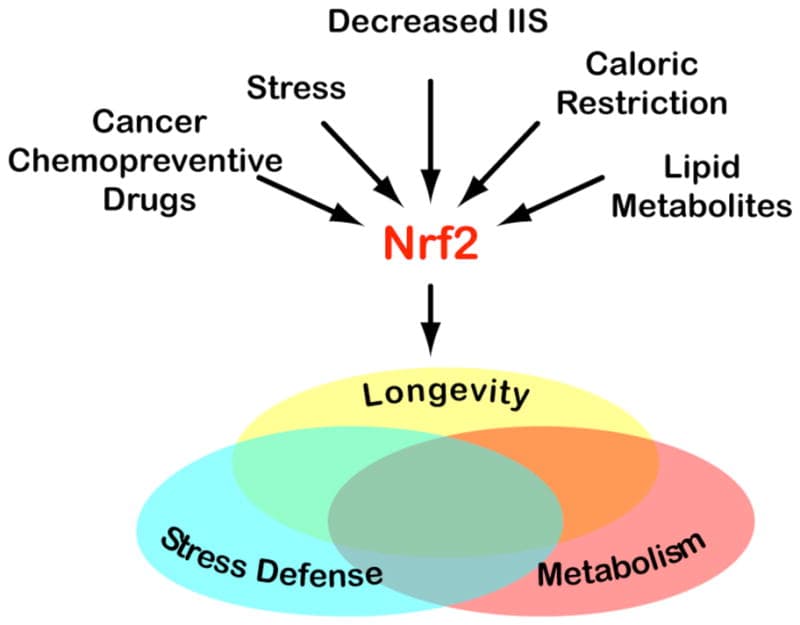
Sulforaphane: NRF2 activator that upregulates the full antioxidant response element R.
What To Stay Away From
- Alcohol (compounds cholangiocyte stress and accelerates fibrosis)
- High-dose iron supplementation (unless documented deficiency, since iron accelerates biliary oxidation and feeds Fenton chemistry)
- Iproniazid and related hydrazide drugs (historical trigger of M6-type AMA)
- Prolonged high-dose acetaminophen (glutathione depletion is the last thing a PBC liver needs)
- Raw shellfish during active cholestasis (Vibrio vulnificus risk is higher with advanced liver disease)
- Unmonitored estrogen therapy (cholestatic risk in susceptible individuals, especially OCP with genetic ABCB4 variants) R
- Unnecessary aminoglycoside antibiotics (nephrotoxic stacking on cholestatic fat-soluble vitamin deficiencies)
Testing
Imaging
Abdominal ultrasound rules out obstructive causes of cholestasis R and identifies the coarse echotexture of advancing PBC.
MRCP (magnetic resonance cholangiopancreatography) excludes primary sclerosing cholangitis R when the biochemical picture is ambiguous, since PSC has a different imaging signature despite overlapping labs.
Transient elastography (FibroScan) quantifies liver stiffness R and tracks fibrosis progression without biopsy.
Blood And Urine Markers
AMA titer by indirect immunofluorescence, with AMA-M2 ELISA confirmation.
Titer above 1:40 with cholestatic enzymes is highly suggestive of PBC, though titer itself does not track disease activity. R
Alkaline phosphatase, GGT, AST, ALT, total bilirubin, direct bilirubin via the Foundation Zoomer (Vibrant Wellness) for liver enzyme tracking and staging.
IgM is often elevated in PBC (sometimes markedly) and tracks disease activity better than AMA titer itself.
Anti-gp210 and anti-sp100 antibodies predict more aggressive PBC phenotypes and are increasingly used for prognostic stratification. R
ANA, anti-smooth muscle antibody, anti-LKM to screen for autoimmune hepatitis overlap.
Anti-Ro, anti-La, anti-centromere, anti-Scl-70 to screen for the connective tissue overlaps that run alongside AMA positivity.
TSH, free T4, anti-TPO, anti-Tg to screen for Hashimoto overlap.
Fat-soluble vitamins (A, D, E, K/INR) to capture malabsorption in cholestatic disease.
Functional Lab Panels
I use the Immune Zoomer (Vibrant Wellness) to map the full autoantibody landscape including AMA-M2 alongside other organ-directed antibodies in one panel, which is especially useful given how often AMA travels with other autoimmune markers.
For broader autoimmune and biliary context, the Foundation Zoomer (Vibrant Wellness) captures liver function, thyroid, CBC, CMP, and baseline immune markers in one panel.
For gut permeability and microbial drivers, the Gut Zoomer (Vibrant Wellness) or a Diagnostic Solutions GI-MAP assesses the LPS translocation and dysbiosis that may drive the underlying tolerance breakdown.
The Neural Zoomer (Vibrant Wellness) is worth considering if there are neurological symptoms, since PBC overlap can include autoimmune small-fiber neuropathy.
Provocation / Confirmation
Liver biopsy is the historic gold standard for PBC staging and is now reserved for ambiguous cases where AMA is negative but PBC is suspected (so-called AMA-negative PBC), or where overlap with AIH is in question.
The histological hallmark is the florid duct lesion with granulomatous destruction of small bile ducts R. R
Mechanisms Of Action
Simple:
- AMA-M2 is an antibody that targets an enzyme inside your mitochondria.
- When the immune system makes it, something has broken the normal rule that says the body should not attack its own cells.
- In PBC, the antibody shows up years before any symptoms, but the bile duct damage is driven mostly by T cells, not the antibody itself.
- The reason only bile ducts are destroyed (and not every cell in the body with mitochondria) is that bile duct cells handle cell death differently and leave the target protein visible to the immune system.
Advanced:
- PDC-E2 lipoyl domain targeting. The dominant epitope is the inner lipoyl domain of PDC-E2, which remains immunogenic after cholangiocyte apoptosis because these cells fail to glutathionylate it during apoptotic cleanup, exposing intact epitope to professional antigen-presenting cells. R
- Molecular mimicry. Microbial lipoyl-binding proteins (Novosphingobium aromaticivorans, E. coli, Lactobacillus, Mycobacterium gordonae) share epitopes with PDC-E2 and can seed autoreactive B cell clones through infection-driven antigen exposure. R
- Cholangiocyte-specific apoptosis. Unlike hepatocytes, cholangiocytes undergo glutathione-depleted apoptosis that leaves PDC-E2 epitopes intact, which explains the biliary tropism of a systemic antibody response. R
- Th17 and IL-21 drive. Portal infiltrates in PBC are rich in Th17 cells, and IL-21 signaling supports the autoreactive B cell niche, which is why IL-12/IL-23 axis variants confer risk. R
- Senescence-associated secretory phenotype. Senescent cholangiocytes secrete CCL2, CXCL10, and IL-6 that recruit inflammatory infiltrate and propagate the autoimmune reaction even when the original trigger has resolved R. R
- Bile acid feedback. Accumulating hydrophobic bile acids trigger further cholangiocyte apoptosis, completing a positive feedback loop, which is the mechanism UDCA and TUDCA interrupt R by displacing them. R
Genetics
HLA-DRB1 — Highest Population Risk
Major histocompatibility class II locus presenting PDC-E2 peptides to CD4 T cells.
HLA-DRB1*08:01 is the strongest single-gene risk factor for PBC in European and Japanese cohorts with odds ratios of 3-5.
HLA-DRB1*11 and HLA-DRB1*13 are protective. R R
PTPN22
Encodes a tyrosine phosphatase that brakes T-cell receptor signaling R.
Loss-of-function variants lower the threshold for autoreactive T cell activation.
rs2476601 (R620W) — the T allele is associated with PBC, type 1 diabetes, rheumatoid arthritis, SLE, and several other autoimmune conditions, making it one of the most pleiotropic autoimmune risk alleles known. R
STAT4
A transcription factor downstream of IL-12 that drives Th1 and Th17 polarization.
rs7574865 — T allele associated with increased risk of PBC, systemic sclerosis, SLE, and rheumatoid arthritis. R R
IL12A
Encodes the p35 subunit of IL-12.
Risk variants are consistently replicated across PBC GWAS studies. R
IL12RB2
Encodes the IL-12 receptor beta-2 subunit, downstream of IL12A.
Risk variants compound the IL12A effect by amplifying Th1 and Th17 polarization.
IRF5
Interferon regulatory factor that drives type I interferon signaling. R
Shared risk with SLE and systemic sclerosis.
TNFSF15
TNF superfamily member 15, relevant to T-cell activation and intestinal immunity.
Risk variants identified in Japanese PBC cohorts R. R
More Research
- AMA-positive, biochemically normal individuals progress to definite PBC at roughly 10 percent over five years and 40 to 60 percent over longer follow-up, which justifies annual surveillance rather than immediate treatment. R
- Citations and clinical patterns around AMA-M2 span autoimmune hepatitis, connective tissue disease, and paraneoplastic contexts, so a positive result should never be interpreted in isolation. R
- For biomarker testing I use the Immune Zoomer to map AMA-M2 alongside the wider autoantibody panel and the Foundation Zoomer for liver enzymes, IgM, and fat-soluble vitamins.
- IgM predominance in PBC is striking and stable over disease course, which makes it one of the more reliable activity markers in serum. R
- Paraneoplastic AMA has been documented in lymphoma and resolves with treatment of the underlying malignancy, reinforcing the importance of considering occult malignancy in new AMA positivity without classic PBC features. R
- Patients with concurrent SLE and AMA positivity have distinct immunological profiles and more frequent cholestatic features, supporting dedicated overlap workup. R
- Stroke patients can develop transient AMA positivity, likely reflecting antigen release from damaged tissue rather than primary autoimmunity, which should be kept in mind when interpreting incidental serology in the post-stroke period. R
- The biliary-selective pattern of a systemic autoimmune process makes PBC one of the most informative models of tissue-specific autoimmune disease and continues to drive research into apoptotic antigen presentation. R
Jacob Gordon
INHC, FMT-C
Integrative Nutrition Health Coach
I cover mold illness, post-viral recovery, methylation, and complex chronic disease, drawing on ten years of clinical research, work inside a functional medicine clinic, and my own recovery from all of it. Every claim here is cited.
Book a ConsultationRelated Protocols & Supplements
Deep-dive chapters and recommended supplements for this topic
Quercetin
500mg 2x/day
Vitamin D3 + K2
5000 IU + 200mcg/day
DAO Enzyme
1 cap before meals