Acemannan: The Aloe Vera Polysaccharide For Wound Healing, Immunity, And Gut Barrier Repair
By Jacob Gordon, INHC, FMT-CThis article contains affiliate links. As an Amazon Associate, MyBioHack earns from qualifying purchases at no extra cost to you. We only link products we research and stand behind.
Acemannan is the main bioactive polysaccharide in the inner gel of Aloe vera, and it sits at the intersection of wound healing, immune modulation, gut barrier support, and antiviral defense that most supplement reviews miss.
In this post, we will discuss what acemannan is, where it comes from, the mechanisms behind its benefits, how it connects to the Junction Dysfunction framework, and how to use it safely.
What Is Acemannan
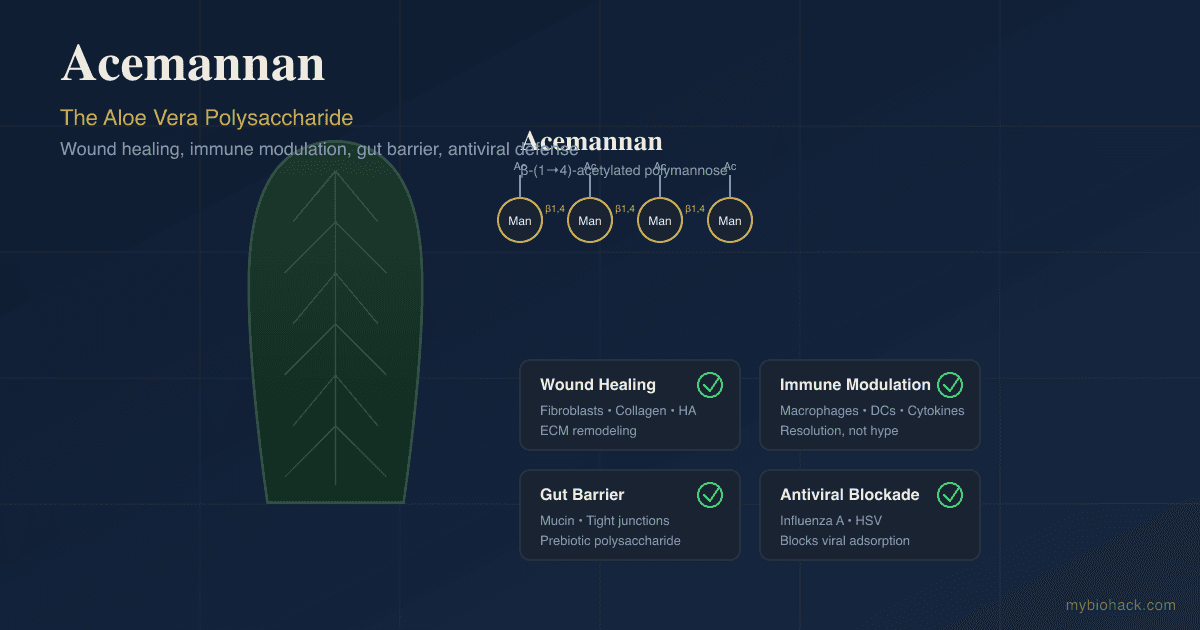
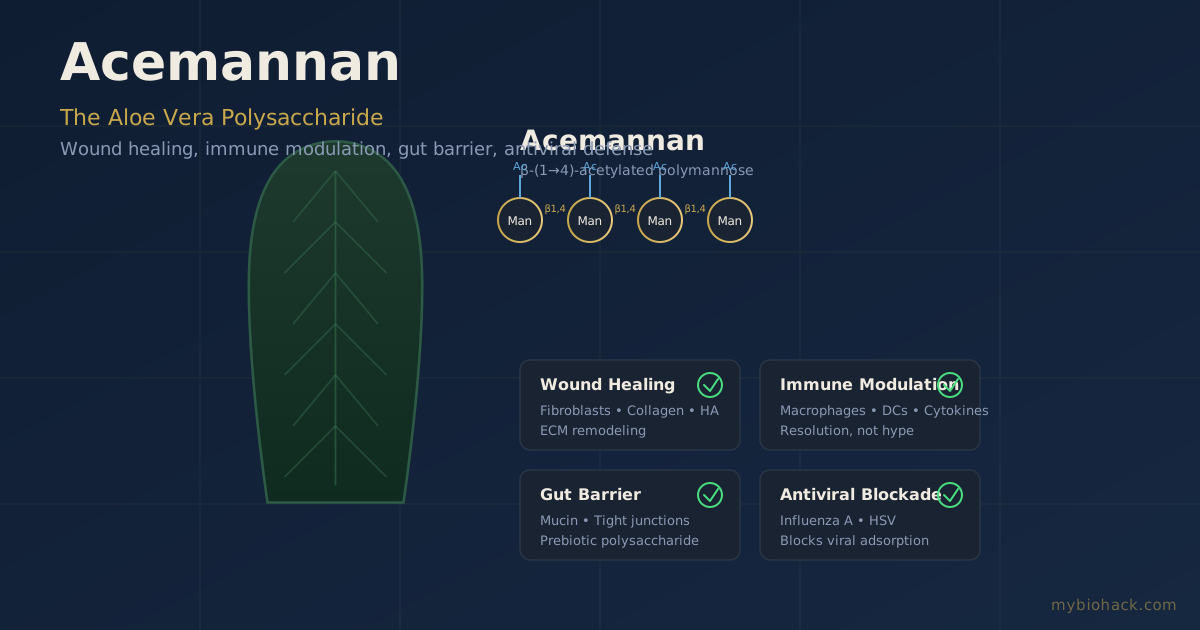
Acemannan is a high-molecular-weight polysaccharide made mostly of mannose linked through beta-(1,4)-glycosidic bonds and decorated with acetyl groups. R
It is extracted from the clear inner leaf gel of Aloe barbadensis Miller, the species most commonly sold as Aloe vera. R
The acetyl groups are not decorative; they stabilize the molecule and are partly responsible for its bioactivity, which is why heat processing or poor extraction can degrade the compound. R
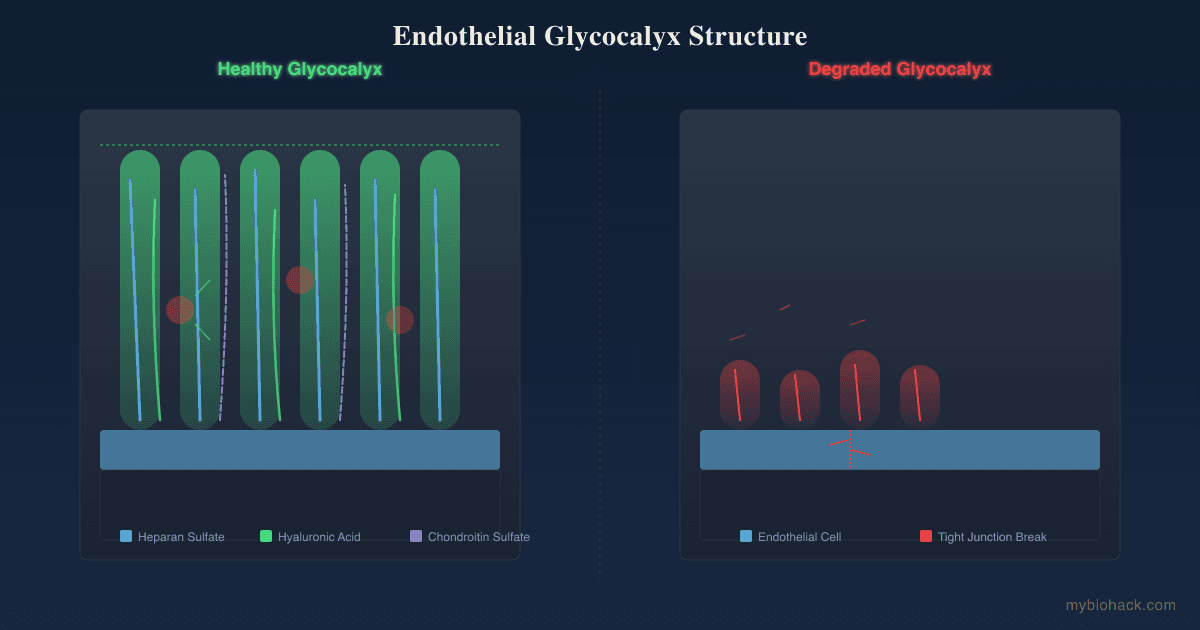
Acemannan is structurally related to the glycosaminoglycans (GAGs) that make up the endothelial glycocalyx and the mucus layer lining the gut. R
That structural overlap is why I think it matters for anyone working on Junction Dysfunction (JD), gut barrier repair, or post-viral recovery.
Benefits Of Acemannan
The research on acemannan is not as large as the literature on curcumin or vitamin D, but the signal is consistent across wound healing, immune modulation, antiviral activity, and gut health. R
- Wound healing and tissue repair
Acemannan stimulates fibroblast proliferation, collagen reorganization, and hyaluronic acid synthesis in damaged tissue. R
In a recent case series on refractory diabetic foot ulcers, an acemannan-enriched glycolipid dressing achieved closure after standard therapies failed. R
The mechanism appears to be a combination of ECM interaction, growth factor signaling, and the formation of a protective hydrated film over the wound bed. R
- Immune modulation
Acemannan activates macrophages, lymphocytes, and dendritic cells and shifts cytokine output toward a more regulated inflammatory profile. R
It is not a simple "immune booster"; it appears to help immune cells resolve inflammation rather than stay stuck in a hyperactive state.
That distinction matters for chronic illness, where the problem is often an immune system that cannot turn off.
- Antiviral activity
Acemannan inhibits influenza A (H1N1) replication in vitro and in vivo by binding viral particles and blocking their adsorption to host cells. R
There is also evidence against herpes simplex virus, though the human data are more limited. R
The mechanism is physical interference with viral attachment, not direct virucidal killing.
- Gut barrier and mucosal support
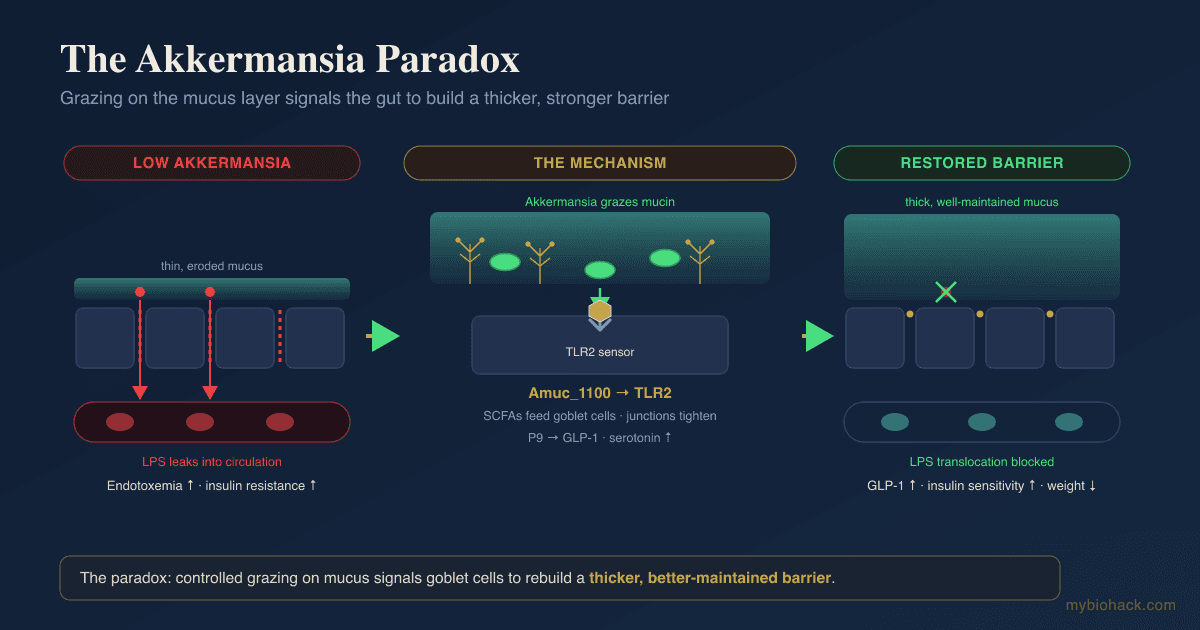
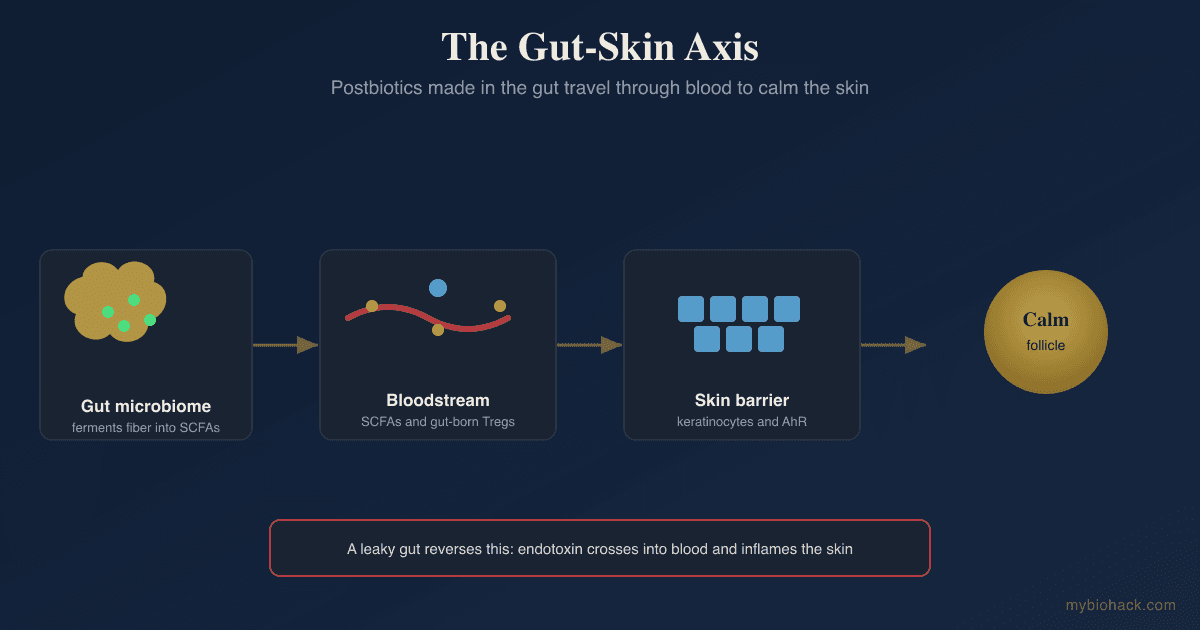
As a prebiotic polysaccharide, acemannan can modulate gut microbiota and support the integrity of the intestinal mucosal lining. R
The gut barrier is the epithelial equivalent of the vascular glycocalyx, and both rely on sulfated and acetylated polysaccharides to maintain selective permeability.
For people with leaky gut, dysbiosis, or post-infectious gut injury, this is the most relevant benefit.
- Antitumor and apoptosis induction (preclinical)
In cell and animal studies, acemannan induces apoptosis in cancer cells and supports systemic immune surveillance. R
The human evidence is essentially absent, so this should be viewed as a mechanistic curiosity, not a treatment.
Natural Sources
The only meaningful natural source is the inner leaf gel of Aloe vera. R
Whole-leaf aloe products contain aloin and anthraquinones from the latex, which are laxative and potentially hepatotoxic at high doses. R
For internal use, look for decolorized, purified inner leaf gel or standardized acemannan extracts.
Topical acemannan is used in wound dressings and dental regeneration products, where the evidence is strongest. R
If you are looking for an oral Aloe vera product, I would start with a purified inner-leaf aloe gel rather than whole-leaf preparations.
Dosage And Safety
Acemannan is generally recognized as safe when used as a purified inner-leaf aloe product. R
There is no universally standardized oral dose because most clinical work has used topical dressings or purified biomaterials rather than oral supplements.
Most oral aloe inner-leaf extracts are dosed between 100 mg and 600 mg of acemannan per day, but follow the specific product label.
Cautions (not an exhaustive list):
- Whole-leaf aloe can cause cramping and diarrhea due to anthraquinones. R
- People with latex allergy should use purified products cautiously.
- Aloe can lower blood sugar, so monitor if on hypoglycemic medication.
- Avoid during pregnancy and breastfeeding unless a clinician approves, due to limited safety data.
Mechanisms Of Action
Simple:
- Acemannan acts like a structural scaffold and immune signal.
- It helps skin and gut barriers stay intact, helps immune cells clean up damage without overreacting, and can physically block some viruses from attaching to cells.
Advanced:
- Extracellular matrix interaction — Acemannan binds to ECM components and promotes fibroblast activity, hyaluronic acid production, and collagen remodeling through Wnt and other tissue-repair pathways. R
- Macrophage and dendritic cell modulation — Acemannan promotes cytokine production (IL-1, IL-6, TNF-alpha) in a way that supports resolution of infection and wound healing rather than chronic inflammation. R
- Viral adsorption blockade — The polysaccharide binds to viral envelope glycoproteins and sterically hinders attachment to host cell receptors. R
- Prebiotic and barrier effects — Acemannan is fermented by gut bacteria and supports mucin production and tight-junction integrity in intestinal epithelial models. R
- Apoptosis signaling in cancer cells — Preclinical work shows acemannan can trigger caspase-dependent apoptosis and cell-cycle arrest, though this has not been meaningfully tested in humans. R
Genetics
There are no direct genetic studies on acemannan response, but the pathways it touches are genetically variable.
SOD2
Superoxide dismutase 2 (SOD2) encodes the mitochondrial antioxidant enzyme that sits on the glycocalyx surface and protects against oxidative damage.
The rs4880 Ala16Val variant reduces mitochondrial transport efficiency and is common in people with chronic illness. R
If you have poor SOD2 function, the oxidative-stress component of wound healing or gut-barrier repair may be slower, and acemannan may work better alongside other NRF2 and antioxidant supports.
FUT2
Fucosyltransferase 2 (FUT2) determines secretor status, which shapes mucosal glycan composition and gut microbiota.
Non-secretors have different mucosal polysaccharide profiles and may respond differently to prebiotic polysaccharides like acemannan.
TLR4
Toll-like receptor 4 (TLR4) mediates much of the innate immune response to LPS and other microbial signals.
Genetic variation in TLR4 can shift how strongly a person mounts an inflammatory response to polysaccharides and microbial products.
More Research
- Acemannan's wound-healing evidence is the most clinically advanced, particularly for diabetic and pressure ulcers. R
- The antiviral data are promising but mostly preclinical; do not rely on acemannan alone for influenza or herpes. R
- Oral bioavailability of intact acemannan is poorly characterized, so topical use has a stronger evidence base than oral supplementation. R
- For gut-barrier support, I use the Gut Zoomer to assess mucosal integrity, dysbiosis, and intestinal permeability before and after any polysaccharide protocol.
- Acemannan fits into the same polysaccharide family as the fucoidans and chaga polysaccharides used for glycocalyx and immune support, though it is not a direct substitute.
Jacob Gordon
INHC, FMT-C
Integrative Nutrition Health Coach
I cover mold illness, post-viral recovery, methylation, and complex chronic disease, drawing on ten years of clinical research, work inside a functional medicine clinic, and my own recovery from all of it. Every claim here is cited.
Book a ConsultationRelated Protocols & Supplements
Deep-dive chapters and recommended supplements for this topic
Electrolyte Complex
1 scoop/day
CoQ10
200mg/day
Magnesium Glycinate
400mg at bedtime