X-Linked Inhibitor Of Apoptosis (XIAP) And How To Inhibit XIAP
By Jacob Gordon, INHC, FMT-CThis article contains affiliate links. As an Amazon Associate, MyBioHack earns from qualifying purchases at no extra cost to you. We only link products we research and stand behind.

X-Linked Inhibitor Of Apoptosis (XIAP) has shown to play a role in cancer, longevity, inflammatory resistance, and more.

Basics Of XIAP
Benefits Of XIAP Activation
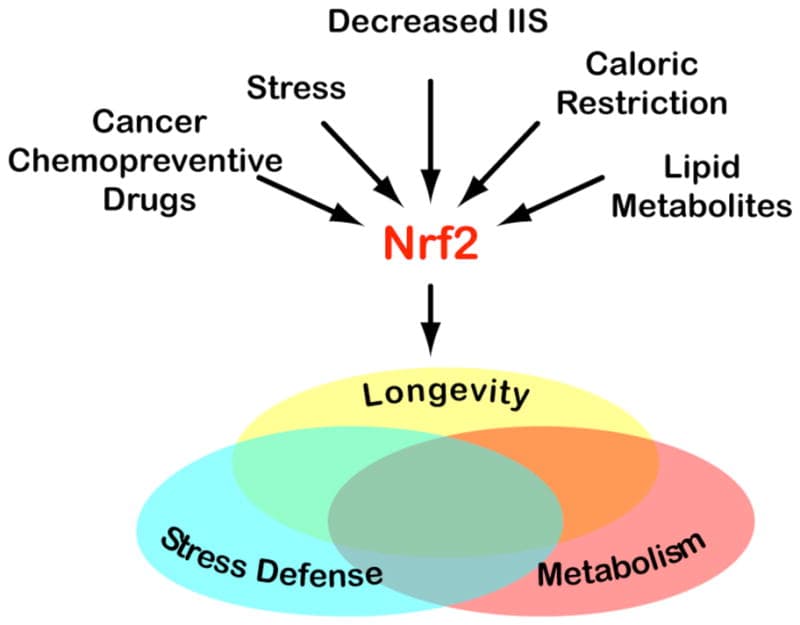
1. May Improve Longevity And Have Antioxidant Effects
Increasing pro-survival genes (e.g. Xiap and Bcl-2) may improve cell survival. R
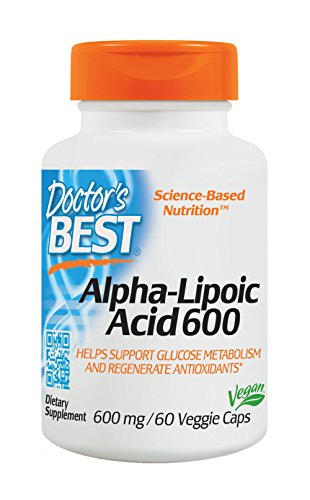
For example, Alpha Lipoic Acid (ALA) may help increase antioxidant levels by XIAP-mediated pathways. R
2. Infections And Inflammatory Disease
X-Linked Lymphoproliferative Disease Type 2 (XLP-2) is a primary immunodeficiency caused by the loss of XIAP. R R
People with XLP-2 have increased risk to potentially fatal infections, such as Epstein-Barr Virus (EBV) or Crohn's Disease (CD)-related infections leading to Inflammatory Bowel Disease (IBD). R R R
Increasing XIAP may benefit XLP-2 and related conditions. R
3. Plays A Role In Wilson's Disease And Copper Toxicity
XIAP levels are greatly reduced by Copper accumulation in Wilson's Disease (WD) and other high copper toxicosis disorders. R
XIAP Promoters
Natural XIAP Inducers:
- Alpha Lipoic Acid (ALA) R
- N-Acetyl-L-Cysteine (NAC, although when combined with Gemcitabine may decrease XIAP) R R
Other:
Benefits Of XIAP Inhibition
1. Fights Cancer
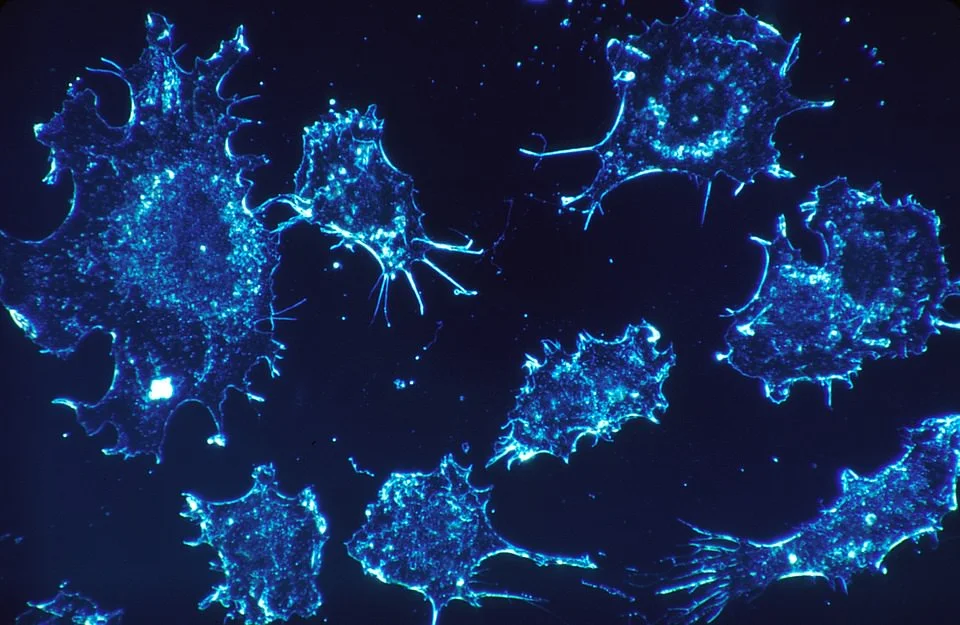
Overexpression of XIAP has been seen in Cancer. R
Inhibiting XIAP may help induce apoptosis in cancer cells. R R
2. Helps Overcome Chemoresistance
XIAP protein and mRNA levels have been associated with Chemoresistance and poor clinical outcome in cancer patients. R R R
Inhibiting XIAP expression can help overcome chemoresistance. R R R
3. Improves Stroke And TBI Outcome
XIAP inhibition may protect against damage from a Traumatic Brain Injury (TBI). R
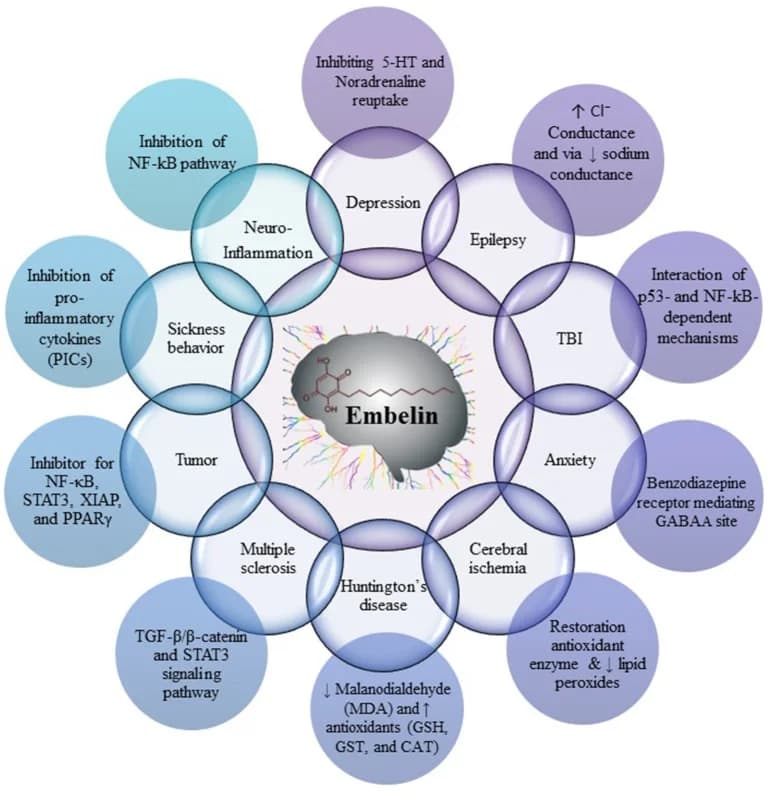
For example, embelin can protect against delayed neuronal death after brain trauma (via inhibition of NFkB, p53 and XIAP). R
4. May Improve HIV Treatment
XIAP mRNA have shown to be elevated in Chinese HIV-1-infected patients. R
Reducing XIAP may help slow down HIV progression. R
XIAP Inhibitors
Natural XIAP Inhibitors:
- Apigenin R
- Babchi (Bavachin) R
- Berberine R
- Broccoli Sprouts (Sulforaphane) R R
- Chlorella R
- Coffee (Kahweol) R
- Copper R
- Cordyceps (Cordycepin) R
- Diindolylmethane (DIM) R
- Embelin R
- Fisetin R
- Fish Oil (DHA) R
- Flavanoids (in general) R
- Ginseng (RG3) R
- Green Tea (EGCG) R
- Indole-3-Carbinol (I3C) R
- Licorice (Licochalcone-A) R
- Luteolin R
- Mangiferin R
- Melatonin (may increase XIAP in sperm cells) R R
- Milk Thistle (Silibinin) R
- Propionibacterium freudenreichii R
- Propolis R
- Reishi R
- Skullcap (Baicalein) R
- Turmeric (Curcumin) R
- Wild Yam (Diosgenin) R
- Wormwood R
Other
Caveats
Mechanism Of Action
Simple:
- Increases Akt R
- Increases Survivin R
- Reduces Caspase 3 R
- Reduces Caspase 7 R
- Reduces Caspase 9 R
- Reduces COMMD1 R
- Reduces SMAC R
Advanced:
- This protein functions through binding to tumor necrosis factor receptor-associated factors TRAF1 and TRAF2 and inhibits apoptosis induced by menadione, a potent inducer of free radicals, and interleukin 1-beta converting enzyme.
- This protein also inhibits at least two members of the caspase family of cell-death proteases, caspase-3 and caspase-7.
- XIAP antagonism blocks NOD2-mediated inflammatory signaling and cytokine production by interfering with XIAP-RIP2 binding, which removes XIAP from its ubiquitination substrate RIP2. R
- XIAP gene expression and function is positively regulated by exposure to the three TGF-beta isoforms in a Smad-dependent manner, similar to constitutive XIAP gene expression which depends on autocrine TGF-beta/Smad signalling. R
- TGFβ/Smad3/IRS-1 signaling axis regulates expression of cyclin D1 and XIAP, which may contribute to TGFβ/Smad3/IRS-1-mediated cell cycle progression and survival. R
- Cytosolic XIAP feeds back to mitochondria to impair Smac release. R
Genetics
XIAP
rs12687176
rs12838858
rs17334739
rs2355676
rs28382699
rs28382721
rs28382722
rs28382723
rs28382739
rs28382740
rs28382741
rs28382742
rs5956578
rs5956583
rs5958318
rs5958338
More Research
- A mutation in X-linked inhibitor of apoptosis (G466X) leads to memory inflation of Epstein-Barr virus-specific T cells. R
- X-Linked Lymphoproliferative Syndrome and Common Variable Immunodeficiency May Not Be Differentiated by SH2D1A and XIAP/BIRC4 Genes Sequence Analysis R
- Genetic analysis of BIRC4/XIAP as a putative modifier gene of Wilson disease R
Jacob Gordon
INHC, FMT-C
Integrative Nutrition Health Coach
I cover mold illness, post-viral recovery, methylation, and complex chronic disease, drawing on ten years of clinical research, work inside a functional medicine clinic, and my own recovery from all of it. Every claim here is cited.
Book a ConsultationRelated Protocols & Supplements
Deep-dive chapters and recommended supplements for this topic
Quercetin
500mg 2x/day
SPM Active (Pro-resolving Mediators)
2 softgels/day
Curcumin (Liposomal)
500mg 2x/day