Collagen Peptides: Types I, II, And III, Skin/Joint/Gut, And Dosing
By Jacob Gordon, INHC, FMT-CThis article contains affiliate links. As an Amazon Associate, MyBioHack earns from qualifying purchases at no extra cost to you. We only link products we research and stand behind.
Collagen peptides are one of the best-selling supplements on the market, and the type and dose you choose matters far more than the marketing on the tub suggests.
In this post, we will discuss what collagen actually is, how the different types and sourcing methods differ, what the peptides that survive digestion actually do in the body, and where the skin, joint, and gut evidence is strong versus thin.
- What Collagen Is
- Types I, II, And III
- Hydrolyzed Peptides Vs Gelatin Vs Whole Collagen
- The Bioactive Peptides That Actually Survive Digestion
- Skin
- Joints
- Gut And Leaky Gut
- Exercise, Tendon, And Bone
- EDS And Hypermobility
- Glycine's Separate Benefits
- Dosage And Quality
- Who Collagen Peptides Do Not Help
- Testing
- Mechanisms Of Action
- Genetics
- More Research
What Collagen Is
Collagen is the most abundant protein in the human body, and it forms the structural scaffolding of skin, bone, tendon, ligament, cartilage, and blood vessel walls.
There are at least 28 distinct collagen types identified in humans, each built from a signature triple helix of three polypeptide chains but differing in tissue distribution and function.
Collagen makes up roughly a quarter to a third of total body protein in mammals, which is why supplying its building blocks through diet or supplementation has become a popular target for skin, joint, and connective tissue support.
Of the 28 types, only a handful show up in supplement form, and types I, II, III, and V are the ones worth understanding if you are buying a product.
Types I, II, And III
Type I
Type I collagen is the most abundant type in the human body, making up an estimated 80 to 90 percent of total collagen mass.
It is found in skin, bone, tendon, ligament, and most organ capsules, and it is the type responsible for tensile strength in these tissues.
Most bovine, porcine, and marine collagen supplements are overwhelmingly type I because it is the type most concentrated in hide, bone, and fish skin, the raw materials these products are extracted from.
Type II
Type II collagen is the primary structural protein of articular cartilage, the smooth tissue that cushions joints.
It is commercially extracted from chicken sternal cartilage using pepsin digestion combined with ultrasound treatment, which is the source for both hydrolyzed type II collagen and the undenatured form used in joint products.
Type II is structurally and functionally distinct from type I, which is why a product marketed for joints needs to actually contain type II rather than a generic hydrolyzed bovine blend.
Type III
Type III collagen is found alongside type I in skin, blood vessels, and internal organs, and it forms the reticular fibers that give young skin its elasticity.
Blood vessel walls are built primarily from type III, which is why mutations in the gene that encodes it produce a vascular disease rather than just a skin or joint one, covered in the Genetics section below.
Marine collagen tends to carry a higher relative proportion of type I with some type III, which is part of why it is marketed heavily for skin rather than joints.
Sourcing By Type
- Bovine collagen comes from cattle hide and bone, is predominantly type I with some type III, and is the least expensive source at commercial scale. R
- Chicken sternum collagen is extracted from the cartilage cap of the chicken breastbone and is the standard source for both hydrolyzed and undenatured type II products. R
- Eggshell membrane collagen is a thin membrane inside the shell that naturally contains type I, type V, type X collagen, plus glycosaminoglycans and glucosamine in one matrix, and is sold as a whole-food joint product rather than a purified hydrolysate. R
- Marine collagen comes from fish skin, scales, and bones (mostly a byproduct of the seafood industry), is almost entirely type I, and has a smaller peptide size than most bovine hydrolysates, which some manufacturers market as a bioavailability advantage. R
Hydrolyzed Peptides Vs Gelatin Vs Whole Collagen
Whole (Native) Collagen
Native collagen is the intact triple helix as it exists in animal connective tissue, and it is essentially indigestible in this form because the helix resists breakdown by normal digestive enzymes.
This is why undenatured type II collagen (discussed in the Joints section) works through a completely different mechanism than the hydrolyzed peptides used everywhere else.
Gelatin
Gelatin is collagen that has been partially hydrolyzed by heat, typically by boiling animal connective tissue, which unwinds the triple helix without fully breaking it into short peptides.
It retains high molecular weight and strong gelling properties, which is why it sets into a solid at room temperature (think bone broth that turns to jelly in the fridge), but it is less digestible and less soluble in cold liquid than fully hydrolyzed peptides.
Hydrolyzed Collagen Peptides
Hydrolyzed collagen peptides (sometimes labeled collagen hydrolysate) are produced by enzymatically cleaving gelatin into much shorter chains, typically in the 2,000 to 6,000 dalton range.
This process makes them fully soluble in cold water and, unlike gelatin, they do not gel, which is why they can be stirred into coffee or a smoothie without changing the texture.
Molecular weight is not a marketing detail, it is the variable that determines whether a peptide is small enough to be absorbed intact rather than fully digested into individual amino acids, and peptides in the 2,000 to 3,500 dalton range appear to be the range best associated with measurable outcomes in trials.
The Bioactive Peptides That Actually Survive Digestion
This is the part of the collagen story most marketing skips entirely.
Most dietary protein is broken all the way down to single amino acids before absorption, but collagen is unusual because a meaningful fraction of it survives digestion as short di- and tripeptides that enter the bloodstream intact.
The best-studied of these is prolyl-hydroxyproline (Pro-Hyp), a dipeptide that is uniquely abundant in collagen due to its high hydroxyproline content and resistant to further breakdown by intestinal peptidases.
In cell culture, Pro-Hyp added to human skin fibroblasts significantly increased the number of fibroblasts migrating into a wound-healing assay after 72 hours, which is one of the proposed mechanisms behind the skin outcomes covered below.
A related dipeptide, hydroxyprolyl-glycine (Hyp-Gly), has also been detected in human blood after oral collagen peptide ingestion, though the direct human evidence that either peptide reaches cartilage at meaningful concentrations is thinner than the skin data and relies more heavily on animal models.
I want to be honest about the limits here: detecting a peptide in blood is not the same as proving it changes tissue outcomes, and most of the clinical trials in the Skin and Joints sections below measure downstream results (elasticity, pain scores) rather than confirming Pro-Hyp uptake into the target tissue in the same subjects.
Skin
Systematic reviews and meta-analyses of oral collagen peptide trials consistently report improvements in skin hydration, elasticity, and dermal collagen density compared to placebo.
A double-blind, placebo-controlled trial in women aged 35 to 55 found that both a 2.5 g and a 5.0 g daily dose of collagen peptides significantly improved skin elasticity compared to placebo after eight weeks, with moisture trending in the same direction.
That age range is not a coincidence, most collagen-and-skin trials recruit women in the perimenopausal window because that is when estrogen decline accelerates visible collagen loss, which is also covered in our post on regulating menopause.
A separate systematic review focused specifically on dermatological outcomes found consistent improvements in skin elasticity, hydration, and wrinkle depth across the trials it reviewed, and reported no significant adverse effects.
A 2022 review comparing oral and topical collagen delivery found both routes improved hydration, elasticity, and roughness, without strong evidence that either route is clearly superior to the other.
The proposed mechanism is twofold: collagen peptides supply glycine, proline, and hydroxyproline as raw material for endogenous synthesis, and bioactive dipeptides like Pro-Hyp directly stimulate dermal fibroblasts to increase their own collagen and hyaluronic acid production.
Here is the part I think matters most and that most collagen content skips: the skin evidence base is real but thin, and it is heavily concentrated around a small number of manufacturers.
The Proksch trial above, one of the most frequently cited in every skin meta-analysis, tested a single patented ingredient (Verisol, made by the German manufacturer GELITA) rather than collagen peptides in general.
Most skin RCTs in this literature are small, run 8 to 12 weeks, use subjective or semi-objective elasticity measurements, and were designed or funded by the specific brand whose ingredient was tested.
That does not make the underlying finding false, glycine and proline genuinely are building blocks for collagen and Pro-Hyp genuinely does stimulate fibroblasts in vitro, but it means the "collagen fixes your skin" claim rests on a handful of branded-ingredient trials rather than a broad, independently replicated literature, and I would treat any single skin study's effect size with real caution until it has been repeated by a group with no commercial stake in the outcome.
Joints
A meta-analysis of randomized placebo-controlled trials found that collagen supplementation improved composite osteoarthritis symptom scores compared to placebo, with the strongest signal in the 5 to 15 g per day hydrolyzed collagen dose range.
A systematic review of collagen and exercise outcomes similarly found consistent evidence that 5 to 15 g per day of hydrolyzed collagen peptides improves joint pain and functionality, and that it can accelerate recovery from overuse injuries like Achilles tendinopathy.
Undenatured type II collagen (UC-II) is a completely different product from hydrolyzed collagen and works through a completely different mechanism, so the two should not be confused when comparing doses.
A randomized controlled trial found that 40 mg per day of UC-II improved knee osteoarthritis symptoms and outperformed a comparator combination of glucosamine and chondroitin over the same period.
A multicenter, double-blind, placebo-controlled trial replicated this finding, showing significant improvement in knee osteoarthritis symptoms with 40 mg per day of UC-II relative to placebo.
A more recent multicenter trial found UC-II improved knee joint flexibility specifically, beyond pain scores alone.
The mechanism is oral tolerance, not substrate supply: intact undenatured type II collagen interacts with gut-associated lymphoid tissue in the small intestine, and this exposure to native type II epitopes appears to reduce the systemic T-cell attack on joint cartilage seen in inflammatory joint conditions.
This is the opposite logic from hydrolyzed collagen, which works (to the extent it works) by supplying amino acids and bioactive peptides as raw material, not by training immune tolerance, which is why a 40 mg dose of UC-II is not directly comparable to a 10 g dose of hydrolyzed collagen even though both target joints.
Eggshell membrane is a third, less-discussed option for joints, and a randomized, multicenter, double-blind, placebo-controlled trial found it reduced knee osteoarthritis pain and stiffness within as little as 7 to 10 days, faster than the multi-week timelines typical of hydrolyzed collagen or UC-II trials.
A follow-up trial in postmenopausal women found eggshell membrane reduced exercise-induced joint pain and stiffness and reduced a marker of cartilage turnover compared to placebo.
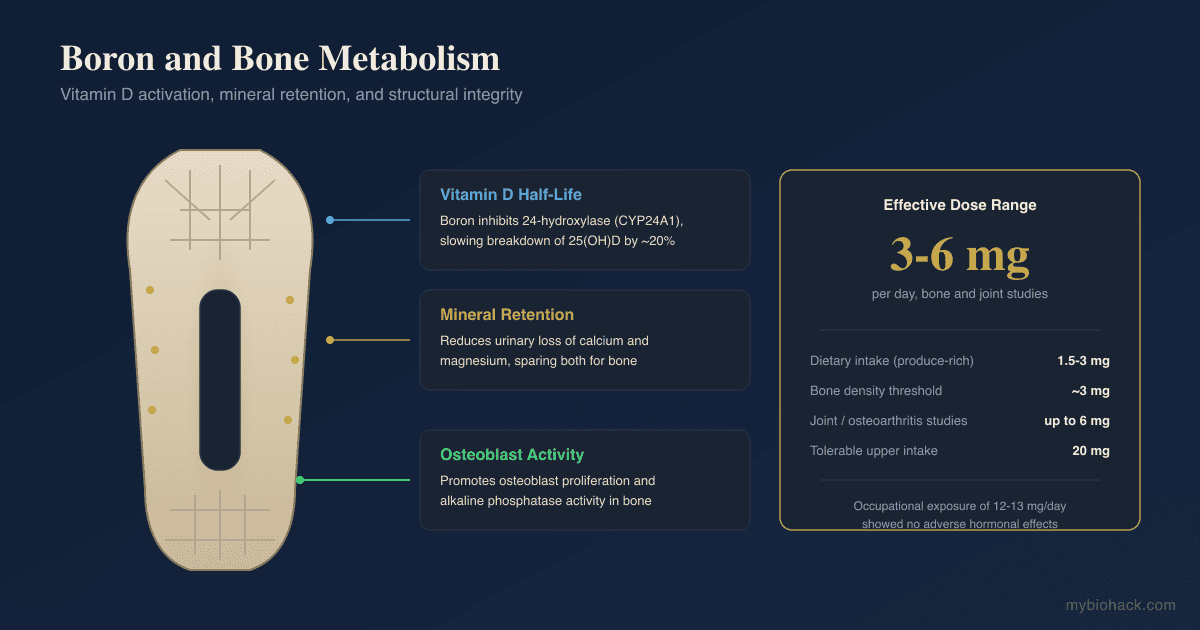
Boron, a trace mineral that supports joint and bone metabolism through a different pathway, is worth considering alongside any of these three options rather than as a substitute for them.
Gut And Leaky Gut
I want to be direct about this section because it is the weakest evidence base in the entire collagen conversation, and it is also one of the most heavily marketed claims.
Collagen is frequently sold as a fix for intestinal permeability ("leaky gut"), and the biological rationale is not crazy: glycine and glutamine, both abundant in collagen, are used by intestinal epithelial cells as fuel and have documented roles in tight junction integrity in cell and animal models.
But the direct evidence that oral collagen peptides repair intestinal permeability in humans is largely absent.
The trials that exist are in animal models, and I am not aware of a well-controlled human RCT that used a validated permeability marker like zonulin or a lactulose-mannitol test as its primary endpoint for collagen specifically.
If you are dealing with confirmed dysbiosis or barrier dysfunction, I would treat collagen as a plausible adjunct at best, not a primary intervention, and would look first at removing drivers like chronic NSAID use, which has much stronger human evidence for causing the exact permeability damage collagen is marketed to fix.
This is a case where the mechanism is interesting and the marketing has run well ahead of the human trial data, and I would rather say that plainly than pretend the evidence is stronger than it is.
Exercise, Tendon, And Bone
Timing And Vitamin C
The single most well-designed study in this entire topic is a controlled trial that had healthy men consume 15 g of vitamin C-enriched gelatin one hour before a bout of intermittent jump-rope exercise.
Blood markers of collagen synthesis roughly doubled in the group that received both the gelatin and the exercise stimulus compared to gelatin alone, which suggests the mechanical loading and the amino acid supply work synergistically rather than independently.
A systematic review of the broader collagen-and-exercise literature confirmed this pattern: collagen elevates collagen synthesis most reliably when taken roughly 60 minutes before loading and combined with vitamin C, and the effect on connective tissue is more consistent than the effect on skeletal muscle itself.
A systematic review focused specifically on musculoskeletal injury recovery found vitamin C's role as a cofactor for prolyl and lysyl hydroxylase was well established preclinically, but noted human trial results for injury healing were inconsistent at the commonly used 500 to 1,000 mg daily doses, with low-dose supplementation in already-replete individuals unlikely to add much.
If you are timing a dose around training, vitamin C taken alongside your gelatin or collagen peptides is the more evidence-backed pairing than either nutrient alone.
Recovery And Soreness
An integrative review of collagen peptide trials in exercise recovery found consistent improvement in force production and recovery speed after intense training, though only one included trial found a statistically significant reduction in subjective soreness.
That review also flagged molecular weight as a likely driver of the mixed soreness results, noting that peptides in the 2,000 to 3,500 dalton range showed better absorption and stronger effects than larger peptide preparations.
Bone
In elderly men with sarcopenia, 15 g per day of collagen peptides combined with resistance training produced greater increases in fat-free mass and muscle strength than resistance training with placebo, with the effect attributed to connective tissue adaptation rather than direct muscle fiber hypertrophy.
In postmenopausal women with reduced bone mineral density, a calcium-collagen chelate supplement attenuated bone loss over a 12-month period compared to placebo.
A broader literature review of collagen in skin and orthopedic conditions concluded that supplementation is associated with improved bone strength, density, and mass, primarily in populations already experiencing age- or activity-related collagen loss.
Bone remodeling depends on more than collagen supply, and preptin and vitamin D both regulate the mineralization side of that equation, so collagen alone is not a complete bone protocol.
EDS And Hypermobility
Type I, III, and V collagen are the three most clinically relevant types for Ehlers-Danlos Syndrome (EDS) and generalized joint hypermobility.
Classical EDS is caused by mutations in COL5A1 or COL5A2, which encode type V collagen, a minor but essential regulator of how type I fibrils assemble.
Vascular EDS is caused by mutations in COL3A1, and because blood vessel walls are built primarily from type III collagen, this subtype carries real risk of arterial and organ rupture rather than just joint symptoms.
I do not have a trial showing that hydrolyzed collagen supplementation changes the underlying genetic collagen defect in EDS, because it cannot, a structural mutation in the gene itself is not something you supplement your way out of, but supporting overall collagen turnover with adequate protein, vitamin C, and glycine intake is still reasonable supportive care alongside physical therapy focused on joint stability.
In my client experience, connective tissue patients flare harder and longer from any inflammatory trigger than clients without hypermobility, because their baseline collagen integrity is already compromised and has less reserve to absorb additional insult.
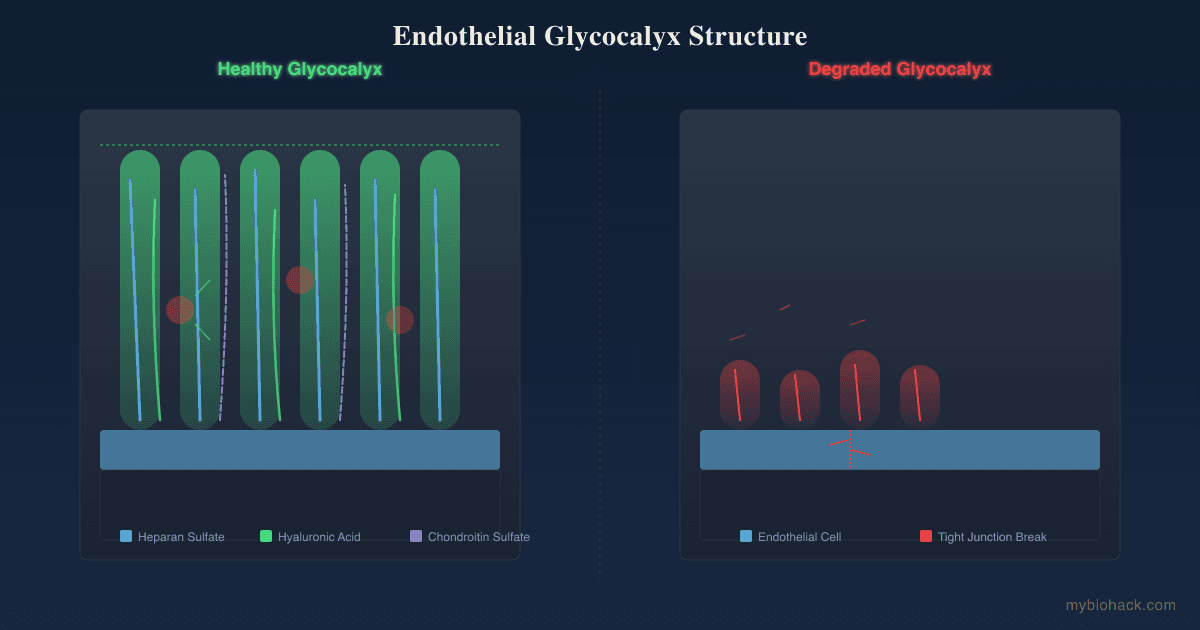
This is consistent with Jacob's hypothesis, laid out in the glycocalyx chapter of the Junction Dysfunction framework, that connective tissue patients have reduced capillary reserve and are more vulnerable to the vascular permeability changes described by Transient Capillary Leak Syndrome (TCLS), which is part of why hypermobility, mast cell activation, and dysautonomia cluster together so often in the same patients.
That overlap is covered in depth in The Hypermobility-MCAS-POTS Triad.
Glycine's Separate Benefits
Glycine deserves its own discussion because roughly a third of every collagen molecule by amino acid count is glycine, which makes collagen peptides one of the most concentrated dietary glycine sources available, but glycine also has benefits independent of collagen synthesis.
A review of glycine's role in physical performance found it supports recovery through mechanisms beyond structural protein supply, including antioxidant and anti-inflammatory pathways.
Collagen peptide supplementation taken before bed reduced sleep fragmentation and improved next-day cognitive performance in physically active adults with sleep complaints, an effect that may be driven by glycine's independently documented role in sleep architecture rather than collagen synthesis specifically.
For readers more interested in glycine and sleep specifically than in joint or skin outcomes, our sleep supplements guide covers magnesium glycinate and other glycine-containing options in more depth.
If you want isolated glycine rather than a full collagen protein, it is inexpensive and lets you dose it separately from your collagen protocol, which is useful if you are already getting adequate protein elsewhere and just want the sleep or metabolic effects.
Glyphosate exposure is also worth knowing about here: Jacob's hypothesis is that glyphosate structurally displaces glycine in protein synthesis because the two molecules are similar enough to be confused by biological machinery, which may contribute to acquired connective tissue laxity over time, covered in more depth in our glyphosate post.
Dosage And Quality
Typical Doses
- Bone support: 5 g per day of collagen peptides combined with calcium, alongside resistance training, is the range used in the postmenopausal bone density trial above. R
- Exercise and tendon support: 15 g per day, taken roughly 60 minutes before training and paired with 50 mg or more of vitamin C, matches the dosing that produced the clearest collagen synthesis response. R
- Joint support (hydrolyzed): 5 to 15 g per day of hydrolyzed collagen is the range used across the joint symptom trials above. R
- Joint support (undenatured type II): 40 mg per day of UC-II is the dose used in every positive trial cited above, and more is not better here because the oral tolerance mechanism depends on a small, repeated antigen exposure rather than bulk substrate. R
- Skin support: 2.5 to 5 g per day is the range shown effective in the Proksch trial, and most skin trials do not test doses above 10 g per day. R
Choosing A Product
Look for a product that discloses molecular weight, ideally in the 2,000 to 3,500 dalton range shown to correlate with better outcomes, rather than one that only lists "hydrolyzed" without specifics.
Hydrolyzed collagen peptides sourced from grass-fed bovine are the most cost-effective general-purpose option, and marine collagen is a reasonable alternative if you avoid bovine products or specifically want the smaller peptide sizes and higher relative type I content marine sources tend to carry.
For joints specifically, undenatured type II collagen at 40 mg is a different purchase entirely from a bulk hydrolyzed tub, so check the label before assuming a joint product and a skin product are interchangeable.
If you would rather get collagen from a whole-food source, bone broth protein powder is closer to gelatin than to fully hydrolyzed peptides in molecular weight, so expect a thicker texture and slightly lower solubility in cold liquid than a purified hydrolysate.
Heavy Metals
Marine and bovine collagen are both bioaccumulation risks because they concentrate whatever the source animal was exposed to over its lifetime, and cadmium and lead have been documented at measurable levels in multiple categories of dietary supplements, including animal-derived ones, in independent testing.
An earlier survey of natural health products similarly found detectable toxic element contamination across a meaningful share of tested products, reinforcing that third-party heavy metal testing is not optional for an animal-derived powder you take daily.
Marine collagen sourced from fish skin also carries measurable mineral content that varies by species and processing method, which is a separate quality variable worth checking on a certificate of analysis beyond just heavy metals.
Ask any brand you buy from for a current third-party heavy metal certificate of analysis rather than assuming "marine" or "grass-fed" on the label is sufficient quality assurance on its own.
Who Collagen Peptides Do Not Help
Collagen peptides are a poor choice if muscle protein synthesis is your actual goal.
A systematic review directly comparing collagen to other protein sources found collagen is inferior to whey protein for stimulating muscle protein synthesis, because collagen's amino acid profile is low in leucine, the amino acid that most directly triggers the mTOR pathway responsible for muscle growth.
If your goal is building muscle mass rather than supporting tendons, skin, or joints, a complete protein source with a higher leucine content is the better tool for that specific job, and collagen should be viewed as an addition to, not a replacement for, adequate total protein intake.
The gut permeability claim, covered above, also does not currently have the human trial support to justify collagen as a primary leaky gut treatment, and I would not recommend it as a first-line intervention for that specific complaint.
Testing
If you are supplementing collagen for joint or connective tissue symptoms and want to track whether it is doing anything measurable, I use the Cardio Zoomer (Vibrant Wellness) to assess inflammatory and endothelial markers that can shift alongside connective tissue status, since vascular walls are collagen-dependent tissue too.
For clients with suspected hypermobility or a connective tissue disorder in the family, I use the Nutrient Zoomer (Vibrant Wellness) to confirm adequate vitamin C, copper, and zinc status, since deficiency in any of these cofactors will blunt collagen synthesis regardless of how much collagen protein you are taking in.
Copper is the cofactor for lysyl oxidase, the enzyme that cross-links mature collagen fibers, and zinc has its own separate role in wound healing and matrix remodeling, so a skewed zinc-to-copper ratio can quietly undercut a collagen protocol even when protein and vitamin C intake are both adequate.
If bone density is the concern rather than skin or joints, a DEXA scan through your physician remains the gold standard and is not something the supplement industry can substitute for.
Mechanisms Of Action
Simple:
- Collagen peptides supply the amino acid building blocks (glycine, proline, hydroxyproline) needed for the body to synthesize its own new collagen.
- Small bioactive fragments of digested collagen survive intact into the bloodstream and directly signal skin cells to make more collagen and hyaluronic acid.
- Undenatured type II collagen works differently, by retraining the immune system to stop attacking joint cartilage rather than by supplying raw material.
- Vitamin C is required for the body to properly assemble and stabilize the collagen it makes, whether that collagen came from food, supplements, or its own synthesis.
Advanced:
- Fibroblast stimulation via Pro-Hyp. The dipeptide prolyl-hydroxyproline, generated during collagen digestion and absorbed intact via peptide transporters, significantly increases dermal fibroblast migration in vitro, a proposed driver of the skin elasticity and hydration outcomes seen in human trials. R
- Prolyl and lysyl hydroxylase cofactor activity. Vitamin C is an obligate cofactor for prolyl hydroxylase and lysyl hydroxylase, the enzymes that hydroxylate proline and lysine residues within the growing collagen chain, a step required for the triple helix to fold and stabilize correctly. R
Without adequate vitamin C, collagen synthesis is upregulated at the gene level but the resulting protein is structurally unstable, which is the classic mechanism behind the connective tissue fragility seen in scurvy. R - Oral tolerance induction (UC-II). Intact, undenatured type II collagen interacts with gut-associated lymphoid tissue in the duodenum, and repeated low-dose exposure to native type II epitopes appears to shift T-cell activity away from attacking cartilage, a mechanism entirely distinct from substrate supply. R
- Mechanical loading synergy. Collagen synthesis markers roughly double when vitamin C-enriched gelatin is combined with a bout of mechanical loading (jump rope, resistance training) compared to the same gelatin dose without exercise, suggesting fibroblasts and tenocytes respond to amino acid availability and mechanical strain as combined, not independent, signals. R
- Molecular weight and absorption. Peptides in the roughly 2,000 to 3,500 dalton range are more efficiently absorbed across the intestinal wall than larger collagen fragments, which is the proposed mechanistic reason molecular weight correlates with clinical effect size across the trials above. R
Genetics
COL1A1 / COL1A2
COL1A1 and COL1A2 encode the two alpha chains that combine to form type I collagen's triple helix.
Mutations in either gene are the most common cause of osteogenesis imperfecta, a spectrum of connective tissue disorders characterized by bone fragility and frequent fractures, ranging from mild to perinatally lethal depending on the specific mutation.
COL2A1
COL2A1 encodes the alpha-1 chain of type II collagen, the primary structural protein of cartilage.
Mutations in COL2A1 cause a spectrum of chondrodysplasias, skeletal disorders affecting cartilage development, and specific variants are also associated with an early-onset, inherited form of osteoarthritis.
COL3A1
COL3A1 encodes type III collagen, the dominant structural protein of blood vessel walls, the intestinal wall, and the uterus.
Mutations in COL3A1 cause vascular Ehlers-Danlos Syndrome, the most severe EDS subtype, carrying meaningful risk of arterial, intestinal, or uterine rupture rather than joint symptoms alone.
COL5A1 / COL5A2
COL5A1 and COL5A2 encode type V collagen, a minor collagen that regulates the diameter and assembly of type I collagen fibrils even though it makes up only a small fraction of total collagen mass.
Mutations in either gene are the primary cause of classical Ehlers-Danlos Syndrome, producing skin hyperextensibility, atrophic scarring, and generalized joint hypermobility.
More Research
- Body composition beyond muscle. Collagen and resistance training together increase fat-free mass more in older, sarcopenic adults than in younger recreational athletes, suggesting the effect is more about connective tissue remodeling than direct muscle hypertrophy, an important distinction if you are choosing collagen versus a complete protein for a training goal. R
- Hypoxia as a co-regulator of synthesis. Newer work suggests collagen biosynthesis is jointly regulated by ascorbic acid availability and local tissue oxygen tension, which may partly explain why wound and injury sites, which are often relatively hypoxic, are especially vitamin C-dependent for proper healing. R
- Sleep as an underappreciated outcome. Bedtime collagen peptide supplementation improved both sleep fragmentation and next-day cognitive performance in a trial of physically active adults, an outcome that gets far less marketing attention than skin or joints despite reasonably direct evidence. R
- Testing. For biomarker testing around connective tissue and inflammatory status, I use the Cardio Zoomer and Nutrient Zoomer (both Vibrant Wellness) as described in the Testing section above.
- Vitamin C as the rate-limiting nutrient. Multiple reviews converge on the same point: collagen supplementation without adequate vitamin C intake is supplying raw material to a factory that cannot assemble it correctly, so pairing the two matters more than the specific collagen dose in isolation. R Our full breakdown of vitamin C's role in collagen and immunity covers dosing and forms in more depth.
Jacob Gordon
INHC, FMT-C
Integrative Nutrition Health Coach
I cover mold illness, post-viral recovery, methylation, and complex chronic disease, drawing on ten years of clinical research, work inside a functional medicine clinic, and my own recovery from all of it. Every claim here is cited.
Book a ConsultationRelated Protocols & Supplements
Deep-dive chapters and recommended supplements for this topic
Spore-Based Probiotics
1 cap with food
L-Glutamine
5g 2x/day on empty stomach
Butyrate
300mg 2x/day with meals