The 16+ Benefits Of Catuaba (Trichilia Catigua And Other Catuabas)
By Jacob Gordon, INHC, FMT-CThis article contains affiliate links. As an Amazon Associate, MyBioHack earns from qualifying purchases at no extra cost to you. We only link products we research and stand behind.

Catuaba is a powerful plant that can improve depression, anxiety, fatigue, and more.
In this post, we will discuss the different forms of Catuaba (true vs non-true catuabas), the benefits of catuaba, and dosage of catuaba.
Basics Of Catuaba
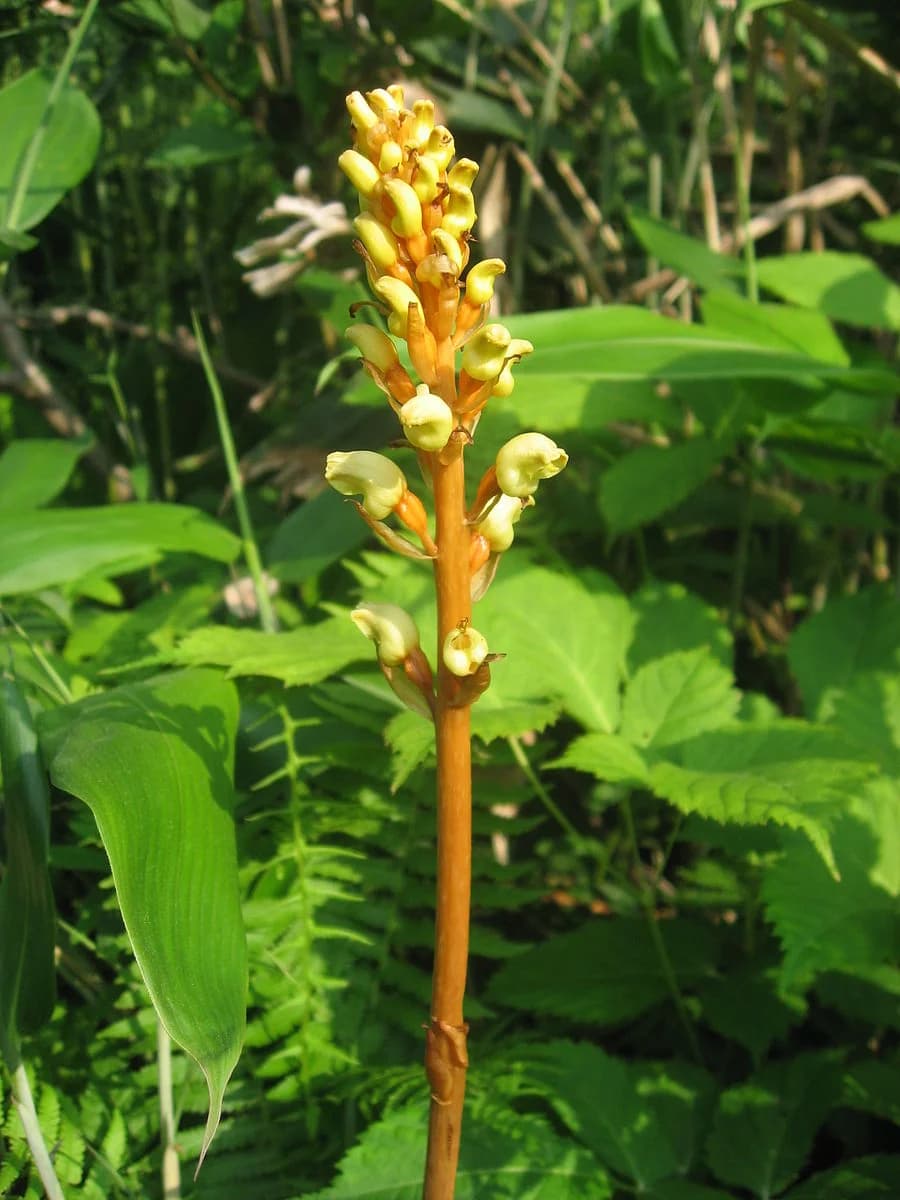
Trichilia catigua (T. catigua) is a native plant from several regions of Brazil and it is popularly known as Catuaba, tatuaba and catiguá. R R
In folk medicine T. catigua has been used to treat fatigue, stress, impotence, memory deficit, and digestive issues. R
Catuaba Concotions
Catuaba is commonly used in other concoctions such as Catuama: Catuaba (28.23%), Guarana (40.31%), Mara Puama (28.23%) and Ginger (3.26%). R
Other Forms Of Catuaba
Do not get confused with other forms of catuabas as they can have very different biological effects than Trichilia catigua.
For example Catuabines A, B, C and D are tropane alkaloids extracted from Erythroxylum vaccinifolium/Catuaba and Erythroxylum coca (cocaine). R
Erythroxylum is also native in Brazil, but not a "true" catuaba, although it has been used in traditional medicine as an aphrodisiac and CNS stimulant. R
Other "non-true" catuabas include: R
Anemopaegma arvense
Eriotheca candolleana
Micropholis
Phyllanthus nobilis
Secondatia floribunda
Temnadenia violacea
Tetragastris catuaba
Benefits Of Catuaba
1. Increases Libido

Catuaba has aphrodisiac-inducing properties. R
For example, in rabbit models, catuaba has been reported to improve libido. R
Due to its ability to increase Nitric Oxide (NO), catuaba has vasorelaxant effects and may help with Erectile Dysfunction (ED). R
2. Increases Dopamine
By blocking the reuptake of Dopamine (DA), catuaba can increase dopamine levels in the brain. R
Although it increases dopamine, catuaba is reported to not have an amphetamine-like effect (at doses of 200 and 400 mg/kg). R
3. Increases Serotonin
By blocking the reuptake of Serotonin (5HT), catuaba can increase serotonin levels in the brain. R
4. Has Antidepressant Effects
Catuaba is a powerful antidepressant. R R
Two ways catuba fights depression is by increasing neurotransmitter levels in the brain (dopamine and serotonin) and by improving regeneration of hippocampal cells (more in section below). R R
For example, catuama was found to be effective in interfering with the synaptosomal uptake of serotonin and dopamine following long-term oral treatment of rats. R
In rodents subjected to the Forced Swimming Test (FST), catuaba produced antidepressant-like effects and concentration-dependently inhibited the uptake and increased the release of serotonin, and especially of dopamine. R
Catuaba also increases neurotransmitters is by its ability to (concentration-dependently) reduce the activity of Monoamine Oxidase A (MAO-A). R
This reduction in MAO-A activity by catuaba has shown to be neuroprotective and neurotrophic (were displayed within the non-toxic range of concentrations). R
5. Increases Acetylcholine
Catuaba can increase Acetylcholine (ACh) levels in the brain and body by reducing Acetylcholinesterase (AChE) activity. R R
6. Improves Fatigue

Catuaba can act as an adaptogen, thus improving stress and fatigue. R R
It can improve fatigue after exercise by increasing acetylcholine and by improving antioxidant levels. R
For example, in mice catuaba could improve fatigue after running on the treadmill and improve grip strength after exercise. R
7. Has Antioxidant Properties
The main phytochemical compounds identified in the barks of catuaba are: R R R R
Flavan-3-ols (procyanidin B2, epicatechin, catechin)
Flavalignans (cinchonains Ia, Ib, IIa, IIb, catiguanins A and B, apocynin E)
Phenylpropanoid derivatives (chlorogenic acid)
These phytochemical compounds are associated with catuaba's antioxidant activity (stronger than vitamin C and E) and have shown to help prevent cellular damage triggered by oxidative stress in acute and chronic neuropathological conditions. R R
8. Has Nootropic Properties
By acting on dopamine, serotonin, and acetylcholine, catuaba may have nootropic properties. R
In Brazilian folk medicine, catuaba is known for its neuroactive potential as memory stimulant. R
The antioxidants in catuaba have also shown to improve cognition. R
9. Protects And Grows The Brain

For example, catuaba can reduce oxidative stress (models with H2O2, SNP, and 3-NPA) in the hippocampus and prevent hippocampal cells from improperly dying. R
By reducing oxidative stress, catuaba has potential in several neurodegenerative disorders:
Alzheimer’s Disease R
Amyotrophic Lateral Sclerosis (ALS) R
Huntington’s Disease R
Parkinson’s Disease R
For example, in models of oxidative stress and neuroinflammation after cerebral ischemia/reperfusion, catuaba can normalize levels of Glutathione (GSH), Oxidized Glutathione (GSSG), Superoxide Dismutase (SOD), and Protein Carbonyl Groups (PCGs), while completely inhibiting microglial/astrocyte activation. R
Catuaba can also increase neurogenesis of the hippocampus (described above for depression). R
10. Has Antimicrobial Effects
Catuabines have antibacterial effects against:
Bacillus cereus R
Bacillus subtilis R
Enterococcus faecalis R
Micrococcus luteus R
Mycobacterium smegmatis R
Pseudomonas aeruginosa R
Catuaba has antifungal effects against:
Candida albicans R
Catuaba has antiviral effects against:
Bovine Herpes Virus (BoHV-1) R
Herpes Simplex Virus (HSV-1) R
HIV R
Polio Virus (PV-1) R
Catuaba has antiparasitic effects against:
Trypomastigotes R
11. Destroys Cancer
Catuaba can fight some cancers:
Catuaba may also help with Multi-Drug Resistance (MDR) in cancer. R R
12. Combats Pain And Inflammation
By activating dopaminergic and opioid pathways, catuba can reduce the sensation of pain. R
Catuba can reduce carrageenan-induced pain. R
Catuama can reduce pain from Lipopolysaccharide (LPS)-induced endotoxemia. R
Catuaba can reduce inflammation by inhibiting Phospholipase A2 (PLA2) and thus blocking the COX and LOX pathways in the Arachidonic Acid (AA) cascade. R
Catuama can significantly alleviate the symptoms by patients with Burning Mouth Syndrome (BMS). R
13. Protects The Heart
Catuaba may help with arrhythmias. R
For example, catuama (mainly catuaba) has been found able to both revert and prevent ventricular fibrillation in the isolated rabbit heart. R
14. Reduces Body Temperature
Catuaba may help reduce body temperature (by stimulation of dopamine). R
15. May Improve Skin

Catuaba may have anti-aging effects on the skin. R
For example, when catuaba extract was prepared in canola oil, andiroba oil, or buriti oil and applied to the skin, it had improved the permeability of the skin. R
Catuaba can also raise the Sun Protection Factor (SPF) in sunscreens and be a promising sunscreen alternative. R
16. Improves Diabetes And Metabolism
Catuaba may be beneficial for those with diabetes. R
In rodent studies, catuaba can reverse Streptozotocin (STZ)-induced body mass loss and reduced food and water intake. R
It can also improve hyperglycemia and other metabolic biomarkers, such as Alkaline Phosphatase (ALP), Alanine Aminotransferase (ALT) and Aspartate Aminotransferase (AST). R
Catuaba has also shown to regenerate the pancreas by increasing the number of pancreatic β-cells and the size of β-cell islets. R
My Experience With Catuaba
I'm currently experimenting with Catuaba and will report back.
Where To Get Catuaba And Dosage
I'm using this form - Trichilia Catigua Powder (4:1 Extract)
Other forms:
Catuaba Goes Well With:
Ginger (Zingiber officinale)
Guarana (Paullinia cupana)
Mara Puama (Ptychopetalum olacoides)
Dosing:
Anxiety - Doses than 800 mg/kg, may present anxiolytic-like effects in mice. R
Depression - Antidepressant-like effects were detected after acute oral administration of EAF at 200 mg/kg, although at doses of 400mg/kg (subchronic) there has been no effect on hippocampal growth. R R
Emotional Stability - Other has seen benefits around the 1g dose. R
Fatigue - 25-300 mg/kg has been used in rodents to improve fatigue from exercise. R
Caveats
Females should not take catuaba as it may have anti-fertility effects (in rodent studies). This does not affect male fertility. R
If taken during pregnancy, catuaba may cause offspring to produce higher amounts of antibodies (IgG1 and IgG2a anti-IgY). R
Doses of of 1000 mg/kg in mice (hydroalcoholic extract of T. catigua from the commercial preparation of Catuama) caused death within 4 h after administration. R
Although, in humans, chronic administration of 25 ml of Catuama twice daily for 28 days caused no severe adverse reactions or hematologic and biochemical changes. R
Mice treated with crude extract and ethyl-acetate fraction of T. catigua barks appeared normal and with no adverse effects at doses up to 5000 mg/kg and 3000 mg/kg, respectively. R
Mechanism Of Action
Simple:
Increases Apaf-1 R
Increases Caspase-9 R
Increases Cytochrome C R
Increases Globulin R
Increases GSH R
Increases Procaspase-9 R
Increases SOD R
Increases Total Protein R
Increases 5HT R
Reduces AA R
Reduces ALP R
Reduces ALT R
Reduces Amylase R
Reduces AST R
Reduces GGT R
Reduces Glucose R
Reduces GSSG R
Reduces LOX R
Reduces LPO R
Reduces MAO-A R
Reduces PCG R
Reduces PLA2 R
Reduces ROS R
Reduces Uric Acid R
Advanced:
T ctigua contains: Stigmasterol, β-sitosterol, β-3-O-β-d-glucopyranosyl sitosterol, 11β-methoxycedrelone, cinchonains Ia, Ib, Ic, Id, IIa and IIb, apocynin, catechin, ent-catechin, epicatechin, chlorogenic acid, catiguanins A and B, procyanidins B2, B4 and C1, cedrelone, methylangolensate and epimeric mixture of photogedunin. R
In mice, inhibition of dopamine uptake (IC50 = 35 μg ml−1) and an increase in dopamine release (EC50 = 23 μg ml−1) by T. catigua extract. R
T. catigua extract has shown to inhibit LPO in brain homogenates and to suppress liver mitochondrial ROS production. R
In the hippocampus, neuroinflammation markers peaked on day 5 post-ischemia, with microglial and astrocytic responses increasing to 54.8% and 37.1%, respectively and the elevation in glial cells response was completely prevented by catuaba. R
More Research
Anemopaegma mirandum is also called Catuaba and has shown in models of Parkinson's Disease (PD) to protect mitochondria cells in the brain against Rotenone. R
Jacob Gordon
INHC, FMT-C
Integrative Nutrition Health Coach
I cover mold illness, post-viral recovery, methylation, and complex chronic disease, drawing on ten years of clinical research, work inside a functional medicine clinic, and my own recovery from all of it. Every claim here is cited.
Book a ConsultationRelated Protocols & Supplements
Deep-dive chapters and recommended supplements for this topic
Electrolyte Complex
1 scoop/day
CoQ10
200mg/day
Magnesium Glycinate
400mg at bedtime