How To Stop Protein Misfolding (Proteopathy)
By Jacob Gordon, INHC, FMT-CThis article contains affiliate links. As an Amazon Associate, MyBioHack earns from qualifying purchases at no extra cost to you. We only link products we research and stand behind.
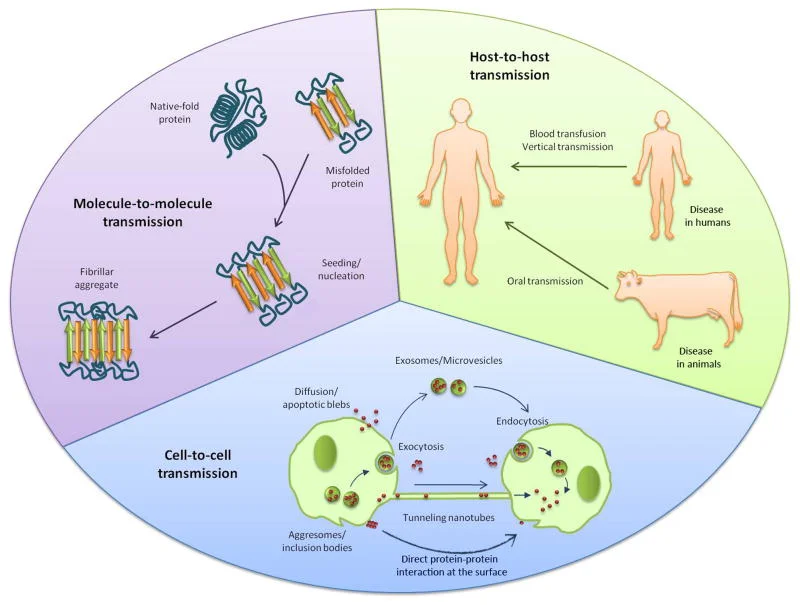
I tried folding protein once, but all I got was a ham and cheese sandwich (my attempt at telling a joke).
In this post we're discussing proteopathy, how proteins can cause chronic disease, and some strategies to prevent it all.
Basics
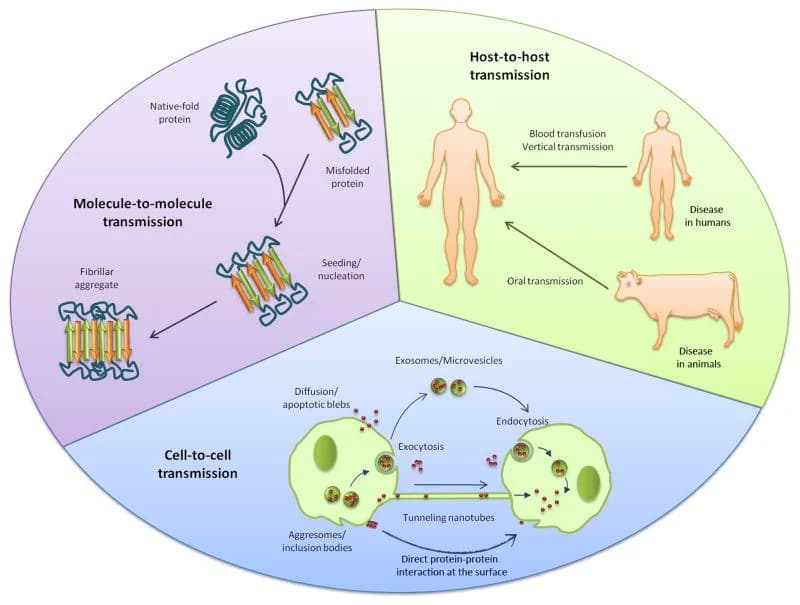
Amino acids are just amino acids until they are folded improperly within the cell.
This misfolding is called proteopathy (also known as protein conformational disorder, or protein misfolding disease). R
Normally in healthy cells, misfolded proteins are either degraded or refolded correctly by chaperone proteins. R
Misfolded proteins can be toxic/damaging, carry out functions that destroy other cells or the body, which can be good in cancer, but dangerous in some chronic illnesses.
It is one of the main pathologies of many neurodegenerative diseases, for example, misfolded proteins are what make amyloid beta plaques toxic in Alzheimer's (AD). R R
Once the proteins in AD are formed, it is quite challenging to unfold them, as the proteins are very stable. R R
Associated Diseases From Misfolded Proteins
| Proteopathy | Major aggregating protein |
| Alzheimer's diseaseR | Amyloid β peptide (AB); Tau protein |
| Cerebral β-amyloid angiopathyR | Amyloid β peptide (Aβ) |
| Retinal ganglion cell degeneration in glaucomaR | Amyloid β peptide (Aβ) |
| Prion diseases (multiple)R | Prion protein |
| Parkinson's disease and other synucleinopathies (multiple)R | α-Synuclein |
| Tauopathies (multiple)R | Microtubule-associated protein tau (Tau protein) |
| Frontotemporal lobar degeneration (FTLD) (Ubi+, Tau-)R | TDP-43 |
| FTLD–FUSR | Fused in sarcoma (FUS) protein |
| Amyotrophic lateral sclerosis (ALS)R | Superoxide dismutase, TDP-43, FUS, C9ORF72, ubiquilin-2 (UBQLN2) |
| Huntington's disease and other trinucleotide repeat disorders (multiple)RR | Proteins with tandem glutamine expansions |
| Familial British dementiaR | ABri |
| Familial Danish dementia R | ADan |
| Hereditary cerebral hemorrhage with (Icelandic) (HCHWA-I)R | Cystatin C |
| CADASILR | Notch3 |
| Alexander diseaseR | Glial fibrillary acidic protein (GFAP) |
| SeipinopathiesR | Seipin |
| Familial amyloidotic neuropathy, Senile systemic amyloidosis | TransthyretinR |
| Serpinopathies (multiple)R | Serpins |
| AL (light chain) amyloidosis (primary systemic amyloidosis) | Monoclonal immunoglobulinlight chainsR |
| AH (heavy chain)amyloidosis | Immunoglobulin heavy chainsR |
| AA (secondary) amyloidosis | Amyloid A proteinR |
| Type II diabetes R | Islet amyloid polypeptide(IAPP; amylin) |
| Aortic medial amyloidosis | Medin (lactadherin)R |
| ApoAI amyloidosis | Apolipoprotein AIR |
| ApoAII amyloidosis | Apolipoprotein AIIR |
| ApoAIV amyloidosis | Apolipoprotein AIVR |
| Familial amyloidosis of the Finnish type (FAF) | GelsolinR |
| Lysozyme amyloidosis | LysozymeR |
| Fibrinogen amyloidosis | FibrinogenR |
| Dialysis amyloidosis | Beta-2 microglobulinR |
| Inclusion body myositis/myopathyR | Amyloid β peptide (Aβ) |
| CataractsR | Crystallins |
| Retinitis pigmentosa with rhodopsin mutations R | rhodopsin |
| Medullary thyroid carcinoma | CalcitoninR |
| Cardiac atrial amyloidosis | Atrial natriuretic factorR |
| Pituitary prolactinoma | ProlactinR |
| Hereditary lattice corneal dystrophy | KeratoepithelinR |
| Cutaneous lichen amyloidosis R | Keratins |
| Mallory bodies R | Keratin intermediate filament proteins |
| Corneal lactoferrin amyloidosis | Lactoferrin R |
| Pulmonary alveolar proteinosis | Surfactant protein C (SP-C)R |
| Odontogenic (Pindborg) tumor amyloid | Odontogenic ameloblast-associated proteinR |
| Seminal vesicle amyloid | Semenogelin IR |
| Apolipoprotein C2 amyloidosis | Apolipoprotein C2 (ApoC2)R |
| Apolipoprotein C3 amyloidosis | Apolipoprotein C3(ApoC3)R |
| Lect2 amyloidosis | Leukocyte chemotactic factor-2 (Lect2)R |
| Insulin amyloidosis | InsulinR |
| Galectin-7 amyloidosis (primary localized cutaneous amyloidosis) | Galectin-7 (Gal7)R |
| Corneodesmosin amyloidosis | CorneodesmosinR |
| Enfuvirtide amyloidosisR | EnfuvirtideR |
| Cystic Fibrosis R | cystic fibrosis transmembrane conductance regulator (CFTR) protein |
| Sickle cell diseaseR | Hemoglobin |
^source from wikipedia
Chaperone Proteins
Chaperone proteins oversee the whole process in the ribosome and participate in every step in the handling of misfolded proteins, such as checking the quality, and if need be refold it in the correct way. R
They can also degrade the proteins if need be (via ubiquination or autophagy). R
There are two types of chaperones we need to address
Hsp90 inhibitors typically activate HSF1, which in turn induces Hsp70:
What To Do About Misfolded Proteins
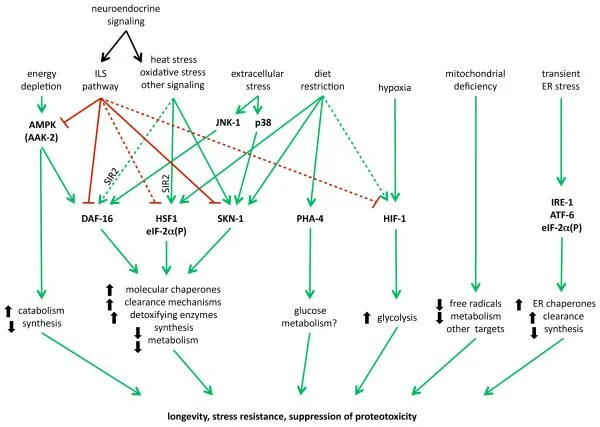
To fix misfolded proteins, we either need to target production, regulate chaperone operation, induce protein degradation, enhance extracellular clearance, or counter proteotoxic stressors.
Avoid:
Stressors (non exclusive list): R
Aberrant physiological conditions (oxidation, osmolarity, pH)
Alcohol, Nicotine
Amino acid analogues (including from food sources - azetidine, canavanine)
Anesthetics
Anitiotics and anti-inflammatory drugs (puromycin, tetracylcine, NSAIDs, indomethacin)
Emotional/psychological stress
Environmental Stressors (heavy/transition metals, alcohols, aresenic, pesticides, mutagens, irritants)
Hormonal imbalances (thyroid and growth hormone, IGF1)
Nutrient intake/imbalances
Pathophyiological states (fever, inflammaiton, infection, hypoxia, reperfusion)
Physical stress (temperature, irradiation, UV, mechanical stress)
Trauma, injury
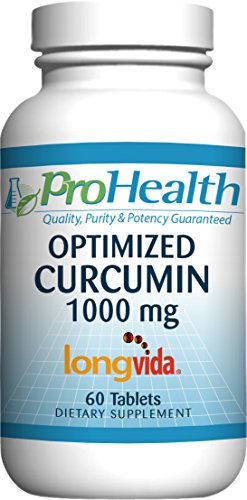
Useful Supplements:
Useful Drugs:
AADvac1 (Active tau based immunotherapy) R
ACI-35 (Phospho-tau vaccine) R
Arimoclomol (HSP activation) R
Deferiprone (Iron chelator) R
Istradefylline (Adenosine A2A receptor antagonist) R
Nuedexta (NMDA receptor antagonist) R
Rolipram (PDE4 inhibition) R
TRx0237 (Tau aggregation inhibitor) R
Pathways To Target:
BACE inhibition R
cAMP activation R
GSK3beta inhibition R
HDAC inhibition R
Hsp104 or Hsp40 activation (high levels can degrade tau and A-beta) R R
LXR-beta receptor agonists (induce Aβ into the extracellular space via ABCA1 transporter) R R
p38 (MAPK) inhibition R
PDE4 inhibition (such as with Rolipram) R
mTOR inhibition (such as curcurmin and resveratrol) R
Tau inhibition R
ULK1 inhibition R
Genetics:
Protein conformation
Protein stability
Subunit stoichiometry
Jacob Gordon
INHC, FMT-C
Integrative Nutrition Health Coach
I cover mold illness, post-viral recovery, methylation, and complex chronic disease, drawing on ten years of clinical research, work inside a functional medicine clinic, and my own recovery from all of it. Every claim here is cited.
Book a ConsultationRelated Protocols & Supplements
Deep-dive chapters and recommended supplements for this topic
Electrolyte Complex
1 scoop/day
CoQ10
200mg/day
Magnesium Glycinate
400mg at bedtime