Muira Puama: Benefits, Mechanisms, And What The Research Says
By Jacob Gordon, INHC, FMT-CThis article contains affiliate links. As an Amazon Associate, MyBioHack earns from qualifying purchases at no extra cost to you. We only link products we research and stand behind.
Muira Puama
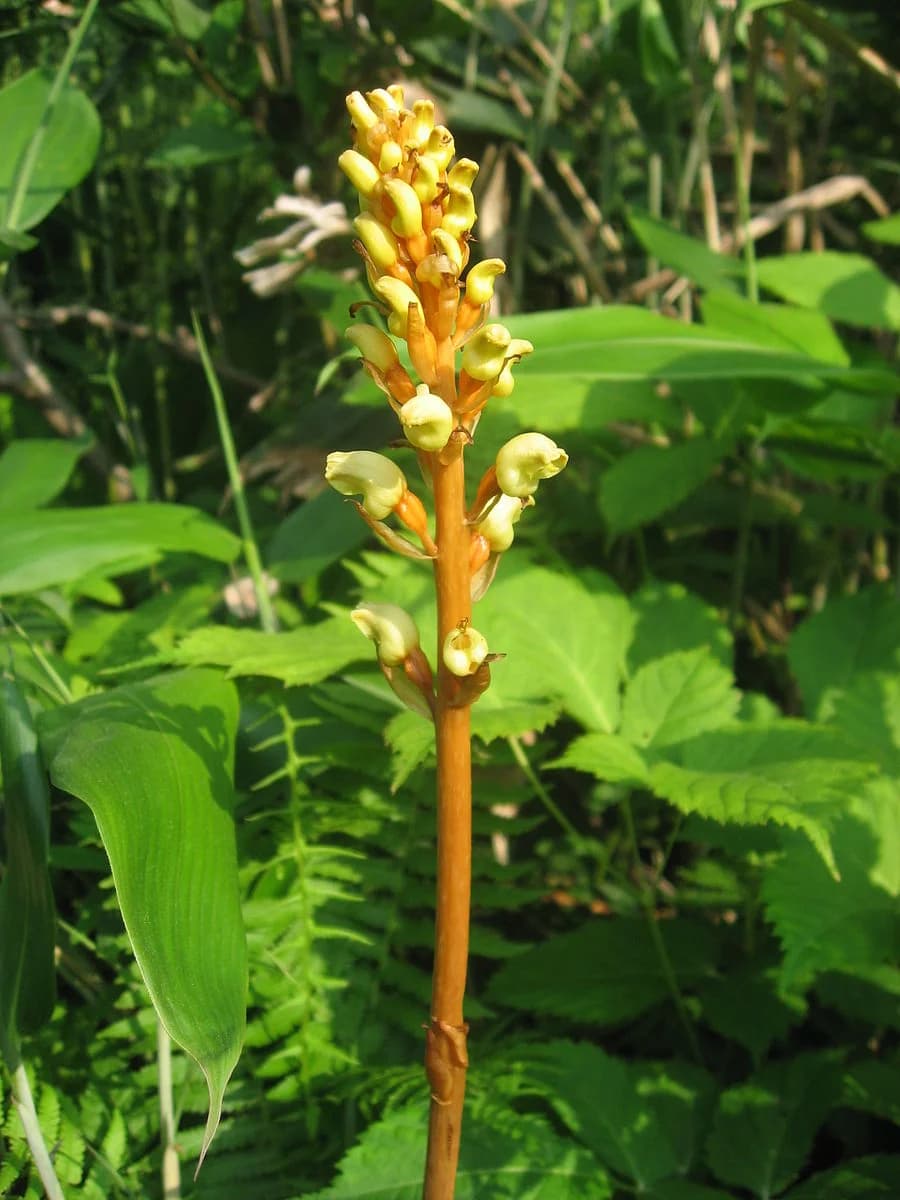
Muira Puama (Ptychopetalum olacoides) is a small Amazonian tree whose bark and root have been used in traditional Brazilian medicine for centuries, primarily as a tonic for sexual function and the nervous system.
In this post, we will discuss what muira puama is, its researched benefits, mechanisms of action, dosage, and what the science currently supports.
What Is Muira Puama
Muira puama (Ptychopetalum olacoides) is a shrub-like tree native to the Amazon basin, primarily found in Brazil and Peru.
The bark and root are the parts used medicinally, harvested and prepared as decoctions, tinctures, or dried extracts.
It has been used in Brazilian folk medicine as an aphrodisiac, nerve tonic, and anti-rheumatic agent for at least a century.
In Portuguese, "muira puama" roughly translates to "potency wood," reflecting its historical use as a sexual tonic.
It is also a common ingredient in traditional Amazonian herbal blends known as "catuaba," though true catuaba refers to a different plant (Trichilia catigua) and the terms are often conflated in the supplement market.
Muira puama has gained traction in nootropic and adaptogen communities due to its preliminary evidence for cognitive and neuroprotective effects.
Benefits
Most of the clinical evidence is from small human studies and animal models.
Interpret the animal data as mechanistic context, not confirmed human effects.
- Adaptogenic and Anti-Fatigue Effects
- Animal studies show muira puama reduces stress-induced immobility and lowers markers of physiological stress [R].
- The root extract has demonstrated anti-fatigue properties in forced swim tests in mice, suggesting HPA axis modulation (animal models only).
- Antidepressant Effects
- Piato et al. (2009) demonstrated antidepressant-like effects in mice, driven by beta-adrenergic and dopamine D1 receptor pathways rather than serotonin, consistent with a monoaminergic mechanism [R].
- The mechanism appears to involve both dopaminergic and serotonergic signaling (animal models only).
- Antioxidant Activity
- Cognitive Enhancement and Memory
- Siqueira et al. showed that muira puama extract reduced oxidative stress markers, including lipid peroxidation and free-radical production, in the brains of aged mice [R].
- The cognitive effects are thought to be driven in part by acetylcholinesterase inhibition, preserving acetylcholine levels in synaptic clefts.
- In vitro work on P. olacoides ethanolic extract has shown dose-dependent acetylcholinesterase inhibition in mouse brain homogenates (animal models only).
- Nerve Regeneration Support
- Preliminary in vitro data suggest muira puama extracts may support neurite outgrowth, though human evidence is absent.
- The NGF pathway is suspected but not confirmed in human studies.
- Sexual Function and Libido
- Two small open-label human trials by Jacques Waynberg (1990, 1994) reported significant improvements in libido and erectile function in men with sexual dysfunction.
- The 1994 study involved 262 men: 62% reported improvement in sexual desire and 51% reported improvement in erectile function after 2 weeks of 1-1.5g/day dosing.
- These are not randomized controlled trials and should be interpreted cautiously.
- The dopaminergic mechanism is the most plausible driver for libido effects, consistent with what is known about dopamine's role in motivation and sexual drive.
Natural Sources
Muira puama is not found in common dietary foods.
The only source is the bark and root of Ptychopetalum olacoides, harvested from wild trees in the Amazon basin (primarily Brazil and Peru).
It is available commercially as dried root bark powder, alcohol tinctures, and standardized extracts.
Quality varies significantly across suppliers because there are no pharmacopeial standards for this plant in most countries.
Be aware that many products labeled "catuaba" contain muira puama rather than (or in addition to) true Trichilia catigua.
Dosage and Safety
There are no large-scale, placebo-controlled human trials establishing an optimal dose.
The doses used in the Waynberg human trials were 1,000 to 1,500 mg/day of whole root bark extract.
Standardized extracts are typically dosed at 250 to 500 mg/day, though standardization parameters vary by manufacturer.
Traditional decoctions use 2-5g of root bark boiled in water.
No significant toxicity has been reported in human studies at typical doses, though systematic safety data are limited.
Muira puama contains alkaloids and may have weak MAOI-like properties; combining it with pharmaceutical MAOIs, SSRIs, or stimulants warrants caution.
Avoid during pregnancy and lactation due to insufficient safety data.
If you are on any psychiatric medications, consult a practitioner before using muira puama.
Mechanisms of Action
Simple
Muira puama appears to work through three main pathways: preserving acetylcholine (a memory and focus neurotransmitter) by blocking the enzyme that breaks it down, activating dopamine signaling (which drives motivation and libido), and reducing oxidative stress in brain tissue via its antioxidant compounds.
Advanced
Acetylcholinesterase (AChE) Inhibition: The ethanolic extract of P. olacoides inhibits AChE, the enzyme responsible for degrading acetylcholine in the synaptic cleft.
This is the same mechanism used by Alzheimer's drugs like donepezil, though muira puama is far less potent and its clinical relevance in humans is unestablished.
The active compounds responsible for AChE inhibition have not been fully isolated; lupeol and the alkaloid fraction are candidates.
Dopaminergic Activity: Animal studies suggest muira puama modulates dopamine signaling, potentially by increasing dopamine release or sensitivity at D2 receptors.
This aligns with both its reported pro-libido and antidepressant-like effects, since dopamine is central to motivation, reward, and sexual drive.
Lupeol and Antioxidant Action: Lupeol, a major triterpenoid in muira puama, scavenges reactive oxygen species and inhibits lipid peroxidation in brain tissue.
Oxidative stress in the hippocampus is a key driver of age-related memory decline, and the antioxidant effects may explain some of the cognitive benefits seen in aged animal models.
HPA Axis Modulation: The adaptogenic anti-fatigue effects suggest interaction with the hypothalamic-pituitary-adrenal axis, possibly attenuating cortisol-driven suppression of neurotransmitter function.
The specific glucocorticoid receptor interactions have not been characterized.
Serotonergic Involvement: The Piato 2010 antidepressant study found the effect was partially blocked by serotonin antagonists, implicating 5-HT pathway involvement alongside dopaminergic activity.
Genetics
There is no published pharmacogenomic research specifically on muira puama.
Given its dopaminergic activity, individuals with COMT Val158Met variants affecting dopamine metabolism may experience different responses, but this is speculative extrapolation from general dopamine pharmacology.
Those with MAO-A slow-metabolizer variants may be more sensitive to its monoaminergic effects and should start at lower doses.
More Research
The Amen Clinics (Dr. Daniel Amen) have included muira puama in some of their nutraceutical protocols for brain health, citing its acetylcholinesterase inhibition, though their clinical use is not peer-reviewed.
Muira puama is frequently combined with other Amazonian adaptogens (guarana, catuaba, suma root) in commercial formulas, making it difficult to attribute effects to the individual herb in most anecdotal reports.
The distinction between Ptychopetalum olacoides (true muira puama) and Ptychopetalum uncinatum matters for research interpretation; most quality studies use P. olacoides.
The interaction between muira puama and pharmaceutical MAO inhibitors has not been formally studied; the theoretical risk of potentiated monoaminergic activity means this combination should be avoided until data exist.
If you are interested in cholinergic nootropics more broadly, see the post on acetylcholine for context on other AChE-inhibiting compounds.
A muira puama extract standardized to the root bark (not just aerial parts) is the form most relevant to the research reviewed here.
Jacob Gordon
INHC, FMT-C
Integrative Nutrition Health Coach
I cover mold illness, post-viral recovery, methylation, and complex chronic disease, drawing on ten years of clinical research, work inside a functional medicine clinic, and my own recovery from all of it. Every claim here is cited.
Book a ConsultationRelated Protocols & Supplements
Deep-dive chapters and recommended supplements for this topic
Quercetin
500mg 2x/day
Vitamin D3 + K2
5000 IU + 200mcg/day
Magnesium Glycinate
400mg at bedtime