The 8+ Benefits of Hederagenin (with Sources and Derivatives)
By Jacob Gordon, INHC, FMT-CThis article contains affiliate links. As an Amazon Associate, MyBioHack earns from qualifying purchases at no extra cost to you. We only link products we research and stand behind.
In this post, we will discuss the benefits and natural sources of hederagenin and hederagenin derivatives.
Basics Of Hederagenin
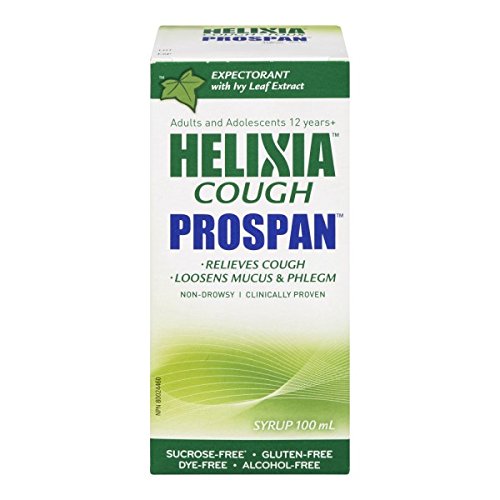
Hederagenin is a triterpene derivative of oleanolic acid found in many plant sources (see sources below).
Benefits Of Hederagenin
1. Has Strong Antidepressant Effects
Hedaragnin is a novel triple inhibitor of monoamine transporters and acts as a Serotonin (5-HT), Norepinephrine (NE) and Dopamine (DA) reuptake inhibitor. R
It can also increase the expression of 5-Hydroxytryptamine 1A (5-HT1A) receptor. R
Hedaragenin can also reduce stress hormones such as Adrenocorticotrophic Hormone (ACTH) and serum Corticosterone in rats exposed to chronic unpredicted mild stress. R
Behaviorally, it can mimic the antidepressant effects of escitalopram in rodents. R
2. May Combat Cancer

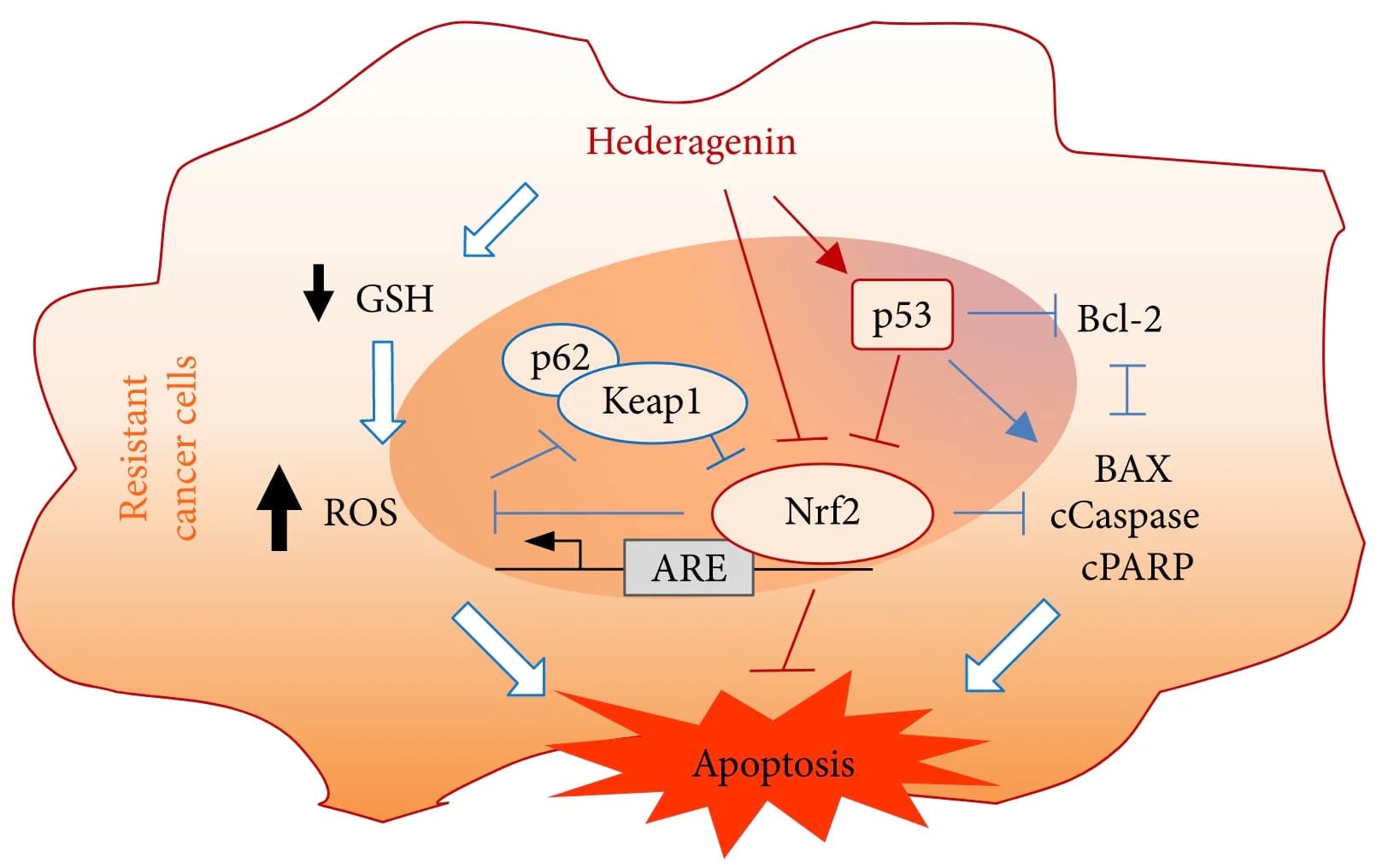
Hedaragenin can also potentiate some chemotherapeutic agents. R
For example, H6 a derivative of hedaragenin can reverse Multidrug Resistance (MDR) by sensitizing KBV and MCF7/T cells to paclitaxel and vincristine (stimulates P-gp ATPase). R
3. May Fight Huntington's And Parkinson's Disease Development
Parkinson's Disease (PD) and Huntington's Disease (HD) pathologies contain protein aggregates and inclusion body (see proteopathy). R
Hederagenin can improve motor deficits in PD mice models. R
It can also promote autophagy and prevent the formation of α-synuclein and huntingtin (via AMPK-mTOR). R
4. May Protect Against Alcohol Exposure
Hederagenin may protect against alcohol-induced liver injury. R
For example, in rodent models, hedaragenin was able to reduce inflammation associated with alcohol use and improve alcohol metabolism. R
5. Has Antimicrobial Properties
Hederagenin has antibacterial against:
- B. cereus R
- E. coli R
- E. faecalis R
- K. pneumoniae R
- P. aeruginosa R
- S. aureus R
- S. epidermidis R
- S. typhimurium R
Hederagenin has antiparasitic activity against Leishmania infantum. R R
6. Reduces Inflammation
Hederagenin can reduce inflammatory responses. R
For example, treatment with hederagenin can in inhibited levels of protein expression of lipopolysaccharide-stimulated iNOS, COX-2, and NF-κB as well as production of NO, PGE2, TNF-α, IL-1β, and IL-6. R
Hederagenin can also mast cell degranulation. R
The hederagenin saponin SMG-1 is a natural FMLP receptor inhibitor that suppresses human neutrophil activation. R
7. Protects The Vascular System
Hederagenin has multiple pharmacological activities in the treatment of hyperlipidemia, antiplatelet aggregation, and atherosclerosis. R
For example, hederagenin can correct the imbalance of endothelial function by inhibiting the release of large amounts of iNOS and increasing eNOS contents and inhibits the IKKβ/NF-κB signaling pathway to reduce the release of IL-6, IFN-γ, TNF-α, and other inflammatory factors. R
8. Has Antioxidant Properties
Derivatives of hederagenin can act as free-radical scavengers. R
My Experience With Hederagenin
...currently testing a few sources...
I have had positive experiences with Black Seed Oil, Quinoa, Red Beets, and Rambutan.
Natural Sources Of Hederagenin And Derivatives
Sources of hederagenin and hederagenin derivatives:
- Akebia fruit (Fructus akebiae) R R
- Ann Ala Ivy (Hedera pastuchovii) R
- Barrelclover (Medicago truncatula) R
- Bittercress (Barbarea vulgaris) R
- Black Seed Oil (Nigella Sativa) R
- Blue cohosh (Caulophyllum robustum) R
- Castor Aralia (Kalopanax septemlobus) R
- Cephalaria species (e.g. - Cephalaria anthelminticum, C. balansae, C. elmaliensis, C. transsylvanica) R R R R R
- Chocolate vine (Akebia quinata) R
- Clematis species (e.g. - Clematis ganpiniana, C. lasiandra, C. mandshurica) R R R R
- Common Ivy (Hedera helix) R
- Hibberd (Hedera taurica) R
- Honeysuckle (Lonicera macranthoides) R
- Hybrid Alfalfa (Medicago hybrida) R
- Indian Elm (Holoptelea integrifolia) R
- Money Tree leaves (Cyclocarya Paliurus) R
- Paperplant (Fatsia japonica) R
- Persian Ivy (Hedera colchica) R
- Pulsatilla (Pulsatilla chinensis) R
- Quinoa (Chenopodium quinoa) R
- Red Beets (Beta vulgaris) R
- Rambutan (Nephelium lappaceum) R
- Soapberry (e.g. - Sapindus mukorossi, S. laurifolius, S. emarginatus, S. mukorossi, S. saponaria) R R R R
- Spotted medick (Medicago arabica) R
- Stelzneri (Weigela florida) R
- Teasel (Dipsacus asper) R
Caveats
Hedaragenin may increase Lactate Dehydrogenase (LDH), although this has only shown to be in colon cancer cells. R
Mechanism Of Action
Simple:
- Increases ALDH2 R
- Increases AMPK R
- Increases Bax R R
- Increases Caspase-3 R R R
- Increases Caspase-9 R R
- Increases DA R
- Increases eNOS R
- Increases LDH R
- Increases NE R R
- Increases PARP R R
- Increases p53 (decreased in alcohol exposure) R R
- Increases 5-HT R R
- Increases 5-HT1A R
- Reduces ACTH R
- Reduces ADH R
- Reduces AKT R R
- Reduces Apaf-1 R
- Reduces Bcl-2 R
- Reduces Bcl-xL R
- Reduces Corticosterone R
- Reduces COX-2 R R
- Reduces Cyto C R
- Reduces ERK (seems to increase in cancer) R R
- Reduces FMLPR R
- Reduces IFN-gamma R
- Reduces IL-1b R
- Reduces IL-6 R R R
- Reduces iNOS R R
- Reduces JNK R
- Reduces MAPK R R
- Reduces mTOR R
- Reduces NF-kB R R
- Reduces NO R
- Reduces NRF2 R
- Reduces PGE2 R
- Reduces Procaspase-3 R
- Reduces Procaspase-9 R
- Reduces Survivin R
- Reduces TNF-α R R R
- Reduces 5-HTT R
Advanced:
- Hedaragnin can increase 5-HT, NE and DA in frontal cortex. R
- Binding affinity (as Ki):
SERT at cerebral cortex: 3.89±0.18 nm
NET at hypothalamus: 0.22±0.04 nm
DAT at striatum: 2.87±0.54 nm
- Binding affinity (as Ki):
- HG showed that significant increases of norepinephrine and serotonin levels and exhibited a tendency to increase the expression of 5-hydroxytryptamine (serotonin) 1A receptor mRNA, and to significantly decrease the expression of the mRNA for the serotonin transporter (5-HTT). R
- In cancer, Hedaragnin induces the apoptosis of tumor cells via the mitochondrial pathway. R
- Hederagenin or hederin lead to a reduced phosphorylation of p70S6K, which is a downstream target of mTOR. R
- SMG-1 inhibited FMLP binding to its receptor in a concentration-dependent manner...SMG-1 attenuated FMLP-induced increase of cytosolic calcium concentration and phosphorylation of p38 MAPK, ERK, JNK, and AKT. R
Jacob Gordon
INHC, FMT-C
Integrative Nutrition Health Coach
I cover mold illness, post-viral recovery, methylation, and complex chronic disease, drawing on ten years of clinical research, work inside a functional medicine clinic, and my own recovery from all of it. Every claim here is cited.
Book a ConsultationRelated Protocols & Supplements
Deep-dive chapters and recommended supplements for this topic
Electrolyte Complex
1 scoop/day
CoQ10
200mg/day
Magnesium Glycinate
400mg at bedtime