7+ Ways Fragrance Changes Your Hormones And Immune System (Must Read For Chemically Sensitive People)
By Jacob Gordon, INHC, FMT-CThis article contains affiliate links. As an Amazon Associate, MyBioHack earns from qualifying purchases at no extra cost to you. We only link products we research and stand behind.

Fragrances are slow toxins which can disrupt the endocrine-immune-neural axis possibly causing the unprecedented rates of diabetes, cancer, neural ailments, teratogenicity, and transgender instances. R
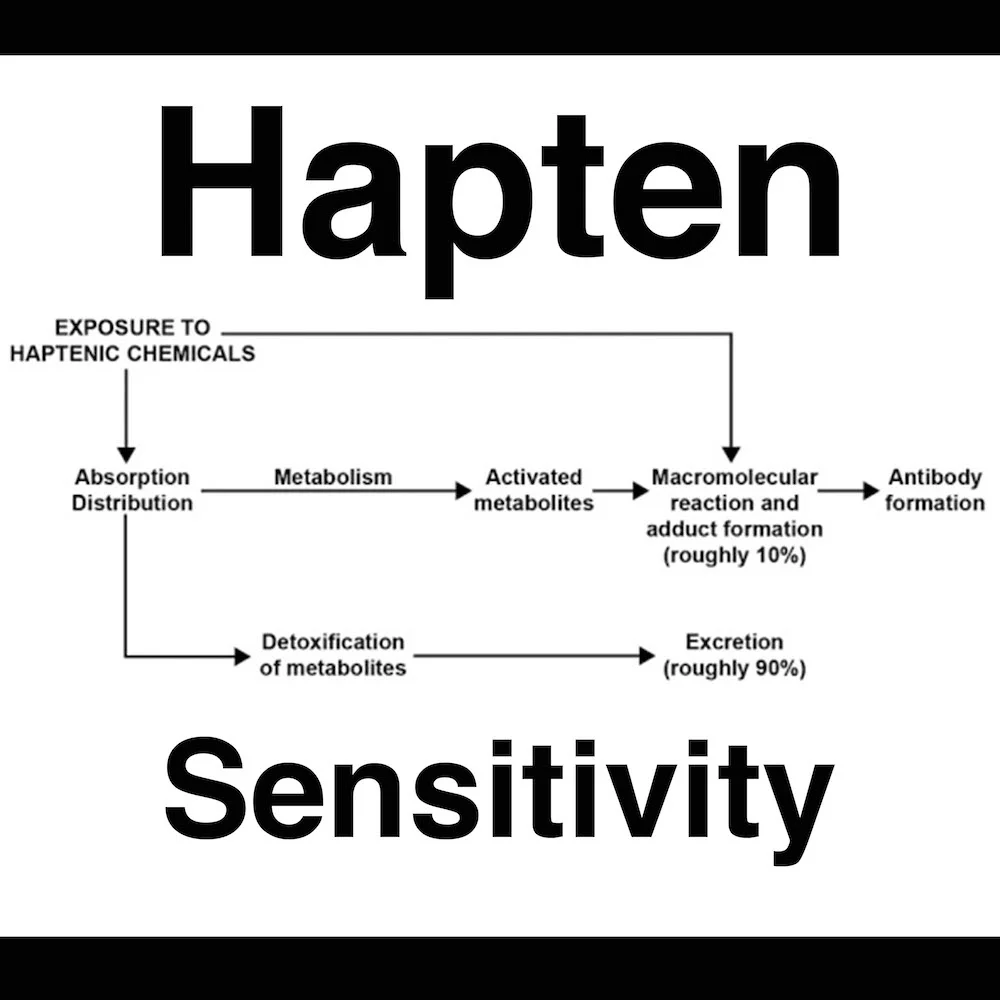
We’ve already discussed how parts in fragrance can act as haptens and cause allergic sensitization (in this hapten post and this fragrance post), so in today’s post we will be discussing more mechanisms as to how fragrance can disrupt your immune system.
Basics Of Common Fragrances
Most of our hazardous pollutants are actually chemicals from indoors, fragranced consumer products (ie air fresheners, cleaning products, laundry supplies, and personal care products) being one of the most common. R
These fragranced consumer products emit dozens of different volatile compounds, such as terpenes (limonene, alpha-pinene, beta-pinene, etc) that are primary pollutants, and can react with ozone to generate secondary pollutants, such as formaldehyde and acetaldehyde. R
Fragranced consumer products can be found in: R
Air fresheners and deodorizers
Cleaning supplies
Fragrance/Perfume
Household products
Laundry products
Personal care products
Health effects have shown to cause: R
Asthma attacks
Cardiovascular problems
Cognitive problems
Gastrointestinal problems
Immune system problems
Migraine headaches
Mucosal symptoms
Musculoskeletal problems
Neurological problems
Respiratory problems
Skin problems
How Do Olfactory Receptors Work?
We have olfactory receptors all over the body, not just the nose. R
Smells activate olfactory receptors via increase in Cyclic Adenosine Monophosphate (c-AMP) and Inositol Triphosphate (IP3), which thus can control thousands of genes. R
Fragrances can activate olfactory receptors by smell, nose and mouth, and thereafter, enter the blood stream and thus the brain (due to fragrance being lipohilic). R
Fragrance can influence you beneficially (if your immune system is in good working order), detrimentally (if your immune system has been primed to react), or have no effect at all.
What Does Fragrance Do?
1. Endocrine Disruption

Pthalates can be used as fragrance due to their unique structure and ability to have a long lingering smell (they form bonds with surfaces due to its lipophilic structure). R
Pthalates are weak endocrine disruptors and androgen blocking chemicals, which means that when absorbed into the body phthalates can either mimic or block female hormones (such as estrogen), or in males, suppress the hormones involved in male sexual development (see more in post on estrogenics). R
Fragrance has also shown in women to increase Dehydroepiandrosterone (DHEA) level in saliva and skin, thus causing facial and forearm bloating. R
2. Asthma, Allergies And Infections
Pthalates are also able to skew the immune system to from a TH1 response to a TH2 response (mainly IgG1 but also IgE), thus blunting the ability to fight off certain infections and increasing the risk for allergies. R R
For example, pthalates are able to increase the risk of asthma in children. R
This skewing of TH1 responses are possible from other types of fragrances as well, not just pthalates. R
Even common fragrances can cause immune sensitization (commonly seen as skin problems). R R
For example, some naturally occurring compounds are known to activate TRPA1 by forming a Michael addition product with a cysteine residue of TRPA1 through covalent protein modification and, in consequence, to cause allergic reactions. R
3. Stress And Autoimmunity

Stress causes the release of numerous immune mediators that can prime the immune system via Cortisol, Substance P (SP), T Helper Cells (TH1, TH2, etc), Mast Cells, Prostaglandin D2 (PGD2), Histamine, and Leukotriene B4 (LTB4). R
When combined with stress, fragrance is able to change the Hypothalamic–Pituitary–Adrenal (HPA) axis, causing dysregulation of Noradrenergic, Serotonergic, Cholinergic, Gamma-Aminobutyric Acid (GABA)-ergic and Glutamatergic neurotransmitter systems. R
Having autoantibodies are a common sign of autoimmunity. R
For example, people with Anorexia Nervosa (AN) and Bulimia Nervosa (BN) have demonstrated autoantibodies reacting with Alpha-Melanocyte-Stimulating Hormone (alpha-MSH) or Adrenocorticotropic Hormone (ACTH), which are melanocortin peptides involved in appetite control and the stress response.R
4. Appetite Stimulation And Suppression
Apart from influencing diseases like anorexia and bulimia, fragrance may cause appetite stimulation as well.
For example, linalool and limonene inhalation has shown to change Neuropeptide Y (NPY, an appetite regulator) levels, more specifcally linalool increased NPY, while limonene decreased serum NPY levels. R
5. Adrenaline And Blood Pressure
Fragrances can change adrenaline levels and thus blood pressure – some examples: ↓ rose oil, ↓ patchouli oil, and ↑ pepper oil. R
6. Transgender And Gender Dysphoria
Fragrance may influence the rise in transgender instances and gender dysphoria. R
Endocrine disruptors such as pthalates and Polychlorinated Biphenyls (PCB) have shown to profoundly impair the sexual development of the female hypothalamus during development. R
These endocrine disruptors have also shown to increase fetal levels of Testosterone (T) during pregnancy, thus leading to increased risk of gender dysphoria. R
7. Sexual Attraction
We are attracted to someone else’s body odor based on the smell of their immune system.
Major Histocompatibility Complex (MHC) genes play a crucial role in immune recognition. R
Having differences in your MHC genes can make you sexually attracted to someone else’s scent. R
Also, people that share the same type of Human Leucocyte Antigen (HLA) have a similar preference for perfume ingredients that are used to amplify someones natural body odor. R
Possible Benefits Of Fragrance
There are clear benefits to some specific fragrances, but I will elaborate on those possibly in a separate post.
For now I will focus on 3 benefits.
1. Sleep
Some fragrances from essential oils may help with sleep. R
For example, lavender fragrance has shown to improve the quality of sleep in postpartum women after 8 weeks of use. R
2. Attractiveness
Fragrance may increase mate attraction through various mechanisms, such as increasing self-confidence or seducing a biologically incompatible mate. R
3. Cancer
Some fragrances may be beneficial for fighting cancer. R
For example, linalool can stimulate IFN-γ, IL-13, IL-2, IL-21, IL-21R, IL-4, IL-6sR and TNF-α secretion, which may be beneficial for stimulating the immune system to combat caner. R
What Should You Do About Fragrance?

Avoidance of stress: stress + fragrance = opening of tight junctions and priming of the immune system
Avoidance of fragrance - such as masks, a charcoal air filter, and washing clothes in fragrance free soap
See other post on hapten tolerance.
Mechanism Of Action
Jacob Gordon
INHC, FMT-C
Integrative Nutrition Health Coach
I cover mold illness, post-viral recovery, methylation, and complex chronic disease, drawing on ten years of clinical research, work inside a functional medicine clinic, and my own recovery from all of it. Every claim here is cited.
Book a ConsultationRelated Protocols & Supplements
Deep-dive chapters and recommended supplements for this topic
Glutathione (Liposomal)
500mg 2x/day
Activated Charcoal
500mg away from food/meds
NAC
600mg 2x/day