The 7+ Benefits Of Blessed Thistle (Cnicus benedictus)
By Jacob Gordon, INHC, FMT-CThis article contains affiliate links. As an Amazon Associate, MyBioHack earns from qualifying purchases at no extra cost to you. We only link products we research and stand behind.

In this post, we will discus the bioactive components of Blessed Thistle, its benefits, my experience, and possible downsides.
Basics
Blessed Thistle (BT) or Holy Thistle (HT), which is commonly known as "march grass" is in the same genus as milk thistle, but its pharmacological effects have not been studies as extensively.R
Among the benefits (discussed below), blessed thistle has been traditionally used as a treatment for digestive disorders, infections, fevers, menstrual problems, impaired lactation, renal disorders, difficulty sweating, cancer, wound healing, neuroprotection, and as a contraceptive. R
Blessed Thistle contains: R
- Flavonoids - apigenin-7-O-glucoside, luteolin and astragalin
- Lignans - trachelogenin, nortracheloside, arctiin, and arctigenin
- Sesquiterpene lactone glycosides - cnicin, polyacetylen, absinthin, salonitenolide and artemisiifolin.
- Tannins - n-nonane, n-undecane, n- tridecane, dodeca-l,ll-dien-3,5,7,9-tetrain (polyyne), pcymene, fenchon, citral, cinnamaldehyde
- Triterpenoids - a-amyrenone, a-amyrin acetate, a-amyrine, and multiflorenol acetate
- Other - nutritional components (tocopherols), minerals, trace elements, phenolic compounds, saponins, alkaloids, starch, glycosides, triterpenes and coumarins
Benefits Of Blessed Thistle
1. Improves Digestion, Flatulence, And Diarrhea

Blessed thistle has traditionally been used to stimulate appetite, decrease flatulence, and aid digestion. R
For example, Gastritol (the combination of chamomile, silverweed, licorice, angelica, blessed thistle and wormwood) has shown to improve symptoms of indigestion and gastrointestinal spasms. R
It's also used to treat dyspepsia, flatulence and indigestion. R
2. May Help Gallstones And Liver Function
LIV-A (a combination of parsley, blessed thistle, angelica, chamomile, gentian, and goldenrod) as bitters, has been used to increase/stimulate bile secretion. R
3. Has Antimicrobial Properties
Blessed thistle has anti-bacterial activity against:
- Bacillus proteus R
- Enterococcus faecalis R
- Escherichia coli R
- Pseudomonas aeruginosa R
- Salmonella enteritidis R
- Salmonella typhimurium R
- Shigella sonnei R
- Staphylococcus aureus R
- Streptococcus pyogenes R
Blessed thistle has anti-fungal activity against:
- Aspergillus fumigatus R
4. Improves Lactation
Blessed thistle may help with lactation. R R R
Blessed thistle is traditionally used as a galactagogue in nursing mothers to increase and enrich milk flow. R
5. Increases Wound Healing
Blessed thistle may help with wound healing. R
For example, in animal models blessed thistle reduces the percentage reduction of wound (98.81 %) at day 14, against those treated by Baneocin ointment (95.69%). R
6. May Help Prevent Cancer
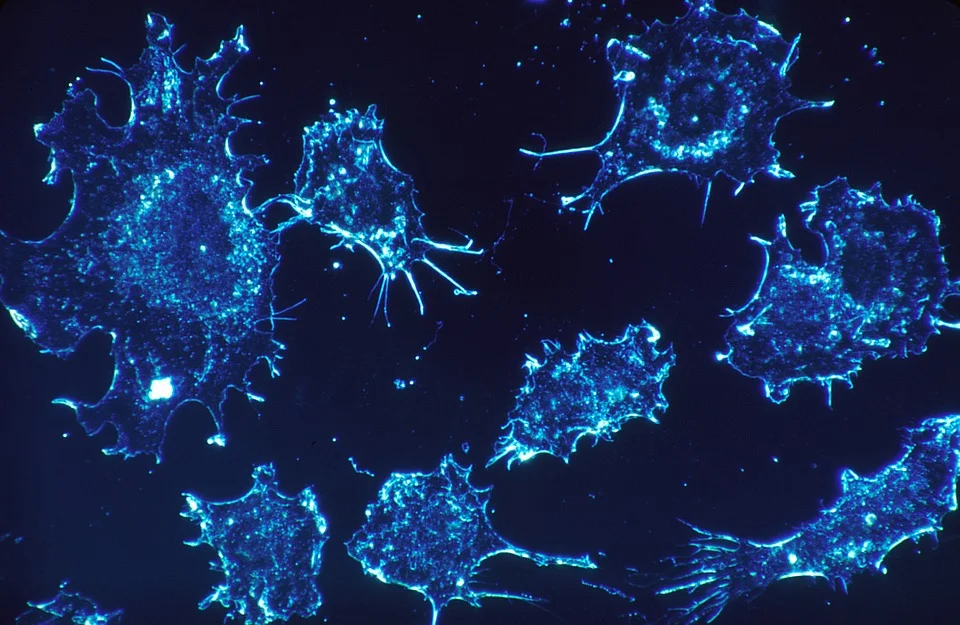
Blessed thistle may help prevent cancer. R
The flavanoids in blessed thistle are known for their potent antioxidant and anti-tumor activities. R
Anticancer activity against:
Blessed thistle has high cytotoxicity against human-derived macrophages. R
7. May Be Neuroprotective
Blessed thistle may have neuroprotective effects. R
For example, blessed thistle can increase levels of the neurotransmitter acetylcholine (by inhibition of acetylcholinesterase). R
My Experience With Blessed Thistle
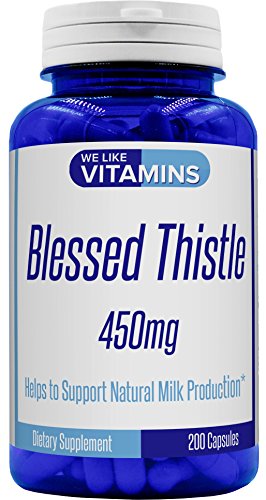
I have used this blessed thistle for biliary dyskinesia and I have seen improvement in my gallbladder function and my ability to handle fatty foods.
I've also used this version of blessed thistle and had similar effects.
Buy Blessed Thistle
The dried leaves, upper stem, and flowers are used traditionally in medicine. R
Forms of blessed thistle:
Dosage For Blessed Thistle
Caveats
Those allergic to herbs in the Asteraceae family (such as feverfew, chamomile, or Echinacea species) should not take blessed thistle. R
Gastric irritation and vomiting have been reported from high doses (over 5 grams per cup of tea). R
Mega-doses of the raw herb may cause rupture in the esophagus, leading to death (only seen in two reports). R
Mechanism Of Action
More Research
- Blessed Thistle with Lamb is a dish common to the Aegean coast and Aegean sea islands among Turkish and Greek people. R
Jacob Gordon
INHC, FMT-C
Integrative Nutrition Health Coach
I cover mold illness, post-viral recovery, methylation, and complex chronic disease, drawing on ten years of clinical research, work inside a functional medicine clinic, and my own recovery from all of it. Every claim here is cited.
Book a ConsultationRelated Protocols & Supplements
Deep-dive chapters and recommended supplements for this topic
Spore-Based Probiotics
1 cap with food
L-Glutamine
5g 2x/day on empty stomach
Butyrate
300mg 2x/day with meals