The 12+ Benefits of Wrightia Tinctoria (Indrajauis, Shwetha Kutaja, Pala Indigo)
By Jacob Gordon, INHC, FMT-CThis article contains affiliate links. As an Amazon Associate, MyBioHack earns from qualifying purchases at no extra cost to you. We only link products we research and stand behind.

Wrightia tinctoria is medicinal plant that can improve skin quality and prevent metabolic disease.
In this post, we will discuss its benefits, how to use it, and it's medicinal mechanism.
Basics
Wrightia tinctoria (male form of Kutaja) is also called Shwetha Kutaja, Pala Indigo, Dyers’s Oleander, and Indrajauis.
In Ayurvedic medicine: R
Seeds - used as anthelmintic, antidiarrhoeal, antidysenteric, astringent, febrifuge, seminal weakness and as an aphrodisiac.
Leaves/bark (decoction) - used for fever febrifuge, toothache, stomach/bowel complaints
Bark - used as an antidysenteric and treat skin diseases and biliousness
The major bioactive triterpenes of Wrightia are α-amyrin, β amyrin, lupeol, and β-sitosterol (see more in Components Of Wrightia). R
Benefits Of Wrightia Tinctoria

Wrightia is powerful at wound healing. R R
It improves breaking strength of the skin and improves wound closure/epithelialisation time. R
In the form of latex cream, Wrightia enhances wound healing by improving collagen synthesis and matrix metalloproteinase (MMP) activity. R
4. Combats Obesity, Cholesterol, And Protects The Vascular System
Wrightia may protect against dyslipidemia and weight gain from a high fat diet. R
Chlorogenic acid (found in Wrightia) can protect against high cholesterol buildup (inhibits platelet aggregation). R
For example, in animal models eating a high fat diet, Wrightia decreased serum total cholesterol (TC) and low-density lipoprotein (LDL), improved high-density lipoprotein (HDL), and prevented weight gain. R
Wrightia can lower high Blood Pressure. R
5. Fights Diabetes
Wrightia has powerful anti-diabetic properties. R R
The chloroform extract of Wrightia has significant anti-diabetic activity compared to the standard drug glibenclamide. R
In animal models of diabetes, wrightia can reduce blood glucose levels. R R
6. Has Antimicrobial Effects
Wrightia has antibacterial activity against:
Bacillus licheniformis R
Klebsiella pneumonia R
Micrococcus luteus (incl MTCC 1541) R
Morexalla catarrhalis R
Proteus vulgaris (incl MTCC 1771) R
Salmonella paratyphi (incl MTCC 735) R
Salmonella typhi (incl MTCC 98) R
Staphylococcus citreus R
Staphylococcus epidermidis (incl MTCC 2639) R
Streptococcus pneumoniae R
Streptococcus sanguinis R
Wrightia has antifungal activity against:
Acaulospora delicata R
Acaulospora nicolson R
Aspergillus flavus (incl MTCC-1783) R
Aspergillus niger (incl MTCC 1344) R
Candida parapsilosis R
Cryptococcus R
Epidermophyton floccosum (incl MTCC 7880) R
Glomus aggregatum R
Glomus mosseae R
Microsporum canis (incl MTCC 2820) R
Pityrosporum ovale R
Sclerocystis microcarpus R
Scopulariopsis brevicaulis R
Trichophyton mentographytes (incl MTCC 7687) R
Trichophyton simii R
Trichophyton tonsurans R
Wrightia has antiviral activity against:
Wrightia has anthelmintic activity aginst:
Pheritima posthum R
7. Has Antioxidant Properties
Wrightia has strong antioxidant properties. R
Wrightia is rich in natural antioxidants (e.g. phenols and flavonoids). R
Wrightia has stronger free radical scavenging properties than Vitamin C and Rutin. R
8. May Act As A Contraceptive

As wrightia tinctoria has Pro-Estrogenic effects, it has shown to useful as a Contraceptive. R
9. Protects The Liver
The triterpenoids in Wrightia tinctoria are well reported to have hepatoprotective activity. R
Lupeol and β-amyrin (triterpenoids from Wrightia tinctoria) can improve Glutathione (GSH) and (Superoxide Dismutase (SOD) levels in the liver, thus protecting against Carbon Tetrachloride (CCL4)-induced acute liver toxicity. R
In the same animal model study, lupeol, b-amyrin, and b-sitosterol were able to prevent SGPT, SGOT and ALP increase from CCL4 liver toxicity. R
10. Protects Gut From Ulcers
Wrightia leaves possesses anti-ulcer effects. R
Methanolic extracts have shown significant gastro-protective activity (of 65.89%) when compared with the standard drug famotidine (which showed 75.34%). R
11. Improves Pain

My Experience With Wrightia Tinctoria
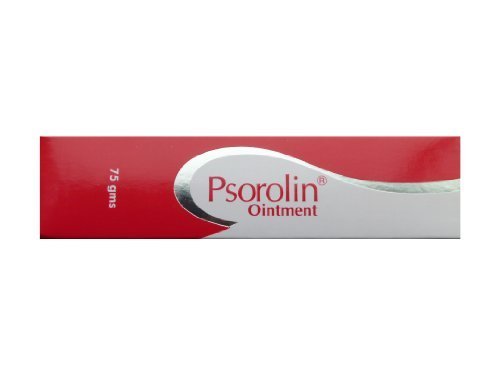
I've used Wrightia Oinment on scabs and I've noticed less scarring on the areas I've used it.
Where To Buy Wrightia Tinctoria
There are a few topical forms:
Caveats
Wrightia may smell/taste awful. R
Do not take while pregnant as it may terminate pregnancy. R
Supplementation of wrightia is mostly safe - using a very high oral dose of 2500 mg/kg crude extract showed no mortalities or adverse effects in mice. R
Wrightia tinctoria extract considerably increases urine volume, acting as strong kaliuretic. R
Components Of Wrightia
Phytoconstituents present in the plant include glycosides, steroids, triterpenoids, saponins, tannins, phenolics, and flavonoids. R
Leaves: R
Triacontanol
Tryptanthrin
Mature Powdered Pods: R
β-amyrin
Ursolic acid
Oleanolic acid
β-sitosterol
Menthol Extract: R R
Cycloartenone
β-amyrin
cycloeucalenol
β-sitosterol
Wrightial (a new terpene)
Gallic acid
Rutin
Quercetin
Indirubin (strong anti-fungal) R
Seeds: R
14 α-methylzymosterol (A new sterol)
Desmosterol
Clerosterol
24-methylene-25-methylcholesterol
24-dehydropollinastanol
Stem Bark: R
β-amyrin
Lupeol
β-sitosterol
Other:
Other extracts also include Tannins, Alkaloids Flavonoids, Phenols, Saponins, Sterols, Quinones, Carbohydrates, and Terpenoids R
Mechanism Of Action
Simple:
Increases GLUT4 R
Increases GSH R
Increases HDL R
Increases SOD R
Reduces Akt R
Reduces ALP R
Reduces Bcl-2 R
Reduces BRAF R
Reduces Brn-2 R
Reduces β-catenin R
Reduces COX-2 R
Reduces ERK1/2 R
Reduces LDL R
Reduces MMP-9 R
Reduces NF-kB R
Reduces SGOT R
Reduces SGPT R
Reduces TC R
Reduces VEGF R
Reduces WNT R
Advanced:
Increase in glutathione activity indicated that WTTF helps in the restoration of vital molecules such as NAD, cytochrome and glutathione. R
The active ethanolic extract and its fractions exhibited moderate to potent estrogen-agonistic activity, which might be responsible for their contraceptive action in this species. R
Wt.Cr(++) lowers blood pressure through a combination of K(+)-channel opening and Ca(++)-channel blocking effects along with antidyslipidemic and weight-reducing properties. R
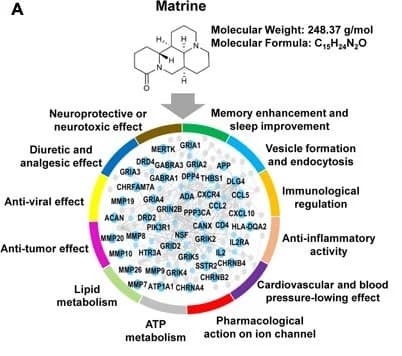
There are 67 compounds in Wrightia with 238 potential protein/gene targets. R
More Research
Jacob Gordon
INHC, FMT-C
Integrative Nutrition Health Coach
I cover mold illness, post-viral recovery, methylation, and complex chronic disease, drawing on ten years of clinical research, work inside a functional medicine clinic, and my own recovery from all of it. Every claim here is cited.
Book a ConsultationRelated Protocols & Supplements
Deep-dive chapters and recommended supplements for this topic
Electrolyte Complex
1 scoop/day
CoQ10
200mg/day
Magnesium Glycinate
400mg at bedtime