The 10+ Benefits of Thunbergia Laurifolia (Laurel Clockvine)
By Jacob Gordon, INHC, FMT-CThis article contains affiliate links. As an Amazon Associate, MyBioHack earns from qualifying purchases at no extra cost to you. We only link products we research and stand behind.
Thunbergia Laurifolia is a traditional herb in Thailand that has a variety potential benefits.
Basics
Thunbergia Laurifolia (TL, commonly known as blue trumpet vine or laurel clockvine) is a traditional herb from Thailand (known as Rang Jeud in Thai). R
It has been used for: R R R R R R R R
- Addiction
- Detoxification and Poisoning
- Diabetes
- Diarrhea
- Excessive Gas
- Gout
- Hangovers
- Hemorrhoids
- High Blood pressure
- Jaundice
- Liver Disease
- Muscle Pain
- Stomach Aches
- Ulcers
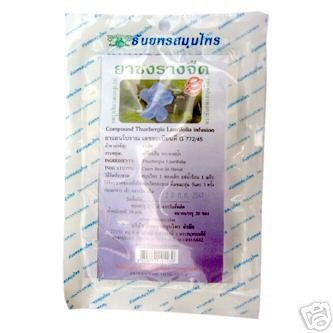
Benefits Of Thunbergia Laurifolia
1. May Relieve Depression And Improve Cognition

In mice that were given depression and memory problems (olfactory bulbectomy is a way to induce depression and Alzheimer's Disease/Dementia pathologies in rodents), TL was able to restore short term memory and acetylcholine levels in the brain. R
TL was also able to reduce depressive-like symptoms. R
2. Enhances Dopamine In The Brain
In animal models, TL increases and enhances dopamine release in the brain. R R
3. May Help With Stimulant Addictions
TL can mimic the effects of amphetamines and may help with addiction caused by amphetamines. R
It may also help with addiction of cocaine. R
4. May Help With Diabetes
TL can decrease high levels of blood glucose in diabetic animal models. R R
It may also restore some activity of pancreatic beta-cells (insulin-secreting cells) and other important pancreatic enzymes. R R
5. Mitigates Effects of Toxins
TL may protect against the damage caused by:
- Alcohol (protects the liver) R
- Arsenic R
- Cadmium (protects kidneys and liver) R
- Herbicides R
- Insecticides R
- Lead (protects the brain) R R
- Strychnine R
6. Helps With Wound Healing
TL may shorten the time it takes for burns to heal as well as lessen the amount of scab formation. R
7. May Help With Pain And Inflammation

In immune cells exposed to lipolysaccarides (LPS), TL could reduce the amount of pro-inflammatory cytokines, thus reducing inflammation, as well as possibly pain. R
In mice exposed to carageenin, TL could protect against swelling-based pain. R
8. Has Antimicrobial Activity
TL has antimicrobial activity against Bacillus subtilis. R
TL can also protect the blood from a parasitic Plasmodium Berghei infection. R
9. Protects The Biliary System
As discussed before, TL prevents liver damage from drinking alcohol or cadmium exposure. R R
TL also restore antioxidant levels in the liver and enhances its ability to detox toxins. R R
TL can also lower high cholesterol levels. R
TL may protect the biliary system from developing cancer. R
10. May Protect Against Cancer
TL may protect DNA from mutating when exposed to compounds that create DNA damage. R
My Experience With Thunbergia Laurifolia
Still in progress as I gather more data.
Where To Get Thunbergia Laurifolia
Herbal tea versions of TL have the strongest antioxidant effects. R R
TL may have synergistic effects with Saint John’s Wort. R
Caveats
TL is technically non-toxic, even at high doses. R
- For example in mice, at doses ranging from 20 to 2,000 mg/kg/day, TL did not affect their body weight, food consumption, behavior, and general health. R
- Also in an earlier toxicity study of aqueous leaf extract of TL in mice at 1, 2, 4, and 8 g/kg/day, it was reported that no mice died during the first month, suggesting that the extract is non-toxic, effective, and safe for consumption. R
Although, it may decrease blood pressure (which may be a good thing). R
TL may decrease blood sugar (which may be a good thing, unless you are hypoglycemic). R
It may decrease red blood cell counts. R
TL may interfere (make less effective) drugs that act on the CYP450 pathway. R
It may interact with: R
- Amitriptyline
- Cyclosporin
- Dextrometorphan
- Digoxin
- Indinavir
- Irinotecan
- Oral Contraceptives
- Phenprocoumon
- Simvastatin
- Warfarin
- Xanax
Mechanism Of Action
Simple:
- Increases Acetylcholinesterase R
- Increases Caspase-3 R
- Increases ChAT R
- Increases CHRM1 R
- Increases Collagen R
- Increases CYP1A1 R
- Increases CYP1A2 R
- Increases CYP2B6 R
- Increases CYP3A4 R
- Increases dopamine R
- Increases P-gp/ABCB1/MDR1 R
- Increases PPAR-gamma R
- Reduces ALT R
- Reduces AST R
- Reduces CYP2D6 R
- Reduces CYP2E1 R
- Reduces CYP3A7 R
- Reduces O-2 R
Advanced:
- TL has iridoid glucosides, grandifloric acid (apigenin) and phenolic acids (delphinidin-3, caffeic acid, gallic acid, rosmarinic acid, and protocatechuic acid) as well as other active compounds (chlorophyll a and b, pheophorbide a, pheophytin a, and lutein). R R R R
- TL increases dopamine in the nucleus accumbens (brain area responsible for the reward mechanism of addiction). R
- TL may help wounds by reducing inflammation and increasing fibroblast proliferation (increasing matrix proteins, hyaluronan, fibronectin, proteoglycan, and collagens). R
- Aqueous extracts of TL may have the highest antioxidant activity, followed by ethanol and then acetone extract. R
- In the liver, animals subjected to alcohol TL could stabilize ALT, AST, HTg and centrilobular hydropic degeneration of hepatocytes. R
- Hepa 1C1C7 cells that were treated with TL could induce the phase II xenobiotic detoxification enzyme quinone reductase in a dose-dependent manner. R
- TL can inhibit intestinal α-glucosidase, pancreatic α-amylase, pancreatic lipase, and pancreatic cholesterol esterase. R
- TL also binds to bile for excretion, thus helping lower cholesterol. R
- TL in presence of superoxide (O-2) inhibits 50-69% for total activity and xanthine oxidase inhibition. R
- In mice subjected to lead poisoning, TL can restore caspase-3 activity and maintain total antioxidant capacity/enzymes in the brain. R
- TL increases choline acetyltransferase (ChAT) and muscarinic M1 receptor mRNAs in the brain but only has effects of acetylcholinesterase in toxin-challenged brains, such as lead exposure. R R
More Research
- Acetobacter thailandicus may be found in Thunbergia laurifolia grown in Thailand (probably non-toxic). R
Jacob Gordon
INHC, FMT-C
Integrative Nutrition Health Coach
I cover mold illness, post-viral recovery, methylation, and complex chronic disease, drawing on ten years of clinical research, work inside a functional medicine clinic, and my own recovery from all of it. Every claim here is cited.
Book a ConsultationRelated Protocols & Supplements
Deep-dive chapters and recommended supplements for this topic
Electrolyte Complex
1 scoop/day
CoQ10
200mg/day
Magnesium Glycinate
400mg at bedtime