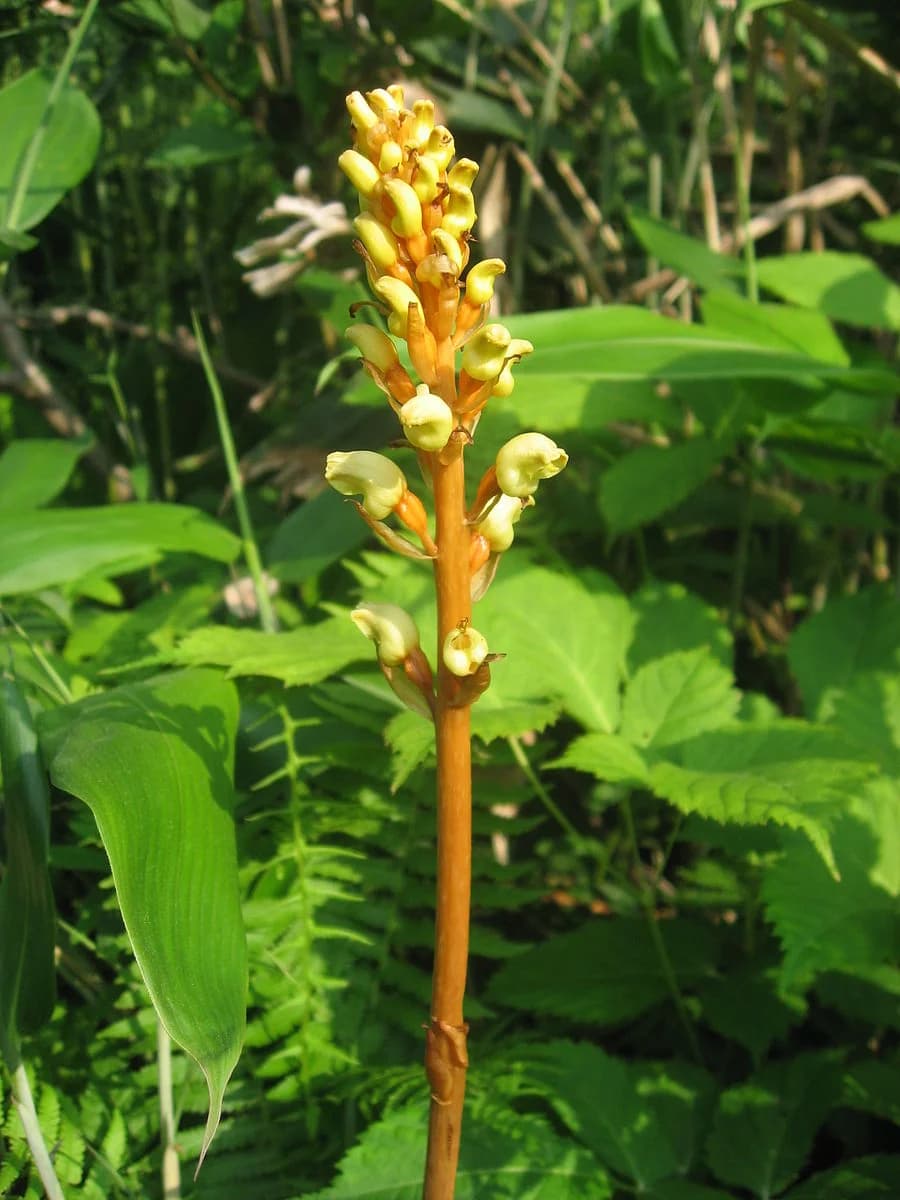
The 11+ Benefits of Damiana (Turnera Diffusa or Aphrodisiaca)
By Jacob Gordon, INHC, FMT-CThis article contains affiliate links. As an Amazon Associate, MyBioHack earns from qualifying purchases at no extra cost to you. We only link products we research and stand behind.
Damiana is a shrub native to southern Texas in the United States, Central America, Mexico, South America, and the Caribbean. R
Maya Indians called this species mis kok ("broom for asthma"). R
Damiana has been traditionally used as a remedy against stomach aches, lung diseases related to tobacco abuse, bladder and kidney infections, arthritis, diabetes, and scorpion stings. R
Today, it's commonly sold in headshops as a "legal high", because smoking the leaves may produce similar effects to smoking marijuana. R

Basics
There are 135 species of Turnera. R
They range in a plethora of benefits:
Adaptogenic R
Antianxiety R
Antiaromatase R
Antibacterial R
Antihyperglycemic R
Antiinflammatory R
Antimycotic R
Antiobesity R
Antioxidant R
Antispasmodic R
Antiulcerogenic R
Aphrodesiac R
Gastroprotective R
Hepatoprotective R
The one I am going to focus on in this post is Turnera Diffusa (aphrodisiaca), also known as Damiana.

Benefits Of Damiana
As an aromatase inhibitor, damiana can help increase testosterone. R
In women, the use of ArginMax (containing L-arginine, ginseng, ginkgo, damiana, multivitamins, and minerals), helps with sexual function after menopause. R R
Independent of ArginMax, the combination of damiana with folic acid, selenium, vitamin E, catechins, glycyrrhizin, diosgenin, and omega-3-fatty acids has shown to help with female fertility. R
2. Increases Energy

Damiana can produce a stimulant-like effect. R
Unlike other plants in the turnera family, damiana contains no caffeine. R
Low doses of damiana may be more sedative. R
3. Has Anti-Anxiety and Anti-Depressant Properties
One way damiana enhances sexual performance (as seen above) is by decreasing anxiety. R
This is because damiana has apigenin, (the main constituent in chamomile that produces relaxation). R R
It also smells very similar to chamomile. R
Damiana also has anti-depressant and anti-stress effects. R R
As I mentioned before, damiana has similar properties to marijuana in its ability to produce euphoric and almost hallucinogenic effects. R
It's commonly put into tequila and margaritas in Mexico to enhance its mood-boosting properties (this seems like probably as a date-rapish type combo IMO). R
4. Has Anti-Cancer Effects
Damiana is toxic to some cancer cells, such as breast cancer, nasopharynx cancer, and human hepatoma. R R
In a study done in vitro, damiana was able to inhibit cancer cell growth by 31.3%. R
5. Has Antioxidant Properties
Damiana has powerful anti-oxidant properties and can clean up free radicals in the cell. R R
In combination with thyme, damiana increases the body's natural antioxidants and lowers oxidative stress. R
Damiana is also high in the antioxidant, beta-carotene. R
Damiana protects the brain against oxidation and stops fat from oxidizing in the blood. R
6. Has Anti-Microbial Properties

Damiana acts as both an antibiotic and antimycotic (fights funguses). R
It has shown to be effective against:
Shigella boydii R
Staphylococcus aureus (MRSA) R
Vibrio cholerae R
Yersinia enterocolitica R
It's also been used to treat gonorrhoea in Latin American societies. R
7. Protects The Gut
Damiana has traditionally been used to treat ulcers. R
This is because damiana reduces ulcer size, improves the mucous in the gut, and reduces swelling of the gastric lining. R
It also decreases inflammation and immune activation in lesioned areas of the gut. R
Damiana does not change the output of hydrochloric acid (the main enzyme that helps break down protein). R
Damiana has also been used to help constipation, as it may have a laxative effect. R
8. Protects The Kidneys And Liver
Damiana has been attributed to help with bladder/kidney infections and has a diuretic effect. R
It also protects the kidneys from oxidative stress. R
Damiana protects the liver by improving malondialdehyde (MDA) and aspartate aminotransferase (AST) levels. R
It also helps prevent the oxidation of cholesterol in the liver. R
9. Protects Against Diabetes
Damiana can be used to treat diabetes Type 2 diabetes. R R
It helps control blood sugar spikes and protects against hyperglycemia. R
10. Helps With Obesity
The herb preparation YGD is widely used in South America to modulate physiological processes which influence gut motility, food intake, and energy balance. R
It contains yerba maté, guarana, and damiana and is considered to have an antiobesity effect. R
YGD has shown to help reduce food intake, slow gastric movement, and reduce body weight. R
When combined with inulin or resveratrol, damiana's weight loss effects are even more significant. R R
11. Helps The Muscular System
Damiana can help with muscle spasms. R
It helps relax the muscles, which is also one mechanism as to why damiana helps with sexual dysfunction. R
Also, at very high doses damiana helps with pain. R
12. May Help Protect Against Sun Damage
By acting on AP-1 and Nrf2/ARE, damiana may reduce skin photoaging and serve well as a sunscreen alternative. R
Caveats
Damiana may cause hypoglycemia. R
It may also inhibit iron absorption, but I haven't found strong evidence to support this. R
Damiana shows no toxicity at high doses in mice, but may cause oxidative stress to the brain. R R
It can be toxic when combined with high doses of alcohol. R
The glycosides, tannins, and arbutin in damiana from long-term use may cause inflammation to the liver. R
Damiana appears to have no effect on neurodegenerative diseases though. R
My Experience With Damiana
I was combining damiana at one point with saw palmetto, black cohosh, and suma (given to be by a "naturopathic doctor" for helping my "adrenal fatigue" 😂).
This was before I read about each of their individual mechanisms of action.
I would not recommend this combo, since it was giving me problems with maintaining erections (mainly due to black cohosh’s effect on estrogen in men).
Going off this combo for 2 months (damn that long?!) brought everything back to life 😉.
When I take damiana alone, I get a stimulant like effect.
When I take it with suma, I get an anti-depressant and aphrodisiac like effect as well.
When I take it with copaiba, I feel almost marijuana-high like effects.
Where To Get Damiana
I've tried it as a Liquid Extract and in this Tea, but found best effect as Capsules.
If you're growing damiana, UVB and UVC will help the plant produce more antioxidants. R R
Mechanism Of Action
Simple:
Damiana has may beneficial properties that control its ability to have anti-oxidant properties, protecting cells and the vascular system.
Damiana also helps with anxiety by altering neurotransmitters and reducing inflammation.
Advanced:
Turnera diffusa produces its main benefits from its constituents: apigenin, arbutin, coumaroyl, damianine, glucopyranoside, gonzalitozine, luteolin, quercetin and tetraphyllin B. R R
Damiana has weak estrogenic activity and an aromatase inhibitor. R R
Damiana increases nitric oxide (NO). R
It increases glutathione (GSH), superoxide dismutase (SOD), and glutathione peroxidase (GPx), while decreasing malondialdehyde (MDA). R
It crosses the blood brain barrier. R
Damiana increases GABA, which helps with its anxiety and antispasmatic effects. R
Arbutin in damiana inhibits IL-6 and TNF-alpha, while increasing IL-10. R
For its antidiabetic properties, insulin may need to be secreted or administered. R
Damiana inhibits p--glycoprotei (Pgp) and CYP3A. R
More Research
Damiana may be toxic to dogs. R
Jacob Gordon
INHC, FMT-C
Integrative Nutrition Health Coach
I cover mold illness, post-viral recovery, methylation, and complex chronic disease, drawing on ten years of clinical research, work inside a functional medicine clinic, and my own recovery from all of it. Every claim here is cited.
Book a ConsultationRelated Protocols & Supplements
Deep-dive chapters and recommended supplements for this topic
Electrolyte Complex
1 scoop/day
CoQ10
200mg/day
Magnesium Glycinate
400mg at bedtime