Bilberry: Anthocyanins For Eyes, Capillaries, And Circulation (Benefits And Dosing)
By Jacob Gordon, INHC, FMT-CThis article contains affiliate links. As an Amazon Associate, MyBioHack earns from qualifying purchases at no extra cost to you. We only link products we research and stand behind.
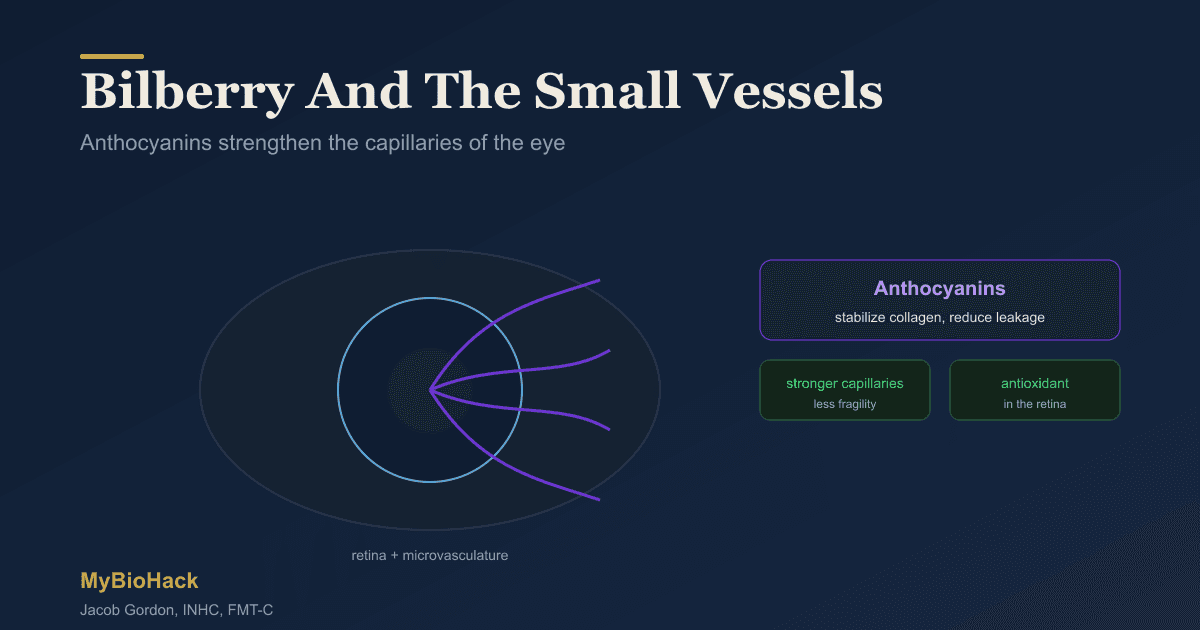
Bilberry is a wild relative of the blueberry whose deep pigment, anthocyanins, is one of the most studied compounds for the small blood vessels of the eye.
In this post, we will discuss the RAF night vision myth and what the real trials show, what bilberry actually is and how it differs from blueberry and other Vaccinium species, the bioavailability problem that undercuts most of the marketing, where the human evidence is genuinely strong, how it compares to lutein, zeaxanthin, astaxanthin, and saffron, and how to dose it safely.
- The Night Vision Myth
- What Is Bilberry
- Anthocyanin Pharmacokinetics And The Bioavailability Problem
- Benefits Of Bilberry
- How Bilberry Compares To Other Eye Nutrients
- Natural Sources
- Dosage And Safety
- Testing
- Mechanisms Of Action
- Genetics
- More Research
- Where To Go From Here
The Night Vision Myth
I want to deal with this before anything else, because most bilberry marketing is still built on it.
The story is that Royal Air Force pilots ate bilberry jam during World War II and could see better in the dark, which is why bilberry became linked to night vision.
The historical record on this is thin, and the more credible explanation for the RAF's improved night bombing accuracy in that era is the early rollout of airborne interception radar, which the British had strong reasons to keep secret and let a folk remedy take the credit for instead.
Whatever the origin, the claim got tested properly starting in the late 1990s and 2000s, and it did not hold up.
A systematic review of 30 trials on bilberry anthocyanosides and night vision found that the 4 most recent trials, all randomized and placebo-controlled, were negative, while positive results clustered in older, less rigorous studies. R
The same review found that negative outcomes were associated with more rigorous methodology, lower doses, and extracts from different geographic sources than the positive trials used, and that 11 of the 12 placebo-controlled trials tested healthy subjects with normal or above-average eyesight rather than anyone with an actual night vision problem. R
The authors' conclusion was direct: the hypothesis that bilberry anthocyanosides improve normal night vision in healthy people is not supported by rigorous clinical evidence.
I am not telling you this to dismiss bilberry.
I am telling you this because the honest starting point matters, and the real evidence for bilberry is not about pilots seeing in the dark, it is about capillaries, retinal inflammation, and screen-related eye fatigue, which is a much narrower and much better supported claim.
What Is Bilberry
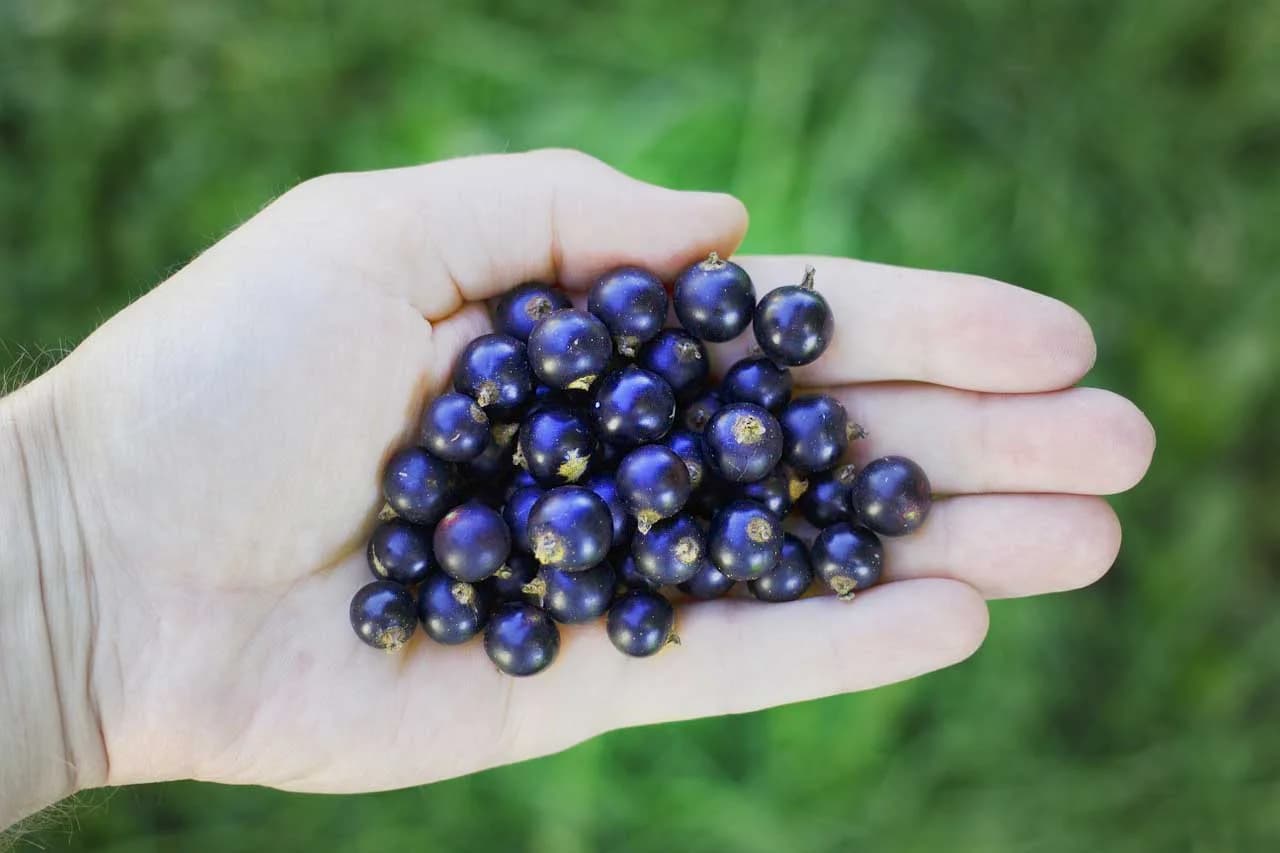
Bilberry (*Vaccinium myrtillus*) is a low wild shrub native to northern and central Europe that produces a small, dark purple berry closely related to the blueberry (*Vaccinium corymbosum*).
Unlike cultivated blueberries, bilberries have pigment running all the way through the flesh, not just the skin, which is a visible clue to how much more concentrated their anthocyanin content is. R
Anthocyanins are the blue-purple-red flavonoid pigments responsible for the color of berries, and bilberry contains roughly 15 distinct anthocyanins built from five core anthocyanidins (delphinidin, cyanidin, petunidin, peonidin, and malvidin) bound to different sugars. R
A direct HPLC comparison of bilberries, cultivated blueberries, and their juices used these same 15 anthocyanin standards and confirmed that bilberry's total anthocyanin content runs several times higher than blueberry's, with a broader and more even spread across all 15 compounds rather than a couple dominating. R
Bilberry is not unique in this family.
Lingonberry (*Vaccinium vitis-idaea*) has a different anthocyanin profile than bilberry, skewed toward fewer dominant pigments. R
Chokeberry (*Aronia melanocarpa*), which I have written about separately, and elderberry both carry anthocyanin profiles that overlap with bilberry's biological activity in vitro without being identical to it. R
I link the chokeberry post here because if you cannot source bilberry, aronia is the closest anthocyanin-dense substitute with its own separate evidence base, not an identical one.
Geography and growing conditions also shift the anthocyanin profile meaningfully within *V. myrtillus* itself, which is part of why raw dose comparisons across studies are unreliable unless the extract is standardized. R
That standardization is exactly what the commercial extract used in most modern clinical trials, sold under the name Mirtoselect, solves for.
Mirtoselect and similar extracts are standardized to 25 percent anthocyanins by weight, which fixes the dose of active compound regardless of which harvest or region the berries came from, and it is the extract behind the dry eye and glaucoma trials discussed below. R
Anthocyanin Pharmacokinetics And The Bioavailability Problem
Here is the part most bilberry marketing skips entirely, and it changes how you should think about every benefit claim that follows.
Anthocyanins, as they exist in the berry, are absorbed intact into the bloodstream at under 1 percent of the ingested dose, based on urinary and plasma recovery studies across dozens of trials. R
This is not unique to bilberry.
Polyphenols in general show wide variation in absorption, and even the best-absorbed classes rarely clear a few percent of the ingested dose intact, a pattern I go into in more depth in the curcumin and resveratrol posts, both of which face the same bioavailability wall. R
So what is actually driving bilberry's biological effects in the studies below, if almost none of the anthocyanin reaches tissue unchanged.
The current answer is that the parent anthocyanins are extensively metabolized, first by phase II enzymes in the small intestine and liver, and then, for the majority that reach the colon unabsorbed, by gut bacteria, which cleave the anthocyanin ring structure down into smaller phenolic acids. R
Protocatechuic acid, a simple phenolic acid derived specifically from the breakdown of delphinidin and cyanidin-type anthocyanins, is one of the best-studied of these metabolites, and it is absorbed far more efficiently than the parent compound. R
The working hypothesis in the field now, and the one I find most convincing, is that these small phenolic acid metabolites, not the intact blue pigments, are doing most of the biological work once they reach the bloodstream. R
The food matrix a berry extract is delivered in (juice versus whole fruit versus capsule, with or without fat or fiber) also measurably shifts how much anthocyanin survives to be metabolized, which is another reason head-to-head comparisons across studies are messy. R
The Gut Microbiome's Role
Because the colon step is where most of the transformation happens, your gut microbiome composition is arguably a bigger variable in how much you benefit from bilberry than any gene I could point you to.
Gut bacteria break anthocyanins down into a cascade of phenolic acids in a stepwise process that has been mapped directly using bacterial fermentation models. R
Specific bacterial strains, including *Lactobacillus plantarum*, have been shown to transform anthocyanins into phenolic acid metabolites at meaningfully different rates and ratios than other gut organisms, which means two people eating the same bilberry extract can end up with different metabolite profiles in their blood. R
Berry polyphenols and the gut microbiome also run in both directions, since the polyphenols shift which bacteria thrive at the same time the bacteria are metabolizing the polyphenols, a feedback loop reviewed in detail for berries specifically. R
This is not a bilberry-specific quirk.
The same individual-metabolizer pattern shows up with other plant compounds, where a person's resident gut bacteria determine whether they convert a dietary compound into an active metabolite at all, similar in concept to how not everyone converts ellagitannins into the active urolithins that get credited with much of pomegranate's benefit, or how oat avenanthramide metabolism depends on *Faecalibacterium prausnitzii* abundance. R
If you are working on gut microbiome diversity for other reasons, building species like *Akkermansia muciniphila* is a reasonable adjacent goal, since a more diverse, functional microbiome is generally what supports efficient polyphenol metabolism rather than one specific bacterial species being the bottleneck.
Benefits Of Bilberry
With the myth and the bioavailability caveat both on the table, here is where the actual signal is.
1. Reduces Eye Fatigue And Accommodation Strain From Screen Work
This is, in my view, the best-supported human outcome for bilberry, and it has nothing to do with night vision.
Asthenopia, the medical term for eye strain, is common enough from screen use that a recent literature review put its prevalence at roughly 69 percent among regular digital device users. R
A 12-week randomized, double-blind, placebo-controlled trial in 109 healthy adults found that 240 mg of standardized bilberry extract significantly improved objective measures of ciliary muscle contraction after visual display terminal tasks compared to placebo, with the effect building through weeks 4, 8, and 12. R
The ciliary muscle is what physically changes the shape of your lens to focus on near objects, so an extract that measurably relieves its tonic contraction after screen work is addressing the actual muscle mechanics behind eye strain, not a vague symptom score.
A separate randomized, double-blind, placebo-controlled trial in 44 Japanese adults with VDT-related eye fatigue tested a combination of anthocyanin, astaxanthin, and lutein together, and found six weeks of use inhibited the decline in accommodative function that screen work otherwise causes, along with improved pupillary response. R
I bring the combination trial up here because it is a useful preview of the comparison section below: bilberry did not carry that trial alone.
2. Shows Preliminary Benefit In Dry Eye Disease
A pilot study using bilberry-containing supplements in patients with severe dry eye disease, defined by an Ocular Surface Disease Index score above 33, reported preliminary improvement in both signs and symptoms after supplementation. R
A separate randomized, double-blinded, placebo-controlled trial of the standardized Mirtoselect bilberry extract also found meaningful contributions to ocular surface health in dry eye patients. R
I want to flag that both of these are small trials, and dry eye is a condition where oxidative stress from the exposed ocular surface plausibly benefits from any capable antioxidant, so I would not treat bilberry as uniquely superior to other antioxidant strategies here without more head-to-head data. R
3. Improves Visual Field And Ocular Blood Flow In Open Angle Glaucoma
This is where the vascular story gets genuinely interesting, though it comes from black currant anthocyanins (*Ribes nigrum*) rather than bilberry directly, and I think it is worth including because the mechanism class is the same.
A 2-year randomized, placebo-controlled trial of 50 mg per day of black currant anthocyanins in 38 patients with open-angle glaucoma already on standard drops found statistically significant improvement in visual field mean deviation and increased ocular blood flow compared to placebo, with no change in intraocular pressure itself in this particular trial. R
A separate trial from the same research group found that 50 mg per day of black currant anthocyanins did lower intraocular pressure in both healthy volunteers over 4 weeks and in glaucoma patients over 24 months, alongside slower visual field deterioration. R
I am including both trials because they do not fully agree with each other on the IOP question, and that disagreement is worth sitting with rather than smoothing over.
For bilberry specifically, a retrospective chart review of 332 patients (664 eyes) with normal tension glaucoma found that those taking bilberry anthocyanins had significantly better visual acuity and visual field outcomes over roughly 24 months than untreated controls, though this was retrospective and not randomized, which is a real limitation. R
A combination product (Mirtogenol, 80 mg bilberry extract plus 40 mg maritime pine bark extract) added to standard glaucoma drops improved retinal microcirculation and reduced oxidative stress markers over 12 weeks compared to drops alone. R
A Japanese trial of pine bark extract combined with bilberry extract in open-angle glaucoma patients also found IOP-lowering effects. R
The pattern across all of these is consistent with an adjunct, not a replacement for glaucoma medication, and none of these trials tested anthocyanins as monotherapy against untreated disease.
4. Supports Retinal Microvasculature In Diabetic Retinopathy, With Real Limits
Diabetic retinopathy damages the retina through chronic hyperglycemia driving capillary permeability, VEGF overexpression, and pericyte loss in the small vessels feeding the retina.
In an in vitro study, bilberry-type anthocyanins reduced oxidative stress and inflammatory markers in human retinal capillary endothelial cells exposed to high glucose, which models the early cellular injury seen in diabetic retinopathy. R
In a rat model of streptozotocin/nicotinamide-induced diabetes, bilberry extract lowered VEGF and MMP-9 in the retina and reduced markers of lipid and protein oxidation compared to untreated diabetic animals, though this is an animal model and has not been replicated in humans at the same mechanistic depth. R
The human evidence is thinner and more honest about its limits.
A review of bilberry's clinical research in diabetic retinopathy patients found gradual improvement in contrast sensitivity over one year of use, but other measured parameters of retinal function remained unchanged over the same period, which is the kind of partial, mixed result I would rather report accurately than round up. R
I want to be direct about VEGF here specifically, because I have written a full post on why reflexively suppressing VEGF is not automatically good, since VEGF also drives necessary vascular repair.
What the diabetic retinopathy data actually shows is anthocyanins normalizing an abnormally elevated VEGF signal in a hyperglycemic, damaged retina back toward baseline, not suppressing a healthy VEGF signal, and that distinction matters.
5. Reduces Retinal Inflammation Through NF-kB Suppression
Chronic hyperglycemia and oxidative stress activate NF-kB, a redox-sensitive transcription factor that drives inflammatory gene expression, inside retinal tissue.
Bilberry extract ameliorated the intracellular rise in reactive oxygen species and blunted NF-kB activation in retinal tissue exposed to oxidative stress in laboratory models. R
This fits the broader anthocyanin literature, which documents anti-inflammatory effects mediated through NF-kB and MAPK signaling across multiple tissue types, not just the eye. R
A more recent comprehensive review extends this to toll-like receptor signaling, nitric oxide, and reactive oxygen species pathways working alongside NF-kB suppression. R
6. Protects Photoreceptor Cells From Blue Light Exposure
In vitro, bilberry and lingonberry extracts both protected retinal photoreceptor cells from damage caused by blue LED light exposure. R
A related Vaccinium species, bog bilberry (*Vaccinium uliginosum*), showed the same protective pattern against blue light-induced retinal damage in both cell culture and mouse models loaded with A2E, the toxic bisretinoid that accumulates in the retinal pigment epithelium with age. R
Anthocyanins from other berries show the same class effect, which suggests this is a property of the anthocyanin pigment family broadly rather than something unique to bilberry. R
If screen exposure and blue light at night are part of what you are managing, I have written separately about the circadian and cognitive side of blue light exposure, the mechanistic case for and against it, and the direct effects of blue and green wavelengths on the eye and mitochondria, which this retinal protection data complements rather than duplicates.
7. Shows Antiplatelet And Metabolic Effects, With A Genuine Ceiling On The Metabolic Side
Anthocyanins from berries showed anti-atherogenic and antiplatelet activity in adults with metabolic syndrome after four weeks of supplementation. R
I have to be honest that for general metabolic outcomes like fasting glucose in type 2 diabetes, most clinical trials have not shown a clear benefit from bilberry despite the antioxidant enzyme data being promising in vitro. R
8. Has A Long, Underpowered History In Capillary Fragility And Venous Symptoms
Older, smaller studies reported reductions in visible skin petechiae in patients with capillary fragility and reductions in the edema and heaviness of chronic venous insufficiency after bilberry anthocyanoside supplementation, but a recent review of this literature is blunt that these studies generally lack rigorous design and statistical power, and that essentially no newer, better-controlled research exists on this specific indication. R
I still think the mechanistic case for capillary support is reasonable given the collagen and permeability data below, but I would not lean on the venous insufficiency claim as strongly as the eye fatigue or glaucoma-adjunct data.
If you want the deeper framework I use for thinking about capillary and small-vessel integrity generally, that lives in the Endothelial Health Protocol and in the glycocalyx chapter of the Junction Dysfunction guide, which cover the endothelial surface layer that anthocyanins are thought to help stabilize.
How Bilberry Compares To Other Eye Nutrients
This is the comparison most readers actually want, so I am not going to bury it.
Lutein and zeaxanthin are carotenoids, not anthocyanins, and they work by a completely different mechanism: they physically deposit in the macula as macular pigment, filtering blue light before it reaches photoreceptors and quenching reactive oxygen species locally. R
This is the best-evidenced eye nutrient category that exists, anchored by the AREDS2 trial, a large randomized controlled trial that found 10 mg lutein plus 2 mg zeaxanthin daily slowed progression to advanced age-related macular degeneration in at-risk patients. R
Macular pigment optical density, the direct physical readout of how much lutein and zeaxanthin has actually deposited in your macula, was tracked as a primary endpoint in the AREDS2 ancillary study and remains one of the more objective biomarkers in this entire supplement category. R
Macular carotenoids also have roles across the full lifespan, not just AMD prevention, including early visual development and cognitive protection in aging. R
If AMD risk or macular pigment density is the actual goal, a standardized Lutein And Zeaxanthin supplement dosed near the AREDS2 levels is the better-evidenced choice than bilberry.
Astaxanthin is a different carotenoid again, and its human data is concentrated specifically in eye fatigue and accommodation rather than AMD.
A randomized, double-blind, placebo-controlled trial in children found 4 mg per day of astaxanthin improved both acute and chronic digital eye strain scores, stereopsis, and pupillary light response over 84 days with no adverse effects. R
A broader review of nutritional supplementation for myopia and refractive outcomes covers astaxanthin alongside anthocyanins and other carotenoids as part of the same evidence class for macular pigment optical density. R
For screen-related eye strain specifically, Astaxanthin is the carotenoid with the most direct dosing precedent (4 mg per day in the trial above).
Saffron, specifically its carotenoid-derived compounds crocin and crocetin, has anti-inflammatory, antioxidative, and neuroprotective activity that has been studied across AMD, glaucoma, and diabetic macular edema. R
Crocin specifically has been proposed as a vision-preserving supplement based on its antioxidant and neuroprotective profile. R
A 2026 systematic review of saffron in ocular disease identified 10 qualifying clinical trials out of 529 initial citations and concluded the evidence shows consistent efficacy signals with a strong safety profile across AMD, glaucoma, and diabetic macular edema, while also noting crocin's toxicity and safety data support this. R R
Apocarotenoids like crocetin are also being explored as neuroprotective agents for intermediate AMD specifically, outside the traditional AREDS framework. R
A standardized Saffron Extract is the practical option if you want to test this category, since culinary saffron doses are too low and inconsistent to match trial doses.
So where does that leave bilberry.
My honest read is that lutein and zeaxanthin have the strongest, most direct evidence for structural retinal protection and AMD risk reduction, astaxanthin and saffron have the more targeted evidence for eye fatigue and inflammatory/neuroprotective support respectively, and bilberry sits closest to astaxanthin's use case (eye fatigue, VDT strain, and mild dry eye) plus a distinct, separate case for the small-vessel and glaucoma-adjunct effects that the carotenoids do not really touch.
The combination trial above, where anthocyanin plus astaxanthin plus lutein together outperformed placebo on accommodation, is consistent with these having complementary rather than redundant mechanisms. R
I do not think this is a pick-one situation for most people, it is closer to a stack, and the omega-3 fats that support dry eye and retinal cell membrane composition belong in that same stack rather than being a separate decision.
For the dry eye angle specifically, an Omega-3 (EPA/DHA) supplement targets the tear film lipid layer through a different mechanism than any of the antioxidants above, which is why I treat it as a base layer rather than competing with bilberry, astaxanthin, or saffron.
Natural Sources
Fresh bilberries are hard to find outside Europe, so most intake comes from frozen berries or standardized extract.
Anthocyanin-rich foods in the same general family include: (not exclusive list)
- Bilberries (the highest anthocyanin density of the common Vaccinium species) R
- Black currants (the source of the anthocyanins in the glaucoma trials above, a different genus, *Ribes*, not *Vaccinium*) R
- Blackberries
- Blueberries (lower anthocyanin density than bilberry but far more widely available) R
- Chokeberries (aronia), covered in more depth in my separate post on aronia R
- Elderberries
- Lingonberries (a different anthocyanin ratio than bilberry, skewed toward fewer dominant pigments) R
For a clinical dose of anthocyanins, a standardized Bilberry Extract is the practical option, since raw berry anthocyanin content varies too much by growing region to dose consistently from food alone. R
Dosage And Safety
Clinical studies use standardized bilberry extract (25 percent anthocyanins, sold commercially as Mirtoselect) at doses ranging from roughly 160 mg to 480 mg per day, with the eye fatigue trial specifically using 240 mg per day for 12 weeks. R
Look for a product standardized to anthocyanin content rather than a raw powder, since potency varies widely by growing region and processing. R
Bilberry Extract (25% Anthocyanins): the standardized form used in the trials above.
Bilberry has a long history of food use and is generally well tolerated across the trials reviewed here, with one exception worth noting.
In a small trial around a half-marathon, bilberry juice consumption paradoxically caused a mild increase in exercise-induced muscle soreness and C-reactive protein compared to placebo, which is a reminder that antioxidant supplementation around intense exercise does not always behave the way you would predict. R
The safety point I actually want you to walk away with is about bleeding risk.
Anthocyanins from bilberry and black currant inhibited platelet aggregation in vitro across several different aggregation triggers, a mechanism consistent with the antiplatelet activity seen in the metabolic syndrome trial above. R
Pelargonidin, one of the anthocyanin family's core anthocyanidins, has shown antithrombotic activity by interfering with fibrin polymerization and platelet aggregation in laboratory models. R
There is no published human case report of a bilberry-warfarin or bilberry-anticoagulant bleeding event that I could locate, but the in vitro antiplatelet mechanism is real and consistent enough across multiple anthocyanin sources that I tell clients on blood thinners or with a bleeding disorder to loop in their prescriber before adding a standardized extract dose on top of dietary berry intake.
Because anthocyanins support capillary integrity through a different mechanism than they affect platelets, bilberry pairs logically with other vascular-support tools rather than competing with them, provided the bleeding risk point above is accounted for.
Testing
Bilberry's most defensible human benefits cluster around screen-related eye fatigue and around diabetic and glaucoma-adjunct microvascular support, so the testing that actually matters here is metabolic, not a bilberry-specific biomarker.
If diabetic retinopathy risk is part of why you are looking at this, I use the Cardio Zoomer (Vibrant Wellness) to assess fasting insulin, glucose, and the lipid and inflammatory markers that track with microvascular risk in the retina, since hyperglycemia is the actual driver of the capillary permeability bilberry is being studied against. R
For general antioxidant status and the nutrient cofactors that work alongside anthocyanin metabolites, I use the Nutrient Zoomer (Vibrant Wellness) to check vitamin C and other antioxidant levels, since vitamin C and anthocyanins act on overlapping oxidative stress pathways in the eye. R
Glaucoma itself is not a blood test question.
If you have any personal or family history of glaucoma, an annual dilated eye exam with tonometry to measure intraocular pressure and a visual field test through an ophthalmologist is the actual diagnostic tool, and none of the supplements in this post are a substitute for that monitoring.
Mechanisms Of Action
Simple:
- Bilberry is a blueberry cousin loaded with concentrated blue-purple pigment antioxidants called anthocyanins.
- Almost none of that pigment is absorbed intact, your gut bacteria break it down into smaller compounds that do most of the actual work.
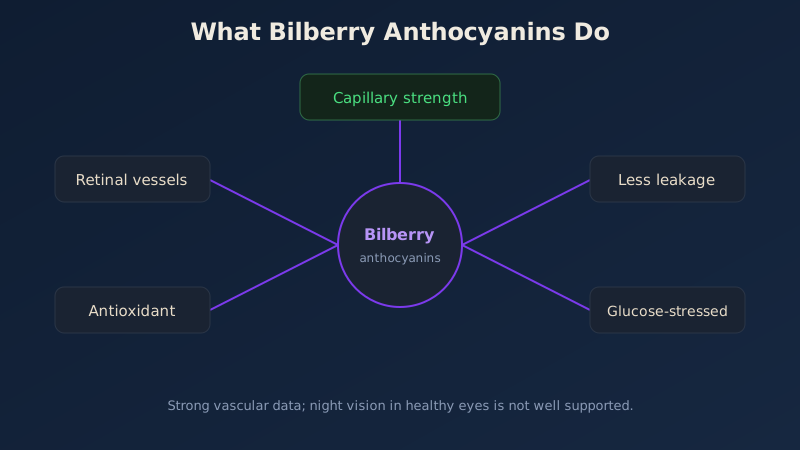
- Those compounds make the tiny blood vessels feeding your eyes stronger, less leaky, and less inflamed.
- The strongest human evidence is for screen-related eye fatigue and as an add-on in glaucoma and diabetic eye disease, not for perfect night vision in healthy people.
Advanced:
- Capillary stabilization Anthocyanins promote collagen cross-linking and reduce capillary permeability and fragility, protecting the microvasculature that feeds the retina and other tissues. R
- VEGF and MMP-9 normalization In a diabetic rat retina, bilberry extract normalized elevated VEGF and MMP-9 expression rather than suppressing them below baseline, which is consistent with restoring blood-retinal barrier integrity rather than blocking a needed repair signal. R
- NF-kB suppression Bilberry blunts NF-kB activation and the reactive oxygen species surge that triggers it in retinal tissue under oxidative stress, reducing downstream inflammatory gene expression. R
- Rhodopsin regeneration in vitro Early laboratory and animal work reported that bilberry anthocyanosides promote rhodopsin synthesis and regeneration and increase retinal sensitivity to light, a mechanism that has never translated into a positive human night vision trial in healthy subjects. R
- Antioxidant enzyme induction Bilberry extract raises endogenous antioxidant enzyme activity, including catalase, superoxide dismutase, and glutathione peroxidase, in retinal tissue models. R
- Photoreceptor protection from blue light Bilberry and related Vaccinium anthocyanins protect photoreceptor cells against blue LED light damage and against A2E-driven retinal pigment epithelium toxicity in vitro. R R
- Antiplatelet activity Anthocyanins inhibit platelet aggregation across multiple activation pathways in vitro, which underlies both the anti-atherogenic benefit and the bleeding-risk caution above. R
Genetics
BCMO1 (Beta-Carotene Oxygenase 1)
BCMO1 encodes the enzyme that cleaves dietary carotenoids like beta-carotene into usable retinoid and downstream products.
Two common variants, rs12934922 (R267S) and rs7501331 (A379V), reduce BCMO1 catalytic activity by more than half when both are present, meaning a meaningful share of people convert dietary carotenoids into active compounds far less efficiently than the "average" study participant. R
This matters directly for the comparison section above, because it affects lutein, zeaxanthin, and astaxanthin conversion and deposition, not anthocyanin metabolism, which runs through the separate gut-bacterial pathway I covered earlier.
Separate BCMO1-region SNPs (rs11645428, rs6420424, rs6564851) have also been linked to differences in macular pigment optical density itself, the direct physical readout of how much carotenoid has deposited in the macula. R
If you carry the low-conversion BCMO1 variants, that is an argument for a pre-formed carotenoid supplement (lutein, zeaxanthin, astaxanthin directly, not beta-carotene) rather than relying on food-based precursor conversion, and it does not change your anthocyanin strategy at all.
CFH (Complement Factor H)
CFH encodes a regulator of the complement immune system, and the Y402H variant (rs1061170) is one of the strongest known common genetic risk factors for age-related macular degeneration.
CFH Y402H carriers show measurably impaired antioxidant capacity and altered energy metabolism in retinal pigment epithelial cells, which is one proposed mechanism for the AMD risk. R
In a retrospective analysis of the original AREDS trial, CFH genotype interacted with response to antioxidant-plus-zinc supplementation, and the interaction with zinc specifically was stronger than the interaction with the antioxidant vitamins alone, though the authors were careful to say this needed corroboration before changing clinical practice. R
A separate analysis of AREDS genetic data confirmed that genetic background shapes how much benefit an individual gets from standard AMD supplementation, reinforcing that "AMD supplement" is not a one-size-fits-all recommendation. R
None of this is bilberry-specific genetics.
I am including it because if your actual concern is AMD risk rather than eye fatigue or glaucoma support, CFH and BCMO1 status are the more relevant genetic questions than anything in bilberry's own pharmacokinetics, where the gut microbiome, not your genome, is the dominant variable.
More Research
- A 2026 systematic review of saffron across 10 clinical trials found consistent efficacy and safety signals for AMD, glaucoma, and diabetic macular edema, which I think will end up being a more actionable evidence base than bilberry's for those three specific conditions. R
- Berry anthocyanins broadly, not just bilberry, show anti-inflammatory activity through toll-like receptor, NF-kB, MAPK, nitric oxide, and reactive oxygen species pathways, which is the mechanistic backbone connecting the eye-specific findings above to bilberry's other claimed benefits. R
- Computer vision syndrome affects an estimated 69 percent of regular screen users based on a recent literature review, which is the population the eye fatigue trials above are actually targeting. R
- For biomarker testing relevant to microvascular and metabolic risk, I use the Cardio Zoomer (Vibrant Wellness) as described in the Testing section above.
- Geographic growing conditions shift anthocyanin content within *Vaccinium myrtillus* itself meaningfully enough that raw berry dose comparisons across studies should be read with caution unless the product is standardized. R
- Macular carotenoids (lutein, zeaxanthin, meso-zeaxanthin) have documented roles across the full lifespan beyond AMD prevention, including early visual development, which is worth knowing if you are building a stack for a family member rather than yourself. R
Where To Go From Here
Bilberry is one tool for the microvasculature, which is also central to how I think about chronic illness through the glycocalyx and capillary integrity generally.
For the full framework on the small vessels and why they matter, the Junction Dysfunction guide goes deep on capillary and glycocalyx mechanisms in chapters like rebuilding the glycocalyx, and it is included with the Path plan at $120 a year.
If you are tracking your own vascular and metabolic markers over time, the Health Hub does that and comes with the Pro plan at $180 a year, along with unlimited use of the Biohacking Bot to build a plan around your goals.
If your eye concerns are more specific than what supplements can address, whether that is glaucoma progression, diabetic retinopathy, or a family history of AMD, that belongs in front of an ophthalmologist first, and a consult with me is a reasonable second opinion on where supplementation fits around whatever your eye doctor is already managing.
If you mostly eat for your eyes, a daily handful of dark berries alongside a lutein and zeaxanthin-rich diet is a reasonable place to start before reaching for any extract at all.
Jacob Gordon
INHC, FMT-C
Integrative Nutrition Health Coach
I cover mold illness, post-viral recovery, methylation, and complex chronic disease, drawing on ten years of clinical research, work inside a functional medicine clinic, and my own recovery from all of it. Every claim here is cited.
Book a ConsultationRelated Protocols & Supplements
Deep-dive chapters and recommended supplements for this topic
Electrolyte Complex
1 scoop/day
CoQ10
200mg/day
Magnesium Glycinate
400mg at bedtime