The Ketoflex 12/3 Diet (Recipes and Supplements)
By Jacob Gordon, INHC, FMT-CThis article contains affiliate links. As an Amazon Associate, MyBioHack earns from qualifying purchases at no extra cost to you. We only link products we research and stand behind.
The Ketoflex 12/3 diet is an integral part of the Bredesen Protocol to reverse Alzheimer's Disease and Dementia.
In this post, we will be discussing the overall goals of the Ketoflex 12/3 Diet, the recommended foods to eat, recipes to try, how to start the diet and get into ketosis, solve cravings, how to fix dysbiosis, and what supplements are needed that are not in the diet.
Goals Of The KetoFlex 12/3 Diet
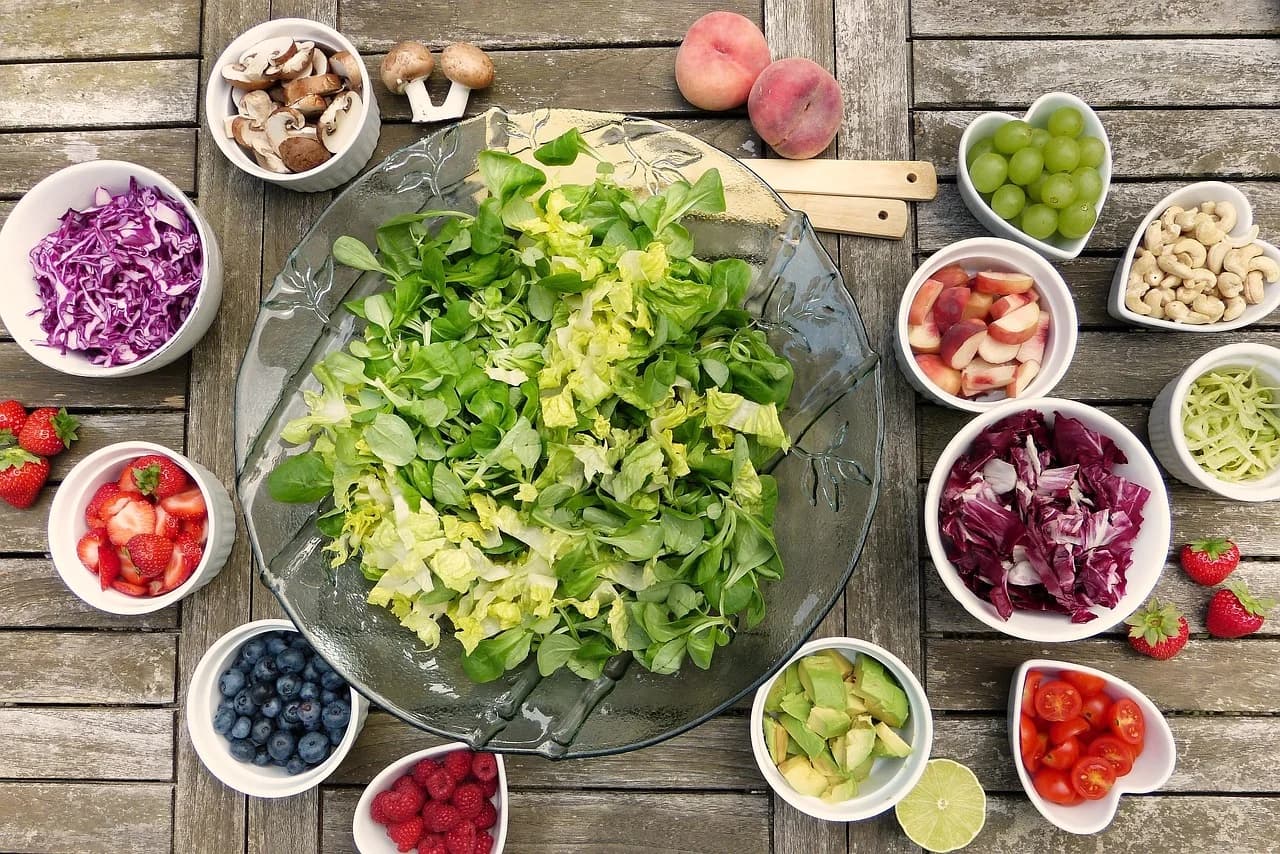
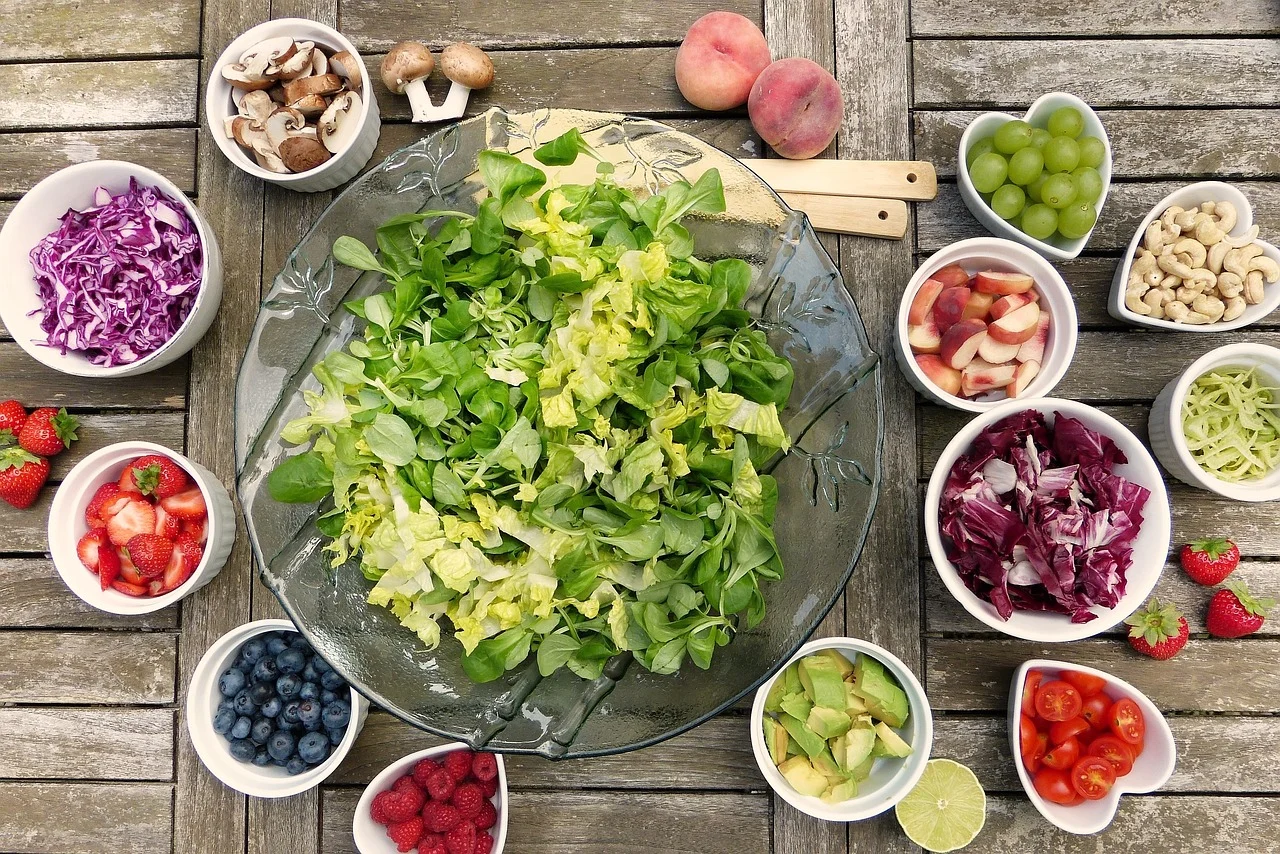
The ReCODE diet, called "Ketoflex 12/3", consists of being in ketosis, eating high amounts of fiber, eating within a 12 hour window, and stop eating at least 3 hours before bed.
The goals of Ketoflex 12/3 diet are:
Restore proper brain growth and reduce neuroinflammation (inflammation of the brain) by:
We also want to increase insulin sensitivity by:
Fasting for 12 hours throughout the night
Stop eating food 3 hours before bed
As a "flexitarian" diet, a majority of the should have a lot of:
Fiber from uncooked veggies (to restore nitric oxide signaling and blood flow to the brain and body)
Healthy fats
Excrete toxins:
Cruciferous veggies and activating NRF2
Avoid estrogenics (such as BPA) and reducing use of some drugs like Proton Pump Inhibitors (GERD)
It's important to know your genetic phenotype:
ApoE2 - good
ApoE3 - worse
ApoE4 - worst (I fall in this category)
If you are ApoE4, then a smaller portion of your dietary fats will be from saturated fats such as coconut oil, caprylic acid, and palm oil as you transition into the ketoflex diet, then will be a majority of MUFAs such as avocado and PUFAs such as olive oil.
My Experience With KetoFlex 12/3
As a biohacker, I've tried to this diet myself to see how it made me feel.
I've had my own health problems and with biohacking I've been able to resolve a significant portion of them.
So for someone who is already relatively healthy, this diet was able to increase my cognitive performance and overall physical stamina.
I don't believe this diet is just for those with neurocognitive disorders, but could also help those looking to improve their daily lifestyle.
Recommended Foods To Eat
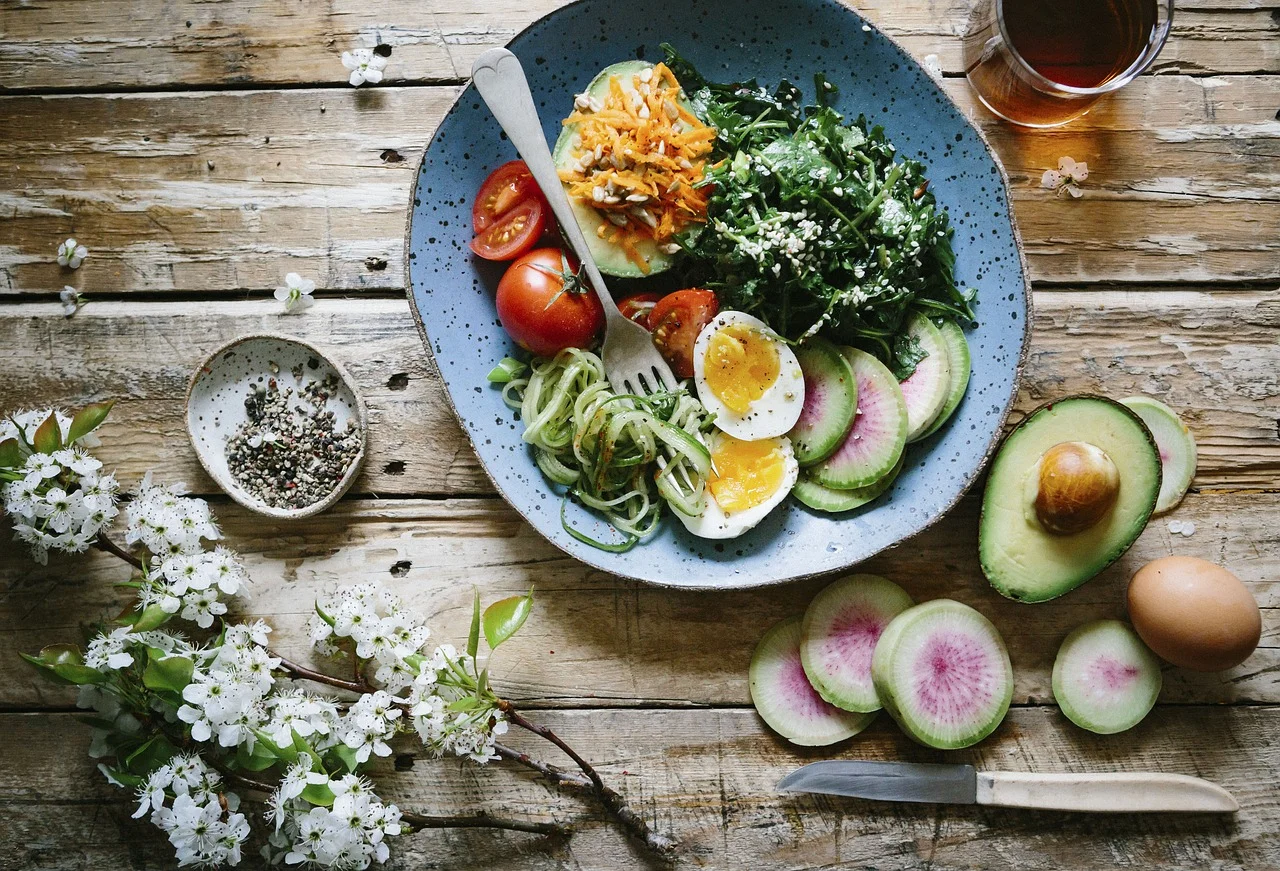
Eating organically is recommended, but not required.
We want to avoid most lectins, including gluten (found in wheat, rye, barley), casein (found in dairy), and nightshades.
Being in "ketoflex" (more discussed below) will already have low amounts of grains and bad types of dairy.
Fats:
Your diet should be a majority of healthy fats (mostly MUFAs and PUFAs, and some SFAs) such as avocados, olive oil, coconut oil, and ghee. This will increase ketone bodies and short chain fatty acids making the body crave fat instead of sugar.
These fats include (not an exclusive list):
Avocados and Avocado Oil
Butter (must be A2 variety, if unsure don't buy it)
Canola Oil (use sparingly)
Fatty cuts of meat
Veggies:
Veggies allowed on the diet (not an exclusive list):
Artichokes
Beets
Cilantro
Cruciferous Vegetables - this includes (not exclusive list)
Arugula
Bok Choy
Broccoli
Broccoli Sprouts - A MUST* - significantly improves insulin resistance and toxin exposure
Brussels Sprouts
Cabbages
Cauliflower
Daikon
Horseradish
Kale
Kohlrabi
Makkah
Radishes
Rapini
Rutabaga
Turnips
Wasabi
Watercress
Ginger
Jicama
Leafy greens (such as kale spinach, and lettuce, etc)
Leeks
Onions
Resistant Starches (such as sweet potatoes, rutabagas, parsnips, and green bananas, which is a fruit)
*My favorite thing is to eat on this diet is Broccoli Sprouts, which activates a transcription factor called NRF2. If you have the third type of Environmental Alzheimer's, then you may need to take the product DIM or else cruciferous vegetables may make you feel worse. Read why this happens here.
Fruits:
Full fruits are better than juice, as they have fiber. Low glycemic fruits are better than higher glycemic ones.
Fruits (not exclusive list):
Blueberries
Cherries
Grapefruit
Lemons
Other Plants and Fungi:
All Herbs (including dandelion and ginger)
Mushrooms - best to include Lion's Mane, Reishi, and Cordyceps (other mushrooms are also fine)
Seaweed
Protein:
As a flexitarian diet, this diet is not too high on protein (~30g/meal).
Pasture raised eggs
Pasture raised (and grass fed) meats - use as a condiment, not as the main course
Wild-caught fish (SMASH fish such as salmon, mackerel, anchovies, sardines, and herring)
Drinks:
Alcohol is not recommended on the diet, although red wine (1x/wk) is okay later in the protocol.
Desserts:
Cacao (70% or higher, I use 90% and higher)
Shredded coconut (unsweetened)
Getting Into "KetoFlex"
We want to put ourselves into ketosis.
The fastest way to technically do that is to fast for 2 or 3 days. This is depending on the rate of your metabolism (for me it only takes about 2 days since I have a relatively fast metabolism, but for others it may take longer).
An easy way to fast is simply by drinking water, taking electrolytes (such as salt), and drinking black coffee/unsweetened in the morning/day.
You can also get into ketosis by eating a very low on carbohydrates and a relative amount of protein.
Generally in this diet to get into and stay into ketosis - you want than 30-50 grams of net carbs/day or less (see below on how to calculate this) and no more than 30 grams of protein/meal.
To calculate net carbs per day, take a look at the nutrition facts of what you are eating.
"Total Carbs" - "Fiber" = net carbs
Sugar alcohols do count towards net carbs and not as fiber.
Protein should be listed on most food packaging.
It's paramount to use a ketone meter (blood, not urine) to measure whether you're in ketosis or not. The goal is to be around 0.5-4 mmol/L, which indicates mild ketosis. After you know what the "feeling" of ketosis feels like, then the ketone meter may not be necessary.
Now, if you're afraid fat will make you fat, that has been proven scientifically incorrect. One of the major causes of fat accumulation is inflammation. Fat is an endocrine organ that secretes hormones and talks with other parts of the body including the brain. If the fat on your body is causing too much inflammation, it can cause inflammation of your brain. That's why the saying goes "A larger waistline is inversely correlated with a smaller brain", but that's just an idiom. Being in ketosis will help you lose extra fat weight.
The 12/3 Method

This is simply eating within a 12 hour window and stopping eating 3 hours before bed.
For example, if you wake up at 6am and eat breakfast at 7am, then you must stop eating by 7pm (or earlier) and go to bed after 10pm. It is recommend to go to not stay up late, as this interferes with circadian clocks (worse for those who are ApoE4).
Eating within this 12 hour window is a type of intermittent fasting and you must be consistent with scheduled eating, meaning if your window is 7am/7pm, then it should be 7am/7pm the next day and the next, etc.
Cooking Caveats
A few notes about cooking:
Eating uncooked veggies is better
Overcooking fats (oils and meats especially) increases Advanced Glycation End-products (aka AGEs), which are bad for Inflammatory Alzheimer's Type 1
Solving Cravings And Fallouts
Most cravings will go away once you have adapted to ketosis (may take weeks to months).
To fix some cravings instantly:
Hunger - It's okay in the morning to have a small amount of unsweetened black coffee or unsweetened tea. Be sure to drink lots of water and electrolytes,
Sugar cravings - use chromium picolinate or cinnamon
Insomnia - use magnesium glycinate and melatonin.
Short bursts of exercise - doing just 20 pushups really quickly or repetitive running will increase something called lactate which your body will use as energy instead of depending on sugar. This also increases Irisin and NRF2 helping with neurogenesis in the brain and overall inflammation.
Blood pressure/dizziness problems - use salt (sodium and potassium)
Fixing Dysbiosis With Food
If your gut microbiome is bad and in dysbiosis (such as having Candida), it is important to load up on Probiotics combined with Prebiotic Foods.
Probiotics:
B. lactis (fermented dairy)
B. longum (fermented veggies and dairy)
L. acidophillus (fermented dairy)
L. brevis (sauerkraut and pickles)
L. plantarum (kimchi, sauerkraut and fermented veggies)
Prebiotics include eating a lot of:
Fermented foods
Resistant starches (such as green banana flour)
If you have a bad reaction to the prebiotics you may have SIBO or histamine intolerance, so stay away from lactic acid bacteria (fermented foods) and treat the underlying histamine intolerance, along with biofilm formation.
Simple Recipes To Try
I put together some very simple recipes I've been using during this diet. I will post more advanced recipes in the future.
Breakfast:
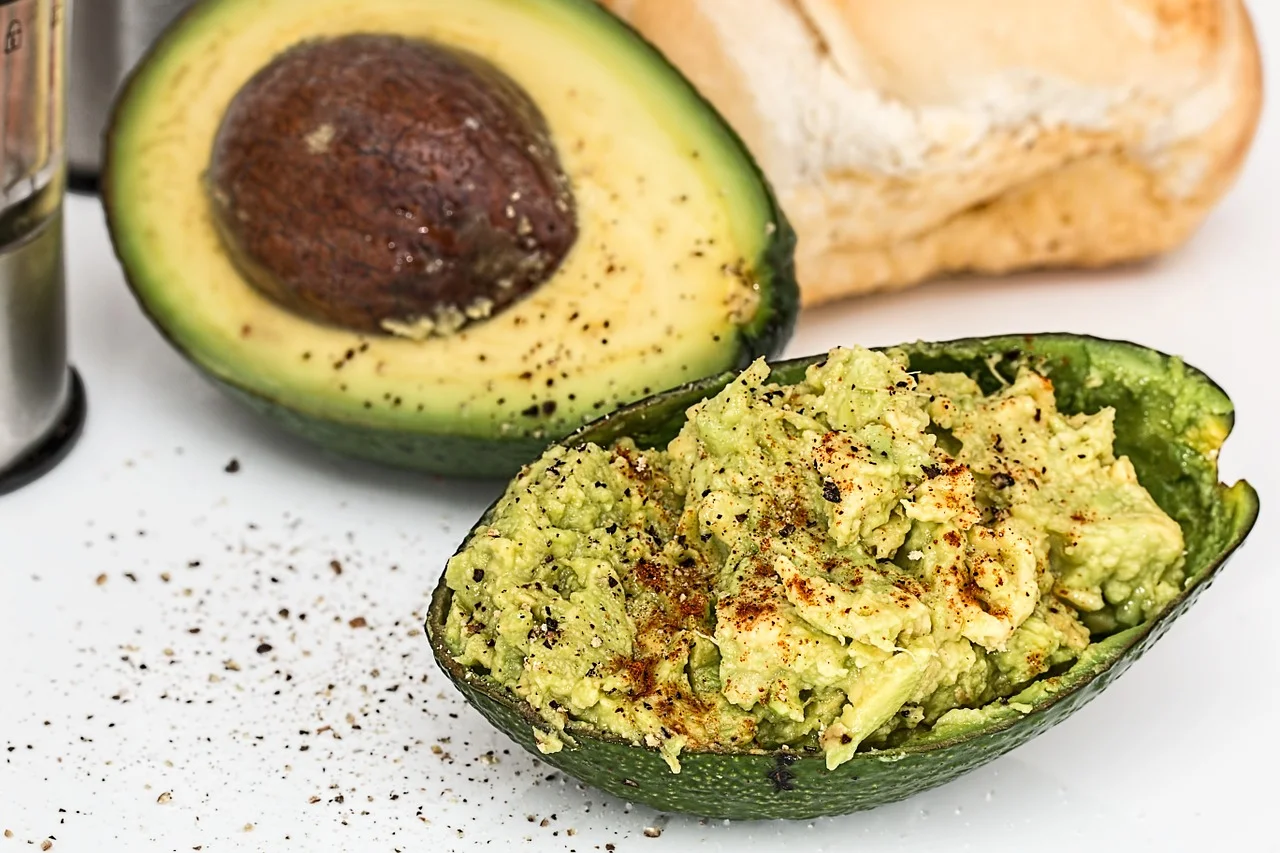
Sweet Potato Avocado “Toast”
A gluten-free twist on every millenial’s favorite food!
Ingredients:
1 large sweet potato (one that is more oval or oblong will work better than one that’s round)
1 avocado
1 c Broccoli Sprouts
Salt to taste
Instructions:
Wash and slice the sweet potato lengthwise into ¼ inch slices
Toast these slices in a toaster oven on high. Check after 10 minutes to see if it is cooked all the way through and put back in for another 5 minutes if necessary.
While the potatoes are toasting, cut open the avocado and mash in a bowl with salt.
Spread the mashed avocado over your finished pieces of “toast”
Top with broccoli sprouts
Hearty Frittata
This is a good recipe for a Sunday brunch treat!
Ingredients:
2 tbsp ghee
1 onion, diced
2 cloves garlic, minced
1 c mushrooms, chopped
1 c broccoli, chopped
2 c spinach
8 large eggs
Salt and pepper, to taste
Instructions:
Preheat the oven to 400 degrees F
Melt 2 tbsp ghee in a cast iron skillet over medium heat
Cook the onions and garlic until fragrant (about 2-3 minutes)
Add the mushrooms and cook for 2 more minutes
Add the broccoli and spinach and cook until the spinach is wilted (about 2 more minutes)
While the vegetables are cooking, whisk the eggs in a large bowl
Pour the eggs over the vegetables, making sure everything is covered and reduce heat to low
Once the eggs at the edge of the pan are beginning to set, move the pan into the oven
Bake for 8-10 minutes, until the eggs are fully set and the middle is not runny
Remove from the oven and allow to cool for 5 minutes before cutting into slices
Lunch:
Kale Caesar Salad
Caesar salads are usually packed with unhealthy dressing, cheese, and croutons. In my version, you use kale and a dressing from plain yogurt.
Ingredients:
1 c kale, finely chopped
1 c broccoli sprouts
1 c
Dressing:
3 cloves of garlic, minced
½ c plain unsweetened coconut yogurt
2 tsp nutritional yeast
½ tbsp horseradish
Juice of 1 fresh lemon
4 anchovies, minced
½ tsp salt
½ tsp pepper
½ c olive oil
Instructions
In a food processor, blend all the ingredients except the olive oil.
After blending, slowly mix in the olive oil.
Toss the kale in the dressing
Mix in the corn and broccoli sprouts
Cabbage Slaw
This Asian-inspired cabbage slaw is bright and tasty.
Ingredients:
½ red cabbage, shredded
1 carrot, shredded
1/2 green apple, cut into thin “matchstick” pieces
1 jicama, cut into thin “matchstick” pieces
1 c shredded broccoli stems
½ c cilantro, chopped
Dressing:
2 tsp sesame oil
2 ½ tbsp coconut amino
¼ c lemon juice
1 tsp ginger powder
Salt and pepper to taste
1 tbsp olive oil
Instructions
Mix all the dressing ingredients together
Toss the slaw ingredients in the dressing
Dinner:

Stuffed Mushrooms
These mushrooms are packed with roasted veggies.
Ingredients:
4 large portobello mushrooms
4 tbsp ghee
1 onion, minced
2 cloves garlic, minced
1 zucchini, chopped
2 c spinach chopped
1 c basil leaves, chopped
1 tsp nutritional yeast
Instructions:
Preheat the oven to 375 degrees F
Remove the stems of the mushrooms and chop them up with the other chopped vegetables. Lay the caps of the mushrooms out on a baking sheet.
Heat the ghee in a skillet at medium-high heat.
Add the onions and garlic and cook about 2 minutes
Add the chopped mushroom stems and zucchini, cook for 2 more minutes.
Add the spinach and stir until wilted.
Remove the pan from heat and mix in the nutritional yeast and basil leaves.
Fill each mushroom with the vegetable mixture
Bake in the oven for 15 minutes or until mushrooms look tender
Grilled Mackerel and Daikon
Grilled mackerel is called saba shioyaki in Japanese and it is a very common food, as is daikon, or white radish.
Ingredients:
2 mackerel fillets
Salt
2 tbsp ghee
2 inches of daikon radish
Instructions:
Grate the radish, and set aside.
Cover a frying pan with aluminum foil.
Cut each mackerel fillet in half. Salt both sides of the fish.
Heat the frying pan at medium heat, and melt the ghee on the surface of the aluminum foil.
Place the fish skin side down on the foil. Cook 7-8 minutes on each side, or until brown and cooked through.
Enjoy the fish with the side of daikon.
Roasted Baby Bok Choy
This also makes a great side dish for your grilled mackerel.
Ingredients:
3 c baby bok choy
3 tbsp olive oil
2 cloves garlic, minced
Salt and pepper
Instructions:
Preheat oven to 400 degrees F
Lay out the bok choy on a baking sheet and drizzle the oil on it. Sprinkle on the garlic and salt and pepper.
Roast for about 10 minutes, keeping an eye on it to make sure it doesn’t get too burnt.
Sweet Potato Coconut Soup
This blended soup is perfect for fall and cozying up with a cup of herbal tea.
Ingredients:
3 tbsp olive oil
½ sweet onion, chopped
2 stalks celery, chopped
2 cloves garlic, minced
2 in fresh ginger, peeled and minced (or 2 tbsp minced ginger)
2 medium sweet potatoes, chopped
3 carrots, chopped
4 c broth (or water)
1 can coconut milk
1 tbsp cinnamon
Instructions:
Heat olive oil in the bottom of a pot or dutch oven over medium-high heat
Add onion, celery, garlic, and ginger and saute until fragrant, about 3 minutes
Add sweet potatoes, carrots, and broth
Bring to a boil and switch to low heat, letting it continue to bubble uncovered until potatoes are tender, about 15 minutes
Remove from heat and add coconut milk and cinnamon
Using an immersion blender, carefully blend until desired consistency (I prefer it a little on the chunkier side)
*If you don’t have an immersion blender, you can use a regular blender, doing half the batch or less at a time.
Snacks:
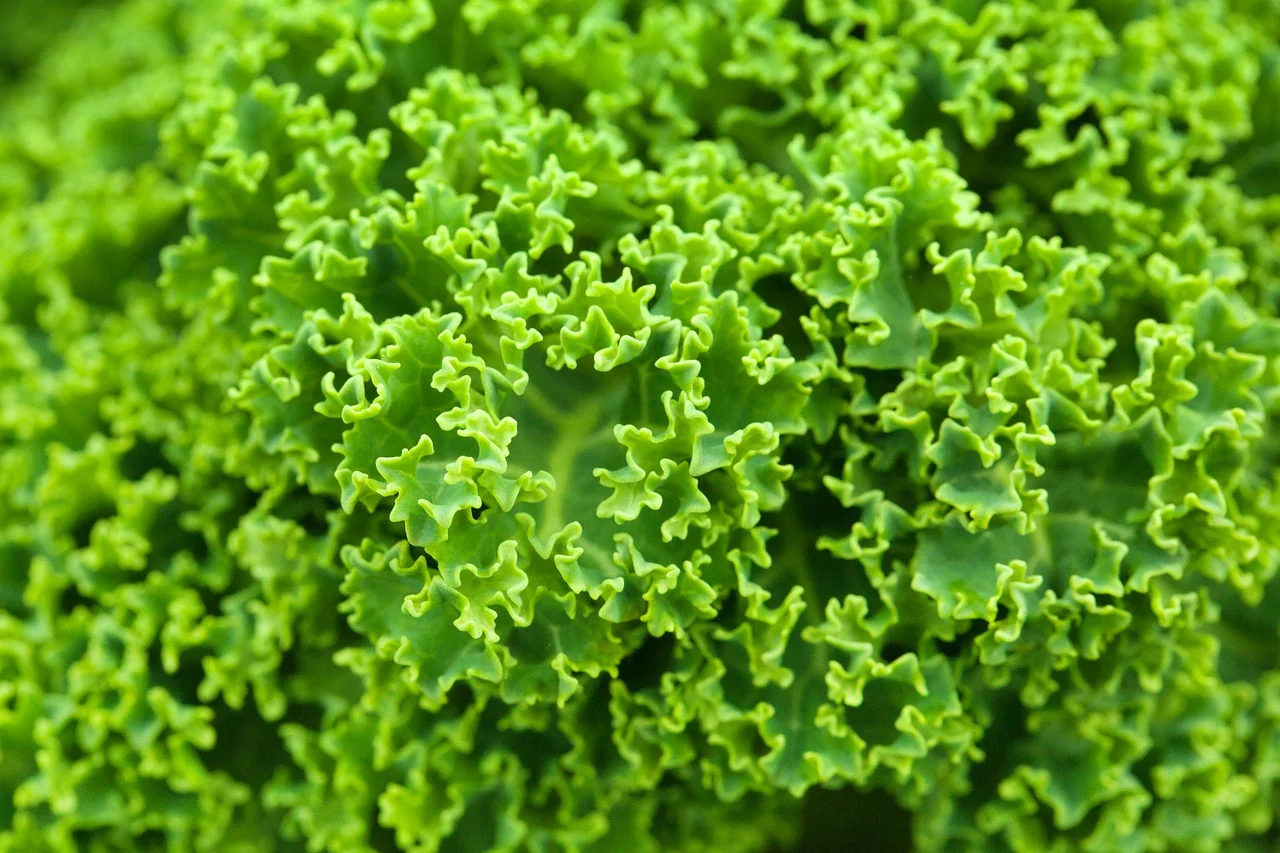
Kale and Jicama Chips
These chips are simple and delicious!
Ingredients:
2 c kale, with stems removed
2 c jicama, sliced very thinly
3 tbsp olive oil
Salt and pepper
Instructions for the kale:
Preheat the oven to 375 degrees F
Tear the kale into evenly sized pieces and lay out on a baking sheet
Drizzle with oil and sprinkle with salt
Bake for about 10 minutes, flipping the chips about halfway
All them to cool before eating, they’ll “crisp up.”
Instructions for the jicama:
Preheat the oven to 400 degrees F
Lay out the slices on a baking sheet
Drizzle with oil and sprinkle with salt and pepper
Bake 25 minut es, taking out and flipping the chips halfway through
Desserts:
Grapefruit, Grape, Ginger Green Smoothie Bowl (4G Smoothie Bowl)
In addition to my PBJ smoothie, here’s another option you can try for a sweet treat.
Ingredients:
1/2 grapefruit
1/2 c frozen grapes
1/2 apple (sweet like a honeycrisp or fuji)
1 c spinach
1 c broccoli sprouts
½ tsp fresh minced ginger
2-3 ice cubes
½ c green tea (unsweetened)
Instructions:
Blend all ingredients in a blender and enjoy!
Other Recipes To Try:
Power Smoothie
Ingredients:
3 cups of unsweetened coconut milk (vanilla unsweetened is fine too)
2 cups of water
2-3 oz of Broccoli Sprouts
1-2 tablespoons of Caprylic Acid
1/4 cup of green banana flour resistant starch
1 cup of blueberries
1/4 cup of raw Cacao Powder
Directions:
Put all ingredients in the blender (Vitamix is superior) and blend until liquid or slightly chunky
Serve in glass and enjoy
Notes:
All ingredients are optional
It is important to note that all these ingredients can be increased to make a larger amount of smoothie, but be wary of increasing the amount of blueberries as they are sugar.
Cauliflower Wedges
Ingredients:
Directions:
Cut up cauliflower into wedge slices
Lightly simmer them in ghee in a saucepan
Put wedges on a glass tray in the oven at 350 degrees Fahrenheit for 20-30 minutes (flip half-way through)
Take them out and you can eat these wedges with a fork or by hand-dipping them in warmed up ghee or room temperature olive oil - enjoy
Cauliflower Rice Mushrooms And Onions
Ingredients:
1 large Onion (red, yellow, or white)
1 cup of Bok Choy
2 cups of Mushrooms (sliced)
1 pack of Cauliflower Rice (I use the organic kind from Whole Foods)
2 tablespoons of Ghee
2 teaspoons of Garlic Powder or 1 Clove of Garlic
1 teaspoon of Sea Salt (or himalayan salt)
Directions:
Sautee onions, bok choy, and mushrooms in ghee in a saucepan (do not overcook and burn ingredients).
Pour cauliflower rice in the sauce pan with a garlic and salt.
Stir ingredients and cover. Let ingredients simmer for about 5-10 minutes
Serve, cool, and enjoy
Simple Salad
Ingredients:
Handful of Arugula
Handful of Spinach
Handful of Kale
Handful of Butter Leaf Lettuce
2 to 3 oz of Broccoli Sprouts.
1 avocado (large)
3 tablespoons of Olive Oil
Directions:
Wash all leafy ingredients and broccoli sprouts in a strainer
Add a sliced avocado and olive oil on top and enjoy
Easy Avocado
Ingredients:
1 avocado (large)
Pinch of salt
Pinch of cumin
Pinch of black pepper
Directions:
Slice avocado in half and remove pit
Lightly sprinkle salt, cumin, and pepper to taste
Eat with a fork and enjoy
Important Supplements Not Found In The Diet
Digestive Enzymes:
HCL Acid - use when eating protein
Amylase + Protease - use when eating resistant starches or carbs heavy foods
Combo of Enzymes (ULTRA)
Some supplements that help support the diet:
Citocholine - important for acetylcholine levels in the brain
DHA (Fish Oil and Krill Oil) - necessary for inflammation of the brain and balancing out
L-Glutamine - supports the gut
Multivitamin (ONE) - as it is harder to get optimal nutrients through diet alone
Vitamins
Other supplements found on the protocol can be found here.
Let me know your experiences with the Bredesen Recode Protocol and recipes with the Ketoflex 12/3 Diet in the comments below.
Jacob Gordon
INHC, FMT-C
Integrative Nutrition Health Coach
I cover mold illness, post-viral recovery, methylation, and complex chronic disease, drawing on ten years of clinical research, work inside a functional medicine clinic, and my own recovery from all of it. Every claim here is cited.
Book a ConsultationRelated Protocols & Supplements
Deep-dive chapters and recommended supplements for this topic
Electrolyte Complex
1 scoop/day
CoQ10
200mg/day
Magnesium Glycinate
400mg at bedtime