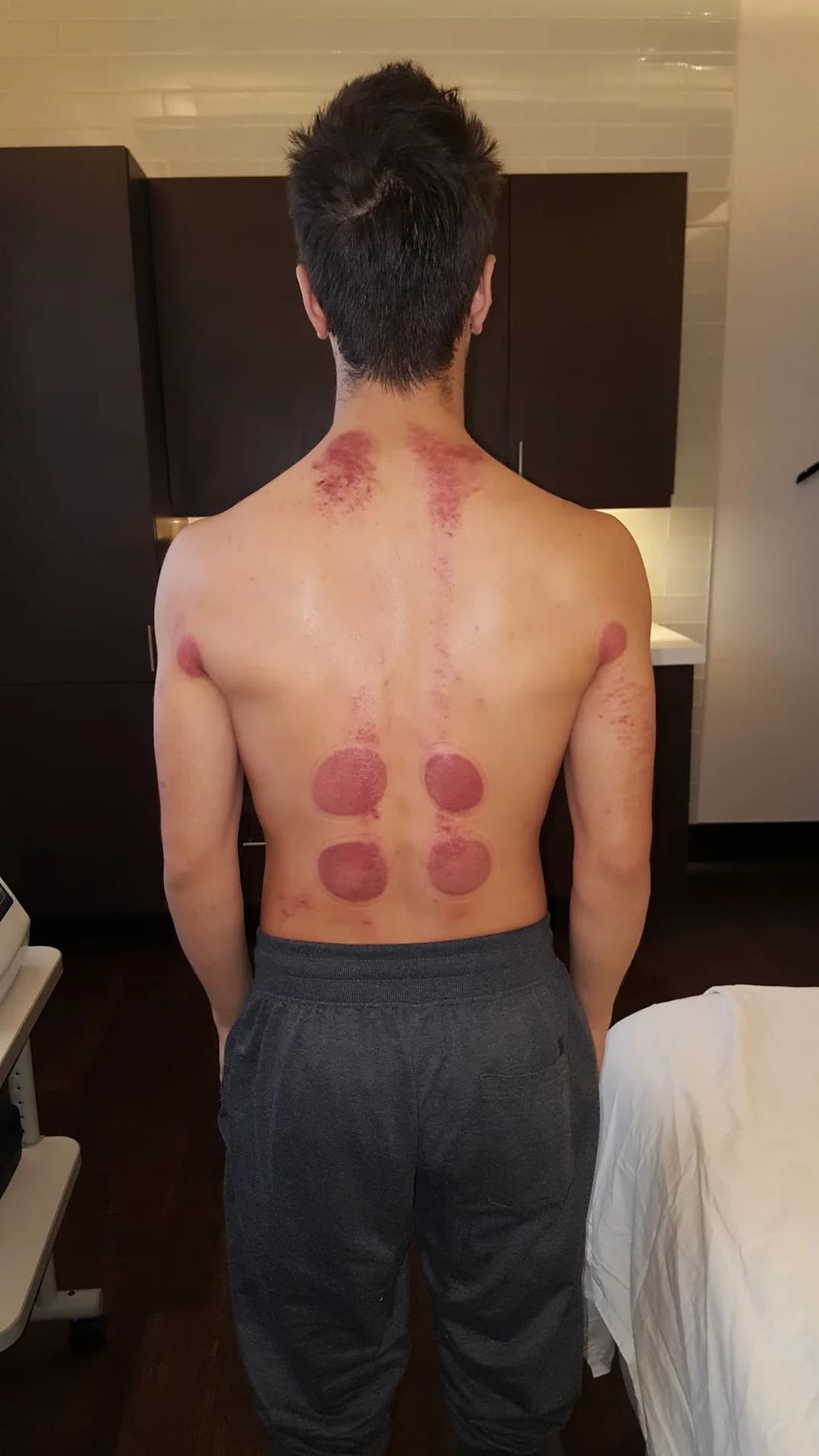
The 12+ Benefits Of Cupping (Wet, Hot, and Dry - Hijama and Al-Hijamah)
By Jacob Gordon, INHC, FMT-CThis article contains affiliate links. As an Amazon Associate, MyBioHack earns from qualifying purchases at no extra cost to you. We only link products we research and stand behind.
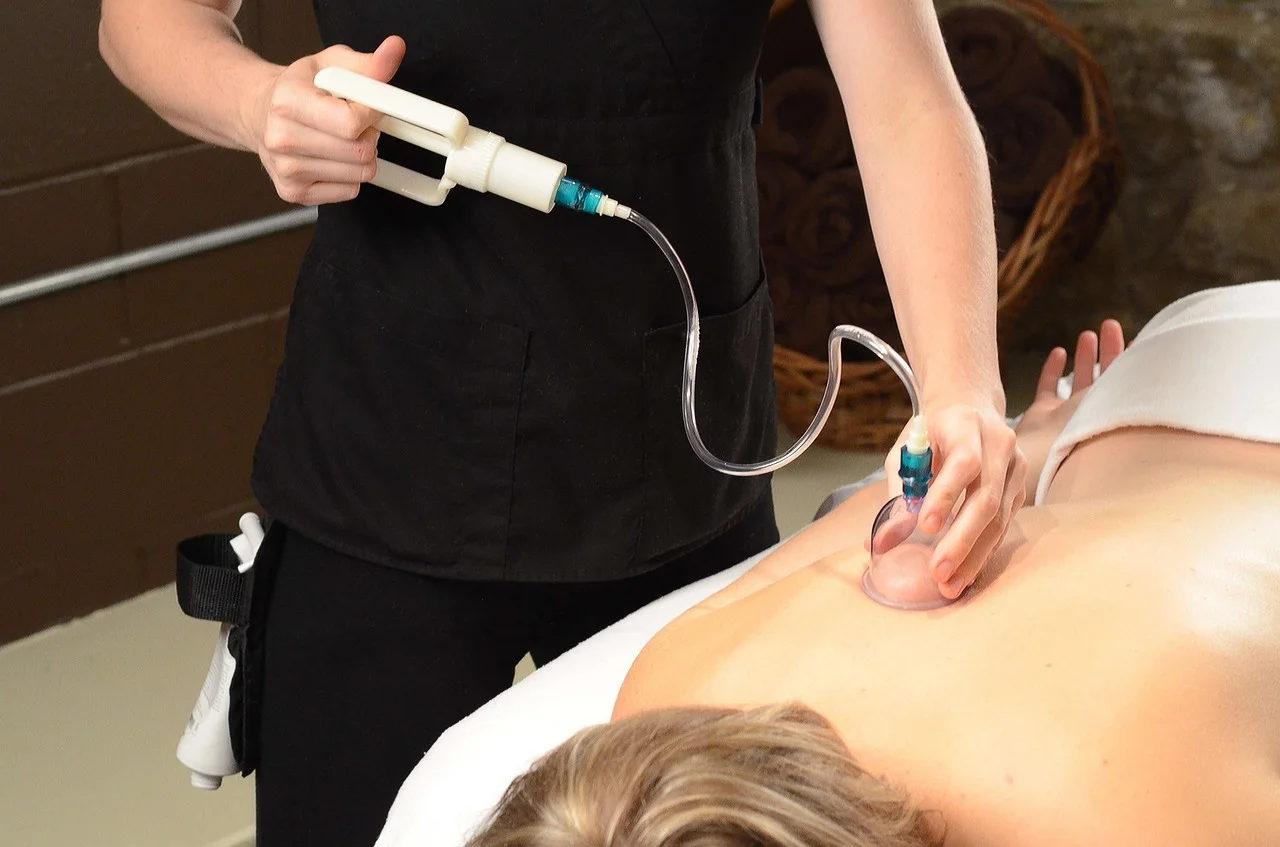
In this post, we will discuss the benefits of cupping (Hijama and Al-Hijamah), it's apparent caveats, as well as my experience with cupping.
Basics Of Hijama And Al-Hijamah
Cupping therapy is a method mainly using horn, bamboo or glass cups on patients’ skin by creating minus pressure inside the cups. R
8 types of Chinese cupping (Hijama) are commonly used in clinical practice:
Empty cupping
Herbal cupping
Moving cupping
Moxa cupping
Needle cupping
Retained cupping
Water cupping
Wet cupping (WCT) - also called bleeding cupping
There is also Al-Hijamah, an Arabic prophetic medicine, which is a 3 step technique (skin suction, scarification and suction). R
Al-Hijamah is more comprehensive than traditional WCT. R
In Iran, cupping has been used for numerous applications (not a scientific list):
Addictions - Drug addiction, and Smoking
Cardiovasuclar - arrhythmias, atheroscleorsis, chest pain, Coronary Artery Disease, deep vein thrombosis, dizziness, hypertension, hypotension, migraines, premature ventricular contraction, phlebitis, pulmonary edema, and tachycardia
Central Nervous System - Bell's Palsy, blepharospasm, cerebral tumors, cerebrovascular accidents, depression, mania, hyperactivity, insomnia, neuralgia, PTSD, trauma, seizures, stammers, tension headaches, and vertigo
Cutaneously - abscesses, acne, alopecia, bedsores, bites, burn injuries, keloid, cutaneous leishmaniasis, dermatitis, eczema, herpes zoster, hives, ichthyosis, itching, lipoma, Measles, pemphigus, profuse perspiration, pruritus, psoriasis, rubella, scarlet fever, shingles (herpes), and smallpox
Endocrine - diabetes, emaciation, growth retardation, hypercholesterolemia, hyperthyroidism, hypertriglyceridemia, hyperuremia, and hypothyroidism
Gastrointestinal - fistula, hemorrhoid, intestinal polyp, and thrush
Hematological - anemia, drug poisoning, hyperepistaxis, and polycythemia
Hepatogenic - newborn jaundice and Stevens Johnson Syndrome
Musculoskeletal - atrophy, cellulitis, chronic pain, discopathy, fatigue syndroms, fracture, gangrene, gout, hematoma, knee arthritis, low back pain, migrating pain, multiple sclerosis, muscle spasms, osteoarthritis, rheumatoid arthritis, sciatica, and shoulder arthritis
Opthalmic - presbiopia and pterygium
Reproductive - amenorrhea, benign prostatic hypertrophy, dysmenorrhea, hot flashes, hypersexuality, hypomenorrhea, menorrhagia, oligomenorrhea, ovarian cysts, premature ejaculation, and spermaturia
Respiratory - allergies, asthma, chemical gas poisoning, colds, influenza, mumps, nasal polyps, pneumonia, and sinusitis
Urinary - child nocturnal enuresis, nephritic syndrome, and nephrolithiasis (kidney stones)
Wikipedia treats cupping as a pseudoscience, as it is not a panacea for everything like some claim it to be, so let's go over the evidence for what cupping can actually help. R
Now let's delve into the studies...
Benefits Of Cupping
1. Improves Blood Flow
For example, in smokers wet cupping can increase oxygen levels in the blood. R
It may help with arrhythmias and Coronary Artery Disease (CAD). R
Wet cupping can improve heart rate variability (HRV). R
In clinical practice, cupping is often used to lower blood pressure and relieve symptoms of hypertension, such as headaches and anxiety, although the evidence is not overwhelmingly strong. R R
It may also headaches, migraines, and fainting. R R R
Through the shifting of blood, cupping can help discharge waste materials. R
For example, wet cupping (with scratching) is able to remove toxic metabolites in the blood of those with angina. R
The blood found in wet cupping has higher levels of Myeloperoxidase (MPO), so removing it from the body reduces oxidative stress. R
Wet cupping and Al-Hijamah may be useful for reducing high levels of iron (hyperferremia and thalassemia), increasing HDL cholesterol levels, and lowering LDL levels, triglycerides, and uric acid in the blood. R R R
2. Reduces Inflammation And Improves The Immune System
Al-hijamah is able to modulate the immune system and improve autoimmune disease. R
It may be beneficial for: R
Acanthosis Nigricans
Addison’s Disease
Ankylosing Spondylitis
Cold Agglutinin Disease
Diabetes
Grave’s Disease
Goodpasture’s Syndrome
Hashimoto’s thyroiditis
Lupus
Pernicious Anemia
Multiple Sclerosis
Myasthenia Gravis
Rheumatoid Arthritis
Scleroderma
By reducing inflammation, cupping can help with autoimmune problems such as gout. R
In arthritis, wet cupping can increase natural killer (NK) cells and reduce IL-2 receptor (IL2R) activity and rheumatoid factor (RF) levels. R
Although, moving the cups around may lower NK cell count (temporary). R
When combined with laser acupuncture, cupping can reduce cortisol levels. R
3. May Improve Lung Function
In case studies, cupping has been able to improve coughs, trouble breathing (dyspnea), and asthma. R R
4. Combats Pain
Cupping has shown in multiple studies to reduce pain and improve quality of life by its ability to increase endorphins and heat-shock proteins. R R R R
In a randomized placebo controlled trial, cupping was able to reduce overall pain and improve quality in life in patients with Fibromyalgia (FM). R
In those with Chronic Fatigue Syndrome (CFS), coiling dragon needling and moving cupping therapy was superior to Prednisone in improving symptoms. R
It can improve:
Acute Trigeminal Neuralgia R
Body Pain (in Fibromyalgia) R
Cancer Pain R
Cervical Radiculopathy R
Cervical Spondylosis R
Exercise-Induced Pain and Recovery R
Foot Pain R
Muscle Tenderness R
Pain After Childbirth R
Toothaches R
By reducing fatigue, and improving appetite, sleep quality and platelet count, cupping is able to improve the quality of life in patients with chronic renal failure on dialysis. R
5. Improves Muscle Funtion
Dry cupping therapy and electrical stimulation therapy were both able to reduce pain and increase function of the foot in those with Plantar Fasciitis (PF). R
Cupping may also help increase range of motion. R
6. Helps With Nausea
Dry cupping before surgery was able to prevent postoperative nausea and vomiting in laparoscopic cholecystectomy patients. R
7. Helps With Herpes Virus
Cupping opens the pores of the skin, helps the removal of pathogens through the skin itself. R
In numerous studies, wet cupping has shown to be significantly better than medications at treating herpes zoster. R R
8. Facial Paraylsis
Cupping can improve loss of facial movement due to nerve damage. R
9. May Improve The Skin And Hair
Cupping can improve acne. R
It can also help with epithelial grafts for the management of resistant localized vitiligo. R
In case studies, wet cupping has helped with treatment of psoriasis, although negative results have been reported in other studies (see caveats). R
Also in case studies, honey + cupping helped with ulcers in arthritis patients. R
It can also helps with genital ulcers in Bechet's Disease. R
Cupping may help with hair density. R
For example, the use of negative pressure (mechanism by which cupping works) can increase the number of hair follicles and increase the thickness of epidermis section of tissue, cell proliferation and vessel density. R
10. Insomnia And Narcolepsy
Cupping combined with acupuncture can improve sleep. R
It may also help with narcolepsy. R
11. May Improve Digestion
Cupping may improve digestion and improve appetite. R
It may be useful for constipation. R
For example, in children dry cupping was as effective as standard laxative therapy in relieving constipation. R
12. May Help With Weight Loss
In a pilot study, women receiving dry cupping were had decreased amounts of cellulite as cupping could enhance lymph drainage. R
My Experience And Where To Get Cups
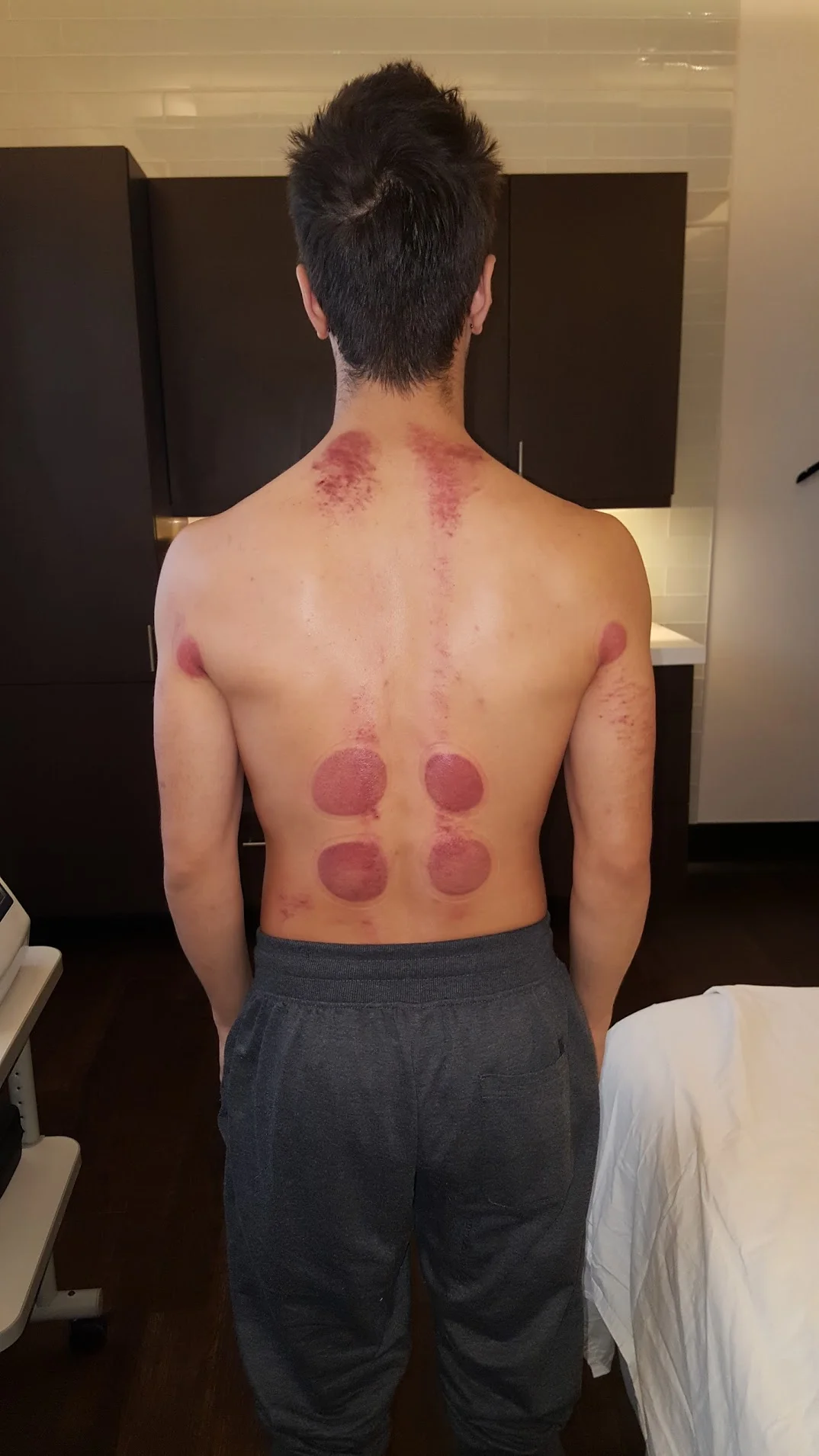
Back in my physical therapy days, I used cupping often.
I knew wet cupping worked well for me as when I get high amounts of blood drawn during phlebotomy, I feel significantly better. R
I've used dry, wet, and hot cupping ranging to my:
Arms
Back
Chest
Glutes
Gut
Inguinal area
Legs
Neck
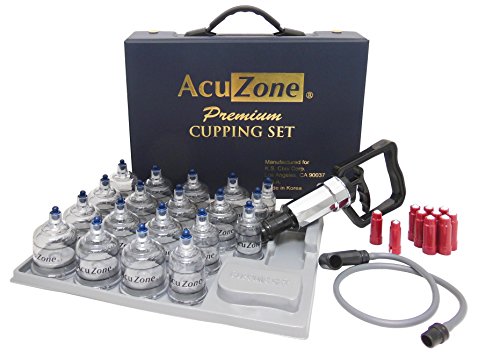
I use this kit on my body from time to time for dry cupping, especially after exercise or I can pinpoint the exact spot of inflammation.
I recommend finding a certified practitioner for wet and hot cupping.
Which Cupping To Do And Cupping Synergies
Caveats
As expected, cupping leads to red marks, swelling, and bruising as blood is drawn to the surface of the skin. R
Of course, hot cupping can cause burns. R
Cupping may induce Koebner phenomenon (ie abrasions, ecchymosis, and purpura) in patients with Psoriasis. R
It may make eczema worse. R
High cholesterol levels may impose risk for cardiovascular disease in wet cupping. R
Don't do cupping over excoriated, oozing, or infected areas. R R
It may make anemia worse. R
Like any cut to the skin, wet cupping may cause infections. R
Although rare, cupping after acupuncture can cause excess pus. R
Cupping is also contradicted in pediatrics, geriatrics, pregnant, and menstruating women. R
If you're a practitioner doing wet cupping, please use disposable cups. R
Mechanism Of Action
Simple:
Increases Beta-Endorphin R
Increases HbO2 R
Increases HDL R
Increases HSP70 R
Increases NK Cells R
Increases WBC R
Reduces Cortisol R
Reduces CRP R
Reduces ESR R
Reduces Ferritin R
Reduces Hb R
Reduces IgE R
Reduces LDL-c R
Reduces RF R
Reduces Uric Acid R
Advanced:
Cupping causes excitation of the neurons (aka axon reflex) releasing cytokines/chemokines, activating immune cells, and causing vasodilation of the local capillary vessels, which in turn leads to the activation of more immune cells and immunomodulation - such as mast cell activation. R
Langerhans cells release neuropeptides that interact with the skin - blood vessel dilation, an increase in their permeability, and the release of biologically active substances such as kinins, proteases, amines, prostanoids, and cytokines from the associated immune cells. R
Some benefits of cupping may be from an increases in CRH, NA, and cortisol (or decrease), acting on the hypothalamus. R R
More Research
Wet cupping may be more beneficial (circumstantial) than phlebotomy. R
Jacob Gordon
INHC, FMT-C
Integrative Nutrition Health Coach
I cover mold illness, post-viral recovery, methylation, and complex chronic disease, drawing on ten years of clinical research, work inside a functional medicine clinic, and my own recovery from all of it. Every claim here is cited.
Book a ConsultationRelated Protocols & Supplements
Deep-dive chapters and recommended supplements for this topic
Electrolyte Complex
1 scoop/day
CoQ10
200mg/day
Magnesium Glycinate
400mg at bedtime