The 6+ Benefits Of Conessine (With Natural Sources And Mechanisms)
By Jacob Gordon, INHC, FMT-CThis article contains affiliate links. As an Amazon Associate, MyBioHack earns from qualifying purchases at no extra cost to you. We only link products we research and stand behind.

In this post, we will discuss the benefits and natural sources for the steroid alkaloid, Conessine.
Basics Of Conessine
Conessine is a steroid alkaloid found in many species of plants (see sources below).
Conessine also goes by:
Conessin
N,N- dimethylcon-5-enin-3-amine
Konessin
Neriine
Roquessine
Wrightine
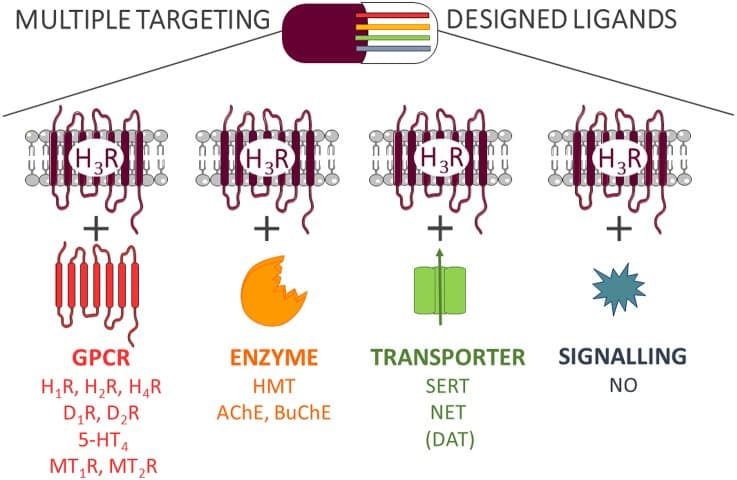
In the brain, it acts as a Histamine H3 Receptor (H3R) Antagonist, which partly regulates its benefits. R
H3R antagonists act differently than other Histamine Receptors (such as H1 and H2). R
Instead of causing down-regulation of histamine in the body, it actually increases the neurotransmitter Histamine. R
Benefits Of Conessine
1. May Improve Cognition

Conessine also easily crosses the Blood-Brain Barrier (BBB). R
Conessine is a H3 antagonist and increases Histamine in the brain, which can increase cognitive function. R
Conessine also increases the neurotransmitter Acetylcholine (ACh) in the brain by reducing the activity of Acetylcholinesterase (AChE). R R
2. Has Antimicrobial Effects
Anti-parasitic:
Amoeba - Conessine can destruction amoeba without having an emetic effect. R
Entamoeba histolytica R
Plasmodium - Conessine is antimalarial R
Conessine may prevent food poisoning. R
Antibacterial:
Acinetobacter baumannii R
Bacillus cereus R
Bacillus megaterium R
Bacillus stearothermophilus R
Bacillus subtilis R
Pseudomonas aeruginosa R
Conessine can also act synergistically with penicillin and vancomycin (respectively) to have antibiotic effects against Methicillin Sensitive Staphylococcus Aureus (MSSA) and Methicillin Resistant Staphylococcus Aureus (MRSA). R
Anti-fungal:
Micrococcus luteus ATCC 9341 R
3. Has Antioxidant Properties
Although weak, conessine does possess some free radical scavenging properties. R
4. Protects The Neurotransmitter Systems From Alcohol Exposure
Conessine can protect the Dopaminergic and Noradrenergic systems of the Prefrontal Cortex (PFC) in the brain from alcohol consumption. R
5. May Improve Muscle Resilience

For example, by increasing the expression of MuRF1/Atrogin-1 and reducing FoxO3a/P53, conessine protect against dexamethasone-induced muscle atrophy. R
6. May Reduce Pain
Conessine is a powerful analgesic, but a double-edged sword. R
This is because conessine can reduce pain, but injecting it also causes a great inflammatory response. R
My Experience With Conessine
Conessine improves my focus and libido significantly.
I have to take it in the morning or else it will interfere with sleep.
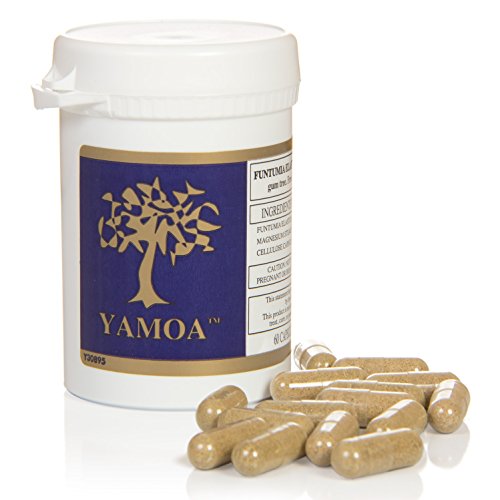
Sources Of Conessine
Caveats
Do not take while currently experiencing Histamine Intolerance or Mast Cell degranulation.
Mechanism Of Action
Simple:
Increases Atrogin-1 R
Increases MuRF1 R
Reduces FoxO3a R
Reduces H3R R
Reduces NF-kB R
Reduces Trypanothione synthetase R
Advanced:
Conessine acts as a histamine antagonist, selective for the H3 subtype (with an affinity of pKi = 8.27; Ki = ~5 nM). R
Conessine is much more selective for human H3 versus the H4 receptor (>1860-fold) than the imidazole-based ciproxifan (30-fold selective) and thioperamide (only 1.5-fold selective). R
Conessine was also found to exhibit low binding affinity for most other rodent and human G-protein coupled receptors and ligand activated ion channels, with the notable exception of potent affinity for the human alpha2C-adrenergic receptor subtype. R
Conessine reduces muscle atrophy by interfering with the expression of atrophy-related ubiquitin ligases MuRF-1 and atrogin-1 and conessine treatment inhibits FoxO3a-dependent transcription, NF-kappaB-dependent transcription and p53-dependent transcription. R
Conessine treatment induces the accumulation of enlarged autophagosomes in the cytoplasm by impairing the fusion of autophagosome with a lysosome. R
Conessine also inhibits Trypanothione synthetase, which synthesizes trypanothione from glutathione and spermidine. R
More Research
Conessine can stop cockroaches from molting. R
Jacob Gordon
INHC, FMT-C
Integrative Nutrition Health Coach
I cover mold illness, post-viral recovery, methylation, and complex chronic disease, drawing on ten years of clinical research, work inside a functional medicine clinic, and my own recovery from all of it. Every claim here is cited.
Book a ConsultationRelated Protocols & Supplements
Deep-dive chapters and recommended supplements for this topic
Spore-Based Probiotics
1 cap with food
L-Glutamine
5g 2x/day on empty stomach
Butyrate
300mg 2x/day with meals